Effective Exercises for Patellar Tendonitis Treatment
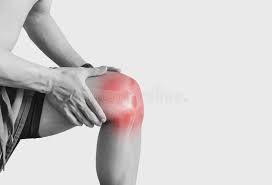
Patellar tendonitis, also known as jumper’s knee, is a condition that causes pain in the tendon beneath the kneecap. It is commonly seen in individuals who participate in jumping activities and can significantly impact the ability to exercise, play sports, or perform daily activities. Physical therapy is often prescribed for the treatment of patellar tendonitis, and there are several effective exercises that can help reduce symptoms and improve knee function.
Key Takeaways:
- Patellar tendonitis, or jumper’s knee, causes pain in the tendon beneath the kneecap.
- Physical therapy and targeted exercises are recommended for treating patellar tendonitis.
- Straight-leg raises, short-arc quad exercises, half-squats, step-ups, terminal knee extension exercises, and eccentric exercises are effective for patellar tendonitis treatment.
- Consistent exercise and guidance from a healthcare professional are important for achieving positive results.
- With proper treatment and exercise, individuals with patellar tendonitis can experience significant improvement in symptoms and knee function.
Straight-leg Raises and Short-Arc Quad Exercises
As part of patellar tendonitis treatment, two essential exercises to incorporate into your rehab program are straight-leg raises and short-arc quad exercises. These exercises are designed to strengthen the quadriceps muscles and improve knee stability, assisting in the recovery process. Let’s take a closer look at how to perform these exercises:
-
Straight-Leg Raises:
This exercise targets your quadriceps and can be done while lying on your back. Follow these steps for proper execution:
- Lie flat on your back with your legs extended.
- Bend one knee slightly to keep your lower back pressed against the floor.
- Raise your other leg upward, keeping it as straight as possible.
- Hold the raised position for a few seconds before slowly lowering your leg back down.
- Repeat the exercise on both legs, aiming for three sets of 10 repetitions.
-
Short-Arc Quad Exercises:
This exercise focuses on the quads and is performed by bending the knees over a foam roll or towel. Here’s how to do it:
- Lie flat on your back with your knees bent and your feet flat on the floor.
- Place a foam roll or towel under your knees.
- Slowly raise your lower leg by straightening your knee, keeping the roll or towel in place.
- Hold the raised position briefly before lowering your leg back down.
- Aim for three sets of 10 repetitions for each leg.
Remember to consult with a healthcare professional before starting any exercise program, especially if you’re dealing with an injury like patellar tendonitis. They can provide valuable guidance on exercise technique and ensure you’re performing the exercises correctly.
Next, we will explore two more exercises that can help in the rehabilitation of your patellar tendonitis.
Quote:
“The combination of straight-leg raises and short-arc quad exercises can play a crucial role in strengthening the quadriceps and improving knee stability in individuals with patellar tendonitis.” – Dr. Emily Johnson
| Benefits | Guidelines | |
|---|---|---|
| Straight-Leg Raises |
|
|
| Short-Arc Quad Exercises |
|
|
Half-Squat and Step-Up Exercises
When it comes to treating patellar tendonitis, two effective exercises that can be performed at home are half-squats and step-ups. These exercises help strengthen the leg muscles and improve knee function, making them ideal for individuals looking for the best exercises for patellar tendonitis.
Half-Squat Exercise
The half-squat exercise targets the quadriceps and gluteal muscles, which play a crucial role in knee stability. To perform this exercise:
- Stand with your feet shoulder-width apart, toes turned out to the side.
- Bend your knees and lower your body about one-quarter of the way down towards the floor.
- Hold this position for a few seconds.
- Slowly return to the starting position.
Performing half-squats regularly can help strengthen the leg muscles, reduce pain, and improve knee stability.
Step-Up Exercise
The step-up exercise primarily targets the quadriceps and hamstrings, which are vital for knee strength and stability. To perform this exercise:
- Place a footstool or a thick book on the floor.
- Step up onto the stool or book with your affected leg, keeping your knee in line with your middle toe.
- Slowly lower your other foot back to the floor.
- Repeat the exercise with the opposite leg.
Performing step-ups regularly can help strengthen the leg muscles, improve balance, and enhance knee function.
These exercises can be incorporated into a comprehensive patellar tendonitis workout routine to ensure proper rehabilitation and recovery. However, it’s important to consult with a healthcare professional before starting any exercise program, especially if you have a pre-existing condition or are experiencing severe symptoms.
Remember, consistency is key when it comes to seeing positive results. By diligently performing the half-squat and step-up exercises, patellar tendonitis sufferers can effectively manage their condition and speed up the healing process in the comfort of their own homes.

Terminal Knee Extension and Eccentric Exercises
In addition to the previously mentioned exercises, terminal knee extension and eccentric exercises are also highly effective for treating patellar tendonitis. These exercises specifically target the stretching and strengthening of the patellar tendon, aiding in its recovery and providing relief from pain.
Terminal Knee Extension Exercise
The terminal knee extension exercise involves using an exercise band or cable machine to create resistance. Begin by attaching one end of the band or cable to a secure object or have someone hold it firmly. Loop the other end of the band around the knee of the affected leg. Slowly straighten your leg, against the resistance, until it is fully extended. Hold this position for a few seconds and then slowly return to the starting position. Repeat this exercise for a recommended number of repetitions.
Eccentric Exercises
Eccentric exercises are another crucial component of patellar tendonitis treatment. These exercises focus on targeting the muscle-tendon complex and improving its strength and resilience. One effective eccentric exercise for patellar tendonitis is the single leg eccentric squat.
Place your injured leg on an elevated surface, such as a step or platform, allowing your other leg to hang freely. Slowly lower your body by bending your knee and hip, while keeping your torso upright and your knee aligned with your middle toe. Aim to lower yourself for a count of 3-5 seconds, feeling a gentle stretch in the patellar tendon. Once you reach the lowest point, push through your heel to return to the starting position, focusing on controlling the movement. Perform multiple repetitions of this exercise, gradually increasing the number as you build strength and tolerance.
By incorporating terminal knee extension exercises and eccentric exercises into your patellar tendonitis rehabilitation program, you can effectively target and improve the condition of the affected tendon. These exercises aid in stretching and strengthening the patellar tendon, promoting healing and minimizing the risk of future injury.

Conclusion
Effective exercises for patellar tendonitis can play a crucial role in alleviating pain, improving knee strength, and restoring overall function. In this article, we discussed several recommended patellar tendonitis exercises that can help individuals recover from this condition.
By incorporating exercises such as straight-leg raises, short-arc quad exercises, half-squats, step-ups, terminal knee extension exercises, and eccentric exercises into your rehabilitation routine, you can target the affected muscles and tendons, promoting healing and enhancing knee stability.
It is important to note that performing these exercises should be done under the guidance of a healthcare professional. They can provide personalized instructions and appropriate modifications based on your individual condition and progress. Regularity and proper technique are key to achieving positive outcomes while minimizing the risk of exacerbating your patellar tendonitis.
Remember, with consistent effort and adherence to the prescribed exercises, you can significantly reduce pain, strengthen your knee, and regain normal function. Make sure to consult with your healthcare professional before starting any exercise program to receive a tailored approach that addresses your specific needs and goals.
FAQ
What is patellar tendonitis?
Patellar tendonitis, also known as jumper’s knee, is a condition that causes pain in the tendon beneath the kneecap. It is commonly seen in individuals who participate in jumping activities and can significantly impact the ability to exercise, play sports, or perform daily activities.
How can physical therapy help with patellar tendonitis?
Physical therapy is often prescribed for the treatment of patellar tendonitis. It can help reduce symptoms and improve knee function through targeted exercises and other modalities.
What are straight-leg raises and short-arc quad exercises?
Straight-leg raises involve lying on your back, raising your straightened leg off the floor, and holding it for several seconds before lowering it. Short-arc quad exercises are performed by lying on your back with your knees bent over a foam roll or towel and lifting your lower leg until it is straight. Both exercises help strengthen the quadriceps and improve knee stability.
How do half-squat and step-up exercises help with patellar tendonitis?
Half-squat exercises involve standing with your feet shoulder-width apart and turned out to the side, bending your knees to lower your body about one-quarter of the way down towards the floor. Step-up exercises require placing a footstool or thick book on the floor and stepping up with your affected leg, keeping your knee in line with your middle toe. Both exercises help strengthen the leg muscles and improve knee function.
What are terminal knee extension exercises and eccentric exercises?
Terminal knee extension exercises involve using an exercise band and attaching one end to a secure object or having someone provide resistance. The other end of the band is looped around the knee of the affected leg, and the leg is slowly straightened and held for several seconds before returning to the starting position. Eccentric exercises, such as single-leg eccentric squats, help strengthen the muscles around the knee and improve tendon healing.
Are these exercises effective for patellar tendonitis treatment?
Yes, these exercises, including straight-leg raises, short-arc quad exercises, half-squats, step-ups, terminal knee extension exercises, and eccentric exercises, are recommended for relieving pain, increasing knee strength, and improving overall function in patellar tendonitis. It is important to perform these exercises regularly and under the guidance of a healthcare professional.
Source Links
- https://www.verywellhealth.com/exercises-for-patellar-tendonitis-5200332
- https://www.webmd.com/a-to-z-guides/best-exercises-patellar-tendinopathy
- https://myhealth.alberta.ca/Health/aftercareinformation/pages/conditions.aspx?hwid=bo1598