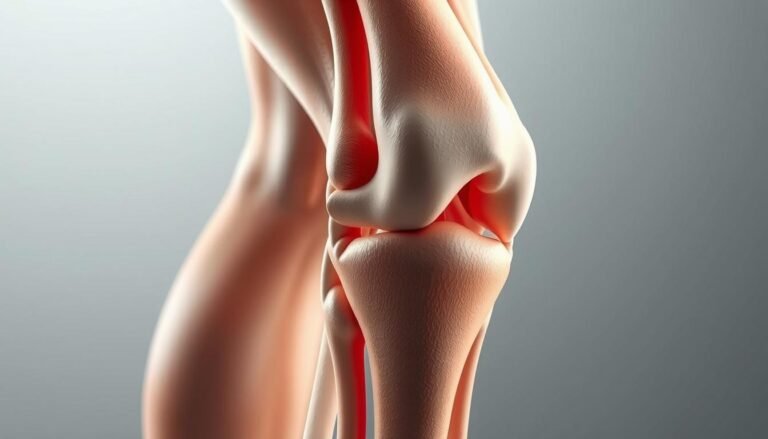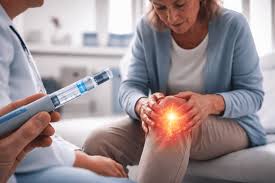
GLP-1 Joint Offloading & Mobility Pathways 2026: How Weight Loss Is Changing Knee Pain Recovery

GLP-1 Joint Offloading & Mobility Pathways 2026: How Weight Loss Is Changing Knee Pain Recovery

Did you know that among people who stay on GLP-1 therapy, average weight loss at one year reaches 18.4%, a level that can significantly reduce stress on the knee joint and improve mobility in 2026.

Blog illustration

Key Takeaways

Question Answer
What is GLP-1 joint offloading? It refers to reducing pressure on the knee through weight loss and metabolic changes driven by GLP-1 medications.
Can GLP-1 help knee pain? Yes, less body weight reduces joint stress and may ease knee pain. Learn more in our knee pain guide.
Who benefits most? People with osteoarthritis, obesity, or chronic knee hurt conditions.
Does it replace rehab? No, it works best alongside structured rehab like our comprehensive knee recovery guide.
What about injuries? It supports recovery but does not replace care for issues like ligament injuries.
Is it used in 2026? Yes, GLP-1 therapies are rapidly expanding in mobility-focused care pathways.

1. Understanding GLP-1 and Knee Joint Offloading in 2026

GLP-1 receptor agonists were originally designed for metabolic health, but in 2026 they are increasingly used to support joint health.

We now understand that reducing body weight directly lowers compressive force on the knee.

This matters because every extra pound adds multiple pounds of force across the joint during movement.

When knee pain becomes chronic, offloading strategies become essential, not optional.

 

Knee PainKnee Pain


Blog illustration

2. Why Weight Loss Directly Reduces Knee Pain

The knee joint تحملs repetitive load with every step, especially during walking and climbing.

Weight reduction changes biomechanics immediately, reducing stress on cartilage and ligaments.

This is especially important for people dealing with conditions like chondromalacia patella.

Even modest weight loss can improve function and reduce daily discomfort.
 

ChondromalaciaChondromalacia


3. Mobility Pathways: Combining GLP-1 With Rehab

GLP-1 therapy alone is not a full solution, it must be paired with movement-based recovery.

We recommend combining weight reduction with strengthening and mobility drills.

This approach improves joint stability while reducing load.

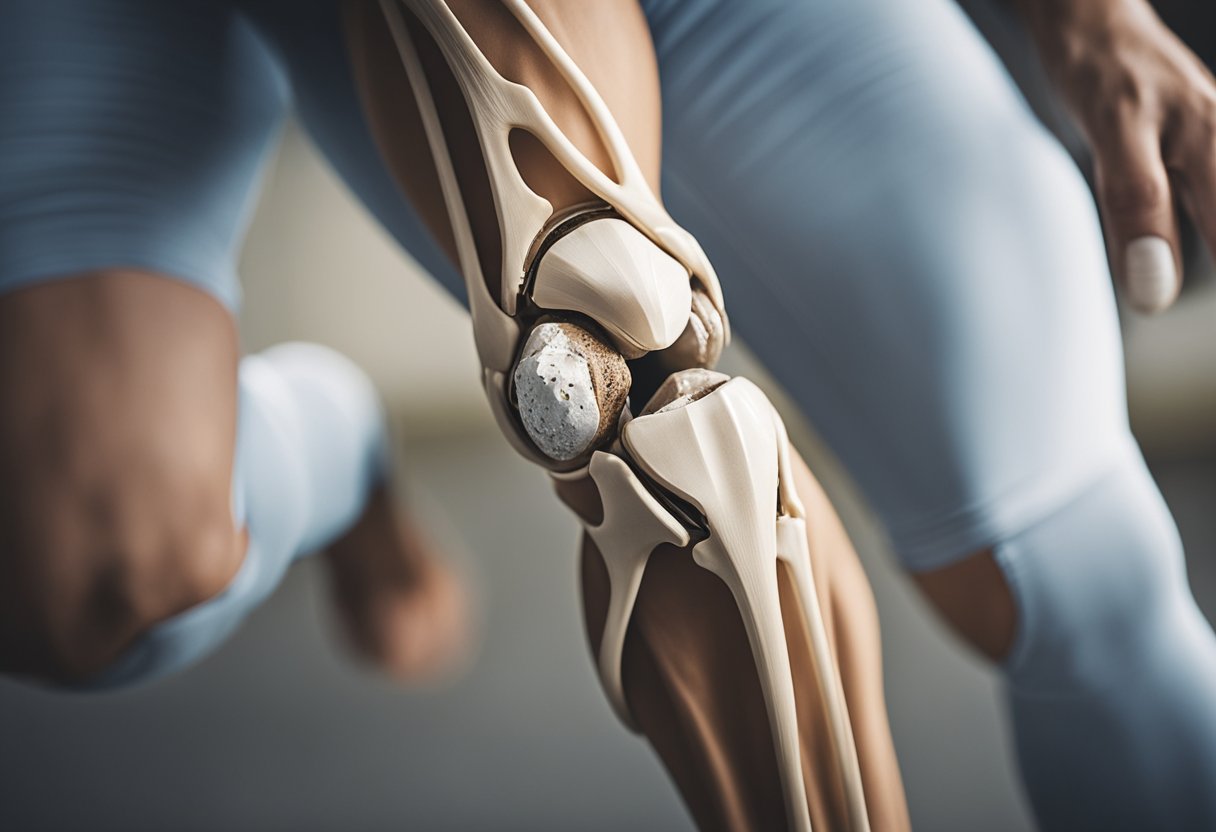
It is especially effective when recovering from meniscus injuries.

Infographic showing 5 key benefits of GLP-1 receptor agonists for knee OA, joint offloading, and mobility.

This infographic highlights how GLP-1 receptor agonists can support knee osteoarthritis management by offloading joints and improving mobility, summarized in five key benefits. It provides a quick visual guide to the potential impact on daily activity and movement.

 

Torn MeniscusTorn Meniscus


Blog illustration

4. GLP-1 and Knee Osteoarthritis Progression

Knee osteoarthritis is driven by both mechanical stress and inflammation.

GLP-1 medications may help address both factors through weight loss and metabolic effects.

In 2026, research continues to explore how these medications slow functional decline.

Patients often report improved walking tolerance and reduced stiffness.

Did You Know?

Wegovy (7.2 mg) is associated with roughly 21% weight loss in clinical studies.

Source: CVS Caremark GLP-1 Outlook 2026
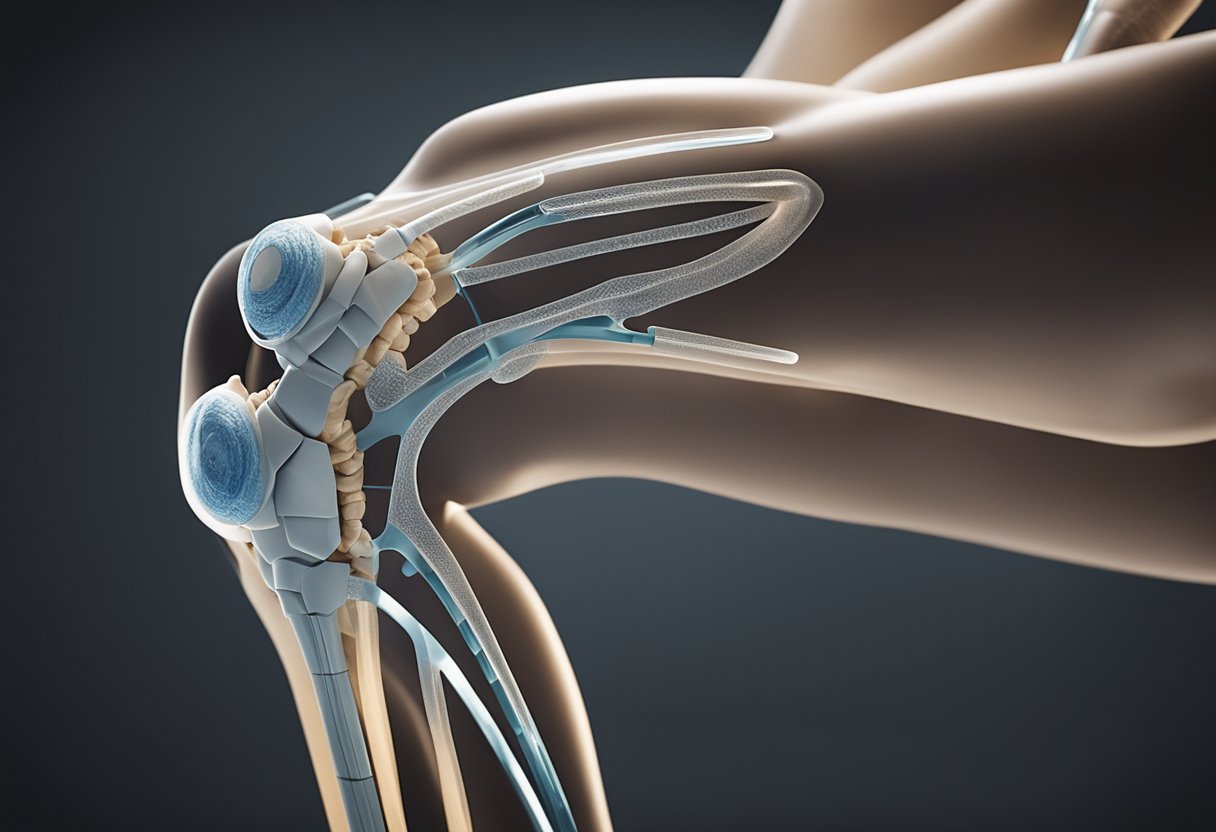
Ligament Knee InjuryLigament Knee Injury


5. ACL Recovery and Load Management Strategies

ACL injuries require careful load progression during recovery.

GLP-1 supported weight loss can reduce strain during rehab phases.

This makes early movement safer and more controlled.

We often integrate this with guidance from ACL injury recovery strategies.


ACL InjuryACL Injury


Blog illustration

6. PCL Injuries and Posterior Knee Stability

PCL injuries affect posterior stability and load distribution.

Reducing body weight helps minimize backward stress forces on the knee.

This is especially useful during walking and downhill movement.

Structured rehab paired with GLP-1 can improve outcomes.


PCL InjuryPCL Injury


7. Traumatic Knee Conditions and Recovery Pathways

Traumatic knee injuries often involve multiple structures.

Reducing joint load becomes critical to prevent further damage.

GLP-1 pathways support this by lowering baseline stress.

This complements care for traumatic knee injuries.

Did You Know?

CVS projects GLP-1 weight-management use to grow about 25% in 2026.

Source: CVS Caremark GLP-1 Outlook 2026
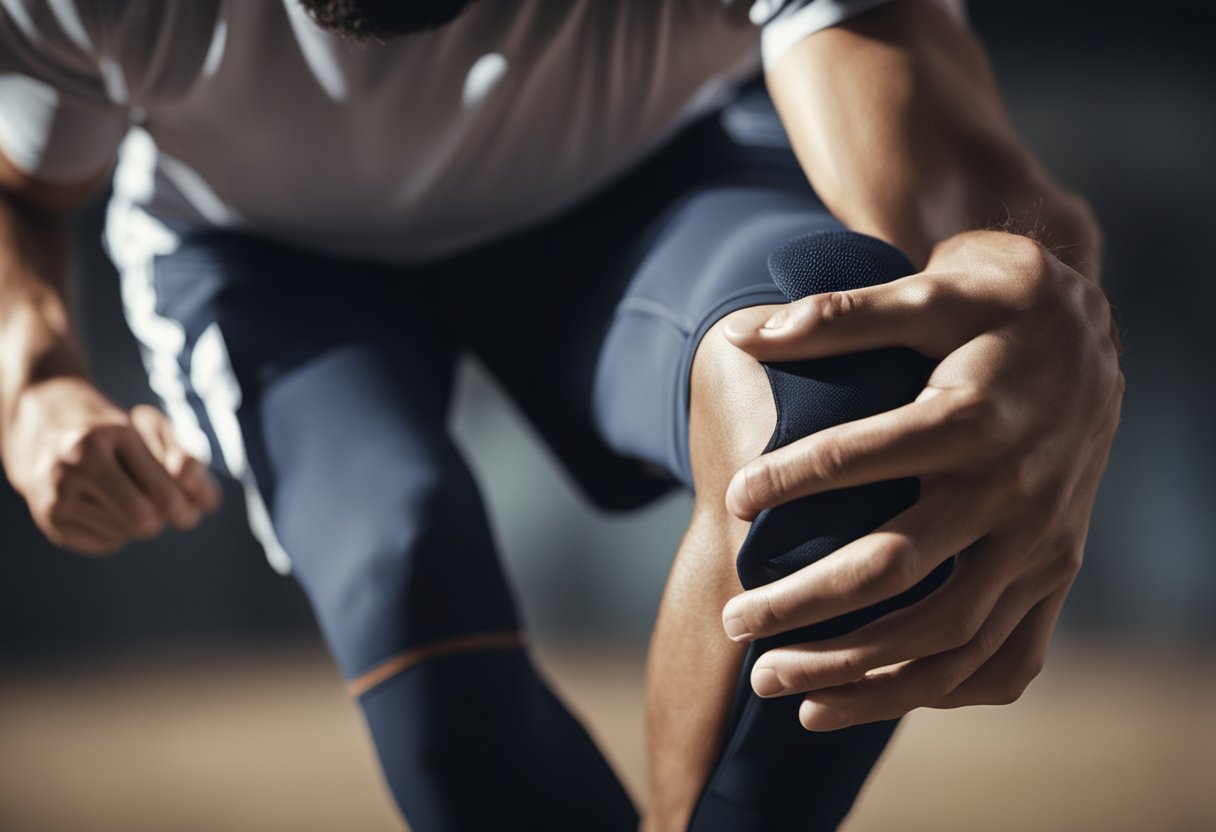
Traumatic Knee


Blog illustration

8. Biomechanics: How Offloading Changes Movement

When body weight decreases, gait mechanics improve.

This reduces abnormal joint angles and uneven loading patterns.

Patients often notice smoother walking and less knee pain.

We focus on retraining movement alongside weight changes.


Knee Pain RunningFoam Rolling Incorrect


9. Exercise Strategies That Support GLP-1 Outcomes

Exercise amplifies the benefits of GLP-1 therapy.

We recommend focusing on strength, stability, and controlled mobility.

Key movements include:

  • Hip strengthening

  • Quadriceps activation

  • Low-impact cardio


Correct Foam RollingStretching


Blog illustration

10. Long-Term Mobility and Lifestyle Planning

GLP-1 pathways are not short-term fixes.

We guide patients toward sustainable habits that protect the knee.

This includes maintaining strength, managing weight, and avoiding overload.

Consistency matters more than intensity in long-term recovery.


Mobility ExerciseHip Strengthening


Conclusion

GLP-1 joint offloading and mobility pathways in 2026 represent a meaningful shift in how we approach knee pain and recovery.

By combining weight loss, structured rehab, and movement retraining, we can reduce joint stress and improve daily function.

If your knee hurt is limiting your life, this integrated approach offers a practical and evidence-based path forward.

Similar Posts

  • |

    Knee On Pain: A Comprehensive Guide to Causes, Symptoms, and Solutions

    If you’re reading this, chances are you or someone you love has dealt with the frustrating twinge of knee pain. You’re not alone. This common complaint affects people of all ages and walks of life. It’s a topic that doctors and researchers at renowned institutions like the Mayo Clinic study in-depth. Knee pain can be…

  • |

    Sleeping after knee replacement

    What if the key to a faster recovery isn’t just what you do during the day, but how you rest at night? We understand that getting proper rest following an operation can be a major hurdle. In fact, research shows about half of all patients report significant discomfort when trying to find a comfortable position. sleeping after knee replacement This cycle of fatigue and increased sensitivity can slow down your progress. That’s why quality rest is not a luxury—it’s a critical part of the healing process, as emphasized by Christynne Helfrich, PT, DPT at Hinge Health. Our guide is designed to break this cycle. We provide expert-backed strategies for managing discomfort and improving your overall rest quality. This includes proven positions and techniques for the crucial first weeks. By addressing the root causes of post-operative disturbances, we aim to help you achieve the restorative rest your body needs. For a comprehensive plan, explore our detailed resource on how to sleep after knee replacement. Key Takeaways Quality rest is a powerful, non-negotiable part of the healing journey after surgery. Many individuals experience increased pain at night or struggle to find a comfortable sleep position. Targeted exercises and proper sleep hygiene can significantly improve your comfort and rest quality. Effective pain management, including techniques like icing, is crucial for uninterrupted sleep. Guidance from your physical therapist and surgical team is essential for a safe and effective recovery. Patience and consistency with your nightly routine are key to long-term success. Understanding Knee Replacement Recovery Your body begins a detailed repair process immediately after joint surgery. A nerve block often provides comfort for the first 18 to 30 hours post-procedure. This offers a valuable window before typical sensations begin. knee replacement recovery Post-Surgery Healing and Body Changes Significant changes occur as you heal from this operation. Natural inflammation and swelling around the new joint are common. Your system is working hard to integrate the artificial components. We note that many individuals report increased difficulty starting around day four. Challenges can persist for up to ten weeks in some cases. Discomfort may also travel to areas like the shin or hip at night. This is a normal part of the adjustment process. Your body is adapting to its new mechanics. How Sleep Supports Recovery Quality rest is vital for repair. Your body focuses on mending the joint and surrounding muscle tissue during deep rest. This is when the most intensive healing occurs. As healing progresses, your sleep quality should gradually improve. Research shows most people see significant progress by the three-month mark. The first month is often the most difficult. We encourage you to stay active during the day. Gentle movement promotes blood flow and prevents stiffness. This daily activity supports better rest at night. Understanding that your body is working hard post-operatively helps manage expectations. Consistency with your routine is key for long-term success. Common Sleep Challenges After Knee Replacement The quiet of the night often amplifies the physical sensations that accompany post-operative healing. We see that nearly half of all individuals report severe disturbances during this critical time. This makes addressing these hurdles a top priority. common sleep challenges after knee replacement Nighttime Pain and Discomfort Without daytime distractions, you may become more aware of persistent sensations. This heightened awareness can make falling asleep difficult. Anxiety about your new joint is also common. Worrying about movement can further disrupt your rest cycles. Dealing with Swelling and Stiffness Inflammation is a natural response to an operation. It often increases when you are lying down for extended periods. Limited mobility prevents natural position shifts. This lack of movement allows stiffness to set in by morning. Challenge Primary Cause Typical Effect Nighttime Pain Increased sensory awareness Difficulty initiating sleep Swelling Post-surgery inflammation Discomfort in bed Joint Stiffness Immobility during rest…

  • Knee Hurts Walking Up Stairs? Find Solutions!

    Are you experiencing knee pain when walking up stairs? You’re not alone. Many individuals encounter discomfort and strain in their knees when ascending steps. This can make simple everyday tasks, like climbing stairs, challenging and painful. When you walk up stairs, the pressure exerted on your knees can be three to six times your body…

  • Articles / Effective Remedies for Knee Pain Below Knee Cap Inside

    Articles / Effective Remedies for Knee Pain Below Knee Cap Inside Knee pain under the kneecap can be really uncomfortable and make it hard to move around. It’s important to know what causes this pain and how to treat it. This article will help you understand the reasons behind the pain, home remedies, exercises, diet tips, and…

  • GLP-1 Joint Offloading & Mobility Pathways 2026: How Weight Loss Is Changing Knee Pain Relief

    Did you know that structured programs using GLP-1 therapies are reporting an average of 18.5% weight loss within one year in 2026? This level of change directly affects joint loading, especially in the knee, where even small weight reductions can significantly reduce knee pain. Key Takeaways What is GLP-1 joint offloading? It refers to reducing…

Leave a Reply

Your email address will not be published. Required fields are marked *