Knee Brace Duration Tips – How Long to Wear
Wearing a knee brace can be an effective way to support your recovery after a knee injury or surgery. But how long should you actually wear it? In this article, we will explore the optimal duration for wearing a knee brace and provide expert tips to help you achieve the best results.
Key Takeaways:
- Understanding the factors that determine how long you should wear a knee brace is crucial.
- Various knee injuries may require different durations of knee brace usage.
- Gradually reducing the usage of the knee brace over time is important.
- Physical therapy can complement the use of a knee brace and aid in your recovery.
- Seeking professional guidance from a healthcare provider is essential for determining the optimal duration.
Factors to Consider When Determining Duration
When it comes to wearing a knee brace, determining the appropriate duration is crucial for optimal recovery. Several factors influence how long you should wear a knee brace, and understanding these factors is key to making an informed decision. Let’s explore the considerations that can help you determine the ideal time to wear a knee brace.
Type and Severity of Your Knee Injury: The nature and extent of your knee injury play a significant role in determining the duration of knee brace usage. Different injuries may require varying levels of support and protection, impacting the recommended wearing time.
Recovery Progress: The progress you make during your rehabilitation journey is another essential factor to consider. As your knee heals and gains strength, the need for a knee brace may diminish. Your healthcare professional can assess your progress and provide guidance on adjusting the duration accordingly.
Recommendations from Your Healthcare Professional: Your healthcare professional’s recommendations are invaluable when determining how long to wear a knee brace. They consider your specific injury, recovery timeline, and overall health to provide personalized advice for optimal results.
By taking these factors into account, you can make an informed decision about the duration of wearing a knee brace. It is important to remember that every individual’s healing process is unique, and what works for one person may not apply to another. Always consult with your healthcare professional to ensure the ideal duration for your knee brace usage.
Guidelines for Different Knee Injuries
When it comes to wearing a knee brace, the proper duration will vary based on the type of knee injury you are recovering from. Whether you have a sprain, strain, ligament tear, or are in post-surgery recovery, it’s crucial to follow specific guidelines to ensure effective support and healing.
Below, we outline the recommended period for wearing a knee brace for different knee injuries:
Sprain
For mild to moderate sprains, wearing a knee brace for 1 to 2 weeks can provide the necessary stability and support during the initial stages of recovery. As your pain decreases and your range of motion improves, you may gradually reduce the duration of brace usage.
Strain
In cases of muscle strain in the knee, wearing a knee brace for 2 to 4 weeks can help protect the affected area and promote healing. Depending on the severity of the strain and your progress, you may need to adjust the duration in consultation with your healthcare professional.
Ligament Tear
A ligament tear, such as an anterior cruciate ligament (ACL) tear, often requires more extensive support. In these cases, wearing a knee brace for 4 to 8 weeks or as directed by your healthcare professional is recommended. The duration may be longer for severe tears or if you undergo surgical repair.
Post-Surgery Recovery
After knee surgery, the recommended period for wearing a knee brace will depend on the specific procedure and your surgeon’s instructions. Typically, you can expect to wear a knee brace for 4 to 12 weeks, gradually reducing usage as you progress through your rehabilitation program.
Remember, these are general guidelines, and individual cases may vary. Always consult with your healthcare professional or orthopedic specialist for personalized recommendations based on your unique injury and recovery needs.
| Knee Injury | Recommended Duration for Knee Brace Usage |
|---|---|
| Sprain | 1 to 2 weeks |
| Strain | 2 to 4 weeks |
| Ligament Tear | 4 to 8 weeks |
| Post-Surgery Recovery | 4 to 12 weeks |
Gradual Reduction of Knee Brace Usage
When it comes to wearing a knee brace, it is important to understand that gradually reducing its usage over time is crucial for your recovery and long-term knee health. While the brace provides stability and support during the initial stages of healing, relying on it for too long can hinder your progress. Here, we will explore the reasons behind this approach and provide step-by-step instructions on how to safely transition from wearing a knee brace full-time to using it only during specific activities or as needed.
Why Gradually Reduce Knee Brace Usage?
“Gradually reducing the usage of a knee brace allows your muscles and ligaments to regain strength and stability.”
Gradually reducing the usage of a knee brace allows your muscles and ligaments to regain strength and stability. Wearing a brace for an extended period may cause your knee muscles to weaken, leading to dependency on the brace for stability.
Moreover, gradually transitioning out of a knee brace can also help you gauge your progress accurately. As you gradually decrease the usage, you can assess your knee’s stability and evaluate if you can perform everyday activities without the brace’s support.
Step-by-Step Guide to Reducing Knee Brace Usage
-
Consult with your healthcare professional: Before making any changes to your knee brace usage, consult with your healthcare professional or orthopedic specialist. They will evaluate your progress and provide personalized recommendations based on your specific condition.
-
Start with short intervals: Begin by wearing the knee brace for shorter durations, such as a few hours a day or during specific activities that put more stress on your knee. Gradually increase the time between wearing the brace.
-
Evaluate your knee’s response: Pay attention to how your knee responds during and after brace-free periods. If you experience discomfort, pain, or instability, it may indicate that you need to continue wearing the brace for a little longer.
-
Progress at your own pace: Everyone’s recovery journey is unique. Progress gradually at a pace that feels comfortable for you and aligns with your healthcare professional’s guidance.
-
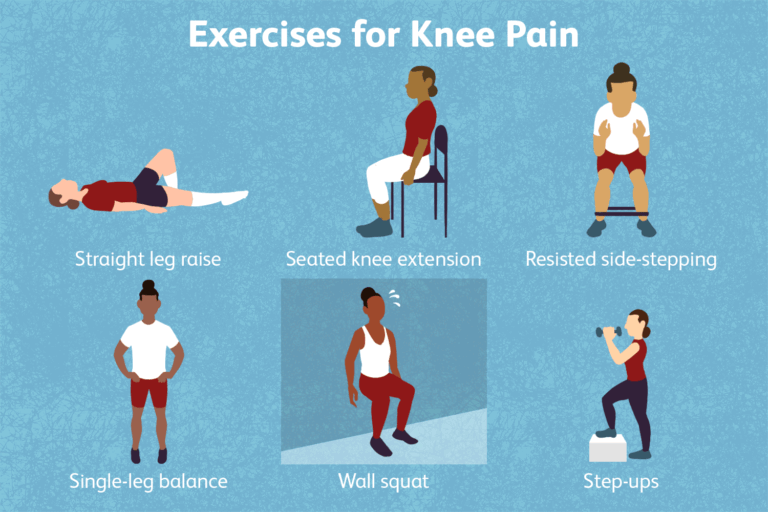
Focus on strengthening exercises: As you reduce the usage of the knee brace, incorporate strengthening exercises recommended by your healthcare professional. These exercises can help improve muscle strength, stability, and overall knee function.
Monitoring Your Progress
“Monitor your progress and seek immediate medical attention if you experience significant discomfort, pain, or instability.”
It is important to monitor your progress during the gradual reduction of knee brace usage. Listen to your body and pay attention to any signs of discomfort, pain, or instability. If you experience any of these symptoms, it’s crucial to seek immediate medical attention to prevent further injury or setbacks in your recovery process.
Table
| Step | Instructions |
|---|---|
| 1 | Consult with your healthcare professional |
| 2 | Start with short intervals |
| 3 | Evaluate your knee’s response |
| 4 | Progress at your own pace |
| 5 | Focus on strengthening exercises |
Understanding the Role of Physical Therapy
Physical therapy is an essential component of the recovery process, especially when wearing a knee brace. It can complement the use of a knee brace and contribute to a faster and more complete recovery. By incorporating physical therapy sessions into your rehabilitation program, you can optimize the benefits of wearing a knee brace and enhance your overall healing process.
During physical therapy sessions, trained therapists will guide you through exercises and treatments specifically designed to improve strength, flexibility, and mobility in your knee. These exercises help in reducing pain, restoring normal range of motion, and enhancing overall functionality. Physical therapy can also address any underlying muscular imbalances or weaknesses that may have contributed to your knee injury in the first place.
By working closely with your physical therapist, you can receive personalized guidance on how long to wear a knee brace based on your specific injury and recovery progress. They will consider various factors such as the severity of your injury, the stability of your knee joint, and the goals of your rehabilitation program.
Aligning Knee Brace Usage Duration with Physical Therapy Sessions
The duration of knee brace usage may align with the recommended frequency and duration of your physical therapy sessions. For example, if you are advised to attend physical therapy sessions two to three times a week for several weeks, you may be instructed to wear your knee brace during these sessions as well as during specific activities between sessions.
Wearing a knee brace during physical therapy can provide additional support to your knee joint, helping to reduce the risk of further injury and providing stability during therapeutic exercises. Your physical therapist will assess your progress and make necessary adjustments to the duration and intensity of your knee brace usage as you continue with your rehabilitation program.
It is important to remember that physical therapy is a dynamic process, and the duration of knee brace usage should be regularly evaluated and adjusted in coordination with your therapist. As you make progress in your recovery, the need for wearing a knee brace may decrease, and your therapist may recommend gradually reducing its usage.
Example Table Title: Comparing Knee Brace Usage Duration and Physical Therapy Sessions
| Rehabilitation Phase | Knee Brace Usage Duration | Physical Therapy Sessions |
|---|---|---|
| Initial Recovery | Full-time (continuously worn) | 2-3 times per week for 6-8 weeks |
| Intermediate Recovery | Worn during physical therapy sessions and activities as directed by the therapist | 2-3 times per week for 4-6 weeks |
| Advanced Rehabilitation | Worn during specific activities or as needed, based on therapist’s guidance | 1-2 times per week for 2-4 weeks |
| Maintenance and Prevention | As recommended by therapist or as per personal comfort and risk factors | As needed for ongoing support and injury prevention |
The table above showcases the potential progression of knee brace usage duration and physical therapy sessions throughout the recovery process. However, it’s important to note that these timelines are general examples and may vary based on individual circumstances and the specific recommendations of your healthcare professional or therapist.
By understanding the role of physical therapy in conjunction with wearing a knee brace, you can optimize your recovery and regain full function in your knee. It is crucial to follow the guidance of your healthcare professional, as they have the expertise to determine the most appropriate duration for wearing a knee brace based on your unique situation.
Listening to Your Body’s Signals
During the recovery process, your body serves as a valuable source of feedback. It provides important signals that can guide you in determining the appropriate duration for wearing a knee brace. By paying attention to your body’s cues, you can make informed decisions that support your healing and optimize your recovery.
As you wear a knee brace, be mindful of the following signals:
- Signs of Progress: Notice any improvement in pain levels, swelling, or range of motion. These positive changes indicate that your knee is healing and getting stronger. Adjusting the duration of knee brace usage based on these signs can help ensure you’re not overly reliant on the brace.
- Discomfort: If you experience persistent or increasing discomfort while wearing the knee brace, it could be a sign that it’s not fitting properly or that you need to adjust its usage. Discomfort can also indicate that your knee is progressing well, and you may consider gradually reducing the amount of time you wear the brace.
- Improved Stability: Pay attention to your knee’s stability. If you feel more confident and stable while performing activities that previously caused instability or pain, it may be a sign that your knee has regained strength. Once your knee reaches a certain level of stability, you can gradually decrease the duration of knee brace usage.
By staying attuned to these signals, you can effectively gauge your progress and make informed decisions about the duration of your knee brace usage. Remember to consult with your healthcare professional or orthopedic specialist for personalized guidance and recommendations tailored to your specific needs.
Adjusting Duration with Professional Guidance
When it comes to determining the optimal duration for wearing a knee brace, consulting with a healthcare professional or orthopedic specialist is essential. Their expertise can greatly assist in customizing the duration of knee brace usage to your specific needs, allowing for a more accurate and effective recovery process.
Professionals in the field have an in-depth understanding of different types of knee injuries, the stages of recovery, and the role that knee braces play in the healing process. By seeking their guidance, you gain access to valuable knowledge and tailored advice that can ensure you wear the brace for the appropriate length of time, maximizing its benefits.
Orthopedic specialists are trained to evaluate your injury, consider your overall health condition, and take into account your lifestyle and daily activities. This comprehensive assessment allows them to recommend the ideal duration for wearing a knee brace specifically for you.
“Seeking professional guidance is crucial because wearing a knee brace for too short or too long of a duration can lead to complications and hinder your recovery progress. It’s important to consult with an expert who can guide you through the process.” – Dr. Emily Simmons, Orthopedic Specialist
The knowledge and insights provided by healthcare professionals can help you avoid unnecessary discomfort and potential setbacks. They will explain any modifications or adjustments needed during your recovery journey, including when to begin reducing the usage of the knee brace and when it is safe to discontinue its use altogether.
Remember, every individual’s circumstances and injuries are unique, and what works for one person may not work for another. That’s why seeking professional guidance ensures a tailored approach that maximizes the effectiveness of your knee brace usage and promotes a successful recovery.
Maintaining Overall Knee Health and Fitness
Ensuring long-term knee health and preventing future injuries is a crucial aspect of your recovery journey, even after the initial healing period. To transition from relying on a knee brace to proactively strengthening and stabilizing your knee, consider implementing the following tips:
Evaluate your exercise routine
Regular exercise is key to maintaining knee health and overall fitness. However, it’s important to modify your exercise routine to protect your knees. Avoid high-impact activities that may strain your knee joints, such as running or jumping. Instead, opt for low-impact exercises like swimming, cycling, or using an elliptical machine to reduce stress on your knees while still staying active.
Focus on strengthening exercises
Incorporating strength training exercises into your routine can help build the muscles surrounding your knees, providing added support and stability. Consult with a physical therapist or exercise specialist to develop a personalized strength training program that targets your specific needs. Exercises such as squats, lunges, and leg presses can be effective for strengthening the knee muscles.
Include flexibility exercises
Improving flexibility is essential for maintaining knee mobility and reducing the risk of injury. Incorporate stretches for your quadriceps, hamstrings, and calves to improve overall knee flexibility. Yoga and Pilates can also be beneficial in enhancing flexibility and balance.
Adopt a healthy lifestyle
Managing your weight is crucial for reducing the strain on your knees. Excess weight puts additional pressure on your knee joints, increasing the risk of injury and exacerbating existing conditions. Maintain a balanced diet, rich in fruits, vegetables, lean proteins, and whole grains, to support your overall joint health. Additionally, drinking plenty of water and avoiding excessive alcohol consumption can aid in joint lubrication and reduce inflammation.
Listen to your body
Pay close attention to any discomfort or pain in your knees during or after physical activities. If you experience persistent pain or your knee feels unstable, consult with a healthcare professional. They can assess your condition and provide guidance on adjusting your exercise routine or considering additional treatments.
Remember, while it’s important to maintain overall knee health and fitness, always consult with a medical professional or physical therapist before making any significant changes to your exercise routine or lifestyle.
Conclusion
In conclusion, the proper duration of wearing a knee brace is crucial for achieving effective recovery and support for your knee. By taking into account various factors such as the type and severity of your injury, the recommendations from medical professionals, and your body’s signals, you can determine the ideal timeframe for wearing a knee brace.
Remember that wearing a knee brace is just one aspect of the recovery process. To maintain optimal knee health, it’s important to continue ongoing care and maintenance even after the recommended duration of knee brace usage. This may include regular physical therapy sessions, exercises to strengthen the knee, and making lifestyle choices that promote overall knee wellness.
By being proactive in understanding your injury, following expert advice, and listening to your body, you can promote a successful rehabilitation process and work towards long-term knee health. Keep in mind that everyone’s journey to recovery is unique, so it’s essential to consult with a healthcare professional or orthopedic specialist for personalized guidance and support.
FAQ
How long should I wear a knee brace?
The duration of wearing a knee brace can vary depending on several factors, including the type and severity of your knee injury, your recovery progress, and the guidance of your healthcare professional. Typically, knee braces are initially worn full-time for a few weeks to support the healing process. Afterward, the usage may be gradually reduced as your knee strengthens. It is important to follow the recommendations of your healthcare provider to ensure optimal recovery.
What factors should I consider when determining the duration of knee brace usage?
When determining how long to wear a knee brace, it is crucial to consider factors such as the type and severity of your knee injury, your recovery progress, and the recommendations of your healthcare professional. These factors can help you determine the optimal duration for wearing a knee brace and ensure that you provide adequate support for your knee during the healing process.
Are there guidelines for wearing a knee brace for different knee injuries?
Yes, there are recommended guidelines for wearing a knee brace based on different types of knee injuries. Whether you have a sprain, strain, ligament tear, or are recovering from knee surgery, it is important to follow the specific guidelines provided by your healthcare professional. These guidelines will help you determine the proper duration for wearing a knee brace to support your recovery effectively.
Why is it important to gradually reduce knee brace usage?
Gradually reducing knee brace usage is important to allow your knee to gradually regain strength and stability. It helps prevent dependence on the brace and encourages your knee to support itself naturally. By gradually reducing the usage of the knee brace under the guidance of your healthcare professional, you can transition to wearing it only during specific activities or as needed, ultimately facilitating a successful recovery.
How does physical therapy complement the use of a knee brace and affect the duration of usage?
Physical therapy plays a crucial role in the recovery process, especially when wearing a knee brace. The duration of knee brace usage may align with the recommended physical therapy sessions. Physical therapists can provide exercises and treatments that support your knee’s rehabilitation. They may also guide you in gradually reducing the duration of knee brace usage based on your progress and overall functional improvement.
How can I determine the proper duration for wearing a knee brace based on my body’s signals?
Listening to your body’s signals is key when determining the duration of knee brace usage. Signs of progress, such as decreased pain and increased stability, may indicate that it’s time to gradually reduce the usage of the brace. It is important to communicate any discomfort or concerns with your healthcare professional, who can assess your progress and provide guidance on the appropriate timeframe for wearing the knee brace.
Should I seek professional guidance to determine the duration of knee brace usage?
Yes, it is highly recommended to seek professional guidance from a healthcare professional or orthopedic specialist when determining the optimal duration for wearing a knee brace. These professionals have the expertise to assess your injury, monitor your progress, and provide specific recommendations tailored to your unique needs. Consulting with them will ensure that you receive the most appropriate and personalized guidance for your knee brace usage.
What steps can I take to maintain overall knee health and fitness beyond the duration of knee brace usage?
After the initial recovery period, it is important to focus on maintaining overall knee health and fitness. This can be achieved through exercises and lifestyle choices that promote knee strength and stability. Your healthcare professional or a physical therapist can provide guidance on specific exercises and activities that are suitable for your condition. Incorporating these exercises into your regular routine will help prevent future injuries and support long-term knee health.
In summary, how important is the duration of knee brace usage?
The duration of knee brace usage is crucial for proper recovery and support. By considering various factors such as the type of injury, recovery progress, and professional guidance, you can determine the ideal timeframe for wearing a knee brace. However, it is important to note that achieving optimal knee health goes beyond the duration of knee brace usage. Ongoing care, maintenance, and lifestyle choices also play a significant role in long-term knee health.