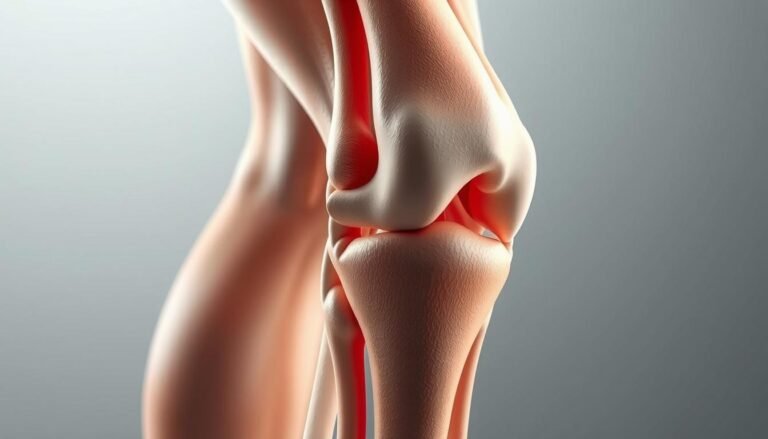
Knee Injury? Find Out Which Doctor to See Now
If you’re struggling with knee pain and wondering which doctor to consult for your knee injury, you’re not alone. In fact, knee injuries are incredibly common, with an estimated 25% of all orthopedic visits being related to knee problems. That’s a staggering number when you consider just how vital the knee is to our overall mobility and quality of life.
The knee is a complex joint composed of ligaments, bones, and cartilage. It is susceptible to a wide range of injuries, from sprains and strains to fractures and tears. As a result, there are various types of doctors who specialize in treating knee injuries, and the specific doctor you should see depends on the severity and underlying cause of your knee pain.
Whether you need the expertise of an orthopedic doctor, a sports medicine physician, or a knee surgeon, finding the right doctor for your knee injury is crucial for proper diagnosis and effective treatment. In this article, we will explore the different types of doctors who can help you with your knee pain, as well as provide guidance on how to find the right doctor for your specific needs.
Continue reading to discover the best path to recovery and reclaiming your mobility.
What Is Knee Pain?
Knee pain is a common condition that can cause discomfort and hinder daily activities. It refers to any pain or discomfort experienced in or around the knee joint. The knee joint is a complex structure that connects the thigh bone (femur) to the shin bone (tibia). It is supported by ligaments, tendons, muscles, and cartilage. Knee pain can occur due to various reasons, including injuries, degenerative conditions, and underlying health issues.
There are multiple causes of knee pain, such as:
- Injuries: Traumatic events, such as falls, accidents, or sports-related incidents, can lead to knee injuries. Common injuries include sprains, strains, ligament tears, and fractures.
- Wear and tear: Over time, the knee joint may experience degeneration due to age, repetitive motion, or the presence of underlying conditions like osteoarthritis.
- Medical conditions: Certain medical conditions like rheumatoid arthritis, gout, bursitis, and tendinitis can cause inflammation in the knee joint, leading to pain and discomfort.
- Structural issues: Problems with the alignment or structure of the knee joint, such as misalignment, patellar tracking disorder, or meniscal tears, can result in knee pain.

Effective treatment for knee pain depends on the underlying cause and severity of the condition. In mild cases, conservative treatments such as rest, ice, compression, elevation (RICE), and over-the-counter pain medications may provide relief. Physical therapy exercises can also help strengthen the muscles around the knee joint and improve mobility.
In more severe cases, specialized medical intervention may be necessary. Sports medicine physicians and orthopedic surgeons are experts in diagnosing and treating knee pain. They can perform advanced diagnostic tests, such as MRI scans, to assess the condition of the knee joint. Based on the diagnosis, they may recommend targeted treatments such as corticosteroid injections, viscosupplementation, arthroscopic surgery, or joint replacement surgery for severe cases.
If you are experiencing knee pain, it is essential to consult with a healthcare professional to determine the cause and appropriate course of treatment. Early intervention can help prevent further damage and improve long-term outcomes for knee health.
Types of Doctors for Knee Pain Treatment
When it comes to seeking treatment for knee pain, there are several types of doctors with expertise in diagnosing and managing knee-related conditions. These medical professionals play a crucial role in effectively addressing knee pain and helping patients regain strength and mobility. Let’s explore the different types of doctors who specialize in treating knee pain:
- General Practitioners or Family Doctors: General practitioners or family doctors are often the primary point of contact for individuals experiencing knee pain. They possess a broad knowledge of various medical conditions and can conduct a thorough physical examination to assess the underlying cause of the pain. They may also order diagnostic tests, such as X-rays or MRIs, to aid in the diagnosis process. Based on their findings, general practitioners may recommend conservative treatments, including rest, medication, or physical therapy exercises, to alleviate knee pain.
- Sports Medicine Physicians: With specialized training in sports-related injuries and exercise medicine, sports medicine physicians are well-equipped to provide comprehensive care for knee pain resulting from athletic activities or physical exertion. They can develop tailored treatment plans, incorporating rehabilitation exercises, and provide guidance on injury prevention techniques to help patients recover and prevent future knee injuries.
- Physical Therapists: Physical therapists are healthcare professionals who specialize in helping patients regain function and mobility after an injury or surgery. They work closely with individuals of all ages to develop personalized treatment plans aimed at improving knee strength and flexibility. Physical therapists may utilize manual therapy techniques, therapeutic exercises, and other modalities to reduce pain and inflammation in the knee joint. Their expertise in knee rehabilitation makes them invaluable in the recovery process from knee injuries or chronic knee conditions.
- Orthopedic Knee Surgeons: In cases where conservative treatments fail to provide adequate relief or when the knee injury requires surgical intervention, orthopedic knee surgeons are the specialists to consult. These highly skilled surgeons are trained to diagnose and treat various knee conditions, ranging from fractures and ligament tears to degenerative diseases. They may order imaging tests to evaluate the extent of the injury and develop customized treatment plans that can include non-surgical interventions or surgery, depending on the severity of the condition.
Each of these types of doctors plays an essential role in the diagnosis and treatment of knee pain. Depending on the specific nature of the knee injury or condition, the appropriate doctor can provide targeted interventions that lead to effective pain management and improved overall knee health.
Finding the Right Doctor for Your Knee Injury
When you’re dealing with a knee injury, it’s crucial to find the right doctor who can provide the proper diagnosis and treatment. The first step is to consider the severity and underlying cause of your knee pain. In cases of minor knee pain, home care and rest may be sufficient. However, if the pain persists or worsens, it’s advisable to schedule an appointment with a physician.
It’s important to seek urgent medical attention if your knee pain is the result of a fall or other traumatic injury. Similarly, if you experience symptoms such as excessive swelling or the inability to bear weight on the affected knee, it’s crucial to consult with a doctor as soon as possible. These symptoms may indicate a more serious injury that requires immediate medical evaluation.
For more severe knee injuries, such as fractures or detached ligaments, it’s recommended to consult with an orthopedic surgeon. These specialists have the expertise to perform necessary surgical interventions that can help restore joint function. In addition, it’s essential to note that knee pain may not always originate from the knee itself. Issues in other areas, such as the hips, can contribute to knee pain. Consulting with the right doctor can ensure an accurate diagnosis and appropriate treatment for your knee injury.
FAQ
What type of doctor should I see for a knee injury?
The specific type of doctor you should see for a knee injury depends on the severity and underlying cause of your pain. General practitioners or family doctors are often the first healthcare providers to be consulted. They may recommend conservative treatments or refer you to a specialist such as a sports medicine physician or an orthopedic knee surgeon for further evaluation and treatment.
What is knee pain?
Knee pain refers to any discomfort experienced in or around the knee joint. It can be caused by a variety of factors, including injuries, degenerative conditions, or problems in other areas of the body. Knee pain is a common reason for seeking medical attention, especially among older adults.
Who can effectively diagnose and treat knee pain?
Several types of doctors can effectively diagnose and treat knee pain. General practitioners or family doctors are often the first point of contact. They may conduct a detailed medical history and physical examination, order diagnostic tests, and recommend conservative treatments. Other specialists include sports medicine physicians who specialize in sports-related injuries, physical therapists who develop personalized treatment plans, and orthopedic knee surgeons who diagnose and treat various knee conditions.
How do I find the right doctor for my knee injury?
The right doctor for your knee injury depends on the severity and underlying cause of your pain. For minor knee pain, home care and rest may be sufficient. However, if the pain persists or worsens, it is advisable to schedule an appointment with a physician. Orthopedic surgeons should be consulted for more severe injuries that may require surgical intervention. It’s important to note that knee pain may not always originate from the knee itself, and consulting with the right doctor can ensure an accurate diagnosis and appropriate treatment.
Source Links
- https://www.danalbrightmd.com/blog/orthopedic-doctor-for-knee-pain-2935/
- https://noyeskneeinstitute.com/what-is-the-best-doctor-to-see-for-knee-pain/
- https://www.centerfororthosurgery.com/is-my-knee-injury-serious-enough-to-see-an-orthopedic-doctor/