Knee Injury When Kneeling: Causes & Prevention
Did you know that kneeling for prolonged periods can lead to serious knee injuries?
Whether it’s due to work, exercise, or daily activities, kneeling can put excessive strain on our knees, resulting in pain, discomfort, and even long-term damage. In fact, knee injuries when kneeling are more common than you might think, affecting a significant number of individuals each year.
In this article, we will explore the causes of knee injuries when kneeling, common knee problems that can arise, and most importantly, prevention strategies that can help you protect your knees and maintain their health. We’ll provide you with valuable information on knee injury treatment, knee strengthening exercises, knee support options, and more, to ensure you have the tools you need to keep your knees strong and pain-free.
So if you’ve ever experienced knee pain when kneeling or want to take proactive measures to avoid knee injuries altogether, keep reading to learn how you can protect one of the most important joints in your body.
Common Knee Problems When Kneeling
When it comes to kneeling, individuals may encounter a range of knee problems that can cause pain and discomfort. Understanding these common knee problems is essential for identifying the appropriate treatment and prevention methods.
Sprained Ligaments
Sprained ligaments are a frequent concern when kneeling. These injuries occur when the ligaments in the knee joint are stretched or torn, leading to instability and pain.
Meniscus Tears
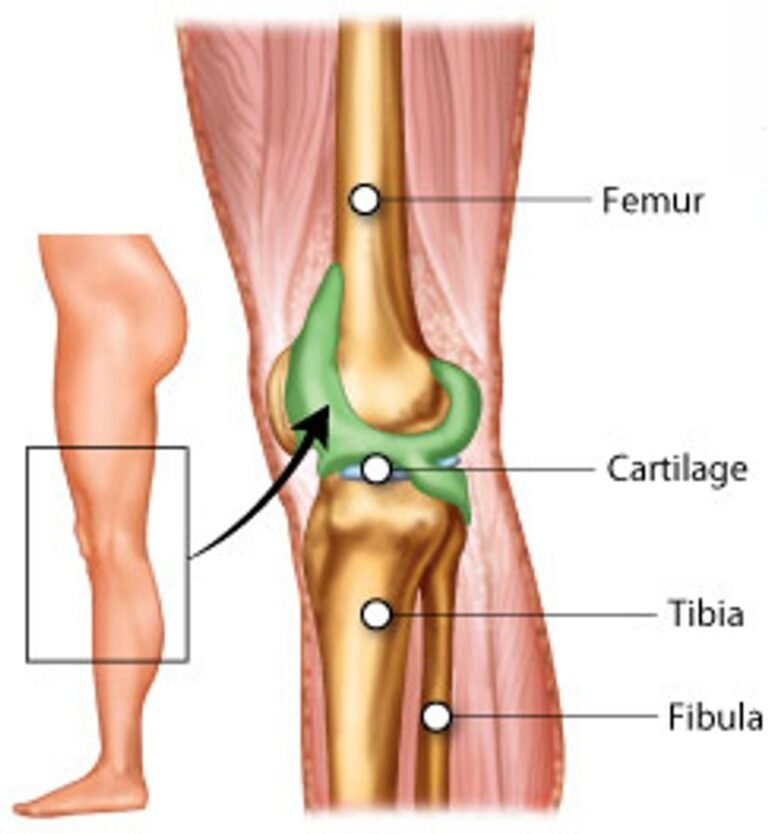
Meniscus tears are another common knee problem associated with kneeling. These tears can result in cartilage damage in the knee, causing pain and swelling.
Tendinitis
Tendinitis, inflammation of the tendons in the knee, can cause discomfort and pain when kneeling. This condition often occurs due to repetitive movements or overuse of the knee joint.
Runner’s Knee
Runner’s knee is a prevalent knee problem, especially among athletes and runners. It can be aggravated when kneeling, particularly when going downhill. This condition causes pain around the kneecap and can limit mobility.
Bursitis
Bursitis is the inflammation of the bursa sacs in the knee joint. It can occur when there is repeated pressure on the knee, such as from kneeling for extended periods. Bursitis can lead to pain, swelling, and limited movement.
Dislocated Kneecap
A dislocated kneecap is a condition in which the kneecap moves out of its normal position. This can cause intense pain and instability in the knee joint, especially when kneeling or performing activities that involve bending the knee.
IT Band Syndrome
IT band syndrome is characterized by inflammation of the iliotibial (IT) band, a thick band of tissue that runs along the outside of the thigh. This problem can lead to knee pain when kneeling, particularly on the outer side of the knee.
Osteoarthritis
Osteoarthritis is a degenerative joint disease that can affect the knees. When kneeling, individuals with osteoarthritis may experience pain, stiffness, and limited range of motion.
Patellar Tendinitis
Patellar tendinitis, also known as jumper’s knee, is the inflammation of the patellar tendon. This condition can cause pain and tenderness in the knee, particularly when applying pressure or kneeling.
Patellofemoral Pain Syndrome
Patellofemoral pain syndrome is a common knee problem characterized by pain at the front of the knee, around or behind the kneecap. The pain can worsen when kneeling or engaging in activities that involve bending the knee.
It is crucial to seek medical attention if there are persistent symptoms or severe pain associated with these knee problems. Proper diagnosis and treatment are essential for managing the condition and preventing further complications.
Preventing Knee Injuries When Kneeling
While knee injuries when kneeling cannot always be prevented, there are steps individuals can take to reduce the risk. Using knee support, such as kneepads, can help cushion the knees and prevent excessive strain. Maintaining a healthy weight can also help reduce the stress on the knee joints.
Engaging in regular knee-strengthening exercises can improve the stability and resilience of the knees, reducing the risk of injury. It is important to gradually increase the intensity of physical activity to avoid putting excessive strain on the knees. Stretching before and after physical activity can also help warm up the muscles and reduce the risk of knee injuries.
Individuals should listen to their bodies and stop exercising if they experience pain in the knees. By taking these precautions and being aware of proper knee care, individuals can lower the chances of knee injuries when kneeling.
FAQ
What are some common knee problems when kneeling?
Common knee problems when kneeling include sprained ligaments, meniscus tears, tendinitis, runner’s knee, bursitis, dislocated kneecap, IT band syndrome, osteoarthritis, patellar tendinitis, and patellofemoral pain syndrome.
What are the symptoms of a severe knee injury when kneeling?
Signs of a severe knee injury when kneeling can include deformed bones, inability to put weight on the leg, extreme pain, and immediate swelling or numbness. It is important to seek medical attention if these symptoms occur.
What are some treatment options for knee injuries when kneeling?
Treatment for knee injuries when kneeling can include rest, ice, compression, elevation, pain medication, stretching and strengthening exercises, physical therapy, and in some cases, surgery. The appropriate treatment will depend on the specific injury and its severity.
How can I prevent knee injuries when kneeling?
To prevent knee injuries when kneeling, it is advisable to avoid putting excessive pressure on the knees, use proper knee support such as kneepads, maintain a healthy weight, and engage in regular knee-strengthening exercises. Stretching before and after physical activity can also help reduce the risk of injury.
When should I seek medical attention for knee pain when kneeling?
It is recommended to seek medical attention if there are persistent symptoms or severe pain associated with knee pain when kneeling. A healthcare professional will be able to assess the injury and provide appropriate treatment.
Source Links
- https://www.webmd.com/pain-management/knee-pain/knee-pain-causes
- https://www.mayoclinic.org/diseases-conditions/knee-bursitis/symptoms-causes/syc-20355501
- https://www.medicalnewstoday.com/articles/knee-pain-when-kneeling