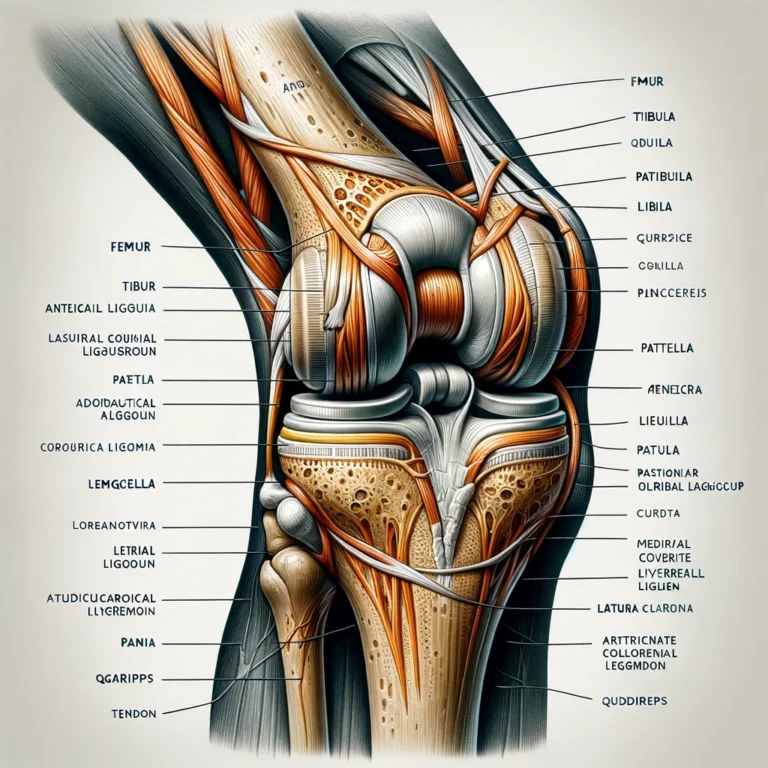

Knee Injury When Running: Prevention Tips
Did you know that knee injuries are one of the most common running injuries? In fact, studies have shown that around 42% of all running injuries involve the knee. Knee pain from running can greatly impact your ability to enjoy this popular form of exercise and can even lead to long-term complications if not addressed properly.
In this article, we will explore effective prevention tips to help you avoid knee injury when running and maintain good knee health. We will discuss the common running knee injuries and their causes, as well as practical tips to prevent knee pain when running. By following these guidelines, you can enjoy the benefits of running while minimizing the risk of running-related knee injuries.
Common Running Knee Injuries and Causes
Running is a fantastic exercise for maintaining cardiovascular fitness and overall health. However, it can also lead to various knee injuries. Understanding the common running knee injuries and their causes is essential for runners to prevent and manage knee pain effectively.
Knee Bursitis
Knee bursitis is a prevalent running-related injury that involves inflammation and swelling of the small sacs in the front of the kneecap. This condition often causes pain during movement and can result from overuse, direct trauma, or infection.
Patellar Tendinitis
Patellar tendinitis is characterized by the inflammation of the tendon connecting the patella (kneecap) to the shinbone. It typically manifests as pain that worsens with intense physical activity, such as running. Jumping and landing motions can also contribute to this condition.
Iliotibial Band Syndrome
Iliotibial band syndrome, or IT band syndrome, is a common running injury caused by irritation and swelling of the IT band. The IT band is a thick tendon that runs along the outside of the leg, from the hip to the shinbone. Runners often experience pain on the outer side of the knee when the IT band becomes tight or inflamed.
Torn Meniscus
A torn meniscus is a knee injury that involves damage to the cartilage that cushions the space between the shinbone and thighbone. This injury is often the result of sudden twisting or rotation of the knee, which commonly occurs during running. The symptoms may vary depending on the severity of the tear and can include pain, swelling, and limited range of motion.
Muscle Weakness
Muscle weakness, especially in the quadriceps and hamstrings, can contribute to knee pain when running. Weak muscles can lead to imbalances and poor knee stability, increasing the risk of injury. Strengthening these muscles through targeted exercises can help alleviate knee pain and prevent further issues.
Osteoarthritis
Osteoarthritis is a degenerative joint disease that affects the knees and other joints. It occurs when the cartilage protecting the joint wears down over time, leading to pain, stiffness, and weakness. Runners who put excessive stress on their knees are at higher risk of developing osteoarthritis.
To effectively treat and manage running-related knee injuries, specific treatments and interventions may be required. These can include rest, ice therapy, physical therapy, and in severe cases, surgical intervention. Consulting a healthcare professional or orthopedic specialist is crucial for an accurate diagnosis and tailored treatment plan.
Tips to Prevent Knee Pain When Running
To prevent knee pain when running, it is important to take proactive steps to protect your knees and maintain good joint health. Here are some valuable tips to help you avoid knee injuries and enjoy a pain-free running experience:
1. Stay hydrated: Proper hydration is crucial for lubricating the joints and reducing the risk of knee pain, stiffness, and soreness. Make sure to drink enough water before, during, and after your runs.
2. Stretch before and after running: Engage in dynamic stretches prior to your run to warm up the muscles and prepare them for exercise. After your run, perform static stretches to reduce stiffness and maintain good range of motion in your knee joints.
3. Strengthen your leg muscles: Focus on strengthening your quadriceps and hamstrings, as strong leg muscles can support and stabilize the knee joints. Incorporate exercises such as lunges, squats, and leg presses into your fitness routine.
4. Gradually increase mileage and intensity: Avoid overstraining your knee joints by progressively increasing your mileage and intensity. Gradual progression allows your body to adapt to the demands of running and prevents excessive stress on your knees.
5. Choose the right running shoes: Invest in high-quality running shoes that provide proper support and align your lower body correctly. Visit a specialized running store to get fitted for shoes that suit your specific foot type and running style.
6. Don’t ignore knee pain: If you experience persistent or worsening knee pain, it is important not to ignore it. Seek medical attention from a healthcare professional or orthopedic specialist who can assess your condition and provide appropriate treatment. Home care measures such as ice therapy and compression can help alleviate mild knee pain, but professional evaluation is essential for proper diagnosis and care.
By incorporating these preventative tips into your running routine, you can minimize the risk of knee pain and injuries, allowing you to enjoy the numerous benefits that running has to offer.
FAQ
What is runner’s knee?
Runner’s knee is a common knee injury characterized by pain in the front of the knee. It is often caused by weakness in the core and hips.
What are some common knee injuries from running?
Common knee injuries from running include knee bursitis, patellar tendinitis, iliotibial band syndrome, torn meniscus, muscle weakness, and osteoarthritis.
What is knee bursitis?
Knee bursitis is inflammation and swelling of the small sacs located in the front of the kneecap. It often causes pain with movement.
What is patellar tendinitis?
Patellar tendinitis is an injury to the tendon connecting the patella to the shinbone. It results in pain that worsens with intense activity.
What is iliotibial band syndrome?
Iliotibial band syndrome is swelling and irritation of the IT band, a tendon on the outside of the leg, which is common in runners.
What is a torn meniscus?
A torn meniscus is damage to the cartilage that cushions the space between the shinbone and thighbone. It is usually caused by sudden twisting or rotation of the knee.
How does muscle weakness contribute to knee pain when running?
Muscle weakness, particularly in the quads and hamstrings, can contribute to knee pain when running. Strong muscles help support and stabilize the knee joints.
How can I prevent knee pain when running?
To prevent knee pain when running, it is important to stay hydrated, stretch before and after a run, strengthen the leg muscles, pace yourself, choose the right running shoes, and seek medical attention if the pain persists.
Source Links
- https://www.hss.edu/article_how-to-prevent-runners-knee.asp
- https://www.hackensackmeridianhealth.org/en/healthu/2021/07/29/how-to-prevent-knee-pain-while-running
- https://www.benchmarkpt.com/blog/how-to-prevent-knee-pain-when-running/