Knee pain relief during pregnancy
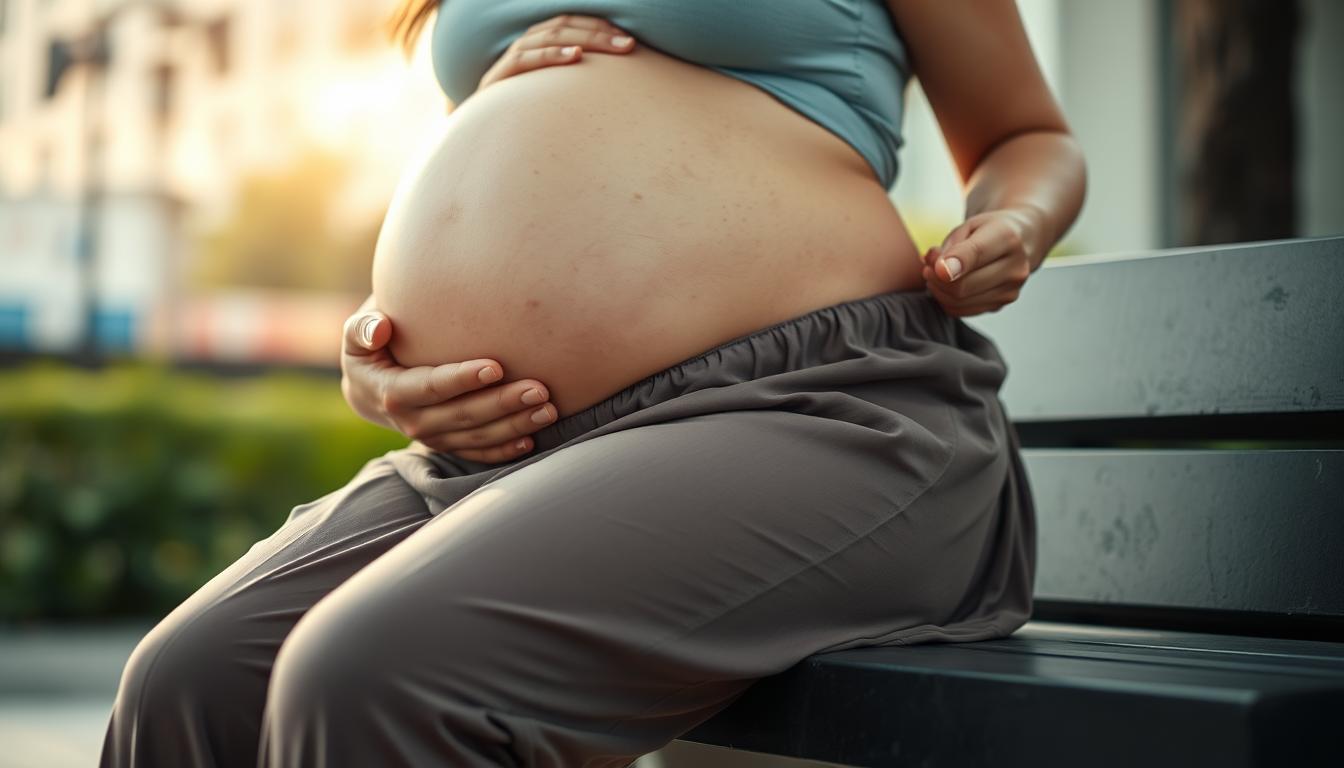
Pregnancy brings numerous changes to a woman’s body, often leading to various aches and pain. As the body gains weight and undergoes other changes, it’s common for pregnant women to experience discomfort, particularly in the knees.
But what causes this knee pain, and how can it be alleviated? The changes in a pregnant woman’s body, including hormonal fluctuations and shifts in weight distribution, can significantly affect the joints, leading to discomfort.
Understanding the reasons behind knee pain and exploring effective relief strategies is crucial for a healthier pregnancy journey.
Key Takeaways
- Pregnancy-related body changes can cause knee discomfort.
- Hormonal fluctuations affect joint stability.
- Weight distribution changes contribute to knee pain.
- Simple at-home techniques can provide relief.
- Professional interventions may be necessary in some cases.
Understanding Knee Pain During Pregnancy
The onset of knee pain is a frequent issue for pregnant women, influenced by factors such as weight gain and hormonal shifts. As the body prepares for childbirth, various physiological changes occur that can impact the knees.
Common Causes of Pregnancy-Related Knee Pain
During pregnancy, the body undergoes significant changes that can lead to knee pain. One major factor is the natural weight gain, which places additional pressure on the knee joints. This increased pressure can result in pain and discomfort for expectant mothers.
Furthermore, changes in posture and center of gravity due to the growing belly alter the biomechanics of walking and standing, creating new stress patterns on the knees. These factors combine and intensify as pregnancy progresses, particularly in the second and third trimesters.
- Weight Gain: Additional pressure on knee joints.
- Posture Changes: Altered biomechanics of walking and standing.
- Increased Stress: New stress patterns on the knees.
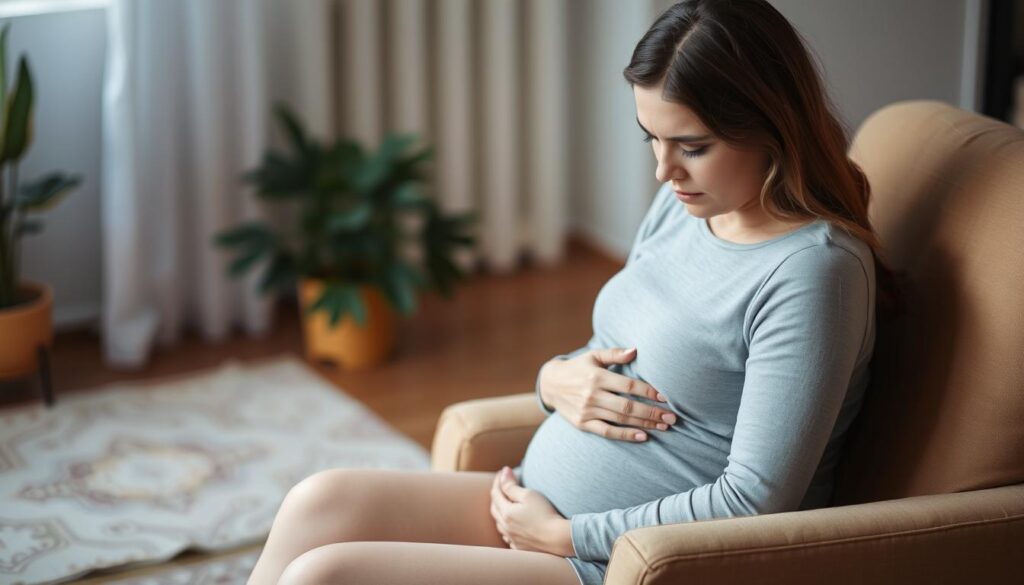
How Hormonal Changes Affect Your Knees
Hormonal changes, particularly the production of relaxin, play a significant role in pregnancy-related knee pain. Relaxin helps to soften ligaments, increasing flexibility in the pelvic area for childbirth.
However, this hormone affects all joints, including the knees, ankles, and feet, potentially leading to joint pain and discomfort. Understanding the role of relaxin and other hormonal changes can help expectant mothers better cope with knee pain.
“The hormone relaxin loosens ligaments throughout the body to prepare for childbirth, but it also affects the knees, potentially leading to pain.”
Effective Knee Pain Relief During Pregnancy
Expectant mothers can alleviate knee pain by understanding and implementing several key strategies that promote comfort and reduce discomfort. By incorporating these methods into daily life, pregnant women can significantly reduce knee pain and enjoy a healthier pregnancy.
Proper Rest and Elevation Techniques
Resting and elevating the legs is a simple yet effective way to relieve knee pain during pregnancy. When lying on your side, placing a pillow between your legs can provide additional support and comfort. Elevating your legs on a table or ottoman while sitting can also help reduce swelling and pressure on the knee joints.
To maximize the benefits of rest and elevation, it’s essential to maintain good posture and avoid crossing your legs or ankles, which can exacerbate knee pain. By making rest and elevation a regular part of your daily routine, you can help alleviate knee pain and promote overall comfort during pregnancy.
Applying Ice and Heat Therapy
Alternating between ice and heat therapy can be an effective way to manage knee pain during pregnancy. Ice therapy can help reduce inflammation and numb the pain, especially after activity. For more information on using ice packs for knee pain, you can refer to our comprehensive guide on using an ice pack for knee.
Heat therapy, on the other hand, can relax muscles and improve blood circulation, providing soothing relief for aching joints. It’s essential to use these therapies correctly and consult with a healthcare provider if you have any concerns.
Supportive Footwear and Knee Braces
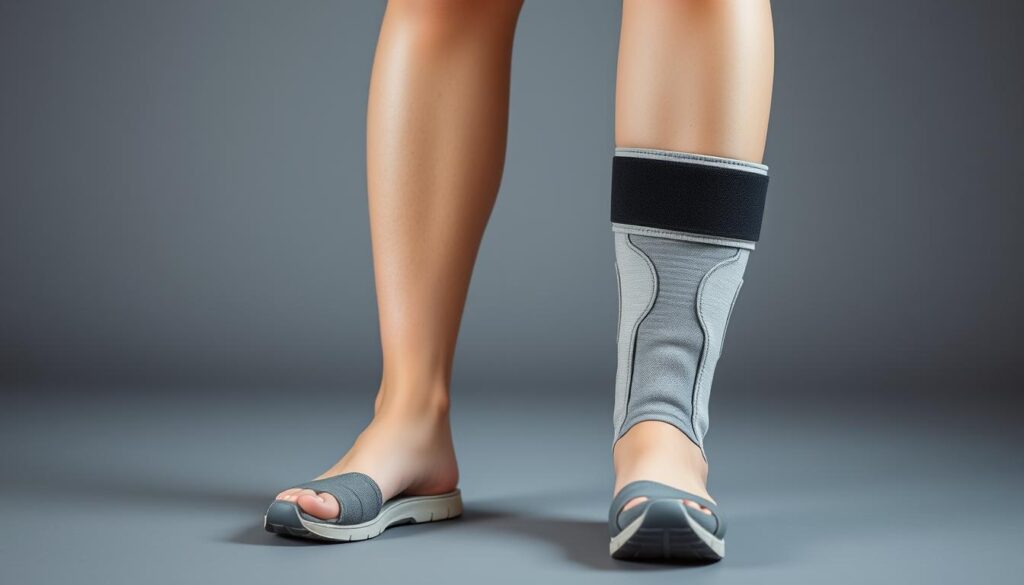
Supportive footwear plays a crucial role in reducing knee pain during pregnancy. Wearing shoes that provide proper arch support and stability can help align your feet, knees, and hips, reducing strain on the knee joints. Avoiding high heels, which can alter your center of gravity and place additional pressure on your knees and ankles, is also recommended.
Knee braces and supportive devices can provide additional stability for the knee joint, particularly for women experiencing significant discomfort. By combining supportive footwear with knee braces, pregnant women can enjoy enhanced comfort and reduced knee pain throughout their pregnancy.
Exercise and Movement Strategies for Pregnant Women
Maintaining an active lifestyle during pregnancy is crucial for managing knee pain. Engaging in appropriate physical activities not only helps alleviate discomfort but also contributes to overall well-being. We will explore various exercise and movement strategies that can help pregnant women reduce knee pain and maintain their health.
Low-Impact Activities That Reduce Knee Strain
Low-impact exercises are ideal for pregnant women as they minimize stress on the joints. Activities such as swimming
Swimming, in particular, is beneficial because the buoyancy of water reduces the weight-bearing load on the knees, allowing for effective movement without excessive strain. Other low-impact activities, such as prenatal yoga, can also help improve flexibility and reduce muscle tension.
Strengthening Exercises for Knee Stability
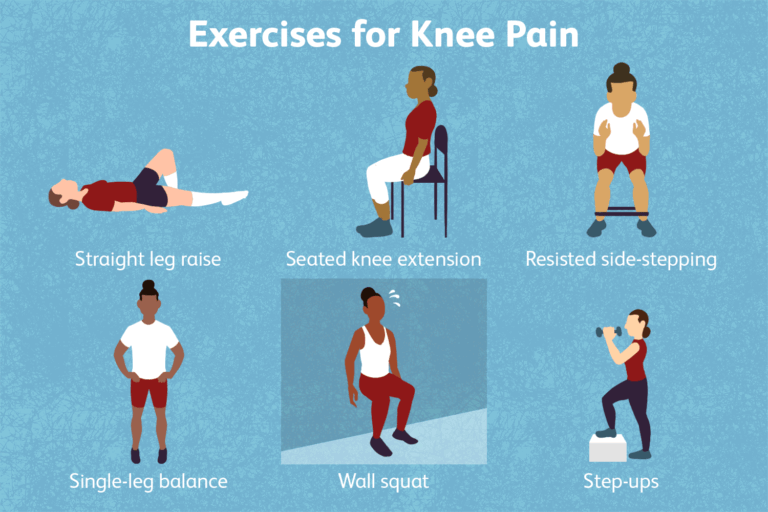
Strengthening the muscles around the knee joint is essential for stability and pain reduction. Simple exercises like squats and lunges, when performed correctly and consistently, can significantly strengthen the knees. It’s essential to consult with an OBGYN before starting any new exercise regimen to ensure it’s safe for your current health status. Strengthening exercises should be done gently and within a comfortable range to avoid putting additional stress on the joints.
Proper Posture and Body Mechanics
Maintaining proper posture and using correct body mechanics are vital during pregnancy. As the body undergoes changes, the center of gravity shifts, which can affect posture and put additional strain on the knees. Practicing good posture and learning how to sit, stand, and move correctly can help distribute weight more evenly and reduce pressure on the knees. This includes being mindful of how you perform daily activities to minimize knee strain.
When Professional Help Makes a Difference
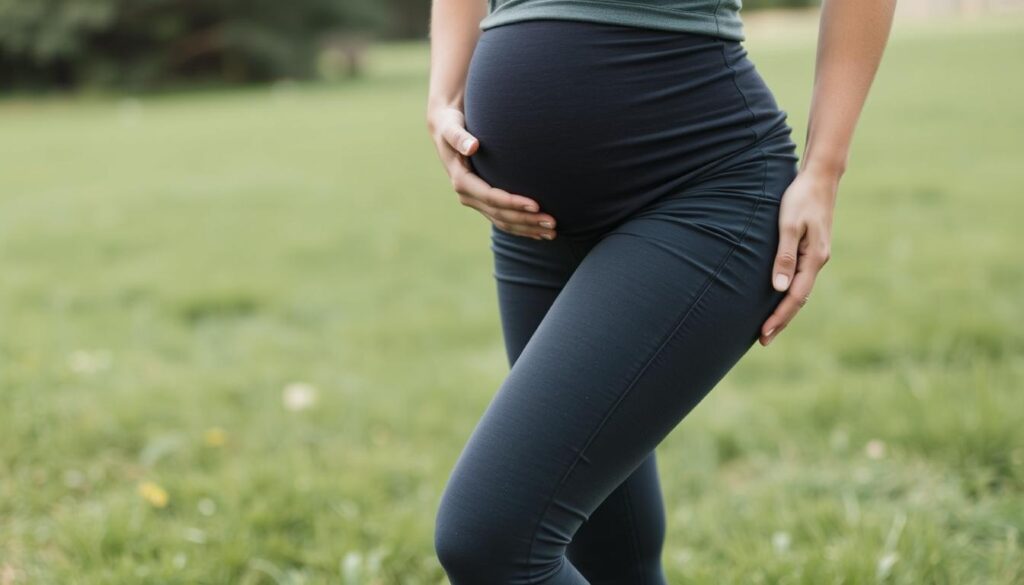
While knee pain during pregnancy is often considered normal, there are instances where professional help is necessary. Certain signs indicate a need for medical evaluation, such as persistent pain not relieved by rest or over-the-counter pain relievers, difficulty bearing weight on the knee, severe swelling, or decreased range of motion.
Various healthcare professionals can assist with pregnancy-related knee pain, including obstetricians, physical therapists, and orthopedic specialists. They offer specialized care and treatment options like physical therapy techniques designed for pregnant women.
Seeking timely professional help can provide immediate relief and prevent long-term knee problems. It’s essential to communicate effectively with healthcare providers about knee pain symptoms to receive appropriate care throughout the pregnancy journey.
FAQ
What causes knee discomfort in pregnant women?
Are there any exercises that can help alleviate knee strain?
How can I support my knees during pregnancy?
Can I continue with my regular exercise routine while pregnant?
How can I manage swelling and pressure in my feet and legs?
When should I seek professional help for knee discomfort?