
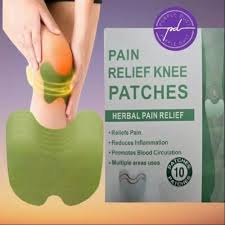
Knee Pain Relief Patch
Knee Pain Relief Patch: A Comprehensive Guide to Alleviating Discomfort
Knee pain can be a debilitating condition that affects millions of people worldwide. It can be caused by a variety of factors, such as injury, overuse, or arthritis. While there are many treatments available for knee pain, one option that has gained popularity in recent years is the knee pain relief patch.
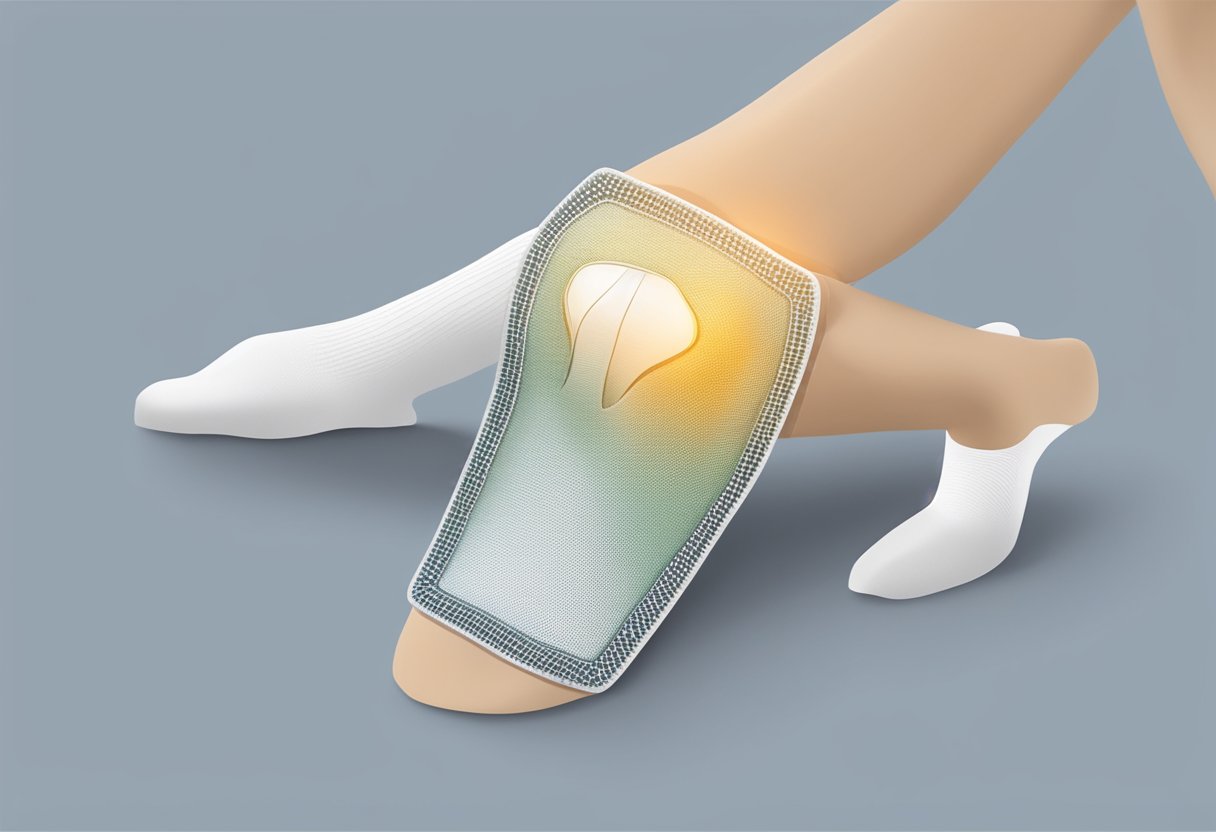
Knee pain relief patches are a type of topical medication that is applied directly to the skin over the affected area. They contain ingredients that are designed to provide relief from pain and inflammation, such as capsaicin, diclofenac, and lidocaine. These patches are easy to use and can be worn discreetly under clothing, making them a convenient option for those who want to manage their knee pain without taking oral medication.
Key Takeaways
- Knee pain relief patches are a topical medication that can provide relief from knee pain and inflammation.
- They contain ingredients such as capsaicin, diclofenac, and lidocaine.
- Knee pain relief patches are a convenient and easy-to-use option for managing knee pain.
Understanding Knee Pain Relief Patches
As we age, our joints and bones may start to wear down, leading to conditions like osteoarthritis, which can cause chronic knee pain. Knee pain relief patches are a popular option for those looking for a non-invasive and drug-free solution to manage their knee pain.
Knee pain relief patches work by delivering medication directly to the affected area through the skin. These patches can contain a variety of medications, including lidocaine, a local anesthetic that can numb the area and reduce pain, and diclofenac, a nonsteroidal anti-inflammatory drug (NSAID) that can reduce inflammation and pain.
One advantage of knee pain relief patches is that they can provide targeted pain relief without the potential side effects of oral medications. Additionally, some patches can provide heat therapy, which can help reduce inflammation and promote healing.
There are also natural knee pain patches available that use ingredients like menthol, camphor, and eucalyptus oil to provide pain relief. These patches are a great option for those looking for a natural and drug-free solution to manage their knee pain.
It’s important to note that knee pain relief patches should not be used as a substitute for medical treatment. If your knee pain is severe or accompanied by other symptoms, it’s important to consult with a healthcare professional to determine the underlying cause and appropriate treatment.
In summary, knee pain relief patches can be an effective and convenient option for managing knee pain. Whether you choose a medicated or natural patch, be sure to follow the instructions carefully and consult with a healthcare professional if your pain persists or worsens.
Main Ingredients and Their Effects
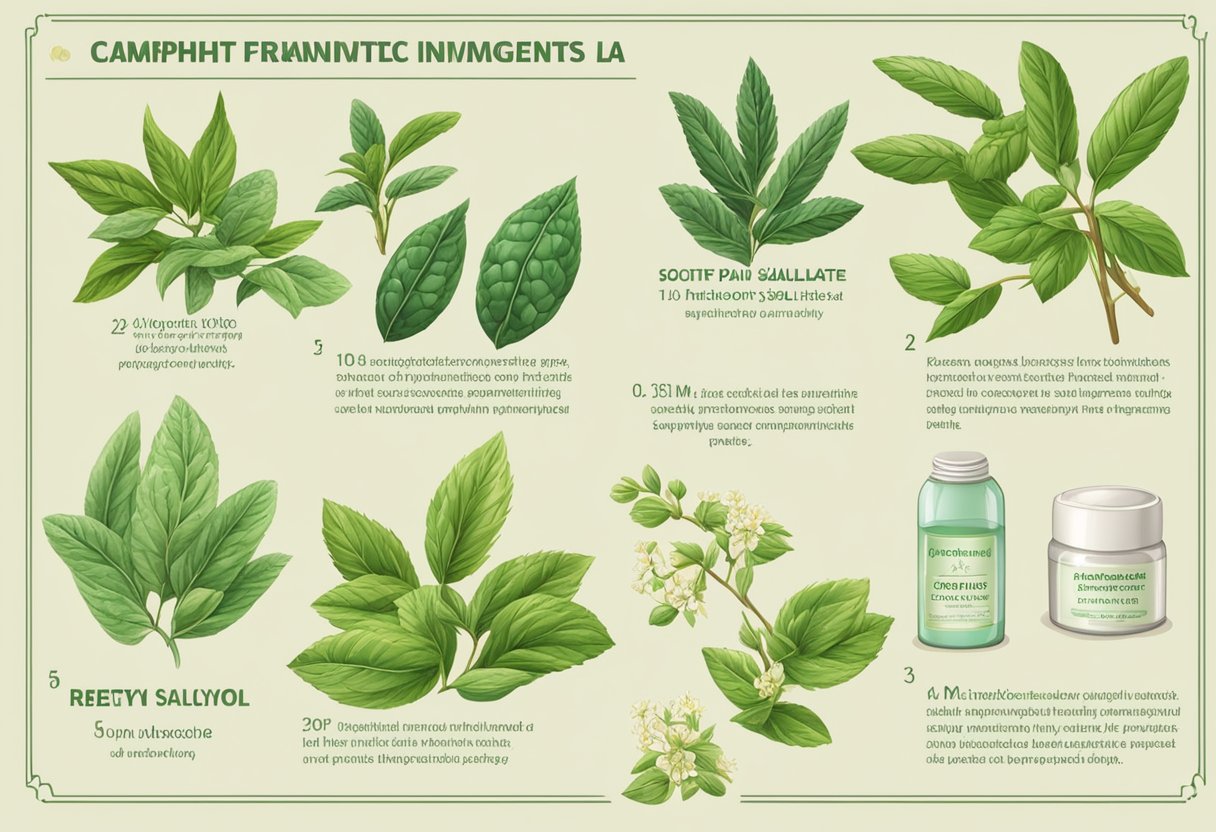
When it comes to knee pain relief patches, there are several key ingredients that are commonly used to provide relief. Here are some of the main ingredients and their effects:
Menthol and Capsaicin
Menthol and capsaicin are two ingredients commonly found in knee pain relief patches. Menthol has a cooling effect on the skin, which can help to alleviate pain and inflammation. Capsaicin, on the other hand, produces a warming sensation that can help to relieve pain and stiffness.
When used together, these two ingredients can provide a powerful one-two punch against knee pain. The cooling effect of menthol can help to reduce swelling and inflammation, while the warming effect of capsaicin can help to increase blood flow and promote healing.
NSAIDs and Other Medications
Some knee pain relief patches contain NSAIDs (nonsteroidal anti-inflammatory drugs), which are commonly used to treat pain and inflammation. These medications work by blocking the production of certain chemicals in the body that cause pain and inflammation.
Common NSAIDs found in knee pain relief patches include diclofenac, aspirin, and ibuprofen. These medications can be effective at reducing pain and inflammation, but they can also cause side effects such as stomach upset and dizziness.
Other medications commonly found in knee pain relief patches include lidocaine, which is a local anesthetic that can help to numb the area around the knee, and fentanyl, which is an opioid pain medication that can be used to treat severe pain.
Natural Ingredients
Many knee pain relief patches also contain natural ingredients such as herbs and plant extracts. These ingredients can provide pain relief and anti-inflammatory benefits without the side effects associated with medications.
Common natural ingredients found in knee pain relief patches include wormwood, camphor, ginger extract, saffron, and cinnamon. These ingredients can help to reduce pain and inflammation, improve circulation, and promote healing.
In addition to these ingredients, some knee pain relief patches also contain glucosamine, which is a natural substance that is found in the body and is important for joint health. Glucosamine can help to reduce pain and inflammation and promote the growth of new cartilage in the knee.
Overall, knee pain relief patches can be an effective way to manage pain and inflammation in the knee. By understanding the main ingredients and their effects, you can choose a patch that is right for you and your needs.
Potential Side Effects and Precautions
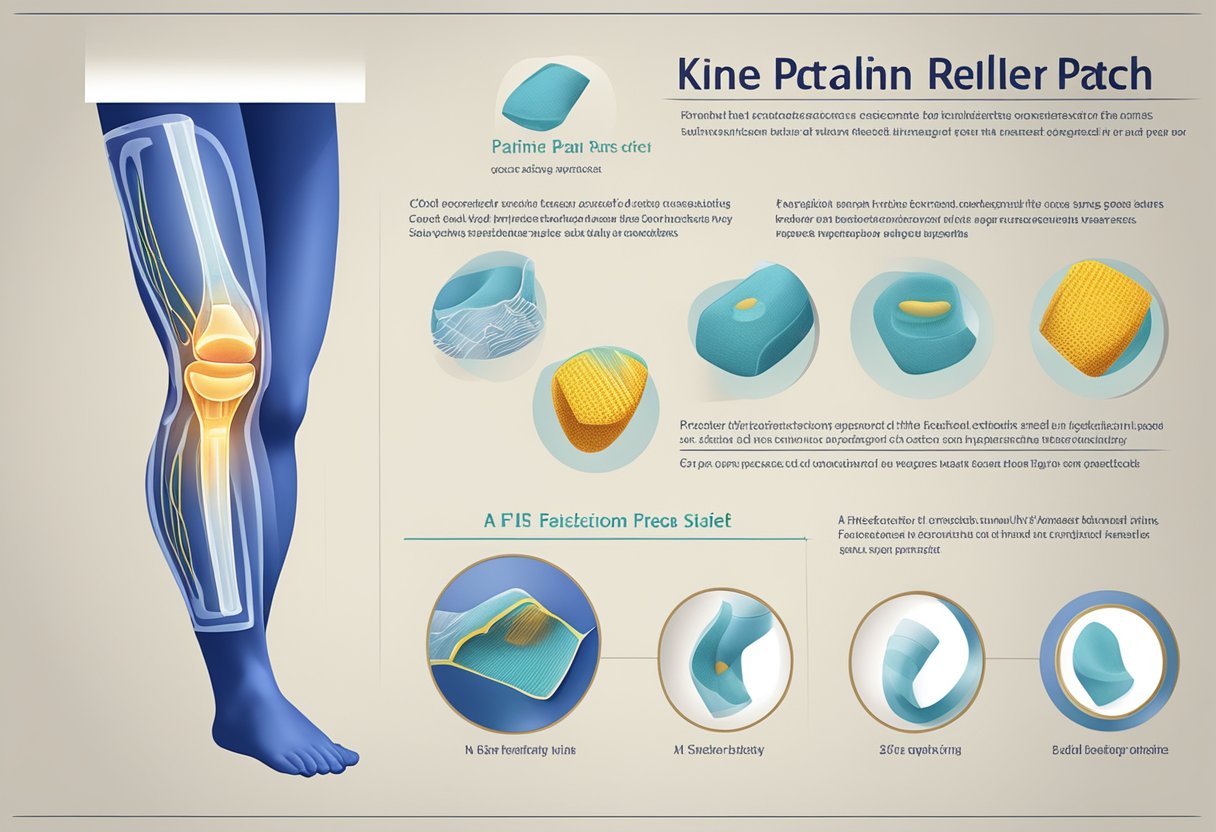
When using knee pain relief patches, it is important to be aware of potential side effects and take necessary precautions. In this section, we will discuss some of the most common side effects and precautions to consider.
Allergic Reactions
Some individuals may experience an allergic reaction to the ingredients in knee pain relief patches. Symptoms of an allergic reaction may include hives, itching, and difficulty breathing. If you experience any of these symptoms, it is important to seek medical attention immediately.
Other Side Effects
While knee pain relief patches are generally safe, they may cause some side effects. These side effects may include redness, burning, blisters, and nausea. If you experience any of these symptoms, it is important to discontinue use of the patch and speak with your healthcare provider.
To minimize the risk of side effects, it is important to follow the instructions provided by the manufacturer. Do not use more than the recommended amount, and do not apply the patch to broken or irritated skin. If you are pregnant or breastfeeding, speak with your healthcare provider before using knee pain relief patches.
In summary, knee pain relief patches can be an effective way to manage knee pain. However, it is important to be aware of potential side effects and take necessary precautions to minimize the risk of adverse reactions. If you experience any symptoms of an allergic reaction or other side effects, speak with your healthcare provider immediately.
Comparative Analysis and Reviews
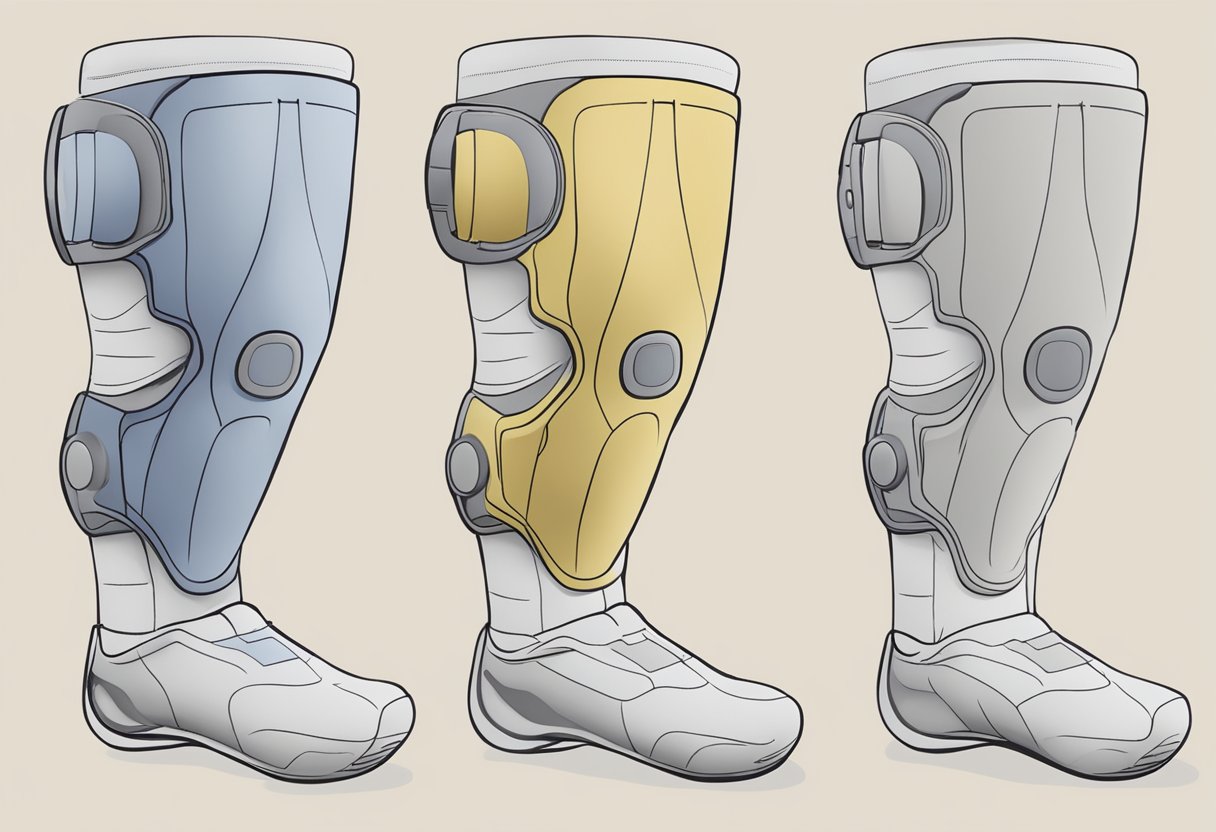
When it comes to knee pain relief patches, there are many options available on the market. We have done our research and compiled a list of some of the most popular and effective knee pain relief patches. Below, we will provide a comparative analysis and reviews of each product.
Salonpas Pain Relieving Patch
The Salonpas Pain Relieving Patch is a popular choice among those suffering from knee pain. It contains menthol, which provides a cooling sensation and helps to reduce inflammation. It also contains methyl salicylate, which acts as a pain reliever. The patch is easy to apply and lasts up to 8 hours. Many users have reported significant pain relief after using this patch.
FlexiKnee
FlexiKnee is a knee pain relief patch that uses transdermal technology to deliver natural ingredients to the affected area. It contains a blend of natural ingredients such as ginger, turmeric, and boswellia, which work together to reduce inflammation and relieve pain. The patch is easy to apply and can be worn for up to 12 hours. Many users have reported significant pain relief after using this patch.
Voltaren
Voltaren is a prescription-strength pain relief gel that contains diclofenac, a nonsteroidal anti-inflammatory drug (NSAID). It is applied directly to the skin and works by reducing inflammation and relieving pain. It is a popular choice for those suffering from arthritis pain, including knee pain. Many users have reported significant pain relief after using Voltaren.
Flector Patch
Flector Patch is a prescription-strength pain relief patch that contains diclofenac epolamine, a nonsteroidal anti-inflammatory drug (NSAID). It is applied directly to the skin and works by reducing inflammation and relieving pain. It is a popular choice for those suffering from arthritis pain, including knee pain. Many users have reported significant pain relief after using Flector Patch.
Lidocaine Patches
Lidocaine patches are a popular choice for those suffering from knee pain. They contain lidocaine, a local anesthetic that works by numbing the affected area and relieving pain. They are easy to apply and can be worn for up to 12 hours. Many users have reported significant pain relief after using lidocaine patches.
Lidoderm
Lidoderm is a prescription-strength pain relief patch that contains lidocaine, a local anesthetic that works by numbing the affected area and relieving pain. It is applied directly to the skin and can be worn for up to 12 hours. Many users have reported significant pain relief after using Lidoderm.
Aspercreme
Aspercreme is an over-the-counter pain relief cream that contains trolamine salicylate, a topical analgesic. It works by reducing inflammation and relieving pain. It is a popular choice for those suffering from arthritis pain, including knee pain. Many users have reported significant pain relief after using Aspercreme.
Bengay
Bengay is an over-the-counter pain relief cream that contains methyl salicylate and menthol. It works by reducing inflammation and relieving pain. It is a popular choice for those suffering from arthritis pain, including knee pain. Many users have reported significant pain relief after using Bengay.
In conclusion, there are many effective knee pain relief patches available on the market. We hope that this comparative analysis and reviews of some of the most popular products has helped you make an informed decision about which product is right for you.
Frequently Asked Questions
Do pain patches work for knee pain?
Yes, pain patches can be effective for knee pain relief. Many pain patches contain active ingredients such as capsaicin, wormwood, and ginger extract that work together to provide pain relief and reduce inflammation. However, the effectiveness of pain patches can vary from person to person, and it is important to follow the instructions carefully.
What is the most effective pain relief patch?
There is no one-size-fits-all answer to this question, as the effectiveness of pain relief patches can depend on a variety of factors, including the severity of the pain and the individual’s response to the active ingredients. Some popular pain relief patches include the FlexiKnee™️ Natural Knee Pain Patch and the Salonpas® Pain Relief Patch.
What is the best knee pain relief?
The best knee pain relief for you may depend on the cause and severity of your pain. In addition to pain relief patches, other options include physical therapy, exercise, and over-the-counter pain medications. It is important to consult with a healthcare professional to determine the best course of treatment for your individual needs.
Are Salonpas Knee Pain Relief patches effective?
Salonpas® Pain Relief Patches have been clinically proven to be safe and effective in a well-controlled, double-blind clinical trial. No serious NSAID-related events were reported in the clinical trial program, which suggests that they may be effective for knee pain relief. However, as with any medication or treatment, the effectiveness can vary from person to person.
Are Wellnee Pain Relief Patches worth buying?
Wellnee Pain Relief Patches contain active ingredients such as menthol, camphor, and methyl salicylate, which are known for their pain-relieving properties. While the effectiveness of these patches can vary from person to person, they may be worth trying for those seeking a natural alternative to traditional pain medications.
Do lidocaine patches work for knee pain?
Lidocaine patches can be effective for knee pain relief, as they work by numbing the area where they are applied. However, it is important to follow the instructions carefully and consult with a healthcare professional before using lidocaine patches or any other pain relief treatment.




2 Comments