Patella Brace Guide: What Is It & How It Helps
Did you know that knee injuries are incredibly common, affecting millions of people worldwide every year? Whether it’s a sports-related injury, chronic knee pain, or degenerative conditions like osteoarthritis, our knees bear the brunt of our daily activities. That’s where a patella brace, also known as a knee brace, comes in.
A patella brace is a device worn around the knee to provide support, stability, and protection. It’s a game-changer for anyone looking to manage knee injuries, find pain relief, and prevent further damage. But what exactly is a patella brace? And how can it benefit you? In this guide, we’ll delve into the world of patella braces, exploring their types, uses, and the best options for specific conditions. Whether you’re recovering from an ACL injury, dealing with osteoarthritis, or simply looking for improved knee stability, we’ve got you covered.
What are knee braces for?
Knee braces are specifically designed to provide support, stability, and protection for the knee. They effectively restrict certain motions that can exacerbate an injury or worsen pain. Knee braces are not a one-size-fits-all solution; they work differently depending on the specific condition they are used for.
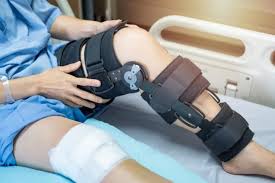
These braces are invaluable in aiding a variety of knee injuries, including torn ligaments (such as the ACL, MCL, PCL, and LCL), meniscus tears, patellar issues, and arthritis. The primary purpose of using a knee brace is to facilitate injury recovery, manage pain, improve knee stability, and provide essential post-surgery support.
By wearing a knee brace, individuals can experience multiple benefits, such as a reduction in pain levels, promotion of healing, and improvement in overall knee function. These braces are instrumental in restoring the quality of life for individuals suffering from knee injuries or instability.
Types of knee braces
When it comes to knee braces, there is no one-size-fits-all solution. Different types of knee braces are designed to address specific needs and provide varying levels of support. Here, we will explore the different types of patella braces available, including slip-on knee braces, hinged knee braces, custom knee braces, wrap-around knee braces, and open vs closed knee braces.
Slip-On Knee Braces
Slip-on knee braces are one of the most common types of knee braces. They are easy to put on and take off, making them convenient for individuals who require mild support. These braces are typically made from flexible materials that help provide compression and stability to the knee.
Hinged Knee Braces
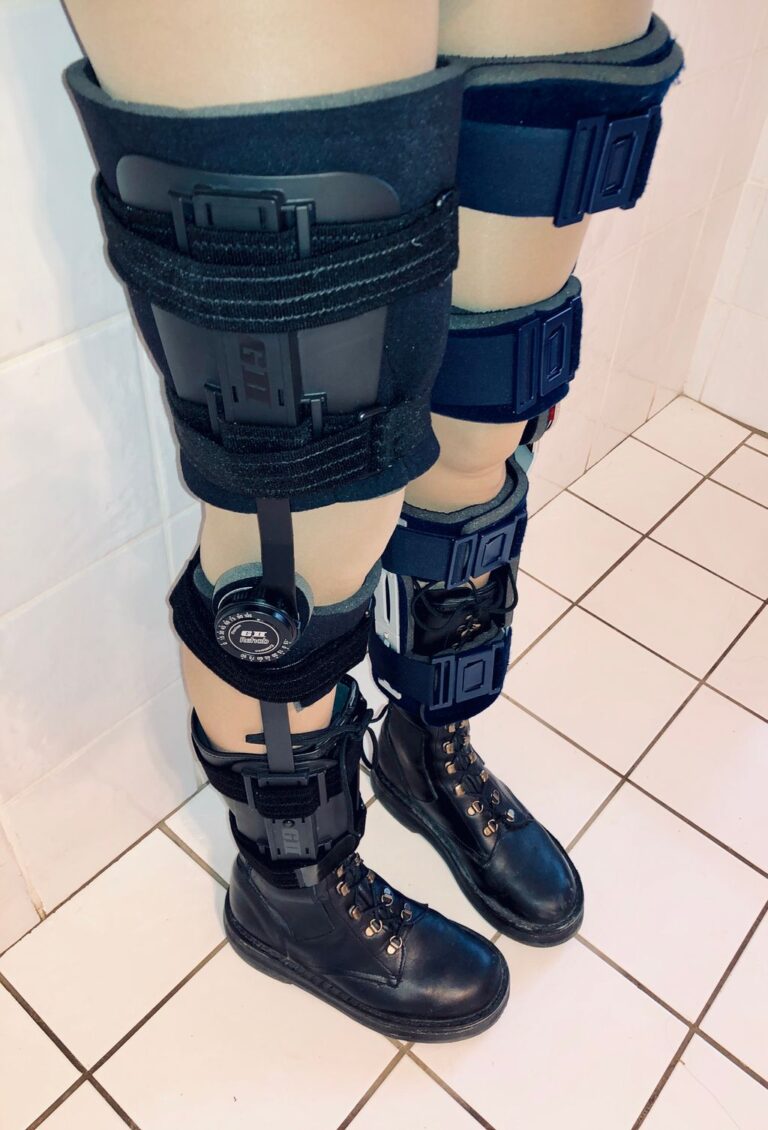
Hinged knee braces are known for their high level of support and stability. These braces feature hinges on the sides, which restrict the range of motion of the knee joint. This restriction can be beneficial for individuals with severe knee injuries or those who have undergone knee surgery.
Custom Knee Braces
When off-the-shelf knee braces do not provide the necessary support or fit, custom knee braces are the ideal solution. These braces are designed specifically for an individual’s unique knee anatomy. They offer the best possible support and protection, ensuring a proper fit and maximum comfort.
Wrap-Around Knee Braces
Wrap-around knee braces are versatile and offer customizable support for the knee. They typically have adjustable straps that allow individuals to tighten or loosen the brace according to their comfort level and the amount of support needed. These braces are lightweight and suitable for various knee conditions.
Open vs Closed Knee Braces
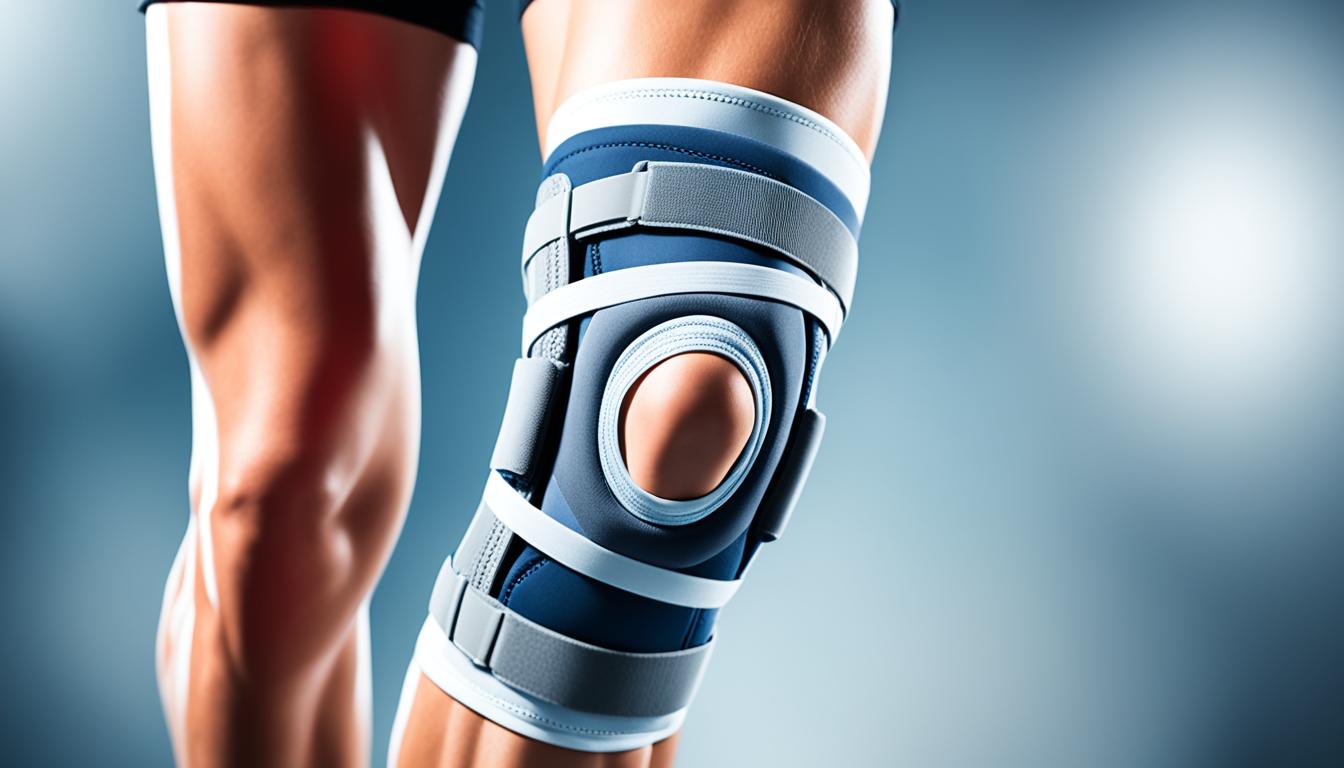
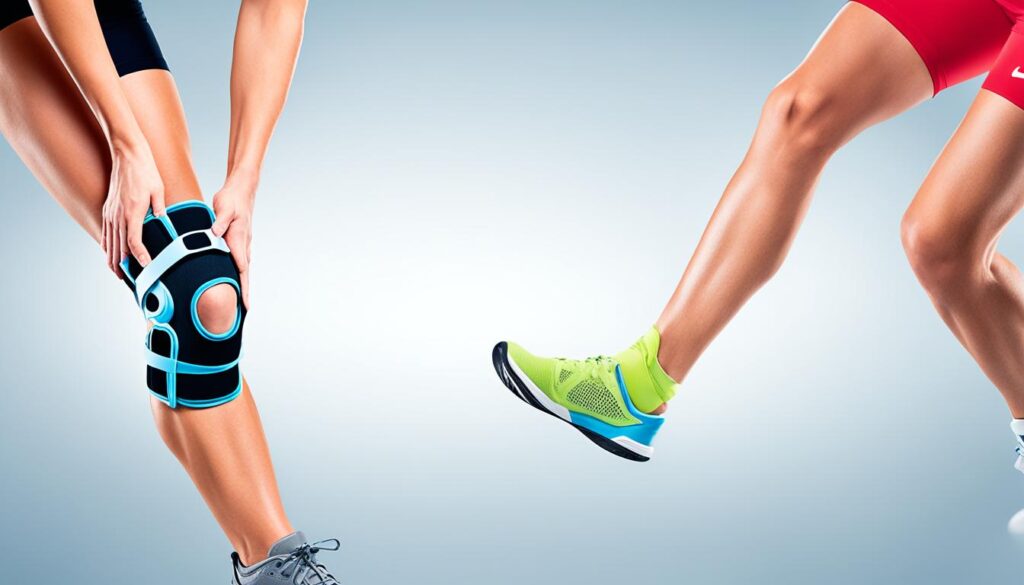
Open patellar knee braces have a small hole over the kneecap, providing extra ventilation and relieving pressure on the patella. Closed patellar knee braces, on the other hand, completely enclose the kneecap and provide additional compression to support and stabilize the patella.
| Type of Knee Brace | Key Features |
|---|---|
| Slip-On Knee Brace | Easy to put on and remove, provides mild support |
| Hinged Knee Brace | Offers the highest level of support, restricts range of motion |
| Custom Knee Brace | Specially made for individual needs, provides optimal support and fit |
| Wrap-Around Knee Brace | Adjustable straps for customizable support, lightweight |
| Open vs Closed Knee Brace | Open: has a small hole for the kneecap, closed: provides extra compression |
Best knee braces for specific conditions
When it comes to finding the right knee brace for your specific condition, it’s important to consider factors such as the type of injury, level of support needed, and overall comfort. Consultation with a healthcare professional is highly recommended to ensure an accurate diagnosis and proper fitting. Here are some of the best knee braces for specific conditions:
Knee braces for osteoarthritis
For individuals suffering from osteoarthritis, slip-on knee braces offer excellent support. The Bauerfeind GenuTrain 2023 is a popular choice in this category. It provides compression, stability, and pain relief, allowing individuals to carry out daily activities with increased comfort and reduced strain on the knee.
Knee braces for chronic knee pain
Those experiencing chronic knee pain can benefit from wrap-around knee braces. The Mueller Knee Strap is a highly effective option. It applies targeted pressure to the patellar tendon, helps alleviate pain, and offers support during physical activities.
Knee braces for ACL injuries
Anterior cruciate ligament (ACL) injuries require specialized knee braces for optimal support. Hinged knee braces like the Bauerfeind GenuTrain OA 2023 are designed to stabilize the knee and reduce rotational forces. These braces protect the ACL and support the knee during recovery.
Knee braces for meniscus injuries
Meniscus injuries can be effectively managed with the help of knee braces. The Cho-Pat Dual Knee Strap is a top recommendation in this category. It provides targeted compression to the patellar tendon, improving patellar alignment and reducing strain on the meniscus.
Knee braces for patella injuries
Patella injuries require specialized knee braces that offer support and compression. The DonJoy Reaction WEB is a highly regarded choice, providing targeted support to the patellar tendon. It helps reduce pain and offers stability during activities.
Remember, the best knee brace for your specific condition will vary, and it’s crucial to consult with a healthcare professional for personalized recommendations and fitting. A properly fitted knee brace can provide the necessary support, stability, and pain relief to aid in your recovery and improve your overall knee health.
| Condition | Recommended Knee Brace |
|---|---|
| Osteoarthritis | Bauerfeind GenuTrain 2023 (Slip-on knee brace) |
| Chronic knee pain | Mueller Knee Strap (Wrap-around knee brace) |
| ACL injuries | Bauerfeind GenuTrain OA 2023 (Hinged knee brace) |
| Meniscus injuries | Cho-Pat Dual Knee Strap (Knee strap) |
| Patella injuries | DonJoy Reaction WEB (Knee brace) |
Choosing the right knee brace for your specific condition can make a significant difference in your comfort level, pain management, and overall recovery. It’s essential to consult with a healthcare professional who can guide you in selecting the best knee brace tailored to your needs.
What are knee bands used for?
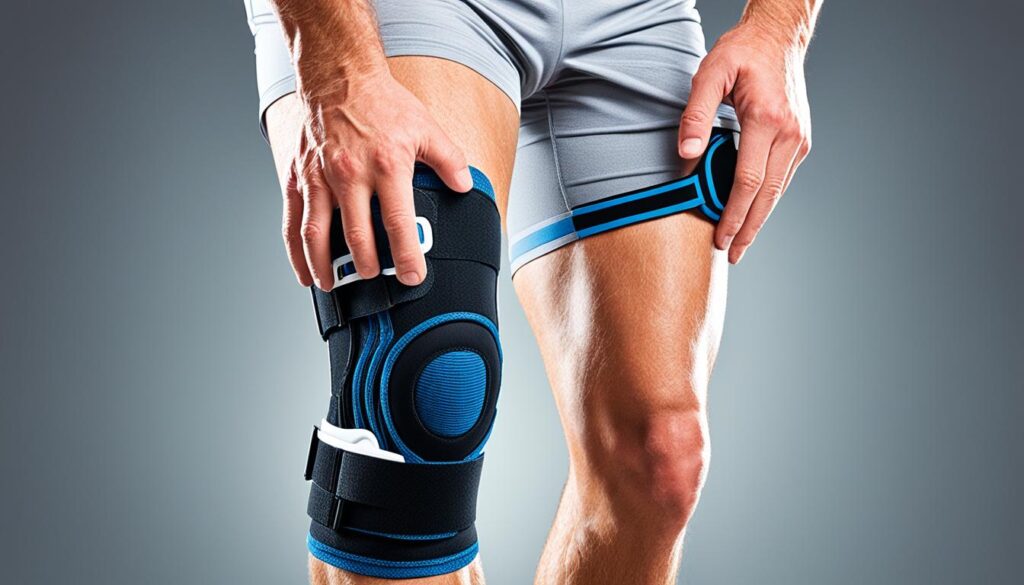
Knee bands, also known as knee straps or jumpers knee straps, are designed to provide support and relieve knee pain. They are often used for various conditions, including:
- Osgood-Schlatter disease
- Patellar tendonitis (jumpers knee)
- Chondromalacia patella
- Runners knee
- Iliotibial band syndrome
Knee bands work by exerting pressure on the patella tendon and supporting the kneecap. This helps improve patellar tracking and reduces the forces on the kneecap, resulting in minimized knee pain and discomfort. Despite their simplicity, knee bands are highly effective devices for providing knee pain relief.
https://www.youtube.com/watch?v=L1b0iDWOecI
Why and how do knee braces work for knee pain, injury, and instability?
Knee braces are essential in providing support, stability, and compression to the knee, effectively managing knee pain, preventing further injury, and improving knee stability. These braces are suitable for a range of knee conditions, including sprains, arthritis, torn ligaments (ACL, PCL, MCL, LCL), and knee instability. The way knee braces work depends on their design and features, each serving a specific purpose.
Some knee braces incorporate buttresses to provide support and tracking for the patella, ensuring proper alignment. These braces are particularly effective for individuals experiencing knee pain or instability. On the other hand, braces with hinges cater to those requiring enhanced ligament stability. The hinges restrict excessive motions, minimizing strain on the knee joint and reducing the risk of further injury.
Additionallt, compression sleeves and bands play a vital role in knee brace functioning. By applying consistent pressure to the knee, these sleeves and bands alleviate pain and provide support, promoting proper alignment and reducing swelling. They are especially beneficial for individuals suffering from knee pain and mild instability.
Benefits of Knee Braces for Knee Pain, Injury, and Instability:
- Manage knee pain effectively by providing support and stabilization.
- Prevent further injury by restricting excessive motions and minimizing strain on the knee.
- Improve knee stability, promoting proper alignment and reducing the risk of reinjury.
Key Features of Knee Braces:
- Buttresses for patella support and tracking.
- Hinges for enhanced ligament stability.
- Compression sleeves and bands for pain relief and support.
Incorporating knee braces into your knee pain management or injury recovery plan can lead to significant improvements in functionality and overall well-being. It is important to consult with a healthcare professional to determine which type of knee brace is most suitable for your specific condition and needs.
Proper knee brace fit
To maximize the benefits of a knee brace, it is crucial to ensure a proper fit that offers the right support and comfort. The correct fit allows for effective use of the brace and promotes optimal performance and recovery. Here are some important steps to consider when determining the proper sizing and fit of a knee brace:
- Measurements: Most knee braces require measurements at the knee center, thigh, and calf to determine the appropriate size. Use a flexible tape measure to accurately measure these areas. Make sure the measurements are taken with the leg slightly bent at a 30-degree angle for the most accurate results.
- Size Chart: Once you have the measurements, refer to the size chart provided by the manufacturer. Each brand may have slightly different sizing guidelines, so it’s essential to follow the specific instructions for the knee brace you are considering.
- Snug Fit: The knee brace should feel snug but not overly tight. It should provide enough compression and support without restricting movement or causing discomfort. A proper fit ensures optimal blood circulation and prevents the brace from shifting during physical activity.
- Range of Motion: Test the knee brace by moving your knee through its full range of motion. It should allow for proper movement without hindrance while providing the necessary stabilization and support.
- Sizing Guides: Many knee brace manufacturers provide online sizing guides or printable templates to help determine the correct size based on your measurements. These resources can be valuable tools in selecting the right knee brace.
If you are unsure about the sizing or fit, it is always recommended to consult with a healthcare professional or a bracing expert. They can assess your specific needs, offer guidance, and ensure that you choose a knee brace that is tailored to your condition and physical requirements.
Conclusion
In conclusion, the use of a patella brace, also known as a knee brace, is an essential tool in managing knee injuries, providing support, and offering pain relief. With a wide variety of knee braces available, each tailored to specific conditions and levels of support, individuals can find the perfect brace to suit their needs. When choosing a knee brace, it is important to consider factors such as the severity of the injury, the type of support required, comfort, and the proper fit.
In addition to knee braces, knee bands and straps can also be effective in addressing specific knee conditions. These accessories apply targeted pressure on the patella tendon and offer support, aiding in the improvement of patellar tracking and reducing forces on the kneecap. However, consulting with a healthcare professional is crucial for determining the most appropriate knee brace or band to address individual needs.
By utilizing the right knee brace or band, individuals can experience significant benefits, including improved knee health, enhanced performance in sports and daily activities, and a faster recovery from knee injuries. With the proper support and pain relief, individuals can regain confidence in their knee stability and regain their active lifestyles.
FAQ
What is a patella brace?
A patella brace, also known as a knee brace, is a device worn around the knee to provide support, stability, and protection. It is designed to help manage knee injuries, provide pain relief, and prevent further damage.
What are knee braces for?
Knee braces are designed to provide support and protection for the knee. They are used to restrict certain motions that can exacerbate an injury or worsen pain. Knee braces are case-specific and work differently for different conditions. They can help with a variety of knee injuries, such as torn ligaments (ACL, MCL, PCL, LCL), meniscus tears, patellar issues, and arthritis. The purpose of using a knee brace includes injury recovery, pain management, improving knee stability, and post-surgery support. Knee braces provide benefits like reducing pain, promoting healing, and improving overall knee function.
What are the different types of knee braces?
Knee braces come in various types, including slip-on braces, hinged knee braces, custom knee braces, wrap-around knee braces, and open or closed patellar knee braces. Each type has its own design and purpose, providing different levels of support and stability.
What are the best knee braces for specific conditions?
The best knee brace for specific conditions depends on the individual’s needs and the severity of the injury. Slip-on knee braces like the Bauerfeind GenuTrain 2023 are popular for osteoarthritis. Wrap-around knee braces like the Mueller Knee Strap are effective for chronic knee pain. Hinged knee braces like the Bauerfeind GenuTrain OA 2023 are ideal for ACL injuries. The Cho-Pat Dual Knee Strap is recommended for meniscus injuries, and the DonJoy Reaction WEB is a top choice for patella injuries. It is important to consult with a healthcare professional to determine the best knee brace for a specific condition.
What are knee bands used for?
Knee bands, also known as knee straps or jumpers knee straps, are designed to provide support and relieve knee pain. They are often used for conditions like Osgood-Schlatter disease, patellar tendonitis, chondromalacia patella, runners knee, and iliotibial band syndrome. Knee bands work by putting pressure on the patella tendon and supporting the kneecap, improving patellar tracking and reducing the forces on the kneecap. They are simple but effective devices that can help minimize knee pain and discomfort.
Why and how do knee braces work for knee pain, injury, and instability?
Knee braces work by providing support, stability, and compression to the knee. They help manage knee pain, prevent further injury, and improve knee stability. Knee braces can be used for various knee conditions such as sprains, arthritis, torn ligaments, and knee instability. The specific way a knee brace works depends on the design and features of the brace. Some braces have buttresses for patella support and tracking, while others have hinges for ligament stability. Compression sleeves and bands work by applying pressure to the knee to alleviate pain and provide support.
How do I ensure a proper fit for my knee brace?
To maximize the benefits of a knee brace, it is important to ensure a proper fit. Most knee braces require measurements at the knee center, thigh, and calf to determine the appropriate size. The brace should feel snug but not too tight, allowing for proper movement and circulation. Sizing guides and instructions are available to help determine the correct size. If unsure, consulting with a healthcare professional or bracing expert can provide additional guidance.
Source Links
- https://www.knee-pain-explained.com/knee-band.html
- https://www.yorkvillesportsmed.com/blog/knee-brace-choosing-the-best-knee-brace-for-you
- https://www.donjoystore.com/choosing-the-right-knee-brace