Patella Hurts When Running? Relieve Knee Pain Now
Did you know that knee pain affects approximately 25% of runners? If you’re among the countless athletes who experience discomfort while running, particularly in the patella (kneecap), you’re not alone. This common condition, also known as patellofemoral pain syndrome or runner’s knee, can significantly impact your training and performance.
Runner’s knee is often caused by overuse, weak thigh muscles, malalignment of the knee bones, or issues with the feet. Symptoms may include pain in the front of the kneecap that worsens with activities such as bending the knee or walking downstairs. Ignoring the pain can lead to chronic discomfort and even long-term damage.
But fear not! There are practical steps you can take to relieve knee pain and get back to enjoying your runs. In this article, we’ll explore the causes of knee pain while running, common injuries experienced by runners, preventive measures, treatment options, and strategies for a safe return to running.
Let’s dive in and discover how you can put an end to that nagging knee pain, improve your running experience, and reach your full athletic potential.
Common Knee Injuries in Runners
Aside from runner’s knee, there are various other knee injuries that runners may encounter. It is crucial to understand and address these injuries properly to ensure a safe and effective recovery. Here are some common knee injuries among runners:
- Patellar Tendinitis: This injury causes pain below the kneecap and can be aggravated by running. It often results from repetitive stress on the patellar tendon.
- Iliotibial Band Syndrome (ITBS): Runners with ITBS experience pain on the outside of the knee. The iliotibial band, a thick band of tissue, becomes irritated from friction against the femur.
- Jumper’s Knee: Also known as patellar tendonitis, jumper’s knee is characterized by pain in the front of the knee, especially when squatting or jumping. It occurs due to repeated stress on the patellar tendon.
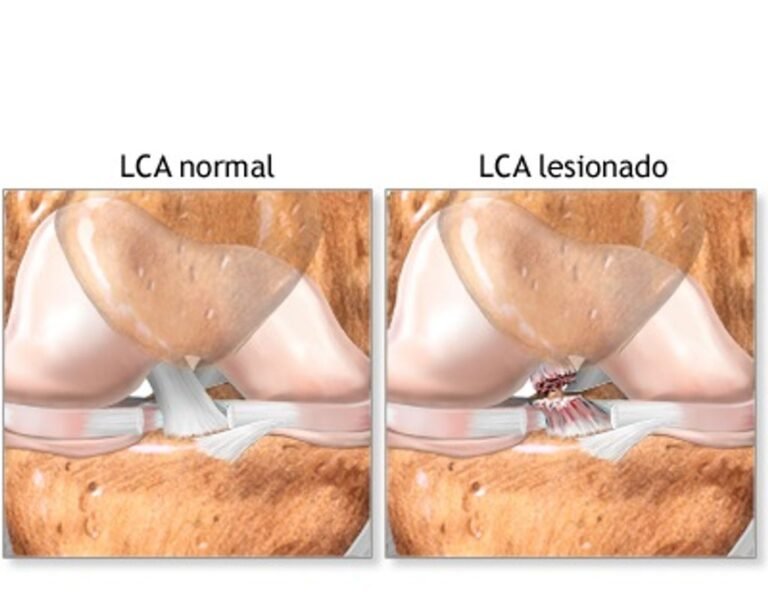
- ACL, PCL, and Collateral Ligament Injuries: These injuries involve damage to the ligaments that stabilize the knee joint. They can result from sudden twists, pivots, or direct impact on the knee.
- Meniscus Tears: The meniscus is a cartilage that acts as a cushion between the thigh bone and shinbone. Tears can occur due to sudden twisting movements while running.
- Cartilage and Tendon Injuries: Runners can often experience injuries to the cartilage within the knee joint or the tendons surrounding the knee. These injuries can result from overuse or trauma.
In order to properly diagnose and treat these knee injuries, it is essential to seek professional medical advice. A doctor or physical therapist can provide an accurate diagnosis and recommend appropriate treatment options tailored to the specific injury.
Since each injury may require different approaches for effective recovery, a qualified professional can guide runners in developing a personalized treatment plan. By addressing knee injuries promptly and following the prescribed treatment, runners can regain their strength, overcome pain, and return to their beloved activity.
How to Prevent Knee Pain While Running
There are several steps that runners can take to prevent knee pain while running. By following these strategies, you can minimize the risk of injury and ensure a comfortable and enjoyable running experience.
1. Strengthen Your Thigh Muscles
One of the key factors in preventing knee pain is maintaining strong and balanced thigh muscles, particularly the quadriceps. These muscles play a crucial role in stabilizing the kneecap and reducing stress on the knee joint. Incorporate exercises that target the quadriceps, such as squats, lunges, and leg presses, into your regular workout routine. Remember to start with lighter weights and gradually increase the intensity as your strength improves.
2. Stretch and Strengthen Your Lower Body
Besides focusing on the quadriceps, it’s essential to stretch and strengthen the entire lower body to maintain proper alignment and mechanics. Incorporate exercises that target the hamstrings, calves, and hip muscles. Additionally, incorporating exercises that improve core stability can help distribute the load more evenly and reduce strain on the knees.
3. Use Arch Supports or Orthotics
Consider using arch supports or orthotics in your running shoes. These inserts can help provide extra support and improve foot mechanics, which in turn reduces stress on your knees. Consult with a podiatrist or a knowledgeable running shoe store employee to find the appropriate arch supports or orthotics for your feet.
4. Avoid Sudden Changes in Your Workout Routine
To prevent knee pain, it’s crucial to avoid sudden changes in your workout routines, including mileage, speed, or running surfaces. Gradually increase the intensity or mileage of your runs to allow your body to adapt and minimize the risk of overuse injuries. Always listen to your body and pay attention to any signs of discomfort or pain.
5. Opt for Softer Running Surfaces
Running on hard surfaces like concrete can increase the impact on your joints, including your knees. Whenever possible, choose softer surfaces such as grass, dirt trails, or a rubber track. These surfaces provide more cushioning and reduce the strain on your knees.
6. Warm Up Properly
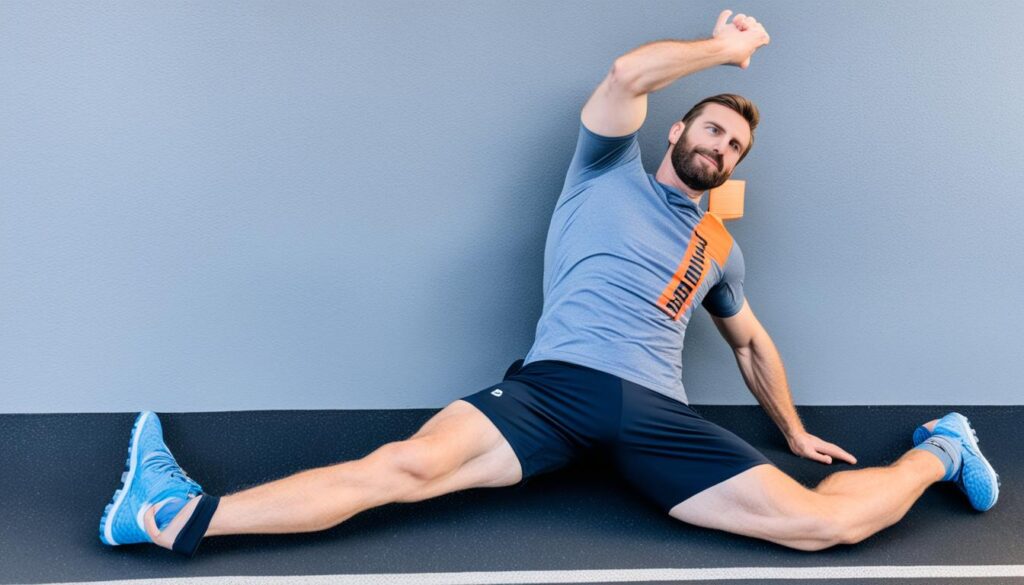
Before each run, take the time to warm up properly. Engage in dynamic stretching exercises that target the lower body, including the hip flexors, hamstrings, and calves. A proper warm-up increases blood flow to the muscles, improves flexibility, and prepares your body for the activity ahead.
By following these preventive measures, you can minimize the risk of knee pain while running and enjoy your training sessions to the fullest.
Treatment Options for Running Knee Pain
When faced with running knee pain, there are various treatment options available. It’s important to address the pain and discomfort promptly to prevent further damage and ensure a speedy recovery.
Here are some common treatment options for running knee pain:
- Rest and activity modification: Resting the knee and avoiding activities that exacerbate the pain is often recommended. This allows the knee to heal and prevents further strain.
- Icing the knee: Applying ice to the affected area can help reduce pain and swelling. Ice should be applied for 15-20 minutes every 2-3 hours.
- Over-the-counter medications: Nonsteroidal anti-inflammatory drugs (NSAIDs) like ibuprofen can help relieve pain and reduce inflammation. It’s important to follow the recommended dosage and consult a healthcare professional if necessary.
- Physical therapy: A physical therapist can design a personalized exercise program to strengthen the surrounding muscles and improve joint stability. This can help alleviate knee pain and prevent future injuries.
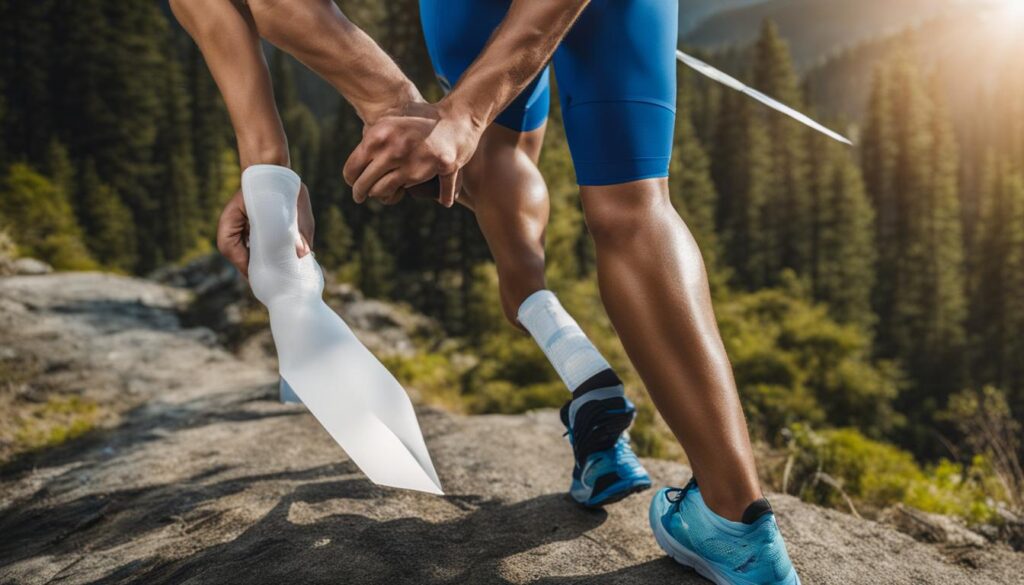
- Specialized treatments: Depending on the specific condition and severity of the knee pain, healthcare professionals may recommend specialized treatments such as orthotics, massage, shockwave therapy, or bracing devices.
Remember, it’s always best to consult a healthcare professional for an accurate diagnosis and personalized treatment plan. They can provide expert guidance based on your individual needs and help you get back to pain-free running.
If you’re unsure about which treatment option you should pursue, seek medical advice to determine the most suitable course of action.
Treatment Options Comparison
| Treatment Option | Pros | Cons |
|---|---|---|
| Rest and activity modification | – Allows the knee to heal – Prevents further strain |
– May require significant downtime – Can impact training schedule |
| Icing the knee | – Reduces pain and swelling – Easy to apply |
– Temporary relief – May not address the underlying cause |
| Over-the-counter medications | – Provides pain relief – Reduces inflammation |
– Temporary relief – Potential side effects |
| Physical therapy | – Strengthens surrounding muscles – Enhances joint stability |
– Requires time and commitment – May be costly |
| Specialized treatments | – Targeted approach – Can provide relief for specific conditions |
– May be expensive – Not always necessary |
Running with Knee Pain: When to Seek Help
While some mild knee pain during running can be managed with rest and self-care, it is important to know when to seek professional help. If the pain persists despite conservative measures, if it worsens over time, or if it is accompanied by other concerning symptoms such as swelling, instability, or difficulty bearing weight, it is recommended to consult a doctor. A healthcare professional can provide a proper diagnosis, determine the underlying cause of the pain, and recommend appropriate treatment options. Ignoring persistent knee pain and continuing to run can lead to further damage and prolong the recovery process.
When experiencing knee pain while running, it’s crucial to pay attention to your body’s signals. If the pain persists or worsens, it may indicate an underlying problem that needs medical attention. Seeking help from a healthcare professional can ensure an accurate diagnosis and the most effective treatment plan for your specific condition.
“If the pain persists despite conservative measures, worsens over time, or is accompanied by other concerning symptoms such as swelling, instability, or difficulty bearing weight, it is recommended to consult a doctor.”
Running with knee pain can lead to further injury and delay the healing process. It is important to address any persistent pain or worsening symptoms promptly to prevent long-term consequences and ensure a safe return to running.
It is always better to err on the side of caution and seek professional help rather than risk exacerbating the injury. Remember, running should be enjoyable and pain-free, and seeking the appropriate medical attention can help you get back on track to achieving your running goals.
Strategies for a Safe Return to Running
After recovering from a knee injury and receiving clearance from a healthcare professional, we understand the importance of planning a safe return to running. To help rebuild strength and endurance while minimizing the risk of re-injury, it is crucial to gradually increase the intensity and duration of running sessions.
One effective strategy for a safe return is to incorporate strengthening exercises that target the muscles around the knees, hips, and core. These exercises can help improve stability and support the knee joint during running. Here are a few examples:
- Leg Extensions: Sit on a leg extension machine and extend your legs, focusing on strengthening your quadriceps.
- Clamshells: Lie on your side with your knees bent, then lift your top knee while keeping your feet together. This exercise targets the hip abductors.
- Plank Holds: Assume a plank position on your forearms, engaging your core muscles. Hold this position for a specific duration, gradually increasing the time as your strength improves.
Listening to your body and paying attention to any signs of pain or discomfort is crucial during the recovery process. If you experience any discomfort while running, it’s essential to make adjustments as needed. This could involve reducing your running distance or pace, incorporating more rest days, or modifying your running surface to reduce impact.
Striking a balance between pushing your limits and allowing adequate recovery time is key to a successful return to running. It’s important to be patient and gradually increase the intensity and duration of your runs over time. Remember, running is a lifelong journey, and taking care of your body is essential for long-term success.
| Strategies for a Safe Return to Running | Benefits |
|---|---|
| Gradually increase intensity and duration of running sessions | – Minimizes the risk of re-injury – Allows the body to adjust to the demands of running |
| Incorporate strengthening exercises | – Improves stability and support for the knee joint – Builds strength in the muscles around the knees, hips, and core |
| Listen to your body | – Helps identify signs of pain or discomfort – Allows for prompt adjustments and modifications |
| Strike a balance between pushing limits and recovery | – Prevents overexertion and potential setbacks – Promotes gradual progress and long-term running success |
Conclusion
Knee pain while running, such as runner’s knee, can be a common problem for many athletes. However, with proper care and preventive measures, it is possible to manage and alleviate knee pain. Rest, ice, and elevation are useful for reducing pain and swelling. Applying ice for 20 minutes every 2 to 3 hours can help relieve inflammation. It is important to wrap the knee with an elastic bandage and elevate it to reduce swelling. Meanwhile, stretching and strengthening exercises can help prevent future injuries. Focusing on exercises that target the quadriceps, hamstrings, and glutes can improve the stability of the knee joint and reduce the risk of knee pain. Additionally, wearing appropriate footwear with proper cushioning and support is crucial in preventing running-related knee pain. Investing in quality running shoes that are suitable for your foot type and running style can help absorb shock and reduce impact on the knees. Maintaining good running form is also essential in protecting the knees. Avoid overstriding and try to land with a midfoot strike to minimize stress on the knees. Gradually increasing mileage or intensity is another key factor in preventing knee pain. Avoid sudden increases in training volume or intensity, as this can lead to overuse injuries. Instead, gradually progress your workouts and give your body time to adapt. If you experience persistent pain or worsening symptoms despite rest and self-care, it is crucial to seek medical advice. A healthcare professional can accurately diagnose the underlying cause of your knee pain and recommend tailored treatment options. Remember, taking care of your knees is essential for long-term running success. By incorporating these preventive measures into your running routine, you can reduce the risk of knee pain and enjoy a pain-free running experience.
FAQ
Why does my patella hurt when I run?
Patella pain while running can be caused by conditions such as runner’s knee or patellar tendonitis, which are often a result of overuse or imbalances in the knee and thigh muscles. It is important to rest and seek proper treatment to alleviate the pain.
What are the common knee injuries in runners?
Runners may experience various knee injuries such as runner’s knee, patellar tendinitis, iliotibial band syndrome, jumper’s knee, ACL or PCL injuries, collateral ligament injuries, meniscus injuries, cartilage injuries, and tendon injuries. Seeking proper diagnosis and treatment is crucial for managing these injuries.
How can I prevent knee pain while running?
To prevent knee pain while running, it is important to maintain strong thigh muscles, do stretching and strengthening exercises, use arch supports or orthotics in running shoes, avoid sudden changes in workout routines, run on softer surfaces, and use proper warm-up techniques.
What are the treatment options for running knee pain?
Treatment options for running knee pain include rest, ice, elevation, over-the-counter anti-inflammatory medications, physical therapy, orthotics, massage, shockwave therapy, bracing devices, and, in severe cases, surgery. Seeking professional advice is recommended for an accurate diagnosis and personalized treatment plan.
When should I seek help for running knee pain?
If running knee pain persists, worsens, or is accompanied by swelling, instability, or difficulty bearing weight, it is recommended to consult a doctor. Ignoring persistent knee pain can lead to further damage and delay the recovery process.
How can I safely return to running after a knee injury?
After recovering from a knee injury, it is important to plan a safe return to running by gradually increasing intensity and duration, doing strengthening exercises for the knees, hips, and core, and paying attention to any signs of pain or discomfort. Balancing pushing the limits and allowing adequate recovery time is crucial for a successful return.
Can knee pain while running be managed?
Yes, knee pain while running, such as runner’s knee, can be managed through rest, ice, elevation, stretching, strengthening exercises, proper footwear, correct running form, gradual increase in mileage or intensity, and seeking professional help for diagnosis and treatment.
Source Links
- https://www.webmd.com/pain-management/knee-pain/runners-knee
- https://www.runnersworld.com/uk/health/injury/a773762/4-causes-of-knee-pain-and-how-to-fix-them/
- https://www.templehealth.org/about/blog/common-knee-injuries-running