Time Management with Chronic Knee Pain Tips
Chronic knee pain can be a significant obstacle to managing our time effectively and maintaining productivity. Dealing with the daily challenges and limitations imposed by knee pain can make it seem impossible to stay on top of our commitments and responsibilities. However, with the right strategies in place, it is possible to effectively manage our time and still accomplish our goals while coping with chronic knee pain.
In this article, we will explore practical tips and techniques that can help us improve our time management skills, increase our productivity, and minimize the impact of knee pain on our daily lives. By implementing these strategies, we can find a balance that allows us to navigate our tasks and responsibilities without sacrificing our comfort.
Key Takeaways:
- Chronic knee pain can significantly impact daily life and productivity.
- With the right strategies, it is possible to effectively manage time while coping with knee pain.
- Engaging in regular exercise and physical activity can help manage knee pain and improve strength and stability.
- Developing self-management strategies can adapt daily routines to accommodate knee pain and minimize stress on the knee joint.
- Utilizing pain relief techniques, such as the RICE method and acupuncture, can provide temporary relief from knee pain.
Exercise and Physical Activity for Managing Knee Pain
Engaging in regular exercise and physical activity is crucial for managing knee pain. It helps strengthen the muscles around the knee joint, improves flexibility, and promotes overall strength and stability. By incorporating appropriate exercises into your routine, you can alleviate pain, increase mobility, and improve your quality of life.
Low-impact exercises are particularly beneficial for individuals with knee pain. These exercises minimize stress on the joints while still providing the necessary physical activity. Here are some low-impact exercises that are highly recommended:
- Walking: A simple yet effective exercise that can be easily incorporated into your daily routine. It is important to wear supportive shoes and choose level surfaces to protect your knees.
- Swimming and Water Aerobics: These activities provide a great cardiovascular workout while minimizing stress on the joints. The buoyancy of water reduces joint pressure, making it an ideal option for individuals with knee pain.
- Stationary Cycling and Elliptical Machines: These machines offer low-impact, non-weight-bearing exercises that promote lower body strength and cardiovascular fitness. Adjusting the resistance level and intensity allows for customization based on your fitness level and knee pain.
In addition to these low-impact exercises, activities that focus on flexibility and balance can also benefit individuals with knee pain. Tai chi and yoga are excellent choices for improving joint flexibility, reducing stiffness, and enhancing overall balance and coordination.
It is crucial to consult with a doctor or physical therapist before starting any exercise program, especially if you have chronic knee pain. They can provide personalized recommendations based on your specific condition and help you develop a safe and effective exercise plan.
Self-Management Strategies for Daily Tasks
When dealing with chronic knee pain, daily tasks can become challenging and hinder productivity. However, by implementing effective self-management strategies, individuals can adapt their daily routine to accommodate knee pain and maintain a sense of normalcy. Here are some strategies:
Minimizing stress on the knee joint
To minimize stress on the knee joint, it is important to use assistive devices such as canes or walkers. These devices provide support and stability, reducing the pressure on the knee while performing daily tasks. Additionally, knee splints or braces can be used to provide added support and stability to the knee joint.
Implementing proper body mechanics
Practicing proper body mechanics is crucial for individuals with knee pain. This involves maintaining good posture, avoiding excessive bending or kneeling, and using proper lifting techniques to minimize strain on the knee joint. By incorporating these techniques into daily activities, individuals can reduce the risk of further aggravating their knee pain.
Prioritizing activities and breaking tasks into segments
When managing knee pain, it is essential to prioritize activities based on their importance and urgency. By focusing on high-priority tasks first, individuals can ensure that vital responsibilities are completed while conserving energy for their knee. Breaking tasks into manageable segments also helps reduce strain and allows for regular breaks, preventing overexertion.
Delegating tasks when possible
Delegating tasks to others can lighten the physical burden on individuals with chronic knee pain. Whether it’s assigning household chores to family members or seeking assistance from colleagues at work, delegating tasks can help distribute the workload and minimize the strain on the knees.
“Every small action towards self-management counts in managing knee pain. Finding strategies that work best for you and structuring your daily routine accordingly can make a significant difference in maintaining productivity while minimizing discomfort.”
Adapting daily tasks with knee pain requires a proactive approach, but it is essential for individuals to maintain control over their lives and prioritize their well-being. By incorporating self-management strategies into their daily routine, individuals can effectively manage their knee pain and carry out daily tasks with greater ease.
Self-Management Strategies for Daily Tasks
| Strategies | Benefits |
|---|---|
| Use assistive devices (canes, walkers) | Reduce stress on the knee joint |
| Use knee splints or braces | Provide stability and support to the knee joint |
| Implement proper body mechanics | Reduce strain on the knee joint |
| Prioritize activities | Focus on essential tasks while conserving energy |
| Break tasks into segments | Prevent overexertion and allow for regular breaks |
| Delegate tasks when possible | Distribute workload and minimize physical strain |
Pain Relief Techniques for Managing Knee Pain
Dealing with knee pain can be challenging, but there are various pain relief techniques that can help manage and alleviate discomfort. Incorporating these techniques into your daily routine can provide temporary relief and improve your overall quality of life.
The RICE Method
If you’re experiencing knee pain due to minor injuries or arthritis flares, the RICE method can be effective in reducing swelling and inflammation. Here’s how you can apply the RICE method:
- Rest: Take a break from activities that aggravate your knee pain. Give your knee time to heal and avoid putting unnecessary strain on it.
- Ice: Apply an ice pack to your knee for about 15-20 minutes, several times a day. This can help reduce swelling and numb the pain.
- Compression: Use a compression bandage or knee brace to provide support and reduce swelling in the affected area.
- Elevation: Elevate your leg and prop it up on a cushion or pillow to reduce swelling and promote better blood circulation.
By following the RICE method, you can speed up the healing process and find relief from knee pain caused by inflammation or minor injuries.
Acupuncture for Knee Pain
Acupuncture, a traditional Chinese medicine practice, has been used for centuries to alleviate various types of pain, including knee pain. During an acupuncture session, fine needles are inserted at specific points on the body to stimulate the body’s natural healing response.
Acupuncture is believed to improve energy flow, reduce inflammation, and promote pain relief. Many individuals with knee pain have found acupuncture to be a valuable complementary therapy alongside traditional treatments.
Hot and Cold Therapy
Hot and cold therapy can provide temporary pain relief for individuals with knee pain. Applying a hot pack or a heating pad to the affected area can help relax muscles, improve blood circulation, and reduce stiffness. Alternatively, cold packs or ice packs can help numb the pain and decrease inflammation.
Supportive Braces
Using supportive braces specifically designed for knee pain can provide stability and alleviate discomfort. These braces help reduce pressure on the affected area, protect the knee joint during physical activities, and provide added support to promote proper alignment.
When choosing a brace, consult with your healthcare professional or physical therapist to ensure you select the most suitable option for your specific condition.

Remember, while these pain relief techniques can offer temporary relief, it’s important to consult with a healthcare professional for a comprehensive evaluation and personalized treatment plan for managing your knee pain.
Home Modifications for Reducing the Risk of Falls
Knee pain can significantly increase the risk of falls, which can further exacerbate knee damage and lead to other injuries. As individuals with chronic knee pain, fall prevention becomes crucial in maintaining a safe and comfortable living environment. By implementing a few key home modifications, you can reduce the risk of falls and ensure greater safety and stability in your everyday activities.
Ensuring Proper Lighting
One important home modification to consider is ensuring proper lighting throughout your living space. Inadequate lighting can make it difficult to navigate and identify potential hazards, increasing the likelihood of falls. Install bright, energy-efficient bulbs in areas such as hallways, staircases, entrances, and frequently used rooms. You may also want to consider motion-sensor lights to automatically illuminate areas when you enter them, providing added convenience and safety.
Removing Tripping Hazards
Identifying and removing tripping hazards is another crucial step in fall prevention. Take the time to survey your living space and remove or secure any objects or obstacles that could cause you to trip and fall. This includes loose rugs or carpets, cluttered pathways, exposed cords, and uneven flooring. By keeping your surroundings clean and free from obstacles, you can greatly reduce the risk of accidental falls.
Using Handrails on Stairs and Uneven Surfaces
If your home has stairs or uneven surfaces, installing handrails can provide much-needed support and stability. Properly installed handrails can offer a firm grip and help you maintain balance when ascending or descending stairs or navigating through uneven terrain. Make sure the handrails are securely fastened and at an appropriate height for your comfort and convenience.
Utilizing Sturdy Ladders or Footstools
Reaching high shelves or performing household tasks that require height can pose a fall risk for individuals with knee pain. To minimize this risk, invest in sturdy ladders or footstools that offer stability and support. Avoid using unstable or wobbling objects as makeshift alternatives, as they can increase the likelihood of accidents and falls.
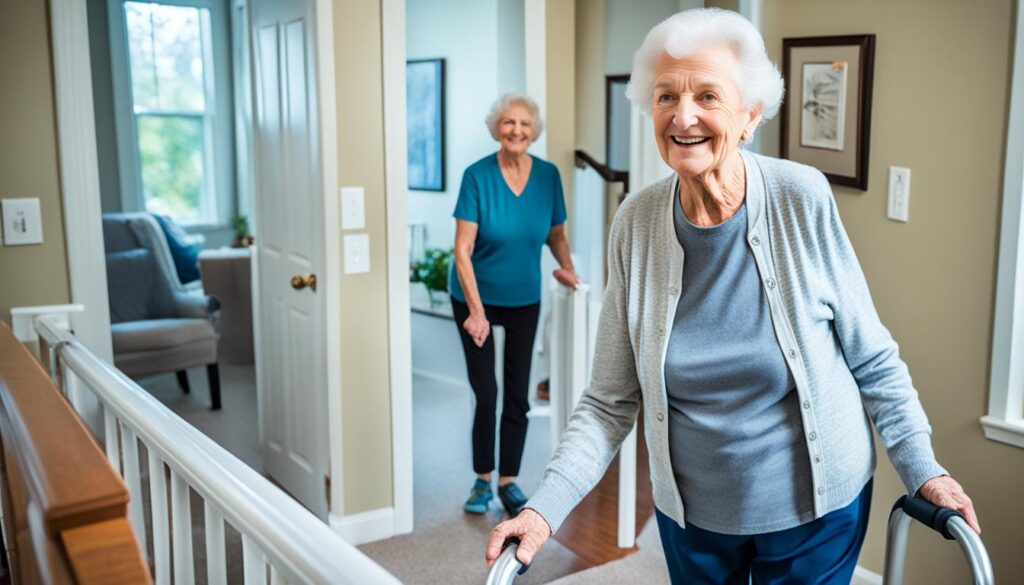
Creating a safe and accessible environment in your home is essential for maintaining balance, preventing accidents, and reducing the risk of falls for individuals with chronic knee pain. By implementing these home modifications, you can create a safer living space that supports your mobility and overall well-being.
Conclusion
Effective time management is crucial when dealing with chronic knee pain. By incorporating exercise, self-management strategies, pain relief techniques, and home modifications, we can better manage our knee pain and improve productivity. It is important to consult with healthcare professionals for personalized advice and guidance on managing knee pain.
Regular exercise, such as low-impact activities and flexibility exercises, helps strengthen the muscles around the knee joint and improves overall stability. Self-management strategies, such as using assistive devices and implementing proper body mechanics, can minimize stress on the knee and facilitate daily tasks. Pain relief techniques, such as the RICE method and acupuncture, provide temporary relief and reduce inflammation. Finally, home modifications, such as ensuring proper lighting and removing tripping hazards, help reduce the risk of falls and further knee injuries.
Incorporating these strategies, supported by medical advice, allows us to balance our time and activities while minimizing the impact of chronic knee pain. Managing knee pain requires a multi-faceted approach and finding what works best for us individually. With the right strategies and support, we can maintain a productive and fulfilling life while coping with chronic knee pain.
FAQ
How can I effectively manage my time while coping with chronic knee pain?
To effectively manage your time with chronic knee pain, you can incorporate various strategies. These include exercise and physical activity, self-management strategies for daily tasks, pain relief techniques, and home modifications to reduce the risk of falls.
What types of exercises are recommended for managing knee pain?
Low-impact exercises such as walking, swimming, water aerobics, stationary cycling, and elliptical machines are recommended for managing knee pain. Tai chi and yoga can also help with stiffness and balance.
How can I adapt my daily routine to accommodate knee pain?
To adapt your daily routine with knee pain, you can prioritize activities, break tasks into manageable segments, and delegate when possible. Using assistive devices like canes or walkers, knee splints or braces, and implementing proper body mechanics can also help minimize stress on the knee joint.
What pain relief techniques can help manage knee pain?
Pain relief techniques for managing knee pain include the RICE method (rest, ice, compression, and elevation) for reducing swelling and inflammation. Acupuncture, applying hot or cold packs, taking warm baths, and using supportive braces can also provide temporary relief.
How can I reduce the risk of falls when dealing with chronic knee pain?
To reduce the risk of falls when dealing with chronic knee pain, you can make home modifications such as ensuring proper lighting, removing tripping hazards, using handrails on stairs and other uneven surfaces, and utilizing sturdy ladders or footstools for reaching high shelves.
Can I effectively manage my time with chronic knee pain?
Yes, with the right strategies and support, it is possible to effectively manage your time with chronic knee pain. By incorporating exercise, self-management strategies, pain relief techniques, and home modifications, you can better manage your knee pain and improve productivity.