
download 2

Female footballers are not on a level playing field when it comes to sports technology, research shows


Female footballers need specifically tailored products such as equipment, boots and balls to optimize their performance and safety on the pitch, according to an article published in Sports technology. The authors conclude that while some progress has been made in addressing the equipment needs of female players, vital gaps in research, development and production still exist in women’s football.

Although the popularity of professional women’s football has increased in many countries, highlighted by England’s recent victory at the 2022 UEFA European Women’s Football Championships, the technology and equipment are still largely designed for men’s football. Strikingly, a recent study found only 32 published scientific articles on technology in women’s football.

Kat Okholm Kryger and colleagues – including England women’s national football team captain Leah Williamson – asked ten questions to highlight the minimal progress that has been made in elite women’s football technology, and the barriers that still exist to tailor-made making equipment available to female players. The authors discuss why tailor-made technology for female footballers is necessary and highlight that although women have different physical needs than men, equipment such as football boots and balls are still designed for men rather than women. These issues can both increase the risk of injury from ill-fitting shoes, and reduce performance due to the proportionately greater effort required to kick the ball compared to men.

Additionally, the authors report that many female soccer players feel uncomfortable wearing soccer shorts (which are typically white) due to concerns about possible menstrual leaks. Professional female footballers are also often required to wear specific sports bras provided by kit sponsors, rather than the optimal sports bra for their body type. This can also reduce performance and lead to discomfort while running and turning.

The authors note that manufacturers are recognizing the lack of development in women’s football technology and that there is a positive shift towards women-specific products. However, progress is limited by the lack of existing research, and concerted efforts are needed to address key gaps in understanding the needs of female footballers.

Source link

Similar Posts

  • |

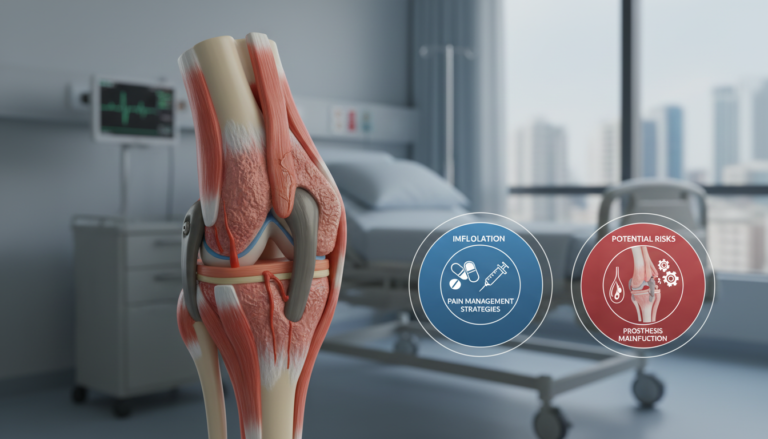
    Knee replacement complications

    What if the key to a successful recovery isn’t just about the surgery itself, but what you know beforehand? Every year, over 790,000 people in the United States choose this medical procedure to regain their mobility. It’s a major step toward a life with less pain. knee replacement complications We recognize that while this operation is common, understanding what can happen after is vital. This knowledge transforms a patient from a passive recipient into an active partner in their own care. Our goal is to provide clear, empowering information about the possible risks. This helps you approach your healing journey with eyes wide open and confidence high. Modern advancements have made this intervention safer and more effective than ever. Still, being informed allows you to spot any warning signs early and seek help promptly. This guide is your comprehensive resource. We aim to support you in taking charge of your long-term joint health and overall well-being. Key Takeaways Over three-quarters of a million knee replacement surgeries are performed annually in the U.S. Being informed about potential issues is a crucial part of patient preparation and empowerment. Knowledge of risks helps in early identification of any post-operative warning signs. Modern surgical techniques and care have significantly improved the safety profile of this procedure. An active understanding of your care plan contributes greatly to a successful long-term outcome. This information is designed to build confidence as you move forward with your medical decision. Understanding Knee Replacement Surgery Before diving into the details, let’s build a clear picture of what this surgical process entails. Over 790,000 of these operations happen each year in the United States alone. understanding knee replacement surgery What Is a Knee Replacement? This common operation replaces all three compartments of a damaged joint. Surgeons remove worn bone and cartilage. They then fit precise metal and plastic implants. This creates a new, smooth gliding surface. Aspect Detail Primary Goal Relieve chronic pain and restore joint function Artificial Components Metal and medical-grade plastic Typical Anesthesia General or spinal Average Hospital Stay 1 to 3 days Initial Recovery Period 6 to 12 weeks The Overall Procedure and Its Benefits This intervention is designed to help people regain independence. Most patients report a major improvement in their quality of life. The main benefit is lasting relief from persistent pain. Many return to daily activities and hobbies they love. Understanding the mechanics helps set realistic expectations for recovery and long-term performance. Key Knee Replacement Complications Statistics offer great comfort, but a complete picture includes understanding what could go wrong, even if it’s unlikely. Research confirms a very high success rate for this operation. Over 95% of people recover without any major issues. This statistic highlights the overall safety of the procedure. key knee replacement complications Overview of Common Risks Every medical intervention carries some inherent risks. These can include infection, blood clots, or stiffness. Your surgical team is trained to both prevent and manage these known challenges. They are a standard part of the pre-operative discussion. Why Awareness Matters We believe knowledge is power. Understanding potential warning signs allows you to partner with your care team. You can seek help promptly if something doesn’t feel right. This proactive approach helps prevent minor concerns from becoming serious problems. It’s crucial to discuss your personal health history with your doctor. This conversation helps assess your individual risk profile before surgery….

  • Golf, hiking and Nordic walking can improve cognitive function in older adults

    Playing a single 18-hole round of golf or completing 6 km of Nordic walking or simply walking can significantly improve direct cognitive function in older individuals, according to a recent study published in BMJ Open Sports and Exercise Medicine. An international team of researchers from the University of Eastern Finland, the University of Edinburgh and…

  • Bone Biologics Announces Registered Direct Offering at Market Prices Under Nasdaq Rules

      BURLINGTON, Mass., Nov. 17, 2023–(BUSINESS WIRE)–Bone Biologics Corporation (NASDAQ: BBLG), a developer of orthobiology products for the spine fusion markets, today announced that it has entered into a definitive agreement to issue and sell a aggregate of 1,139,063 shares of common stock at a purchase price of $0.64 per share in a registered direct…

  • |

    A new review calls on Hockey Canada to raise the age for body contact from 13 to 15

      Hockey leagues in Canada should revise current rules and regulations to raise the age for body checking in the game from 13 to 15, says new research into the effect of body contact on teens. The literature search was led by Dr. Kristian Goulet of the University of Ottawa’s Faculty of Medicine and the…

  • Sports managers need sports trainers for a better heat policy

      Exercise-induced heat illness: policy adoption and influence on contextual factors reported by athletic administrators Scarneo-Miller SE, Adams WM, Coleman KA, Lopez RM. Sports Health. Mar 5, 2023: 19417381231155107. doi: 10.1177/19417381231155107. E-publishing prior to printing. PMID: 36872595. https://journals.sagepub.com/doi/10.1177/19417381231155107 Take home message Most high school athletic administrators reported having a written heat illness policy in place,…

One Comment

Leave a Reply

Your email address will not be published. Required fields are marked *