
Can golfers continue to enjoy their favorite sport after undergoing knee replacement surgery? The answer is a resounding yes, but it requires some adjustments. Golfers facing knee replacements often worry about the impact on their game.
Adapting golfing techniques is crucial for maintaining performance while protecting knee health. By incorporating knee-friendly golf tips, golfers can minimize strain and enjoy the game.
Understanding the challenges and making necessary adjustments can make a significant difference. This article will explore valuable tips for golfers who have undergone knee replacement surgery.
Key Takeaways
- Adjusting golf swings to reduce knee strain
- Pre-game warm-ups to prepare knee joints
- Using golf equipment that supports knee health
- Practicing knee-friendly golf techniques
- Understanding the importance of post-game care
Understanding Knee Replacements and Golf
The relationship between knee replacements and golf is becoming more relevant as the golfing community ages. Golfers with knee concerns are increasingly looking into knee replacement options to continue enjoying their sport.
What Is a Knee Replacement?
A knee replacement, or knee arthroplasty, involves replacing the damaged or arthritic joint surfaces with artificial components. This surgery can significantly alleviate pain and improve mobility, allowing golfers to return to their sport.
Types of Knee Replacements
There are several types of knee replacement surgeries, including:
- Total Knee Replacement (TKR): Replaces the entire knee joint.
- Partial Knee Replacement: Only the damaged part of the knee is replaced.
- Revision Knee Replacement: Used for failed or worn-out previous knee replacements.
Each type has its indications and benefits, and the choice depends on the individual’s condition and the surgeon’s recommendation.
When to Consider a Replacement
Deciding on a knee replacement involves several factors, including the severity of knee damage, overall health, and the impact of knee problems on daily activities and golfing. Significant pain, limited mobility, and failure of conservative treatments are indicators that a knee replacement might be necessary.
Proper posture and ergonomics play a crucial role in recovery and maintaining knee health post-surgery. Golfers should be aware of their stance, swing mechanics, and overall physical conditioning to minimize stress on their knees.
Preparing for Surgery
As golfers prepare for knee replacement surgery, it’s essential to focus on both physical and mental preparation to ensure a smooth recovery and maintain golf performance post-surgery.
A well-planned preparation strategy can significantly impact the success of the surgery and the subsequent rehabilitation process. This involves a combination of physical conditioning and mental preparation to ensure that golfers are fully equipped to handle the challenges that come with surgery and recovery.
Physical Conditioning Tips
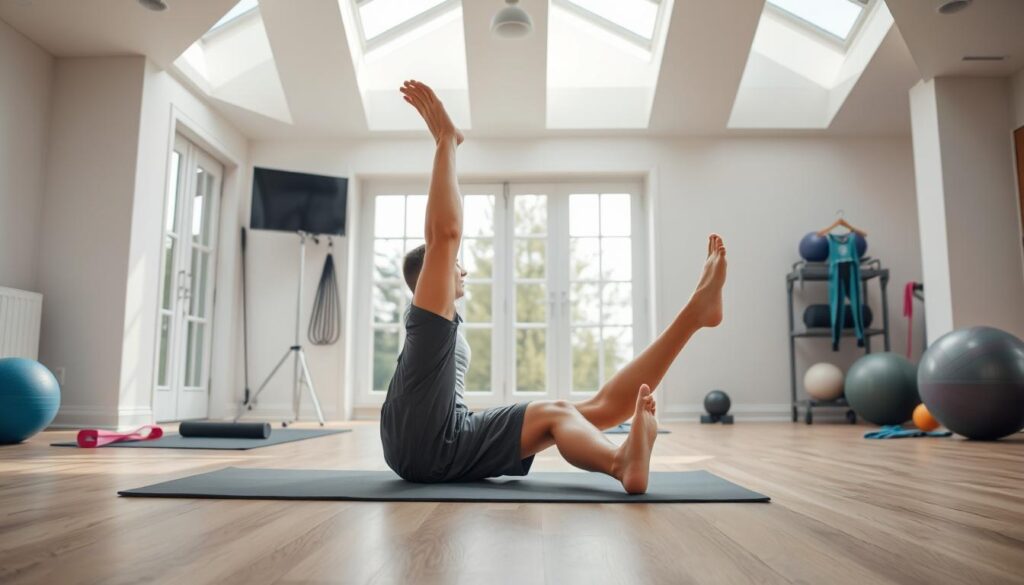
Physical conditioning is a critical aspect of preparing for knee replacement surgery. Golfers can benefit from exercises that strengthen the muscles around the knee, improving overall knee stability and resilience. Exercises for golfers with knee replacements should focus on low-impact activities that do not put excessive strain on the knee.
- Quad sets: Strengthening the quadriceps muscles through sets and leg lifts.
- Straight leg raises: Improving knee stability by lifting the leg straight out in front.
- Low-impact aerobics: Engaging in activities like cycling or swimming to improve cardiovascular fitness without stressing the knee.
Mental Preparation for Surgery
Mental preparation is equally important as physical conditioning when it comes to preparing for knee replacement surgery. Golfers should focus on techniques that help manage stress and anxiety, promoting a positive mindset throughout the recovery process.
Visualization techniques and relaxation exercises can be particularly helpful. Visualization involves imagining a successful surgery and recovery, while relaxation techniques, such as deep breathing or meditation, can help reduce anxiety and promote a calm state of mind.
Post-Surgery Recovery Essentials
The journey to regaining strength and mobility after knee surgery is crucial for golfers, involving a comprehensive rehabilitation program and effective pain management strategies. A well-planned recovery is essential to ensure that golfers can return to the golf course without compromising their knee health.
Importance of Rehabilitation
Rehabilitation after knee surgery is not just about healing; it’s about regaining the strength and flexibility needed for golf. A structured rehabilitation program typically includes physical therapy exercises tailored to improve knee function and overall lower limb strength.
Key components of a rehabilitation program include:
- Range of motion exercises to improve flexibility
- Strengthening exercises for the muscles around the knee
- Balance and coordination training to prevent falls
Pain Management Strategies
Effective pain management is critical during the recovery period. Golfers can employ several strategies to manage pain, including medication, physical therapy modalities, and alternative therapies like acupuncture.
For more information on managing knee pain, golfers can consult with healthcare professionals, such as those found through finding the best knee pain doctor near.
Here’s a comparison of common pain management strategies:
| Strategy | Description | Benefits |
|---|---|---|
| Medication | Use of pain relief drugs | Quick pain relief |
| Physical Therapy | Exercises and modalities like heat/cold therapy | Improves function, reduces pain |
| Acupuncture | Traditional Chinese medicine technique | Alternative to medication, holistic approach |
In conclusion, a successful recovery after knee surgery for golfers hinges on a comprehensive rehabilitation program and effective pain management strategies. By understanding the importance of these elements, golfers can better navigate their recovery journey.
Getting Back to Golf: Timing Matters
Timing is everything for golfers with knee replacements as they strive to return to the golf course without compromising their recovery.
After knee replacement surgery, the excitement to get back to golfing can be overwhelming. However, it’s crucial to understand that rushing back to the golf course can lead to complications and potentially jeopardize the success of the surgery. The recovery period is vital, and golfers must be patient and listen to their bodies.
When Can You Return to Golf?
The timeframe for returning to golf varies among individuals, depending on factors such as the extent of the surgery, overall health, and the progress of rehabilitation. Generally, golfers can expect to return to golf within 3 to 6 months after surgery.
A study published in the Journal of Arthroplasty found that golfers who underwent knee replacement surgery were able to return to golf an average of 4.4 months post-operatively. However, it’s essential to get clearance from your orthopedic surgeon before resuming golf or any strenuous activity.
| Recovery Milestone | Typical Timeframe | Activity Level |
|---|---|---|
| Initial Rehabilitation | 0-3 months | Light exercises, physical therapy |
| Progressive Strengthening | 3-6 months | Golf-specific exercises, gradual return to golf |
| Full Return to Golf | 6 months+ | Regular golfing with proper technique |
Recognizing Signs of Recovery
Recognizing the signs that indicate readiness to return to golf is crucial. Golfers should look out for reduced pain, improved range of motion, and increased strength in the knee. Additionally, being able to perform daily activities without significant discomfort is a good indicator.
It’s also important to pay attention to your body’s signals. If you experience pain or discomfort while practicing golf swings or playing, it may be a sign that you’re not fully ready. Consulting with your healthcare provider or a golf fitness professional can provide personalized guidance.
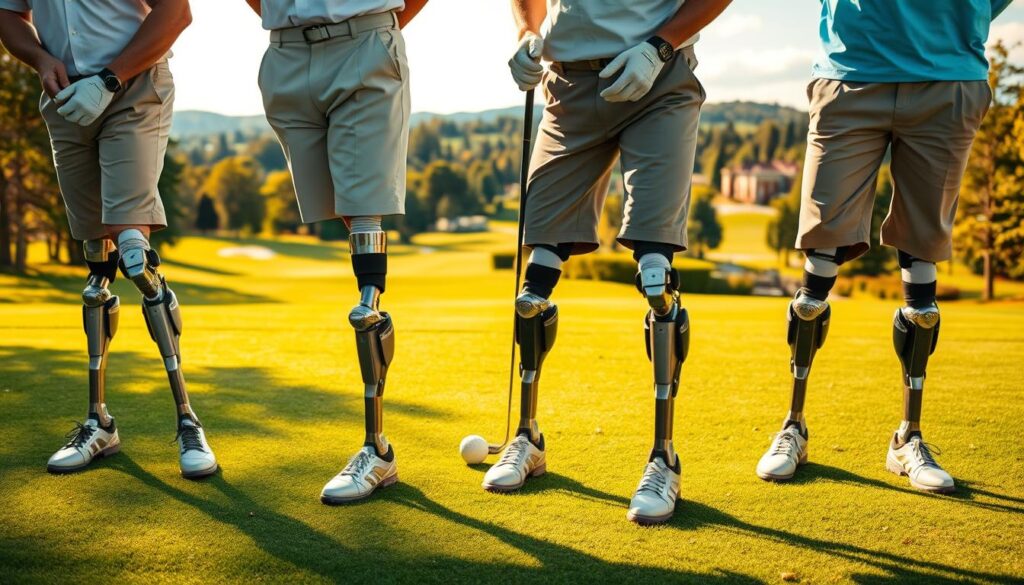
Maintaining golf performance post-knee surgery requires not only the right timing but also a focus on rehabilitation and proper technique. By understanding the recovery process and listening to your body, you can enjoy golf while preserving the health of your knee.
Choosing the Right Golf Gear
The right golf gear can significantly impact a golfer’s performance and comfort, especially for those with knee replacements. Golfers need to consider equipment that not only enhances their game but also provides the necessary support and stability for their knees.
As golf enthusiasts recover and return to the course, choosing the appropriate golf shoes becomes a critical decision. Golf shoes are no longer just about style; they are about providing the necessary support and stability.
Best Golf Shoe Features
When selecting golf shoes, individuals with knee replacements should look for features that enhance comfort and support. Some key features include:
- Good arch support: Helps in distributing the pressure evenly and reduces strain on the knees.
- Cushioning: Adequate cushioning in the midsole and forefoot can absorb shock and reduce impact on the knee joint.
- Stable and comfortable fit: Ensures that the foot remains in a stable position throughout the swing, reducing unnecessary movement that could strain the knee.
- Waterproofing: Keeps feet dry and comfortable in various playing conditions.
“The right golf shoes can make a significant difference in comfort and performance,” says Tom Watson, a renowned golfer. “For golfers with knee replacements, it’s about finding shoes that offer both support and stability.”
Selecting the Right Golf Clubs
Selecting the right golf clubs is equally important as choosing the right shoes. Golfers with knee replacements should consider clubs that are tailored to their swing style and strength.
Key considerations include:
- Club length and weight: Clubs that are too long or too heavy can cause unnecessary strain on the knees.
- Shaft flexibility: A shaft with the right flexibility can help in achieving a smoother swing, reducing the impact on the knee.
- Grip size: A grip that is too large or too small can affect the golfer’s posture and swing, potentially straining the knee.
By focusing on these aspects, golfers with knee replacements can enjoy their game while minimizing the risk of further injury to their knees. As
‘Golf is deceptively simple and endlessly complicated; it satisfies the soul and frustrates the body.’ –
, choosing the right gear is a step towards a more enjoyable and less strenuous golfing experience.
Techniques to Minimize Impact on Knees
The key to a knee-friendly golf game lies in understanding and implementing techniques that reduce knee stress. Golfers with knee replacements can benefit significantly from adjusting their approach to the game.

Proper Swing Mechanics
Adopting proper golf swing mechanics is crucial for minimizing the impact on your knees. This involves maintaining a stable posture and avoiding excessive twisting or bending. By focusing on a smooth, controlled swing, golfers can reduce the strain on their knee joints.
Key elements of a knee-friendly swing include:
- Maintaining balance throughout the swing
- Avoiding over-rotation, which can put unnecessary stress on the knees
- Using the legs and core to generate power rather than relying solely on the knees
Using a Cart vs. Walking
The decision to use a golf cart or walk the course can significantly impact knee health. Using a cart can reduce the strain on your knees by minimizing the need for walking, especially on hilly courses. However, walking can provide additional health benefits and can be managed with regular breaks and the use of trekking poles if necessary.
Consider the following when deciding between using a cart and walking:
| Factor | Using a Cart | Walking |
|---|---|---|
| Knee Strain | Reduces strain by minimizing walking distance | Can increase strain, especially on hilly courses |
| Health Benefits | Limited physical activity | Provides cardiovascular benefits and strengthens leg muscles |
Ultimately, the choice between using a golf cart and walking should be based on individual comfort and knee health considerations.
Exercises to Strengthen Your Knees
Strengthening the muscles around the knee is crucial for golfers post-surgery to ensure a smooth return to golf. This not only aids in recovery but also helps in maintaining golf performance post knee surgery. A well-structured exercise routine can significantly improve knee health and overall golfing ability.
Flexibility through Stretching
Stretching is a vital component of any exercise routine, especially for golfers recovering from knee replacement surgery. It enhances flexibility and reduces stiffness. Some effective stretches include:
- Quad Stretch: Stand with one hand against a wall for balance, bend one knee, and grab your ankle, pulling your heel towards your buttocks.
- Hamstring Stretch: Sit on the floor with your legs straight out, lean forward, and try to touch your toes.
- Calf Stretch: Stand facing a wall with one hand on the wall for balance, step one foot back about a foot, keeping your heel on the ground, and bend the front knee.
Strength Training for Golfers
Strengthening the muscles around the knee is essential for support and stability. Golfers can benefit from the following strength training exercises:
- Straight Leg Raises: Lie on your back, lift one leg a few inches off the ground, and hold for a few seconds before lowering it.
- Squats: Stand with your feet shoulder-width apart, slowly lower your body as if sitting back into a chair, and then stand up.
- Leg Press: Using a leg press machine, push the platform away from you with your feet, extending your legs.
For more detailed exercises and rehabilitation guidelines, golfers can refer to resources like Hospital for Special Surgery’s guide on exercises after knee.
Mindfulness and Mental Focus in Golf
Golfers who have undergone knee replacement surgery often find that mental preparation is just as important as physical recovery. As they return to the golf course, maintaining a strong mental focus can help them navigate the challenges of their game.
Visualization Techniques
One effective way to enhance mental focus is through visualization techniques. By visualizing their golf swing and the ball’s trajectory, golfers can improve their mental preparation and boost their confidence on the course.
- Close your eyes and imagine yourself making a successful shot.
- Visualize the ball flying towards the target.
- Practice deep breathing exercises to calm your nerves.
Staying Positive and Confident
Staying positive and confident is crucial for golfers, especially after knee replacement surgery. Here are some knee-friendly golf tips to help maintain a positive mindset:
- Focus on your strengths as a golfer.
- Celebrate small victories on the course.
- Remind yourself of your progress and rehabilitation achievements.
By incorporating these mental focus techniques into their game, golfers with knee replacements can enjoy a more fulfilling and successful golfing experience. For additional golfers with knee replacements tips, consider exploring resources on golf-specific rehabilitation and mental preparation.
Golf Course Strategies
For golfers who have undergone knee replacement, selecting the right course and managing navigation are crucial for a pleasant golfing experience. Golfers need to consider several factors when choosing a course to ensure it’s conducive to their post-surgery capabilities.
Choosing the Right Courses
When it comes to playing golf after knee replacement, the course itself can play a significant role in the overall experience. Opting for courses with flatter terrains and fewer hazards can significantly reduce strain on the knees.
- Courses with cart paths that allow the use of golf carts can be less strenuous.
- Look for courses that offer amenities catering to golfers with mobility issues.
- Consider courses with shorter holes to minimize walking distances.
| Course Feature | Ideal for Knee Replacement Golfers | Why It’s Beneficial |
|---|---|---|
| Flat Terrain | Yes | Reduces strain on the knees |
| Golf Cart Availability | Yes | Minimizes walking distance |
| Shorter Holes | Yes | Lessens the need for extensive walking |
Managing Course Navigation
Effective course navigation is key to conserving energy and minimizing knee strain. Using a golf cart can be a significant help, but there are other strategies to consider as well.
Planning your game to avoid long walks between shots and taking regular breaks can make a big difference. Additionally, being mindful of your body’s signals and taking rest when needed is crucial.
- Use a golf cart or consider hiring a caddie to carry your clubs.
- Take breaks to rest and hydrate.
- Be prepared to adjust your game plan based on your body’s feedback.
Finding Support and Resources
Golfers who have undergone knee replacement surgery can benefit greatly from connecting with others who have experienced similar challenges. Joining support groups can provide a sense of community and understanding, helping individuals stay motivated throughout their knee surgery recovery journey.
Benefits of Support Groups
Support groups offer a platform for golfers to share their experiences, exchange tips, and learn from one another. By participating in these groups, individuals can gain valuable insights into managing their condition and improving their overall golfing experience.
Online Communities for Golfers
Engaging with online forums and communities dedicated to golfers with knee replacements can also be incredibly beneficial. These platforms provide access to a wealth of information, advice, and encouragement from people who understand the specific challenges faced by golfers with knee replacements. Golfers can find valuable golfers with knee replacements tips and support to enhance their recovery and golfing performance.
Leave a Reply