Blog

  • Lateral Meniscus Ramp Lesion Symptoms

    Lateral Meniscus Ramp Lesion Symptoms

    Are you experiencing persistent knee pain without a clear reason? Knee injuries can be debilitating, affecting not just athletes but also individuals going about their daily lives.

    Meniscal tears, a common injury among young athletes and a degenerative condition in older patients, can lead to significant discomfort. Understanding the symptoms is crucial for effective diagnosis and treatment.

    The lateral meniscus plays a vital role in knee health. When a ramp lesion occurs, it can cause pain and discomfort, often misunderstood or misdiagnosed.

    Key Takeaways

    • Understanding the symptoms of lateral meniscus ramp lesions is crucial for diagnosis.
    • Meniscal tears are common in both young athletes and older adults.
    • Knee pain can be a significant indicator of underlying issues.
    • Effective treatment relies on accurate diagnosis.
    • Lateral meniscus injuries can significantly impact knee health.

    Understanding Lateral Meniscus Ramp Lesions

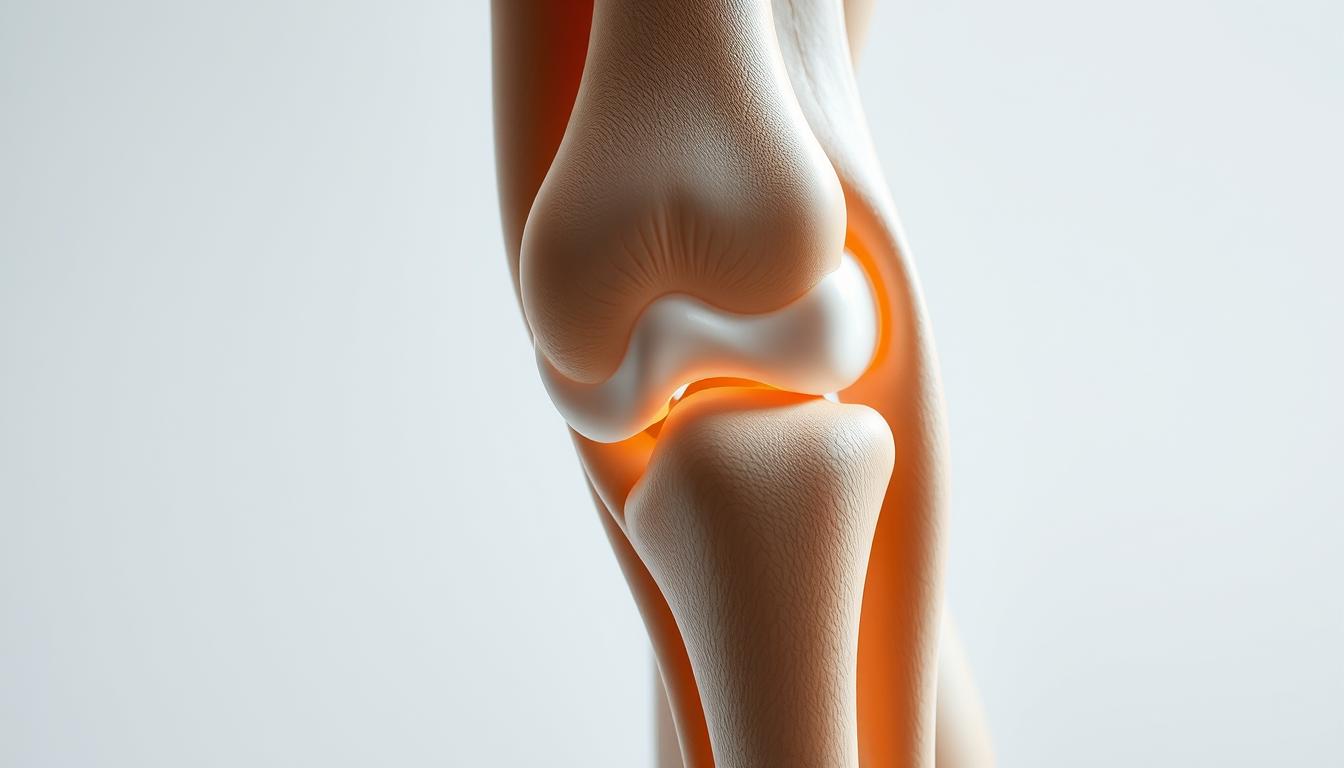
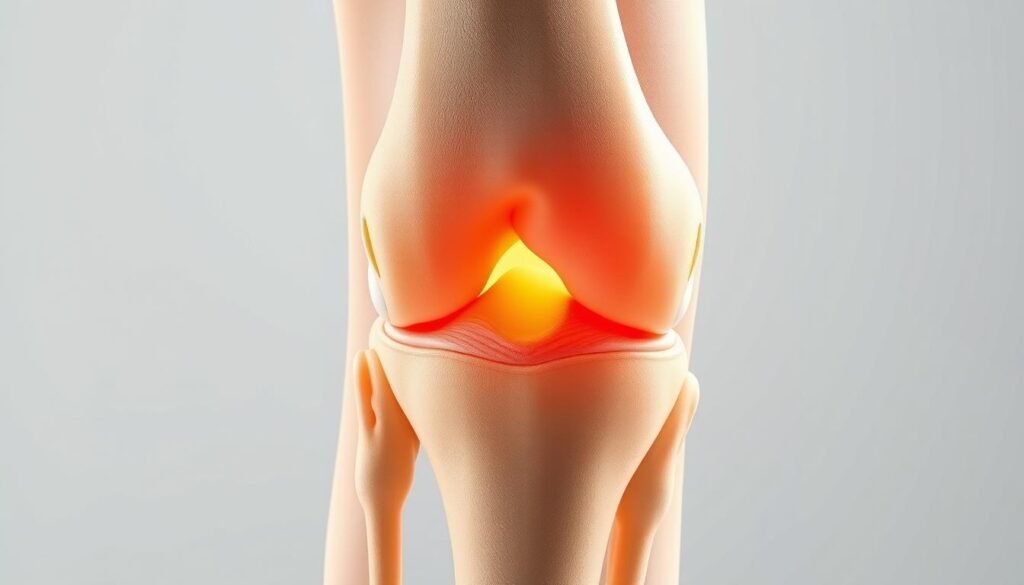
    Understanding the intricacies of lateral meniscus ramp lesions is crucial for addressing orthopedic knee injuries effectively. The meniscus, a cartilage structure in the knee joint, plays a vital role in facilitating smooth movement and absorbing shock. When this structure is damaged, it can lead to significant knee joint discomfort.

    What is a Lateral Meniscus Ramp Lesion?

    A lateral meniscus ramp lesion refers to a specific type of injury involving the meniscus. It is characterized by a tear or damage to the meniscotibial ligament or the peripheral attachment of the meniscus. This type of lesion can significantly impact the stability and function of the knee joint.

    The meniscus is a critical component of the knee, acting as a cushion between the tibia and femur. Damage to this area can result from various factors, including sports injuries, degenerative changes, or traumatic events.

    Causes of Ramp Lesions

    Ramp lesions are often caused by a combination of factors, including:

    • Traumatic injuries, such as those sustained during sports or accidents
    • Degenerative changes due to aging or wear and tear
    • Poor knee mechanics or alignment, leading to uneven stress on the meniscus

    Understanding these causes is essential for developing effective prevention and treatment strategies.

    Importance of Early Detection

    Early detection of lateral meniscus ramp lesions is critical for preventing further damage and promoting optimal recovery. Untreated lesions can lead to persistent knee pain, reduced mobility, and increased risk of further injury or degenerative changes.

    By recognizing the signs and symptoms of ramp lesions early, individuals can seek appropriate medical attention, potentially avoiding more severe consequences and improving their overall prognosis.

    Common Symptoms of Ramp Lesions

    Understanding the common symptoms of ramp lesions is essential for timely medical intervention. Lateral meniscus ramp lesions can manifest through a variety of symptoms that impact the knee’s functionality and the patient’s quality of life.

    Knee Pain and Discomfort

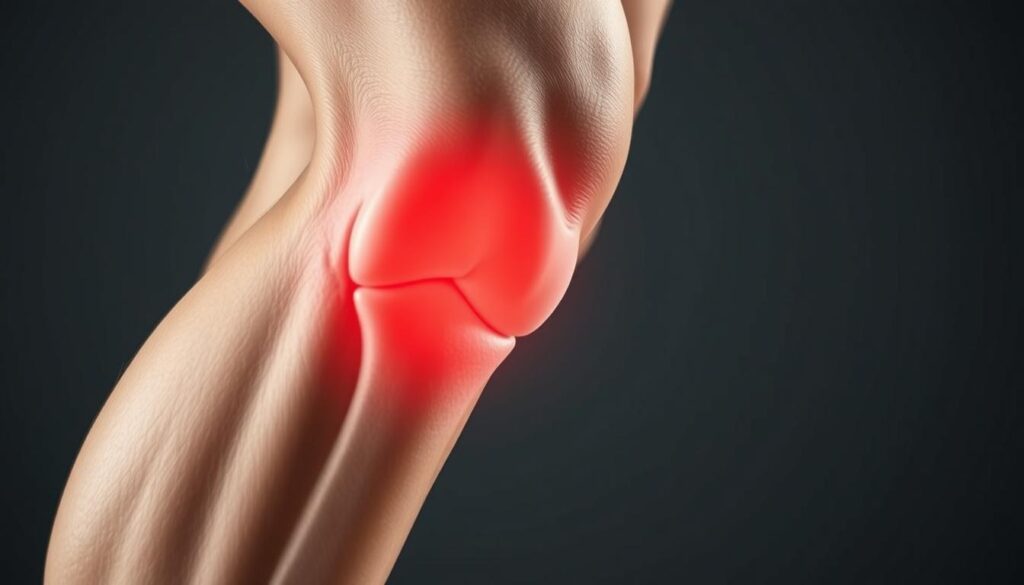
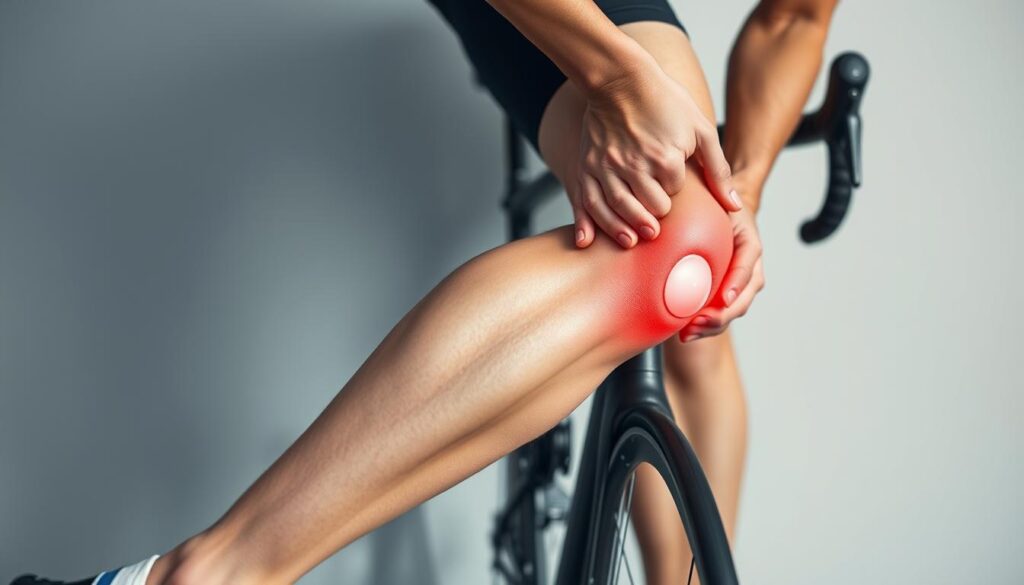
    One of the primary symptoms of a lateral meniscus ramp lesion is knee pain, which can vary in intensity. The pain is often localized to the area around the knee joint and can be exacerbated by activities that involve twisting, bending, or direct pressure on the knee.

    Patients may also experience discomfort during everyday activities such as walking or climbing stairs. This discomfort can be a result of the meniscus tear pain, which is a hallmark symptom of ramp lesions.
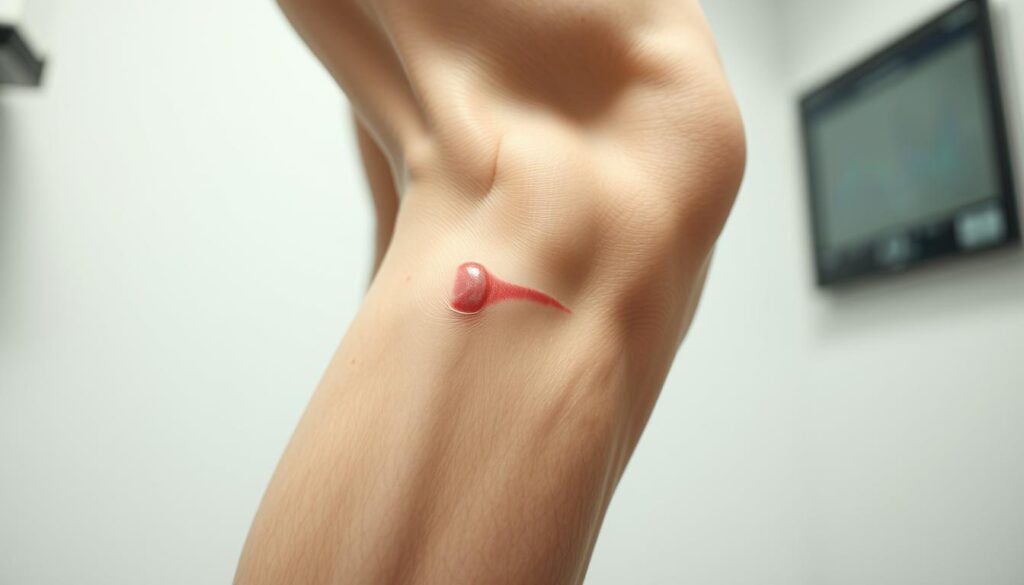
    knee pain diagnosis

    Swelling and Inflammation

    Swelling and inflammation are common symptoms associated with lateral meniscus ramp lesions. The injury can cause fluid buildup in the knee joint, leading to swelling, redness, and warmth around the affected area.

    In some cases, the swelling may be accompanied by a feeling of stiffness or tightness in the knee, making it difficult to move the joint through its full range of motion.

    Reduced Range of Motion

    A lateral meniscus ramp lesion can also result in a reduced range of motion in the knee. Patients may find it challenging to fully extend or flex the knee due to pain or mechanical obstruction caused by the lesion.

    • Common activities that may be affected include squatting, kneeling, or pivoting.
    • Some patients may experience a feeling of instability or weakness in the knee.
    • It’s essential to seek a knee pain diagnosis if these symptoms persist or worsen over time.

    Recognizing these symptoms early on can significantly impact the effectiveness of the treatment and the patient’s recovery process.

    Specific Symptoms to Watch For

    Understanding the specific symptoms associated with lateral meniscus ramp lesions can aid in effective treatment. Individuals experiencing these symptoms should be aware of the potential for a meniscal tear and seek medical evaluation.

    Clicking or Popping Sensations

    One of the characteristic symptoms of a lateral meniscus ramp lesion is the presence of clicking or popping sensations in the knee. This occurs due to the mechanical irregularity caused by the tear, which can disrupt the smooth movement of the knee joint. If you experience such sensations, it is advisable to consult a healthcare professional for a thorough assessment. For more information on knee pain and clicking, you can visit https://kneehurt.com/causes-and-treatments-for-knee-pain-clicking/.

    Locking of the Knee Joint

    Locking of the knee joint is another significant symptom that may indicate a lateral meniscus ramp lesion. When the meniscus is torn, a fragment can become lodged in the joint, causing it to lock or catch. This can severely limit knee mobility and cause considerable discomfort. Prompt medical attention is necessary to address this issue and restore normal knee function.

    Instability During Movement

    Instability during movement is a symptom that can significantly impact daily activities. A lateral meniscus ramp lesion can compromise the structural integrity of the knee, leading to feelings of instability or giving way. This symptom is particularly concerning as it can increase the risk of further injury. Early diagnosis and treatment are crucial to mitigate this risk and ensure a stable recovery.

    In conclusion, being aware of these specific symptoms can help individuals identify potential lateral meniscus ramp lesions early on. Recognizing the signs and seeking appropriate medical care can make a significant difference in treatment outcomes.

    Differentiating Symptoms from Other Knee Injuries

    The symptoms of lateral meniscus ramp lesions can be confused with those of other knee injuries, such as ACL injuries. This similarity in symptoms often complicates the diagnosis process, making it essential for healthcare professionals to conduct thorough evaluations.
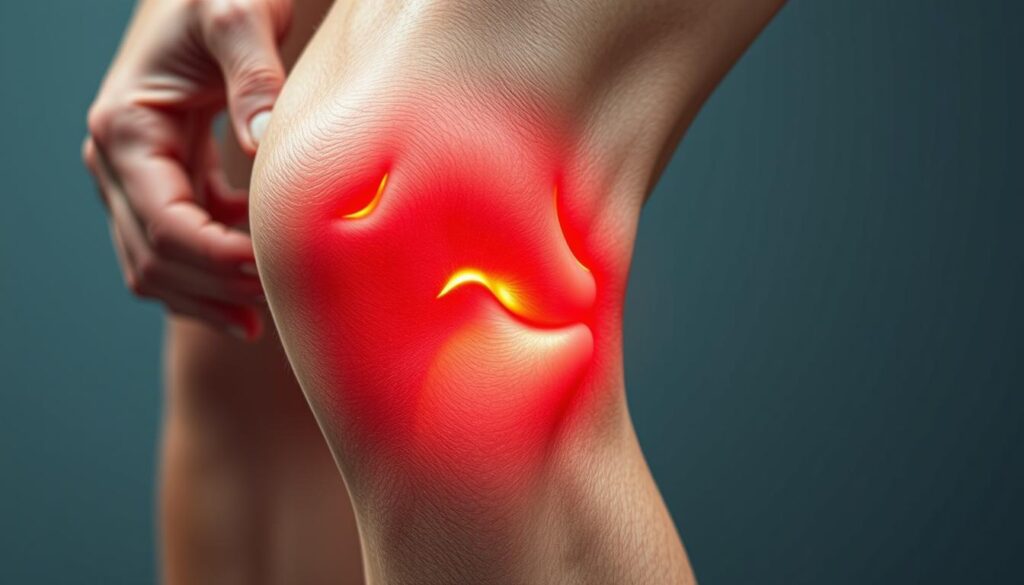
    knee joint discomfort

    Comparing with ACL Injuries

    ACL injuries are common in sports and can present similarly to meniscal tears, including ramp lesions. A key difference lies in the mechanism of injury and the specific symptoms reported by the patient. For instance, ACL injuries often result from a sudden stop or change in direction, whereas ramp lesions may occur due to a specific type of twisting motion.

    Understanding these differences is crucial for an accurate diagnosis. While ACL injuries typically involve a feeling of instability or a “giving way” of the knee, ramp lesions may cause more localized pain and potentially a clicking or clunking sensation.

    Meniscus Tear Symptoms vs. Ramp Lesion

    Meniscus tears and ramp lesions share many symptoms, including knee pain and swelling. However, the location and nature of the pain can vary. Meniscus tears can occur in different parts of the meniscus and may cause pain in various areas around the knee.

    Ramp lesions, being a specific type of meniscus tear, tend to cause pain on the medial or lateral aspect of the knee, depending on which meniscus is affected. Accurate diagnosis through imaging, such as an MRI, is essential to distinguish between these conditions and guide appropriate treatment.

    Diagnostic Procedures for Ramp Lesions

    The diagnosis of lateral meniscus ramp lesions requires a comprehensive approach, including clinical evaluation and diagnostic imaging. Accurate diagnosis is crucial for determining the appropriate meniscus tear treatment and alleviating knee pain diagnosis challenges.

    Physical Examination Techniques

    A thorough physical examination is the first step in diagnosing ramp lesions. Healthcare professionals use various techniques to assess knee stability and identify potential issues. These examinations can reveal signs indicative of a ramp lesion, guiding further diagnostic steps.

    Imaging Tests: MRI and X-rays

    Imaging tests play a pivotal role in confirming the diagnosis. Magnetic Resonance Imaging (MRI) is particularly useful for visualizing soft tissue injuries, including ramp lesions. While X-rays are more suited for detecting bone-related issues, they can help rule out other causes of knee pain.

    Importance of a Specialist Consultation

    Consulting a specialist is essential for an accurate diagnosis. Orthopedic specialists or sports medicine physicians have the expertise to interpret diagnostic findings and recommend appropriate treatment plans. Their consultation is invaluable in managing ramp lesions effectively.

    Treatment Options for Lateral Meniscus Ramp Lesions

    The treatment of lateral meniscus ramp lesions involves a multifaceted approach, incorporating non-surgical management and surgical interventions. The choice of treatment depends on several factors, including the severity of the lesion, the patient’s overall health, and their activity level.

    Non-Surgical Management Strategies

    For patients with less severe symptoms or those who are not good candidates for surgery, non-surgical management strategies can be effective. These may include:

    • Physical therapy to strengthen the muscles around the knee and improve joint stability
    • Pain management through medication or injections
    • Activity modification to avoid exacerbating the condition

    Physical therapy plays a crucial role in non-surgical management, focusing on exercises that enhance knee stability and strength. A well-structured rehabilitation program can significantly improve symptoms and functionality.

    Surgical Interventions and Recovery

    When non-surgical approaches are not sufficient, surgical intervention may be necessary. Surgical options for lateral meniscus ramp lesions typically involve arthroscopic surgery to repair or remove the damaged meniscus tissue.

    Surgical Option Description Recovery Time
    Meniscus Repair Surgical repair of the meniscus to preserve as much tissue as possible 4-6 months
    Meniscus Trimming Removal of the damaged portion of the meniscus 2-4 months
    Meniscus Transplant Replacement of the meniscus with donor tissue 6-9 months

    torn meniscus recovery

    Rehabilitation and Physical Therapy

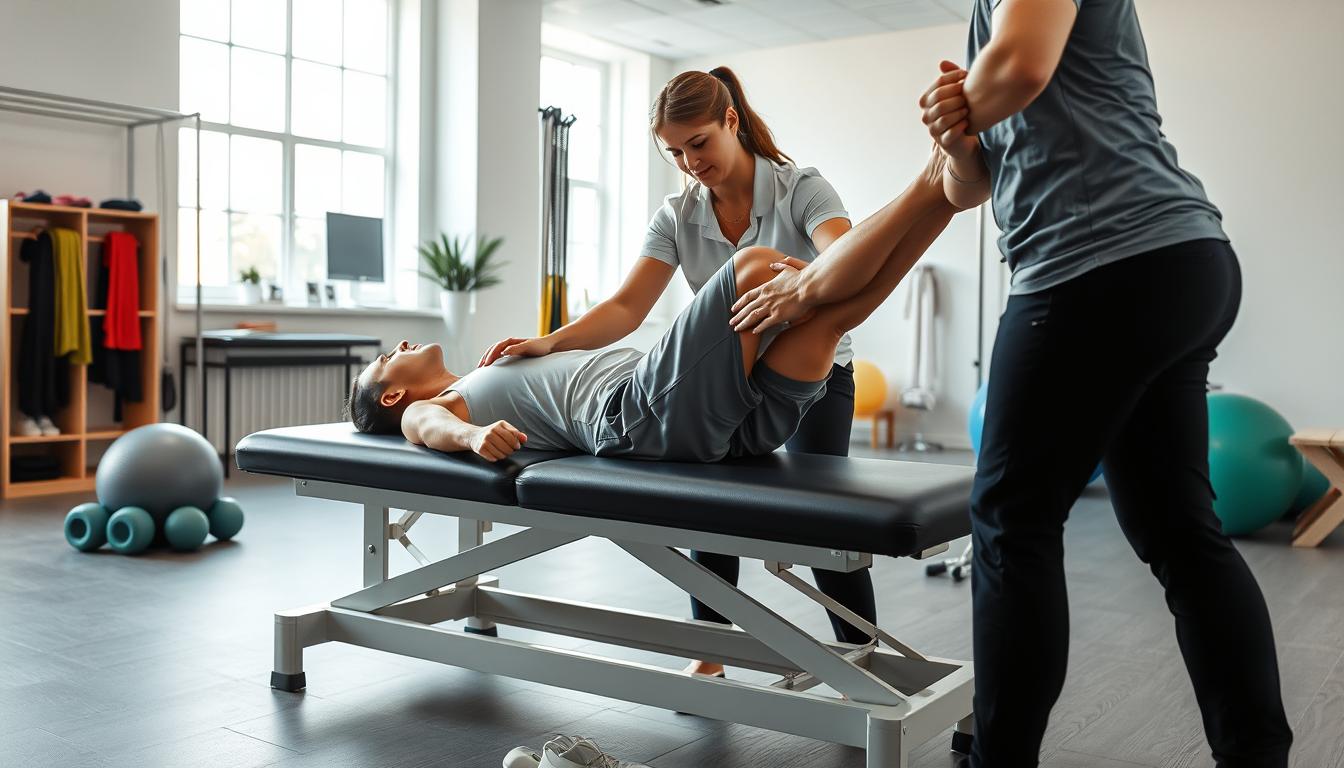
    Regardless of whether the treatment involves surgery or not, rehabilitation and physical therapy are crucial for optimal recovery. A tailored rehabilitation program helps restore knee function, reduce pain, and prevent future injuries. The program typically includes a combination of strengthening exercises, flexibility training, and gradual return to activity.

    Effective sports injury rehabilitation requires a comprehensive approach that addresses the specific needs of the athlete, including strengthening the knee, improving flexibility, and enhancing functional performance.

    Preventative Measures for Healthy Knees

    Knee health can be significantly improved through a combination of strengthening exercises, proper footwear, and safe sports practices. By focusing on these preventative measures, individuals can reduce their risk of developing lateral meniscus ramp lesions and other knee injuries.

    Strengthening Exercises

    Strengthening the muscles around the knee is crucial for providing support and stability to the joint. Exercises such as squats, lunges, and leg presses can help strengthen the quadriceps, hamstrings, and other surrounding muscles. A well-structured exercise program can be tailored to individual needs with the help of a physical therapist or trainer.

    Example Exercises:

    • Squats: Works the quadriceps, hamstrings, and glutes.
    • Lunges: Targets the quadriceps, hamstrings, and glutes, with an emphasis on balance.
    • Leg Press: Strengthens the quadriceps, hamstrings, and glutes in a controlled environment.

    Importance of Proper Footwear

    Wearing proper footwear is essential for reducing the stress and impact on the knees. Shoes that are designed for specific sports or activities can provide the necessary support and cushioning. For instance, running shoes are designed to absorb impact, while shoes for sports involving quick changes of direction provide additional lateral support.

    Activity Recommended Footwear Feature
    Running Cushioning and impact absorption
    Court Sports (e.g., Basketball, Tennis) Lateral support and stability
    Hiking/Trail Running Traction and ankle support

    Tips for Safe Sports Practices

    Safe sports practices are vital for preventing knee injuries. This includes proper warm-up routines, using correct techniques during sports activities, and being mindful of the playing surface. Coaches and trainers can play a significant role in educating athletes on safe practices.

    “Injury prevention is a critical aspect of sports performance. By focusing on proper techniques, conditioning, and equipment, athletes can significantly reduce their risk of injury.” –

    A Sports Medicine Specialist

    By incorporating these preventative measures into daily life and sports activities, individuals can significantly reduce their risk of knee injuries, including lateral meniscus ramp lesions. It’s about creating a culture of safety and prevention.

    Living with a Ramp Lesion

    Upon being diagnosed with a lateral meniscus ramp lesion, individuals must adapt their daily lives to manage the condition effectively. This involves making conscious decisions about activities, managing pain, and seeking appropriate support.

    Daily Life Adjustments

    Living with a meniscus tear requires adjustments to daily routines to minimize knee joint discomfort. Simple actions like walking or climbing stairs can become challenging. It’s essential to pace activities and avoid overexertion.

    • Modify exercise routines to low-impact activities like swimming or cycling.
    • Use assistive devices such as canes or walkers if necessary to reduce strain on the knee.
    • Wear supportive footwear to help stabilize the knee.

    Coping Strategies for Pain

    Managing meniscus tear pain is crucial for maintaining quality of life. Various strategies can help alleviate discomfort.

    1. Apply ice packs to reduce inflammation and pain.
    2. Use compression bandages to provide support.
    3. Engage in physical therapy to strengthen the muscles around the knee.

    As noted by medical professionals, “Pain management is a critical component of treating meniscus injuries, and a multi-faceted approach is often most effective.”

    Support from Professionals

    Seeking support from healthcare professionals is vital for effectively managing a ramp lesion. Specialists can provide guidance on the best treatment options and rehabilitation strategies.

    Professional guidance can make a significant difference in recovery and daily management of the condition. Regular consultations can help monitor the condition and adjust treatment plans as necessary.

    Long-Term Outcomes and Risks

    The long-term outcomes and risks associated with lateral meniscus ramp lesions are a significant concern for individuals suffering from orthopedic knee injuries. Understanding these aspects is crucial for effective management and recovery.

    Potential Complications

    Lateral meniscus ramp lesions can lead to several complications if not properly managed. These include:

    • Chronic knee pain
    • Increased risk of further knee injuries
    • Development of osteoarthritis

    Chronic knee pain is a common complication, significantly impacting the quality of life. It is essential to address the lesion promptly to mitigate this risk.

    Prognosis for Recovery

    The prognosis for recovery from lateral meniscus ramp lesions varies depending on several factors, including the severity of the lesion and the effectiveness of the treatment plan. Generally, with appropriate management, many patients can achieve significant improvement.

    A study highlighted in

    “The Journal of Orthopaedic Surgery” states that early intervention and proper rehabilitation can significantly enhance recovery outcomes for patients with meniscal tears.

    Treatment Approach Recovery Time Success Rate
    Non-Surgical Management 6-12 weeks 70%
    Surgical Intervention 3-6 months 85%

    When to Seek Further Medical Attention

    It is crucial for patients to monitor their symptoms and seek further medical attention if they experience:

    1. Increased pain or swelling
    2. Instability or locking of the knee joint
    3. Reduced range of motion

    By understanding the long-term outcomes and risks associated with lateral meniscus ramp lesions, patients can make informed decisions about their care and management, ultimately improving their prognosis for recovery.

    Frequently Asked Questions (FAQs)

    As we delve into the complexities of lateral meniscus ramp lesions, it’s essential to address the frequently asked questions surrounding this injury. Understanding the diagnosis, treatment, and management of ramp lesions can significantly impact the recovery process.

    How is a Ramp Lesion Diagnosed?

    Diagnosing a lateral meniscus ramp lesion typically involves a combination of physical examination techniques and imaging tests. A healthcare professional may perform specific maneuvers during a physical exam to assess knee stability and pain. Imaging tests, particularly MRI scans, are crucial for confirming the diagnosis by providing detailed images of the meniscus and surrounding structures.

    Can Ramp Lesions Heal Without Surgery?

    The potential for a ramp lesion to heal without surgery depends on several factors, including the severity of the lesion, the patient’s overall health, and their activity level. Some ramp lesions may heal with conservative management strategies, such as physical therapy and rehabilitation. However, more severe cases might require surgical intervention to repair the meniscus and restore knee function.

    What Activities Should be Avoided?

    Individuals with lateral meniscus ramp lesions are often advised to avoid activities that exacerbate knee pain or stress the knee joint. Common activities to limit or avoid include:

    • Deep knee bending
    • High-impact sports, such as football or basketball
    • Running on hard surfaces
    • Pivoting or twisting movements

    Avoiding these activities can help prevent further injury and support the healing process.

    For those recovering from a torn meniscus, understanding the recovery process and incorporating sports injury rehabilitation techniques can be beneficial. Rehabilitation often includes a structured physical therapy program aimed at restoring knee strength, flexibility, and function.

    Conclusion

    Recognizing lateral meniscus ramp lesion symptoms early is crucial for effective knee pain diagnosis and treatment. If left untreated, these lesions can lead to further complications, including meniscus tear and chronic knee pain.

    Early Detection and Medical Advice

    Seeking medical advice promptly is vital for proper meniscus tear treatment. Early detection allows for timely intervention, reducing the risk of long-term damage and improving outcomes. By understanding the symptoms and seeking professional help, individuals can take proactive steps towards recovery.

    Proactive Steps Towards Recovery

    By being aware of lateral meniscus ramp lesion symptoms, individuals can seek knee pain diagnosis and meniscus tear treatment in a timely manner. This awareness is key to preventing further injury and ensuring a speedy recovery. Effective management of meniscal tears relies on prompt medical attention and appropriate treatment strategies.

    FAQ

    What are the common symptoms of a lateral meniscus ramp lesion?

    Common symptoms include knee pain, swelling, reduced range of motion, clicking or popping sensations, and locking of the knee joint. These symptoms can vary in severity and impact daily activities.

    How is a lateral meniscus ramp lesion diagnosed?

    Diagnosis typically involves a combination of physical examination techniques, such as assessing knee stability and range of motion, and imaging tests like MRI to visualize the meniscus and surrounding structures.

    Can lateral meniscus ramp lesions heal without surgery?

    In some cases, non-surgical management strategies, including physical therapy and pain management, can help alleviate symptoms. However, severe cases may require surgical intervention to repair or remove the damaged meniscus.

    What activities should be avoided with a lateral meniscus ramp lesion?

    Activities that aggravate knee pain, such as deep knee bending, pivoting, or high-impact sports, should be avoided to prevent further injury and promote healing.

    How can I prevent lateral meniscus ramp lesions?

    Preventative measures include strengthening exercises to improve knee stability, wearing proper footwear, and practicing safe sports techniques to reduce the risk of knee injuries.

    What is the prognosis for recovery from a lateral meniscus ramp lesion?

    The prognosis varies depending on the severity of the lesion and the effectiveness of treatment. With proper care and rehabilitation, many individuals can recover and return to their normal activities.

    When should I seek further medical attention for a lateral meniscus ramp lesion?

    If symptoms worsen, or if you experience increased pain, swelling, or instability, it is essential to seek further medical attention to reassess the condition and adjust treatment as needed.

    Are there any long-term risks associated with lateral meniscus ramp lesions?

    Potential long-term risks include ongoing knee pain, osteoarthritis, and increased risk of further knee injuries if left untreated or undertreated.

    How can I manage knee pain caused by a lateral meniscus ramp lesion?

    Managing knee pain involves a combination of pain relief medications, physical therapy, and lifestyle adjustments, such as avoiding activities that exacerbate the pain.
  • Osteochondral Defect Knee Rehab Protocol

    Osteochondral Defect Knee Rehab Protocol

    Can a well-structured rehabilitation program significantly improve recovery outcomes for individuals with osteochondral defects?

    Recovering from an osteochondral defect requires a comprehensive rehabilitation protocol. Effective knee rehabilitation exercises play a crucial role in restoring knee function and enabling patients to return to their normal activities. A detailed rehab protocol, such as the one outlined in the femoral condyle autologous chondral repair protocol, provides a structured approach to rehabilitation, emphasizing progressive exercises and milestones.

    Key Takeaways

    • Effective rehabilitation protocols are crucial for recovery from osteochondral defects.
    • A comprehensive rehab program includes progressive exercises and milestones.
    • Knee rehabilitation exercises are essential for restoring knee function.
    • A well-structured rehabilitation program improves recovery outcomes.
    • Rehabilitation protocols should be tailored to individual patient needs.

    Understanding Osteochondral Defects

    Understanding osteochondral defects is crucial for developing an effective knee injury treatment plan. Osteochondral defects refer to damage to the cartilage and bone in the joint, which can significantly impact knee function and overall quality of life.

    What is an Osteochondral Defect?

    An osteochondral defect is a condition where a piece of cartilage and the underlying bone become damaged. This can occur due to trauma, repetitive stress, or as a result of certain degenerative conditions. The defect can lead to pain, swelling, and decreased mobility in the affected knee.

    osteochondral defect knee

    Causes of Osteochondral Defects

    Osteochondral defects can result from various factors, including:

    • Traumatic injuries, such as fractures or direct blows to the knee
    • Repetitive stress or overuse, common in athletes
    • Degenerative conditions, like osteoarthritis

    Understanding these causes is essential for managing knee cartilage damage effectively.

    Symptoms and Diagnosis

    The symptoms of osteochondral defects can vary but often include pain, swelling, and a feeling of instability in the knee. Diagnosis typically involves a combination of physical examination, imaging studies like MRI or X-ray, and sometimes arthroscopy.

    Diagnostic Method Description Usefulness in Diagnosing Osteochondral Defects
    Physical Examination Assessment of knee stability, pain, and range of motion Initial assessment, guides further diagnostic steps
    MRI Detailed imaging of cartilage and bone Highly useful for visualizing the defect and assessing its severity
    X-ray Imaging of bone structures Useful for initial assessment, may not directly show cartilage damage
    Arthroscopy Direct visualization of the joint interior Confirmatory, allows for simultaneous treatment

    Accurate diagnosis is critical for developing a tailored knee injury treatment plan that addresses the specific needs of the patient.

    The Importance of Rehabilitation

    Rehabilitation is not just a supplementary treatment; it’s a cornerstone in the management of osteochondral defects. A well-structured rehabilitation protocol can significantly influence the outcome of the treatment, enabling patients to regain knee function and return to their normal activities.

    Role of Rehab in Recovery

    The primary goal of rehabilitation is to support the healing process, ensuring that the knee regains its strength, flexibility, and range of motion. Physical therapy for knee health is a critical component of this process, as it helps in managing pain, reducing inflammation, and improving knee function.

    Rehabilitation after knee surgery, including procedures like microfracture drilling, is tailored to the individual’s specific needs and the extent of the injury. It’s a gradual process that requires patience, commitment, and a well-structured plan.

    Benefits of a Structured Protocol

    A structured rehabilitation protocol offers several benefits, including:

    • Enhanced recovery through a systematic approach to healing
    • Reduced risk of complications by monitoring progress and adjusting the rehabilitation plan as needed
    • Improved knee function and strength through targeted exercises
    • A faster return to normal activities and sports, where applicable

    By following a structured protocol, patients can achieve better outcomes and minimize the risk of re-injury.

    Long-term Outcomes of Effective Rehab

    Effective rehabilitation not only aids in the immediate recovery but also has a significant impact on the long-term outcomes. Studies have shown that patients who adhere to a comprehensive rehabilitation program tend to have better knee function, reduced pain, and a lower risk of further degenerative changes.

    A key aspect of long-term success is the continuation of exercises and practices learned during the rehabilitation phase. This includes maintaining a healthy weight, engaging in regular physical activity, and avoiding activities that put excessive stress on the knee.

    knee rehabilitation

    Initial Assessment and Preparation

    A well-structured rehabilitation protocol starts with a comprehensive evaluation and preparation tailored to the individual’s condition. This foundational step is crucial for creating an effective knee injury rehabilitation protocol that addresses the specific needs of the patient.

    Evaluating the Injury

    The first step in the rehabilitation process is a thorough evaluation of the osteochondral defect. This involves a detailed examination by a healthcare professional, potentially including imaging tests such as MRI or X-ray, to assess the extent and nature of the injury. Understanding the specifics of the injury is vital for developing exercises for knee joint repair that are both safe and effective.

    knee injury rehabilitation protocol

    Setting Realistic Goals

    Setting realistic and achievable goals is a critical component of the rehabilitation process. By establishing clear objectives, patients can better track their progress and stay motivated throughout their recovery. Goals should be tailored to the individual’s overall health, the severity of the injury, and their personal aspirations.

    Preparing Mentally and Physically

    Preparation, both mentally and physically, is essential for a successful rehabilitation outcome. This includes educating the patient on the rehabilitation process, the importance of adherence to the protocol, and techniques for managing pain and discomfort. Additionally, preparing the patient physically through initial exercises can help in making the subsequent rehabilitation phases more effective.

    Early Rehabilitation Phase

    Effective rehabilitation of osteochondral defects starts with an early phase focused on managing pain, maintaining range of motion, and supporting overall knee health. This phase is critical in laying the groundwork for a successful recovery.

    Rest and Ice: Managing Pain

    Managing pain is a priority in the early stages of rehabilitation. Rest and ice are fundamental components of this process. Rest helps prevent further injury, while ice reduces inflammation and alleviates pain. It’s essential to apply ice correctly: 15-20 minutes, several times a day, to achieve the desired effect without causing tissue damage.

    Gentle Range of Motion Exercises

    Gentle range of motion exercises are vital for maintaining knee mobility and preventing stiffness. These exercises should be done carefully to avoid putting excessive stress on the knee joint. Examples include straight leg raises and gentle knee bends. Such exercises help in maintaining flexibility and reducing the risk of further damage.

    Importance of Nutrition and Hydration

    Nutrition and hydration play a significant role in the healing process. A balanced diet rich in omega-3 fatty acids, vitamins C and D, and antioxidants can support cartilage health and overall recovery. Adequate hydration is also crucial as it helps maintain the health of the cartilage and supports the body’s natural repair processes.

    Nutrient Benefit Food Sources
    Omega-3 Fatty Acids Reduces inflammation Salmon, Walnuts, Chia Seeds
    Vitamin C Supports collagen synthesis Oranges, Strawberries, Bell Peppers
    Vitamin D Essential for bone health Fatty Fish, Fortified Dairy Products, Sunlight Exposure

    Strengthening Exercises

    As part of a comprehensive rehabilitation protocol, strengthening exercises are vital for knee joint repair. These exercises are designed to improve the strength and stability of the knee, facilitating a successful recovery from an osteochondral defect.

    Quadriceps and Hamstrings Focus

    The quadriceps and hamstrings are crucial muscle groups that support the knee joint. Strengthening these muscles is essential for improving knee function and reducing the risk of further injury. Exercises such as squats, lunges, and leg press are effective for strengthening these muscle groups.

    Introducing Resistance Training

    Resistance training is a key component of strengthening exercises. It involves using weights, resistance bands, or body weight to challenge the muscles and promote strength gains. When introducing resistance training, it’s essential to start with low resistance levels and gradually increase the intensity as the knee becomes stronger.

    Proper form and technique are critical when performing resistance training exercises to avoid putting unnecessary stress on the knee joint.

    Avoiding Overexertion

    While strengthening exercises are vital for rehabilitation, it’s equally important to avoid overexertion. Overexertion can lead to further injury and prolong the recovery process. Patients should be mindful of their body’s signals, such as pain or fatigue, and adjust their exercise routine accordingly.

    • Start with low-intensity exercises and gradually increase the intensity.
    • Monitor pain levels and adjust the exercise routine as needed.
    • Ensure proper warm-up and cool-down routines to prevent muscle strain.

    By incorporating strengthening exercises into a rehabilitation protocol and being mindful of the risk of overexertion, individuals with osteochondral defects can achieve a more effective and sustainable recovery.

    Advanced Rehabilitation Techniques

    Advanced rehabilitation techniques play a pivotal role in enhancing the recovery process for individuals with osteochondral defects. These methods are designed to promote optimal healing, improve knee function, and ensure a safe return to activity.

    Aquatic Therapy Benefits

    Aquatic therapy, also known as hydrotherapy, offers a unique environment for rehabilitation. The buoyancy of water reduces stress on the knee joint, allowing for pain-free movement and exercise. This form of therapy is particularly beneficial for patients with osteochondral defects as it enables them to strengthen their muscles and improve range of motion without excessive strain.

    Benefits of Aquatic Therapy include reduced pain and inflammation, improved muscle strength, and enhanced flexibility. The water’s resistance also aids in proprioception training, helping patients regain balance and coordination.

    Utilizing Balance and Proprioception Training

    Balance and proprioception training are critical components of advanced rehabilitation. These exercises help patients regain awareness of their knee position and movement, reducing the risk of further injury. Techniques may include single-leg squats, balance boards, and other stability exercises tailored to the patient’s progress and abilities.

    By incorporating balance and proprioception training, patients can improve their overall knee function and stability, facilitating a more confident return to daily activities and sports.

    Incorporating Physical Therapy

    Physical therapy is a cornerstone of rehabilitation for osteochondral defects. A physical therapist can design a personalized exercise program that addresses the patient’s specific needs, focusing on knee cartilage preservation techniques and strengthening the surrounding muscles. This tailored approach ensures that the patient progresses safely and effectively through their rehabilitation.

    Innovative treatments, such as PRP (Platelet-rich Plasma) injections, may also be integrated into the rehabilitation protocol. PRP therapy involves injecting a concentration of the patient’s own platelets into the affected area to stimulate healing. While the effectiveness of PRP therapy can vary, it represents one of the advanced techniques available for enhancing recovery.

    By combining aquatic therapy, balance and proprioception training, and physical therapy, patients with osteochondral defects can achieve a comprehensive rehabilitation that addresses their unique needs and promotes optimal recovery.

    Monitoring Progress and Adjustments

    Regular monitoring and adjustments are essential components of a comprehensive knee injury rehabilitation protocol. As patients progress through their rehabilitation, it’s crucial to assess their recovery regularly to ensure they’re on track to meet their goals.

    Regular Check-ins with Healthcare Providers

    Regular check-ins with healthcare providers are vital for monitoring progress. These check-ins allow healthcare professionals to assess the patient’s current status, address any concerns, and make informed decisions about the next steps in the rehabilitation process.

    During these check-ins, healthcare providers may use various assessment tools to evaluate the patient’s knee function, pain levels, and overall recovery progress. This information is critical for adjusting the rehabilitation plan as needed.

    Adjusting Goals as You Progress

    As patients progress through their rehabilitation, their goals may need to be adjusted. Initially, the focus might be on reducing pain and improving range of motion. However, as the patient recovers, the goals may shift towards strengthening the knee and improving functional abilities.

    Adjusting goals is a collaborative process between the patient and their healthcare provider. It involves reassessing the patient’s current status and determining the most appropriate next steps in their knee surgery recovery timeline.

    Recognizing Signs of Overtraining

    Overtraining is a common pitfall in the rehabilitation process. It’s essential for patients to recognize the signs of overtraining, such as increased pain, swelling, or fatigue. If these symptoms occur, patients should notify their healthcare provider to adjust their rehabilitation plan accordingly.

    By being aware of the signs of overtraining, patients can take proactive steps to prevent setbacks and ensure a smooth recovery. This awareness is a critical component of a successful knee injury rehabilitation protocol.

    Return to Activity Guidelines

    A successful return to activity after knee rehabilitation is contingent upon meeting specific criteria and following a gradual reintegration plan. This phase is crucial for ensuring that the knee can withstand the demands of sports and daily activities without risking re-injury.

    Criteria for Returning to Sports

    Before returning to sports, it’s essential to meet certain criteria. These include having a pain-free range of motion, adequate strength in the quadriceps and hamstrings, and satisfactory functional ability. Functional tests, such as single-leg squats and hop tests, can help determine readiness.

    The knee should also demonstrate stability and the ability to perform sport-specific movements without discomfort. A healthcare provider or physical therapist can assess these factors and provide a clearance for return to sports.

    Gradual Reintegration into Regular Activities

    Gradual reintegration into regular activities is vital to prevent overloading the knee joint. This involves starting with low-intensity activities and gradually increasing the intensity and duration over time.

    For example, if you’re returning to running, start with short distances and gradually increase your mileage. Similarly, for sports involving jumping or quick changes of direction, begin with drills that mimic these movements at a lower intensity.

    Importance of Continued Strength Training

    Continued strength training is crucial even after returning to full activity. This helps maintain the strength and stability of the knee joint, reducing the risk of future injuries.

    Focus on exercises for knee joint repair and overall lower limb strengthening. Incorporating exercises like squats, lunges, and leg press into your routine can help maintain knee health and support long-term recovery.

    By following these guidelines and maintaining a commitment to strength training, individuals can ensure a successful and sustainable return to their activities.

    Long-term Maintenance and Prevention

    After completing the rehabilitation protocol for an osteochondral defect, it’s essential to focus on long-term maintenance and prevention strategies to preserve knee health. Effective knee cartilage preservation techniques can significantly impact the longevity of the knee joint.

    Ongoing Exercise Recommendations

    Regular low-impact exercises, such as swimming or cycling, can help maintain joint flexibility and reduce pain. A tailored exercise program focusing on strengthening the muscles around the knee joint, as part of physical therapy for knee health, can help alleviate pain and improve joint stability.

    Lifestyle Changes for Joint Health

    Maintaining a healthy weight can alleviate stress on the knee joint and reduce pain. Assistive devices like braces or orthotics can provide support and stability to the knee joint, reducing pain and preventing further damage.

    Importance of Regular Check-ups

    Regular check-ins with healthcare providers are crucial to monitor the health of the knee joint and address any potential issues early on. This proactive approach can help prevent future problems and ensure the longevity of the knee joint.

    FAQ

    What is an osteochondral defect, and how does it affect the knee?

    An osteochondral defect is a joint condition in which a piece of cartilage, along with a thin layer of the bone beneath it, comes loose from the end of the bone because of inadequate blood supply. This condition can significantly impact knee function and overall mobility.

    What are the common causes of osteochondral defects in the knee?

    Osteochondral defects can be caused by traumatic injuries, repetitive stress on the knee joint, or conditions like osteochondritis dissecans. Understanding the underlying cause is crucial for developing an effective treatment plan.

    How is an osteochondral defect diagnosed?

    Diagnosis typically involves a combination of physical examination, imaging tests such as X-rays, MRI, or CT scans, and sometimes arthroscopy to directly visualize the joint.

    What is the role of rehabilitation in recovering from an osteochondral defect?

    Rehabilitation plays a critical role in the recovery process, focusing on restoring knee function, managing pain, and preventing further injury. A well-structured rehab protocol is essential for optimal outcomes.

    What are the benefits of following a structured rehabilitation protocol for osteochondral defects?

    A structured protocol helps in achieving a faster recovery, improving knee function, reducing pain, and minimizing the risk of complications or further damage.

    How long does it take to recover from an osteochondral defect with rehabilitation?

    The recovery time can vary significantly depending on the severity of the defect, the effectiveness of the rehabilitation protocol, and individual factors such as overall health and adherence to the treatment plan.

    What are the key components of the early rehabilitation phase for osteochondral defects?

    Early rehabilitation focuses on pain management through rest and ice, gentle range of motion exercises to maintain flexibility, and emphasizing the importance of nutrition and hydration for healing.

    How do strengthening exercises contribute to the rehabilitation of osteochondral defects?

    Strengthening exercises, particularly for the quadriceps and hamstrings, are crucial for improving knee stability and function. Resistance training is introduced gradually to avoid overexertion.

    What are some advanced rehabilitation techniques used for osteochondral defects?

    Advanced techniques include aquatic therapy, balance, and proprioception training, which help in improving knee function, reducing the risk of further injury, and enhancing overall recovery.

    How often should I have check-ins with my healthcare provider during rehabilitation?

    Regular check-ins are essential for monitoring progress, adjusting rehabilitation goals, and recognizing signs of overtraining to prevent setbacks.

    When can I return to sports or regular activities after an osteochondral defect?

    The decision to return to sports or activities should be based on specific criteria, including achieving full strength, range of motion, and functional ability, and should be guided by a healthcare professional.

    What are the long-term maintenance strategies for knee health after recovering from an osteochondral defect?

    Long-term strategies include ongoing exercise recommendations, lifestyle changes to support joint health, and regular check-ups to prevent future issues and maintain knee health.

    How can I manage knee cartilage damage and prevent further issues?

    Managing knee cartilage damage involves a combination of appropriate treatment, rehabilitation, and preventive measures such as maintaining a healthy weight, engaging in low-impact exercises, and avoiding repetitive stress on the knee.

    What exercises are beneficial for knee joint repair and health?

    Exercises that strengthen the muscles around the knee, improve flexibility, and enhance proprioception are beneficial. Examples include squats, lunges, leg press, and balance exercises.

    How does physical therapy contribute to knee health and rehabilitation?

    Physical therapy plays a vital role in knee rehabilitation by providing personalized exercise programs, manual therapy, and education on proper movement techniques to improve knee function and reduce pain.

  • Patellofemoral Arthritis Non-Surgical Options

    Patellofemoral Arthritis Non-Surgical Options

    Are you experiencing persistent knee pain that worsens when climbing stairs or squatting? This discomfort could be a sign of patellofemoral arthritis, a condition affecting the cartilage under the kneecap.

    Managing this condition doesn’t always require surgery. Various non-surgical treatments can help alleviate symptoms and improve knee function. This article will explore the best approaches for managing patellofemoral arthritis without surgery, including lifestyle changes, physical therapies, and other interventions.

    Key Takeaways

    • Understanding patellofemoral arthritis and its symptoms
    • Exploring non-surgical management options
    • Learning about the most effective treatments for symptom relief
    • Discovering lifestyle adjustments to alleviate knee pain
    • Understanding the role of physical therapy in treatment

    Understanding Patellofemoral Arthritis

    Understanding patellofemoral arthritis is crucial for exploring effective non-surgical treatment options. Patellofemoral arthritis refers to the wear and tear of the cartilage under the kneecap, leading to pain and stiffness, particularly in activities that involve knee bending.

    What is Patellofemoral Arthritis?

    Patellofemoral arthritis is a condition that affects the cartilage under the kneecap. This cartilage helps the kneecap glide smoothly over the knee joint. When this cartilage deteriorates, it can cause pain and discomfort. The condition is common among individuals who engage in activities that put repetitive stress on the knee.

    Symptoms of Patellofemoral Arthritis

    The symptoms of patellofemoral arthritis include pain when climbing stairs, squatting, or jumping. Some individuals may also experience:

    • Pain when getting up from a seated position
    • Swelling around the kneecap
    • A grinding sensation when moving the knee
    • Stiffness, especially after periods of rest

    Early recognition of these symptoms can help in seeking appropriate treatment.

    Causes and Risk Factors

    Several factors contribute to the development of patellofemoral arthritis, including:

    1. Overuse or repetitive strain on the knee
    2. Misalignment of the kneecap
    3. Trauma or injury to the knee
    4. Age, as cartilage naturally deteriorates over time
    5. Obesity, which increases the load on the knee joint

    Understanding these causes and risk factors is essential for managing and potentially preventing the progression of patellofemoral arthritis.

    Importance of Non-Surgical Options

    Exploring non-surgical options is a crucial step in treating patellofemoral arthritis. Non-surgical treatments can help manage pain and improve function without the risks associated with surgery. They are often considered first-line treatments.

    Non-surgical approaches offer several benefits, including reduced recovery time and fewer complications compared to surgical interventions. These treatments can be particularly beneficial for individuals who are not good candidates for surgery or who prefer to avoid it.

    Benefits of Non-Surgical Treatments

    Non-surgical treatments for patellofemoral arthritis include a range of holistic approaches and natural remedies. These can provide significant relief and improve the quality of life for individuals suffering from this condition.

    • Reduced pain and inflammation
    • Improved knee function and mobility
    • Avoidance of surgical risks and complications
    • Potential for long-term management without surgery

    Some of the key benefits of non-surgical treatments include their ability to be tailored to the individual’s specific needs and the fact that they can often be used in conjunction with other therapies.

    When to Consider Non-Surgical Approaches

    Non-surgical approaches should be considered when symptoms are manageable, and the condition is not severe. Early intervention with non-surgical treatments can prevent the progression of patellofemoral arthritis.

    1. When symptoms are mild to moderate
    2. If there’s a desire to avoid surgical intervention
    3. In cases where surgery is not immediately necessary

    It’s essential to consult with healthcare professionals to determine the best course of treatment. They can help identify the most appropriate non-surgical options based on the individual’s condition and overall health.

    Physical Therapy Approaches

    Physical therapy is a cornerstone in the management of patellofemoral arthritis, offering a non-pharmaceutical approach to alleviate symptoms. This method focuses on enhancing the strength and flexibility of the knee, thereby reducing pain and improving function.

    Strengthening Exercises for the Knee

    Strengthening the muscles around the knee is crucial in managing patellofemoral arthritis. Exercises such as squats, lunges, and leg press are effective in strengthening the quadriceps and other supporting muscles.

    These exercises not only help in reducing pain but also improve the overall stability of the knee joint. A well-structured exercise program can be tailored to meet the individual needs of patients, ensuring optimal benefits.

    Flexibility and Range of Motion Exercises

    In addition to strengthening exercises, flexibility and range of motion exercises play a vital role in maintaining knee mobility. These exercises help in reducing stiffness and improving the overall function of the knee joint.

    Examples include knee bends and straight leg raises, which are simple yet effective in enhancing flexibility.

    Exercise Type Examples Benefits
    Strengthening Exercises Squats, Lunges, Leg Press Strengthens quadriceps and supporting muscles, reduces pain
    Flexibility Exercises Knee bends, Straight leg raises Improves knee mobility, reduces stiffness

    By incorporating both strengthening and flexibility exercises into a physical therapy regimen, individuals with patellofemoral arthritis can experience significant improvements in their symptoms and quality of life.

    Lifestyle Modifications for Pain Relief

    Embracing a healthier lifestyle is a key component in the non-surgical management of patellofemoral arthritis. By making informed choices about daily habits and activities, individuals can significantly reduce their pain and improve their quality of life.

    Managing Weight for Reduced Knee Stress

    Maintaining a healthy weight is crucial for alleviating stress on the knee joint, a key factor in managing patellofemoral arthritis. For every pound of body weight, the knee joint absorbs several times that amount in force with each step, making weight management a critical aspect of pain relief.

    A healthy diet combined with regular exercise can help achieve and maintain a healthy weight. Nutritional counseling can provide personalized guidance on creating a balanced diet plan.

    Weight Management Strategy Description Benefits
    Balanced Diet Eating a variety of nutrient-rich foods. Supports overall health and weight management.
    Regular Exercise Engaging in physical activities like walking or swimming. Helps burn calories and strengthen muscles around the knee.
    Nutritional Counseling Seeking professional advice on diet planning. Provides personalized dietary recommendations.

    Modifying Activities to Avoid Exacerbating Pain

    Activity modification is another vital strategy for managing patellofemoral arthritis pain. This involves avoiding activities that put excessive stress on the knee, such as deep knee bends or high-impact exercises.

    Instead, individuals can opt for low-impact activities like cycling or using an elliptical machine, which can help maintain fitness levels without aggravating the condition. low-impact exercises for patellofemoral arthritis

    • Avoid deep knee bends and heavy impact activities.
    • Opt for low-impact exercises like cycling or swimming.
    • Consider using supportive devices like knee braces.

    By incorporating these lifestyle modifications, individuals with patellofemoral arthritis can experience significant pain relief and improve their overall well-being.

    Medications for Pain Management

    Effective pain management is a cornerstone in the non-surgical treatment of patellofemoral arthritis. Medications play a crucial role in this aspect, offering relief and improving the quality of life for those affected.

    When it comes to managing pain associated with patellofemoral arthritis, healthcare providers often recommend a stepped approach, starting with the least invasive options. Over-the-counter (OTC) pain relievers are typically the first line of defense.

    Over-the-Counter Pain Relievers

    OTC pain relievers, such as NSAIDs (Nonsteroidal Anti-Inflammatory Drugs), are commonly used to manage pain and inflammation. Examples include ibuprofen (found in Advil, Motrin) and naproxen (found in Aleve). These medications can help reduce pain and swelling, making it easier to perform daily activities.

    • Ibuprofen: Helps with pain relief and inflammation reduction.
    • Naproxen: Provides longer-lasting pain relief compared to ibuprofen.

    It’s essential to follow the recommended dosage and consult with a healthcare provider before starting any new medication, especially for individuals with a history of stomach ulcers, kidney disease, or other health conditions.

    Prescription Options and Usage

    For more severe cases of patellofemoral arthritis, prescription medications may be necessary. These can include stronger NSAIDs, analgesics, or in some cases, medications that are specifically used for arthritis treatment.

    Prescription options may offer more potent pain relief but also come with a higher risk of side effects. It’s crucial to discuss the potential benefits and risks with a healthcare provider.

    “The goal of pain management is not just to alleviate symptoms but to improve function and quality of life. Medications are a valuable tool in achieving this goal.”

    Expert Opinion

    In conclusion, medications for pain management are a vital component of treating patellofemoral arthritis non-surgically. By understanding the available options and working closely with a healthcare provider, individuals can find effective relief and maintain an active lifestyle.

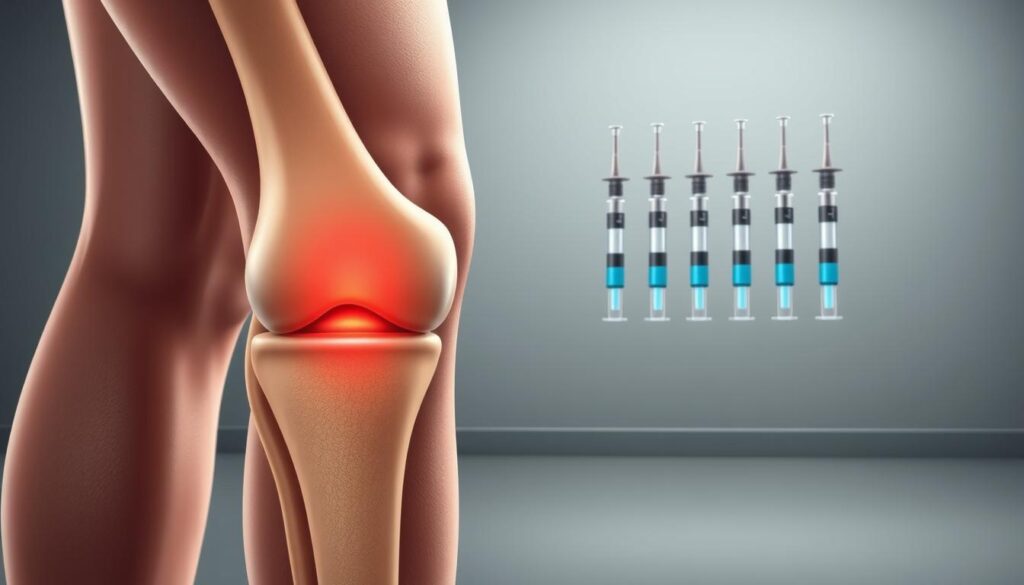
    Injections as a Temporary Solution

    For individuals suffering from patellofemoral arthritis, injections can serve as a temporary solution to alleviate pain and inflammation. Injections are a common non-surgical approach used to manage the symptoms of this condition. They can provide relief when other treatments are not sufficient or effective.

    Corticosteroid Injections

    Corticosteroid injections are used to reduce inflammation and swelling in the knee joint. They can provide quick relief from pain and are often used when the symptoms are severe. Knee injections are a common procedure, and corticosteroid injections are one of the types used to treat patellofemoral arthritis.

    Hyaluronic Acid Injections

    Hyaluronic acid injections help to lubricate the joint, improving its function and reducing pain. They are particularly useful for patients who have not responded well to corticosteroid injections or other treatments. Hyaluronic acid is a naturally occurring substance in the body, and these injections can help to supplement its presence in the knee joint.

    The following table summarizes the key differences between corticosteroid and hyaluronic acid injections:

    Treatment Purpose Benefits
    Corticosteroid Injections Reduce inflammation Quick pain relief, reduces swelling
    Hyaluronic Acid Injections Lubricate the joint Improves joint function, reduces pain

    patellofemoral arthritis treatment options

    In conclusion, injections can be a valuable temporary solution for managing patellofemoral arthritis symptoms. Both corticosteroid and hyaluronic acid injections offer different benefits and can be considered based on the patient’s specific needs and response to treatment.

    Orthotic Devices and Supports

    Orthotic devices, including knee braces and shoe inserts, are alternative therapies for patellofemoral arthritis that can provide substantial benefits. These devices are designed to offer support, improve alignment, and reduce stress on the patellofemoral joint.

    One of the primary orthotic devices used for managing patellofemoral arthritis is the knee brace. A knee brace can help in stabilizing the knee, thereby reducing pain and improving function. As noted by a healthcare professional, “Knee braces are a simple yet effective way to manage patellofemoral arthritis symptoms.”

    “Knee braces are a simple yet effective way to manage patellofemoral arthritis symptoms.”

    A Healthcare Professional’s Insight

    Use of Knee Braces

    Knee braces come in various types, including patellar stabilizing braces and sleeves that provide compression. The choice of brace depends on the severity of the condition and the specific needs of the patient.

    • Patellar stabilizing braces help in keeping the patella in its correct position.
    • Compression sleeves provide support and reduce pain.

    Shoe Inserts and Custom Orthotics

    In addition to knee braces, shoe inserts and custom orthotics can also play a crucial role in managing patellofemoral arthritis. These devices help in realigning the foot and leg, thereby reducing the stress on the knee.

    Shoe inserts and custom orthotics can be tailored to meet the specific needs of the individual, providing a personalized approach to pain management. As part of a holistic approach to managing patellofemoral arthritis, these devices can be particularly beneficial.

    By incorporating orthotic devices and supports into their treatment plan, individuals with patellofemoral arthritis can experience significant improvements in their symptoms and quality of life.

    Alternative Therapies

    Alternative therapies are gaining recognition for their potential in alleviating the symptoms of patellofemoral arthritis. These non-pharmaceutical treatments can offer relief and improve the quality of life for individuals suffering from this condition.

    Acupuncture for Pain Relief

    Acupuncture involves the insertion of thin needles into specific points on the body to stimulate healing and pain relief. This ancient practice has been used for various types of chronic pain, including patellofemoral arthritis. By targeting specific pressure points, acupuncture can help reduce pain and inflammation, promoting better knee function.

    The effectiveness of acupuncture for patellofemoral arthritis lies in its ability to stimulate the body’s natural pain-relieving chemicals. Some patients report significant pain reduction after undergoing a series of acupuncture sessions.

    Key Benefits of Acupuncture:

    • Reduces chronic pain
    • Minimizes inflammation
    • Improves knee function

    Chiropractic Treatments

    Chiropractic treatments focus on the diagnosis, treatment, and prevention of mechanical disorders of the musculoskeletal system, particularly the spine. For patellofemoral arthritis, chiropractic care can involve spinal manipulation and adjustments to improve joint mobility and reduce pain.

    Chiropractors may also use techniques such as mobilization, soft tissue techniques, and exercise recommendations to help manage symptoms. By ensuring proper alignment and function of the musculoskeletal system, chiropractic care can contribute to overall pain reduction and improved mobility.

    non-pharmaceutical treatments for patellofemoral arthritis

    1. Improved joint mobility
    2. Reduced pain through spinal manipulation
    3. Enhanced musculoskeletal function

    Both acupuncture and chiropractic treatments offer promising alternatives for managing patellofemoral arthritis symptoms. While these therapies can be beneficial, it’s essential to consult with healthcare professionals before starting any new treatment regimen.

    Heat and Cold Therapy Techniques

    For individuals dealing with the discomfort of patellofemoral arthritis, heat and cold therapy techniques offer a simple yet effective pain management strategy. These methods are considered non-invasive and can be easily incorporated into daily routines to provide relief.

    Heat therapy, in particular, has been found to be beneficial in relaxing the muscles around the knee, thereby reducing stiffness and improving mobility. The application of heat can be achieved through various means, such as warm baths, heating pads, or warm compresses.

    Benefits of Heat Application

    Applying heat to the affected area can have several benefits, including increased blood flow, reduced muscle spasms, and improved flexibility. Increased blood flow helps in healing by supplying oxygen and nutrients to the damaged tissues.

    • Relaxation of the muscles surrounding the knee joint
    • Reduction in pain and stiffness
    • Enhanced flexibility and range of motion

    Cold therapy, on the other hand, is primarily used to reduce inflammation and numb the pain. Cold therapy techniques include the use of ice packs or cold compresses applied to the affected area.

    Cold Therapy for Inflammation

    Cold therapy works by constricting the blood vessels, thereby reducing inflammation and swelling. It also numbs the nerve endings, providing temporary pain relief. For more information on managing knee pain and stiffness, you can visit https://kneehurt.com/finding-relief-for-knee-pain-and-stiffness/.

    Both heat and cold therapy are valuable tools in the management of patellofemoral arthritis, offering patients a degree of control over their symptoms. By understanding how to apply these therapies effectively, individuals can better manage their condition and improve their quality of life.

    Educational Resources and Support Groups

    Educational resources and support groups play a vital role in helping individuals understand and manage patellofemoral arthritis. These resources not only provide valuable information but also offer a community for those dealing with the condition, helping to alleviate feelings of isolation.

    Finding Local Support Groups

    Finding local support groups can be an invaluable step in managing patellofemoral arthritis. These groups offer a platform for individuals to share their experiences, learn from others, and gain emotional support. To find a local support group, individuals can:

    • Ask their healthcare provider for recommendations
    • Check local arthritis organizations for support group listings
    • Search online for support groups in their area

    Online Resources for Patient Education

    In addition to local support groups, online resources can provide a wealth of information on patellofemoral arthritis, including its management and treatment options, such as alternative therapies for patellofemoral arthritis and the best treatment for patellofemoral arthritis. Some reliable online resources include:

    • Reputable health websites that offer detailed information on patellofemoral arthritis
    • Online forums and communities dedicated to arthritis
    • Educational websites run by healthcare professionals or organizations focused on arthritis

    By leveraging these resources, individuals can make more informed decisions about their care and feel supported throughout their treatment journey.

    Consulting with Healthcare Professionals

    Consulting with healthcare professionals is crucial for determining the best treatment plan for patellofemoral arthritis. They can help you navigate through various non-pharmaceutical treatments for patellofemoral arthritis, including holistic approaches for patellofemoral arthritis.

    Specialist Care

    If you’re experiencing persistent knee pain, it’s essential to know when to see a specialist. An orthopedic specialist or a rheumatologist can provide a proper diagnosis and recommend suitable treatments. They can help you explore alternative therapies and lifestyle modifications to manage your condition effectively.

    Preparing for Your Appointment

    Before consulting with your doctor, prepare a list of questions to ask. You may want to inquire about the available non-pharmaceutical treatments for patellofemoral arthritis, such as physical therapy, orthotic devices, or alternative therapies. Understanding your treatment options and making informed decisions can significantly impact your quality of life.

    FAQ

    What is patellofemoral arthritis, and how is it diagnosed?

    Patellofemoral arthritis is a type of arthritis that affects the joint between the kneecap and the thigh bone. Diagnosis is typically made through a combination of medical history, physical examination, and imaging tests such as X-rays or MRI.

    What are the best non-surgical treatments for patellofemoral arthritis?

    The best non-surgical treatments for patellofemoral arthritis often involve a multi-faceted approach, including physical therapy, lifestyle modifications, medications, and alternative therapies.

    How can physical therapy help manage patellofemoral arthritis?

    Physical therapy can help strengthen the muscles around the knee, improve flexibility, and reduce pain and stiffness associated with patellofemoral arthritis.

    What lifestyle modifications can help alleviate patellofemoral arthritis pain?

    Maintaining a healthy weight, avoiding activities that aggravate the condition, and modifying daily activities can help alleviate pain and slow disease progression.

    What medications are commonly used to manage patellofemoral arthritis pain?

    Over-the-counter pain relievers such as acetaminophen or ibuprofen, as well as prescription medications like corticosteroids, may be used to manage pain and inflammation.

    Are injections a viable treatment option for patellofemoral arthritis?

    Yes, injections such as corticosteroid or hyaluronic acid injections can provide temporary pain relief and reduce inflammation.

    How can orthotic devices and supports help manage patellofemoral arthritis?

    Knee braces, shoe inserts, and custom orthotics can help reduce stress on the knee joint, improve alignment, and alleviate pain.

    Can alternative therapies like acupuncture or chiropractic treatments help?

    Some people find alternative therapies like acupuncture or chiropractic treatments helpful in managing pain and improving function.

    How can heat and cold therapy techniques be used to manage patellofemoral arthritis pain?

    Applying heat or cold packs can help reduce pain and inflammation, with heat often used for stiffness and cold used for acute pain.

    Where can I find educational resources and support groups for patellofemoral arthritis?

    Local hospitals, online forums, and patient advocacy organizations can provide valuable resources and support.

    When should I consult a specialist for patellofemoral arthritis?

    If symptoms persist or worsen, or if you’re experiencing significant pain or limited mobility, it’s a good idea to consult an orthopedic specialist or rheumatologist.

    What questions should I ask my doctor about patellofemoral arthritis treatment?

    Be prepared to ask about the best treatment options for your specific condition, potential risks and benefits, and what to expect from different therapies.

    Are there any holistic approaches or natural remedies for managing patellofemoral arthritis?

    Some people explore holistic approaches like dietary changes, supplements, or mind-body therapies to complement conventional treatments.

    Can non-pharmaceutical treatments provide long-term relief for patellofemoral arthritis?

    While non-pharmaceutical treatments can provide significant relief, their effectiveness can vary, and a combination of approaches may be needed for optimal management.

  • Knee pain after hiking downhill

    Knee pain after hiking downhill

    Have you ever wondered why your knees ache after a long hike, especially when you’ve been trekking downhill? It’s a common complaint among hikers, and the reason behind it might surprise you.

    When hiking downhill, the force exerted on your knees can be up to several times your body weight, making it particularly challenging for your joints. This intense stress can lead to discomfort and pain in the knee area.

    We’ll explore the biomechanics behind this phenomenon and discuss the common conditions that cause knee pain after hiking downhill. Understanding the root cause is the first step towards prevention and treatment.

    Key Takeaways

    • Understanding why knee pain occurs after hiking downhill
    • The biomechanical forces at play during downhill hiking
    • Common conditions causing knee pain
    • Practical prevention strategies
    • Effective treatment options for knee pain

    Understanding Why Downhill Hiking Causes Knee Pain

    Hiking downhill can be a challenging activity that puts significant stress on our knees. When we hike downhill, our knees absorb the impact of each step, which can lead to knee pain. Understanding the mechanics behind this pain is crucial for prevention and treatment.

    The Biomechanics of Downhill Hiking

    Downhill hiking involves a unique set of biomechanics that differentiate it from walking on flat ground or uphill. When going downhill, our body weight becomes a significant factor, as it increases the stress on our joints, particularly the knees. The quadriceps muscle group plays a crucial role in controlling the descent, making it essential to understand how these muscles work during downhill hiking.

    Concentric vs. Eccentric Muscle Contractions

    Muscle contractions are vital in understanding why downhill hiking causes knee pain. There are two primary types of muscle contractions: concentric and eccentric. Concentric contractions occur when muscles shorten while generating force, whereas eccentric contractions happen when muscles lengthen while generating force. During downhill hiking, our muscles undergo eccentric contractions, which place more stress on our muscles and joints than concentric contractions. For example, when performing a squat, the quadriceps undergo eccentric contractions as we lower ourselves down, controlling the movement and absorbing the impact.

    Eccentric contractions require more control and strength, making them more likely to cause muscle fatigue and pain. As we hike downhill, our body weight becomes a significant factor during these eccentric contractions, increasing the stress on our knees. Training specifically for eccentric strength can help prepare our body for the challenges of downhill hiking and potentially reduce the risk of knee pain.

    • Eccentric contractions occur when muscles lengthen while generating force, a common occurrence when going downhill.
    • These contractions place more stress on muscles and joints compared to concentric contractions.
    • Strengthening muscles for eccentric contractions can help mitigate knee pain.

    Common Causes of Knee Pain After Hiking Downhill

    The repetitive strain of downhill hiking often results in knee discomfort. This discomfort can stem from various factors, including overuse injuries, poor hiking techniques, and biomechanical issues. Understanding the common causes of knee pain is crucial for effective prevention and treatment.

    Patellar Tendonitis

    Patellar tendonitis, also known as jumper’s knee, is a common overuse injury among hikers. It occurs when the tendon connecting the kneecap to the shinbone becomes inflamed, often due to repetitive stress and strain. Symptoms include pain just below the kneecap, which can worsen when hiking downhill.

    Iliotibial Band Syndrome

    Iliotibial Band Syndrome (ITBS) is another frequent cause of knee pain in hikers. The iliotibial band is a ligament that runs down the outside of the thigh from the hip to the knee. When it becomes tight or inflamed, it can cause pain on the side of the knee, especially during downhill hiking. ITBS is often associated with poor knee alignment or overuse.

    A detailed close-up of a human knee joint, showing the key anatomical structures involved in knee pain after hiking downhill. The knee is captured in a mid-range perspective, with a soft, diffuse lighting that accentuates the contours and highlights the areas of discomfort. The skin tone is realistic, and the joint appears slightly swollen, with a reddish hue indicating inflammation. The background is blurred, creating a sense of focus on the knee itself. The overall mood is one of a clinical, yet empathetic examination, conveying the subject's discomfort and the need for understanding the underlying causes.

    Patellofemoral Pain Syndrome

    Patellofemoral Pain Syndrome (PFPS) is characterized by pain around or behind the kneecap. It’s often related to issues with the tracking of the kneecap as the knee moves. Hikers may experience PFPS due to overuse, poor alignment, or muscle imbalances. Downhill hiking exacerbates this condition because it increases the stress on the kneecap.

    How Other Body Parts Affect Your Knees

    The body’s kinetic chain plays a significant role in knee health during hiking. Issues in other areas can manifest as knee pain. For instance, weak hip muscles can lead to poor knee alignment, increasing stress on tendons and ligaments. Similarly, foot mechanics and ankle mobility can affect knee function, and back problems can alter gait, potentially causing referred pain. Addressing these connected issues is often necessary for complete resolution of knee pain.

    Cause Description Symptoms
    Patellar Tendonitis Inflammation of the tendon connecting kneecap to shinbone Pain below kneecap, worsens when hiking downhill
    Iliotibial Band Syndrome Tightness or inflammation of the iliotibial band Pain on the side of the knee
    Patellofemoral Pain Syndrome Poor tracking of the kneecap Pain around or behind the kneecap

    Prevention Strategies Before Your Hike

    Preparing for a hike involves more than just packing the right gear; it includes strategies to prevent knee pain. By taking proactive steps, you can significantly reduce the risk of knee pain and enjoy your hiking experience to the fullest.

    Strengthening Exercises for Hikers

    Engaging in strengthening exercises before your hike can help fortify your knees against potential pain. Focus on exercises that strengthen your quadriceps, hamstrings, and hip muscles, as these play a crucial role in supporting your knee joint. Some effective exercises include:

    • Squats
    • Lunges
    • Leg Press
    • Leg Raises

    For instance, incorporating squats into your workout routine can help build strength in your legs, thereby reducing the strain on your knees during hikes.

    Proper Stretching Techniques

    In addition to strengthening exercises, incorporating proper stretching techniques can further help prevent knee pain. Focus on stretches that target your hamstrings, quadriceps, and IT band. Some recommended stretches include:

    • Hamstring Stretch
    • Quad Stretch
    • IT Band Stretch

    Planning Appropriate Routes

    Planning your route is another critical aspect of preventing knee pain. Assess trail difficulty and choose routes that are appropriate for your fitness level and experience. When planning, consider the following:

    • Read topographic maps and trail descriptions to identify sections with steep descents.
    • Gradually increase your hiking distance and elevation change to allow your body to adapt.
    • Plan strategic rest days between challenging hikes.
    • Incorporate “knee-friendly” hikes into your regular activity rotation.
    • Plan routes with bail-out options in case knee pain develops during your hike.

    By planning appropriately, you can significantly reduce your risk of developing knee pain while still enjoying challenging terrain.

    Essential Equipment to Prevent Knee Pain

    Hikers can significantly reduce their risk of knee pain by investing in essential equipment designed for downhill hiking. The right gear not only enhances the hiking experience but also provides critical support to vulnerable areas like the knees.

    Choosing the Right Hiking Boots

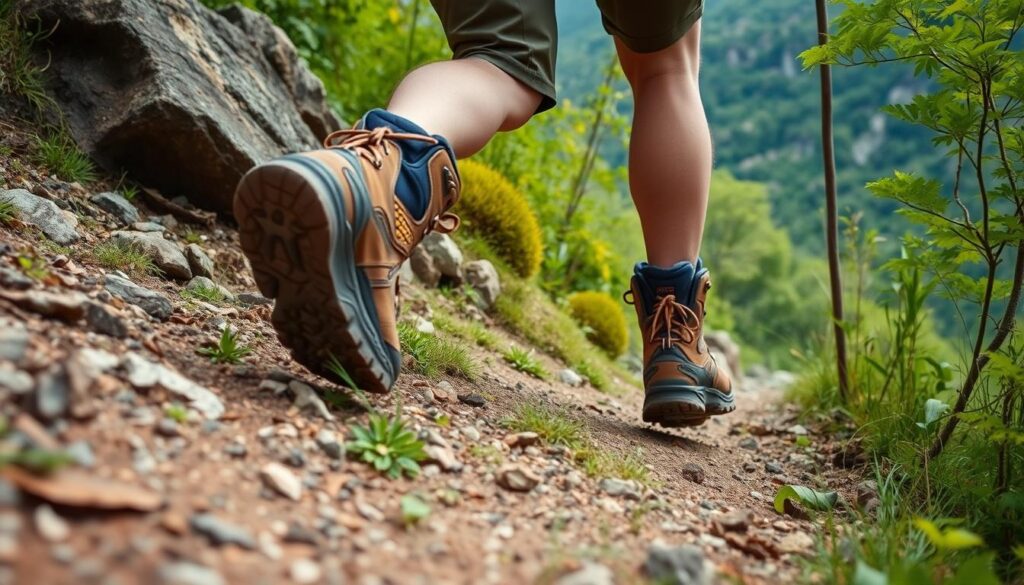
    Selecting hiking boots that offer adequate support and cushioning is crucial for preventing knee pain. Boots with good arch support and a comfortable fit can help in distributing the pressure evenly.

    Image of a hiker wearing supportive hiking boots on a downhill trail

    Learn More

    Using Hiking Poles Effectively

    Hiking poles can be a game-changer for hikers experiencing knee pain, especially on downhill trails. They help in distributing some of the weight and pressure from the knees to the arms.

    Image of a hiker using trekking poles on a steep downhill path

    Learn More

    Knee Braces: When and How to Use Them

    Knee braces can provide additional support and stability for hikers. Different types of knee braces are available, ranging from simple compression sleeves to more supportive hinged braces.

    Compression braces can offer mild support and improve proprioception during hiking. It’s essential to choose a knee brace that fits properly and is worn correctly to avoid discomfort.

    Image of different types of knee braces used for hiking

    Learn More

    Techniques to Protect Your Knees While Hiking

    To minimize knee pain, it’s essential to employ proper techniques while hiking downhill. By adopting the right strategies, you can significantly reduce the stress on your knees and enjoy your hiking experience.

    Proper Downhill Walking Form

    Maintaining the correct walking form is vital when hiking downhill. This involves taking smaller steps and keeping your weight centered over your feet. By doing so, you reduce the impact on your knee joint with eachstep. It’s also beneficial to keep your knees slightly bent to absorb the shock of each step.

    Taking Strategic Breaks

    Taking regular breaks during your hike can help alleviate knee pain. Breaks give your knees a chance to rest and recover from the constant stress of downhill walking. During these breaks, you can also reassess yourwayand adjust your backpack for better comfort.

    Packing Light to Reduce Joint Stress

    The weight of your backpack can significantly affect your knees, especially during downhill hikes. Each additional pound can increase the force on your knees multipletimes. To mitigate this, it’s crucial to pack lightly.

    • Audit your pack contents to eliminate unnecessary items.
    • Choose lightweight alternatives for essential gear.
    • Ensure proper weight distribution within your pack to maintain your center of gravity and reduce knee loading.

    As noted by outdoor enthusiasts, “A lighter pack is not just a preference, it’s a necessity for preserving your joints and enhancing your overall hiking experience.”

    “The right gear can make all the difference in your hiking experience. By packing light, you’re not just reducing weight; you’re reducing the risk of injury.”

    — Outdoor Expert
    Packing Strategy Effect on Knees
    Heavy Backpack Increased stress and potential pain
    Lightweight Pack Reduced stress and discomfort
    Proper Weight Distribution Better balance and reduced knee loading

    By implementing these techniques, you can protect yourkneesand minimizepain, making your hiking experience more enjoyable.

    Treating Knee Pain After Your Hiking Adventure

    The impact of downhill hiking on knee health should not be underestimated. When knee pain occurs after a hiking adventure, it’s crucial to address it promptly.

    Immediate Relief Strategies

    For mild knee pain, immediate relief can be achieved through rest, ice, compression, and elevation (RICE). Over-the-counter pain relievers can also help manage pain and inflammation.

    When to See a Doctor

    Warning signs that indicate a need for medical evaluation include severe pain, swelling, instability, or difficulty walking. Serious injuries like ligament tears or fractures require prompt medical attention. A doctor may use physical examinations and imaging studies to diagnose the issue.

    Various medical professionals, including primary care doctors and orthopedic specialists, can treat knee injuries. Treatments range from prescription medications to physical therapy and, in severe cases, surgery. Working with these professionals can help develop a comprehensive plan for recovery and prevention of future injuries.

    By understanding when to seek medical help and how to treat knee pain, hikers can reduce their risk of long-term damage and return to hiking safely.

    FAQ

    What causes knee pain when hiking downhill?

    Knee pain when hiking downhill is often caused by the repetitive stress and strain on our knee joint, particularly due to eccentric muscle contractions that occur when we’re descending. This can lead to conditions such as patellar tendonitis or iliotibial band syndrome.

    How can I prevent knee pain on downhill hikes?

    To prevent knee pain, we recommend incorporating strengthening exercises for our legs and hips into our training routine, using proper hiking techniques, and wearing supportive hiking boots or knee braces if necessary.

    Are hiking poles effective in reducing knee pain?

    Yes, hiking poles can be an effective tool in reducing knee pain by taking some of the pressure off our knee joint and redistributing it to our upper body. By using poles, we can also improve our balance and stability on uneven terrain.

    What are some common knee problems that hikers experience?

    Common knee problems include patellofemoral pain syndrome, patellar tendonitis, and iliotibial band syndrome. These conditions can be caused by a combination of factors, including overuse, poor hiking form, and inadequate training.

    How can I treat knee pain after a hiking trip?

    If we experience knee pain after hiking, we can try to alleviate it by applying ice to the affected area, taking regular breaks to rest, and using over-the-counter pain relievers as needed. If the pain persists, it’s a good idea to consult with a doctor or medical professional for further guidance.

    Can I still hike with knee pain?

    While it’s possible to continue hiking with knee pain, it’s essential to address the underlying causes and take steps to prevent further injury. We can modify our hiking plans, incorporate injury prevention strategies, and seek medical attention if the pain worsens or persists.

  • Pilates for knee replacement patients

    Pilates for knee replacement patients

    Can pain and limited mobility after knee surgery be a thing of the past? For many individuals undergoing knee replacement, the journey to full recovery can be long and challenging.

    The knee is one of the body’s most complex joints, playing a vital role in our movement and ability to perform daily activities. After surgery, regaining strength and flexibility is crucial for a successful recovery.

    Pilates has emerged as a valuable rehabilitation tool, offering a low-impact form of exercise that promotes health and stability. By incorporating Pilates into their recovery plan, patients can potentially reduce pain and improve their overall outcome.

    Key Takeaways

    • Understanding the role of Pilates in rehabilitation after knee surgery.
    • Benefits of Pilates for improving knee health and reducing pain.
    • Guidance on when to start Pilates after knee replacement surgery.
    • Safe exercises for different phases of recovery.
    • Importance of consulting with a healthcare provider before starting Pilates.

    Understanding Knee Replacement Recovery

    Understanding the recovery process is crucial for patients undergoing knee replacement surgery to ensure a smooth and effective rehabilitation. Knee replacement surgery, also known as knee arthroplasty, is a significant procedure that involves replacing the damaged or arthritic knee joint with artificial components. Knee replacement is often considered when other treatments have failed to alleviate severe knee pain and improve mobility.

    The Complexity of the Knee Joint

    The knee is one of the most complex joints in the body, involving multiple bones, ligaments, and soft tissue. Dr. Brent Anderson, Physical Therapist and Founder of Polestar Pilates, notes that the knee’s primary movements are flexion and extension, which are crucial for everyday activities like walking and climbing stairs. The intricate structure of the knee joint makes recovery from replacement surgery particularly challenging.

    Recovery Phases After Knee Replacement

    Recovery from knee replacement surgery is typically divided into several phases. Phase I marks the first 1-2 weeks after surgery, during which patients focus on performing basic tasks such as getting in and out of bed, showering, and walking. Proper movement and rehabilitation exercises are essential during this phase to promote healing and minimize pain. As patients progress through the recovery phases, they can expect to achieve significant improvements in their knee function and overall mobility.

    • The knee’s complexity requires specialized rehabilitation approaches to address the various components involved.
    • Understanding the recovery phases helps patients set realistic expectations and track their progress.
    • Proper movement and rehabilitation exercises are crucial for optimal recovery and minimizing pain.

    Benefits of Pilates for Knee Replacement Patients

    For individuals recovering from knee replacement surgery, Pilates offers a multitude of benefits that can significantly enhance their rehabilitation journey. We will explore how Pilates provides a safe and controlled environment for patients to rebuild strength without risking further injury.

    Low-Impact Movement for Joint Health

    Pilates is characterized by its low-impact movements, making it an ideal exercise regimen for knee replacement patients. This low-impact nature ensures that the joints are not subjected to excessive stress, thereby reducing the risk of aggravating the injury or causing additional pain. Low-impact exercises are particularly beneficial for patients with artificial knee joints who need to avoid high-impact activities.

    Improved Alignment and Stability

    Pilates focuses on proper body alignment, which is crucial for patients learning to move with their new knee joint. By improving alignment, patients can enhance their overall stability, reducing the risk of falls and further injuries. Proper alignment also helps in distributing the stress evenly across the joint, thereby supporting the longevity of the artificial knee.

    Enhanced Muscle Strength and Control

    The exercises in Pilates target the stabilizing muscles around the knee, providing better support for the artificial joint. This not only enhances muscle strength but also improves control and coordination, which are essential for optimal knee function. We will discuss how the controlled, precise movements in Pilates contribute to better muscle control.

    Here’s a summary of the benefits of Pilates for knee replacement patients in a tabular form:

    Benefits Description
    Low-Impact Movement Reduces stress on the joints, minimizing the risk of further injury or pain.
    Improved Alignment Enhances overall stability and reduces the risk of falls and further injuries.
    Enhanced Muscle Strength Provides better support for the artificial joint, improving control and coordination.

    A woman in a light-filled, serene yoga studio performing a series of Pilates exercises with a focus on her recently replaced knee. The camera captures her from the side, showing her gracefully executing a series of controlled movements on a mat, using a resistance band for support. The lighting is soft and natural, highlighting the gentle curves of her body and the determined expression on her face as she navigates her post-surgery recovery. The background is uncluttered, with neutral tones and minimal distractions, allowing the viewer to focus on the subject's form and the therapeutic nature of her practice.

    When to Start Pilates After Knee Replacement

    The right time to begin Pilates after knee replacement surgery can significantly impact the recovery process. After undergoing knee replacement surgery, patients are often eager to resume their normal activities and exercise routines.

    Phase I: The First 1-2 Weeks

    Phase I marks the initial recovery period, typically lasting 1-2 weeks after surgery. During this phase, the focus is on performing basic tasks such as getting in and out of bed, showering, and walking. Gentle Pilates exercises can be beneficial in regaining movement and strength in the knee and ankles.

    As one navigates this critical period, it’s essential to be mindful of pain and discomfort. Patients should be aware of their body’s signals and not push beyond what feels safe or comfortable.

    Consulting with Healthcare Professionals

    Before starting any new exercise program, including Pilates, it’s highly recommended to consult with healthcare professionals. They can provide personalized guidance based on the patient’s specific condition and recovery progress. A qualified Pilates instructor with experience in post-surgical rehabilitation can also modify exercises to accommodate individual needs and limitations.

    As highlighted by a study, “A well-structured exercise program is crucial for optimal recovery after knee replacement surgery.”

    “The rehabilitation process should be tailored to the individual patient’s needs and progress.”

    Recovery Phase Recommended Exercises Professional Guidance
    Phase I (1-2 weeks) Gentle Pilates, basic movements Consult healthcare provider
    Phase II (2-6 weeks) Progressed Pilates exercises Work with a Pilates instructor

    Safe Pilates Exercises for Knee Replacement Patients

    After knee replacement surgery, it’s crucial to engage in exercises that promote recovery without causing undue stress on the new joint. Pilates offers a variety of low-impact movements that can help patients regain strength, improve flexibility, and enhance overall knee function.

    Heel Slides and Knee Bends

    Heel slides and knee bends are commonly recommended during the initial recovery phase. These gentle movements help restore the knee’s range of motion while minimizing stress on the new joint. By engaging the hamstrings and knee flexors, patients can become reacquainted with their knee’s new function after surgery.

    Clamshells for Hip Stability

    The clamshells exercise strengthens the hip rotators, which are crucial for proper knee alignment and function. To perform clamshells, lay on your side with your knees gently bent, keeping your pelvis still as you open and close your knees.

    Modified Bridge Exercise

    Lying on your back with your legs a comfortable distance away, press your palms down into the floor and, on an exhale, press down into your heels to lift your hips off the floor. This movement safely engages the posterior chain muscles that support knee function.

    Assisted Quarter Squats

    Using a bedpost or countertop for support, gently bend and raise the knees in a quarter squat. This exercise helps mold the soft tissue around the knee and increases blood flow, assisting ankle and knee mobility. For more information on knee injuries related to squatting, visit Knee Injury When Squatting: Causes &.

    Advanced Pilates Movements for Continued Recovery

    As knee replacement patients progress in their recovery, they can transition to more advanced Pilates movements that challenge their strength and flexibility. These exercises are designed to further enhance knee function and overall lower limb strength.

    Thigh Stretches for Quadriceps Strength

    Thigh stretches are an excellent exercise for strengthening the quadriceps muscles, which are crucial for knee stability. This exercise not only strengthens the core but also lengthens and strengthens the muscles in the front of the thighs.

    Heel Kicks for Hamstring Engagement

    Heel kicks are performed on the stomach and help engage the hamstrings, promoting balance between the anterior and posterior thigh muscles. By using the hamstrings to bring the heels up, patients can begin to engage the thigh muscles for improved knee function.

    Modified Pilates Footwork

    Modified Pilates footwork exercises help restore functional movement patterns needed for daily activities. These exercises are tailored to the individual’s recovery stage, ensuring a safe and effective progression.

    Pilates Exercises to Avoid After Knee Replacement

    Understanding which Pilates exercises to avoid is vital for knee replacement patients to prevent injury and support recovery. After knee replacement surgery, the knee joint is in a vulnerable state, and certain exercises can put unnecessary stress on the new joint.

    High-Impact Movements

    High-impact movements such as jumping, hopping, and other jarring motions should be avoided as they can compromise the artificial joint and surgical site. These movements can cause excessive stress on the knee, potentially leading to complications.

    Deep Knee Flexion Exercises

    Exercises that involve deep knee flexion, bending the knee beyond 90 degrees, may put excessive pressure on the new joint. Examples include deep squats and certain Pilates exercises that require deep knee bending.

    Advanced Studio Equipment Exercises

    Certain advanced Pilates apparatus exercises, such as Russian splits, magician, or single leg parakeet, are too challenging or risky for knee replacement patients. These exercises can cause injury or compromise the surgical site.

    Exercise Risk Level Alternative
    Russian splits High Modified leg lifts
    Deep squats High Assisted quarter squats
    Single leg parakeet High Clamshells for hip stability

    Creating Your Pilates Recovery Program

    Creating a Pilates recovery program that addresses your specific needs can make a substantial difference in your knee replacement recovery. At Complete Pilates, we offer 1:1 programs tailored to help you achieve your goals, whether you’re looking to prevent injuries or recover from a knee injury.

    We’ll guide you in developing a personalized Pilates program that starts with basic movements and gradually advances as your strength and mobility improve. It’s essential to track your progress and adjust your program accordingly. Consistency and patience are key throughout the rehabilitation process.

    To ensure a smooth recovery, it’s also crucial to communicate effectively with your healthcare team about your Pilates practice and find a qualified Pilates instructor with experience in working with knee replacement patients. By integrating Pilates into your long-term fitness routine, you can maintain knee health and minimize pain for years to come.

    FAQ

    What are the benefits of incorporating pelvic floor exercises into my recovery routine after knee replacement surgery?

    We find that strengthening the pelvic floor muscles can improve overall core stability, which in turn supports the recovery of the knee joint and surrounding muscles, promoting better balance and reducing the risk of injury.

    How can a certified Pilates instructor help me with my knee replacement recovery?

    A certified instructor can provide personalized guidance on safe exercises, proper form, and modifications tailored to our specific needs and abilities, ensuring a safe and effective recovery.

    Are there any exercises around the knee that I should avoid after knee replacement surgery?

    We recommend avoiding high-impact movements and deep knee flexion exercises, as they can put excessive stress on the knee joint and surrounding soft tissue, potentially leading to complications or prolonged recovery.

    Can Pilates exercises help alleviate pain and discomfort after knee replacement surgery?

    Yes, gentle and controlled Pilates movements can help improve joint mobility, reduce stiffness, and promote healing, ultimately leading to reduced pain and improved overall function.

    How can I modify squats and other exercises to accommodate my knee replacement?

    We suggest starting with assisted quarter squats and gradually progressing to more challenging movements, while maintaining proper form and engaging the surrounding muscles to support the knee joint.

    What role does hip stability play in knee replacement recovery, and how can Pilates help?

    Hip stability is crucial for maintaining proper alignment and reducing the risk of injury; Pilates exercises like clamshells can help strengthen the surrounding muscles and promote overall hip and knee stability.

    Are there any specific tips for maintaining proper balance and preventing falls during knee replacement recovery?

    We recommend practicing exercises that challenge balance, such as single-leg movements, and incorporating modifications to improve overall stability and reduce the risk of falls.

  • CBD oil dosage for knee inflammation

    CBD oil dosage for knee inflammation

    Are you tired of living with knee pain caused by inflammation? Many people are turning to alternative treatments to manage their symptoms. One potential solution gaining attention is CBD oil. We will explore how CBD oil has emerged as a potential treatment for knee inflammation and associated pain.

    Finding the right dosage is crucial for experiencing the therapeutic effects of CBD oil on knee inflammation. We will discuss the science behind CBD’s anti-inflammatory properties and how they benefit knee joint issues.

    Key Takeaways

    • Understanding the appropriate CBD oil dosage for managing knee inflammation.
    • The science behind CBD’s anti-inflammatory properties and their benefits for knee joint issues.
    • Personalizing your approach to CBD dosing for knee inflammation.
    • Common questions about safety, effectiveness, and proper administration methods for CBD oil.
    • Practical guidance on determining your optimal CBD oil dosage based on personal factors.

    Understanding CBD Oil for Inflammatory Conditions

    Understanding the role of the endocannabinoid system is key to harnessing the anti-inflammatory effects of CBD oil for knee pain. The endocannabinoid system plays a crucial role in regulating various physiological processes, including pain and inflammation.

    Preclinical studies have shown promising effects of cannabinoids for arthritic pain management, highlighting the potential of CBD oil in treating knee inflammation. We will delve into how CBD works to reduce inflammation and its interaction with the endocannabinoid system.

    How CBD Works to Reduce Inflammation

    CBD interacts with the body’s endocannabinoid system to produce its anti-inflammatory effects. This system is composed of cannabinoid receptors, including CB1 and CB2, which are found in various tissues throughout the body, including joint tissues. CBD influences these receptors to help reduce inflammation and alleviate pain.

    The interaction between CBD and the CB2 receptors, in particular, is significant in reducing inflammation. By activating these receptors, CBD can help mitigate the inflammatory response, providing relief from knee pain.

    The Endocannabinoid System and Knee Pain

    The endocannabinoid system is vital in regulating pain and inflammation in the body, including in the knee joint. CB1 and CB2 receptors in joint tissues respond to both endogenous cannabinoids and plant-derived cannabinoids like CBD. An imbalance or deficiency in the endocannabinoid system has been linked to various chronic inflammatory conditions.

    By understanding how CBD interacts with the endocannabinoid system, we can better appreciate its potential in managing knee inflammation. CBD may help restore balance to the endocannabinoid system, thereby reducing inflammation and associated pain.

    This understanding provides a physiological basis for why CBD dosage is critical in effectively treating knee pain. The right dosage can ensure that the endocannabinoid system is adequately supported to manage inflammation and pain.

    The Science Behind CBD for Knee Inflammation

    Recent studies have shed light on the science behind using CBD for knee inflammation, offering new insights into its effectiveness. We will explore the current state of research and how CBD compares to traditional treatments.

    Recent Clinical Studies and Findings

    Clinical trials have investigated CBD’s efficacy in treating knee inflammation. A 12-week trial using a low dose of synthetic CBD (20-30 mg/day) in patients with hand osteoarthritis or psoriatic arthritis found no significant difference from placebo for pain, sleep quality, anxiety, or depression.

    However, a more recent study using a higher CBD dose (600 mg/day) for knee osteoarthritis showed promising results, suggesting that dosage may play a critical role in CBD’s effectiveness. We will continue to see more research in this area as the interest in CBD’s therapeutic potential grows.

    Comparing CBD to Traditional Anti-Inflammatory Medications

    When comparing CBD to traditional anti-inflammatory medications like NSAIDs and corticosteroids, several factors come into play. CBD works differently, interacting with the body’s endocannabinoid system to potentially reduce inflammation.

    Unlike traditional treatments that can have significant side effects with prolonged use, CBD may offer a safer alternative. However, its effects can vary based on the individual and the condition being treated. We examine the potential advantages and disadvantages of CBD compared to pharmaceutical options, including their side effect profiles.

    This comparison helps readers understand where CBD fits within the broader context of inflammation management treatment strategies.

    Factors That Influence Your CBD Oil Dosage for Knee Inflammation

    When it comes to using CBD oil for knee inflammation, several individual factors play a crucial role in determining the optimal dosage. It’s not a one-size-fits-all solution; rather, it’s a personalized approach that considers various aspects of an individual’s health and physiology.

    A well-lit, high-resolution photograph of a wooden table with various CBD oil bottles, capsules, and other related products arranged in the foreground. In the middle ground, a stack of medical books and a tablet displaying a chart with detailed information about CBD oil dosage factors such as body weight, metabolism, severity of condition, and individual sensitivity. The background features a blurred, soothing natural landscape with lush greenery and soft lighting, creating a calm and therapeutic atmosphere.

    Body Weight and Metabolism

    Body weight is a significant factor in determining CBD dosage. Generally, individuals with a higher body mass may require a higher dose to achieve the desired effects. Metabolism also plays a crucial role, as it affects how quickly CBD is processed in the body. A faster metabolism might necessitate more frequent dosing.

    Severity of Inflammation

    The severity of knee inflammation is another critical factor. Those with more severe inflammation may require higher doses of CBD to experience relief. Conversely, individuals with mild inflammation might find lower doses sufficient.

    Previous Experience with Cannabis Products

    Individuals who have previously used cannabis products may have developed a tolerance to CBD, potentially requiring higher doses to achieve the same effects as those who are new to CBD.

    Individual Body Chemistry

    It’s often observed that two people of the same sex and virtually the same height and weight can react completely differently to the same CBD dose. This variability is largely due to individual body chemistry, including genetic factors and variations in the endocannabinoid system. Other physiological factors, such as liver function, can also impact how CBD is metabolized and its overall effectiveness. This underscores the importance of personalized dosing based on individual response rather than adhering strictly to general guidelines.

    Monitoring personal response to CBD is ultimately more important than following standardized dosing charts. By paying attention to how your body reacts, you can make informed adjustments to your dosage to achieve the best results.

    Starting with the Right CBD Dosage Approach

    To effectively manage knee inflammation with CBD oil, it’s essential to start with the right dosage approach. This involves understanding how to navigate the complex process of finding your optimal dose. We recommend a cautious and informed method to ensure you reap the benefits of CBD oil while minimizing potential side effects.

    The “Start Low and Go Slow” Method

    The “start low and go slow” method is a widely recommended strategy for initiating CBD treatment. This approach involves beginning with a low dose and gradually increasing it until you achieve the desired effects. By doing so, you can avoid unnecessary side effects and identify the minimum effective dose for your specific condition.

    Starting with a low dose allows your body to adjust to the new substance, reducing the risk of adverse reactions. As you gradually increase your dosage, you’ll be able to monitor your body’s response and make informed decisions about further adjustments.

    Tracking Your Results and Symptoms

    Tracking your CBD dosage and its effects is crucial for determining the optimal dose for your knee inflammation. We suggest keeping a record of your dosage, timing, and the effects you experience. This can be done using a notebook or a notes app on your phone. By documenting your progress, you’ll be able to identify patterns and make data-driven decisions about your treatment.

    Some key metrics to track include pain levels, mobility, swelling, and sleep quality. By monitoring these factors, you’ll gain valuable insights into how CBD is affecting your condition. A sample tracking template might include columns for date, time, dosage, and notes on your symptoms and overall well-being.

    Calculating Your Initial CBD Oil Dosage for Knee Inflammation

    A clean, minimalist infographic depicting a CBD oil dosage chart for knee inflammation. The chart is presented on a plain white background, with a simple grid layout highlighting recommended dosages based on factors like age, weight, and severity of knee inflammation. The design uses warm, earthy tones and clean typography to create a sense of authority and professionalism. Soft, diffused lighting creates gentle shadows and highlights, adding depth and dimension to the image. The overall mood is one of informative clarity, helping the viewer easily understand the proper CBD oil dosage for their specific needs.

    Learn More

    Calculating your initial CBD oil dosage is crucial for effectively managing knee inflammation. To start, it’s essential to understand that the ideal dosage varies based on several factors including body weight, the severity of inflammation, and individual tolerance to CBD.

    Low-Strength Dosing Guidelines

    For individuals with mild knee inflammation, low-strength dosing is often recommended. This typically involves starting with a dose as low as 2.5 mg of CBD per 10 kg of body weight. For example, a person weighing 60 kg might begin with around 15 mg of CBD. It’s crucial to monitor your body’s response and adjust accordingly.

    Medium-Strength Dosing Guidelines

    If low-strength dosing does not provide adequate relief, you may need to move to a medium-strength dose. This is generally considered to be around 5 mg of CBD per 10 kg of body weight. For a 60 kg individual, this would translate to about 30 mg of CBD. It’s essential to give your body time to adjust to the new dosage before making further adjustments.

    High-Strength Dosing Guidelines

    For severe or persistent knee inflammation, high-strength dosing may be necessary. High strength is typically defined as around 6 mg of CBD per 5 kg (or 1.2 mg/kg) of body weight. For instance, a person weighing 70 kg would take about 90 mg of CBD for a high-strength dose. Medical supervision is highly recommended when using high-strength doses, especially for first-time users. It’s also important to be aware of potential side effects that are more common at higher dosages, such as fatigue or changes in appetite, and to know how to mitigate them.

    When considering high-strength dosing, it’s vital to gradually work up to this level rather than starting with it. This approach helps in minimizing potential side effects and allows you to find the minimum effective dose. Specific milligram recommendations based on different weight ranges for high-strength dosing should be followed carefully.

    Step-by-Step Guide to Finding Your Optimal Dose

    The journey to discovering your optimal CBD dosage involves understanding your body’s response and making informed adjustments. This process is crucial because individual factors such as body weight, metabolism, and the severity of inflammation can significantly influence how CBD affects you.

    Step 1: Determining Your CBD Oil’s Concentration

    To start, you need to know the concentration of CBD in your oil. This information is usually provided on the product label in milligrams (mg) per milliliter (ml) or as a percentage. Understanding the concentration helps you calculate the amount of CBD you’re consuming per dose. For instance, a 10ml bottle with 1000mg of CBD contains 100mg/ml.

    Step 2: Measuring Accurate Doses

    Accurate dosing is critical when using CBD oil. Most products come with a dropper that allows you to measure your dose. To measure accurately, fill the dropper to the desired level and count the drops. Some products also provide a dosage chart to help guide you. Consistency is key to evaluating the effects of CBD on your knee inflammation.

    Step 3: Adjusting Based on Results

    After starting with an initial dose, monitor your symptoms and results closely. If you don’t experience significant relief, you may need to adjust your dose. The data suggests that this process is ongoing, and you will always be evaluating the effects and adjusting the dosage with small changes. The key is to make gradual adjustments, allowing enough time between changes to fully assess the effects. A general guideline is to wait at least 3-5 days before making another adjustment.

    • Increase your dose if you’re not experiencing sufficient relief from knee inflammation.
    • Decrease your dose if you’re experiencing side effects or if the current dose is more than needed for relief.
    • Maintain your current dose if you’re experiencing optimal relief without side effects.

    By following these steps and being patient, you can find your optimal CBD dose for knee inflammation relief.

    Different CBD Products and Their Dosing Considerations

    12. CBD oil dosage for knee inflammation.

    Learn More

    Different CBD products offer unique benefits and dosing considerations for individuals dealing with knee inflammation. The variety of products available can make it challenging to determine the most effective option.

    Full-Spectrum vs. CBD Isolate Dosing Differences

    When choosing a CBD product, one of the key decisions is whether to opt for a full-spectrum or CBD isolate product. Full-spectrum CBD oil contains a range of cannabinoids and terpenes that work together to produce what is known as the entourage effect, potentially enhancing its therapeutic benefits. In contrast, CBD isolate is a purified form of CBD that contains no other cannabinoids or terpenes.

    A full-spectrum CBD oil may provide more potent effects due to the synergistic collaboration of its various compounds. On the other hand, CBD isolate may require significantly higher doses to achieve the desired outcome, despite its high concentration of CBD.

    Topical vs. Oral CBD for Knee Inflammation

    The method of CBD administration is another critical factor to consider. Topical CBD applications are applied directly to the skin over the affected knee area, potentially offering localized relief from inflammation. In contrast, oral CBD products are ingested and absorbed systemically.

    Topical CBD products can provide targeted relief and may have a faster onset of effects compared to oral CBD. However, oral CBD can offer more systemic benefits and may be more convenient for some users. The choice between topical and oral CBD depends on individual preferences and the specific nature of their knee inflammation.

    When using CBD products for knee inflammation, it’s essential to consider the dosing guidelines specific to the chosen product and administration method. For topical applications, the concentration of CBD in the product and the amount applied can significantly impact its effectiveness.

    Timing Your CBD Doses for Maximum Effectiveness

    Optimizing the timing of your CBD doses can significantly enhance its effectiveness in managing knee inflammation. The key to maximizing the benefits of CBD oil lies in understanding how to integrate it into your daily routine and activity schedule.

    Morning vs. Evening Dosing

    When deciding whether to take CBD in the morning or evening, consider your symptoms and daily routine. Taking CBD in the morning may help manage pain and inflammation throughout the day, especially if you have a physically demanding schedule. On the other hand, taking it in the evening can aid in relaxation and potentially improve sleep quality, which is also crucial for recovery and pain management.

    Some individuals find that splitting their dose between morning and evening provides the most benefit, maintaining a consistent level of CBD in their system throughout the day.

    Dosing Around Physical Activity

    For individuals who engage in regular physical activity or physical therapy, timing CBD doses around these events can be particularly beneficial. Taking CBD before physical activity may help reduce pain and inflammation during exercise, potentially improving performance and reducing the risk of injury.

    Taking CBD after physical activity can aid in recovery by reducing post-exercise inflammation and pain. We recommend adjusting your CBD dosing schedule based on the intensity and frequency of your physical activities to maximize its benefits.

    Potential Side Effects and Safety Considerations

    When considering CBD oil for knee inflammation, it’s crucial to understand the potential side effects and safety considerations. While CBD is generally well-tolerated, there are several factors to be aware of to ensure safe and effective use.

    Common Side Effects at Different Dosage Levels

    CBD can cause side effects, although they are typically mild and temporary. Common side effects include fatigue, changes in appetite, and diarrhea. The severity and likelihood of these side effects can vary based on the dosage level. For instance, higher doses are more likely to cause adverse effects. It’s essential to start with a low dose and gradually increase it to minimize potential side effects.

    Side Effects by Dosage Level:

    Dosage Level Common Side Effects
    Low (<5mg) Mild fatigue, minimal changes in appetite
    Medium (5-20mg) Moderate fatigue, noticeable changes in appetite
    High (>20mg) Significant fatigue, pronounced changes in appetite, diarrhea

    When to Consult a Healthcare Professional

    If you’re currently taking medication and would like to try CBD, it’s essential to discuss this with your doctor. Certain situations necessitate professional medical advice before starting or continuing CBD for knee inflammation. These include experiencing severe side effects, having a pre-existing medical condition, or being part of a special population such as pregnant women or individuals with liver conditions.

    To have productive conversations with healthcare providers about CBD use, it’s helpful to be informed about the latest research and potential interactions with other medications. Finding a healthcare professional knowledgeable about cannabinoid therapies can provide guidance tailored to your specific needs.

    CBD and Drug Interactions for Inflammation Patients

    The growing use of CBD oil for inflammatory conditions raises important questions about its compatibility with other treatments. As we explore the potential benefits of CBD for knee inflammation, it’s essential to consider how it might interact with other medications.

    Common Medications for Knee Inflammation

    Patients with knee inflammation often take various medications to manage their condition, including nonsteroidal anti-inflammatory drugs (NSAIDs), corticosteroids, and in some cases, immunosuppressants. CBD may affect the metabolism of these medications, potentially altering their effectiveness or increasing the risk of side effects.

    For instance, NSAIDs like ibuprofen are commonly used to reduce inflammation and pain. When combined with CBD, there’s a potential for enhanced anti-inflammatory effects, but also an increased risk of gastrointestinal side effects.

    How CBD May Affect Other Treatments

    CBD may influence the metabolism of other medications through its impact on liver enzymes, specifically the cytochrome P450 system. This can lead to either increased or decreased levels of these medications in the bloodstream, affecting their efficacy and safety.

    “The interaction between CBD and other medications is a critical consideration for patients managing knee inflammation.” As Dr. [Last Name] notes, “CBD’s effect on the cytochrome P450 enzymes can significantly impact the metabolism of various drugs.”

    To minimize risks, it’s crucial to monitor your body’s response when combining CBD with other treatments. Look out for signs such as unusual side effects or changes in the effectiveness of your medications. Adjusting your CBD dosage or consulting with a healthcare professional may be necessary to ensure safe and effective treatment.

    By understanding the potential interactions between CBD and other medications, patients can make informed decisions about their treatment regimen, maximizing the benefits of CBD while minimizing risks.

    Making Long-Term Adjustments to Your CBD Regimen

    To maximize the benefits of CBD oil for knee inflammation, we must be prepared to make adjustments to our dosing strategy over time. As our knee condition changes or improves, our CBD regimen may need to evolve to continue providing optimal benefits. One key consideration is the potential development of tolerance, which may necessitate periodic dosage adjustments to maintain effectiveness.

    Regular reassessment of our CBD regimen’s effectiveness is crucial, allowing us to make evidence-based adjustments as needed. By integrating CBD into a comprehensive long-term knee inflammation management plan, we can develop a sustainable approach to using CBD for chronic knee inflammation. This involves recognizing when our current regimen is no longer providing optimal benefits and making strategic changes to maintain the desired effects.

    By adopting a flexible and informed approach to long-term CBD use, we can optimize our treatment outcomes and improve our overall quality of life.

    FAQ

    What is the recommended amount of CBD to take for knee pain?

    We recommend starting with a low dose, typically 5-10mg of cannabidiol per day, and gradually increasing as needed and under the guidance of a healthcare professional.

    How long does it take to feel the effects of CBD on knee inflammation?

    The onset of effects can vary depending on the individual and the method of consumption. When taken orally, CBD can start to take effect within 30 minutes to an hour, while topical applications may provide faster relief.

    Can I use CBD topically for knee inflammation, and if so, how often?

    Yes, topical CBD products can be applied directly to the affected area. We suggest applying a small amount 2-3 times a day, or as needed, to help manage knee inflammation and pain.

    Are there any potential side effects of using CBD for knee inflammation?

    While generally considered safe, CBD can cause some side effects, including fatigue, changes in appetite, and diarrhea. It’s essential to monitor your body’s response and adjust your dosage accordingly.

    Can CBD interact with other medications I’m taking for knee inflammation?

    Yes, CBD can potentially interact with certain medications, including blood thinners and certain antidepressants. It’s crucial to consult with a healthcare professional before adding CBD to your treatment regimen.

    How do I determine the best CBD product for my knee inflammation?

    When selecting a CBD product, consider factors such as the type of extract, THC content, and product labeling. We recommend choosing a product from a reputable manufacturer that provides third-party lab testing and clear dosage instructions.

    Can I take CBD with other natural remedies for knee inflammation?

    Yes, CBD can be used in conjunction with other natural remedies, such as turmeric and omega-3 fatty acids. However, it’s essential to consult with a healthcare professional to ensure safe and effective treatment.

  • Post-COVID knee joint pain

    Post-COVID knee joint pain

    As we continue to navigate the aftermath of the coronavirus pandemic, a growing concern has emerged: persistent knee joint pain following COVID-19 infection. This condition, affecting thousands of patients worldwide, is more than just a lingering symptom; it’s a significant health issue that impacts daily life.

    Joint pain, medically known as arthralgia, is a common symptom of COVID-19. What’s more, it’s one of the most frequent symptoms to persist after the initial infection has resolved. The SARS-CoV-2 infection can trigger inflammatory responses in joints, particularly the knee joint, leading to persistent pain.

    We will explore the connection between COVID-19 and knee joint pain, and provide evidence-based information on managing this challenging post-infection symptom.

    Key Takeaways

    • Understanding the link between COVID-19 and persistent knee joint pain.
    • Recognizing the symptoms and prevalence of post-COVID knee joint pain.
    • Exploring the underlying causes of knee joint pain after COVID-19.
    • Effective relief strategies for managing post-COVID knee joint pain.
    • The importance of addressing knee joint pain promptly to prevent long-term damage.

    Understanding the COVID-19 and Joint Pain Connection

    The SARS-CoV-2 virus has been associated with a wide range of symptoms, and recent studies have shed light on its impact on the musculoskeletal system, particularly in relation to joint pain.

    Research into the effects of COVID-19 has shown that the virus can affect the musculoskeletal system in various ways.

    How SARS-CoV-2 Affects the Musculoskeletal System

    SARS-CoV-2 infection can trigger a range of responses in the body that may lead to musculoskeletal symptoms. The virus’s impact on the musculoskeletal system is believed to be linked to its ability to induce a significant inflammatory response.

    Inflammation plays a crucial role in the body’s reaction to the virus, and this inflammatory response can affect joints, leading to pain and discomfort.

    The Prevalence of Joint Pain in COVID-19 Patients

    Studies suggest that a considerable percentage of patients experience joint pain either during or after COVID-19 infection.

    Data from various studies indicate that the prevalence of arthralgia (joint pain) in COVID-19 patients can range significantly.

    Study Prevalence of Arthralgia Time Frame
    A study on acute cases 2% 4 weeks post-infection
    Long-term follow-up 65% 12 months post-infection
    Average among patients 15% During infection

    As shown in the table, the prevalence of joint pain varies widely among studies, highlighting the need for further research to understand the connection between COVID-19 and joint health fully.

    What Is Post-COVID Knee Joint Pain?

    Post-COVID knee joint pain is a condition that has garnered significant attention in the medical community due to its prevalence among COVID-19 survivors. As we navigate the complexities of this condition, it’s essential to understand its underlying causes and manifestations.

    Defining Post-COVID Syndrome

    Post-COVID syndrome, also known as long COVID, refers to the persistence of COVID-19 symptoms beyond the acute phase. Joint pain is one of the common symptoms reported by patients, affecting various joints including the knee. The inflammation of the joints may explain the relationship between COVID-19 and joint pain.

    As noted by medical professionals, “The persistence of symptoms such as joint pain post-COVID-19 infection highlights the need for ongoing care and monitoring.”

    “The persistence of symptoms such as joint pain post-COVID-19 infection highlights the need for ongoing care and monitoring.”

    – Medical Professional

    Specific Characteristics of Knee Involvement

    The knee joint is particularly susceptible to pain due to its complex structure and weight-bearing function. Inflammation of the joints is believed to be a key factor in the development of knee pain post-COVID. The specific characteristics of knee involvement include the nature, location, and quality of pain, which can vary significantly among individuals.

    Many patients report distinctive patterns of knee pain that worsen with activity and improve with rest. Understanding these patterns is crucial for differentiating post-COVID knee pain from other common knee conditions like osteoarthritis or sports injuries.

    Common Symptoms of Post-COVID Knee Joint Pain

    The COVID-19 pandemic has brought to light a previously underappreciated condition: persistent knee joint pain in patients who have recovered from the virus. As we continue to understand the long-term effects of COVID-19, it is becoming increasingly clear that post-COVID knee joint pain is a significant concern for many individuals.

    Physical Manifestations

    Post-COVID knee joint pain can manifest in various ways, often presenting with symptoms such as pain, stiffness, and swelling. In some cases, individuals may experience a general feeling of discomfort or instability in the knee joint. The pain can range from mild to severe and may be constant or intermittent. It is essential to recognize that these symptoms can significantly impact an individual’s quality of life.

    Some individuals may also experience other systemic symptoms such as fatigue, which can be associated with the underlying inflammatory process. The presence of these symptoms can help healthcare providers differentiate post-COVID knee pain from other types of knee pain.

    Distinguishing Features from Other Types of Knee Pain

    Several key features can help distinguish post-COVID knee pain from other common knee conditions, such as arthritis or injury-related pain. One of the primary distinguishing features is the temporal relationship between the onset of knee pain and the COVID-19 infection. In many cases, post-COVID knee pain develops after the initial infection has resolved.

    The pattern of inflammation in post-COVID knee pain may resemble reactive arthritis, which is characterized by joint pain and inflammation following a viral or bacterial infection. Unlike mechanical knee pain, post-COVID knee pain may not directly correlate with activity levels or mechanical stress on the joint. Laboratory findings and imaging results can also help differentiate post-COVID knee pain from other inflammatory or degenerative joint disease, such as arthritis.

    Understanding these distinguishing features is crucial for accurate diagnosis and effective treatment. By recognizing the unique characteristics of post-COVID knee pain, healthcare providers can develop targeted treatment plans to address this condition.

    The Underlying Mechanisms of Post-COVID Knee Joint Pain

    Research into the mechanisms of post-COVID knee joint pain reveals a intricate interplay of inflammatory and structural changes. As we explore these mechanisms, it becomes clear that the condition is not merely a consequence of the infection itself, but rather a complex response involving various bodily systems.

    Inflammatory Responses and Cytokine Activity

    The body’s response to COVID-19 involves the release of pro-inflammatory cytokines, which are crucial for fighting the infection. However, this inflammatory response can also have unintended consequences on the musculoskeletal system. Pro-inflammatory cytokines can contribute to cartilage destruction, a key component that protects the joints. As a result, the joints may degenerate and become inflamed, leading to pain.

    Studies have shown that the inflammation caused by COVID-19 can impact the knee joint in several ways. For instance, the inflammation can affect the synovial fluid, which is essential for lubricating and nourishing the joint tissues. When this fluid is compromised, it can lead to increased friction and further damage to the joint.

    Impact on Cartilage and Joint Structures

    The cartilage covering the knee joint surfaces plays a vital role in absorbing shock and facilitating smooth movement. Damage to this cartilage can lead to pain, swelling, and reduced function. Research indicates that the pro-inflammatory cytokines associated with COVID-19 can directly contribute to cartilage degradation, a process similar to that seen in inflammatory arthritis.

    Furthermore, the structural changes caused by COVID-19-related inflammation can have both short-term and long-term effects on the knee joint. A detailed cross-section of a human knee joint, showcasing the underlying damage and inflammation caused by post-COVID complications. Crisp, anatomical rendering with precise detail, highlighting the cartilage erosion, synovial thickening, and bone spurs. Muted, clinical color palette emphasizes the pathological nature of the joint. Soft, diffused lighting illuminates the complex, intricate structures, while a shallow depth of field isolates the affected area. Convey a sense of subtle unease and the need for medical intervention, without being overly graphic or disturbing. As we continue to study the impact of COVID-19 on the musculoskeletal system, it becomes increasingly clear that understanding these mechanisms is crucial for developing effective treatments for patients experiencing post-COVID knee joint pain.
    Risk Factors for Developing Post-COVID Knee Joint Pain

    The development of post-COVID knee joint pain is influenced by a combination of patient-specific and virus-related factors. As we explore these risk factors, it becomes clear that understanding them is crucial for effective management and treatment of patients experiencing this condition.

    Pre-existing Conditions

    Pre-existing health conditions play a significant role in determining the likelihood of developing post-COVID knee joint pain. Patients with a history of musculoskeletal disorders or previous joint injuries may be more susceptible to experiencing knee pain after a COVID-19 infection. These conditions can compromise the musculoskeletal system’s resilience, making it more vulnerable to the inflammatory effects of SARS-CoV-2.

    COVID-19 Severity and Its Correlation with Joint Pain

    The severity of the initial COVID-19 infection is another critical factor. Research suggests that patients who experienced more severe COVID-19 symptoms may have a higher risk of developing musculoskeletal symptoms afterward. A study on long COVID patients found that the intensity and duration of the acute illness could correlate with the persistence of knee joint pain. The specific variants of SARS-CoV-2 and the body’s immune response during the acute phase of infection may also influence the risk of developing joint pain.

    Diagnosing Post-COVID Knee Joint Pain

    To diagnose post-COVID knee joint pain, healthcare providers must consider a range of factors, including the patient’s COVID-19 history and current knee symptoms. A growing number of articles have described new-onset rheumatic musculoskeletal diseases developing in close temporal association with COVID-19, including rheumatoid arthritis, polymyalgia rheumatica, reactive arthritis, axial spondyloarthritis, polyenthesitis, and connective tissue diseases.

    Medical Evaluation Process

    The medical evaluation process for post-COVID knee joint pain involves a thorough assessment of the patient’s symptoms and medical history. Clinicians must evaluate the timing of symptom onset in relation to COVID-19 infection, as this plays a crucial role in establishing the connection between the viral illness and joint symptoms. Laboratory tests and imaging studies are used to support the diagnosis and exclude other conditions.

    Differential Diagnosis Considerations

    When evaluating post-COVID knee joint pain, clinicians must consider differential diagnoses, including other inflammatory arthritis conditions like reactive arthritis and crystal arthropathies. Post-traumatic conditions, internal derangements of the knee, and degenerative joint disease must also be distinguished from post-COVID knee pain. A comprehensive evaluation helps ensure an accurate diagnosis and appropriate treatment plan for the patient.

    Medical Treatment Options

    Patients experiencing knee joint pain after COVID-19 can benefit from various medical treatment options. The goal of these treatments is to alleviate pain, improve function, and enhance the overall quality of life for the patient.

    Medications for Pain Management

    Medications play a crucial role in managing post-COVID knee joint pain. Nonsteroidal anti-inflammatory drugs (NSAIDs) are commonly used to reduce pain and inflammation. In some cases, corticosteroid injections may be recommended to provide relief for patients with severe knee pain. The choice of medication depends on the patient’s medical history, the severity of their symptoms, and other individual factors.

    For patients who cannot tolerate NSAIDs or require additional pain management, other medications such as acetaminophen or topical analgesics may be considered. It’s essential for patients to work closely with their healthcare provider to find the most effective medication regimen with the fewest side effects.

    Physical Therapy Approaches

    “Exercise is always the best medicine, especially for muscle and joint conditions,” as noted by Kristine. A physical therapist will develop an exercise regimen tailored to the patient’s specific needs and physical limitations. Various physical therapy approaches can be effective for managing post-COVID knee joint pain.

    • Physical therapists typically develop individualized exercise programs that focus on improving knee joint mobility, strength, and function.
    • Manual therapy techniques can help reduce pain, decrease inflammation, and improve tissue mobility around the knee joint.
    • Modalities such as therapeutic ultrasound, electrical stimulation, and hot/cold therapy may be incorporated to manage symptoms and promote healing.
    • Aquatic therapy offers unique benefits for post-COVID knee pain, allowing for exercise with reduced weight-bearing stress on the joint.

    By incorporating these physical therapy approaches, patients can experience significant improvements in their symptoms and overall knee function.

    Self-Care Strategies for Managing Post-COVID Knee Joint Pain

    Adopting certain self-care practices can significantly help in reducing post-COVID knee joint pain. We will explore effective methods that individuals can incorporate into their daily routine to alleviate this condition.
    Rest and Activity Modification

    Resting the knee and modifying activities are crucial steps in managing post-COVID knee joint pain. We recommend avoiding strenuous activities that exacerbate the pain and instead opting for gentle movements that promote healing.

    Proper positioning and support of the knee during rest periods can help minimize pain and promote recovery. It’s essential to be mindful of how you position your knee, especially when sitting or lying down, to avoid putting unnecessary strain on the joint.

    • Elevate your knee when sitting or lying down to reduce swelling.
    • Avoid crossing your legs or bending your knee excessively.
    • Use a pillow or cushion under your knee for support when lying down.

    Home Remedies and Exercises

    Several home remedies and exercises can help alleviate post-COVID knee joint pain. One effective method is applying ice or heat to the affected area. Put an ice pack wrapped in a towel on the painful area for up to 20 minutes every 2 to 3 hours. Hot and cold therapy, which involves applying heat followed by ice, can also be beneficial in easing COVID body aches.
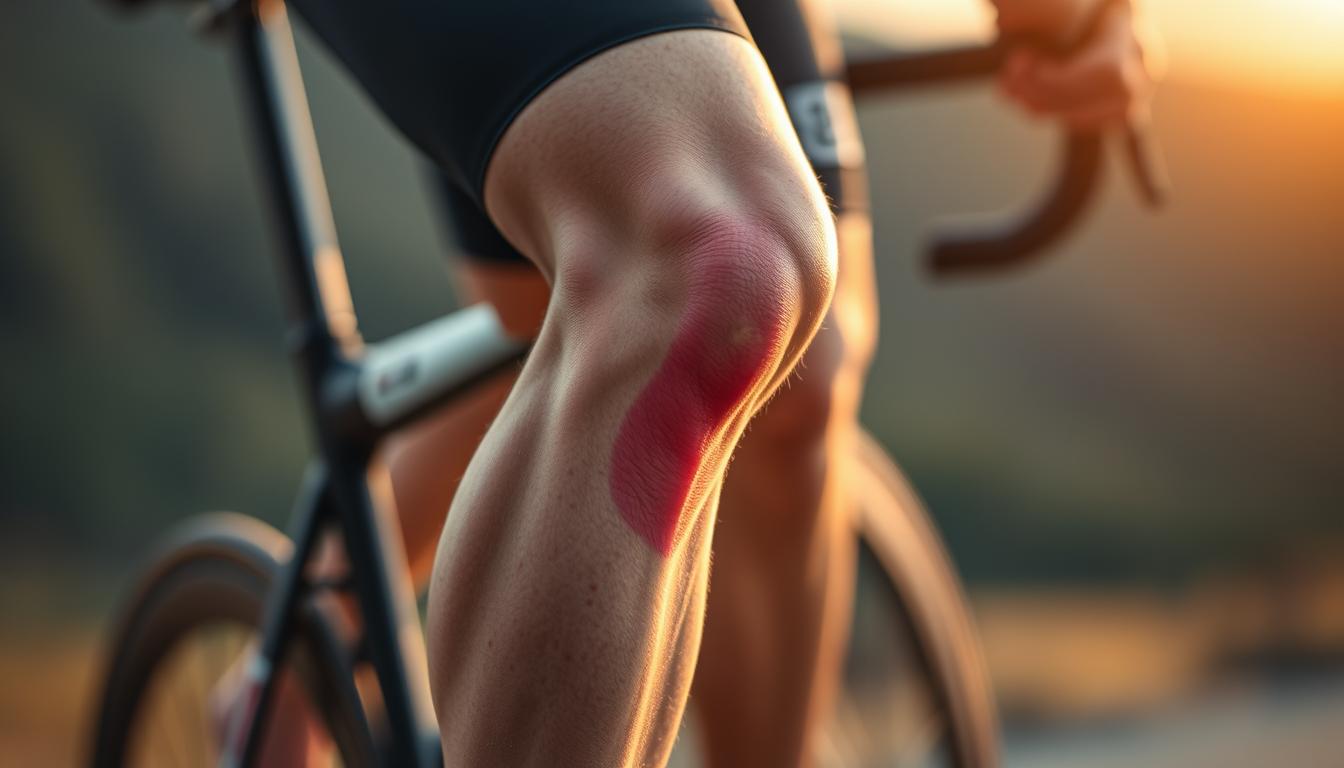
    “There’s nothing wrong with taking a nice warm bath,” Kristine said. “Just make sure the water temperature is not too hot, and be careful getting out of the tub to avoid a slip or fall.”

    Gentle exercises can help maintain knee mobility and strength without exacerbating symptoms. Simple interventions like straightening and bending the knee can be beneficial. We recommend consulting with a healthcare professional to develop a personalized exercise plan.

    Therapy Application Benefit
    Ice Therapy Apply ice pack for up to 20 minutes every 2-3 hours Reduces pain and inflammation
    Heat Therapy Apply heat before ice for contrast therapy Eases stiffness and promotes relaxation
    Warm Bath Soak in warm water, avoiding extreme temperatures Relaxes muscles and improves circulation

    When to Seek Medical Attention

    Navigating post-COVID knee joint pain requires an understanding of when medical intervention is necessary. While some cases may be managed with self-care, others may require professional care to prevent further complications.

    Warning Signs That Require Immediate Care

    Certain symptoms indicate a need for immediate medical attention. These include severe pain, swelling, or redness around the knee, difficulty walking, or a fever accompanying knee pain. If you experience any of these symptoms, seek medical help promptly.

    Finding the Right Healthcare Provider

    For effective management of post-COVID knee joint pain, finding the right healthcare provider is crucial. Your primary care physician is often the first point of contact and may refer you to a specialist, such as a rheumatologist or orthopedist, for targeted treatment. In some cases, a physical therapist may also be recommended to help improve knee function and reduce pain. As a patient, it’s essential to be prepared for your medical appointments by documenting your symptoms and any questions you have, ensuring you make the most of your visit.

    Specialist Role in Managing Post-COVID Knee Joint Pain
    Rheumatologist Diagnoses and treats musculoskeletal conditions, including those related to post-COVID knee pain.
    Orthopedist Specializes in surgical and non-surgical treatments for musculoskeletal disorders.
    Physical Therapist Helps improve knee function and reduce pain through targeted exercises and therapies.

    Long-term Outlook for Patients with Post-COVID Knee Joint Pain

    The long-term outlook for patients experiencing post-COVID knee joint pain is a critical aspect of their overall recovery journey. As we continue to understand the implications of COVID-19 on musculoskeletal health, it’s becoming clear that some patients may experience persistent knee pain and related issues.

    Recovery Timeline Expectations

    For many patients, the recovery timeline for post-COVID knee joint pain can vary significantly. While some may experience improvement within a few months, others may take longer to recover. Factors influencing recovery include the severity of COVID-19, pre-existing conditions, and the effectiveness of early intervention and management strategies. Generally, patients who receive timely and appropriate care tend to have better outcomes.

    Potential Complications and Chronic Issues

    Some patients may develop chronic issues, such as persistent inflammatory arthritis, which can require long-term management. In some cases, COVID-19 may trigger autoimmune conditions in genetically susceptible individuals, leading to ongoing knee joint pain and other musculoskeletal symptoms. For instance, arthritis can become a long-term complication, necessitating ongoing care and management. It’s essential for patients to work closely with their healthcare providers to monitor their condition and address any emerging complications. For more information on managing knee-related issues, patients can refer to resources such as understanding artificial knee replacement.

    In conclusion, while the long-term outlook for patients with post-COVID knee joint pain varies, early intervention and appropriate management can significantly improve outcomes and reduce the risk of long-term complications.

    Research Developments in Post-COVID Musculoskeletal Conditions

    As the world grapples with the long-term effects of COVID-19, research into post-COVID musculoskeletal conditions has gained momentum. The presence of various autoantibodies in individuals recovered from SARS-CoV-2 infection has been associated with persisting symptoms and residual inflammation, indicating a complex interplay between the immune system and musculoskeletal health.

    Current Studies on Joint Pain After COVID-19

    Current studies are investigating the prevalence and characteristics of joint pain in patients after COVID-19 infection. Research indicates that the long-lasting presence of autoantibodies might be linked to ongoing joint pain and inflammation. We are seeing a growing body of evidence that suggests a significant number of patients experience persistent joint pain following COVID-19.

    Study Focus Key Findings
    Prevalence of joint pain post-COVID-19 Significant correlation between COVID-19 severity and joint pain incidence
    Characteristics of joint pain Joint pain often associated with inflammation and autoantibody presence

    Emerging Treatments and Approaches

    Emerging treatments and approaches are being developed to address post-COVID joint pain. Researchers are exploring targeted immunotherapies to resolve persistent inflammation. Novel therapy protocols, including personalized medicine approaches, are being tailored to individual inflammatory profiles. We are also seeing the development of new physical therapy protocols designed specifically for post-COVID musculoskeletal recovery.

    These advancements offer promising avenues for managing post-COVID musculoskeletal conditions and improving the quality of life for affected patients. As research continues to evolve, we can expect to see more effective treatment strategies emerge.

    Moving Forward: Life After Post-COVID Knee Joint Pain

    With the right treatment and self-care strategies, many patients can expect to see significant improvement in their knee joint pain over time. As we’ve discussed in this article, understanding the causes and managing the symptoms are crucial steps towards recovery.

    Maintaining overall health through balanced nutrition, adequate sleep, stress management, and appropriate activity levels supports joint recovery and long-term health. It’s essential for patients to adapt their activity levels and expectations during recovery, gradually returning to normal function as part of the healing process.

    This article has provided comprehensive information on post-COVID knee joint pain, from understanding its causes to managing symptoms and looking toward recovery. As part of this process, recognizing the importance of ongoing research and patient advocacy in improving understanding and treatment of post-COVID musculoskeletal conditions is vital.

    By taking a proactive and informed approach, patients can navigate the challenges of post-COVID knee joint pain and work towards a healthier, more active life. This journey is an important part of the healing process, and with the right support and information, individuals can overcome the limitations imposed by post-COVID musculoskeletal issues.

    As we continue to learn more about post-COVID conditions, the insights gained from this article will remain a valuable resource for those affected, guiding them through the complexities of post-COVID health issues.

    FAQ

    What is the connection between COVID-19 and musculoskeletal issues?

    We know that SARS-CoV-2 can affect the musculoskeletal system, leading to conditions such as reactive arthritis and other inflammatory responses that may cause joint pain and inflammation.

    How long does it take to recover from post-COVID knee pain?

    The recovery time varies among individuals, but most people can expect to see improvement within several weeks to a few months after the initial onset of symptoms.

    Are there any pre-existing conditions that increase the risk of developing post-COVID knee pain?

    Yes, individuals with a history of arthritis, musculoskeletal disorders, or other chronic conditions may be more susceptible to developing post-COVID knee pain.

    What are the common symptoms of post-COVID knee pain?

    Common symptoms include pain, stiffness, limited mobility, and inflammation in the affected knee, which can be accompanied by fatigue and other systemic symptoms.

    Can post-COVID knee pain be managed with self-care strategies?

    Yes, we recommend a combination of rest, activity modification, and home remedies such as exercises and physical therapy to help manage post-COVID knee pain.

    When should I seek medical attention for post-COVID knee pain?

    If you experience severe pain, sudden onset of symptoms, or signs of infection, such as fever or redness, you should seek medical attention promptly.

    Are there any emerging treatments for post-COVID musculoskeletal conditions?

    Yes, ongoing research is exploring new approaches to managing post-COVID musculoskeletal conditions, including innovative therapies and medications.

  • Best shoes for knee arthritis in women

    Best shoes for knee arthritis in women

    For millions of people worldwide, knee pain is a debilitating condition that affects daily life. Whether you’re an athlete, a fitness enthusiast, or simply someone who spends a lot of time on their feet, the right shoes can make a significant difference in alleviating discomfort.

    We explore the critical connection between proper footwear and knee health, and how the right shoes can reduce pain and improve mobility for those suffering from knee arthritis.

    Finding the best shoes tailored to your specific needs can be challenging, but understanding what to look for can simplify the process.

    Key Takeaways

    • Understanding the link between footwear and knee health
    • Key features to look for in shoes to alleviate knee pain
    • Importance of proper fit and cushioning technology
    • How the right shoes can improve mobility for arthritis sufferers
    • Factors to consider when selecting the best shoes for knee arthritis

    Understanding the Connection Between Footwear and Knee Pain

    The shoes you wear can have a significant impact on your knee health and overall well-being. Proper footwear provides support and cushioning for your feet and legs, which can help distribute weight evenly and reduce stress on your knees.

    This reduces the risk of pain and injury. One key aspect of proper footwear is stability, which helps keep feet neutral and prevents excessive pronation or supination.

    How Improper Shoes Affect Your Knees

    Improper shoes can directly contribute to knee pain by failing to provide adequate support, cushioning, and alignment. Shoes with worn-out soles or inadequate arch support can cause misalignment that affects the knees.

    • Excessive pronation or supination can exacerbate arthritis symptoms.
    • Poor footwear choices can lead to increased stress on knee joints.

    The Impact of Arthritis on Knee Joints

    Arthritis affects the knee joint structure, causing cartilage breakdown, inflammation, and pain during weight-bearing activities. Proper footwear is essential for managing these symptoms.

    By understanding the connection between footwear and knee health, individuals can make informed choices to alleviate knee pain and improve their overall quality of life.

    Why Proper Footwear Matters for Arthritis Sufferers

    For individuals suffering from knee arthritis, the right footwear can make a significant difference in managing pain and improving mobility. Proper shoes can help alleviate some of the stress and discomfort associated with arthritic knee joints.

    Reducing Joint Stress Through Shoe Selection

    Shoes with adequate cushioning help absorb the shock that occurs with each step, reducing the impact on your knees. This is particularly important for individuals with arthritis knee pain, as the cushioning can help alleviate some of the pressure on the joints.

    Benefits of Supportive Shoes for Daily Activities

    Supportive shoes can significantly improve stability and balance, which is crucial for arthritis sufferers who may have altered gait patterns due to pain. By wearing the right shoes, women with knee arthritis can experience increased mobility and independence, making daily activities less painful.

    Research has shown that appropriate footwear can reduce osteoarthritis symptoms and potentially slow disease progression by minimizing joint stress. The table below highlights the key benefits of proper footwear for arthritis sufferers.

    Feature Benefit
    Cushioning Reduces impact on knees
    Supportive Design Improves stability and balance
    Proper Fit Reduces pressure on joints

    A well-lit, close-up product shot of several different types of supportive, cushioned shoes designed for women with knee arthritis. The shoes are placed on a clean, light-colored surface, allowing the details and materials to be clearly visible. The lighting accentuates the contours and textures of the footwear, showcasing features like extra padding, arch support, and flexible soles. The image has a clean, minimalist aesthetic, with a focus on the shoes themselves to highlight their orthopedic and therapeutic qualities for knee joint pain relief.

    Key Features to Look for in Knee-Friendly Shoes

    Knee-friendly shoes are designed with particular features that help reduce knee pain; understanding these features is vital. When it comes to managing knee arthritis, the right footwear can play a significant role in alleviating discomfort.

    Cushioning and Shock Absorption

    Adequate cushioning is crucial for absorbing shock and reducing the impact on the knees. Different midsole materials like EVA foam, gel inserts, and air pockets vary in their effectiveness for arthritis sufferers. These materials help in providing the best shock absorption for knee pain relief.

    Stability and Support Features

    Stability features such as medial posts, guide rails, and structured heel counters help maintain proper foot alignment. This prevents excessive pronation or supination, which can exacerbate knee pain. Proper arch support is also essential in maintaining foot alignment and reducing strain on the knee joint.

    Proper Fit and Toe Box Width

    A proper fit and adequate toe box width allow for natural foot movement. This prevents compensatory gait patterns that can worsen knee pain. Ensuring a comfortable fit is crucial for overall knee health.

    Common Shoe Mistakes That Worsen Knee Arthritis

    Many individuals unintentionally exacerbate their knee arthritis by making simple shoe-related mistakes. The shoes we wear play a significant role in our overall knee health, and certain choices can either alleviate or aggravate knee pain.

    Wearing the right shoes is crucial for managing knee arthritis. Unfortunately, many people make mistakes that can worsen their condition. Let’s examine some of these common errors.

    Wearing Shoes with Worn-Out Soles

    Shoes with worn-out soles lack adequate cushioning and shock absorption, leading to increased stress on the knees. Over time, the soles of our shoes wear down, reducing their ability to absorb shock. Typically, shoes should be replaced every 300-500 miles or 6-12 months, depending on usage.

    Choosing Shoes Without Proper Arch Support

    Shoes that lack proper arch support can cause the feet to become misaligned, leading to body imbalances and additional stress on the knee joints. Proper arch support is essential for maintaining alignment and reducing knee pain.

    Selecting Ill-Fitting Footwear

    Ill-fitting shoes, whether too tight, too loose, or of improper width, can force the foot and leg to compensate with unnatural movements. This can exacerbate arthritis symptoms and lead to increased knee pain.

    By avoiding these common shoe mistakes, individuals with knee arthritis can take a significant step towards managing their condition and reducing knee pain.

    10 Best Shoes for Knee Arthritis in Women

    When it comes to managing knee arthritis, the right shoes can make all the difference. Our selection of the best footwear is based on a comprehensive evaluation that considers various factors crucial for alleviating knee pain.

    How We Selected These Shoes

    We chose shoes that fit a wide range of foot sizes, including narrow, wide, and extra-wide feet. Our selections are based on podiatrist recommendations, customer reviews, and brand reputation for producing supportive footwear that addresses knee pain.

    Our Evaluation Criteria

    Our evaluation criteria included assessing the quality of cushioning, stability features, arch support, durability, weight, flexibility, and overall value for money. We considered different activity levels and lifestyle needs to ensure our recommendations cater to various requirements, from daily walking to fitness activities. This approach allowed us to identify the best shoes that not only alleviate knee arthritis discomfort but also suit different budgets.

    Hoka Bondi 8: Maximum Cushioning for Arthritic Knees

    Generate an image of a woman wearing Hoka Bondi 8 shoes, with a subtle background that highlights the shoe's cushioning feature.

    Buy Now

    The Hoka Bondi 8 stands out for its ultra-resistant, plush cushioning foam, making it an ideal choice for women with severe knee arthritis. This shoe is designed to provide maximum comfort and support, reducing the impact on the knees.

    Key Features and Benefits

    The Hoka Bondi 8 features ultra-resistant, plush cushioning foam that is both soft and bouncy, effectively reducing the shock from the foot hitting the ground. The memory foam collar cradles the ankle, providing additional support and comfort. Furthermore, the rear crash pad helps in transitioning the force from the heel to the forefront of the toe, ensuring a smooth stride.

    Pros and Cons

    The Hoka Bondi 8 offers several benefits, including exceptional cushioning and stability, making it suitable for women with knee arthritis. It also has the APMA Seal of Acceptance, validating its benefits for foot health. However, it comes with a higher price point and may have a bulkier appearance. Some users might also experience a potential break-in period.

    Who Should Choose This Shoe

    This shoe is particularly beneficial for women with moderate to severe knee pain who prioritize maximum cushioning over weight and sleek design. It’s ideal for those seeking shock absorption and support for their knees.

    New Balance Fresh Foam X 1080v14: Superior Support and Comfort

    Generate an image of the New Balance Fresh Foam X 1080v14 women's shoes for knee pain.

    Learn More

    The New Balance Fresh Foam X 1080v14 is a top contender for women seeking relief from knee pain through superior cushioning and support. This shoe is designed for everyday running, whether on roads or trails, and its flexible sole provides softer support and extra flexibility, making it more comfortable for those who find stiffer shoes painful.

    Key Features and Benefits

    The New Balance Fresh Foam X 1080v14 features a pinnacle underfoot cushioning system and strategic midsole mapping. This design places increased foam in the wider areas of the midsole and enhanced flexibility in narrower points, optimizing comfort and support. As a result, women with knee arthritis can enjoy a more stable and cushioned ride.

    Pros and Cons

    The benefits of the New Balance Fresh Foam X 1080v14 include its superior cushioning, excellent flexibility, and availability in multiple widths. However, some users may be deterred by the higher price point and potential durability concerns associated with softer materials.

    Who Should Choose This Shoe

    This shoe is ideal for women who need a balance of cushioning and flexibility for everyday activities and light exercise. If you’re looking for a shoe that provides support and comfort for arthritic knees, the New Balance Fresh Foam X 1080v14 is worth considering. For more options, you can explore our guide on the best walking shoes for knee pain.

    Brooks Adrenaline GTS 23: Stability for Overpronators

    Generate an image of a woman wearing Brooks Adrenaline GTS 23 shoes, engaging in a physical activity like running or walking.

    Learn More

    For women suffering from knee arthritis and overpronation, the Brooks Adrenaline GTS 23 offers a compelling solution with its advanced stability features. This shoe is designed to provide support and comfort, making it ideal for both walking and running activities.

    Key Features and Benefits

    The Brooks Adrenaline GTS 23 features a GuideRails® support system that helps keep excess movement in check, reducing stress on the knees by maintaining proper foot alignment throughout the gait cycle. Additionally, it boasts balanced cushioning technology that provides comfort without sacrificing stability.

    Pros and Cons

    The shoe’s excellent stability and good cushioning make it a great choice for overpronators with knee arthritis. However, it may feel firmer than max-cushioned shoes, and its motion control features might be too controlling for those with neutral feet.

    Who Should Choose This Shoe

    This model is particularly beneficial for women with knee arthritis who need motion control features to correct overpronation while maintaining comfort for arthritic knees. If you’re an overpronator seeking a reliable running shoe that offers both support and stability, the Brooks Adrenaline GTS 23 is an excellent choice.

    Asics Gel-Kayano 31: Structured Support for Daily Wear

    Generate an image of a woman wearing Asics Gel-Kayano 31 shoes, engaging in a daily activity like walking or jogging.

    Learn More

    With its emphasis on support and stability, the Asics Gel-Kayano 31 is a top contender for women with knee arthritis looking for reliable daily wear. This shoe is designed to provide excellent support and cushioning, making it ideal for various daily activities.

    Key Features and Benefits

    The Asics Gel-Kayano 31 features a proprietary GEL® technology cushioning system that effectively absorbs shock during impact and toe-off phases, reducing stress on arthritic knee joints. Additionally, the Dynamic DuoMax® Support System enhances stability and support without adding significant weight to the shoe.

    Pros and Cons

    The benefits of the Asics Gel-Kayano 31 include its excellent support, proven GEL cushioning technology, and durable construction. However, it comes with a higher price point and may be too structured for some users.

    Who Should Choose This Shoe

    This model is particularly suited for women with knee arthritis who need reliable daily support for various activities and have moderate pronation issues. The Asics Gel-Kayano 31 is ideal for those prioritizing support and stability in their footwear.

    Skechers Max Cushioning Elite 2.0: Budget-Friendly Option

    Image of Skechers Max Cushioning Elite 2.0 women's shoes

    Buy Now

    With its focus on cushioning and comfort, the Skechers Max Cushioning Elite 2.0 is a great option for women with knee arthritis looking for a budget-friendly shoe. This laceless, slip-on design is particularly beneficial for individuals who struggle with tying laces due to limited mobility.

    Key Features and Benefits

    The Skechers Max Cushioning Elite 2.0 features responsive 5GEN cushioning and a high rebound cushioned insole, designed to absorb impact and reduce knee pain during walking. The outsole offers flexible traction, making it easier to navigate slippery areas. Additionally, the breathable mesh upper helps reduce sweating and swelling.

    Pros and Cons

    The advantages of the Skechers Max Cushioning Elite 2.0 include its affordable price, excellent cushioning, and convenient slip-on design. However, it may lack the structured support found in some premium models, and there are potential concerns regarding its durability.

    Who Should Choose This Shoe

    This shoe is ideal for women with knee arthritis who are on a budget but still require significant cushioning and prefer the convenience of a slip-on design. It’s particularly suitable for walking and everyday activities.

    Vionic Slip-On Shoes: Orthotic Support for Everyday Use

    Generate an image of Vionic Slip-On Shoes for women with knee arthritis.

    Learn More

    Vionic Slip-On Shoes offer orthotic support for everyday use, making them an excellent choice for women with knee arthritis. These shoes are designed with Vio-Motion technology, which hugs the arches and provides more structured support, helping to maintain proper foot alignment and reduce stress on the knees.

    Key Features and Benefits

    The built-in orthotic in Vionic Slip-On Shoes may help reduce pain from plantar fasciitis, a condition that often co-occurs with knee problems. These shoes come in a wide range of colors and textures, including leather, suede, and textile, offering both style and comfort. The company recommends wearing these shoes for a couple of hours a day until you become accustomed to the more supportive feel.

    Pros and Cons

    The advantages of Vionic Slip-On Shoes include excellent arch support, stylish designs, and a variety of materials. However, some users may require an adjustment period, and the shoes might have less cushioning compared to running shoes.

    Who Should Choose This Shoe

    Vionic Slip-On Shoes are ideal for women with knee arthritis who need orthotic support in a stylish, everyday shoe rather than an athletic design. They are perfect for daily activities and offer a comfortable, supportive solution for those seeking relief from knee pain.

    Nike Invincible 3: Responsive Cushioning for Active Women

    Generate an image of Nike Invincible 3 women's shoes for knee support

    Learn More

    For women with knee arthritis who remain active, the Nike Invincible 3 offers a compelling combination of cushioning and performance. This shoe is designed to provide responsive cushioning that absorbs impact and returns energy, making it ideal for various activities.

    Key Features and Benefits

    The Nike Invincible 3 features ZoomX foam cushioning that not only absorbs the impact of the foot hitting the ground but also provides energy return. This helps in reducing fatigue and joint stress during active pursuits. Additionally, the shoe’s rubber waffle outsole provides excellent traction and stability without adding excessive weight.

    Pros and Cons

    The Nike Invincible 3 has several advantages, including exceptional responsive cushioning and energy return, making it versatile for various activities. However, it also has some drawbacks, such as a higher price point and potentially being too soft for those needing maximum stability.

    Who Should Choose This Shoe

    This shoe is particularly beneficial for more active women who need impact protection but still want energy return and responsiveness in their footwear. Women who engage in regular running or high-impact activities will find the Nike Invincible 3 to be an excellent choice.

    Altra Experience Wild Trail: Supportive Option for Outdoor Activities

    Generate an image of Altra Experience Wild Trail women's shoes for knee arthritis

    Learn More

    Altra’s Experience Wild Trail offers a unique blend of cushioning and natural foot positioning, making it ideal for women with knee arthritis.

    Key Features and Benefits

    The Altra Experience Wild Trail features a balanced cushioning platform that encourages proper alignment and reduces impact on the knees. Its FootShape™ toe box allows toes to spread naturally, enhancing stability and comfort on uneven terrain.

    Pros and Cons

    The shoe offers excellent traction and good cushioning for trails, making it perfect for outdoor activities. However, the zero-drop platform may require an adjustment period, and the fit is wider than some brands.

    Who Should Choose This Shoe

    Women with knee arthritis who enjoy hiking and outdoor activities will benefit from the Altra Experience Wild Trail. It’s particularly suitable for those needing protection on uneven terrain.

    Tips for Transitioning to New Supportive Footwear

    The key to alleviating knee pain lies not just in choosing the right shoes, but also in adapting to them gradually. When transitioning to new supportive footwear, it’s essential to start slowly. We recommend wearing these shoes for a couple of hours a day until you become accustomed to the more supportive feel.

    This gradual adjustment period allows your feet and knees to adapt to the different support patterns and cushioning levels. The break-in period may vary depending on the type of shoe, with highly cushioned running shoes potentially requiring a shorter adjustment time compared to more structured orthotic designs.

    During this transition, you may experience temporary soreness or changes in your gait. It’s crucial to distinguish between normal adjustment discomfort and signs that a shoe isn’t right for you. To maintain the knee-protecting properties of your supportive footwear, replace them every 300-500 miles or 6-12 months, depending on usage, and assess their condition regularly.

    By following these guidelines and being mindful of your body’s response, you can enjoy the benefits of your new shoes while minimizing potential discomfort.

    FAQ

    What type of shoes are best for alleviating knee pain caused by osteoarthritis?

    We recommend shoes with extra cushioning and shock absorption features, such as the Hoka Bondi 8, to help reduce the impact on knee joints.

    How do I know if my shoes are contributing to my knee pain?

    If your shoes lack proper arch support or have worn-out soles, they may be exacerbating your knee pain. Look for shoes with stability features and a comfortable fit.

    Can running shoes help with knee arthritis?

    Yes, some running shoes, such as the Brooks Adrenaline GTS 23, are designed to provide superior support and cushioning, which can help alleviate knee pain caused by arthritis.

    What is the importance of ankle support in shoes for knee arthritis?

    Ankle support can help stabilize the foot and reduce stress on the knee joint. Shoes with good ankle support, such as the Asics Gel-Kayano 31, can be beneficial for individuals with knee arthritis.

    How often should I replace my shoes to maintain optimal support and cushioning?

    We recommend replacing your shoes every 300-500 miles or every 3-6 months, depending on your activity level and wear. Worn-out shoes can lead to reduced support and increased stress on your knee joints.

    Can orthotics be used in conjunction with supportive shoes?

    Yes, orthotics can be used with supportive shoes to provide additional comfort and support. Some shoes, such as the Vionic Slip-On Shoes, are designed to accommodate orthotics.

    Are there any specific features I should look for in shoes to help alleviate knee pain?

    We recommend looking for shoes with cushioning, shock absorption, stability features, and a comfortable fit. These features can help reduce stress on the knee joint and alleviate pain.

  • Vegan diet for knee joint health

    Vegan diet for knee joint health

    Can a change in diet really alleviate knee pain and improve overall joint health?

    Strong and healthy bones are crucial for our overall well-being and quality of life. Building solid bones starts with making the right dietary choices. Choosing foods that build bone density, strengthen connective tissue, and reduce inflammation can help prevent injuries and preserve our joints for a long, active life.

    Research supports the connection between a plant-based diet and reduced inflammation, which is a key factor in conditions like arthritis. By focusing on specific plant foods, we can address the root causes of knee pain and improve our overall health.

    Key Takeaways

    • A well-planned vegan diet can significantly improve knee joint health.
    • Certain plant foods have anti-inflammatory properties that can reduce pain.
    • A vegan diet can help maintain healthy cartilage and joint function.
    • Traditional Western diets may contribute to joint deterioration.
    • Incorporating specific vegan food groups can provide essential nutrients for joint health.

    The Connection Between Diet and Knee Joint Health

    Understanding how diet influences knee joint health is crucial for maintaining overall well-being. The food we eat plays a significant role in either promoting or reducing inflammation in our body, which directly affects our joints.

    Our diet is not just about managing weight or providing energy; it’s also about supplying the necessary nutrients for maintaining healthy joints. Nutrition is key to supporting the health of our knee joints, and a well-balanced diet can help prevent or alleviate joint-related issues.

    How Food Affects Joint Inflammation

    The foods we consume can either exacerbate or reduce inflammation in our joints. Green and leafy vegetables, for instance, are known to block an enzyme that causes joint swelling. They are also rich in fiber, vitamins, and nutrients that contribute to overall health and well-being. On the other hand, certain foods can trigger or increase inflammation, potentially leading to discomfort and pain in the knee joints.

    By making informed dietary choices, we can significantly influence the level of inflammation in our bodies. Incorporating anti-inflammatory foods into our diet is a proactive step towards maintaining healthy knee joints.

    The Role of Nutrition in Cartilage Health

    Cartilage health is vital for smooth joint movement and preventing conditions like osteoarthritis. Nutrition plays a critical role in maintaining healthy cartilage tissue in the knee joints. Unlike most body tissues, cartilage lacks a direct blood supply and relies on the diffusion of nutrients from the surrounding joint fluid.

    Essential nutrients, including antioxidants, vitamins, minerals, and specific amino acids found in plant foods, support cartilage synthesis and repair. A diet rich in these nutrients can help slow down cartilage degradation and potentially support the regeneration of damaged tissue.

    Understanding Osteoarthritis and Knee Pain

    Osteoarthritis of the knee is characterized by cartilage loss and joint inflammation, leading to pain and stiffness. This condition can result from a combination of factors, including age, genetics, and lifestyle choices.

    Common Causes of Knee Joint Deterioration

    A variety of causes, including hereditary, developmental, metabolic, and mechanical etiologies, may initiate the process of cartilage loss. As cartilage thins, bony surfaces become less well-protected, and bone may be exposed or damaged. Regional muscles may experience atrophy, and ligaments become more lax due to decreased movement secondary to pain.

    Cause Description Effect on Knee Joint
    Hereditary Factors Genetic predisposition to osteoarthritis Increased risk of cartilage loss
    Developmental Factors Abnormal joint development Poor joint alignment, increased wear
    Metabolic Factors Conditions like diabetes, obesity Increased inflammation, cartilage degradation

    How Diet Can Influence Symptoms

    Diet plays a significant role in managing osteoarthritis symptoms. Certain foods can trigger inflammation, exacerbating pain and stiffness, while others have anti-inflammatory properties that can alleviate symptoms. A diet rich in fruits, vegetables, and whole grains can help reduce inflammation and promote overall joint health.

    By understanding the causes of knee joint deterioration and the impact of diet on osteoarthritis symptoms, individuals can make informed choices to manage their condition effectively.

    Benefits of a Plant-Based Approach for Joints

    Research has highlighted the potential of a vegan diet to alleviate joint pain and inflammation. A plant-based approach focuses on consuming foods that are rich in nutrients and antioxidants, which can help reduce inflammation and promote overall joint health.

    Anti-Inflammatory Properties of Vegan Foods

    Vegan foods are rich in anti-inflammatory compounds that can help reduce joint inflammation. Foods such as leafy greens, fruits, and nuts are packed with antioxidants and polyphenols that have been shown to have anti-inflammatory effects. By incorporating these foods into your diet, you can potentially reduce the inflammation that contributes to joint pain and discomfort.

    Research on Vegan Diets and Arthritis Relief

    Several studies have investigated the effects of a vegan diet on arthritis symptoms. One study found that a gluten-free, whole-food plant-based diet improved measurements of swollen joints, pain, and functional status in patients with rheumatoid arthritis. Another study demonstrated that a vegan diet can lead to significant improvements in pain and functionality in patients with arthritis. These findings suggest that a well-planned diet can be an effective adjunct to traditional treatments for arthritis.

    By understanding the benefits of a plant-based approach for joints, individuals can make informed decisions about their diet and potentially alleviate joint pain and inflammation.

    How a Vegan Diet Reduces Inflammation

    The anti-inflammatory effects of a vegan diet are attributed to its rich composition of fruits, vegetables, and other nutrient-dense foods. By eliminating certain pro-inflammatory foods and increasing the intake of antioxidants, a vegan diet can significantly impact overall health, particularly in reducing inflammation.

    Eliminating Pro-Inflammatory Animal Products

    A key aspect of reducing inflammation through a vegan diet is the elimination of animal products that can trigger or exacerbate inflammatory responses in the body. By removing these pro-inflammatory foods, individuals can potentially lower their overall inflammation levels.

    Increasing Antioxidant Intake

    A vegan diet naturally promotes a high intake of antioxidants, which play a crucial role in combating oxidative stress and inflammation. Foods rich in antioxidants, such as various fruits and vegetables, help neutralize free radicals that can cause joint damage and other health issues.

    Some of the most antioxidant-rich foods include:

    Food Antioxidant Content Benefit
    Blueberries High in Anthocyanins Reduces inflammatory responses
    Citrus Fruits Rich in Vitamin C Boosts immune system and collagen production
    Leafy Greens Packed with Various Phytonutrients Supports overall health and reduces oxidative stress

    5. Vegan Diet for Knee Joint Health: Key Foods

    The vegan diet has emerged as a powerful tool in promoting knee joint health and reducing inflammation. A well-planned vegan diet can provide all the necessary nutrients for optimal joint health.

    The Ideal Nutritional Profile for Joint Support

    A vegan diet rich in essential nutrients is vital for supporting knee joint health. Calcium-rich foods such as fortified plant-based milk, tofu, almonds, and leafy vegetables are crucial for maintaining strong bones. We should also focus on consuming foods high in antioxidants and omega-3 fatty acids to reduce inflammation.

    Nutrient Vegan Food Sources Benefit to Joints
    Calcium Fortified plant milk, tofu, almonds, leafy greens Supports bone health
    Omega-3 Chia seeds, flaxseeds, walnuts Reduces inflammation
    Antioxidants Berries, leafy greens, other fruits and vegetables Protects against oxidative stress

    Creating a Balanced Approach

    To create a balanced vegan diet, we need to ensure variety in our plant food choices. This includes consuming a range of fruits, vegetables, whole grains, and legumes. It’s also important to address potential nutritional concerns such as vitamin B12, vitamin D, and omega-3 deficiencies. Proper hydration is equally essential, as it supports synovial fluid production and overall joint function.

    By focusing on nutrient-dense foods and maintaining a healthy weight, we can optimize our diet for knee joint health. A balanced vegan diet not only supports joint health but also contributes to overall well-being.

    A delectable array of vibrant vegan foods arranged on a rustic wooden table, bathed in warm, natural lighting. In the foreground, an assortment of leafy greens, including kale, spinach, and collard greens, known for their anti-inflammatory properties. Alongside, a selection of colorful fruits such as blueberries, strawberries, and oranges, rich in antioxidants and vitamins that support joint health. In the middle ground, a variety of nuts and seeds, including almonds, walnuts, and chia seeds, providing essential fatty acids and minerals. In the background, a mix of hearty whole grains, such as quinoa and brown rice, complementing the scene with their earthy tones. The overall composition conveys a sense of balance, nourishment, and a commitment to a vegan lifestyle that promotes healthy, strong knees.

    Green Leafy Vegetables for Knee Health

    Green leafy vegetables are rich in vitamins and minerals that are essential for knee health. These vegetables are not just beneficial for overall health; they specifically support the structures around the knee joint.

    Spinach, Kale, and Collard Greens

    Spinach, kale, and collard greens are among the top leafy greens that contribute to knee health. They are rich in vitamin K and calcium, two nutrients that are crucial for bone health. As we explore the benefits of these greens, it becomes clear that they play a significant role in maintaining healthy joints.

    How Vitamin K and Calcium Support Joints

    Vitamin K and calcium are fundamental to bone health. Vitamin K regulates calcium deposition, ensuring it’s used in bone formation rather than being deposited in soft tissues. As noted by health experts, “Vitamin K helps activate proteins that work with calcium to help bone formation.”

    “Vitamin K is a critical nutrient for bone health, working synergistically with calcium.”

    Calcium is not only vital for bone health but also plays a role in muscle contraction and nerve signaling, affecting joint movement and stability. By consuming leafy greens, we can effectively meet our calcium needs without relying on dairy products.

    Nuts and Seeds for Joint Protection

    Incorporating nuts and seeds into your vegan diet can be a powerful way to support joint health. These foods are rich in nutrients and compounds that help reduce inflammation and promote overall well-being.

    Almonds, Chia Seeds, and Flaxseeds

    Almonds, chia seeds, and flaxseeds are particularly beneficial for joint health. Almonds are rich in vitamin E, which acts as an antioxidant to protect cells from damage. Chia seeds and flaxseeds are excellent sources of omega-3 fatty acids, specifically alpha-linolenic acid (ALA), which has been shown to reduce inflammation and support joint health.

    Omega-3 Fatty Acids and Joint Inflammation

    Omega-3 fatty acids play a crucial role in managing inflammation, a key factor in joint pain and deterioration. While certain types of fish are rich in omega-3s, a vegan diet can obtain these beneficial fatty acids from plant-based sources like chia seeds and flaxseeds. Research has shown that omega-3s can help reduce the levels of proteins that cause inflammation, thereby alleviating joint pain and swelling.

    Understanding the difference between plant-based ALA and fish-derived EPA and DHA is essential. The body can convert ALA into EPA and DHA, although at a limited rate. Maintaining an optimal ratio of omega-3 to omega-6 fatty acids is crucial for controlling inflammation. A well-planned vegan diet can achieve this balance by emphasizing whole food sources rich in ALA and being mindful of omega-6 intake.

    Whole Grains and Their Role in Joint Health

    Incorporating whole grains into our diet can have a significant impact on knee joint health. Whole grains are rich in nutrients, fiber, and antioxidants that contribute to overall health, including the health of our joints.

    Nutritional Benefits of Brown Rice, Quinoa, and Whole Wheat

    Foods like brown rice, quinoa, and whole wheat are excellent sources of dietary fiber and essential nutrients. Brown rice is rich in manganese, a mineral that plays a role in enzyme systems involved in antioxidant defenses. Quinoa is a complete protein, meaning it contains all nine essential amino acids necessary for overall health. Whole wheat is high in fiber, which helps in maintaining a healthy digestive system.

    Fiber’s Effect on Inflammation

    The fiber in whole grains has a profound effect on inflammation in the body. Soluble fiber is fermented by gut bacteria to produce short-chain fatty acids, which have anti-inflammatory properties. A high-fiber diet supports a healthy gut microbiome, crucial for regulating immune responses and systemic inflammation. This can lead to reduced inflammation in the knee joints, improving overall joint health.

    Fruits and Berries for Cartilage Protection

    Fruits and berries are not just delicious; they are also packed with nutrients that are crucial for cartilage protection. A well-balanced diet that includes a variety of these foods can provide essential vitamins and antioxidants that support joint health.

    Antioxidant-Rich Fruits for Cartilage Health

    Berries, citrus fruits, and other antioxidant-rich fruits are particularly beneficial for cartilage health. Berries such as strawberries, blueberries, and raspberries are rich in vitamin C and antioxidants, which help protect cartilage cells from damage. Citrus fruits like oranges and grapefruits are also high in vitamin C, which plays a crucial role in collagen production and maintenance.

    The Role of Vitamin C in Collagen Production

    Vitamin C is essential for the production of collagen, a protein that gives structure to cartilage tissue. Research has shown that vitamin C can help prevent osteoporosis and support bone health. By consuming foods rich in vitamin C, such as peppers, oranges, and leafy greens, individuals can support their body’s natural collagen production, which is vital for maintaining healthy cartilage.

    Fruit/Berry Vitamin C Content Antioxidant Properties
    Oranges High Moderate
    Strawberries Moderate High
    Blueberries Low High

    Legumes as Protein Sources for Joint Health

    When it comes to supporting joint health on a vegan diet, legumes are an excellent protein source. Protein is essential for maintaining healthy bones, muscles, and other tissues, and it plays a crucial role in calcium absorption.

    Beans, Lentils, and Chickpeas

    Beans, lentils, and chickpeas are rich in protein and offer numerous benefits for knee joint health. These legumes are packed with antioxidants, fiber, and phytonutrients that help reduce inflammation and promote overall well-being. Incorporating a variety of legumes into your diet can provide the necessary building blocks for joint tissue maintenance and repair.

    Plant Protein vs. Animal Protein for Joints

    Research suggests that plant-based proteins may have a more positive effect on joint health compared to animal-based proteins. Animal proteins can increase acid load in the body, potentially leading to calcium leaching from bones and affecting joint structures. In contrast, plant proteins like those found in legumes come with additional beneficial compounds that help reduce inflammation and promote joint health.

    By choosing plant-based protein sources, individuals can effectively meet their protein needs while supporting their knee joint health. A well-planned vegan diet that includes a variety of legumes can provide all the necessary protein for optimal joint function.

    Additional Vegan Foods That Support Knee Health

    Beyond the basics, several other vegan foods can contribute to healthier knees. A well-rounded vegan diet that includes a variety of whole foods can provide the necessary nutrients to support knee health.

    Turmeric, Ginger, and Other Anti-Inflammatory Spices

    Turmeric and ginger are renowned for their anti-inflammatory properties. Turmeric contains curcumin, a compound that has potent anti-inflammatory and antioxidant effects. Incorporating these spices into your meals can help reduce inflammation and support knee health.

    Olive Oil and Healthy Fats

    Olive oil, particularly extra virgin olive oil, is rich in healthy fats and contains oleocanthal, a natural anti-inflammatory agent. Replacing other oils with olive oil can help reduce inflammation. Other sources of healthy fats include avocados, nuts, and seeds, which complement olive oil‘s benefits for joint health.

    Food Benefit
    Turmeric Anti-inflammatory properties
    Ginger Reduces inflammation
    Olive Oil Rich in healthy fats and oleocanthal
    Avocados Source of healthy fats

    Foods to Avoid for Better Knee Health

    To maximize the benefits of avegandiet for knee health, it’s crucial to identify and avoid potentially inflammatory foods. While a well-planned vegan diet can help alleviate knee pain, certain foods can still causeinflammationand hinder progress.

    Processed Foods and Refined Carbohydrates

    Processed foods and refined carbohydrates can be detrimental to knee health. These foods often contain advanced glycation end (AGE) products, which can stimulate inflammation. Examples include packaged snack foods, sugary drinks, and refined grains. Consuming high amounts of these foods can lead to increasedinflammationand worsen knee health.

    Hidden Sources of Inflammation in Vegan Diets

    Even within a vegan diet, there aresourcesof inflammation to be aware of. Certain plant oils high in omega-6 fatty acids, such as corn and sunflower oils, can promote inflammation when consumed in excess relative to omega-3s. Additionally, highly processed vegan foods like meat alternatives and vegan cheeses may contain inflammatory additives and excess sodium.

    Foods to Limit Potential Inflammatory Effects
    Corn oil, sunflower oil High in omega-6 fatty acids, promoting inflammation
    Processed vegan foods (meat alternatives, vegan cheeses) May contain inflammatory additives and excess sodium
    Refined carbohydrates Can lead to increased inflammation and worsen knee health

    By being mindful of these potentialhealthrisks and focusing on whole, minimally processed foods, individuals can create an anti-inflammatoryvegan dietthat supports knee health and reduces the risk of chronic diseases.

    Creating a Complete Vegan Meal Plan for Knee Health

    To maximize the benefits of a vegan diet for knee health, it’s essential to create a balanced and nutritious meal plan. A well-planned vegan diet can provide all the necessary nutrients for optimal joint health.

    Sample Daily Menu

    A sample daily menu for knee health on a vegan diet might include a variety of whole foods. For breakfast, consider oatmeal with almond milk, berries, and walnuts. Lunch could be a quinoa salad with roasted vegetables, chickpeas, and a citrus vinaigrette. Dinner might feature lentil soup with whole grain bread and a side salad with olive oil and vinegar dressing.

    Ensuring Adequate Nutrition

    Ensuring adequate nutrition on a vegan diet requires attention to key nutrients. The American Dietetic Association recognizes well-planned vegan diets as nutritionally adequate. To meet nutritional needs, include a variety of foods rich in vitamin B12, vitamin D, calcium, iron, zinc, and omega-3 fatty acids. Consider the following table to ensure you’re getting the necessary nutrients:

    Nutrient Vegan Food Sources
    Vitamin B12 Fortified plant milk, nutritional yeast
    Vitamin D Fortified plant milk, sunlight exposure
    Calcium Leafy greens, fortified plant milk, tofu

    By incorporating these foods and being mindful of nutritional intake, individuals can maintain a healthy and balanced vegan diet that supports knee health.

    Implementing a Vegan Diet for Long-Term Joint Health

    Transitioning to a vegan diet can be a highly effective strategy for managing joint health and reducing the risk of further deterioration. A key aspect of this transition is understanding the importance of maintaining a healthy weight, as excess weight puts additional strain on the joints, leading to more pain, inflammation, and swelling.

    Research has shown that individuals with osteoarthritis who are overweight and lose 10 percent or more of their weight experience improvements in pain and function, especially when combined with physical activity. A vegan diet can facilitate this weight loss due to its high fiber and low saturated fat content.

    To successfully implement and maintain a vegan diet for knee joint health, it’s crucial to address common challenges such as social situations and travel. Gradual implementation is also recommended for some individuals, allowing for a step-by-step approach that increases the chances of long-term success.

    Other lifestyle factors, including exercise, sleep, and stress management, complement dietary changes and have a positive impact on joint health. Consistent adherence to an anti-inflammatory vegan diet can lead to compounding benefits, including potential improvements beyond joint health.

    Benefits Description
    Weight Loss Aiding in reducing strain on joints
    Reduced Inflammation Minimizing pain and swelling
    Improved Overall Health Enhancing general well-being beyond joint health

    By adopting a well-planned vegan diet and incorporating other healthy lifestyle choices, individuals can significantly improve their joint health and overall quality of life.

    Conclusion: Embracing Plant Power for Knee Pain Relief

    As we conclude our exploration of the vegan diet’s impact on knee joint health, it’s clear that plant-based eating offers significant benefits for pain relief and overall well-being.

    The key to harnessing these benefits lies in understanding the role of different food groups. We’ve highlighted the importance of green leafy vegetables, nuts and seeds, whole grains, fruits and berries, and legumes in supporting knee health. Each of these groups contributes unique nutrients and anti-inflammatory compounds that work synergistically to reduce pain and improve joint function.

    Research supports the efficacy of a vegan diet in managing arthritis and knee pain. A recent study demonstrated that a whole-foods, plant-based diet significantly improves self-assessed measures of functional status among osteoarthritis patients. This evidence underscores the potential for dietary intervention to empower individuals to take control of their joint health beyond conventional medical treatments.

    By choosing a vegan lifestyle, you’re not just adopting a diet; you’re embracing a comprehensive approach to health that can lead to significant improvements in knee pain relief and overall quality of life. We encourage you to begin your journey towards a plant-based lifestyle and experience the benefits for yourself, leveraging the power of foods that support knee health.

    FAQ

    What are the benefits of a vegan diet for knee joint health?

    A well-planned vegan diet can help reduce inflammation, promote weight loss, and provide essential nutrients for joint health, ultimately alleviating knee pain and improving overall well-being.

    How do vegan foods help with arthritis relief?

    Vegan foods rich in antioxidants, fiber, and omega-3 fatty acids, such as fruits, vegetables, and whole grains, can help reduce inflammation and promote joint health, providing relief from arthritis symptoms.

    Can a vegan lifestyle help reduce the risk of rheumatoid arthritis?

    While more research is needed, a vegan lifestyle that includes a balanced diet, regular exercise, and stress management may help reduce the risk of developing rheumatoid arthritis.

    What are some key nutrients for maintaining healthy joints on a vegan diet?

    Essential nutrients for joint health include vitamin C, vitamin K, calcium, omega-3 fatty acids, and antioxidants, which can be found in a variety of plant-based foods, such as leafy greens, nuts, and seeds.

    Are there any potential deficiencies to watch out for on a vegan diet for knee joint health?

    Vegans should be mindful of their intake of vitamin B12, iron, and omega-3 fatty acids, and consider consulting with a healthcare professional or registered dietitian to ensure they are getting enough of these essential nutrients.

    How can I ensure I’m getting enough protein on a vegan diet to support joint health?

    Legumes, beans, lentils, and tofu are all high-protein foods that can be incorporated into a vegan diet to support joint health, and a well-planned vegan diet can provide adequate protein for overall health.

    Can cooking methods impact the nutritional value of vegan foods for joint health?

    Yes, cooking methods can affect the retention of nutrients in vegan foods; gentle cooking methods, such as steaming, can help preserve the nutritional value of foods, while high-heat cooking can lead to nutrient loss.

  • Knee pain relief for cyclists

    Knee pain relief for cyclists

    Are you tired of letting knee pain hold you back from enjoying your favorite cycling routes? You’re not alone. According to a 2018 study published in the Open Access Journal of Sports Medicine, up to 33 percent of riders have suffered from cycling-related knee pain.

    The low-impact nature of cycling can be both beneficial and detrimental – you can cycle for a long time before tissues get irritated, meaning by the time you feel discomfort, the issue has probably been present for quite a while.

    We’ll explore comprehensive strategies to address and prevent knee pain that commonly affects cyclists of all experience levels. Understanding the relationship between cycling form, equipment setup, and knee health is essential for maintaining long-term comfort on the bike.

    Key Takeaways

    • Common causes of cycling knee pain, including improper bike fit and muscle imbalances.
    • Specific adjustments and exercises to alleviate existing knee pain.
    • Techniques to prevent future occurrences of knee discomfort.
    • Understanding when to seek professional medical advice for persistent issues.
    • The importance of proper cycling form and equipment setup for knee health.

    Understanding Cycling Knee Pain

    For many cyclists, knee pain becomes a persistent issue that interferes with their enjoyment of the sport. We need to understand the underlying causes to address it effectively.

    Why Cyclists Experience Knee Pain

    Cycling knee pain often arises from the way power is generated and transferred through the knee joint. Power comes from the large muscles in our hips and thighs as we pedal. To transfer that power to the site of propulsion—our lower legs and feet—energy needs to be transferred through the knee. The knee doesn’t work in isolation; it’s always working in conjunction with the hip and ankle in a kinetic chain.

    The Biomechanics of Cycling and Knee Stress

    The biomechanics of cycling play a crucial role in understanding knee stress. As we pedal, the pedal stroke involves a complex interplay of forces and movements. We’ll analyze how forces are distributed through the knee during different phases of the pedal stroke and how improper mechanics can lead to pain.

    • The relationship between hip, knee, and ankle alignment during cycling is critical for preventing unnecessary stress on the knee joint.
    • Understanding how muscle activation patterns affect knee loading can help cyclists modify their technique to reduce pain.
    • Different pedaling styles and cadences affect the biomechanical stresses placed on the knee, involving quads and hamstrings.

    Common Causes of Cycling Knee Pain

    Knee pain while cycling can be debilitating, but recognizing its root causes can help in developing targeted strategies for alleviation. We will explore the primary factors contributing to cycling knee pain, enabling cyclists to address the issue effectively.

    Improper Bike Fit

    An improper bike fit is a significant contributor to knee pain among cyclists. When the bike is not adjusted to the rider’s body, it can lead to strain on the knee joint. Ensuring a proper bike fit can help alleviate this strain and reduce the risk of pain.

    Training Errors and Overuse

    Training errors and overuse are common causes of knee pain in cyclists. Increasing mileage or intensity too quickly can put excessive stress on the knee, leading to pain and discomfort. Gradual progression and adequate rest are crucial in preventing overuse injuries.

    Muscle Imbalances and Weakness

    Muscle imbalances and weakness, particularly in the leg muscles, can significantly impact knee health. Tight or weak quadriceps or hamstrings can affect knee alignment and tracking, leading to pain. Strengthening the core and leg muscles is essential for maintaining proper knee function.

    Cause Description Impact on Knee
    Improper Bike Fit Bike not adjusted to rider’s body Strain on knee joint
    Training Errors and Overuse Excessive stress from rapid increase in mileage or intensity Pain and discomfort from overuse
    Muscle Imbalances and Weakness Weakness in leg muscles like quadriceps or hamstrings Affects knee alignment and tracking

    Identifying Different Types of Knee Pain

    Cycling knee pain can manifest in different forms, and recognizing these differences is vital for treatment. Knee pain can occur in various locations around the knee, each indicating a different underlying issue.

    Front Knee Pain: Patellofemoral Pain Syndrome

    Front knee pain is often associated with Patellofemoral Pain Syndrome, characterized by pain around or behind the patella. This condition is typically caused by improper tracking of the patella within the femoral groove, often due to muscle imbalances or poor bike fit.

    Back Knee Pain: Hamstring Overextension

    Back knee pain can be attributed to hamstring overextension, where the hamstring muscles are stretched beyond their normal range. This overextension can lead to strain and pain at the back of the knee.

    Outside Knee Pain: IT Band Syndrome

    IT Band Syndrome is a common cause of outside knee pain among cyclists. The iliotibial band rubs against the lateral condyle of the femur, causing friction and pain, often due to improper bike fit or repetitive knee flexion and extension.

    Inside Knee Pain: Foot Misplacement Issues

    Inside knee pain feels like sharp pain on the inner side of the knee, often related to improper cleat positioning or foot misplacement. When cleats are placed too far toward the inside of the foot or externally rotated, it can cause the knee to collapse inward, putting stress on the medial structures.

    • Improper cleat positioning can force the knee into an unnatural alignment.
    • Understanding foot pronation and arch support is essential for addressing medial knee pain.
    • A too-wide stance on the bike may contribute to medial knee stress.

    A cyclist experiences acute knee pain, their leg extended against a plain background. The joint is highlighted, with detailed anatomical structures visible, such as the patella, cartilage, and tendons. The lighting is soft and natural, casting gentle shadows that emphasize the contours of the knee. The image conveys a sense of tension and discomfort, inviting the viewer to empathize with the cyclist's physical struggle. The overall composition is clean and focused, drawing the eye directly to the affected area.

    Bike Fit Adjustments for Knee Pain Relief

    Optimizing your bike fit is essential for reducing knee stress and discomfort. A well-fitted bike ensures that your body is positioned in a way that minimizes strain on your knees.

    Professional bike fitter adjusting a cyclist's bike

    Learn More

    Saddle Height and Position

    The saddle height and position play a critical role in determining knee angle and stress during pedaling. A saddle that is too high or too low can lead to knee pain.

    To adjust the saddle height, ensure that your leg is almost fully extended at the bottom of the pedal stroke. The saddle position should also be adjusted so that your knee is in line with the pedal spindle when the crank is in the 3 o’clock position.

    Cleat Positioning and Foot Alignment

    Proper cleat positioning and foot alignment are vital for maintaining correct knee alignment during cycling. Incorrect cleat positioning can lead to knee pain and discomfort.

    Ensure that the cleats are positioned so that the ball of your foot is directly over the pedal spindle. Adjusting the cleat position can help to reduce knee stress and alleviate pain.

    Handlebar and Reach Adjustments

    While handlebar position might seem unrelated to knee pain, your upper body position affects your overall biomechanics on the bike. If your reach is too long, you may be overextending and placing additional stress on your knees.

    Conversely, if your handlebars are too close, you may be too upright, which can also alter knee angles during pedaling. Adjusting the handlebar height and reach can help to accommodate flexibility limitations and reduce knee stress.

    Essential Stretches for Cyclists with Knee Pain

    To alleviate knee pain, cyclists should incorporate a comprehensive stretching routine that targets key muscle groups.

    Quadriceps Stretches

    Tight quadriceps can contribute to knee pain. We recommend standing quadriceps stretches, where you stand with one hand against a wall for balance and lift one leg behind you, keeping your knee straight.

    Hamstring Stretches

    Hamstring flexibility is crucial for maintaining proper knee alignment during cycling. Try seated hamstring stretches, where you sit on the floor with your legs straight out and lean forward.

    IT Band and Hip Flexor Stretches

    The IT band and hip flexors play significant roles in knee stability. Use a foam roller to roll out the IT band, and perform hip flexor stretches by kneeling on one knee with the other foot in front.

    Calf and Ankle Mobility Exercises

    Calf tightness can affect ankle mobility, altering knee positioning. Basic calf stretches include the wall stretch and step stretch. Ankle mobility exercises include ankle circles and point-and-flex movements.

    Stretch Target Area Benefit
    Quadriceps Stretch Front of thigh Reduces knee pain
    Hamstring Stretch Back of thigh Improves knee alignment
    IT Band Stretch Outside of thigh Enhances knee stability
    Calf Stretch Lower leg Improves ankle mobility

    Knee Pain Relief for Cyclists: Strengthening Exercises

    Effective knee pain relief for cyclists involves not just stretching but also strengthening the key muscle groups used in cycling. Strengthening exercises can help alleviate knee pain by improving the stability and strength of the muscles around the knee.

    Core Strengthening Exercises

    Core strength is essential for maintaining proper cycling posture and reducing strain on the knees. Exercises like planks and Russian twists can help improve core stability, which in turn can help reduce knee pain.

    Glute Activation and Strengthening

    The glutes play a significant role in the cycling motion. Strengthening them through exercises like squats and lunges can help improve cycling efficiency and reduce the risk of knee pain. For more information on stretches that can complement these strengthening exercises, visit our guide on knee pain relief.

    Quad and Hamstring Balancing Exercises

    Balancing the strength between the quadriceps and hamstrings is crucial for knee health. Exercises such as leg press and deadlifts can help achieve this balance, thereby reducing the risk of knee pain.

    Single-Leg Stability Work

    Single-leg exercises like step-ups and single-leg squats are particularly relevant for cyclists as they mimic the single-leg motion of cycling. These exercises help identify and correct strength imbalances between legs, improving overall stability and reducing pain.

    Exercise Repetitions Sets
    Single-Leg Squats 10-12 3
    Step-Ups 12-15 3
    Leg Press 10-12 3

    Modifying Your Cycling Technique

    Adjusting your cycling technique can be a game-changer for knee pain relief. By making a few simple changes, cyclists can significantly reduce the stress on their knees and enjoy a more comfortable ride.

    Optimal Cadence for Knee Health

    Maintaining an optimal cadence is crucial for minimizing cycling knee stress. A cadence of 80-100 revolutions per minute is generally recommended, as it allows for a smooth, efficient pedaling motion that reduces the risk of knee injury.

    Proper Pedaling Technique

    Using a proper pedaling technique is essential for reducing knee strain. Cyclists should focus on applying gentle, consistent pressure throughout the pedal stroke, avoiding heavy reliance on the downstroke.

    Position Variations During Long Rides

    Varying your position during long rides can help distribute the load more evenly and reduce the risk of pain. Standing up on the pedals, sliding back in the saddle, and shifting around every 10 minutes or so can help refresh the system and keep pain from setting in, especially as terrain changes. This habit is essential for maintaining comfort over time.

    Immediate Relief Strategies for Cycling Knee Pain

    Cyclists experiencing knee pain need effective and immediate relief strategies to continue their passion without interruption. We will explore various methods to alleviate knee pain, enabling cyclists to return to their routine with minimal downtime.

    Ice and Heat Therapy Applications

    Applying ice or heat to the affected area can provide immediate relief. Ice therapy helps reduce inflammation, while heat therapy relaxes the muscles and improves blood flow. Alternating between the two can be an effective approach to managing knee pain.

    Rest and Active Recovery Approaches

    Balancing rest with active recovery is crucial. Complete rest can lead to stiffness, while gentle exercises like straightening and bending the knee can promote healing. We recommend incorporating low-impact activities to maintain mobility without exacerbating the pain.

    Over-the-Counter Pain Management Options

    Non-steroidal anti-inflammatory drugs (NSAIDs) like ibuprofen can help manage pain and reduce inflammation. However, they should be used judiciously and according to package directions. Topical pain relievers are another option, offering localized relief with fewer systemic effects.

    Relief Strategy Description Benefits
    Ice Therapy Applying ice to reduce inflammation Reduces swelling and pain
    Heat Therapy Applying heat to relax muscles Relaxes muscles and improves blood flow
    NSAIDs Using medications like ibuprofen Reduces pain and inflammation

    As noted by experts,

    “The key to effective pain management is finding the right balance between relief and addressing the underlying cause of the pain.”

    It’s essential to use these relief strategies as temporary measures while working on long-term solutions to prevent knee pain.

    Preventative Measures for Long-Term Knee Health

    To maintain long-term knee health, cyclists must adopt a multifaceted approach that includes various preventative measures. By incorporating these strategies into their routine, cyclists can significantly reduce the risk of knee pain and associated issues.

    Cross-Training Benefits

    Cross-training is an effective way to reduce the repetitive stress on the knees associated with cycling. By engaging in activities such as swimming or running, cyclists can strengthen their muscles and improve cardiovascular fitness without exacerbating knee problems. Cross-training not only enhances overall fitness but also helps prevent overuse injuries.

    Gradual Training Progression

    A gradual progression in training intensity and volume is crucial for allowing the knees to adapt to the demands of cycling. Sudden increases in ride distance or intensity can lead to knee pain and injury. Cyclists should aim to increase their training load by no more than 10% each week to allow for safe adaptation.

    Proper Warm-Up and Cool-Down Routines

    Warming up before cycling and cooling down afterwards are essential for maintaining knee health. A proper warm-up increases blood flow to the muscles, raises tissue temperature, and improves joint lubrication, while cooling down helps reduce muscle soreness and stiffness.

    Routine Benefits
    Warm-Up Increases blood flow, raises tissue temperature, improves joint lubrication
    Cool-Down Reduces muscle soreness, stiffness, and promotes recovery

    By incorporating these preventative measures into their cycling routine, cyclists can enjoy long-term knee health and improved overall performance.

    When to Seek Professional Help for Cycling Knee Pain

    Cycling knee pain can be debilitating; recognizing the signs that indicate the need for professional evaluation is essential.

    If your knee pain is greater than five out of ten and persists for more than 24 hours, it’s time to seek medical attention. A physical therapist can provide specific exercises to alleviate knee pain and review your bike setup to minimize future issues.

    They can analyze your biking technique and suggest improvements, such as engaging your core muscles to enhance your pedal stroke efficiency. By seeking professional help, cyclists can address underlying issues before they become chronic problems.

    FAQ

    What are the most common causes of knee pain while cycling?

    We find that improper bike fit, overuse, and muscle imbalances are among the top reasons cyclists experience knee pain. Ensuring our bike is properly fitted to our body and incorporating exercises to strengthen the muscles around the knee joint can help alleviate this issue.

    How can I adjust my bike to reduce knee stress?

    Adjusting the saddle height and position, cleat positioning, and foot alignment can significantly reduce stress on our knees. We recommend consulting a professional bike fitter to make these adjustments.

    What exercises can help prevent knee pain while cycling?

    Strengthening our core, glutes, and leg muscles through exercises like squats, lunges, and leg press can help stabilize the knee joint. Additionally, incorporating stretches for our quadriceps, hamstrings, and IT band can improve flexibility and reduce the risk of knee pain.

    Can modifying my pedaling technique help alleviate knee pain?

    Yes, adopting a proper pedaling technique, such as maintaining an optimal cadence and using the correct muscle groups, can help reduce stress on our knees. Focusing on a smooth, circular pedal stroke can also help.

    When should I seek professional help for cycling knee pain?

    If our knee pain persists or worsens despite trying various relief strategies, we should consult a healthcare professional or a physical therapist specializing in sports medicine. They can help diagnose the underlying cause and develop a personalized treatment plan.

    Are there any quick relief strategies for cycling knee pain?

    Applying ice or heat therapy, taking regular breaks to rest and stretch, and using over-the-counter pain management options can provide temporary relief. However, addressing the underlying cause is crucial for long-term relief.