Are you experiencing persistent knee pain that hinders your daily activities? Could it be related to a condition affecting the fat pad under your kneecap? Infrapatellar fat pad syndrome is a common issue that can cause significant discomfort.
Understanding the available non-surgical knee treatment options is crucial for effective management of this condition. Various approaches can provide knee pain relief and help restore normal knee function.
Key Takeaways
- Understanding Infrapatellar fat pad syndrome and its impact on knee health
- Exploring non-surgical treatment options for knee pain relief
- The importance of effective treatment for restoring knee function
- Overview of available treatments for infrapatellar fat pad syndrome
- Key considerations for choosing the right treatment approach
Understanding Infrapatellar Fat Pad Syndrome
The infrapatellar fat pad, a region of fatty tissue beneath the kneecap, can become inflamed, leading to a painful condition known as Infrapatellar Fat Pad Syndrome (IFPS). This condition is a significant source of knee pain, often associated with activities that strain the knee, such as jumping, running, or even simple actions like kneeling.
Overview of the Condition
Infrapatellar Fat Pad Syndrome is characterized by inflammation and irritation of the fat pad located under the patella. This condition can lead to anterior knee pain, which is often exacerbated by activities that increase the stress on the knee joint. Effective management of IFPS involves understanding its causes and implementing appropriate treatment strategies, such as those related to IFPS treatment and patellar tendonitis rehab.
Symptoms to Watch For
Symptoms of IFPS can vary but typically include pain below the kneecap, which may worsen with activities such as squatting, jumping, or climbing stairs. Swelling and tenderness in the affected area are also common. Recognizing these symptoms early can facilitate timely intervention, potentially reducing the need for more invasive treatments later on. For knee pain relief, it’s essential to address the underlying causes.
- Pain below the kneecap
- Swelling and tenderness
- Pain exacerbated by activities like squatting or jumping
Causes and Risk Factors
The causes of Infrapatellar Fat Pad Syndrome can be multifactorial, including overuse injuries, direct trauma to the knee, and biomechanical issues such as malalignment of the lower extremity. Individuals involved in sports or activities that repetitively stress the knee are at a higher risk. Understanding these risk factors is crucial for both prevention and treatment planning.
By acknowledging the potential causes and risk factors, individuals can take proactive steps towards prevention and, if necessary, seek appropriate medical attention for effective IFPS treatment.
Diagnostic Approaches
The diagnosis of infrapatellar fat pad syndrome involves a combination of clinical evaluation and imaging tests. A thorough diagnostic process is crucial for developing an effective treatment plan.
Physical Examination Techniques
A healthcare provider will typically begin by conducting a physical examination to assess knee function and identify potential sources of pain. This may involve palpation, range of motion tests, and specific maneuvers to evaluate the infrapatellar fat pad. Physical examination techniques are essential for understanding the extent of the condition and guiding further diagnostic steps.
During the examination, the healthcare provider may apply pressure to various areas around the knee to localize the pain. They may also perform specific tests to assess the fat pad’s involvement, such as the “fat pad impingement test.”
Imaging Tests: What to Expect
Imaging tests play a critical role in confirming the diagnosis and ruling out other potential causes of knee pain. Magnetic Resonance Imaging (MRI) is particularly useful for evaluating the infrapatellar fat pad, as it can reveal signs of inflammation, edema, or impingement.
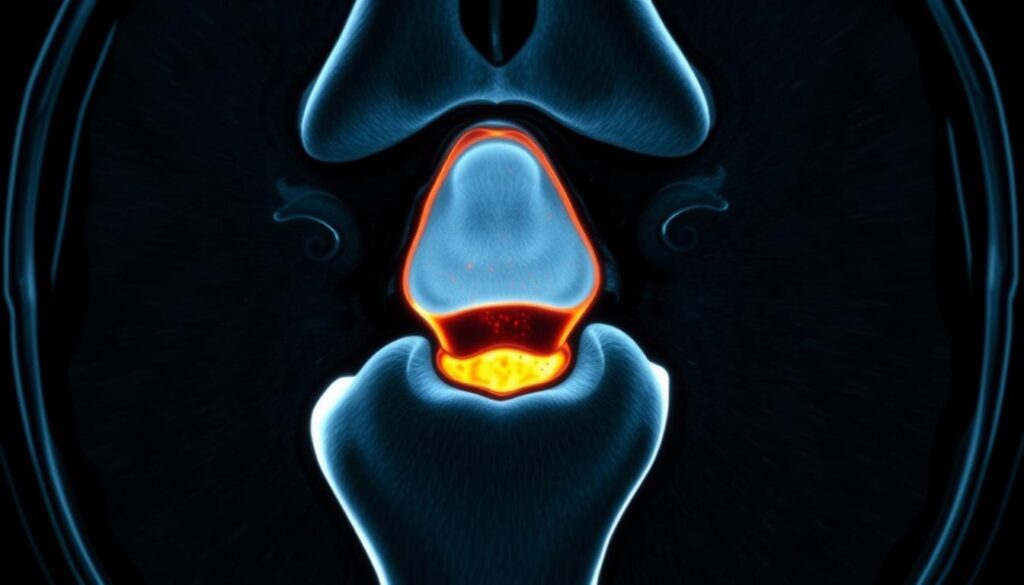
An MRI can provide detailed images of the soft tissues around the knee, including the infrapatellar fat pad. This information is invaluable for healthcare providers to assess the severity of the condition and plan appropriate treatment, including physical therapy for fat pad injury.
Differential Diagnoses
It’s essential to differentiate infrapatellar fat pad syndrome from other conditions that may cause similar symptoms, such as patellofemoral pain syndrome or meniscal injuries. A thorough diagnostic evaluation helps healthcare providers to accurately diagnose and treat the underlying condition, ultimately leading to more effective knee pain relief.
A comprehensive diagnostic approach ensures that patients receive targeted treatment, improving outcomes and reducing the risk of unnecessary interventions.
Non-Surgical Treatment Options
Non-surgical approaches are often the first line of treatment for infrapatellar fat pad syndrome. These methods focus on alleviating symptoms, improving function, and enhancing the quality of life for patients.
Rest and Activity Modification
One of the initial steps in managing infrapatellar fat pad syndrome is to reduce activities that aggravate the condition. Resting the knee and modifying activities to avoid exacerbating the pain are crucial.
Patients are often advised to avoid deep knee bending, jumping, and running until the pain subsides. By giving the knee a break and adjusting daily activities, individuals can significantly reduce their discomfort.
Physical Therapy Benefits
Physical therapy plays a vital role in the conservative management of infrapatellar fat pad syndrome. A tailored exercise program can help strengthen the muscles around the knee, improve flexibility, and reduce pain.
A physical therapist can also provide guidance on proper knee mechanics and techniques to alleviate stress on the infrapatellar fat pad. This may include exercises to strengthen the quadriceps and hamstring muscles.
Benefits of Physical Therapy:
- Improved knee strength and flexibility
- Enhanced pain management
- Better knee function and mechanics
Medications for Pain Relief
For managing pain and inflammation associated with infrapatellar fat pad syndrome, various medications can be employed. Over-the-counter pain relievers such as NSAIDs (e.g., ibuprofen, naproxen) are commonly recommended.
| Medication Type | Use | Benefits |
|---|---|---|
| NSAIDs | Pain relief and anti-inflammatory | Reduces pain and inflammation |
| Acetaminophen | Pain relief | Effective for pain management |
It’s essential to consult with a healthcare provider before starting any medication regimen to discuss potential side effects and interactions with other medications.
“The key to successful non-surgical treatment of infrapatellar fat pad syndrome lies in a multi-faceted approach that includes rest, physical therapy, and judicious use of medications.” – Orthopedic Specialist
Injectable Therapies
For individuals suffering from infrapatellar fat pad syndrome, injectable therapies offer a promising avenue for knee pain relief. These treatments are considered when conservative management strategies fail to provide adequate relief.
Corticosteroid Injections
Corticosteroid injections are a common injectable therapy used to reduce inflammation and alleviate pain associated with IFPS. While they can provide significant relief, their use is generally limited due to potential side effects with repeated injections.
Hyaluronic Acid Injections
Hyaluronic acid injections aim to restore the natural viscosity of the knee joint, thereby reducing pain and improving function. This treatment is particularly beneficial for patients who have not responded to corticosteroid injections.
Platelet-Rich Plasma (PRP) Therapy
PRP therapy involves injecting platelet-rich plasma derived from the patient’s own blood into the affected area. This treatment promotes healing by stimulating the body’s natural repair processes.
The following table summarizes the key aspects of these injectable therapies:
| Therapy Type | Primary Benefit | Potential Risks |
|---|---|---|
| Corticosteroid Injections | Rapid pain relief | Potential for joint damage with repeated use |
| Hyaluronic Acid Injections | Improved joint lubrication | Temporary pain at the injection site |
| PRP Therapy | Promotes natural healing | Variable efficacy, potential for infection |
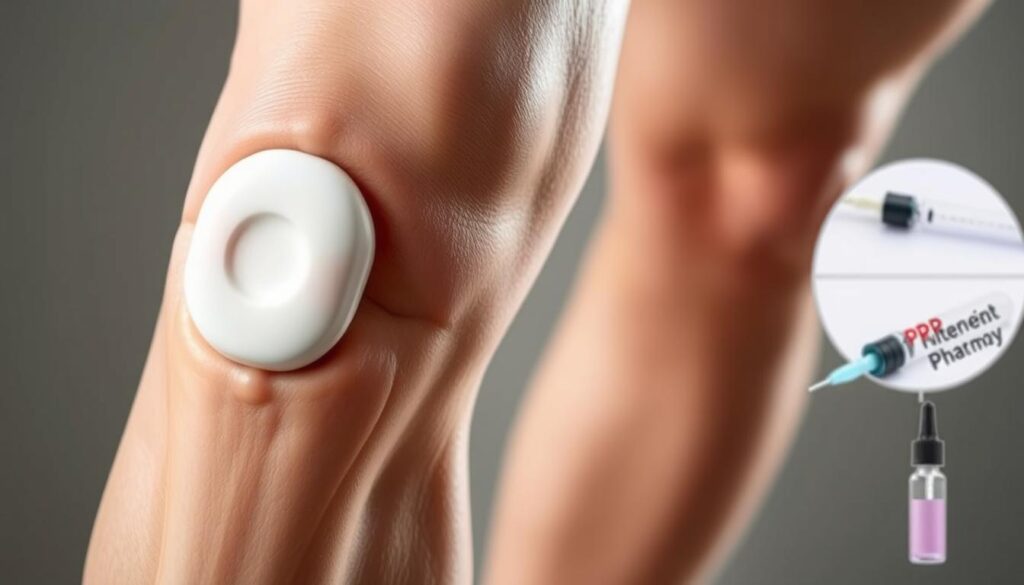
Each of these injectable therapies offers a unique approach to managing IFPS treatment. The choice of therapy depends on the individual patient’s condition and response to previous treatments.
In conjunction with injectable therapies, physical therapy for fat pad injury can play a crucial role in rehabilitation, helping to restore knee function and reduce pain.
Surgical Treatment Approaches
Surgical intervention is considered when conservative treatments for infrapatellar fat pad syndrome (IFPS) are ineffective. This approach is typically reserved for severe cases where other treatments have failed to provide relief.
Indications for Surgery
Surgery is indicated for patients with IFPS who have not responded to conservative management, including physical therapy, medications, and injections. The decision to proceed with surgery is made on a case-by-case basis, considering factors such as the severity of symptoms and the impact on the patient’s quality of life.
Arthroscopic Surgery Overview
Arthroscopic surgery is a minimally invasive procedure that allows surgeons to visualize the infrapatellar fat pad and surrounding structures. This technique involves making small incisions through which a camera and surgical instruments are inserted. The goal is to address any abnormalities or inflammation in the fat pad that may be contributing to the patient’s symptoms.
Post-Surgical Recovery
Post-surgical recovery for IFPS involves a structured rehabilitation program to ensure optimal healing and return to function. This includes knee rehabilitation exercises tailored to the individual’s needs and progress. A well-planned knee injury recovery program is crucial for minimizing complications and achieving the best possible outcomes.
As one expert noted,
“Rehabilitation after knee surgery is just as important as the surgery itself. A comprehensive program can significantly impact the recovery process.”
| Aspect | Description | Importance |
|---|---|---|
| Immediate Post-Surgery | Rest and pain management | High |
| Early Rehabilitation | Gentle exercises and mobilization | High |
| Late Rehabilitation | Strengthening and functional training | High |
Rehabilitation and Recovery
A well-structured rehabilitation program is essential for effective recovery from infrapatellar fat pad syndrome. Rehabilitation focuses on restoring knee function, reducing pain, and improving overall patient outcomes.
Structured Rehabilitation Importance
A structured rehabilitation program typically includes knee rehabilitation exercises tailored to the patient’s specific needs. These exercises are designed to strengthen the muscles around the knee, improve flexibility, and reduce pain. According to a study on knee rehabilitation, a comprehensive rehabilitation program can significantly enhance recovery outcomes.
The benefits of a structured rehabilitation program include:
- Improved knee function and strength
- Enhanced pain management
- Faster return to normal activities
Gradual Return to Activities
A gradual return to activities is crucial to prevent re-injury and ensure long-term recovery. Patients should start with low-impact activities and gradually increase the intensity and duration based on their comfort and pain levels. Knee injury recovery programs often include guidelines for a safe return to sports or physical activities.

Monitoring Progress and Adjusting Treatment
Regular monitoring of a patient’s progress is vital to adjust the treatment plan as necessary. Healthcare providers assess pain levels, knee function, and overall recovery to determine the effectiveness of the current rehabilitation strategy. Physical therapy for fat pad injury may need to be adjusted based on the patient’s response to treatment.
Key aspects to monitor include:
- Pain levels and response to pain management strategies
- Improvement in knee function and strength
- Patient’s ability to perform daily and recreational activities
Lifestyle Modifications for Pain Management
For individuals suffering from infrapatellar fat pad syndrome, incorporating specific lifestyle modifications can be a game-changer in pain management. Effective management of this condition requires a comprehensive approach that includes adjustments to daily habits and activities.
Exercise Guidelines
Exercise plays a crucial role in managing infrapatellar fat pad syndrome. Gentle exercises that strengthen the surrounding muscles without putting excessive strain on the knee can be beneficial. Low-impact activities such as cycling or swimming are recommended as they promote knee mobility without exacerbating the condition.
It’s essential to avoid high-impact activities that can aggravate the condition, such as running or jumping. Instead, focus on exercises that improve flexibility and strength around the knee, such as straight leg raises and knee bends.
Weight Management Strategies
Maintaining a healthy weight is vital for reducing the strain on the knee joint. Excess weight can exacerbate infrapatellar fat pad syndrome by increasing the pressure on the knee. A balanced diet combined with regular exercise can help achieve and maintain a healthy weight.
Aiming for a gradual weight loss of 1-2 pounds per week is considered safe and sustainable. This can be achieved through a combination of dietary changes and increased physical activity.
Supportive Footwear Suggestions
Wearing supportive footwear can significantly impact knee health. Shoes with good arch support and cushioning can help reduce the stress on the knee joint. Orthotic inserts can also be beneficial in providing additional support and comfort.
| Feature | Benefit |
|---|---|
| Good Arch Support | Reduces strain on the knee |
| Cushioning | Absorbs shock, reducing impact on the knee |
| Orthotic Inserts | Provides additional support and comfort |
For more information on managing knee pain and stiffness, visit https://kneehurt.com/finding-relief-for-knee-pain-and-stiffness/.
Alternative Therapies
For those seeking holistic approaches to IFPS treatment, alternative therapies can be a valuable adjunct to conventional treatments. These therapies focus on treating the whole person, not just the symptoms, and can potentially enhance the effectiveness of traditional treatments.
Acupuncture for Pain Relief
Acupuncture, an ancient practice involving the insertion of fine needles into specific points on the body, has been recognized for its potential in managing chronic pain, including knee pain associated with IFPS. By stimulating healing and reducing inflammation, acupuncture can offer relief to patients.
Benefits of Acupuncture:
- Reduces pain and inflammation
- Enhances healing processes
- Improves overall well-being
Massage Therapy Insights
Massage therapy is another alternative approach that can help alleviate IFPS symptoms. Techniques such as deep tissue massage and trigger point therapy can reduce muscle tension around the knee, improve circulation, and promote relaxation.
Key aspects of massage therapy for IFPS include:
- Reducing muscle tension and pain
- Improving knee mobility and function
- Enhancing recovery through improved circulation
Dietary Considerations
Diet plays a crucial role in managing inflammation and overall health. Certain foods can exacerbate inflammation, while others have anti-inflammatory properties. A balanced diet rich in omega-3 fatty acids, antioxidants, and fiber can support the body’s healing processes.
| Food Category | Beneficial Foods | Foods to Avoid |
|---|---|---|
| Fats | Omega-3 rich foods (salmon, flaxseeds) | Processed and fried foods |
| Fruits & Vegetables | Berries, leafy greens | High-sugar fruits, starchy vegetables |
Long-Term Outcomes and Prognosis
Understanding the long-term outcomes and prognosis is crucial for patients with Infrapatellar Fat Pad Syndrome (IFPS). The recovery process and overall prognosis can vary significantly depending on several factors, including the severity of the condition, the effectiveness of the treatment plan, and patient compliance with rehabilitation protocols.
Expected Recovery Timeline
The expected recovery timeline for IFPS can range from several weeks to a few months. A well-structured knee injury recovery program is essential for optimal healing. Initially, patients may experience significant pain relief within 6-8 weeks with appropriate IFPS treatment. However, full recovery, including the return to pre-injury activity levels, may take longer.
- Initial improvement: 6-8 weeks
- Significant recovery: 3-4 months
- Full recovery: 6 months or more
Factors Influencing Prognosis
Several factors can influence the prognosis of IFPS. These include the severity of the initial condition, the presence of any underlying knee issues, and the patient’s adherence to the prescribed knee rehabilitation exercises. Effective management of IFPS also depends on addressing any biomechanical issues or contributing factors such as overuse or poor training techniques.
As noted by medical professionals, “A comprehensive treatment plan that addresses both the symptoms and the underlying causes of IFPS is crucial for optimal long-term outcomes.”
“A comprehensive treatment plan that addresses both the symptoms and the underlying causes of IFPS is crucial for optimal long-term outcomes.”
When to Seek Further Medical Attention
It is essential for patients to monitor their symptoms and seek further medical attention if they experience any of the following: persistent or worsening pain, significant swelling, or a decrease in knee function. Early intervention can prevent long-term damage and improve outcomes.
By understanding the factors that influence long-term outcomes and prognosis, patients with IFPS can better navigate their recovery journey and achieve the best possible results.
Preventing Infrapatellar Fat Pad Syndrome
Adopting a proactive approach to knee health is crucial in preventing Infrapatellar Fat Pad Syndrome, especially for athletes and individuals with high physical demands. By understanding the causes and risk factors associated with this condition, individuals can take preventive measures to reduce their risk.
Tips for Injury Prevention
Preventing Infrapatellar Fat Pad Syndrome involves a combination of proper training, equipment, and awareness. Here are some tips to help prevent this condition:
- Gradually increase exercise intensity and volume to avoid sudden stress on the knee.
- Ensure proper knee alignment and biomechanics during activities.
- Use appropriate footwear and orthotics to reduce stress on the knee.
- Strengthen the muscles around the knee through exercises like squats and lunges.
Strengthening the muscles around the knee is a critical aspect of patellar tendonitis rehab and can also play a role in preventing Infrapatellar Fat Pad Syndrome. Exercises that strengthen the quadriceps and hamstring muscles can help stabilize the knee and reduce the risk of developing this condition.
Best Practices for Athletes
Athletes are at a higher risk of developing Infrapatellar Fat Pad Syndrome due to the repetitive stress and strain on their knees. To mitigate this risk, athletes should:
| Practice | Description | Benefit |
|---|---|---|
| Warm-up and Cool-down | Incorporate thorough warm-up and cool-down routines into training. | Reduces muscle stiffness and improves flexibility. |
| Strengthening Exercises | Engage in exercises that strengthen the muscles around the knee. | Enhances knee stability and support. |
| Proper Technique | Ensure proper technique during sports and training activities. | Reduces unnecessary stress on the knee. |
Athletes should also be aware of the early signs of knee pain and seek knee pain relief promptly to prevent the condition from worsening.
Awareness of Overuse Risks
Overuse is a significant risk factor for Infrapatellar Fat Pad Syndrome. Being aware of the risks associated with repetitive strain and taking regular breaks can help mitigate this risk. It’s also essential to listen to your body and not ignore early signs of pain or discomfort.
“The key to preventing Infrapatellar Fat Pad Syndrome lies in understanding the condition and adopting a proactive approach to knee health.”
Fat pad impingement therapy can sometimes be necessary for individuals who have developed Infrapatellar Fat Pad Syndrome. However, prevention remains the best approach. By being mindful of the risks and taking preventive measures, individuals can significantly reduce their likelihood of developing this condition.
Frequently Asked Questions
Infrapatellar fat pad syndrome (IFPS) can be a challenging condition to manage, but understanding the available treatment options and strategies for knee pain relief can make a significant difference. As we’ve explored throughout this article, conservative treatment for knee pain is often the first line of defense against IFPS.
Long-term Outlook
The long-term outlook for individuals with IFPS varies depending on the effectiveness of treatment and the severity of symptoms. With proper IFPS treatment, many people are able to manage their symptoms and return to their normal activities.
Home Remedies
While medical treatment is often necessary, there are some home remedies that can help alleviate knee pain. Applying ice, using compression bandages, and elevating the knee can provide relief. Additionally, incorporating exercises that strengthen the surrounding muscles can help stabilize the knee.
Managing Flare-Ups
To manage flare-ups effectively, it’s essential to be proactive. This includes maintaining a healthy weight, wearing supportive footwear, and avoiding activities that exacerbate the condition. By taking these steps, individuals can reduce the frequency and severity of IFPS flare-ups and improve their overall knee health.
Leave a Reply