Can a physical attribute be both a dancer’s greatest asset and a potential liability? For many dancers, particularly those in the world of ballet, knee hyperextension is a characteristic that embodies this paradox.
Hyperextension occurs when a dancer’s straightened knee is pushed backward, creating a distinctive curved line in the legs. This trait is often celebrated for the elegant aesthetic it brings to a dancer’s position, especially in first position and the tightly closed fifth position.
However, this coveted trait also raises concerns regarding its impact on a dancer’s health and longevity in their career. As we explore the complexities of knee hyperextension, we will examine its effects on dancers and the dance community.
Key Takeaways
- Understanding the concept of knee hyperextension and its implications for dancers.
- The dual perception of hyperextension as both an aesthetic asset and a potential health risk.
- The importance of distinguishing between natural anatomical hyperextension and forced positioning.
- Managing hyperextended knees for aesthetic achievement and physical longevity.
- Educational resources for dancers, teachers, and parents on knee hyperextension.
Understanding Knee Hyperextension in Dance
Knee hyperextension, a condition where the knee joint extends beyond its normal range, is a significant concern for dancers. It affects not only their technique but also their overall knee health and stability.
What Is Knee Hyperextension?
Knee hyperextension occurs when the knee joint extends too far backward, often resulting in an altered center of gravity. This condition can lead to challenges in maintaining proper alignment, particularly during movements that require balance and turns.
When a dancer has hyperextended knees, their weight distribution changes. Instead of their weight being evenly distributed through the leg, it shifts forward, putting additional stress on the anterior portion of the knee joint.
The Biomechanics Behind Hyperextended Knees
The biomechanics of knee hyperextension involve complex interactions between various anatomical structures, including ligaments and bones. The Posterior Cruciate Ligament (PCL) plays a crucial role in stabilizing the knee joint, especially when it is hyperextended.
To understand the impact of hyperextension, let’s examine how it affects the body’s alignment and movement:
| Alignment Aspect | Normal Alignment | Hyperextended Alignment |
|---|---|---|
| Center of Gravity | Aligned with hips | Shifted forward |
| Weight Distribution | Evenly distributed through the leg | Concentrated on the anterior knee joint |
| Movement Impact | Stable turns and balances | Challenged balance and stability |
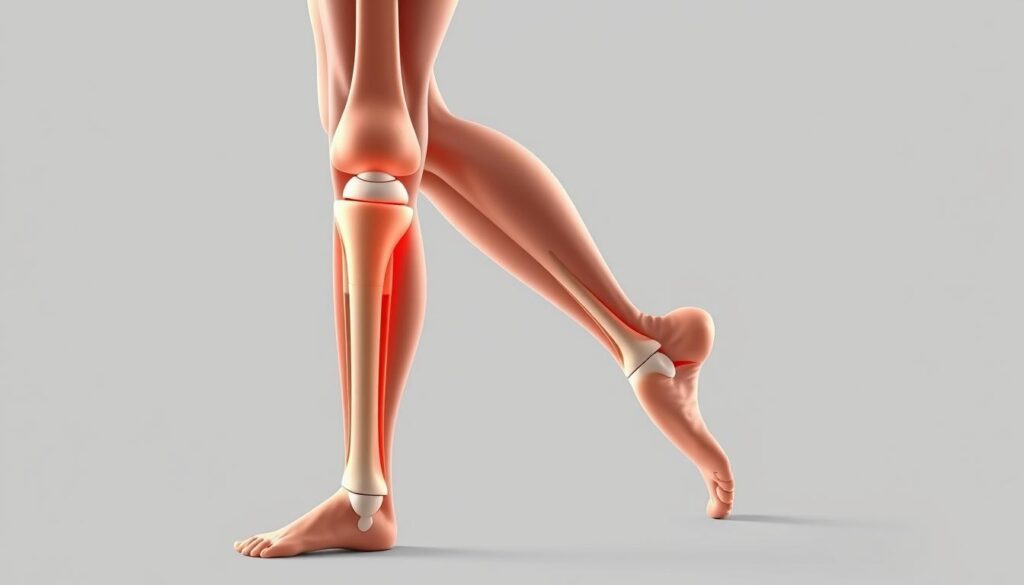
The practice of knee hyperextension in dance is a complex issue, bringing both visual appeal and potential harm to the dancer’sbody. On one hand, it can enhance the aesthetic quality of a performance; on the other, it poses significant risks to the dancer’s health.
Aesthetic Benefits in Dance Performance
Knee hyperextension can create a visually appealing line in dance, making the legs appear longer and more elegant. This can be particularly beneficial in styles that emphasize grace and fluid movement. Dancers with hyperextended knees may appear to have more controlled and precise movements, which can be an asset in certain choreographies.
Physical Risks and Potential Injuries
However, hyperextension causes you to push yourkneestoo far back, which can overstretch and even weaken yourkneesand ligaments. As a result, the wrong areas of yourlegare at work, potentially leading toinjury. Some common issues associated with knee hyperextension include shin splints, patella displacement, and tibial stress fractures. Over time, continued inactivation of the quadriceps can lead to quad weakness and ligament laxity or tears.
| Injury Type | Description | Potential Long-term Effect |
|---|---|---|
| Shin Splints | Medial tibial stress syndrome causing pain in the lower leg | Chronic pain, potential for stress fractures |
| Patella Displacement | Abnormal tracking of the kneecap | Knee pain, potential for chronic instability |
| Tibial Stress Fractures | Small cracks in the tibia | Prolonged recovery, risk of complete fracture |
By understanding the risks and benefits,dancersand instructors can work together to minimize the negative impacts of knee hyperextension while maintaining its aesthetic benefits.
Managing Hyperextended Knees Safely
Hyperextended knees can be both an asset and a liability for dancers, necessitating a balanced approach to their management. Effective management involves understanding the importance of proper alignment and weight distribution, as well as implementing strengthening exercises to enhance stability.
Proper Alignment and Weight Distribution
Proper alignment and weight distribution are critical in managing hyperextended knees. When a dancer’s knees are hyperextended, their leg muscles are engaged to absorb pressure, often leading to an overreliance on calf musculature. This can result in issues such as Achilles tendonitis and knee instability. To mitigate these risks, dancers should focus on maintaining proper alignment, ensuring that their weight is evenly distributed across their feet and legs.
By doing so, dancers can reduce the strain on their knee joints and surrounding muscles. This involves developing awareness of their body positioning and making adjustments as necessary to maintain optimal alignment.
Strengthening Exercises for Stability
Strengthening exercises play a vital role in enhancing the stability of hyperextended knees. Targeted exercises that focus on the quadriceps, hamstrings, and core can help dancers maintain the aesthetic benefits of hyperextension while reducing the risk of injury. Examples of beneficial exercises include squats, lunges, and leg press, which strengthen the muscles around the knee joint.
Additionally, exercises that improve proprioception and joint position sense can help dancers develop better awareness of when they are hyperextending versus maintaining proper alignment. This can be achieved through balance training and other functional exercises that challenge the dancer’s ability to control their movements.
Training Approaches for Long-Term Knee Health
To ensure long-term knee health, dancers must prioritize comprehensive training methods that address hyperextension. As a dancer who is slightly hyperextended, I have had to be rather careful, and in return, my knees are no longer overworked but at ease and free of tension.
We believe that a well-rounded training approach is crucial for dancers to maintain healthy knees and achieve their full potential. This involves adapting teaching methods to accommodate students with varying degrees of hyperextension without compromising technique or aesthetics.
Effective dance training also requires addressing the psychological aspects of hyperextension management, including body image concerns and the pressure to achieve certain aesthetic ideals. By doing so, dancers can develop a more positive body image and reduce the risk of injury.
To achieve this, dance educators can incorporate hyperextension awareness into regular dance classes without singling out specific students. This can be done by emphasizing proper alignment, weight distribution, and strengthening exercises for stability.
Ultimately, each dancer’s body is unique and requires personalized strategies for optimal performance and health. By adopting a comprehensive and individualized approach to training, dancers can reduce the risk of knee injuries and maintain a long and healthy career.
As the dance world continues to evolve, there is a growing emphasis on sustainable technique rather than extreme aesthetics. By prioritizing long-term knee health, dancers can enjoy a successful and injury-free career.
Leave a Reply