
Have you ever wondered why your knee pain seems to intensify during the cold winter months? You’re not alone. Many people experience increased discomfort in their knees as the temperature drops.
We will explore the connection between cold weather and joint pain, and provide effective remedies to help you manage this common condition. Understanding the science behind why your knees ache more in winter is crucial for developing a strategy to alleviate the discomfort.
Our comprehensive guide covers both the reasons behind knee pain in cold weather and practical solutions you can implement at home, including the use of ice packs for knee pain relief. By the end of this article, you’ll be equipped with the knowledge to maintain your mobility and comfort throughout the winter.
Key Takeaways
- Understand the link between cold temperatures and increased knee discomfort.
- Discover effective home remedies to alleviate knee pain during winter.
- Learn about various treatment options, from simple remedies to medical interventions.
- Find out how to maintain knee health and mobility throughout the cold weather.
- Explore the benefits of using ice packs for knee pain relief.
Why Cold Weather Worsens Knee Pain
The relationship between cold weather and increased knee pain is complex, involving changes in joint mechanics, pressure, and body responses to lower temperatures. As we explore this topic, it becomes clear that several factors contribute to the worsening of knee pain during winter months.
Physical Changes in Joints During Winter
During winter, the cold weather causes the soft tissues surrounding the knee joint to constrict, reducing flexibility and increasing tension. This constriction, combined with the thickening of the synovial fluid that lubricates the joint, results in stiffness and reduced mobility. The cold-induced changes can particularly affect individuals with pre-existing knee conditions or those who have suffered previous knee injuries.
Impact of Barometric Pressure Changes
Cold weather is also associated with changes in barometric pressure, which can cause expansion and contraction of tendons, leading to heightened pain sensitivity. This effect is especially pronounced in individuals with exposed nerve endings due to cartilage wear and tear. As a result, even minor changes in weather can trigger significant knee pain.
- Cold temperatures cause muscles and tissues around the knee to contract and stiffen.
- The thickening of synovial fluid during winter months reduces joint mobility.
- Barometric pressure changes affect joint capsules and trigger pain responses.
Understanding Symptoms of Cold Weather Knee Pain
Cold weather can exacerbate knee pain, making it essential to understand the symptoms associated with this condition. Knee pain during winter is often characterized by increased stiffness, particularly in the morning or after periods of inactivity.
Common Signs to Watch For
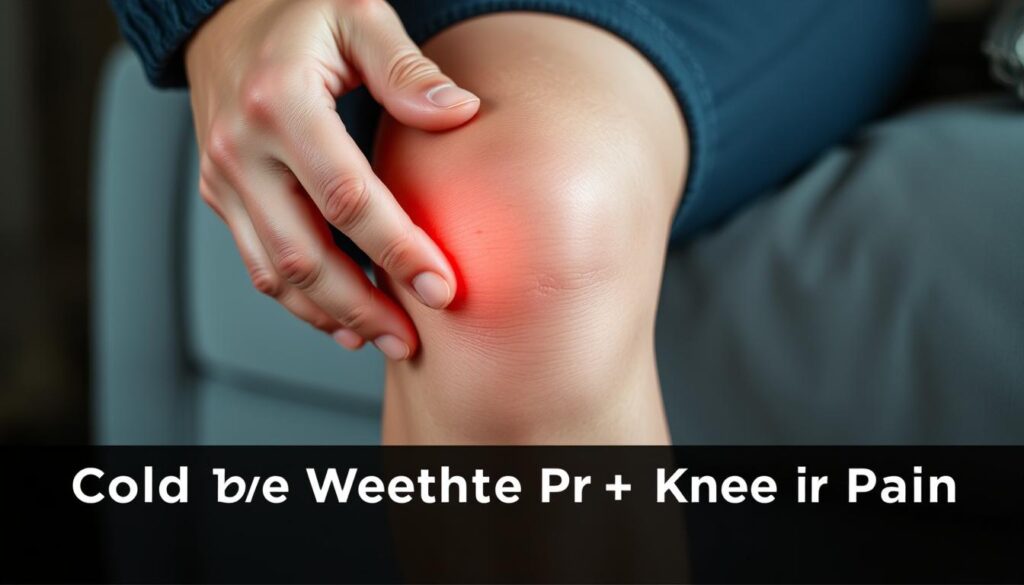
Common symptoms include swelling and redness around the knee, a warm sensation, and difficulty moving or bearing weight on the knee. Stiffness is a prevalent complaint, especially after waking up or sitting for extended periods.
Differentiating from Other Knee Conditions
It’s crucial to differentiate between knee pain caused by cold weather and other knee conditions. Cold weather-related knee pain often follows a specific pattern, worsening with temperature drops and improving in warmer environments. Understanding these distinctions helps in determining the appropriate treatment approach.
Effective Knee Pain in Cold Weather Remedies
Cold weather can exacerbate knee pain, but there are several effective remedies available. Managing knee pain during winter involves a combination of self-care techniques, over-the-counter treatments, and professional advice.
Heat Therapy Applications
Applying heat to the affected knee can help alleviate discomfort and improve flexibility. Heat therapy works by increasing blood flow to the area, promoting healing and reducing pain. Various heat application methods can be used, including heating pads, warm towels, heated knee wraps, and warm baths or showers.
Anti-Inflammatory Medications
Over-the-counter anti-inflammatory medications, such as ibuprofen, can help reduce swelling and alleviate pain associated with cold weather-related knee discomfort. Some orthopedic physicians even recommend Turmeric capsules as a natural anti-inflammatory treatment. However, it’s essential to consult a healthcare professional before using any medication.
Topical Pain Relief Options
Topical pain relief options, such as menthol-based creams, capsaicin products, and CBD-infused balms, can provide targeted relief. These products can be applied directly to the skin, offering a localized treatment approach.
By incorporating these remedies into your daily routine, you can better manage knee pain during the winter months.
Preventative Strategies for Winter Joint Health
Protecting our joints during the cold winter months requires a combination of the right clothing, indoor habits, and lifestyle choices. As we navigate through the winter season, it’s crucial to adopt strategies that help maintain joint health and reduce the likelihood of knee pain.
Proper Winter Clothing for Joint Protection
Wearing appropriate clothing is vital to keeping our knee joints warm. Thermal knee sleeves or thermal leggings can help retain heat and reduce the impact of cold weather on knee pain. Dressing in layers, along with wearing gloves, warm socks, a weather-suited coat, and a winter hat, can keep us warm when venturing out into the cold.
Maintaining Indoor Warmth
Maintaining optimal indoor temperatures and humidity levels is essential for creating a joint-friendly home environment during winter. A warm and cozy indoor space can significantly reduce joint stiffness and pain. We should ensure our homes are well-insulated and consider using humidifiers to maintain a comfortable humidity level.
Weight Management Considerations
Excess body weight can put additional pressure on the knees, exacerbating any existing pain. By maintaining a healthy weight through a balanced diet and regular exercise, we can reduce the strain on our knees and minimize the impact of cold weather on knee health. Practical weight management approaches, such as low-impact exercises and healthy eating habits, are crucial during winter months when activity levels often decrease.
Beneficial Exercises for Cold Weather Knee Pain
As we dive into the winter season, it’s essential to incorporate exercises that can help alleviate knee pain caused by cold weather. Regular physical activity not only strengthens the muscles around the knee but also improves joint mobility and reduces stiffness.
Low-Impact Indoor Workouts
Engaging in low-impact indoor exercises is an excellent way to maintain knee strength without putting excessive stress on the joints. Activities such asswimming,stationary cycling, andelliptical trainingare highly recommended. These exercises help strengthen the muscles around the knees, offering better support and reducing the likelihood of pain during cold weather.
Warm-Up Routines Before Outdoor Activities
Before engaging in outdoor activities during winter, it’s crucial to warm up properly. Taking five minutes to perform dynamic movements can significantly boost your cardiovascular system by increasing blood flow to your muscles and raising your body temperature. This simple routine can reduce joint stiffness and prevent injuries.
Strengthening Exercises for Knee Support
Specific strengthening exercises targeting the quadriceps, hamstrings, and supporting muscles around the knee are vital for knee health. Examples include squats, lunges, and leg press exercises. These exercises should be done with proper form to avoid causing additional stress on the knee joint.
| Exercise | Benefits | Tips |
|---|---|---|
| Swimming | Low-impact, strengthens knee muscles | Focus on different strokes to vary the workout |
| Stationary Cycling | Improves knee mobility and strength | Adjust resistance to challenge your knees |
| Leg Press | Strengthens quadriceps and hamstrings | Use proper form and start with manageable weights |
By incorporating these exercises into your routine, you can improve circulation, enhance joint lubrication, and maintain better overall knee health throughout the winter months.
Dietary Approaches to Reduce Inflammation
Dietary approaches can significantly impact inflammation and knee pain, especially during the winter months. Our diet plays a crucial role in maintaining knee health and managing inflammation.
Certain foods have natural anti-inflammatory properties that can help alleviate knee pain. For instance, Omega-3 fatty acid-rich foods like fish and walnuts are known for their anti-inflammatory effects. Additionally, incorporating turmeric, ginger, and green tea into your diet can help lessen joint pain and swelling.
Anti-Inflammatory Foods and Supplements
Specific anti-inflammatory foods can be beneficial, including fatty fish rich in omega-3s, colorful fruits and vegetables, nuts, seeds, and olive oil. Supplements like turmeric/curcumin, ginger, and glucosamine/chondroitin have scientific evidence supporting their use in managing knee pain and inflammation.
Hydration Importance in Winter Months
Staying hydrated is crucial, especially in winter when thirst signals are often masked by the cold weather. Dehydration can worsen joint stiffness and pain. Consuming warm soups and herbal teas can help maintain hydration levels while also providing warmth.
By making informed dietary choices and staying hydrated, we can help reduce knee pain and inflammation during the winter months.
When to Seek Professional Help for Winter Knee Pain
Knee pain in cold weather can be debilitating; recognizing when to seek help from a healthcare provider is vital for effective management. For some, winter weather-related joint pain is a minor annoyance. For others, it can make everyday activities unbearable. If you’re in the latter group, exploring treatment options with an experienced physician is crucial.
Warning signs that indicate the need for professional medical attention include severe pain, significant swelling, instability, or an inability to bear weight. If your pain persists and doesn’t respond to home remedies within a reasonable timeframe, it’s time to consult a healthcare professional.
Various healthcare providers specialize in knee pain, including primary care physicians, orthopedic specialists, rheumatologists, and physical therapists. They can provide a range of treatments from prescription medications to specialized physical therapy and surgical interventions when necessary.
Leave a Reply