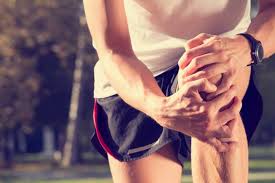
Understanding the Complexity of Knee Muscle Pain
Knee muscle pain when bending is a multifaceted issue that affects individuals from diverse backgrounds and activity levels. Whether you’re an athlete, office worker, or retiree, knee pain can significantly impact your quality of life. To address this effectively, it’s crucial to delve into the underlying causes, symptoms, and holistic treatment strategies. Knee health and muscle pain management are key aspects to focus on for comprehensive healing.
The knee joint is one of the most complex joints in the human body, bearing the weight of our entire upper body and facilitating movement in our daily lives. It’s a meeting point for several major muscle groups, including the quadriceps, hamstrings, and calf muscles. When these muscles are not working in harmony, or when the joint itself is under stress, pain can occur, especially during bending movements.
Understanding the intricate interplay between muscles, tendons, ligaments, and bones in the knee area is essential for developing an effective treatment plan. Each component plays a vital role in the overall function and health of the knee:
- Muscles: Provide strength and stability to the joint.
- Tendons: Connect muscles to bones, allowing for movement.
- Ligaments: Provide stability and limit excessive movement.
- Bones: Form the structure of the joint and bear weight.
- Cartilage: Acts as a cushion between bones, reducing friction.
When any of these components are compromised, it can lead to pain and discomfort, particularly when bending the knee. This pain can range from a mild ache to severe, debilitating pain that limits mobility and affects daily activities.
Unraveling the Causes of Knee Muscle Pain When Bending
To effectively address knee muscle pain, it’s essential to understand its root causes. Let’s explore each potential cause in detail:
- Muscle Imbalances: The interplay between quadriceps and hamstring muscles plays a significant role in knee health. When these muscle groups are not equally strong or flexible, it can lead to uneven stress on the knee joint. For example, if the quadriceps are significantly stronger than the hamstrings, it can pull the kneecap out of alignment, causing pain when bending. Strengthening exercises for knee muscles can help alleviate these imbalances and promote overall knee health.
- Quadriceps Strengthening: Focus on exercises like squats, leg presses, and lunges.
- Hamstring Strengthening: Incorporate exercises such as deadlifts, leg curls, and bridges.
- Balance Training: Include exercises that work both muscle groups simultaneously, like step-ups and single-leg squats.
- Overuse and Repetitive Strain: Activities like cycling, running, or squatting can lead to repetitive strain injuries if not performed with proper form or if the body isn’t adequately prepared. These injuries occur when the knee is subjected to repeated stress without sufficient time for recovery. Understanding knee injury prevention is vital for individuals engaged in such activities.
- Gradual Progression: Increase activity levels slowly to allow the body to adapt.
- Cross-Training: Vary your exercises to prevent overuse of specific muscle groups.
- Proper Technique: Learn and maintain correct form for your activities to minimize strain.
- Poor Posture: Incorrect posture, both while standing and sitting, can stress knee muscles and lead to pain. Posture correction techniques and ergonomic adjustments are essential for prevention.
- Workstation Assessment: Ensure your desk, chair, and computer are at the correct height.
- Posture Awareness: Practice maintaining good posture throughout the day.
- Stretching Breaks: Take regular breaks to stretch and move, especially if you have a sedentary job.
- Underlying Conditions: Several specific conditions can cause knee muscle pain when bending:
- Patellar Tendonitis: An inflammation of the tendon connecting the kneecap to the shinbone. This condition is common in athletes who perform jumping activities.
- IT Band Syndrome: Occurs when the iliotibial band, a thick band of tissue running from the hip to the knee, becomes tight or inflamed.
- Osteoarthritis: A degenerative joint condition that can cause pain and stiffness in the knee.
- Meniscus Tears: Damage to the cartilage in the knee that can cause pain, especially when bending or twisting.
Recognizing the Symptoms: A Crucial Step Towards Healing
Identifying the specific symptoms of knee muscle pain is essential for accurate diagnosis and effective treatment. Here are key symptoms to be aware of:
- Pain Patterns: Identifying the location and intensity of knee pain when bending is key. Knee pain diagnosis often involves understanding these patterns.
- Front of the Knee: Pain in this area may indicate issues with the patella (kneecap) or quadriceps tendon.
- Back of the Knee: Pain here could suggest hamstring tendonitis or a Baker’s cyst.
- Inside of the Knee: This might indicate damage to the medial meniscus or medial collateral ligament.
- Outside of the Knee: Pain on the outer knee could be related to IT band syndrome or lateral meniscus issues.
- Swelling and Redness: Visible knee inflammation indicates the need for knee swelling treatment. Swelling can be a sign of injury or overuse and should not be ignored.
- Measure the circumference of both knees to compare and track swelling.
- Note any warmth or redness around the knee, which could indicate inflammation.
- Limited Mobility: Difficulty in fully bending or straightening the knee can significantly impact daily activities. Knee mobility exercises can help restore full range of motion.
- Track your knee’s range of motion using a goniometer or by comparing it to your unaffected knee.
- Note any clicking, popping, or grinding sensations when moving the knee.
- Instability or Weakness: Feeling like your knee might “give way” or having difficulty bearing weight can indicate muscle weakness or ligament damage.
- Persistent Ache: A dull, constant ache, especially after activity or at the end of the day, can be a sign of overuse or the early stages of arthritis.
Holistic Treatment and Management Strategies
Addressing knee muscle pain requires a comprehensive approach that combines immediate relief with long-term management strategies. Here’s a detailed look at various treatment options:
1. Rest, Ice, Compression, Elevation (RICE)
The RICE method is a crucial first aid for knee injuries to reduce pain and inflammation. The RICE method effectiveness is well-documented and should be implemented as soon as possible after injury or when pain flares up.
- Rest: Avoid activities that exacerbate the pain, allowing the knee time to heal.
- Ice: Apply cold packs for 15-20 minutes every 2-3 hours to reduce swelling and numb pain.
- Compression: Use an elastic bandage to provide support and minimize swelling.
- Elevation: Keep the affected leg elevated above heart level to promote blood flow and reduce swelling.
2. Physical Therapy and Strengthening Exercises
Working with a physical therapist can provide targeted exercises and treatments to address your specific knee issues.
- Knee Strengthening Exercises: Building muscle support around the knee is crucial for long-term health and pain prevention.
- Squats: Start with wall squats and progress to free-standing squats as strength improves.
- Lunges: Focus on proper form to engage both the quadriceps and hamstrings.
- Leg Press: Use gym equipment to safely build strength in a controlled manner.
- Step-Ups: Gradually increase step height as strength improves.
- Flexibility and Mobility Exercises:Hamstring and quadriceps stretches are essential for improved knee flexibility.
- Standing Quadriceps Stretch: Hold your ankle behind your back, keeping your knees together.
- Seated Hamstring Stretch: Sit with one leg extended, reach for your toes.
- Calf Stretches: Use a wall or step to stretch both the gastrocnemius and soleus muscles.
- Hip Flexor Stretch: Kneel on one knee and lean forward to stretch the front of the hip.
3. Alternative Therapies for Comprehensive Healing
Complementing traditional treatments with alternative therapies can provide additional relief and promote healing.
- Acupuncture for Knee Pain: This ancient Chinese practice involves inserting thin needles into specific points on the body to stimulate healing and pain relief.
- Acupuncture can help increase blood flow to the affected area.
- It may also help release endorphins, the body’s natural pain relievers.
- Regular sessions may be necessary for optimal results.
- Massage Therapy for Knee Health: Professional massage can help in relaxing tense muscles and improving circulation around the knee joint.
- Deep tissue massage can target specific muscle groups around the knee.
- Swedish massage can promote overall relaxation and reduce tension.
- Sports massage can be beneficial for athletes dealing with knee pain.
- Hydrotherapy: Exercising in water can provide resistance while reducing stress on the joints.
- Water aerobics classes can improve strength and flexibility with minimal impact.
- Swimming is an excellent low-impact exercise for overall fitness and knee health.
- Yoga and Pilates: These practices can improve overall body awareness, flexibility, and core strength, which can indirectly benefit knee health.
- Gentle yoga poses like warrior poses and triangle pose can strengthen leg muscles.
- Pilates exercises focusing on core and leg strength can improve overall body alignment.
4. Medications and Medical Interventions
In some cases, over-the-counter or prescription medications may be necessary to manage pain and inflammation.
- Non-steroidal anti-inflammatory drugs (NSAIDs) like ibuprofen can help reduce pain and swelling.
- Topical pain relievers can provide localized relief without systemic side effects.
- In severe cases, corticosteroid injections may be recommended by a doctor to reduce inflammation.
5. Lifestyle Modifications
Making changes to your daily habits can significantly impact knee health:
- Weight Management: Maintaining a healthy weight reduces stress on the knees.
- Diet: Consuming anti-inflammatory foods like omega-3 rich fish, fruits, and vegetables can support joint health.
- Sleep: Ensuring adequate rest allows the body time to repair and recover.
Preventive Measures for a Pain-Free Future
Prevention is always better than cure. Implementing these strategies can help maintain knee health and prevent future pain:
- Regular Exercise Routine: Incorporating knee-friendly exercises for preventive knee care is essential.
- Low-Impact Cardio: Choose activities like swimming, cycling, or elliptical training to maintain cardiovascular health without stressing the knees.
- Strength Training: Focus on exercises that build muscle around the knees and hips for better support.
- Flexibility Work: Regular stretching helps maintain good range of motion and prevents muscle imbalances.
- Proper Footwear and Orthotics: Wearing knee-supportive shoes can significantly reduce stress on the knees.
- Choose shoes with good arch support and cushioning.
- Consider custom orthotics if you have specific foot or alignment issues.
- Replace shoes regularly, especially if you’re an avid runner or walker.
- Ergonomic Awareness: Promoting good posture through workplace and exercise environment adjustments can prevent unnecessary stress on the knees.
- Adjust your workstation to promote good posture.
- Use proper form during exercises and daily activities.
- Take regular breaks to move and stretch if you have a sedentary job.
- Regular Check-ups: Schedule periodic visits with a healthcare provider or physical therapist to catch and address any developing issues early.
- Listen to Your Body: Pay attention to early signs of discomfort or pain and address them promptly before they become more serious issues.
Conclusion: Empowering Your Journey Towards Knee Health
By embracing a holistic approach to understanding and addressing knee muscle pain when bending, you’re not just alleviating current discomfort but also safeguarding your future knee health. Proactive knee care is the key to a more active, pain-free lifestyle. Remember that every individual’s journey to knee health is unique, and what works for one person may not work for another. Be patient with your body and consistent with your care routine.
Stay informed, stay empowered. Educate yourself about knee anatomy and the latest research in knee health. The more you understand about your body, the better equipped you’ll be to make informed decisions about your health and wellbeing.
Summary of Key Takeaways:
- Identify and address the root cause of your knee pain through careful observation and professional assessment.
- Adopt a holistic treatment strategy combining rest, physical therapy, strengthening exercises, and alternative therapies.
- Prioritize preventive measures for ongoing knee health, including regular exercise, proper footwear, and ergonomic awareness.
- Listen to your body and address discomfort early to prevent more serious issues.
- Stay consistent with your care routine and be patient with the healing process.
Call to Action: Embark on your journey to knee wellness today. Consult with a healthcare professional to develop a personalized plan that addresses your specific needs and goals. Discover the transformative power of proactive knee care strategies and take the first step towards a pain-free, active lifestyle. Your knees support you every day – it’s time to return the favor and give them the care they deserve.
Leave a Reply