Blog

  • Different Knee Injuries

    Different Knee Injuries

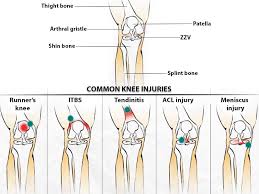
    There are a variety of knee injuries that can occur from sports, exercise, or daily activities. It’s important to identify the type of injury to determine the best course of treatment and recovery. One way to visually identify different knee injuries is through pictures.
    v2 1zjgr rts1n

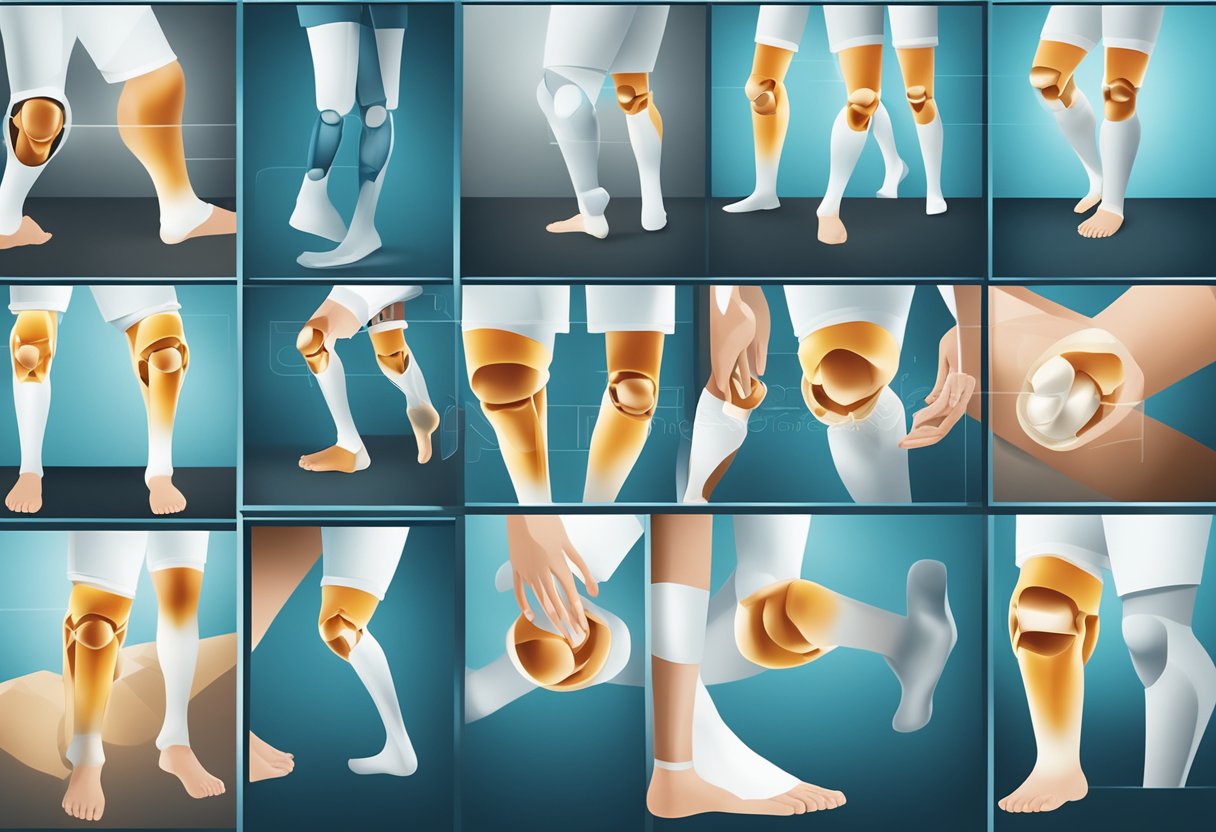
    This article will provide 12 pictures of different knee injuries to help readers identify and understand the various types of knee injuries. The pictures will include common injuries such as ACL tears, meniscus tears, and patellar tendonitis, as well as less common injuries such as Osgood-Schlatter disease and iliotibial band syndrome.

    By providing visual examples of knee injuries, readers will be able to better understand the type of injury they may be experiencing and seek appropriate medical attention. It’s important to note that while the pictures can be helpful in identifying injuries, a proper diagnosis from a medical professional is always recommended.

    Understanding Knee Anatomy

    The knee joint is one of the largest and most complex joints in the human body. It is a hinge joint that connects the thigh bone (femur) to the shinbone (tibia) and the kneecap (patella). The knee joint also includes several ligaments, cartilage, and tendons that work together to provide stability and support to the joint.

    The ligaments of the knee joint include the anterior cruciate ligament (ACL), posterior cruciate ligament (PCL), lateral collateral ligament (LCL), and medial collateral ligament (MCL). These ligaments help to keep the knee joint stable and prevent excessive movement of the bones.

    The knee joint also includes two C-shaped pieces of cartilage called menisci. These act as shock absorbers and help to distribute the weight of the body evenly across the joint.

    The articular cartilage covers the ends of the bones within the knee joint. This cartilage is smooth and slippery, allowing the bones to glide over each other with minimal friction.

    The quadriceps tendon connects the quadriceps muscle to the patella, while the patellar tendon connects the patella to the tibia. These tendons work together to allow the knee to straighten and bend.

    Understanding the anatomy of the knee is important when it comes to diagnosing and treating knee injuries. By knowing the different structures of the knee joint, healthcare professionals can better understand the extent of an injury and develop an effective treatment plan.

    Types of Knee Injuries
    v2 1zjgx nk4t5

    Knee injuries are common and can be caused by various factors such as sports injuries, accidents, and falls. Knee injuries can be classified into several types based on the severity of the injury. Here are the most common types of knee injuries:

    Ligament Injuries

    Ligament injuries are common in athletes and can occur due to sudden twisting or hyperextension of the knee joint. The most common ligament injuries are ACL (anterior cruciate ligament) and MCL (medial collateral ligament) injuries. ACL injuries are more severe and can take longer to heal than MCL injuries.

    Meniscus Tears

    The meniscus is a C-shaped piece of cartilage that acts as a shock absorber in the knee joint. Meniscus tears can occur due to sudden twisting or turning of the knee joint. Symptoms of a meniscus tear include pain, swelling, and difficulty moving the knee joint.

    Tendon Tears

    Tendon tears can occur due to overuse or sudden trauma. The most common tendon tear is the patellar tendon tear, which connects the kneecap to the shinbone. Symptoms of a tendon tear include pain, swelling, and difficulty moving the knee joint.

    Fractures

    Knee fractures can occur due to high-impact trauma such as car accidents or falls. Symptoms of a knee fracture include severe pain, swelling, and difficulty moving the knee joint.

    Dislocation

    Knee dislocation occurs when the bones in the knee joint are forced out of their normal position. This can occur due to high-impact trauma such as car accidents or falls. Symptoms of knee dislocation include severe pain, swelling, and difficulty moving the knee joint.

    Sprains

    Knee sprains occur when the ligaments in the knee joint are stretched or torn. Symptoms of a knee sprain include pain, swelling, and difficulty moving the knee joint.

    Torn Cartilage

    Torn cartilage can occur due to sudden trauma or overuse. Symptoms of torn cartilage include pain, swelling, and difficulty moving the knee joint.

    In conclusion, knee injuries are common and can be caused by various factors. It is important to seek medical attention if you experience any symptoms of a knee injury.

    Causes of Knee Injuries

    Knee injuries can occur due to a variety of reasons, ranging from aging to sports-related accidents. Here are some of the common causes of knee injuries:

    • Injury: A direct blow to the knee, such as from a fall or collision, can cause knee injuries. Injuries can also occur from twisting or bending the knee in an awkward way.
    • Aging: As people age, the cartilage in their knees can wear down, making the knee joint less stable and more prone to injuries.
    • Tears: Tears in the knee’s ligaments or menisci can cause pain and instability in the knee. These tears can occur due to sudden twisting or pivoting movements or from overuse.
    • Athletes: Athletes who participate in sports that involve running, jumping, or sudden changes in direction are at a higher risk of knee injuries. Contact sports such as football and basketball are particularly high-risk.
    • Twisting: Twisting the knee can cause ligament sprains and tears. This can happen during sports, exercise, or even just walking on an uneven surface.
    • Contact Sports: Injuries to the knee are common in contact sports such as football, hockey, and rugby. These sports involve a lot of physical contact and can put a lot of stress on the knee joint.
    • Motor Vehicle Accident: Knee injuries can also occur as a result of a motor vehicle accident. The force of impact can cause the knee to twist or bend in an unnatural way, leading to injuries.

    In summary, knee injuries can occur due to a variety of reasons, ranging from aging to sports-related accidents. It is important to take precautions to prevent knee injuries, such as wearing proper protective gear during sports and exercise, maintaining a healthy weight, and avoiding activities that put excessive stress on the knee joint.

    Symptoms of Knee Injuries

    Knee injuries can cause a variety of symptoms, depending on the type and severity of the injury. Some common symptoms of knee injuries include:

    • Pain: Knee pain is one of the most common symptoms of a knee injury. The pain may be sharp or dull and can be felt in different parts of the knee, depending on the location of the injury.
    • Swelling: Swelling around the knee is another common symptom of a knee injury. The swelling may be mild or severe and can make it difficult to move the knee.
    • Popping: Some knee injuries may cause a popping sound or sensation in the knee. This may be accompanied by pain or swelling.
    • Stiffness: Stiffness in the knee is another common symptom of knee injuries. The knee may feel tight or difficult to move, especially after periods of inactivity.
    • Instability: Knee injuries can also cause instability in the knee. This may feel like the knee is giving way or buckling, and can make it difficult to walk or stand.
    • Fever: In some cases, knee injuries may cause a fever. This may be a sign of an infection and requires immediate medical attention.

    It is important to seek medical attention if you experience any of these symptoms after a knee injury. Prompt treatment can help prevent further damage and improve your chances of a full recovery.

    Diagnosis of Knee Injuries

    Diagnosing knee injuries can be a complex process that requires a thorough examination by a doctor. In some cases, imaging tests such as an MRI or x-ray may be necessary to accurately diagnose the injury.

    When a patient presents with knee pain, the doctor will first ask about the patient’s medical history and the circumstances surrounding the injury. They will then perform a physical examination of the knee, checking for swelling, tenderness, and range of motion.

    Depending on the suspected injury, the doctor may order an x-ray to check for fractures or dislocations. An MRI may be ordered to provide a more detailed view of the knee’s soft tissues, such as ligaments and tendons.

    Once a diagnosis is made, the doctor will work with the patient to develop a treatment plan that may include rest, physical therapy, or surgery. It is important for patients to follow their doctor’s recommendations to ensure a full recovery and prevent further injury.

    In conclusion, diagnosing knee injuries requires a careful examination by a doctor, and imaging tests such as an MRI or x-ray may be necessary. Patients should work closely with their doctor to develop a treatment plan and follow their recommendations for a full recovery.

    Treatment for Knee Injuries
    v2 1zjhc 1e8ze

    When it comes to treating knee injuries, there are several options available depending on the severity of the injury. In some cases, rest and ice may be sufficient, while in other cases, surgery may be necessary.

    For minor knee injuries, rest is often the best course of action. This means avoiding activities that put stress on the knee and taking a break from exercise or sports. Applying ice to the affected area can also help to reduce swelling and inflammation.

    Physical therapy can be an effective treatment option for knee injuries as well. This involves working with a trained therapist to perform exercises and stretches that can help to strengthen the knee and improve mobility. In some cases, a knee brace may also be recommended to provide additional support and stability.

    For more serious knee injuries, surgical treatment may be necessary. This can include procedures such as knee replacement surgery or arthroscopic surgery to repair damaged cartilage or ligaments.

    In addition to these treatments, medication may also be prescribed to help manage pain and inflammation. This can include over-the-counter pain relievers such as ibuprofen or prescription medications such as opioids.

    Overall, the best course of treatment for a knee injury will depend on the specific nature and severity of the injury. It is important to consult with a medical professional to determine the most appropriate treatment plan.

    Complications and Conditions Related to Knee Injuries
    v2 1zjhf fju9i

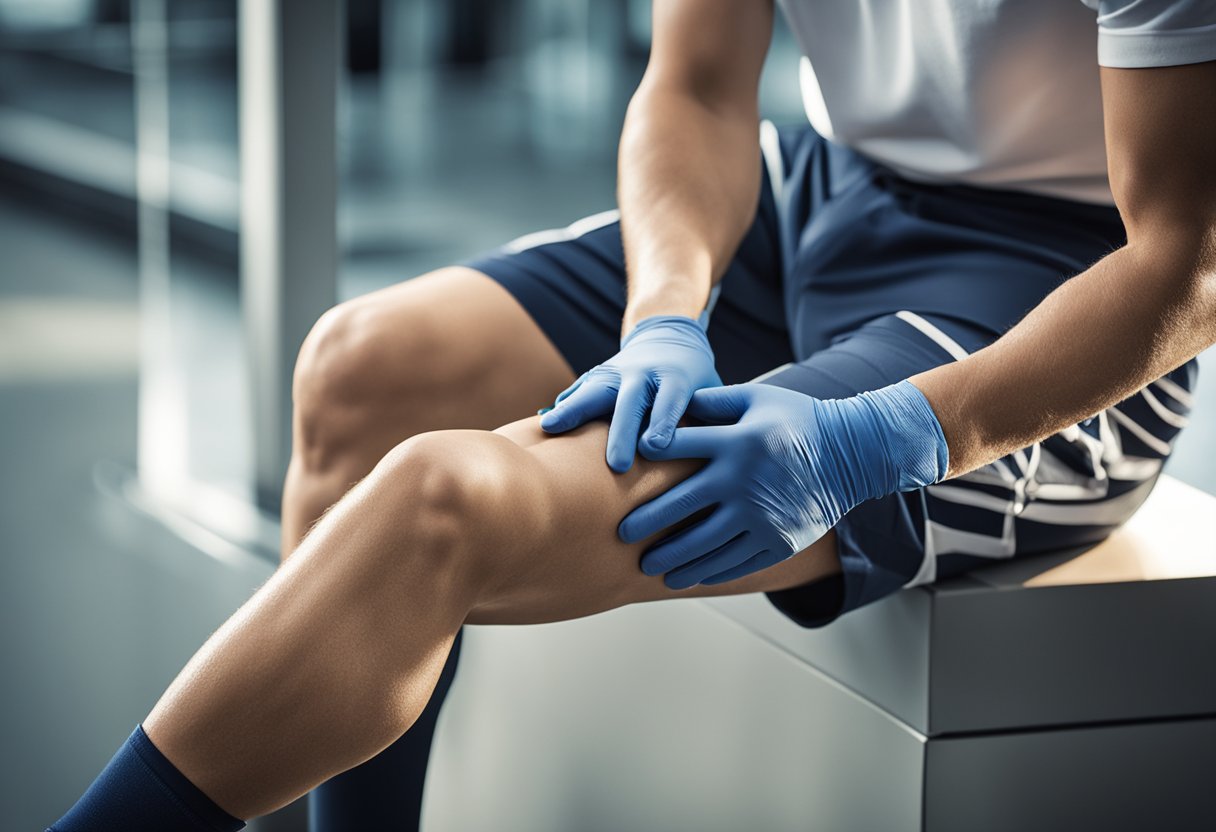
    Knee injuries can lead to various complications and conditions that can affect the overall health and function of the joint. One of the most common complications of knee injuries is arthritis, which is the inflammation of the joint. Arthritis can be caused by various factors such as age, genetics, and previous injuries.

    Osteoarthritis is a type of arthritis that is commonly associated with knee injuries. It occurs when the protective cartilage that cushions the joint wears down over time, causing pain, stiffness, and swelling. Rheumatoid arthritis is another type of arthritis that can affect the knee joint. It is an autoimmune disorder that causes the body to attack its own tissues, including the joint.

    Inflammation is another common complication of knee injuries. It occurs when the body’s immune system responds to an injury or infection by releasing chemicals that cause swelling, redness, and pain. This can lead to further damage to the joint and surrounding tissues.

    Patellofemoral pain syndrome, bursitis, patellar tendinitis, and iliotibial band syndrome are other conditions that can result from knee injuries. These conditions can cause pain, swelling, and stiffness in the knee joint, making it difficult to move or perform daily activities.

    In severe cases, joint replacement surgery may be necessary to treat knee injuries. This involves removing the damaged joint and replacing it with an artificial one. Osteoporosis, a condition that causes the bones to become weak and brittle, can also be a complication of knee injuries, especially in older adults.

    Overall, knee injuries can lead to various complications and conditions that can affect the health and function of the joint. It is important to seek medical attention if you experience any symptoms of knee injuries to prevent further damage and complications.

    Prevention of Knee Injuries
    v2 1zjhj o7obj

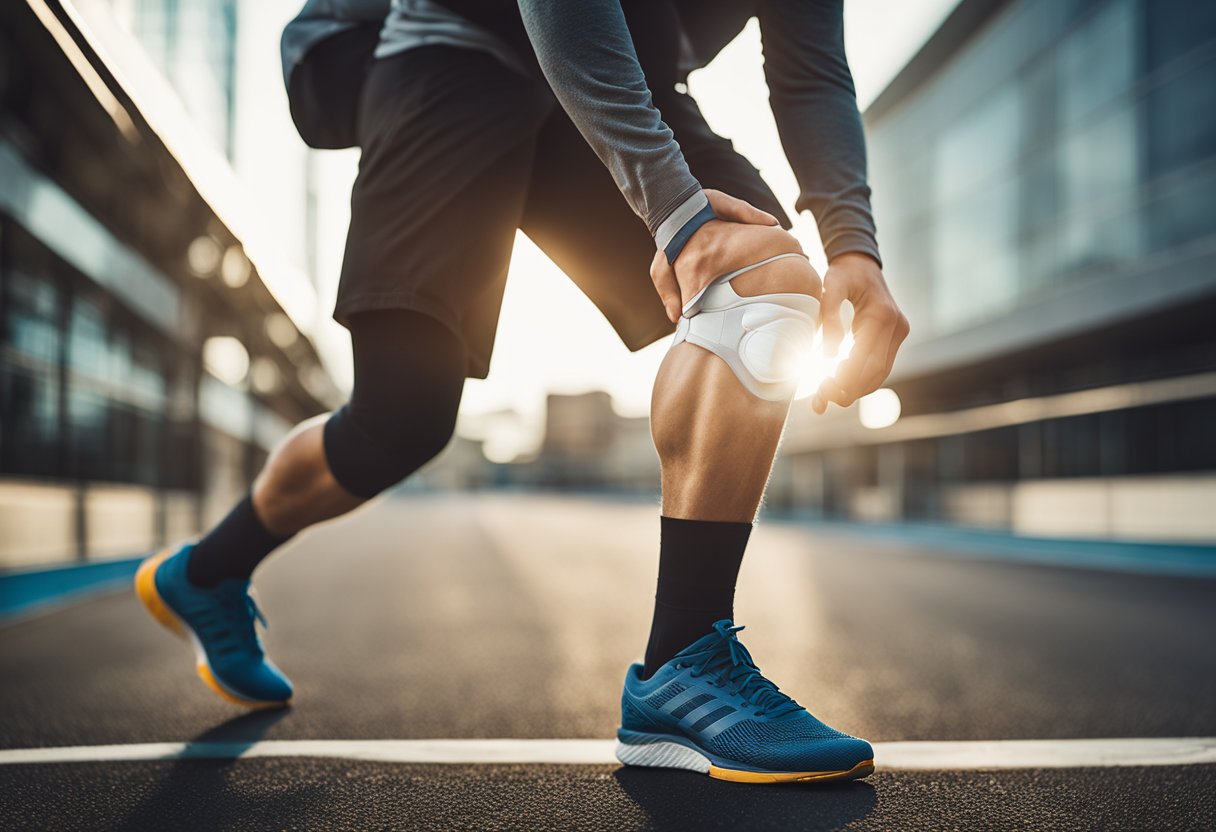
    Preventing knee injuries is important to maintain optimal knee health. Here are a few tips to help prevent knee injuries:

    • Stretching: Stretching before and after exercise can help prevent knee injuries. Stretching helps to warm up the muscles and increase flexibility, which can reduce the risk of injury.
    • Bearing Weight: Maintaining a healthy weight can help prevent knee injuries. Excess weight puts extra stress on the knees, which can lead to injury over time.
    • Wear and Tear: Overuse can lead to wear and tear on the knees, which can cause injury. To prevent this, it is important to rest and take breaks when necessary.
    • Calcium: Calcium is important for strong bones, which can help prevent knee injuries. Eating foods rich in calcium, such as dairy products, can help keep bones strong and healthy.

    In addition to the above tips, it is important to wear proper footwear when exercising, as well as to use proper technique when performing exercises. By following these tips, individuals can help prevent knee injuries and maintain optimal knee health.

  • POLARIS AR receives US Food and Drug Administration approval for STELLAR Knee

    POLARIS AR receives US Food and Drug Administration approval for STELLAR Knee


    MIAMI, Nov. 3, 2023 /PRNewswire/ — POLARISAR is pleased to announce today that their STELLAR knee has received 510(k) clearance from the U.S. Food and Drug Administration (FDA). STELLAR Knee is the first approval for POLARISARa company focused on creating a new category in surgical guidance in Mixed Reality.

    POLARISAR and STELLAR Knee are building the intersection of physical surgery and virtual surgical guidance, creating a unique digital operating room environment. This digital OR environment uses Mixed Reality displays to provide surgeons with real-time access to intraoperative anatomical data used to measure, plan and guide total knee arthroplasty procedures. Using a unique combination of proprietary optical tracking algorithms and spatial computing software, STELLAR Knee measures and records clinically meaningful hard and soft tissue anatomical data, enabling sub-millimetric intraoperative planning and providing precise resection accuracy and guidance.

    “This is an important moment for orthopedic surgery,” said Dr. John Cooper, associate professor of orthopedic surgery, Columbia University Irving Medical Center. “Before STELLAR Knee, I had to rely on the inaccuracy of conventional instruments, or on complex technologies such as robotics to improve surgical precision. While these technologies provide important data that can be used to personalize surgery for each patient, they require a large footprint in my OR and a significant financial commitment from my institution. Now I can wear an unobtrusive digital assistant that provides real-time measurements and calculations I can trust, validating surgical decisions.”

    With no footprint in the operating room other than a Mixed Reality headset that acts as a three-dimensional spatial computing tool, STELLAR Knee dynamically acquires patient-specific anatomical data and digitizes that information into holographic displays. By capturing the surgeon’s field of view, STELLAR Knee creates a real-time digital data exchange between the surgeon and the technology that supports clinical decisions. Surgeons have full interactive capabilities with the highly customizable and intuitive user interface, allowing them to make quick assessments and micro-adjustments to the surgical plan.

    With minimal physical installation, a simple integration process and competitive pricing compared to traditional surgical guidance systems, STELLAR Knee has the ability to shift the standard of care. The STELLAR Knee workflow is open and available for use in all total knee replacement implant systems. POLARISAR and STELLAR Knee are creating a new category in surgical guidance software that leverages the latest visual display technology.

    “One of the most important aspects of new technology entering the operating room is the impact it makes and the footprint it requires,” said Dr. Francis Gonzales, professor of orthopedic surgery, University of California, San Diego. “Technological progress does not always correlate with improvements within the OR. STELLAR Knee is an exception. Because it has no footprint outside the headset, no computers or stalls, it does exactly what it was designed to do: it allows me to focus on what matters most: the operation, and to have confidence in the decisions I make. take.”

    “Our software has the power to usher in the next generation of surgical advancements,” said Paul Mikus, Chief Executive Officer of POLARISAR. “This is a new day for orthopedics and surgery as a whole, as the promise of Augmented Reality is now being fulfilled. STELLAR Knee is pioneering a new class of surgical software that leverages best-in-class spatial computing and optimizes operating room workflow. STELLAR Knee not only impacts the surgeon and the patient, but also empowers healthcare providers to change the standard of care.”

    For more information about POLARIS, visit the link belowAR and STELLAR Knee, and to connect to a sales or POLARISAR team representative: https://www.thinkpolaris.com/

    ABOUT POLARISAR

    POLARISAR is a Miami-based startup whose mission is to develop a new class of Mixed Reality surgical technology. Their goal is to optimize intraoperative workflows and improve patient outcomes using advanced, three-dimensional spatial computing algorithms – going beyond traditional navigation, patient-specific instrumentation, robotics and first-generation augmented reality.

    The US Food and Drug Administration has approved STELLAR Knee in 2023. The company was founded in 2020 and is headquartered in Miami, Florida.

    For more information about POLARISARvisit: https://www.thinkpolaris.com/

    For any further information please contact:
    Media
    Ethan Metelenis
    Ethan.Metelenis@precisionvh.com
    917.882.9038

    SOURCE PolarisARrt

    Source link

  • Yes, men run faster than women, but over shorter distances – not by much

    Yes, men run faster than women, but over shorter distances – not by much


    Conventional wisdom holds that men run 10 to 12 percent faster than women, regardless of distance covered. But new research suggests the performance gap between the sexes is much smaller over shorter sprint distances.

    It has long been known that men outperform women by relatively large margins in middle and longer distance events. But speed over short distances is determined by several factors – most notably the magnitude of the ground forces athletes can exert in relation to their body weight. Women tend to be smaller than men and, all things being equal, the ratio of muscle strength to body weight is greater in smaller individuals.

    Ph.D. candidate Emily McClelland, working with Peter Weyand, the director of SMU’s Locomotor Performance Lab, quantified differences in sex performance using data from sanctioned international athletic competitions such as the Olympic Games and World Championships. They hypothesized that this data would reveal smaller performance differences between men and women over shorter distances.

    An accomplished athlete and former associate director of strength and conditioning at Bowling Green State University, McClelland has always had a natural interest in the scientific basis of human performance.

    More generally, understanding the relative strength, speed and endurance capabilities of male and female athletes is a very challenging issue for modern sport. Yet prior to the new SMU research, the quantitative understanding of gender performance differences in short sprint events had received little attention. McClelland’s background, gender differences in strength/mass capabilities, and existing data trends led her to hypothesize that gender differences in sprint performance might be relatively small and increase with distance.

    Her analysis of race data from sanctioned international competitions between 2003 and 2018 supported her initial hypothesis. This data showed that the difference between men’s and women’s performance times increased with the distance between events, from 8.6 percent to 11 percent, from the shortest to longest sprint events (60 to 400 meters). Furthermore, within-race analysis of each 10-meter segment of the 100-meter event revealed a more pronounced pattern over the distance: gender differences increased from a low of 5.6 percent for the first segment to a high of 14.2 percent in the last segment .

    Why then are women potentially less disadvantaged compared to men over shorter sprint distances?

    Unlike other running species such as horses and dogs, there is significant variation in body size between human males and females. All other factors being held equal, differences in body size result in a muscle strength to body weight ratio that is greater in relatively smaller individuals. Because sprint speeds are directly dependent on the mass-specific forces that runners can exert during the foot-ground contact phase of the stride, greater force-to-mass ratios of smaller individuals provide a theoretical relative advantage. Additionally, a female runner’s shorter legs can provide the advantage of more steps and push cycles per unit time during the acceleration phase of a race. These factors offset the advantages of men (longer legs and greater muscularity) gaining more leverage over longer distances.

    Take the example of Shelly-Ann Fraser Pryce, a Jamaican track star who stands 6 feet tall, weighs 115 pounds and has won two gold medals at the Olympics and five at the World Championships in her signature event, the 100 meters. The 40 yards of a 100-yard race is estimated at just 4.51 seconds – a time faster than nearly half of all wide receivers and running backs who tested in the National Football League’s Scouting Combine in 2022. According to Shelly-Ann Fraser-Pryce, most of these aspiring NFL football players are over 6 feet tall and 200 pounds.

    The study ‘Sex differences in human running performance: smaller gaps over shorter distances?’ was conducted by McClelland and Weyand and has been published in the journal Journal of Applied Physiology.

    Source link

  • Headgear can reduce concussion risk in high school lacrosse

    Headgear can reduce concussion risk in high school lacrosse


    Association headgear mandate and concussion injury rates in girls high school lacrosse

    Herman DC, Caswell SV, Kelshaw PM, Vincent HK, Lincoln AE. Br J Sports Med. 2022;56:970-974. doi:10.1136/bjsports-2021-105031

    https://bjsm.bmj.com/content/56/17/970.long

    Take home message

    Headgear can reduce the risk of concussions in high school lacrosse field players.

    Background

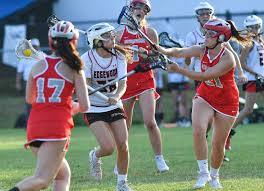
    Current regulations classify women’s lacrosse as a non-contact sport, limiting the amount of protective equipment required for goggles and mouthguards. However, unintentional head impacts (such as head-to-stick) are common, often leading to a concussion. There is little evidence to assess whether headgear reduces the risk of concussion in this population.

    Study aim

    The authors wanted to determine whether high school girls’ lacrosse players had fewer concussions in a state with a headgear mandate than players in states without a headgear mandate.

    Methods

    The authors used an existing data recording system (the High School National Athletic Treatment, Injury, and Outcomes Network [NATION]) to analyze athlete exposures and concussions. Each athlete exposure represented a single athlete participating in a high school sanctioned practice or competition. A concussion had to occur during a high school lacrosse game or practice and be diagnosed by a healthcare professional. The authors compared data from Florida, which has a statewide headgear mandate, with athletes in 31 other states without a mandate. They focused on data from 2019-2021.

    Results

    In total, the authors analyzed 289 school seasons (96 with mandatory helmets), yielding 357,225 exposures to athletes (91,074 with mandatory helmets). During these exposures, 141 concussions occurred. Lacrosse players competing in states without a headgear mandate had a ~59% greater incidence of concussion than players in a state with a mandate.

    Viewpoints

    This study adds to the limited literature suggesting that headgear can reduce the risk of concussion in female high school lacrosse players. More states and lacrosse organizations should consider implementing a similar mandate to reduce the incidence of concussions in this athletic population. Unlike previous research, this study simultaneously tracked both mandatory and non-mandatory headgear concussions, which increases its potency. However, several limitations are also present. First of all, this study lacks randomization of participants. Therefore, athletes with helmet mandates (mainly Florida) may be unique compared to other players. This may include differences in refereeing style and player intensity. Second, some lacrosse players in states without a mandate may have worn helmets based on their preferences. It is unclear how many athletes in the states without a mandate voluntarily wore helmets and may have been protected. Therefore, these results could underestimate the benefit of helmets.

    Clinical implications

    Athletic trainers and other sports medicine professionals should advocate for headgear mandates and resources to ensure access to headgear in women’s lacrosse to potentially reduce the incidence of concussions.

    Questions for discussion

    What are your thoughts on the ability of helmets and headgear to reduce the risk of concussion in athletes? Does this study change your view on their ability to reduce the incidence of concussions?

    related posts

    1. Aftermarket helmet add-ons don’t add up
    2. Women are not only at increased risk for concussions, but also for more severe concussions
    3. A Closer Look at Concussions 2016-2020: Increasing Prevalence and Gender Differences

    Written by: Cade Watts
    Review by: Jeffrey Driban

    Evidence-based assessment of concussion course - 5 EBP CEUs

    Source link

  • Nanovis announces the formation of a Scientific Advisory Board to advance the FDA-designated nanotechnology surface

    Nanovis announces the formation of a Scientific Advisory Board to advance the FDA-designated nanotechnology surface


    The formation of the board comes at a pivotal time for Nanovis as they continue their ongoing mission to leverage nanotechnology for improved patient care.

    COLUMBIA CITY, Ind., Nov. 2, 2023 /PRNewswire-PRWeb/ — Nanovis, a leader in nanotechnology surface solutions for orthopedic, spinal and dental applications, announces the formation of its Scientific Advisory Board (SAB). The board will consist of Dr. C. Lowry Barnes, Dr. Douglas W. Pahl, Dr. Brent Ponce and Dr. Thomas J. Webster. This team is a multidisciplinary, multidisciplinary scientific advisory board composed of leaders from the musculoskeletal specialties. Nanovis will continue to fill their SAB with other specialties such as dentistry, trauma, foot and ankle, and infectious diseases in the coming months.

    Brian More, CEO of Nanovis, said: “The creation of the SAB marks a pivotal moment for Nanovis in our ongoing mission to leverage nanotechnology for improved patient care. The board’s collective expertise will be critical in advancing claims and indications for nanoVIS Ti Surface Technology, our FDA-designated nanotechnology surface that has been approved for seven product systems and has been successfully implanted in thousands of patients.”

    In addition to technological advancements, the SAB will play a critical role in guiding Nanovis’ approach to clinical data collection and analysis. Their expertise will help strategically collect clinical data, ensure its thorough research and help present the benefits of Nanovis’ technologies at conferences and in academic journals. This initiative aims to validate the clinical efficacy of the company’s surface technology portfolio, drive innovation, discover new product applications and identify potential new markets.

    Brian More added: “With the guidance of the SAB, we are well positioned to break new ground in orthopedic implant technology, ensuring that our scientific breakthroughs translate into real benefits for surgeons and patients.”

    Board members:

    Dr. C. Lowry Barnes

    Orthopedic surgeon

    University of Arkansas, Little Rock, Chairman of the Department of Orthopedic Surgery, Hip & Knee Specialty

    Dr. Douglas W. Pahl

    Orthopedic surgeon

    Hughston Spine and the Hughston Clinic Spine specialty

    Dr. Brent Ponce

    Orthopedic surgeon

    Hughston Clinic, Columbus, Georgia

    Chair, Hughston Foundation Research Shoulder and Sports Medicine Specialty

    Dr. Thomas J. Webster

    Professor

    Brown University

    Department of Pre-college and Undergraduate Studies

    Nanovis will exhibit its FDA-designated nanotechnology surface at the American Association of Hip and Knee Surgeons in Dallas, Texas, November 2-5, 2023. In conjunction with the AAHKS meeting, Scientific Advisory Board Member Dr. C. Lowry Barnes to host a Nanovis-sponsored educational event on nanotechnology in total joint arthroplasty.

    About Nanovis

    Nanovis is a technology-driven company committed to discovering unmet clinical needs, developing innovative and enabling solutions, and validating new technologies for clinical and market acceptance. The company, through its subsidiary Nanovis Spine, has successfully commercialized its proprietary nanoVIS Ti Surface Technology for a range of spinal implants, including the nano FortiFix Pedicle screws and Nano FortiCore PEEK Titanium Hybrid Interbodies, the latter being enriched with OsteoSync technology licensed from Site Medical.

    In particular, the nanoVIS Ti Surface technology platform shows in preclinical studies its potential to evolve into an antimicrobial surface in select markets, while Nanovis simultaneously innovates a next-generation antimicrobial technology aimed at combating localized infections in various applications including skin, transcutaneous devices and orthopedic implants .

    Ready to learn more about the science behind nanoVIS Ti Surface Technology™? Join us on LinkedIn.

    Media contact

    Guillaume Viallaneix, Nanovis, 1 (407) 960-2994, guillaume@medtechmomentum.com, MedTechMomentum.com

    SOURCE Nanovis

    Source link

  • COVID-19 pandemic cancellations have taken a heavy toll on teen athletes, whose mental and physical health improved significantly after sports resumed, research shows

    COVID-19 pandemic cancellations have taken a heavy toll on teen athletes, whose mental and physical health improved significantly after sports resumed, research shows


    High rates of depression and anxiety among adolescent athletes whose sports were canceled during the COVID-19 pandemic improved significantly a year later when they were able to return to sports, according to new research.

    The author of an abstract, “The Influence of Return to Sport on Mental Health, Physical Activity and Quality of Life Among Adolescent Athletes During COVID-19,” will present his findings at the AAP 2022 National Conference and Exhibition in Anaheim, CA.

    “Organized sports participation has been shown for decades to have significant physical and mental health benefits for adolescents, but the COVID-19 pandemic has made this even clearer,” said author Drew Watson, MD, MS, team physician for athletics from the University of Wisconsin.

    “The cessation of sports during the early pandemic was associated with reduced physical activity and quality of life, as well as surprisingly high levels of anxiety and depression. Although the return to sport has been associated with major improvements in physical activity, quality of life and mental health, we are still seeing higher levels of anxiety and depression than before COVID-19, suggesting this will be a crucial priority in the coming years to stay.”

    According to the summary, a total of 17,421 teens nationwide completed surveys in May 2020, including information on demographics and sports participation, following cancellations of sporting events related to COVID-19 and following their return to sports in May 2021.

    When sports were stopped, adolescent athletes reported low levels of physical activity, poor quality of life, and high rates of anxiety and depression. A year later, the athletes who were able to return to sports reported a significant increase in physical activity and quality of life. The percentage of adolescents reporting moderate to severe anxiety or depression fell by about half.

    Dr. Watson suggests that the opportunity to participate in organized sports can have dramatic benefits for adolescents’ quality of life and mental health.

    Source link

  • CTL Amedica will present the MONDRIAN™ ALIF system at the University of Miami on November 4

    CTL Amedica will present the MONDRIAN™ ALIF system at the University of Miami on November 4


    Spine surgeons and distributors are welcome

    DALLAS, November 3, 2023 / OrthoSpineNews/ – On November 4, CTL Amedica will introduce surgeons and distributors to the new MONDRIAN™ Anterior Lumbar Interbody Fusion (ALIF) System during a special hands-on laboratory. The laboratory will be held in the Minimally Invasive Surgical Training and Education Center, located in the Rosenstiel Building at the University of Miami.

    This will be the spine industry’s first official, hands-on look at the MONDRIAN™ ALIF System. The FDA-cleared implant system is an integrated plate-and-cage construction made of titanium and featuring CTL Amedica’s patented TiCRO™ surface technology, which enhances the interlocking properties of bones.

    “The MONDRIAN™ ALIF System is designed to provide anterior column stabilization and supplemental fixation while accommodating a wide range of patient anatomies and surgical preferences,” said Daniel Chon, CEO of CTL Amedica. “It is a unique implant that we believe will be very useful to surgeons and their patients, and we are excited to demonstrate this important technology this coming weekend at the University of Miami.”

    Named after the influential, early 20se century artist Piet Mondrian, the MONDRIAN™ ALIF System features a smooth, tapered leading edge for easy insertion, a large central chamber for maximum biological graft volume, a proprietary screw locking mechanism and an additional screw blocking plate for additional reinforcement.

    Additionally, the MONDRIAN™ ALIF System features hyperlordotic cages for complex corrections, multiple screw plate configurations for greater operational versatility, and CTL Amedica’s patented and precision machined TiCRO™ surface technology, which provides a larger surface area than predicates, increasing contact with the bony endplates is significantly increased. .

    The educational laboratory is open to all surgeons and distributors, but participation space is limited. For more information, contact info@ctlamedica.com or call 1-800-713-9489.

    CTL Amedica is a progressive medical device design, development and manufacturing company. CTL Amedica has a Texas-based headquarters and its own manufacturing facility, along with a Pennsylvania-based R&D Center of Excellence. CTL Amedica is a leader in medical device and biomaterials technology, offering a full line of cervical, thoracic and lumbar fusion and fixation products. In addition, it is the world’s exclusive supplier of silicon nitride backbone products, which demonstrate greater protein absorption and increased osseointegration, promote better bone growth, improve osteogenic response and accelerate fusion. For more information, visit https://www.ctlamedica.com/.

    ###

    Contact:
    Joy Mazza
    CTL America Corporation
    443-422-5653
    Jmazza@ctlmed.com

    Source link

  • Help reduce injuries by having a fun and fit warm-up with FIFA 11+ Kids

    Help reduce injuries by having a fun and fit warm-up with FIFA 11+ Kids


    The FIFA 11+ Kids Injury Prevention Program reduces injuries among male football players: a clustered randomized controlled trial.

    Al Attar WSA, Bizzini M, Alzahrani H, Alarifi S, Ghulam H, Alyami M, Alzhrani M, Sanders RH. Sports Health. July 28, 2022: 19417381221109224. doi: 10.1177/19417381221109224. E-publishing prior to printing. PMID: 35903029.

    https://pubmed.ncbi.nlm.nih.gov/35903029/

    Take home message

    Footballing children who completed the FIFA 11+ Kids program suffered fewer injuries than those who completed the normal warm-up.

    Background

    Children under the age of 14 sustain almost 44% of all football injuries. Warm-up programs for injury prevention could reduce the number of injuries in this population and future health care costs. However, we know little about the effectiveness of these programs in youth football.

    Study aim

    The authors evaluated the effect of the FIFA 11+ Kids injury prevention program on reducing the incidence of injuries among male Saudi Arabian football players aged 7 to 13 years.

    Methods

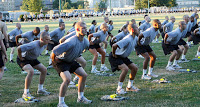
    The authors conducted a cluster randomized control trial to assess the effect of the 11+ Kids program on reducing injuries in 7- to 13-year-old football players over 1 season (August 2018 – January 2019). The authors sent recruitment letters to 100 male soccer teams (825 athletes) participating in the Saudi Federation of Sports Medicine and Saudi Soccer Federation soccer teams. In response, 88 teams (740 players) agreed and completed the study. The authors randomized 45 soccer teams into the 11+ Kids program (377 athletes). The 11+ Kids program consisted of a 15-20 minute warm-up (7 exercises; 5 levels; focused on balance, core stability and optimization of falling technique) to be performed twice a week instead of a regular warm-up . The control group (43 teams, 363 athletes) performed their regular warm-up regimen, which was defined as basic exercises performed before a match or training to prepare the player for vigorous physical activity. The authors defined an injury as one that prevented a player from fully participating in the next match or training session.

    Results

    The soccer players who completed the 11+ Kids program had ~57% fewer injuries than players who performed a traditional warm-up. The benefit of the 11+ Kids program appears to apply to contact, non-contact and overuse injuries. The authors provide a detailed overview of the different types of injuries, but in many of them only a few athletes (<5 athletes) had an injury, making it difficult to interpret.

    Viewpoints

    Overall, athletes who completed the 11+ Kids program suffered 57% fewer injuries than the control group, demonstrating the need for prevention programs such as the FIFA 11+ Kids in youth soccer programs. These findings are consistent with a wealth of research showing that prevention programs work and can be easily implemented in less than 15 minutes. In this study, the coaches used the program just twice a week and saw benefits, suggesting that coaches do not need to completely abolish their existing warm-up programs. While we often focus on high school and college athletes, it’s reassuring to see these programs working for elementary and middle school players.

    Clinical implications

    Medical professionals should encourage youth coaches to use injury prevention warm-up programs, such as FIFA 11+ Kids, to reduce injuries at this level and promote positive future health outcomes.

    Questions for discussion

    What is the best way to distribute this information to the youth leagues? Does your youth athlete perform a structured warm-up? Do you think this is easy to implement?

    related posts

    1. Injuries = lost time AND money. Why not prevent injuries with the 11+ Kids program?
    2. 11+ Kids program prevents serious injuries
    3. FIFA 11…(but actually FIFA 11+) programs are effective in reducing football injuries
    4. An ounce of prevention = money saved!
    5. FIFA 11+ reduces the risk of injuries for football players
    6. FIFA 11+ improves performance and reduces injuries in football

    Written by: Jane McDevitt
    Review by: Jeffrey Driban

    ACL EBP CEUs

    Source link

  • The number of children hospitalized for e-scooter injuries increases between 2011 and 2020

    The number of children hospitalized for e-scooter injuries increases between 2011 and 2020


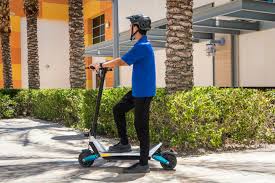
    Upright electric scooters, commonly referred to as e-scooters, have grown in popularity across the country over the past decade. According to a new research summary presented at the 2022 American Academy of Pediatrics National Conference & Exhibition, e-scooter injuries are becoming much more common and increasingly serious.

    Authors of the abstract “National Trends in Pediatric e-Scooter Injury” found hundreds of e-scooter injuries between 2011 and 2020. Patient hospitalizations have increased from less than 1 in 20 e-scooter injuries in 2011 to 1 in 8 requiring hospitalization for care in 2020.

    “The number of annual e-scooter injuries increased between 2011 and 2020, likely in part due to the rising popularity of e-scooter ride-sharing apps,” said lead author Harrison Hayward, MD, Emergency Medicine fellow at Children’s National Hospital. “Our research has characterized the spectrum of injuries that occur in children, allowing emergency physicians to prepare to care for them and parents and families to practice better safety.”

    Researchers examined a national database of e-scooter injuries to children seen in the emergency departments of more than 100 U.S. hospitals between 2011 and 2020 to find out what types of injuries children suffered and if there were any trends. More than 10% of all patients had head injuries, including concussion, skull fractures and internal bleeding. The most common injuries were arm fractures (27%), followed by minor abrasions (22%) and cuts requiring stitches (17%). The mean age was 11.1 years and 59% of patients were male. Hospital admissions increased from 4.2% in 2011 to 12.9% in 2020.

    “Parents whose children ride e-scooters need to know how best to be safe. That’s why helmets are a must, as more than 10% of reported cases involved head injuries,” said Dr. Hayward. “Children should absolutely wear helmets when riding an e-scooter. Research has broadly shown that helmets save the lives of cyclists, and we should think the same way about e-scooters.”

    The authors received no financial support for this research.

    Source link

  • Coach the coach, make ACL injury prevention programs stick!

    Coach the coach, make ACL injury prevention programs stick!


    Coach training improves adherence to anterior cruciate ligament injury prevention programs: a cluster randomized controlled trial. Clinical Journal of Sports Medicine

    Ling, Daphne I; Boyle, Caroline; Schneider, Brandon; Janosky, Joseph; Childservant, James; Marx, Robert G. Clin J Sport Med. July 2022 – Part 32 – Number 4 – p. 348-354. doi: 10.1097/JSM.0000000000000936

    Free article freely available

    Take home message

    Coaches who received education about anterior cruciate ligament (ACL) injury prevention were more likely to include it in their warm-up. Personal training sessions increased the use of proper alignment cues and the incorporation of a complete prevention program.

    Background

    Neuromuscular training programs can reduce an athlete’s chance of an ACL injury and can be incorporated as a simple warm-up. However, few coaches use warm-up programs for injury prevention.

    Study aim

    Ling and colleagues completed a cluster randomized controlled trial to investigate whether live educational training for coaches with take-home documents led to better adherence to a neuromuscular training program for their teams than coaches who only received program information via email received.

    Methods

    The authors recruited coaches via email to athletic directors at high schools with which the authors’ institution had ties. The authors excluded schools that had previously implemented a neuromuscular training warm-up program. High schools interested in participating in the study were randomized to receive live education for coaches with reference documents or educational documents only. Coaches from schools randomized to the intervention attended a live education session and received a reference video and follow-up documents for a series of neuromuscular training warm-up routines (beginner to elite) containing 7-10 exercises. Coaches from schools in the control group only received the documents in an email. Trained data collectors observed all teams 2-3 times per week during both practices and games. They checked that the coaches performed the neuromuscular training exercises, provided instructions on the correct execution and gave the correct instructions for the technique.

    Results

    The authors randomized 8 high schools, including 21 teams. Over two seasons, the data collectors observed 399 practices or games and 2,579 practices. Coaches in the intervention group used ~7 exercises per session, while coaches in the control group used only ~6 exercises. More coaches in the intervention completed a full neuromuscular training warm-up program and provided prompts to correct incorrect techniques than coaches who only received the documents.

    Viewpoints

    As I suspect, the findings of this study support training coaches on proper techniques and drills in a live format. The authors used a combination of lectures and practical skills training during a 1-hour teaching session. Completing this educational session allowed coaches to ask questions, gain clarity and better understand the need to implement the program properly throughout the season. Having data collectors on site regularly throughout the seasons may have made coaches more compliant. However, coaches did not know when the data collectors would be present, making the data valid because coaches did not perform the prevention exercises in a performative manner only because they believed they were being watched. It would be interesting to see if this educational session could help coaches in more high schools and if other teachers could effectively deliver this educational session.

    Clinical implications

    Clinicians should organize educational workshops for coaches to help them implement proven ACL injury prevention programs as part of their warm-up routine. These workshops can be provided by the physician, another local health care professional, or a coach with experience using these programs.

    Questions for discussion

    Would the implementation of exercises be higher if coaches could choose from a group of useful exercises for their team, thereby increasing “buy-in”?

    Would governing bodies that approve programs and recommend training of coaches in these programs specific to their sport increase adherence and appropriate implementation or discourage participation?

    Written by Shelly Fetchen DiCesaro
    Reviewed by Jeffrey Driban

    related posts

    Sports injury prevention programs increase a player’s fortunes
    Back-to-school injury prevention programs
    Forget about 7 minutes of Abs. What about the 10-minute lower extremity injury prevention program?

    ACL EBP CEUs

    Source link