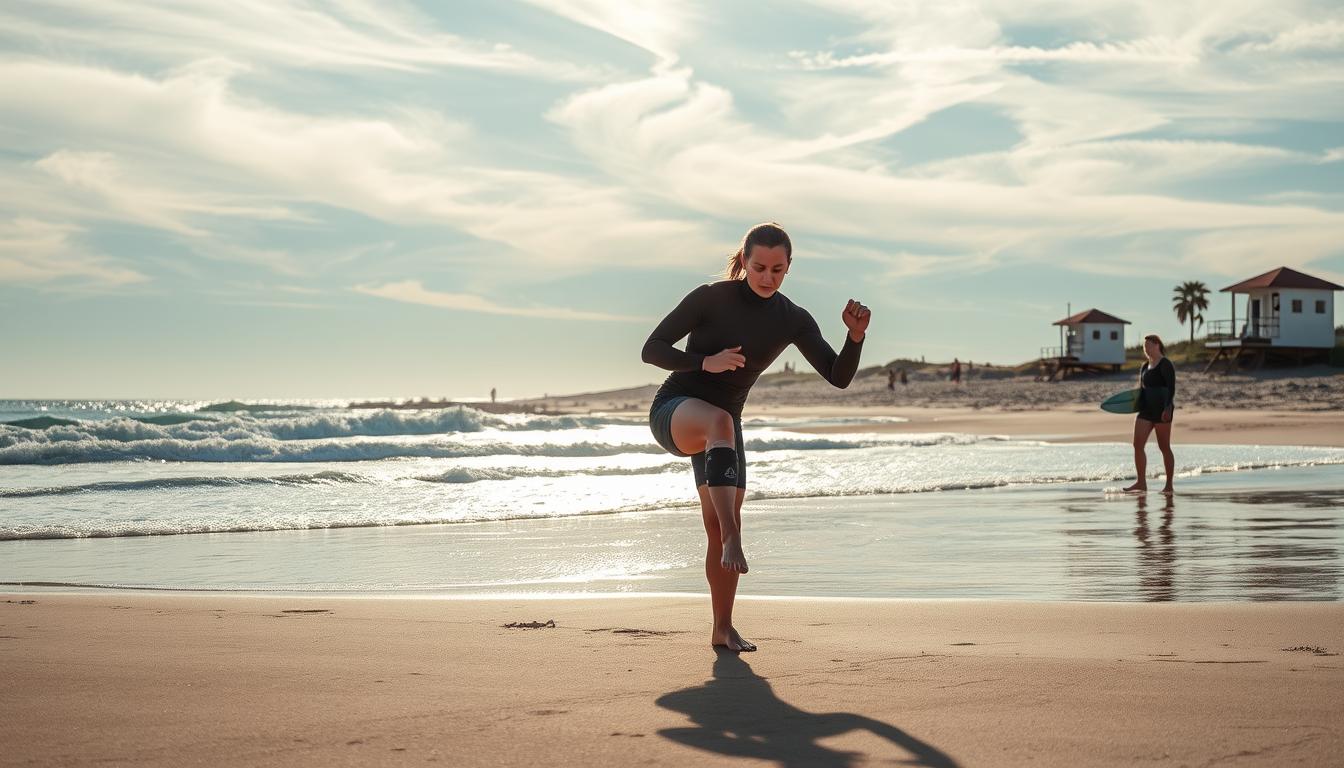
Can surfers continue to ride the waves after suffering an ACL injury? For many athletes, an ACL injury can be a career-threatening condition. However, with proper precautions and care, surfers can minimize the risk of further damage and maintain a long and healthy surfing career.
ACL injuries are a significant concern for athletes, including surfers. Understanding how to prevent and manage these injuries is crucial. This article will discuss the prevalence of ACL injuries in sports, the specific risks associated with surfing, and techniques for safe surfing.
Key Takeaways
- Understanding the risks of ACL injuries in surfing
- Precautionary measures to prevent ACL injuries
- Techniques for safe surfing with an ACL injury
- Importance of proper care and rehabilitation
- Tips for maintaining a long and healthy surfing career
Understanding ACL Injuries and Their Impact
Understanding the intricacies of ACL injuries is crucial for surfers looking to return to the sport after an injury. ACL injuries are complex and can significantly affect an individual’s ability to perform at their best in surfing.
According to sports physiotherapist Richard Evans, recovery timelines for ACL injuries are not one-size-fits-all, emphasizing the need for a patient, milestone-driven rehabilitation approach. This personalized approach is vital for ensuring that surfers can safely return to their sport without risking further injury.
What Is an ACL Injury?
An ACL (Anterior Cruciate Ligament) injury refers to a tear or sprain of the ACL, one of the key ligaments that help stabilize the knee joint. This type of injury is common in sports that involve sudden stops, changes in direction, or direct contact, such as surfing.
ACL injuries can range from mild sprains to complete tears, with the severity determining the appropriate treatment and recovery time. Surfers, in particular, need to be aware of the risks and take preventive measures to protect their knees.
Common Symptoms and Diagnosis
Common symptoms of an ACL injury include a loud “pop” at the time of injury, knee instability, and significant pain. Diagnosing an ACL injury typically involves a combination of physical examination, medical history, and imaging tests such as an MRI.
Understanding these symptoms and the diagnostic process is essential for surfers to get the right treatment and rehabilitation plan. Early diagnosis and appropriate care can significantly impact the recovery process and the surfer’s ability to return to the sport.
By focusing on ACL injury prevention and proper care for surfing with knee injury, surfers can minimize their risk and ensure a safer return to surfing after an injury.
Importance of Precautionary Measures
Precautionary measures are vital for surfers recovering from ACL injuries to prevent re-injury and ensure a safe return to the sport. Surfing, by its nature, involves dynamic movements that can be stressful on the knees, making it essential for surfers to take extra precautions to protect their ACL while surfing.

Why Precautions Are Essential for Surfing
Precautions are crucial because they help in identifying potential risks associated with surfing after an ACL injury. By understanding these risks, surfers can take steps to mitigate them, thereby reducing the chance of re-injury. For detailed information on common injuries in surfing and prevention strategies, you can visit resources that provide valuable insights into surfing safety.
Some key precautions include strengthening the muscles around the knee, improving flexibility, and using proper surfing techniques to minimize stress on the ACL. By focusing on these areas, surfers can significantly reduce their risk of re-injury.
Mental Readiness After an Injury
Mental readiness is equally important as physical recovery after an ACL injury. The fear of re-injury can be a significant psychological barrier to returning to surfing. It’s essential for surfers to work on building their confidence and overcoming this fear.
Strategies for mental readiness include setting realistic goals, practicing relaxation techniques, and gradually returning to surfing. By focusing on mental preparation, surfers can ensure a more successful and sustainable return to the sport. Incorporating surfing safety tips for ACL into their routine can also enhance their mental readiness.
Preparing for Surfing with an ACL Injury
A successful return to surfing after an ACL injury hinges on proper preparation and a well-planned rehabilitation strategy. This involves not only physical recovery but also mental readiness to tackle the challenges of surfing again.
Consult Your Doctor or Therapist
Before getting back into the water, it’s crucial to consult with your doctor or therapist. They can provide a professional assessment of your ACL health and offer guidance on safe return to surfing. According to Richard Evans, a patient, milestone-driven rehabilitation approach is advocated, emphasizing that physical recovery is only part of the equation. Psychological readiness is equally crucial in preventing re-injury.
Your healthcare provider may recommend certain exercises to strengthen the knee and improve overall lower body strength, which is vital for surfing.
Strengthening Exercises to Consider
Engaging in ACL-friendly strengthening exercises can significantly reduce the risk of re-injury. Exercises that strengthen the muscles around the knee, such as the quadriceps and hamstrings, are particularly beneficial. Some examples include:
- Squats
- Lunges
- Leg Press
- Leg Extensions
- Hamstring Curls
These exercises can help improve knee stability and support ACL health. Additionally, modifying surfing techniques to minimize ACL strain is essential. This might involve adjusting paddling techniques and being mindful of landing and turning maneuvers while riding waves.
By focusing on these preparatory steps and being mindful of the need to minimize ACL strain when surfing, surfers can enjoy their sport while protecting their knee health.
Choosing the Right Surfboard
Surfers with ACL injuries need to consider several factors when choosing a surfboard to ensure a safe return to the sport. The right surfboard can significantly impact their ability to surf comfortably and minimize the risk of further injury.
The Impact of Surfboard Size and Shape
The size and shape of a surfboard play a crucial role in determining its stability and maneuverability. For surfers with ACL injuries, a more stable board can be beneficial as it requires less strain on the knee.
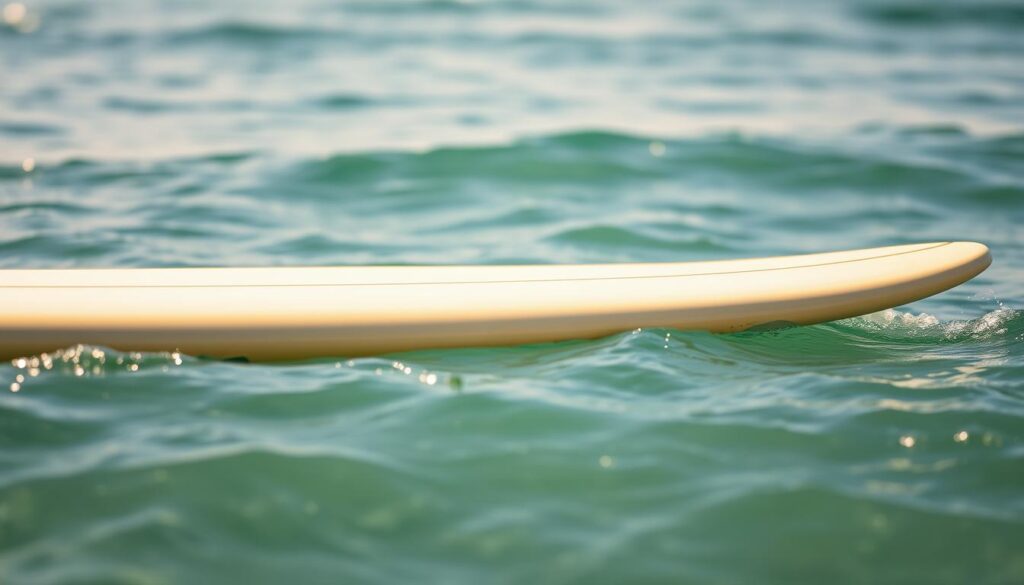
Surfboard Size: A longer and wider surfboard provides more stability, making it easier to balance and reducing the stress on the ACL. However, it may be more challenging to maneuver.
Surfboard Shape: The shape of the surfboard affects its performance in the water. A soft-top surfboard is recommended for beginners or those recovering from injuries as it provides a softer surface in case of falls.
Recommendations for Beginner-Friendly Boards
For surfers recovering from ACL injuries, beginner-friendly surfboards are often the best choice. These boards are designed to be more forgiving and easier to handle.
| Feature | Beginner-Friendly | Advanced |
|---|---|---|
| Length | 8-10 feet | 5-7 feet |
| Width | 22-24 inches | 18-20 inches |
| Thickness | 2.5-3 inches | 1.5-2 inches |
| Material | Soft-top foam | Fiberglass or Carbon Fiber |
When choosing a surfboard, surfers with ACL injuries should consider their skill level, the conditions they will be surfing in, and their personal comfort. Consulting with a surf instructor or a healthcare professional can provide valuable insights tailored to individual needs.
By selecting the right surfboard and being mindful of their limitations, surfers can enjoy the sport while minimizing the risk of further injury. This approach is part of a broader strategy for surfing with knee brace tips and other safety measures to ensure a successful return to surfing.
Selecting Ideal Surf Conditions
The key to safe surfing after an ACL injury lies in selecting ideal wave conditions. When surfers return to the water after such an injury, they need to be mindful of the conditions to avoid putting excessive stress on their knee.
Factors to Consider When Choosing Waves
When choosing waves, several factors come into play. Wave size is a critical consideration; smaller waves are generally safer as they require less strength and knee stress to navigate.
Another factor is wave complexity. Waves with a simple, rolling motion are preferable to those with a complex or barreling shape that may require more aggressive maneuvers, potentially straining the ACL.
Safe Locations for ACL Recovery Surfing
Identifying safe locations for surfing is also vital during the recovery phase. Beaches with gentle waves and sandy bottoms are ideal, as they provide a softer landing in case of a fall, reducing the impact on the knee.
Additionally, surfers should look for locations with minimal currents, as strong currents can cause surfers to paddle more intensely, thereby increasing the stress on their knees.
By carefully selecting the right surf conditions and locations, surfers with ACL injuries can minimize the risk of further injury and enjoy a safer return to the sport.
Technique Adjustments for Safer Surfing
To surf safely with an ACL injury, it’s essential to adapt your paddling and balancing techniques. Modifying your approach can significantly reduce the strain on your ACL, allowing you to enjoy surfing while minimizing the risk of further injury.
Modifications to Paddling Techniques
Paddling is a critical component of surfing that can put significant stress on the ACL. To mitigate this, consider the following adjustments:
- Use a modified paddling technique that focuses on engaging your core and using your larger muscle groups to propel you through the water, rather than relying solely on your knees and legs.
- Keep your knees bent and your legs relaxed while paddling to reduce the strain on your ACL.
- Practice paddling with proper posture, keeping your back straight and your body aligned to distribute the effort across your body more evenly.

Staying Balanced While Riding Waves
Once you’re on the wave, maintaining balance is key to preventing further ACL injury. Here are some tips:
- Center your weight over the board to maintain stability and control.
- Keep your knees bent to lower your center of gravity and improve balance.
- Practice shifting your weight subtly to adjust to the wave’s movements without putting undue stress on your ACL.
By implementing these technique adjustments, surfers with ACL injuries can significantly reduce their risk of further injury and enjoy a safer surfing experience.
Using Protective Equipment
Protective gear plays a vital role in safeguarding surfers with ACL injuries from exacerbating their condition. The right equipment can provide the necessary support and stability, allowing surfers to enjoy their sport while minimizing the risk of further injury.
Knee Braces to Consider
Knee braces are a crucial piece of protective equipment for surfers with ACL injuries. They offer additional support to the knee, helping to stabilize the ACL and prevent further strain. When selecting a knee brace, it’s essential to consider the type of surfing you’ll be doing and the level of support you need.
Types of Knee Braces:
- Prophylactic knee braces: Designed to prevent injuries, these braces are often used by athletes in high-risk sports.
- Functional knee braces: These provide support and stability for knees with existing injuries, such as ACL tears.
- Rehabilitation knee braces: Used during the recovery phase, these braces help to immobilize the knee and promote healing.
As noted by sports medicine professionals, “The use of knee braces can significantly reduce the risk of further injury to the ACL, especially in sports that involve pivoting and sudden changes in direction, like surfing.”
“Knee braces are not just for injury prevention; they’re also a valuable tool for athletes recovering from ACL injuries, providing the necessary support to return to their sport safely.” – Dr. John Smith, Sports Medicine Specialist
Other Safety Gear for Added Support
In addition to knee braces, other safety gear can provide added support and protection for surfers with ACL injuries. This includes:
- Neoprene knee sleeves: Offering compression and warmth, these sleeves can help reduce pain and inflammation.
- Surf-specific knee pads: Designed to provide extra cushioning and protection, these pads can be particularly useful for surfers who wipe out frequently.
By incorporating the right protective equipment into their surfing routine, individuals with ACL injuries can enjoy a safer and more enjoyable experience on the water. It’s about being proactive and taking the necessary precautions to protect your ACL while surfing.
Surfing with a Buddy System
Having a surf buddy is not just a good idea; it’s a vital safety precaution for surfers, especially those recovering from ACL injuries. Surfing with a partner can significantly enhance safety in the water by ensuring immediate assistance is available in case of an injury or other emergencies.
The Importance of Having a Surf Partner
Surfing with a buddy allows for mutual support and assistance. If a surfer experiences an ACL injury or any other issue while in the water, their partner can provide immediate help, such as calling for emergency services or providing initial care. This can be crucial in minimizing ACL strain and preventing further injury.
Moreover, having a surf partner can enhance the overall surfing experience. It allows surfers to encourage and motivate each other, making the experience more enjoyable and helping to maintain a positive mindset during the recovery process.
Safety Communication Techniques
Effective communication is key when surfing with a buddy. Before entering the water, surfers should discuss and agree upon certain safety protocols, such as how to signal for help if needed and how to stay within sight of each other.
Some essential safety communication techniques include:
- Using clear and visible hand signals to communicate while in the water.
- Establishing a meeting point outside the surf zone in case you get separated.
- Regularly checking in with each other during the surf session.
By implementing these safety communication techniques, surfers can further enhance their safety while surfing with an ACL injury, ensuring a more enjoyable and safe surfing experience.
Post-Surf Recovery Protocols
For surfers dealing with ACL injuries, a well-planned recovery process after surfing is not just beneficial, it’s necessary. Proper recovery protocols are essential to prevent further injury and ensure a safe return to surfing.
Stretching and Cooling Down Essentials
After a surfing session, it’s crucial to cool down and stretch to reduce muscle tension and improve flexibility. ACL-friendly surfing techniques emphasize the importance of gentle stretching to avoid putting additional stress on the ACL.
- Focus on hamstring and quadriceps stretches to support knee stability.
- Incorporate calf stretches to maintain lower leg flexibility.
- Gentle hip flexor stretches can help reduce strain on the knee.
Best Practices for Managing Pain and Discomfort
Managing pain and discomfort effectively is key to a successful recovery. Surfers should be aware of the signs of overexertion and take proactive steps to mitigate pain.
| Recovery Technique | Description | Benefits |
|---|---|---|
| Cold Compression | Applying cold packs to reduce swelling | Reduces inflammation, eases pain |
| Elevation | Elevating the knee above heart level | Reduces swelling, promotes blood flow |
| Rest | Avoiding activities that aggravate the ACL | Allows for healing, prevents further injury |
By incorporating these post-surf recovery protocols into their routine, surfers with ACL injuries can better manage their condition and continue to enjoy surfing while minimizing the risk of further injury.
When to Seek Professional Help
Knowing when to stop surfing and seek help is vital for preventing further ACL damage. Surfers with ACL injuries need to be vigilant about their condition and understand when their injury requires professional medical attention.
Signs You May Need to Stop Surfing
If you’re experiencing persistent pain or instability in your knee while surfing, it may be a sign that you need to stop and seek medical evaluation. Other indicators include:
- Swelling that doesn’t improve with rest
- Difficulty in straightening or bending your knee
- A feeling of your knee giving way
For more information on identifying ACL tears, you can visit this resource.
Finding the Right Sports Medicine Specialist
When looking for a sports medicine specialist, consider their experience in treating ACL injuries and their familiarity with surfing-related conditions. It’s essential to find a specialist who understands your specific needs as a surfer. You can start by asking for referrals from your primary care physician or other surfers who have experienced similar injuries.
By being aware of the signs that indicate the need for professional help and knowing how to find the right specialist, surfers can protect their ACL and continue enjoying their sport safely.
Embracing the Surfing Lifestyle After Injury
Recovering from an ACL injury requires patience, dedication, and a well-planned approach to get back to surfing safely. As you progress in your recovery, setting realistic surfing goals is crucial to maintaining momentum and motivation.
Realistic Goals for Surfing
Setting achievable goals helps you stay focused on your surfing journey. Start by assessing your current fitness level and surfing skills, then create a gradual plan to improve them. Incorporating surfing safety tips for ACL injury prevention into your training will help minimize the risk of re-injury.
Staying Motivated
Staying motivated is key to a successful recovery. Celebrate small victories along the way, and consider working with a surf coach or joining a surfing community to stay engaged. By focusing on ACL injury prevention and adopting a safe surfing practice, you’ll be back to enjoying the waves in no time.
Leave a Reply