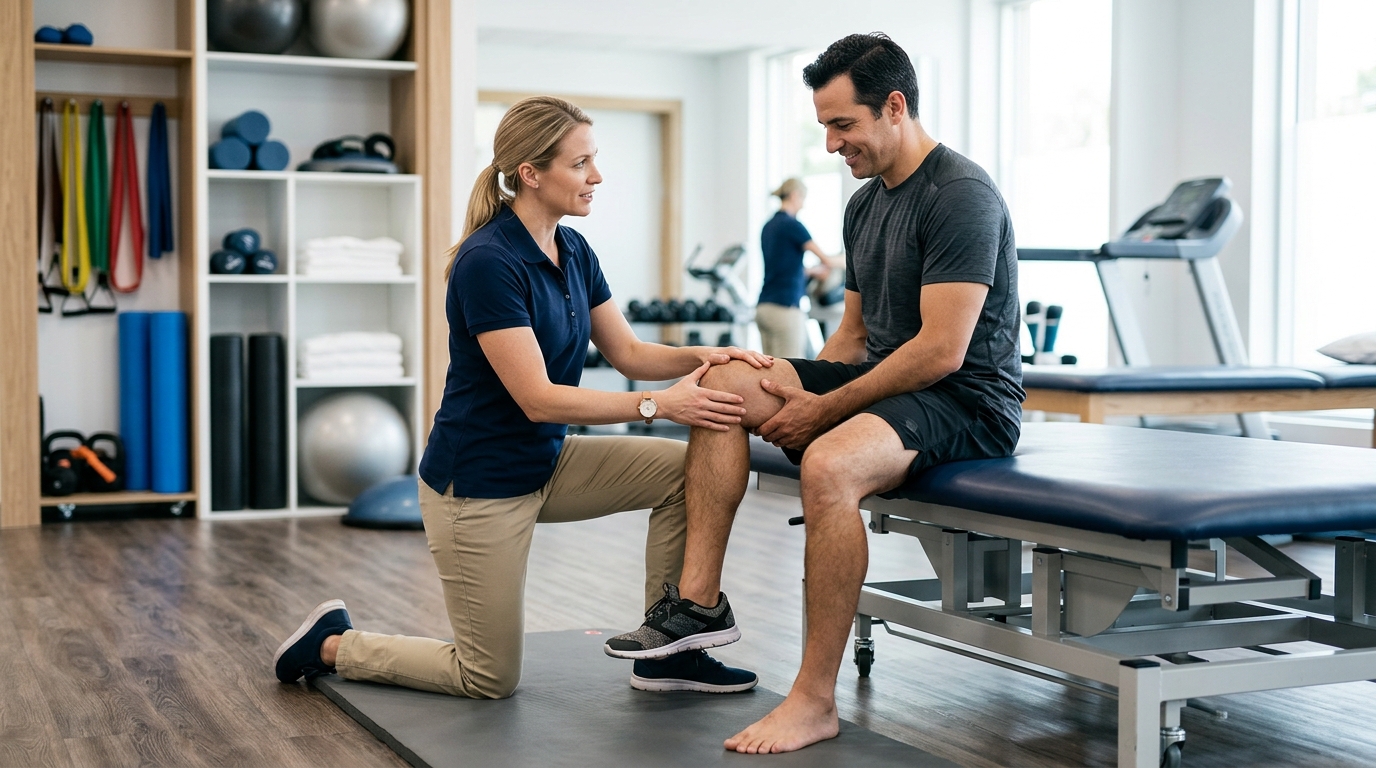
If you’ve ever wondered what causes knee pain, you are far from alone. A staggering 1 in 4 adults worldwide suffers from chronic knee pain, making it one of the most widespread and debilitating musculoskeletal complaints affecting people of all ages in 2026. Whether you’re noticing a sharp ache when climbing stairs, a dull throb after a run, or persistent stiffness first thing in the morning, understanding the root cause is the first essential step toward lasting relief.
Key Takeaways
| Question | Answer |
|---|---|
| What are the most common causes of knee pain? | Ligament injuries, meniscus tears, arthritis, overuse, and traumatic impact are the leading causes of knee pain across all age groups. |
| Can knee pain be caused by everyday activities? | Yes. Repetitive movements, poor posture, and even prolonged sitting can cause knee hurt over time. |
| Is knee pain always related to injury? | No. Conditions like chondromalacia patella and arthritis can cause significant pain without any single traumatic event. |
| Who is most at risk for chronic knee pain? | Women, older adults, athletes, people with high BMI, and those with previous knee injuries carry the highest risk. |
| When should I see a doctor for knee hurt? | Seek medical advice for sudden severe swelling, an inability to bear weight, locking of the joint, or pain that persists longer than a few days. |
| Can weight affect knee pain? | Absolutely. Every extra pound places roughly 4 pounds of additional pressure on the knee joint, making body weight a major modifiable factor. |
| Where can I learn more about managing knee pain? | Our comprehensive guide to understanding and managing knee pain covers causes, treatments, and prevention in full detail. |
Understanding What Causes Knee Pain: The Anatomy Behind the Ache
Before we can answer what causes knee pain, it helps to understand what the knee actually is. The knee is the largest and most complex joint in the human body, connecting the thigh bone (femur), the shin bone (tibia), and the kneecap (patella).
It is held together by a network of ligaments, cartilage, tendons, and fluid-filled sacs called bursae. When any one of these structures is stressed, damaged, or degenerating, the result is knee hurt.
-
Cartilage acts as a cushion between bones
-
Ligaments hold bones together and provide stability
-
Menisci are shock-absorbing discs between the thigh and shin bones
-
Tendons connect muscles to the bones to enable movement
-
Bursae reduce friction between moving structures
When any of these components is under pressure, you feel it. Knee pain is your body’s alert system telling you something needs attention.
Explore the five common causes of knee pain. Learn how understanding these causes can guide prevention and treatment.
What Causes Knee Pain from Ligament Injuries: ACL and PCL Damage
Ligament injuries are among the most well-known and dramatic causes of knee pain. The two most commonly injured ligaments are the Anterior Cruciate Ligament (ACL) and the Posterior Cruciate Ligament (PCL), both of which run through the center of the knee.
An ACL injury typically occurs during sudden stops, direction changes, or awkward landings, particularly in sports like football, basketball, and skiing. You may hear or feel a distinct “pop” followed by immediate swelling and instability.

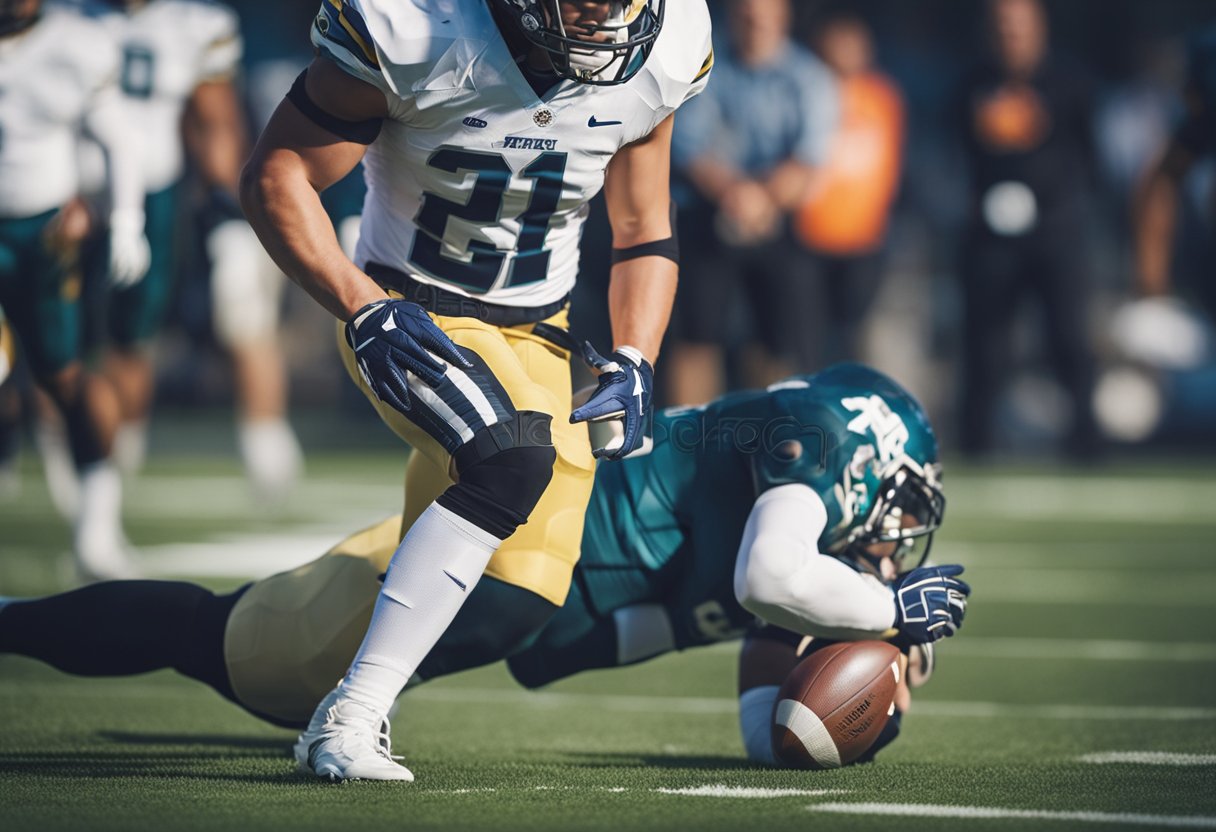
A PCL knee injury is less common but equally serious. It is usually caused by a direct blow to the front of the bent knee, such as hitting the dashboard in a car accident or falling hard onto a bent leg.
Both injuries cause significant knee hurt, swelling, and reduced range of motion. Without proper treatment, ligament knee injuries can result in long-term instability and accelerated joint degeneration.
“If you feel a sharp pinch or a ‘pop’ in your knee during physical activity, stop immediately. Your body is sending you a signal that shouldn’t be ignored.”
Meniscus Tears: One of the Most Common Causes of Knee Pain
A torn meniscus is one of the most frequent causes of knee pain, affecting athletes and non-athletes alike. Each knee has two C-shaped pieces of cartilage called menisci, which act as shock absorbers between the thighbone and shinbone.
Meniscus tears often occur when you twist or rotate your knee under load, but they can also develop gradually from the wear and tear of aging.
The symptoms of a meniscus tear include:
-
A popping sensation at the time of injury
-
Swelling that develops over 24 to 72 hours
-
Pain, particularly when twisting or rotating the leg
-
A feeling that the knee is “locked” or unable to fully straighten
-
Difficulty bearing weight on the affected leg
Degenerative meniscus tears are particularly common in adults over 40. More than 50% of adults as young as 30 already show early signs of joint damage, often without any obvious symptoms, making early awareness critical.
Did You Know?
Obesity increases the risk of developing knee osteoarthritis by 3.9 to 4 times, making excess body weight one of the most significant and modifiable causes of knee pain.
Source: healthandme.com
Arthritis: What Causes Long-Term Knee Pain in Older Adults
When people ask what causes knee pain that just won’t go away, arthritis is very often the answer. There are several types of arthritis that affect the knee, but osteoarthritis is by far the most prevalent in 2026.
Osteoarthritis occurs when the protective cartilage on the ends of the bones gradually wears down over time. With less cushioning, bones begin to rub against each other, causing pain, swelling, and stiffness that can range from mild to completely debilitating.
Other forms of arthritis that cause knee hurt include:
-
Rheumatoid Arthritis: An autoimmune condition where the body attacks its own joint lining
-
Post-traumatic Arthritis: Develops after an injury such as a fracture or ligament tear
-
Gout: Caused by a buildup of uric acid crystals in the joint
-
Pseudogout: Similar to gout, but caused by calcium pyrophosphate crystals
Statistically, 1 in 2 people will develop symptomatic knee osteoarthritis by the age of 85. For most people, some degree of arthritis-related knee pain is not a question of if but when.

Chondromalacia Patella: When the Kneecap Is the Cause of Knee Hurt
Chondromalacia patella is one of those conditions that sounds complicated but is straightforward to understand. Think of it as the softening and deterioration of the cartilage on the underside of the kneecap.
When this cartilage breaks down, the kneecap no longer glides smoothly over the end of the thigh bone. The result is a grinding, aching pain felt behind or around the kneecap, particularly during activities like climbing stairs, squatting, or sitting for extended periods.
This condition is particularly common in:
-
Young athletes, especially runners and cyclists
-
Women, who are roughly twice as likely as men to develop knee osteoarthritis and related cartilage issues
-
People with misaligned kneecaps or flat feet
-
Those who have recently increased the intensity of their exercise routine
Chondromalacia patella is often called “runner’s knee,” though it is not exclusive to runners. It is a very manageable condition when addressed early with the right exercises and load management strategies.
Traumatic Knee Injuries: What Causes Sudden, Severe Knee Pain
Sometimes the answer to what causes knee pain is simple: a direct trauma. Traumatic knee injuries happen suddenly and are usually the result of accidents, sports impacts, or falls.
These injuries include fractures, dislocations, and combined structural damage where multiple components of the knee are injured at the same time.
Common traumatic knee injuries include:
-
Kneecap fracture: Often from a direct blow or fall onto a hard surface
-
Tibial plateau fracture: A break in the top of the shinbone, usually from high-impact collisions
-
Knee dislocation: Where the joint is forced out of alignment, often damaging multiple ligaments simultaneously
-
Bone contusions: Deep bone bruises that cause persistent, aching knee hurt
Traumatic injuries require prompt medical evaluation. Attempting to “walk off” severe knee pain after a high-impact event can cause significantly more long-term damage.
Overuse and Repetitive Strain: A Frequently Overlooked Cause of Knee Pain
Not all knee hurt comes from a single dramatic moment. Overuse injuries develop gradually when repetitive movements place cumulative stress on the joint and surrounding structures.
This is particularly common in people who suddenly increase the frequency, duration, or intensity of exercise without giving the body time to adapt. Knee pain prevalence has increased by 65% over the past 20 years, even when adjusting for age and weight, suggesting that modern activity patterns and training habits are a growing factor.
Common overuse conditions that cause knee pain include:
-
Patellar tendinopathy (Jumper’s knee): Inflammation of the tendon connecting the kneecap to the shinbone, common in basketball and volleyball players
-
Iliotibial (IT) band syndrome: Friction of the IT band against the outer knee, very common in long-distance runners
-
Pes anserine bursitis: Inflammation of a fluid-filled sac on the inner side of the knee, often seen in overweight individuals and runners
-
Patellofemoral Pain Syndrome (PFPS): A broad term for pain at the front of the knee caused by excess stress on the joint
“High-intensity physical activity exceeding recommended guidelines increases the risk of knee osteoarthritis by 18 to 26%. Being ‘too active’ can be just as damaging as being sedentary if the body isn’t given adequate recovery time.”
Did You Know?
50% of patients who suffer an ACL tear will develop osteoarthritis within 10 to 20 years of the injury, meaning a sports injury in your 20s can become a primary source of chronic knee pain in your 40s.
Source: careplusvn.com
Weight, Posture, and Lifestyle Factors That Cause Knee Pain
Some of the most significant contributors to knee pain are the everyday choices we make without realizing their cumulative impact on the joint. Body weight, posture, footwear, and activity levels all play a direct role in how much stress the knee must bear.
For every pound of extra body weight, the knee absorbs approximately 4 pounds of additional force during walking, and up to 8 pounds during stair climbing. This is why even modest weight reduction can produce a meaningful reduction in knee hurt.
Key lifestyle factors that cause or worsen knee pain include:
| Factor | How It Affects the Knee |
|---|---|
| Excess body weight | Increases joint load dramatically, accelerating cartilage breakdown |
| Muscle weakness | Weak quads and glutes force the knee joint to absorb impacts the muscles should handle |
| Poor footwear | Flat soles or high heels alter gait mechanics and increase stress on the knee |
| Prolonged sitting | Tightens hip flexors and weakens stabilizing muscles, indirectly increasing knee pain |
| Weight fluctuations | Repeated yo-yo weight changes independently increase the risk of knee pain progression |
The good news is that lifestyle-related causes of knee pain are among the most responsive to intervention. Targeted strengthening exercises, sensible weight management, and footwear adjustments can make a real difference.
Age and Gender: Who Is Most Affected by Knee Pain
Understanding who is most at risk helps clarify what causes knee pain in specific populations. While knee hurt can affect anyone at any age, certain groups face considerably higher risk.
Age is the single most consistent risk factor for degenerative knee conditions. As we age, cartilage thins, muscles weaken, tendons lose elasticity, and the cumulative effects of decades of use begin to show. However, knee pain is no longer purely an aging issue. In 2026, we are seeing more people in their 30s and 40s presenting with significant knee symptoms, driven by previous sports injuries, high-impact lifestyles, and rising obesity rates.
Gender also plays a meaningful role. Women are roughly twice as likely as men to develop knee osteoarthritis and report knee pain overall. Hormonal changes during menopause, naturally wider hip anatomy that alters knee alignment, and differences in muscle mass and ligament laxity all contribute to this disparity.
Other demographic risk factors include:
-
A history of previous knee injuries or surgeries
-
Family history of arthritis or joint disease
-
Occupations requiring heavy lifting, kneeling, or prolonged standing
-
Participation in high-impact sports without adequate conditioning
Symptoms That Signal You Need to Act on Your Knee Pain
Knowing what causes knee pain is only part of the picture. Recognizing which symptoms require prompt medical attention is equally important for protecting the long-term health of your joint.
Some knee hurt is normal after exercise or a long day on your feet. Other symptoms, however, suggest something more serious that needs professional evaluation.
See a doctor promptly if you experience:
-
Severe swelling that develops rapidly after an injury
-
Inability to fully straighten or bend the knee
-
A visible deformity or the sensation that the knee “gave out”
-
Fever accompanying knee swelling (which may indicate infection)
-
Persistent knee pain that does not improve after several days of rest
-
Pain that wakes you from sleep on a regular basis
For acute knee pain without alarming symptoms, the standard first-line approach is the RICE method: Rest, Ice, Compression, and Elevation. This reduces swelling and gives the joint initial protection while you assess what to do next.
For a detailed breakdown of symptoms mapped to specific causes, take a look at our full overview of knee pain conditions and what they mean for your daily life and recovery options.
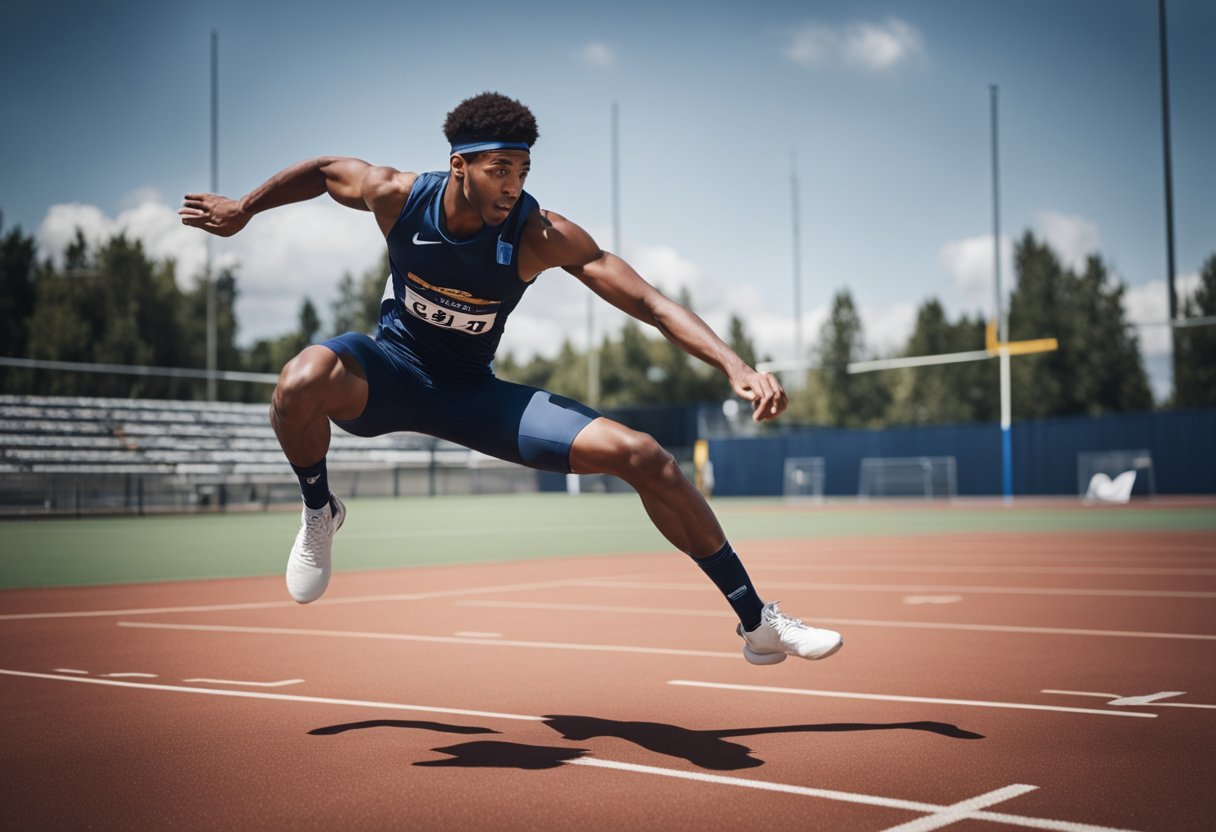
Diagnosing What Causes Your Specific Knee Pain
Because so many different conditions produce similar symptoms, an accurate diagnosis is critical before beginning any treatment. A healthcare provider will typically use a combination of the following approaches to identify the root cause of your knee pain.
Physical Examination: The doctor will assess swelling, range of motion, tenderness location, and structural stability. Specific maneuvers help isolate whether ligaments, menisci, or other structures are involved.
Imaging Tests:
-
X-ray: Best for identifying bone fractures and assessing joint space narrowing from arthritis
-
MRI (Magnetic Resonance Imaging): The gold standard for evaluating soft tissue damage, including ligament and meniscus tears
-
Ultrasound: Useful for real-time assessment of tendons, bursae, and soft tissue structures
-
CT Scan: Provides detailed images of complex fractures and bone structure
Blood Tests: When inflammatory arthritis, gout, or infection is suspected, blood tests help rule in or out these systemic causes of knee hurt.
Getting the diagnosis right matters enormously. The treatment for a meniscus tear is different from the treatment for chondromalacia patella, which is different again from the approach needed for an ACL injury. A precise understanding of what causes your knee pain is the foundation of an effective recovery plan.
Conclusion: Understanding What Causes Knee Pain Is the First Step to Feeling Better
Knee pain is one of the most common health complaints affecting adults worldwide in 2026, but it is far from inevitable or untreatable. Understanding what causes knee pain in your specific situation gives you a clear path forward, whether the culprit is a ligament injury, a worn meniscus, arthritis, overuse, or a lifestyle factor within your control to change.
We want you to know that every small step toward understanding your knee is a step toward protecting your mobility. You are not alone in this, and the right information makes all the difference.
Here is a quick summary of the major causes we covered:
-
Ligament injuries (ACL and PCL tears) from sudden movements or direct impact
-
Meniscus tears from twisting forces or age-related wear
-
Osteoarthritis and other forms of arthritis causing progressive joint degeneration
-
Chondromalacia patella from kneecap cartilage breakdown
-
Traumatic injuries including fractures and dislocations
-
Overuse and repetitive strain from training load errors
-
Weight, posture, and lifestyle factors that place excess stress on the joint
-
Age and gender as underlying risk factors
For a comprehensive look at all of these causes, treatments, and proven prevention strategies, explore our full resource: The Ultimate Guide to Understanding and Managing Knee Pain. We provide the tools and knowledge. You provide the consistency. Together, we can manage this.