Tag: and Treatment

  • Knee Inflammation

    Knee Inflammation

    Knee Inflammation: Causes, Symptoms, and Treatment

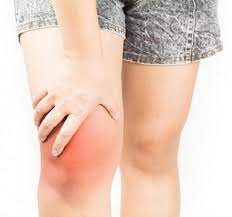
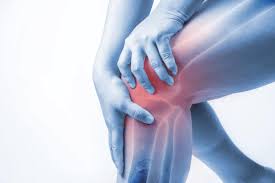
    Knee inflammation, also known as knee swelling, is a common condition that affects people of all ages. It is characterized by the accumulation of fluid in the knee joint, which can cause pain, stiffness, and limited range of motion. Knee inflammation can be caused by a variety of factors, including injury, overuse, or underlying medical conditions such as arthritis.
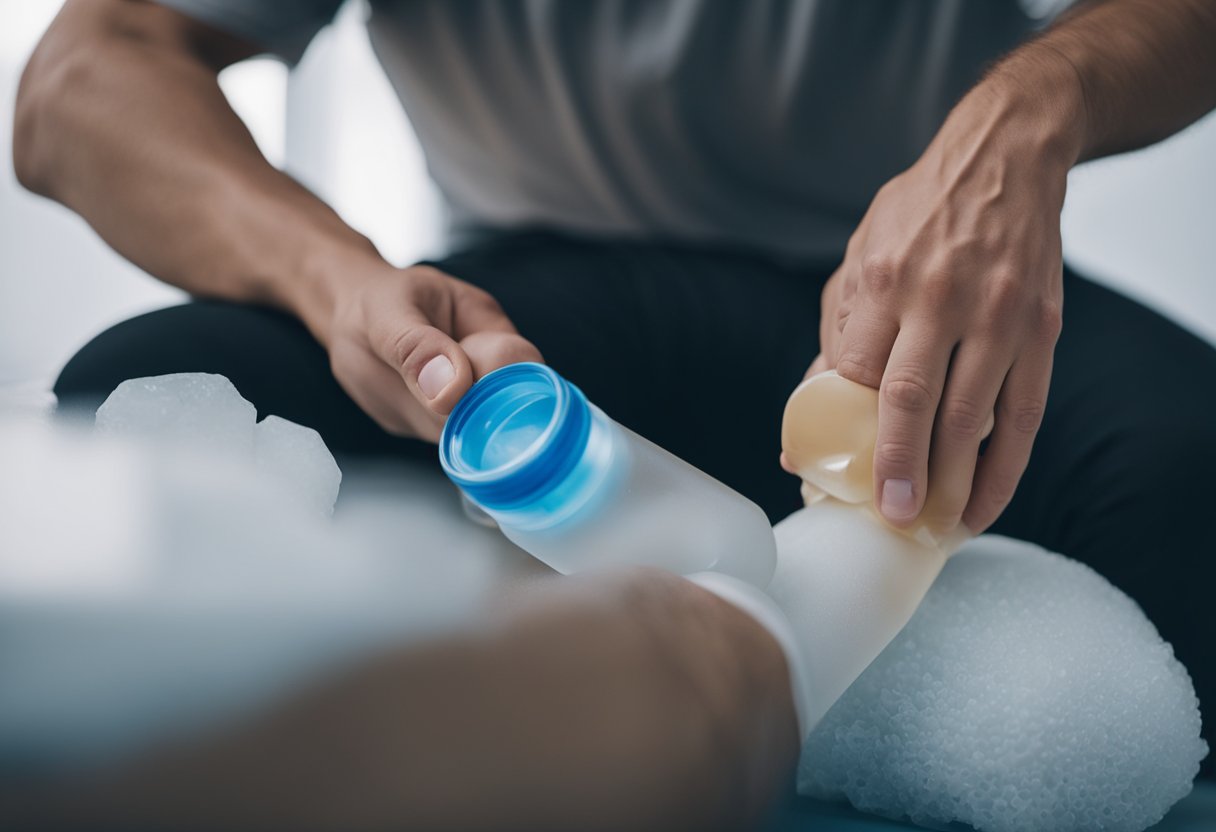
    image 117

    Understanding the causes and risk factors of knee inflammation is important for effective diagnosis and treatment. In some cases, knee inflammation may be a symptom of a more serious underlying condition, such as rheumatoid arthritis or gout. Other risk factors for knee inflammation include obesity, repetitive stress on the knee joint, and a history of knee injuries.

    If you are experiencing knee inflammation, it is important to seek medical attention to determine the underlying cause and develop an appropriate treatment plan. In some cases, self-care measures such as rest, ice, compression, and elevation may be effective in reducing inflammation and relieving pain. In more severe cases, medical treatment such as medication or physical therapy may be necessary to manage symptoms and prevent further damage to the knee joint.

    Key Takeaways

    • Knee inflammation can be caused by a variety of factors, including injury, overuse, or underlying medical conditions such as arthritis.
    • Understanding the causes and risk factors of knee inflammation is important for effective diagnosis and treatment.
    • Seeking medical attention and following a treatment plan is important for managing symptoms and preventing further damage to the knee joint.

    Understanding Knee Inflammation

    Knee inflammation is a common problem that affects people of all ages. It occurs when the knee joint becomes inflamed, resulting in swelling, pain, and stiffness. Inflammation can be caused by a variety of factors, including injury, infection, or an underlying medical condition.

    One common cause of knee inflammation is bursitis, which occurs when the bursae, small fluid-filled sacs that cushion the knee joint, become inflamed. This can result in pain, swelling, and limited range of motion. Another potential cause is gout, a type of arthritis that occurs when uric acid crystals build up in the joints, causing inflammation and pain.

    Osteoarthritis and rheumatoid arthritis are also common causes of knee inflammation. Osteoarthritis occurs when the protective cartilage in the knee joint begins to wear down, resulting in pain and stiffness. Rheumatoid arthritis, on the other hand, is an autoimmune disorder that causes the body to attack its own joints, resulting in inflammation and pain.

    Pseudogout is another potential cause of knee inflammation. This condition occurs when calcium crystals build up in the joints, causing inflammation and pain. It is often mistaken for gout, as the symptoms are similar.

    In order to properly treat knee inflammation, it is important to identify the underlying cause. Treatment options may include rest, ice, compression, and elevation (RICE), as well as anti-inflammatory medications or physical therapy. In some cases, surgery may be necessary to repair damaged tissue or correct underlying structural issues.

    Overall, knee inflammation can be a frustrating and painful condition, but with proper diagnosis and treatment, it is often possible to manage symptoms and improve quality of life.

    Causes and Risk Factors

    Knee inflammation, also known as knee swelling, can be caused by various factors. Some of the most common causes of knee inflammation include arthritis, age, injury, sports, overuse, trauma, torn ligament, meniscus, and tendinitis.

    Arthritis is a medical condition that can cause knee inflammation. It is a joint disorder that causes inflammation in one or more joints. There are several types of arthritis, including osteoarthritis, rheumatoid arthritis, and psoriatic arthritis.

    Age is also a factor that can cause knee inflammation. As we age, our joints and bones become weaker, making them more prone to inflammation and injury.

    Injury, sports, and overuse are other factors that can cause knee inflammation. Athletes who participate in high-impact sports such as basketball, football, and soccer are at a higher risk of knee injuries. Overuse of the knee joint can also cause inflammation.

    Trauma, such as a car accident or a fall, can cause knee inflammation. A torn ligament or meniscus can also cause knee inflammation.

    Tendinitis is another medical condition that can cause knee inflammation. It is the inflammation of a tendon, which is a thick cord that connects muscles to bones.

    Some risk factors that can increase the likelihood of knee inflammation include obesity, lack of exercise, and poor diet. Medical conditions such as diabetes, gout, and lupus can also increase the risk of knee inflammation.

    In conclusion, knee inflammation can be caused by various factors, including arthritis, age, injury, sports, overuse, trauma, torn ligament, meniscus, tendinitis, and risk factors such as medical conditions and lifestyle choices.

    Diagnosis and Treatment

    image 118

    When a patient presents with symptoms of knee inflammation, we first conduct a physical examination. We ask about the patient’s medical history and any previous injuries or surgeries. We also look for signs of swelling, redness, and warmth in the knee joint.

    To confirm a diagnosis, we may order imaging tests such as X-rays, CT scans, MRIs, or ultrasounds. These tests can help us detect any structural abnormalities in the knee joint, such as fractures, dislocations, or tears in the ligaments or menisci.

    If we suspect that the inflammation is caused by an underlying condition such as rheumatoid arthritis or gout, we may order blood tests to check for markers of these conditions.

    Once we have confirmed a diagnosis of knee inflammation, we develop a treatment plan tailored to the patient’s specific needs. In most cases, we recommend a combination of rest, ice, compression, and elevation to reduce pain and swelling in the knee joint.

    We may also prescribe medications such as nonsteroidal anti-inflammatory drugs (NSAIDs) like ibuprofen or corticosteroids to help manage pain and inflammation. Physical therapy can also be an effective treatment option to help strengthen the muscles around the knee joint and improve mobility.

    In some cases, surgery may be necessary to repair or replace damaged tissues in the knee joint. Arthroscopy is a minimally invasive surgical procedure that can be used to diagnose and treat a variety of knee problems. Knee replacement surgery may be recommended for patients with severe knee damage or arthritis.

    Overall, the key to successful treatment of knee inflammation is early diagnosis and a comprehensive treatment plan tailored to the patient’s specific needs.

    Self-Care and Prevention

    image 117

    When it comes to knee inflammation, there are several self-care measures and prevention techniques that we can implement to alleviate pain and reduce the risk of future injuries.

    Rest is crucial for allowing the knee to heal. It is important to avoid any activities that may aggravate the inflammation, such as running or jumping. Ice can also help reduce swelling and pain. Applying a cold compress to the affected area for 15-20 minutes at a time, several times a day, can be effective.

    Compression and elevation can also help reduce swelling. Wearing a knee brace or wrap can provide additional support and compression. Elevating the affected knee above the heart can also help reduce swelling.

    Physical therapy and exercises can help improve knee strength and flexibility. A physical therapist can create a customized exercise plan to address specific needs and goals. Exercises that focus on strengthening the quadriceps, hamstrings, and calf muscles can be particularly effective.

    In addition to these measures, maintaining a healthy weight can also help reduce the risk of knee inflammation. Excess weight puts added stress on the knee joint, which can lead to inflammation and pain. Stretching and improving range of motion can also help prevent knee injuries.

    Overall, by implementing these self-care measures and prevention techniques, we can reduce the risk of knee inflammation and improve overall knee health.

    Frequently Asked Questions

    image 119

    How can I reduce swelling in my knee quickly?

    There are several ways to reduce swelling in your knee quickly. You can use ice packs, compression bandages, and elevate your leg. Applying ice to your knee for 15-20 minutes at a time, several times a day can help reduce swelling. Compression bandages can help reduce swelling and provide support to your knee. Elevating your leg can also help reduce swelling by allowing fluid to drain away from your knee.

    What are some effective treatments for knee inflammation?

    There are several effective treatments for knee inflammation, including rest, ice, compression, and elevation. You can also take over-the-counter pain medications such as ibuprofen or acetaminophen to help relieve pain and reduce inflammation. Physical therapy and exercises can also help strengthen the muscles around your knee and reduce inflammation.

    What are common causes of knee pain without injury?

    Knee pain without injury can be caused by a variety of factors, including osteoarthritis, rheumatoid arthritis, gout, and bursitis. Other causes may include infections, tumors, and nerve damage.

    How long does it take for knee inflammation to subside?

    The length of time it takes for knee inflammation to subside depends on the cause of the inflammation and the severity of the condition. Mild inflammation can subside within a few days to a week with rest, ice, and elevation. More severe cases may take several weeks or months to fully heal.

    Are there any natural remedies for inflamed knees?

    Some natural remedies for inflamed knees include applying heat or ice, taking supplements such as omega-3 fatty acids and turmeric, and using essential oils such as peppermint or eucalyptus. However, it is important to consult with a healthcare professional before trying any natural remedies.

    What is the main cause of knee inflammation?

    The main cause of knee inflammation is usually due to an injury or overuse of the knee joint. Other causes may include arthritis, infections, and autoimmune disorders.

  • Knee Swelling

    Knee Swelling

    Knee Swelling: Causes, Symptoms, and Treatment

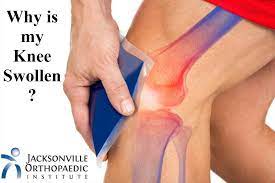
    Knee swelling is a common problem that can occur due to various reasons. It can be caused by an injury, inflammation, or an underlying medical condition. Swelling in the knee can lead to discomfort, pain, and difficulty in movement. In this article, we will discuss knee swelling in detail, including its causes, diagnosis, and treatment options.

    v2 2idli 8tkrd

    Understanding Knee Swelling:

    Knee swelling is a condition in which the knee joint becomes enlarged due to the accumulation of fluid in or around the joint. It can be caused by a variety of factors, such as injury, arthritis, or infection. The swelling can range from mild to severe, and it can affect one or both knees. Knee swelling can also lead to other symptoms, such as stiffness, pain, and difficulty in bending or straightening the knee.

    download 2023 11 12T212833.719

    Key Takeaways:

    • Knee swelling can be caused by various factors, including injury, inflammation, or an underlying medical condition.
    • It can lead to discomfort, pain, and difficulty in movement.
    • Treatment options for knee swelling depend on the underlying cause and may include rest, ice, compression, and elevation, as well as medication and physical therapy.

    Understanding Knee Swelling

    Knee swelling is a common symptom that can be caused by a variety of factors. Swelling in the knee joint can be due to an accumulation of fluid, inflammation, or injury, among other things.

    When the knee joint is swollen, it may appear red and warm to the touch. The skin around the joint may also be stretched and appear shiny. This type of swelling is called an effusion.

    Effusions can be caused by a variety of factors, including injury, overuse, or underlying medical conditions such as arthritis. In some cases, fluid may accumulate in the joint due to an infection or other underlying medical condition.

    If you experience knee swelling, it is important to seek medical attention to determine the underlying cause. Treatment will depend on the cause of the swelling and may include rest, ice, compression, and elevation of the affected leg. In some cases, medication or physical therapy may also be recommended.

    It is important to avoid putting too much weight on a swollen knee, as this can exacerbate the swelling and delay healing. If you experience redness or warmth in addition to swelling, it may be a sign of an infection and you should seek medical attention immediately.

    In conclusion, knee swelling can be a symptom of a variety of underlying medical conditions. If you experience knee swelling, it is important to seek medical attention to determine the underlying cause and receive appropriate treatment.

    Causes and Risk Factors

    v2 2idlp 4smce

    Knee swelling can be caused by a variety of factors, including injury, medical conditions, age, and lifestyle. Understanding the causes and risk factors of knee swelling can help individuals take preventative measures to avoid future swelling.

    Injury and Overuse

    Injury and overuse are common causes of knee swelling. Sports and trauma, such as a torn ligament or anterior cruciate ligament (ACL), can cause swelling. Falls, kneeling for extended periods, and overuse from repetitive motions can also lead to knee swelling.

    Medical Conditions

    Medical conditions such as arthritis, rheumatoid arthritis, gout, and osteoarthritis can cause knee swelling. Bursitis and pseudogout are also common causes of knee swelling. Autoimmune diseases can lead to knee swelling as well.

    Age and Lifestyle

    Age and lifestyle can also contribute to knee swelling. Maintaining a healthy weight can help prevent knee swelling, as excess weight puts additional strain on the knee joint. Stress and fever can also contribute to knee swelling.

    Other Factors

    Other factors that can cause knee swelling include infections and pus. It is important to seek medical attention if knee swelling is accompanied by fever or other symptoms.

    Overall, understanding the causes and risk factors of knee swelling can help individuals take preventative measures to avoid future swelling.

    Diagnosis and Treatment

    Medical Examination

    If you are experiencing knee swelling, your doctor will begin with a thorough medical examination. They will ask about your symptoms and medical history, and may perform a physical examination of your knee. They may also order imaging tests, such as a CT or MRI, to get a better look at your knee joint.

    In some cases, your doctor may also perform arthrocentesis, which involves removing a sample of fluid from your knee joint for analysis. This can help to determine the cause of your knee swelling.

    Medications and Therapies

    Treatment for knee swelling will depend on the underlying cause. In many cases, rest, ice, and pain relievers such as acetaminophen or nonsteroidal anti-inflammatory drugs (NSAIDs) may be recommended.

    If your knee swelling is due to inflammation, your doctor may prescribe corticosteroids to help reduce swelling and inflammation. Physical therapy may also be recommended to help strengthen the muscles around your knee and improve range of motion.

    Surgery and Other Procedures

    In some cases, surgery may be necessary to treat knee swelling. This may include arthroscopy, which involves using a small camera to view the inside of your knee joint and make repairs, or knee replacement surgery if the joint is severely damaged.

    It is important to work closely with your doctor to determine the best course of treatment for your knee swelling. With proper diagnosis and treatment, many people are able to find relief from their symptoms and improve their quality of life.

    Prevention and Self-Care

    v2 2idlw sg2ia

    When it comes to knee swelling, prevention and self-care are crucial. Here are some tips to help manage your knee swelling and prevent it from getting worse.

    Exercise and Weight Management

    Maintaining a healthy weight is important for reducing the stress on your knees. Exercising regularly can also help strengthen the muscles around your knees, which can help reduce knee swelling. Low-impact exercises such as swimming, cycling, and yoga are great options for those with knee problems.

    Proper Rest and Body Mechanics

    Rest is important for allowing your knee to heal and reducing inflammation. Avoid putting too much pressure on your knees, and try to keep them in a neutral position when sitting or lying down. When standing, distribute your weight evenly between both legs.

    Medications and Home Remedies

    Over-the-counter pain relievers such as ibuprofen can help reduce pain and inflammation. Applying heat or cold to your knee can also help reduce swelling. Elevating your knee above heart level and wearing an elastic bandage or brace can also help reduce swelling.

    Remember, prevention and self-care are key to managing knee swelling. By following these tips, you can help reduce pain and inflammation and prevent further damage to your knees.

    Frequently Asked Questions

    v2 2idly myt6i

    What can cause knee swelling?

    There are many causes of knee swelling, including injury, overuse, arthritis, infections, and other medical conditions. It is important to see a doctor if you experience knee swelling to determine the underlying cause.

    What is the fastest way to get rid of fluid on the knee?

    The fastest way to get rid of fluid on the knee is to rest, elevate the leg, apply ice, and use compression. Over-the-counter pain relievers can also help. If the swelling does not improve, it is important to see a doctor.

    How do I reduce swelling in my knee?

    To reduce swelling in your knee, you should rest, elevate the leg, apply ice, and use compression. Over-the-counter pain relievers can also help. If the swelling does not improve, it is important to see a doctor.

    What causes a knee to swell without injury?

    A knee can swell without injury due to medical conditions such as arthritis, infections, and gout. It is important to see a doctor if you experience knee swelling to determine the underlying cause.

    Knee swollen for 3 weeks

    If your knee has been swollen for 3 weeks, it is important to see a doctor. The swelling could be due to a medical condition that requires treatment.

    Swollen knee in older person

    A swollen knee in an older person could be due to arthritis, infections, or other medical conditions. It is important to see a doctor to determine the underlying cause and receive appropriate treatment.

  • Osteoarthritis: Causes, Symptoms, and Treatment

    Osteoarthritis: Causes, Symptoms, and Treatment

    As we age, our bodies go through various changes, and one of the most common conditions that develop is osteoarthritis. Osteoarthritis is a type of arthritis that affects millions of people worldwide, and it occurs when the protective cartilage that cushions the ends of our bones wears down over time. Although it can damage any joint, the disorder most commonly affects joints in our hands, knees, hips, and spine.

    image 99

    Understanding Osteoarthritis is crucial for anyone who may be experiencing joint pain or stiffness. This condition is often referred to as “wear and tear” arthritis, and it occurs when the cartilage within a joint begins to break down, causing the underlying bone to change. These changes usually develop slowly and get worse over time, leading to pain, stiffness, and difficulty moving the joint.

    Key Takeaways

    • Osteoarthritis is a type of arthritis that affects millions of people worldwide, and it occurs when the protective cartilage that cushions the ends of our bones wears down over time.
    • This condition is often referred to as “wear and tear” arthritis, and it occurs when the cartilage within a joint begins to break down, causing the underlying bone to change.
    • Symptoms of osteoarthritis include joint pain, stiffness, and difficulty moving the joint.

    Understanding Osteoarthritis

    Osteoarthritis is a degenerative joint disease that affects millions of people worldwide. It is the most common form of arthritis, and it occurs when the protective cartilage that cushions the ends of the bones wears down over time. This can cause discomfort when moving the joint, and it can lead to stiffness and pain.

    Osteoarthritis is also known as “wear and tear” arthritis or degenerative joint disease. It can damage any joint in the body, but it most commonly affects joints in the hands, knees, hips, and spine. In some cases, osteoarthritis can also affect the neck, shoulders, and ankles.

    The main cause of osteoarthritis is the breakdown of joint cartilage, which can be caused by a combination of factors such as heredity, obesity, injury, and overuse. Cartilage is a tough, flexible tissue that covers the ends of bones where they meet to form a joint. It acts as a cushion and helps to absorb shock when the joint is used.

    When cartilage breaks down, the underlying bone can also change, leading to the development of osteoarthritis. The changes usually develop slowly and get worse over time. As the condition progresses, the joint may become painful and stiff, making it difficult to move.

    There is no cure for osteoarthritis, but there are several treatments available to help manage the symptoms. These include medications, physical therapy, and surgery. In some cases, lifestyle changes such as losing weight or exercising regularly can also help to reduce the symptoms of osteoarthritis.

    In conclusion, osteoarthritis is a common joint disease that affects millions of people worldwide. It is caused by the breakdown of joint cartilage, and it can lead to pain and stiffness in the affected joints. While there is no cure for osteoarthritis, there are several treatments available to help manage the symptoms and improve quality of life.

    Symptoms of Osteoarthritis

    Osteoarthritis is a type of arthritis that affects the joints. It is a degenerative disease that causes the cartilage in the joints to break down, leading to pain, stiffness, and other symptoms. In this section, we will discuss the most common symptoms of osteoarthritis.

    Pain and Stiffness

    The most common symptoms of osteoarthritis are pain and stiffness in the affected joints. The pain may be mild or severe and can be felt during or after movement. Joint stiffness is most noticeable in the morning or after being inactive for a period of time. The affected joint may also feel tender when light pressure is applied to it.

    Decreased Range of Motion

    Osteoarthritis can also cause a decreased range of motion in the affected joint. This means that you may not be able to move the joint as freely as you used to. This can make it difficult to perform daily tasks, such as getting dressed or reaching for objects.

    Swelling and Tenderness

    Swelling and tenderness are also common symptoms of osteoarthritis. The affected joint may become swollen and tender to the touch. This can make it difficult to move the joint and can cause discomfort.

    Bone Spurs

    Osteoarthritis can also cause the growth of bone spurs around the affected joint. These bone spurs can cause additional pain and can make it difficult to move the joint.

    Complications

    Osteoarthritis can lead to complications, such as disability and falls. In some cases, the pain and stiffness caused by osteoarthritis can make it difficult to perform daily tasks, such as walking or climbing stairs. This can lead to disability and a decreased quality of life. Falls are also a common complication of osteoarthritis, as the pain and stiffness can cause a loss of balance.

    Joint Damage

    Osteoarthritis can also cause damage to the joint over time. The cartilage in the affected joint can wear down, leading to bone-on-bone contact. This can cause further pain and damage to the joint.

    Other Symptoms

    Other symptoms of osteoarthritis may include joint inflammation, a cracking or popping sound in the joint, and the formation of cysts around the joint.

    Risk Factors

    There are several risk factors that can increase your likelihood of developing osteoarthritis. These include age, obesity, joint injuries, and genetics.

    In summary, osteoarthritis is a degenerative disease that affects the joints. The most common symptoms of osteoarthritis include pain, stiffness, decreased range of motion, swelling, tenderness, bone spurs, complications, joint damage, and other symptoms. If you are experiencing any of these symptoms, it is important to seek medical attention to receive an accurate diagnosis and appropriate treatment.

    Frequently Asked Questions

    image 99

    What are the risk factors for developing osteoarthritis?

    We can develop osteoarthritis due to various factors such as age, obesity, previous injuries, and genetics. Women are also more likely to develop osteoarthritis than men.

    What are the different types of osteoarthritis?

    There are different types of osteoarthritis that can affect different parts of the body. Some of the common types include knee osteoarthritis, hip osteoarthritis, and hand osteoarthritis.

    What are some common medications used to treat osteoarthritis?

    There are various medications that can help manage osteoarthritis symptoms such as pain and inflammation. Some common medications include acetaminophen, nonsteroidal anti-inflammatory drugs (NSAIDs), and corticosteroids.

    What are some ways to prevent osteoarthritis?

    While we cannot prevent osteoarthritis entirely, we can take steps to reduce our risk of developing it. Maintaining a healthy weight, staying active, and avoiding injuries can help prevent osteoarthritis.

    How does osteoarthritis affect the body?

    Osteoarthritis can cause pain, stiffness, and decreased range of motion in the affected joints. It can also lead to the breakdown of joint cartilage and the development of bone spurs.

    What are some strategies to manage osteoarthritis pain?

    There are various strategies that can help manage osteoarthritis pain such as exercise, physical therapy, and hot/cold therapy. We can also use assistive devices like braces or canes to help reduce joint stress.

    Add Tables

    image 99

    We can use tables to organize and present information about osteoarthritis in a clear and concise manner. Here are some examples of tables that can be useful:

    Table 1: Common Symptoms of Osteoarthritis

    SymptomDescription
    PainPain in the affected joint, especially during or after movement.
    StiffnessStiffness in the affected joint, especially after periods of inactivity.
    SwellingSwelling and tenderness in the affected joint.
    Cracking or popping soundsCracking or popping sounds when moving the affected joint.
    Limited range of motionDifficulty moving the affected joint through its full range of motion.

    Table 2: Risk Factors for Osteoarthritis

    Risk FactorDescription
    AgeThe risk of developing osteoarthritis increases with age.
    GenderWomen are more likely to develop osteoarthritis than men.
    ObesityExcess weight puts extra stress on the joints, increasing the risk of osteoarthritis.
    Joint injuriesPrevious joint injuries or surgeries can increase the risk of osteoarthritis.
    GeneticsOsteoarthritis may run in families.

    Table 3: Treatment Options for Osteoarthritis

    TreatmentDescription
    MedicationsPain relievers, nonsteroidal anti-inflammatory drugs (NSAIDs), and corticosteroids can help manage pain and inflammation.
    Physical therapyExercises and stretches can help improve joint flexibility and strength.
    Assistive devicesBraces, canes, and other devices can help take pressure off the affected joint.
    SurgeryJoint replacement surgery may be necessary in severe cases.

    By using tables, we can easily compare and contrast different symptoms, risk factors, and treatment options for osteoarthritis. This can help us make informed decisions about managing this common joint condition.