
Knee Inflammation
Knee Inflammation: Causes, Symptoms, and Treatment
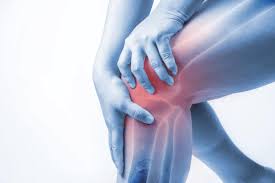
Knee inflammation, also known as knee swelling, is a common condition that affects people of all ages. It is characterized by the accumulation of fluid in the knee joint, which can cause pain, stiffness, and limited range of motion. Knee inflammation can be caused by a variety of factors, including injury, overuse, or underlying medical conditions such as arthritis.
Understanding the causes and risk factors of knee inflammation is important for effective diagnosis and treatment. In some cases, knee inflammation may be a symptom of a more serious underlying condition, such as rheumatoid arthritis or gout. Other risk factors for knee inflammation include obesity, repetitive stress on the knee joint, and a history of knee injuries.
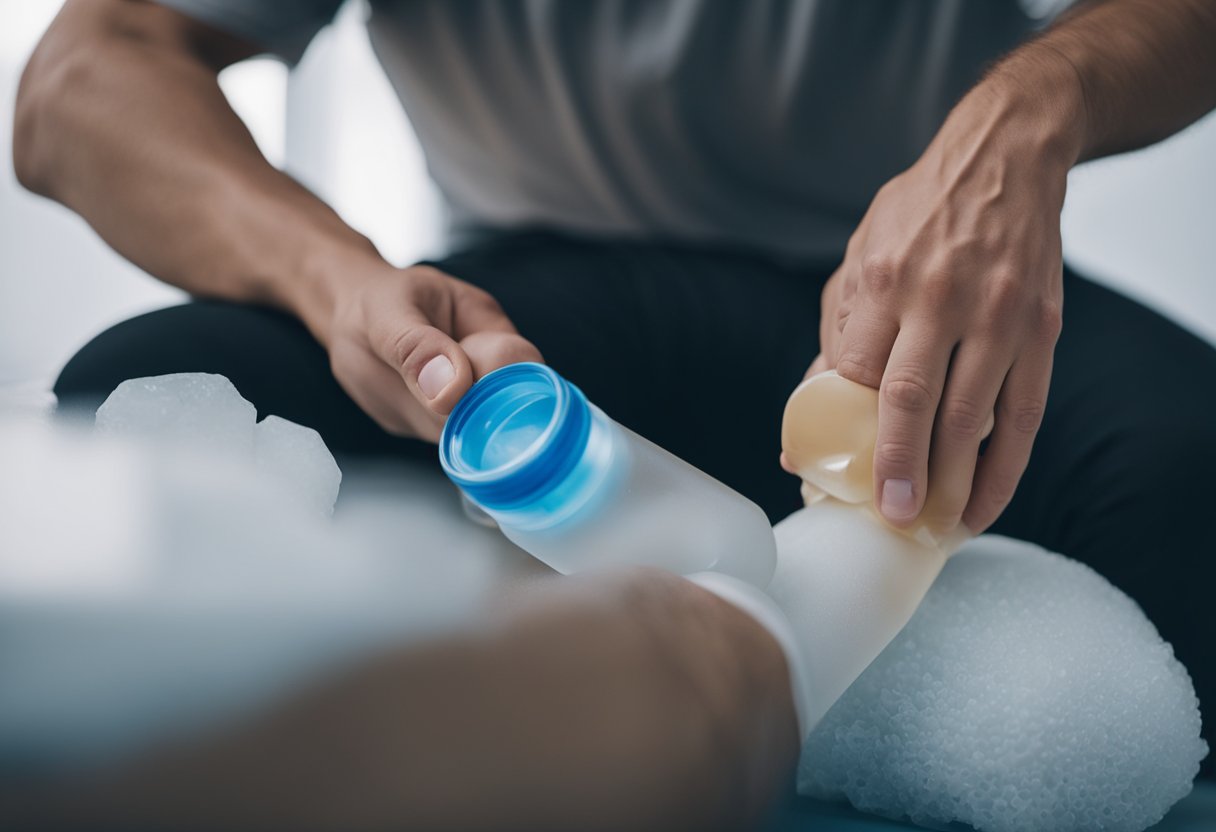
If you are experiencing knee inflammation, it is important to seek medical attention to determine the underlying cause and develop an appropriate treatment plan. In some cases, self-care measures such as rest, ice, compression, and elevation may be effective in reducing inflammation and relieving pain. In more severe cases, medical treatment such as medication or physical therapy may be necessary to manage symptoms and prevent further damage to the knee joint.
Key Takeaways
- Knee inflammation can be caused by a variety of factors, including injury, overuse, or underlying medical conditions such as arthritis.
- Understanding the causes and risk factors of knee inflammation is important for effective diagnosis and treatment.
- Seeking medical attention and following a treatment plan is important for managing symptoms and preventing further damage to the knee joint.
Understanding Knee Inflammation
Knee inflammation is a common problem that affects people of all ages. It occurs when the knee joint becomes inflamed, resulting in swelling, pain, and stiffness. Inflammation can be caused by a variety of factors, including injury, infection, or an underlying medical condition.
One common cause of knee inflammation is bursitis, which occurs when the bursae, small fluid-filled sacs that cushion the knee joint, become inflamed. This can result in pain, swelling, and limited range of motion. Another potential cause is gout, a type of arthritis that occurs when uric acid crystals build up in the joints, causing inflammation and pain.
Osteoarthritis and rheumatoid arthritis are also common causes of knee inflammation. Osteoarthritis occurs when the protective cartilage in the knee joint begins to wear down, resulting in pain and stiffness. Rheumatoid arthritis, on the other hand, is an autoimmune disorder that causes the body to attack its own joints, resulting in inflammation and pain.
Pseudogout is another potential cause of knee inflammation. This condition occurs when calcium crystals build up in the joints, causing inflammation and pain. It is often mistaken for gout, as the symptoms are similar.
In order to properly treat knee inflammation, it is important to identify the underlying cause. Treatment options may include rest, ice, compression, and elevation (RICE), as well as anti-inflammatory medications or physical therapy. In some cases, surgery may be necessary to repair damaged tissue or correct underlying structural issues.
Overall, knee inflammation can be a frustrating and painful condition, but with proper diagnosis and treatment, it is often possible to manage symptoms and improve quality of life.
Causes and Risk Factors
Knee inflammation, also known as knee swelling, can be caused by various factors. Some of the most common causes of knee inflammation include arthritis, age, injury, sports, overuse, trauma, torn ligament, meniscus, and tendinitis.
Arthritis is a medical condition that can cause knee inflammation. It is a joint disorder that causes inflammation in one or more joints. There are several types of arthritis, including osteoarthritis, rheumatoid arthritis, and psoriatic arthritis.
Age is also a factor that can cause knee inflammation. As we age, our joints and bones become weaker, making them more prone to inflammation and injury.
Injury, sports, and overuse are other factors that can cause knee inflammation. Athletes who participate in high-impact sports such as basketball, football, and soccer are at a higher risk of knee injuries. Overuse of the knee joint can also cause inflammation.
Trauma, such as a car accident or a fall, can cause knee inflammation. A torn ligament or meniscus can also cause knee inflammation.
Tendinitis is another medical condition that can cause knee inflammation. It is the inflammation of a tendon, which is a thick cord that connects muscles to bones.
Some risk factors that can increase the likelihood of knee inflammation include obesity, lack of exercise, and poor diet. Medical conditions such as diabetes, gout, and lupus can also increase the risk of knee inflammation.
In conclusion, knee inflammation can be caused by various factors, including arthritis, age, injury, sports, overuse, trauma, torn ligament, meniscus, tendinitis, and risk factors such as medical conditions and lifestyle choices.
Diagnosis and Treatment

When a patient presents with symptoms of knee inflammation, we first conduct a physical examination. We ask about the patient’s medical history and any previous injuries or surgeries. We also look for signs of swelling, redness, and warmth in the knee joint.
To confirm a diagnosis, we may order imaging tests such as X-rays, CT scans, MRIs, or ultrasounds. These tests can help us detect any structural abnormalities in the knee joint, such as fractures, dislocations, or tears in the ligaments or menisci.
If we suspect that the inflammation is caused by an underlying condition such as rheumatoid arthritis or gout, we may order blood tests to check for markers of these conditions.
Once we have confirmed a diagnosis of knee inflammation, we develop a treatment plan tailored to the patient’s specific needs. In most cases, we recommend a combination of rest, ice, compression, and elevation to reduce pain and swelling in the knee joint.
We may also prescribe medications such as nonsteroidal anti-inflammatory drugs (NSAIDs) like ibuprofen or corticosteroids to help manage pain and inflammation. Physical therapy can also be an effective treatment option to help strengthen the muscles around the knee joint and improve mobility.
In some cases, surgery may be necessary to repair or replace damaged tissues in the knee joint. Arthroscopy is a minimally invasive surgical procedure that can be used to diagnose and treat a variety of knee problems. Knee replacement surgery may be recommended for patients with severe knee damage or arthritis.
Overall, the key to successful treatment of knee inflammation is early diagnosis and a comprehensive treatment plan tailored to the patient’s specific needs.
Self-Care and Prevention
When it comes to knee inflammation, there are several self-care measures and prevention techniques that we can implement to alleviate pain and reduce the risk of future injuries.
Rest is crucial for allowing the knee to heal. It is important to avoid any activities that may aggravate the inflammation, such as running or jumping. Ice can also help reduce swelling and pain. Applying a cold compress to the affected area for 15-20 minutes at a time, several times a day, can be effective.
Compression and elevation can also help reduce swelling. Wearing a knee brace or wrap can provide additional support and compression. Elevating the affected knee above the heart can also help reduce swelling.
Physical therapy and exercises can help improve knee strength and flexibility. A physical therapist can create a customized exercise plan to address specific needs and goals. Exercises that focus on strengthening the quadriceps, hamstrings, and calf muscles can be particularly effective.
In addition to these measures, maintaining a healthy weight can also help reduce the risk of knee inflammation. Excess weight puts added stress on the knee joint, which can lead to inflammation and pain. Stretching and improving range of motion can also help prevent knee injuries.
Overall, by implementing these self-care measures and prevention techniques, we can reduce the risk of knee inflammation and improve overall knee health.
Frequently Asked Questions

How can I reduce swelling in my knee quickly?
There are several ways to reduce swelling in your knee quickly. You can use ice packs, compression bandages, and elevate your leg. Applying ice to your knee for 15-20 minutes at a time, several times a day can help reduce swelling. Compression bandages can help reduce swelling and provide support to your knee. Elevating your leg can also help reduce swelling by allowing fluid to drain away from your knee.
What are some effective treatments for knee inflammation?
There are several effective treatments for knee inflammation, including rest, ice, compression, and elevation. You can also take over-the-counter pain medications such as ibuprofen or acetaminophen to help relieve pain and reduce inflammation. Physical therapy and exercises can also help strengthen the muscles around your knee and reduce inflammation.
What are common causes of knee pain without injury?
Knee pain without injury can be caused by a variety of factors, including osteoarthritis, rheumatoid arthritis, gout, and bursitis. Other causes may include infections, tumors, and nerve damage.
How long does it take for knee inflammation to subside?
The length of time it takes for knee inflammation to subside depends on the cause of the inflammation and the severity of the condition. Mild inflammation can subside within a few days to a week with rest, ice, and elevation. More severe cases may take several weeks or months to fully heal.
Are there any natural remedies for inflamed knees?
Some natural remedies for inflamed knees include applying heat or ice, taking supplements such as omega-3 fatty acids and turmeric, and using essential oils such as peppermint or eucalyptus. However, it is important to consult with a healthcare professional before trying any natural remedies.
What is the main cause of knee inflammation?
The main cause of knee inflammation is usually due to an injury or overuse of the knee joint. Other causes may include arthritis, infections, and autoimmune disorders.


One Comment