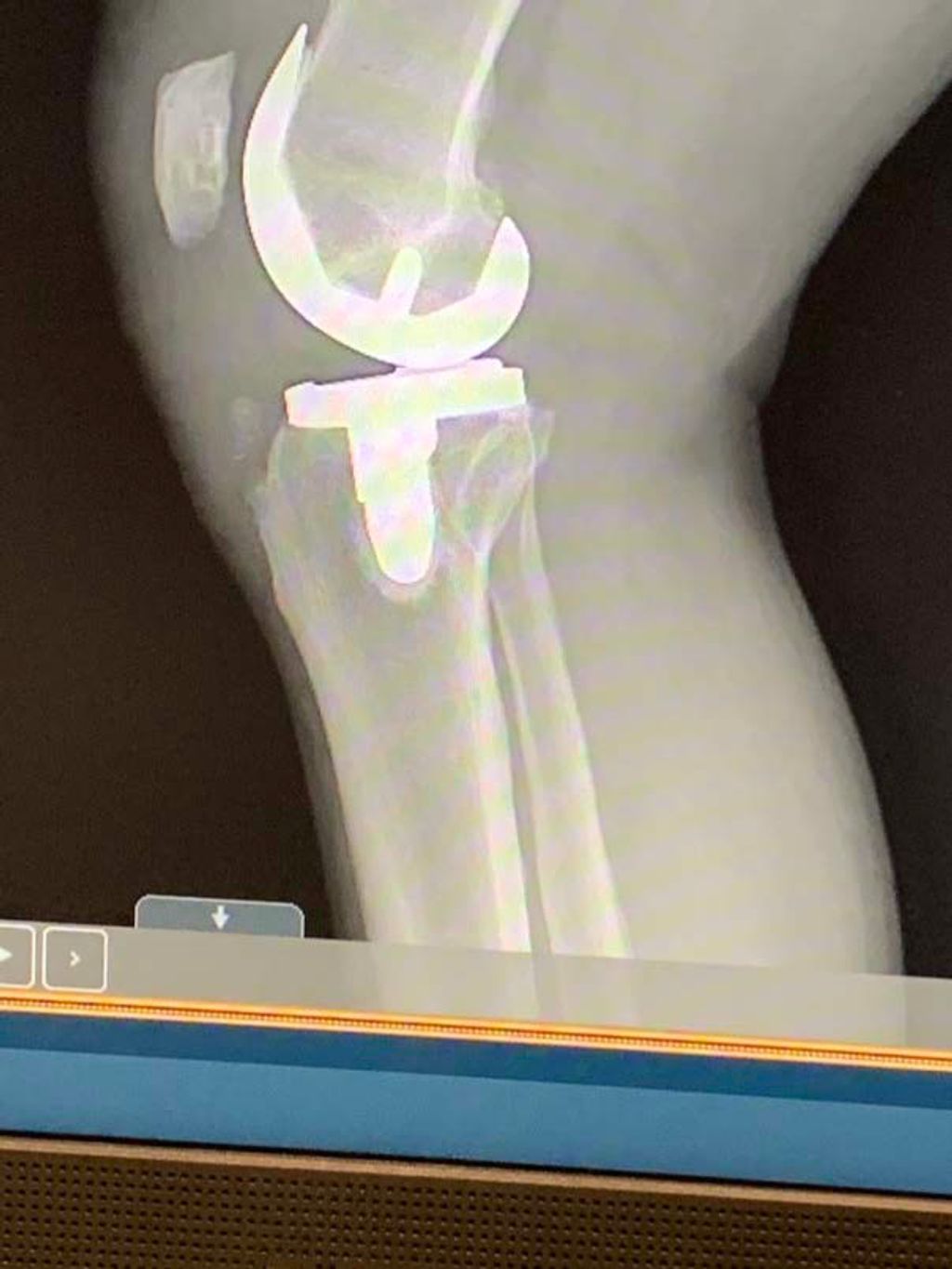
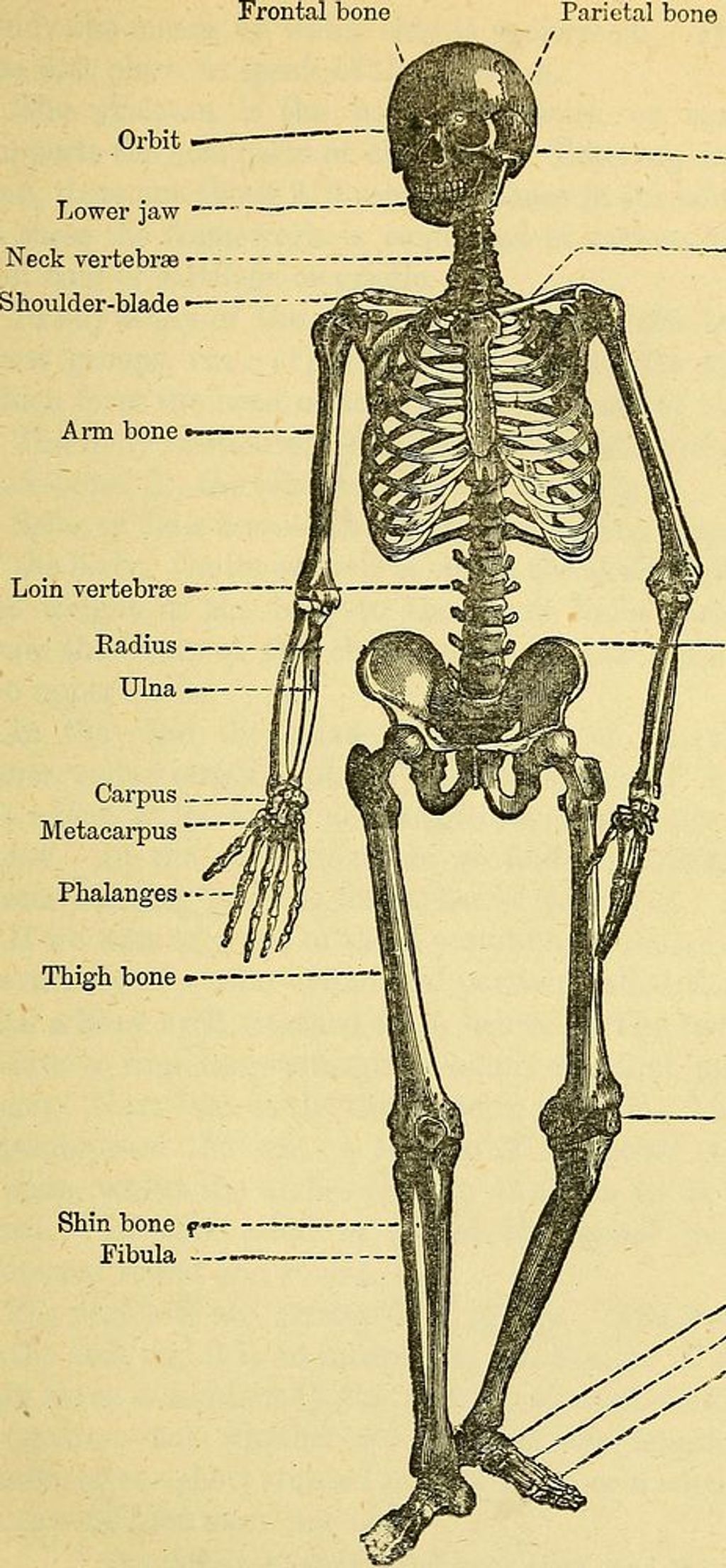
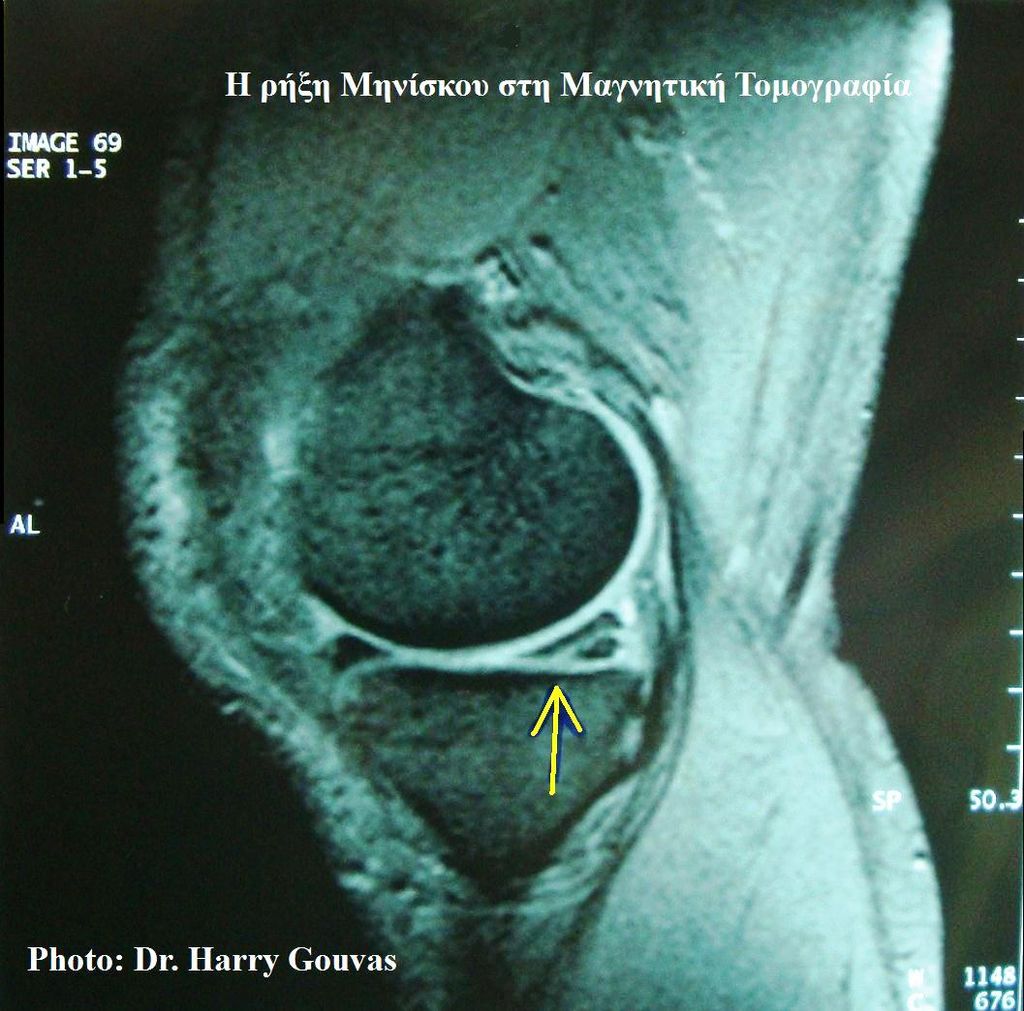
Tag: arthritis in the knee cause pain

  • Insights into Knee Joint Replacement Surgery

    Insights into Knee Joint Replacement Surgery

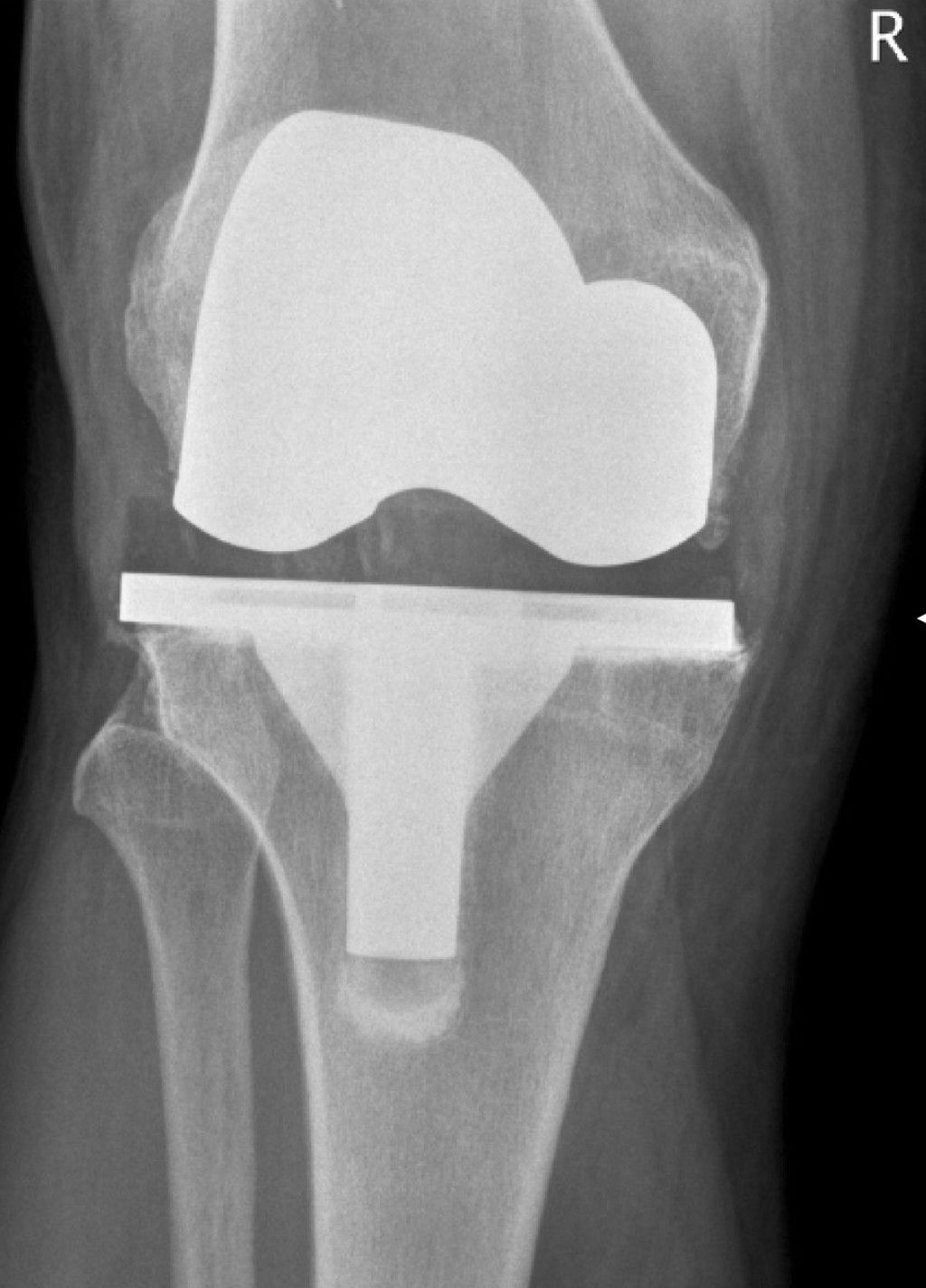
    Knee joint replacement surgery is a complex procedure that aims to alleviate pain and improve mobility in individuals with severe knee joint conditions. This surgical intervention involves replacing damaged or worn-out parts of the knee joint with artificial components, allowing patients to regain function and quality of life. Understanding the anatomy of the knee joint, indications for surgery, surgical techniques, and rehabilitation process is crucial for both patients and healthcare professionals. In this article, we will explore key insights into knee joint replacement surgery, covering essential information for those considering or involved in the process.

    Key Takeaways

    • Understanding the anatomy of the knee joint is essential for comprehending the impact of knee joint conditions.
    • Degenerative joint disease, rheumatoid arthritis, and post-traumatic arthritis are common indications for knee joint replacement surgery.
    • Total knee replacement, partial knee replacement, and minimally invasive knee replacement are the primary surgical techniques for knee joint replacement.
    • Rehabilitation after knee joint replacement involves physical therapy, home care, and adherence to an expected recovery timeline.
    • Successful knee joint replacement surgery can significantly improve mobility and quality of life for individuals with severe knee joint conditions.

    Anatomy of the Knee Joint

    thumbnail

    Structure of the Knee Joint

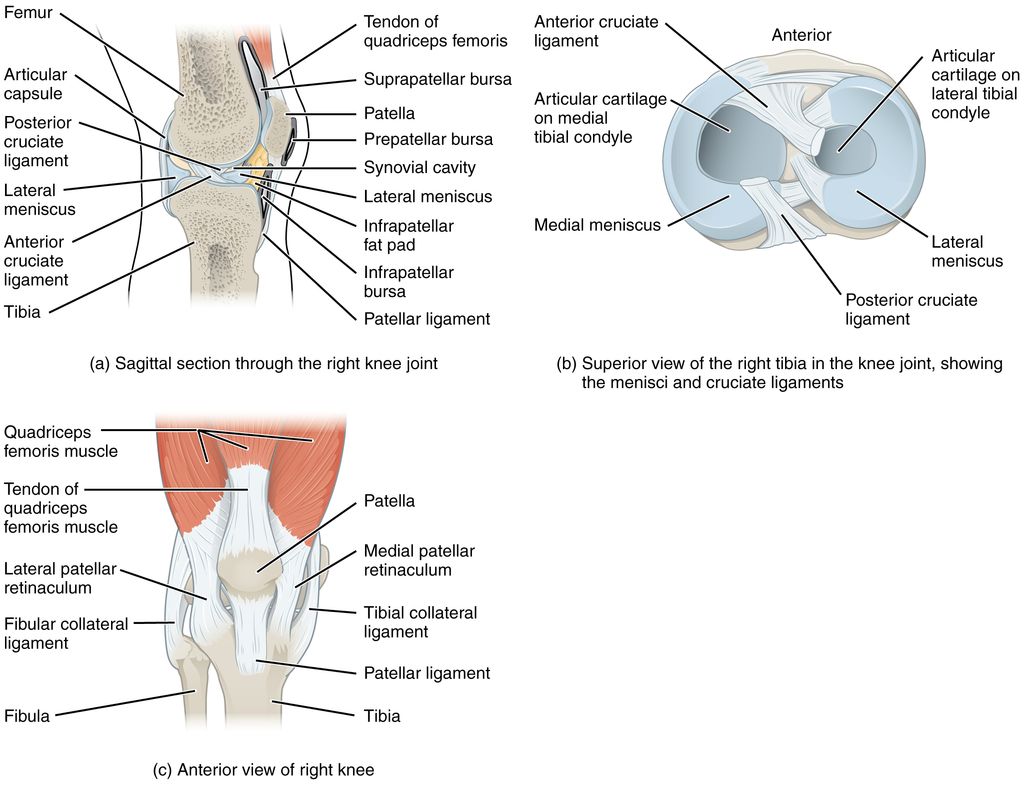
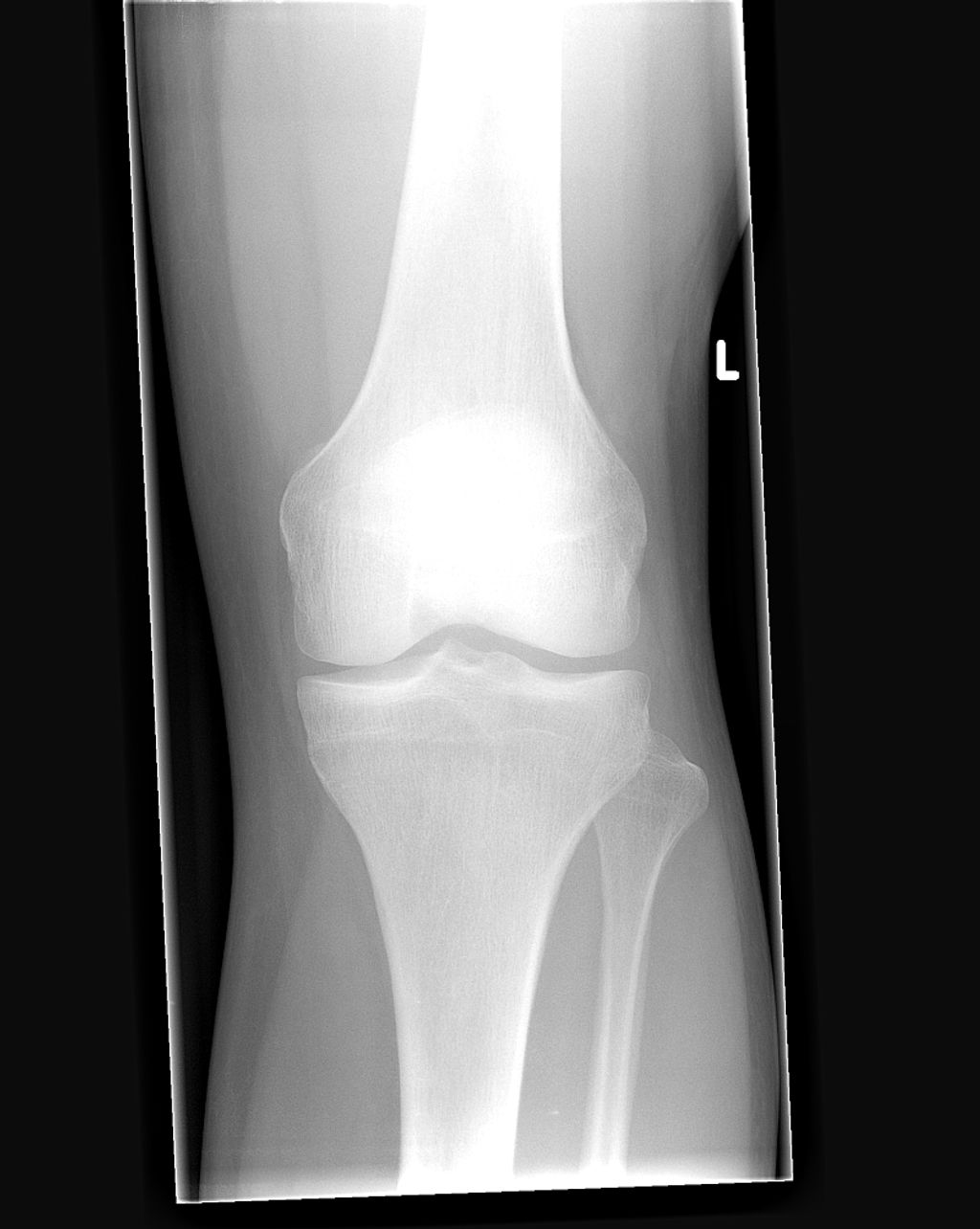
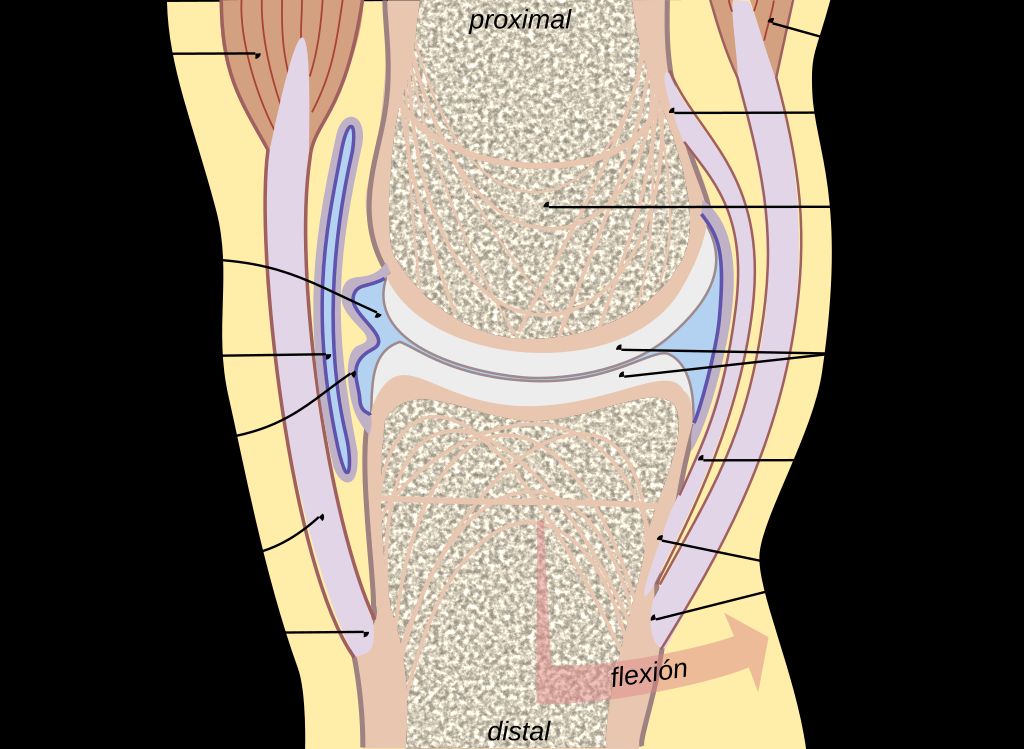
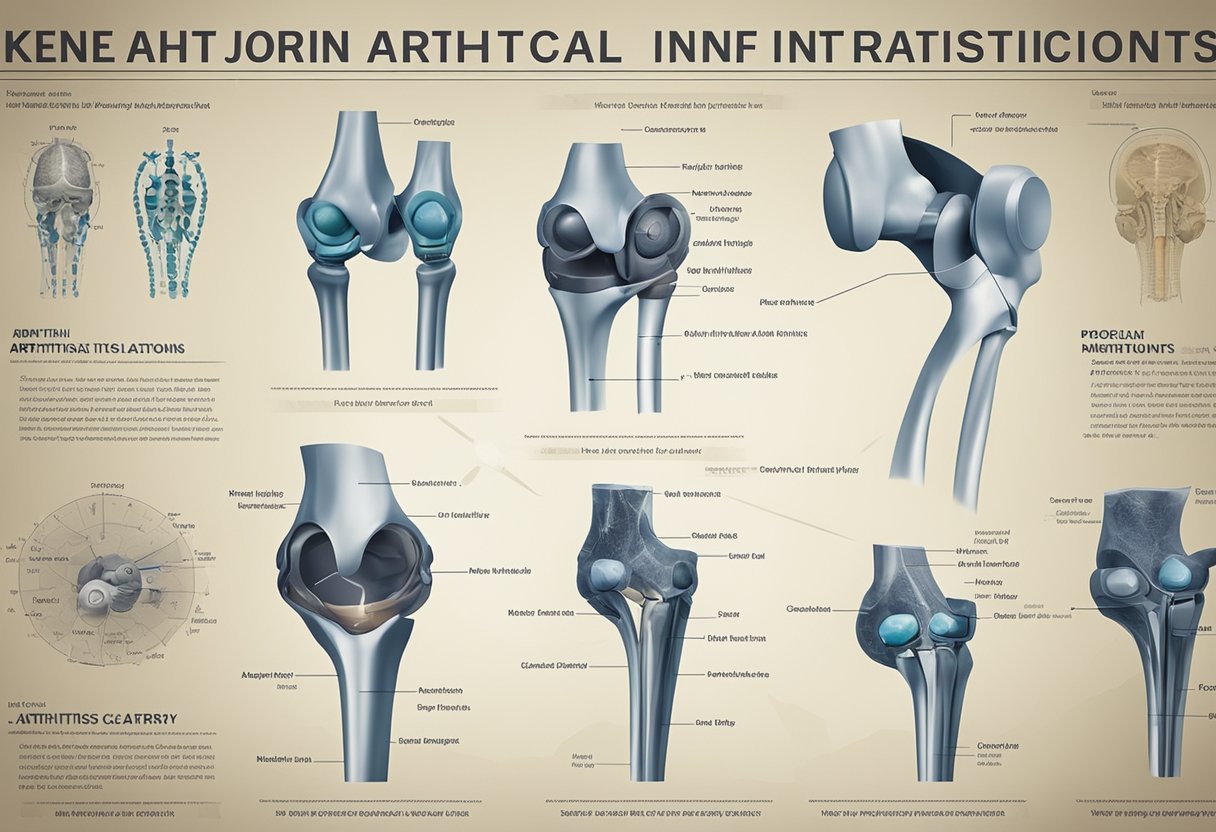
    We often take for granted the complex engineering of our knee joints, which are pivotal for our mobility. The knee joint is primarily composed of three bones: the femur, tibia, and patella. These bones are connected by ligaments that provide stability and tendons that attach muscles to the bones, enabling movement.

    The knee joint is encapsulated in a synovial membrane, which secretes synovial fluid for lubrication, reducing friction during movement. The menisci, two C-shaped pieces of cartilage, act as shock absorbers and ensure smooth articulation between the femur and tibia.

    • Proper alignment and balance of these structures are crucial for the knee’s function. Any misalignment can lead to pain and dysfunction. Here’s a simple breakdown of the key components:
    • Femur: Thigh bone, articulates with the tibia and patella
    • Tibia: Shin bone, supports the weight of the body
    • Patella: Kneecap, protects the knee joint
    • Ligaments: Connect bones and provide stability
    • Tendons: Connect muscles to bones, facilitating movement
    • Menisci: Cartilage that cushions and stabilizes the joint
    • Synovial membrane: Produces fluid for lubrication

    Remember, maintaining the health of each component is essential for the overall function of the knee joint. Regular exercise and weight management can help preserve knee joint integrity and function.

    Function of the Knee Joint

    The function of the knee joint is crucial for our mobility and stability. It allows us to perform activities such as walking, running, and jumping. The knee joint also plays a role in absorbing shock and providing support for the body. Maintaining healthy knee function is essential for overall quality of life.


    Function Description
    Flexion Bending of the knee joint
    Extension Straightening of the knee joint
    Rotation Internal and external rotation

    It is important to note that proper knee function is necessary for a wide range of daily activities. Engaging in exercises that promote knee strength and flexibility can contribute to improved joint function and overall well-being.

    Indications for Knee Joint Replacement Surgery

    thumbnail

    Degenerative Joint Disease

    Degenerative joint disease, also known as osteoarthritis, is the most common reason for knee joint replacement surgery. It is characterized by the breakdown of cartilage in the joint, leading to pain, stiffness, and reduced mobility. Early intervention is crucial in managing degenerative joint disease, as it can prevent further damage to the knee joint. Patients with degenerative joint disease often experience relief from pain and improved function after knee joint replacement surgery. Here is a brief overview of the success rates for knee joint replacement surgery:

    Success Rate Percentage
    1 year 90%
    5 years 80%
    10 years 70%

    It’s important to note that individual results may vary, and consulting with a healthcare professional is essential for personalized guidance and care. Patients should also be aware of the potential risks and complications associated with knee joint replacement surgery, which can be discussed in detail with their healthcare provider.

    Rheumatoid Arthritis

    Rheumatoid arthritis is a chronic, systemic autoimmune condition that affects the joints, including the knees. It can lead to significant pain, swelling, and stiffness, impacting our ability to perform daily activities. In some cases, medication and other conservative treatments may not provide sufficient relief, leading to the consideration of knee joint replacement surgery. Patients with rheumatoid arthritis may experience improved joint function, reduced pain, and enhanced quality of life following knee replacement surgery. However, it’s important to carefully consider the potential risks and benefits, as well as the long-term management of the condition post-surgery.

    Post-Traumatic Arthritis

    In our exploration of knee joint replacement surgery, we recognize that post-traumatic arthritis is a significant factor necessitating this procedure. Following a severe injury to the knee, such as a fracture or ligament damage, the joint may develop arthritis over time. This condition is characterized by the gradual deterioration of the cartilage that cushions the ends of the bones in the joint.

    The symptoms of post-traumatic arthritis include pain, swelling, and a decreased range of motion, which can severely impact daily activities. We often see patients who have exhausted other treatment options, such as anti-inflammatory medications or corticosteroid injections, before considering surgery.

    Key considerations for patients with post-traumatic arthritis contemplating knee replacement surgery include:

    • The extent of joint damage
    • The patient’s age and activity level
    • The presence of other medical conditions

    Tip: It’s crucial for patients to have realistic expectations about the outcomes of knee replacement surgery and to understand that rehabilitation is an integral part of the recovery process.

    Surgical Techniques for Knee Joint Replacement

    thumbnail

    Total Knee Replacement

    After undergoing a Total Knee Replacement, the rehabilitation process is crucial for a successful recovery. Our team emphasizes the importance of physical therapy and home care in the post-surgery period. Here’s a brief overview of the expected recovery timeline:

    Partial Knee Replacement

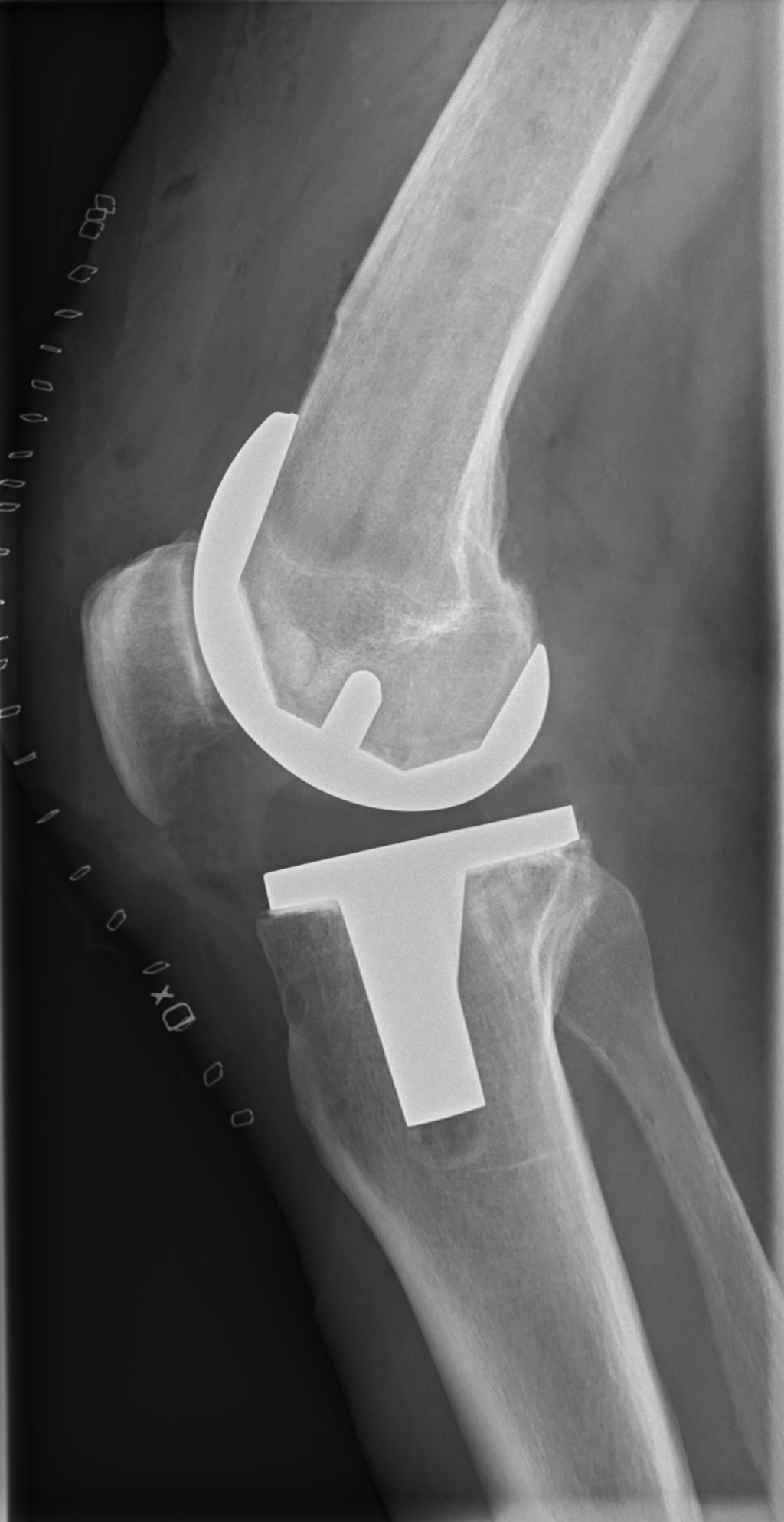
    In our exploration of knee joint replacement options, we recognize that partial knee replacement surgery is a viable choice for patients whose arthritis is confined to a single compartment of the knee. Unlike total knee replacement, this procedure involves replacing only the damaged area of the knee, preserving as much of the natural knee structure as possible.

    Partial knee replacement offers several advantages, including a quicker recovery time and less blood loss during surgery. Patients often report a more natural knee feeling post-operation due to the retention of undamaged knee components.

    The following list outlines the typical steps involved in a partial knee replacement procedure:

    1. Anesthesia is administered.
    2. A small incision is made in the knee area.
    3. Damaged cartilage and bone are removed from the knee.
    4. Implants are positioned to resurface the damaged knee compartment.
    5. The knee is tested for proper movement and alignment.
    6. The incision is closed, and the recovery process begins.

    Tip: It’s crucial for patients to follow their surgeon’s advice on post-operative care to ensure the best possible outcome.

    Minimally Invasive Knee Replacement

    After undergoing a Minimally Invasive Knee Replacement, my team and I focus on providing personalized care to ensure a smooth recovery process. We emphasize the importance of early mobilization and pain management to facilitate a quicker return to normal activities. Our approach involves a combination of physical therapy, home exercises, and regular follow-up appointments to monitor progress and address any concerns.

    Additionally, we track patient outcomes using the following data:

    Metric Outcome
    Range of Motion Excellent improvement in flexion and extension
    Pain Level Significant reduction in post-operative pain
    Hospital Stay Shortened duration of hospitalization

    Our experience has shown that this comprehensive approach leads to favorable outcomes and high patient satisfaction. As a team, we are committed to providing the best possible care and support throughout the recovery journey.

    Tip: Encouraging early ambulation and adherence to prescribed exercises can significantly contribute to a successful recovery after minimally invasive knee replacement surgery.

    Rehabilitation and Recovery After Knee Joint Replacement

    thumbnail

    Physical Therapy

    Physical therapy plays a crucial role in our recovery journey after knee joint replacement surgery. It is a comprehensive program that focuses on improving our strength, flexibility, and range of motion. Through tailored exercises and activities, physical therapy helps us regain functionality and mobility in our knee joint. Additionally, it is important to note that physical therapy is not limited to post-surgery recovery; it benefits individuals of all ages and activity levels, aiming to improve overall well-being. Here is a brief overview of the key components of physical therapy:

    Home Care

    After completing the phase of Home Care, we transition to the next stage of rehabilitation. This phase focuses on regaining strength, flexibility, and mobility in the knee joint. Our team will guide you through a personalized exercise program tailored to your specific needs and progress. Additionally, we will monitor your progress closely to ensure that any setbacks are addressed promptly and effectively. It’s important to remember that setbacks are a natural part of the recovery process, and with the right strategies, one can overcome them quickly and emerge stronger. Our goal is to support you in achieving a successful and sustainable recovery.

    Expected Recovery Timeline

    After undergoing knee joint replacement surgery, recovery is a crucial phase that requires patience and dedication. Our rehabilitation program focuses on restoring strength, flexibility, and mobility to the knee joint. Physical therapy plays a key role in this process, with personalized exercises and techniques tailored to each patient’s needs. Additionally, home care is an essential aspect of recovery, involving proper wound care, medication management, and assistance with daily activities. It’s important to note that the expected recovery timeline varies for each individual, depending on factors such as overall health, adherence to rehabilitation protocols, and post-operative complications. Patients are encouraged to follow the guidance of their healthcare team and adhere to the prescribed rehabilitation plan for optimal outcomes.

    Conclusion

    In conclusion, the insights gained from this article shed light on the intricate nature of knee joint replacement surgery. The complexity of the procedure, coupled with the potential for improved mobility and quality of life for patients, underscores the significance of ongoing research and advancements in this field. As medical knowledge and technology continue to evolve, it is imperative to prioritize the well-being and long-term outcomes of individuals undergoing knee joint replacement surgery.

    Frequently Asked Questions

    What is the recovery time for knee joint replacement surgery?

    The recovery time for knee joint replacement surgery varies, but most patients can expect to resume normal activities within 3 to 6 months.

    Is knee joint replacement surgery painful?

    Patients may experience some pain and discomfort after surgery, but this can be managed with medication and proper rehabilitation.

    How long does a knee joint replacement surgery take?

    The duration of knee joint replacement surgery typically ranges from 1 to 2 hours, depending on the complexity of the procedure.

    What are the potential risks and complications of knee joint replacement surgery?

    Potential risks and complications include infection, blood clots, implant loosening, and nerve damage, among others. Your surgeon will discuss these in detail before the surgery.

    Can I return to sports and physical activities after knee joint replacement surgery?

    Many patients are able to return to low-impact sports and physical activities after knee joint replacement surgery, but high-impact activities may be limited.

    How long does a knee joint replacement implant last?

    The lifespan of a knee joint replacement implant varies, but most implants last between 15 to 20 years. Revision surgery may be required after this time period.

  • Finding the Best Knee Pain Doctor Near Me

    Finding the Best Knee Pain Doctor Near Me

    Knee pain can be a debilitating condition that affects many individuals. Whether it’s due to an injury, arthritis, or other underlying causes, finding the right doctor is crucial for effective treatment. In this article, we will explore the key aspects of understanding knee pain, choosing the right doctor, diagnostic procedures, and treatment options.

    Key Takeaways

    • Understanding the anatomy of the knee is essential in identifying the source of knee pain.
    • Common causes of knee pain include injuries, arthritis, and overuse.
    • Finding a knee pain specialist who is experienced in treating your specific condition is important for effective care.
    • Imaging tests such as X-rays and MRIs can help diagnose the cause of knee pain.
    • Rehabilitation and physical therapy play a crucial role in the recovery process after knee surgery.

    Understanding Knee Pain

    thumbnail

    Anatomy of the Knee

    When we consider the complexity of the human body, the knee is a remarkable structure. It’s not just a simple hinge joint; it’s a sophisticated system that allows for a wide range of motion while supporting the body’s weight. The knee comprises four main components: bones, cartilage, ligaments, and tendons.

    The bones form the framework and include the femur (thigh bone), tibia (shin bone), and patella (kneecap). The cartilage, particularly the meniscus, acts as a cushion and helps the bones glide smoothly over each other. Ligaments connect bones to bones, providing stability, while tendons connect muscles to bones, allowing us to move our legs with ease.

    Understanding the anatomy of the knee is crucial for identifying the source of pain and determining the appropriate treatment. Here’s a quick overview of the key structures:

    • Femur: The upper leg bone that articulates with the knee.
    • Tibia: The lower leg bone forming the lower part of the knee joint.
    • Patella: Also known as the kneecap, it protects the knee joint.
    • Meniscus: Two crescent-shaped cartilage pieces that cushion and stabilize the knee.
    • Ligaments: Including the ACL, PCL, MCL, and LCL, they provide knee stability.
    • Tendons: Such as the patellar tendon, they connect muscles to the bones.

    Remember, maintaining knee health is essential for mobility and overall well-being. Regular exercise and avoiding excessive strain can help preserve knee function.

    Common Causes of Knee Pain

    Understanding the common causes of knee pain is crucial in identifying the underlying issues. In many cases, overuse or injury to the knee can lead to pain and discomfort. Additionally, conditions such as osteoarthritis and rheumatoid arthritis are known to contribute to knee pain. It’s important to note that factors like age, weight, and activity level can also play a significant role in the development of knee pain. Understanding these causes can help us make informed decisions about seeking medical attention and treatment for our knee pain.

    Types of Knee Pain

    We recognize that knee pain can manifest in various forms, each with its own set of challenges and implications for treatment. Broadly, knee pain can be categorized into acute, subacute, and chronic, depending on the duration and onset of symptoms. Acute knee pain often results from injuries such as ligament tears or fractures, and typically demands immediate attention.

    • Acute Knee Pain
    • Subacute Knee Pain
    • Chronic Knee Pain

    For instance, chronic knee pain may develop over time due to conditions like osteoarthritis or tendinitis, and may require a different approach to management. It’s essential to identify the type of knee pain as it guides the subsequent diagnostic and therapeutic strategies.

    Tip: Always consult with a healthcare professional to accurately diagnose the type of knee pain you’re experiencing, as this will significantly influence the effectiveness of your treatment plan.

    Choosing the Right Doctor

    thumbnail

    Qualities to Look for in a Knee Pain Doctor

    When we seek medical attention for knee pain, it’s crucial to find a doctor who not only has the expertise but also possesses certain qualities that can make a significant difference in our treatment experience. One of the primary qualities to look for is empathy. An empathetic doctor can provide a level of comfort and understanding that is invaluable during treatment. Additionally, we should look for a doctor who is communicative and transparent about diagnoses and treatment plans.

    Another key quality is the doctor’s commitment to staying abreast of the latest medical advancements in knee pain treatment. This ensures that we have access to the most current and effective treatment options. Moreover, a good knee pain doctor should have a proven track record of success with patients suffering from similar conditions.

    Here’s a list of qualities that are important when choosing a knee pain doctor:

    • Empathy and patient comfort
    • Clear communication and transparency
    • Up-to-date with medical research
    • Successful patient outcomes

    Remember, the relationship with your knee pain doctor is a partnership. It’s essential to choose someone who you feel comfortable with and who supports your journey to recovery.

    Finding a Specialist

    When we embark on the journey to find the best knee pain specialist, it’s crucial to consider the type of doctor that will best suit our needs. Orthopedic surgeons are often the go-to specialists for knee pain, as they focus on the musculoskeletal system. However, depending on the cause and severity of the knee pain, we might also consider seeing a rheumatologist for inflammatory conditions, or a physiatrist for rehabilitation and pain management.

    To streamline our search, we can create a list of potential specialists based on referrals, insurance coverage, and proximity. Here’s a simple process we can follow:

    1. Gather referrals from primary care physicians, friends, or family members.
    2. Verify the doctor’s credentials and specialization through medical boards or professional directories.
    3. Check if the specialist is covered by our insurance plan.
    4. Consider the location of the clinic for convenience and accessibility.

    Tip: Always verify the specialist’s experience with your specific knee condition before scheduling an appointment.

    Once we have a list of potential specialists, we can further narrow down our choices by considering factors such as the doctor’s communication style, patient reviews, and the range of treatments they offer. It’s important to feel confident in our choice, as the right specialist will not only provide expert care but also guide us through the recovery process with compassion and understanding.

    Evaluating Doctor’s Experience

    When evaluating a doctor’s experience, we prioritize patient outcomes as a key metric. Our focus is on understanding the success rates of previous treatments and the overall satisfaction of patients under the doctor’s care. This data is crucial in making informed decisions about the doctor’s expertise and ability to deliver effective treatments.

    In addition, we consider the number of procedures performed by the doctor, as it provides insight into their level of experience and proficiency in handling various knee pain conditions. This quantitative measure offers valuable information about the doctor’s familiarity with different treatment modalities and their capability to address complex cases.

    Furthermore, it is important to note that the length of practice is a significant factor in evaluating a doctor’s experience. A doctor with extensive experience is likely to have encountered a wide range of knee pain scenarios, thereby honing their diagnostic and treatment skills over time.

    It is advisable to inquire about the doctor’s experience with specific knee pain conditions, as specialized expertise can greatly impact the quality of care and treatment outcomes.

    Diagnostic Procedures

    Physical Examination

    When we seek medical attention for knee pain, the initial step is often a thorough physical examination. During this assessment, the doctor will evaluate the knee’s range of motion, stability, strength, and overall alignment. They may also check for signs of swelling, tenderness, or redness which can indicate inflammation or injury.

    Palpation is a key component of the physical examination, where the doctor applies gentle pressure to different parts of the knee to identify any abnormalities or pinpoint the source of pain. It’s important to provide accurate feedback during this process to help the doctor make a correct diagnosis.

    Here’s a brief overview of what to expect during a physical examination:

    • Observation of gait and posture
    • Assessment of joint mobility
    • Palpation of the knee structure
    • Evaluation of ligament integrity
    • Testing for meniscal damage

    Tip: Be prepared to discuss the history of your knee pain, including any specific movements or activities that exacerbate the discomfort. This information is crucial for a comprehensive evaluation.

    Imaging Tests for Knee Pain

    After undergoing imaging tests for knee pain, we will receive a comprehensive report detailing the condition of our knee joint. This report will include information about any abnormalities, such as fractures, dislocations, or signs of arthritis. Additionally, the report may provide quantitative data on the extent of tissue damage, which can help guide the treatment plan. We can expect the report to be presented in a clear and organized manner, allowing us to understand the findings easily. If we have any questions or need further clarification, we should not hesitate to discuss the report with our doctor.

    Laboratory Tests for Knee Pain

    Laboratory tests play a crucial role in diagnosing the underlying causes of knee pain. These tests provide valuable insights into the presence of inflammatory markers, infection, and other systemic conditions that may contribute to knee discomfort. Interpreting the results of these tests requires a comprehensive understanding of the patient’s medical history and current symptoms. It is important to note that laboratory tests alone may not provide a definitive diagnosis, but they are an essential component of the diagnostic process. Collaboration between the patient, the doctor, and the laboratory professionals is key to ensuring accurate and meaningful results.

    • Implement a table for presenting structured, quantitative data. Ensure it’s succinct and formatted correctly in Markdown.
    • Use a bulleted or numbered list for less structured content, like steps, qualitative points, or a series of related items.

    Treatment Options

    thumbnail

    Non-Surgical Treatments

    Non-surgical treatments for knee pain are often the first line of defense in managing the condition. Physical therapy plays a crucial role in strengthening the muscles around the knee and improving flexibility. Additionally, anti-inflammatory medications may be prescribed to reduce pain and swelling. It’s important to note that these treatments are most effective when combined with lifestyle modifications, such as weight management and activity modification.

    • Implementing a table for presenting structured, quantitative data is not applicable in this context.
    • Use a bulleted or numbered list for less structured content, like steps, qualitative points, or a series of related items.
    • A personalized exercise program tailored to the individual’s needs
    • Use of supportive devices such as knee braces or orthotics
    • Application of ice or heat therapy to alleviate discomfort

    It is essential to consult a qualified healthcare professional before starting any new treatment regimen. Each individual’s condition is unique, and personalized care is crucial for effective management of knee pain.

    Surgical Interventions

    When conservative treatments for knee pain do not yield the desired results, we may consider surgical interventions. These procedures are aimed at relieving pain, restoring function, and improving quality of life. The decision to proceed with surgery is made carefully, taking into account the individual’s specific condition, age, activity level, and overall health.

    Surgical options vary depending on the diagnosis and severity of knee pain. Common surgeries include arthroscopy, partial or total knee replacement, and ligament reconstruction. Each procedure has its own set of indications, risks, and recovery times.

    Tip: Always discuss the potential benefits and risks of surgery with your doctor to make an informed decision.

    Here is a list of surgical interventions commonly performed for knee pain:

    • Arthroscopic surgery to repair or remove damaged cartilage
    • Partial knee replacement for cases where damage is limited to a particular area
    • Total knee replacement for severe arthritis or damage
    • ACL reconstruction to repair a torn anterior cruciate ligament
    • Osteotomy to realign bones and relieve pressure on the knee joint

    Rehabilitation and Recovery

    After undergoing knee surgery, the journey towards regaining full mobility and strength is paramount. We emphasize the importance of a structured rehabilitation program, which is tailored to the individual needs of each patient. Rehabilitation is not a one-size-fits-all process; it requires careful planning and adjustment based on the patient’s progress.

    Recovery times can vary, and it’s crucial to set realistic goals and milestones. A typical rehabilitation program may include the following stages:

    • Initial rest and pain management
    • Gradual increase in movement and weight-bearing activities
    • Strength training and conditioning
    • Functional exercises to restore normal knee function

    Tip: Always follow the guidance of your rehabilitation professionals to avoid setbacks and ensure the best outcome.

    Monitoring progress is a key component of successful recovery. Patients should expect regular evaluations with their healthcare team to ensure that the rehabilitation plan remains effective and responsive to their healing journey.

    Conclusion

    In conclusion, finding the best knee pain doctor near you is a crucial step in managing and treating knee pain effectively. By considering factors such as expertise, experience, and patient reviews, individuals can make informed decisions when seeking medical care for their knee pain. It is essential to prioritize one’s health and well-being by seeking out a qualified and reputable knee pain doctor who can provide personalized and effective treatment options.

    Frequently Asked Questions

    What are the common symptoms of knee pain?

    Common symptoms of knee pain include swelling, stiffness, redness, warmth, weakness, and instability in the knee.

    How can I prevent knee pain?

    To prevent knee pain, it’s important to maintain a healthy weight, exercise regularly, wear proper footwear, avoid sudden increases in physical activity, and use proper techniques during sports and exercise.

    What are the non-surgical treatment options for knee pain?

    Non-surgical treatment options for knee pain include physical therapy, medications, injections, bracing, and lifestyle modifications such as weight management and activity modification.

    What are the common imaging tests used to diagnose knee pain?

    Common imaging tests for diagnosing knee pain include X-rays, MRI (Magnetic Resonance Imaging), CT (Computed Tomography) scans, and ultrasound.

    How long does it take to recover from knee surgery?

    Recovery time from knee surgery varies depending on the type of surgery and individual factors. It can range from a few weeks to several months, and rehabilitation plays a crucial role in the recovery process.

    What should I look for in a specialist for knee pain treatment?

    When looking for a specialist for knee pain treatment, consider their experience, expertise in knee-related conditions, communication style, and their approach to personalized treatment plans.

  • Safe and Effective Knee Injury Exercises

    Safe and Effective Knee Injury Exercises

    Knee injuries can be debilitating and may require careful rehabilitation and exercise protocols to ensure safe and effective recovery. Understanding the common types, causes, and risk factors for knee injuries is crucial in developing an appropriate exercise plan. Additionally, rehabilitation and recovery play a significant role in the healing process. In this article, we will explore the key takeaways from each section to provide valuable insights into safe and effective knee injury exercises.

    Key Takeaways

    • Understanding the common types, causes, and risk factors for knee injuries is essential for developing an appropriate exercise plan.
    • Rehabilitation and recovery are crucial for the healing process of knee injuries, and physical therapy techniques can aid in the recovery timeline.
    • Low-impact exercises are beneficial for knee injuries, while strength training and flexibility exercises contribute to knee stability and range of motion.
    • Consistency and gradual progression are key principles in safe and effective knee injury exercises.
    • Consulting a healthcare professional or physical therapist is important before starting any exercise program for knee injuries.

    Understanding Knee Injuries

    Common Types of Knee Injuries

    Knee injuries can be caused by a variety of factors, including overuse, trauma, and aging. It is important to understand the specific nature of the injury in order to develop an effective rehabilitation plan. For example, a study by Johns Hopkins Medicine found that the most common types of knee injuries include ligament sprains, meniscus tears, and patellar dislocations. These injuries can significantly impact an individual’s mobility and quality of life. Understanding the nuances of each injury is crucial for tailored treatment and recovery.

    Causes of Knee Injuries

    Knee injuries can be caused by a variety of factors, including overuse, sudden impact, and improper form during physical activities. These factors can lead to damage in the ligaments, tendons, and cartilage surrounding the knee joint. Additionally, age and pre-existing conditions such as arthritis can contribute to the vulnerability of the knee to injuries.

    It’s important to note that proper warm-up and stretching routines can help reduce the risk of knee injuries. Here’s a table summarizing the key factors contributing to knee injuries:

    Factor Impact Level
    Overuse High
    Sudden Impact High
    Improper Form Moderate
    Age Moderate
    Pre-existing Conditions Moderate

    In addition to these factors, maintaining a healthy weight and avoiding excessive stress on the knees can significantly reduce the risk of injury. Remember, prevention is key to maintaining knee health and preventing injuries.

    Risk Factors for Knee Injuries

    We recognize that certain factors can significantly increase the likelihood of sustaining knee injuries. These risk factors vary widely, encompassing both intrinsic and extrinsic elements. Intrinsic factors are those related to an individual’s own body, such as age, gender, and genetics. Extrinsic factors include environmental conditions and activity levels.

    Age is a primary intrinsic factor, with older individuals often experiencing a higher incidence of knee injuries due to wear and tear on the joints. Gender also plays a role; for example, women are more prone to anterior cruciate ligament (ACL) injuries due to differences in muscle strength and hormonal influences. Genetics can predispose individuals to certain conditions that affect knee health, such as osteoarthritis.

    When it comes to extrinsic factors, athletes, particularly those involved in high-impact sports like football or basketball, face a heightened risk. However, it’s not just athletes; occupational hazards and lifestyle choices can also contribute. For instance, jobs that require repetitive knee motions or heavy lifting can lead to chronic knee issues.

    Tip: Maintaining a healthy weight and engaging in regular, balanced exercise can mitigate some of the risk factors for knee injuries.

    Understanding these risk factors is crucial for both prevention and effective management of knee injuries. By acknowledging and addressing these elements, we can better tailor rehabilitation programs and exercise protocols to individual needs.

    Rehabilitation and Recovery

    thumbnail

    Importance of Rehabilitation

    In our journey to recovery from knee injuries, we recognize the paramount importance of rehabilitation. It is not merely a phase of recovery; it is a crucial process that demands our commitment and patience. Rehabilitation serves as the bridge between injury and returning to daily activities, ensuring that the knee regains its strength and functionality.

    Rehabilitation involves a series of carefully designed exercises and therapies aimed at restoring knee stability and mobility. It is essential to adhere to the prescribed regimen to prevent the risk of re-injury and to promote optimal healing. Here’s a brief overview of the rehabilitation process:

    • Initial rest and inflammation control
    • Gradual reintroduction of movement
    • Strengthening surrounding muscles
    • Enhancing flexibility and range of motion

    Tip: Always consult with a healthcare professional before starting any rehabilitation exercises to ensure they are suitable for your specific injury and recovery stage.

    Recovery Timeline for Knee Injuries

    Understanding the recovery timeline for knee injuries is crucial in setting realistic expectations and goals. The healing process is generally divided into phases, each characterized by specific recovery milestones and treatment objectives.

    Phase 1: Acute Injury Management – This initial phase focuses on reducing pain and swelling. Rest, ice, compression, and elevation (RICE) are fundamental during this period, which typically lasts from a few days to a week.

    Phase 2: Early Mobilization – As pain and swelling decrease, gentle range-of-motion exercises are introduced to prevent stiffness. This phase may last from 1 to 3 weeks.

    Phase 3: Strengthening and Conditioning – Once mobility improves, strength and conditioning exercises become the focus. This phase aims to restore knee stability and can last several weeks to months, depending on the severity of the injury.

    Phase 4: Functional Training – The final phase involves exercises that mimic daily activities or sport-specific movements. This stage prepares individuals for a safe return to their pre-injury level of activity.

    Tip: It’s essential to progress through each phase under the guidance of a healthcare professional to avoid setbacks and ensure a complete recovery.

    Physical Therapy Techniques

    After completing the physical therapy techniques, our team focuses on implementing a comprehensive exercise program to further aid in the rehabilitation and recovery process. This program includes a combination of low-impact exercises, strength training, and flexibility and range of motion exercises. The goal is to gradually improve knee stability and function while minimizing the risk of re-injury. Here’s a brief overview of the exercise protocols we recommend:

    1. Low-Impact Exercises: These gentle exercises are designed to minimize stress on the knee joint while promoting circulation and muscle activation. Examples include stationary cycling, swimming, and gentle yoga.
    2. Strength Training: Building strength in the muscles surrounding the knee is crucial for providing support and stability. We emphasize exercises that target the quadriceps, hamstrings, and calf muscles.
    3. Flexibility and Range of Motion: Stretching and mobility exercises play a vital role in maintaining and improving the knee’s range of motion. Our program includes dynamic and static stretching routines to enhance flexibility and reduce stiffness.

    It’s important to progress gradually and listen to your body throughout the exercise program. Consistency and patience are key to achieving long-term recovery and preventing future knee injuries.

    Exercise Protocols for Knee Injuries

    Low-Impact Exercises for Knee Injuries

    In our journey to rehabilitate knee injuries, we recognize the significance of low-impact exercises. These activities are designed to minimize stress on the knee joint while still promoting movement and strength. We advocate for a gradual approach, starting with the simplest exercises and progressively increasing intensity as the knee heals.

    Some of the most beneficial low-impact exercises include:

    • Cycling on a stationary bike, which allows for controlled movement without excessive strain.
    • Swimming and water aerobics, where the buoyancy of water supports the body and reduces impact.
    • Using an elliptical machine to simulate walking or running with less force on the knees.

    Tip: Always listen to your body and avoid pushing through pain. If an exercise causes discomfort, modify it or choose an alternative that feels better for your knee.

    It’s essential to incorporate these exercises into a regular routine, ensuring consistency in the recovery process. By doing so, we can help the knee regain its strength and functionality without risking further injury.

    Strength Training for Knee Stability

    We understand that the foundation of a strong knee is the stability provided by the surrounding muscles. Strength training is crucial for rebuilding the muscles around the knee, particularly after an injury. It’s important to focus on exercises that enhance the quadriceps and hamstrings, as these muscle groups play a pivotal role in knee stability.

    Gradual progression is key in strength training. We start with low-resistance exercises and slowly increase the intensity as the knee regains strength. Here’s a simple progression we can follow:

    1. Isometric exercises such as quad sets and straight-leg raises
    2. Leg presses with light weights
    3. Step-ups and lunges with bodyweight
    4. Gradual introduction of weights to the previous exercises

    Tip: Always listen to your body and avoid pushing through pain. Pain is a signal that we might be overexerting the injured knee.

    It’s essential to maintain proper form throughout these exercises to prevent further injury. We encourage seeking guidance from a physical therapist to ensure that each movement is performed correctly.

    Flexibility and Range of Motion Exercises

    We understand the importance of maintaining flexibility and a full range of motion in the knee joint during the rehabilitation process. Flexibility exercises are essential in restoring the knee’s ability to move through its complete range without pain or stiffness. These exercises should be performed gently and within a pain-free range to ensure safety and effectiveness.

    Hamstring stretches, calf stretches, and quadriceps stretches are foundational exercises that can help improve flexibility around the knee. It’s crucial to hold each stretch for at least 15-30 seconds to allow the muscles to relax and lengthen. Consistency is key, and we recommend incorporating these stretches into your daily routine.

    Tip: Always warm up with light activity before stretching to increase blood flow to the muscles and reduce the risk of injury.

    Below is a simple routine to enhance knee flexibility:

    • Begin with a warm-up of light walking or cycling for 5-10 minutes.
    • Proceed to hamstring stretches, holding each stretch for 30 seconds.
    • Follow with calf stretches, ensuring you feel a gentle pull, not pain.
    • Finish with quadriceps stretches, being careful not to strain the knee joint.

    Remember, the goal is to improve flexibility without causing additional stress to the knee. If you experience any discomfort beyond mild stretching sensations, it is advisable to stop and consult with a healthcare professional.

    Conclusion

    In conclusion, the effectiveness of knee injury exercises cannot be overstated. By following a structured and safe exercise regimen, individuals can significantly improve their knee strength and stability. It is imperative to consult a qualified healthcare professional before embarking on any exercise program, especially for individuals with a history of knee injuries. With the right guidance and commitment, recovery and prevention of knee injuries are achievable goals.

    Frequently Asked Questions

    What are the most common types of knee injuries?

    Common types of knee injuries include ACL tears, meniscus tears, and patellar tendinitis.

    What are the main causes of knee injuries?

    Knee injuries can be caused by sudden trauma, overuse, or degenerative conditions like arthritis.

    What are the risk factors for knee injuries?

    Risk factors for knee injuries include age, obesity, sports participation, and improper training techniques.

    Why is rehabilitation important for knee injuries?

    Rehabilitation is important for restoring strength, stability, and function to the knee after an injury, and to prevent future injuries.

    How long does it take to recover from a knee injury?

    The recovery timeline for knee injuries varies depending on the severity of the injury, but it can range from a few weeks to several months.

    What are some effective physical therapy techniques for knee injuries?

    Physical therapy techniques for knee injuries may include strengthening exercises, manual therapy, and modalities like ice and heat therapy.

  • Understanding Knee and Hip Pain on One Side

    Understanding Knee and Hip Pain on One Side

    Knee and hip pain on one side can be a debilitating condition that affects daily activities and quality of life. Understanding the anatomy, causes, diagnosis, and treatment options is essential for effective management. This article aims to provide insight into the complexities of unilateral knee and hip pain and offer key takeaways for a better understanding.

    Key Takeaways

    • Unilateral knee and hip pain can be caused by inflammatory conditions, degenerative joint diseases, or traumatic injuries.
    • Physical examination, imaging studies, and differential diagnosis are crucial for accurate diagnosis and assessment of unilateral knee and hip pain.
    • Conservative management, surgical interventions, and rehabilitation strategies are the main treatment options for unilateral knee and hip pain.
    • Early intervention and proper diagnosis are essential for preventing long-term complications associated with unilateral knee and hip pain.
    • Multidisciplinary approach involving healthcare professionals such as orthopedic surgeons, physical therapists, and pain management specialists is beneficial for comprehensive management of unilateral knee and hip pain.

    Anatomy of Knee and Hip Joints

    thumbnail

    Structure and Function of Knee Joint

    The knee joint is a complex hinge joint that allows for flexion, extension, and limited rotation. Articular cartilage covers the ends of the bones, providing smooth movement and cushioning. Ligaments, including the anterior cruciate ligament (ACL) and posterior cruciate ligament (PCL), provide stability and prevent excessive movement. The menisci, located between the femur and tibia, act as shock absorbers and enhance joint stability.

    Structure Function
    Femur Articulates with tibia and patella
    Tibia Supports body weight and articulates with femur
    Patella Protects knee joint and enhances leverage
    Quadriceps muscles Extend the knee joint and stabilize the patella
    Hamstring muscles Flex the knee joint and aid in hip extension

    Structure and Function of Hip Joint

    We understand the hip joint to be a pivotal element in the human body’s mobility. It is a ball-and-socket joint, where the femoral head fits into the acetabulum of the pelvis, allowing for a wide range of motion. The stability of the hip joint is maintained by a complex interplay of ligaments, muscles, and the joint capsule.

    The primary function of the hip joint is to support the weight of the body in both static and dynamic postures. This joint enables us to perform essential movements such as walking, running, and jumping. It is also crucial for maintaining balance and posture.

    • Ligaments of the Hip Joint
      • Iliofemoral ligament
      • Pubofemoral ligament
      • Ischiofemoral ligament

    Tip: Regular exercise and maintaining a healthy weight can significantly reduce the risk of developing hip pain.

    In our research, we often encounter various factors that can affect the hip joint’s health, such as the impact of youth baseball batting on hip pain or the benefits of strength training in cricketers. While these activities are specific to athletes, the lessons learned can be applied to the general population to prevent hip pain and maintain joint health.

    Causes of Unilateral Knee and Hip Pain

    thumbnail

    Inflammatory Conditions

    We often encounter patients who suffer from unilateral knee and hip pain due to various inflammatory conditions. These ailments can range from autoimmune disorders like rheumatoid arthritis to more localized issues such as bursitis or tendinitis. The inflammation can lead to significant discomfort and impair mobility, making early diagnosis and management crucial.

    Inflammatory conditions typically present with symptoms such as swelling, redness, warmth, and pain that is often worse in the morning or after periods of inactivity. To better understand these conditions, let’s consider the following list of common inflammatory diseases that can affect the knee and hip joints:

    • Rheumatoid arthritis
    • Psoriatic arthritis
    • Ankylosing spondylitis
    • Septic arthritis
    • Bursitis
    • Tendinitis

    Tip: It’s essential to distinguish between the various inflammatory conditions, as each requires a unique treatment approach. For instance, managing an autoimmune disorder may involve immunosuppressive medications, whereas treating an infection would require antibiotics.

    Our approach to managing these conditions involves a combination of medication, lifestyle modifications, and sometimes physical therapy. The goal is to reduce inflammation, alleviate pain, and prevent further joint damage. It’s important to note that while some inflammatory conditions can be managed effectively with conservative measures, others may progress and necessitate more aggressive treatment strategies.

    Degenerative Joint Diseases

    Degenerative joint diseases, such as osteoarthritis, are characterized by the gradual breakdown of cartilage and the formation of bone spurs. Inflammation and pain are common symptoms, often leading to limited mobility and reduced quality of life. Conservative management is often the first line of treatment, including weight management and physical therapy. In some cases, surgical interventions may be necessary to address severe joint damage. It’s important to consider the long-term implications of these diseases on overall joint health and function.

    Traumatic Injuries

    Traumatic injuries to the knee and hip joints can result in significant pain and functional impairment. Acute trauma, such as a sports-related injury or a fall, can lead to sudden and severe pain, swelling, and limited range of motion. It is important to promptly assess and manage traumatic injuries to prevent long-term complications. In some cases, surgical intervention may be necessary to repair damaged structures and restore joint function. Rehabilitation following traumatic injuries is crucial for optimizing recovery and regaining strength and mobility. It involves a comprehensive program of exercises, physical therapy, and gradual return to activities. Consistent adherence to the rehabilitation plan is essential for achieving the best outcomes and reducing the risk of recurrent injuries.

    Diagnosis and Assessment

    thumbnail

    Physical Examination

    In the process of diagnosing unilateral knee and hip pain, physical examination plays a crucial role in evaluating the range of motion, joint stability, and signs of inflammation. Additionally, imaging studies such as X-rays and MRI scans provide detailed insights into the structural integrity of the affected joints. These assessments aid in formulating a comprehensive differential diagnosis, considering various musculoskeletal and neurological conditions. It is important to interpret the findings of these assessments in conjunction with the patient’s medical history and clinical presentation to establish an accurate diagnosis and guide the subsequent treatment plan.

    Imaging Studies

    Following a thorough physical examination, we often turn to imaging studies to gain a deeper understanding of the underlying causes of unilateral knee and hip pain. These diagnostic tools provide us with detailed images of the internal structures, allowing for a more accurate assessment.

    The most common imaging modalities we utilize include X-rays, which are quick and useful for detecting bone abnormalities, and Magnetic Resonance Imaging (MRI) scans, which offer a more comprehensive view of both bone and soft tissues. Ultrasound and Computerized Tomography (CT) scans also play a role in certain cases, particularly when we suspect soft tissue injuries or require a cross-sectional view of the joint.

    It is crucial to select the most appropriate imaging study based on the patient’s symptoms and the findings from the physical examination to ensure a precise diagnosis.

    The choice of imaging technique is guided by the suspected condition, as each modality has its strengths. For instance, MRI is particularly beneficial in diagnosing ligament tears or cartilage damage, while X-rays are the first line of investigation for fractures or osteoarthritis.

    Differential Diagnosis

    In the process of diagnosing unilateral knee and hip pain, physical examination plays a crucial role in identifying specific signs and symptoms. Additionally, imaging studies such as X-rays and MRI scans provide valuable insights into the structural integrity of the affected joints. These assessments aid in formulating a comprehensive differential diagnosis to distinguish between various underlying conditions. It is important to note that the differential diagnosis may include but is not limited to:

    Treatment Options

    thumbnail

    Conservative Management

    In our approach to conservative management, we prioritize non-invasive interventions such as physical therapy, exercise, and lifestyle modifications. These methods aim to reduce pain, improve function, and enhance overall quality of life for individuals experiencing unilateral knee and hip pain. Our team emphasizes the importance of personalized care and tailored treatment plans to address the unique needs of each patient. We believe in the power of holistic care that encompasses both physical and emotional well-being.

    Surgical Interventions

    When conservative management fails to alleviate knee and hip pain on one side, we often consider surgical interventions. These procedures are tailored to the individual’s condition and may range from minimally invasive arthroscopic surgery to total joint replacement. It’s crucial to understand that surgery is not a one-size-fits-all solution and the choice of procedure depends on factors such as the severity of the disease, age, and overall health of the patient.

    • Postoperative care is essential for a successful outcome. Patients must adhere to a structured rehabilitation program to restore joint function and mobility. This typically includes physical therapy, pain management, and gradual return to activities. It’s important to note that recovery times can vary significantly among individuals.

    Overcoming setbacks with the right strategies is key to a successful recovery. It is not uncommon for patients to experience challenges, such as the one mentioned at week 10 post-surgery. Being prepared and having a supportive care team can make a significant difference in the recovery process.

    The following list outlines common surgical interventions for unilateral knee and hip pain:

    • Arthroscopic debridement or repair
    • Osteotomy to correct joint alignment
    • Partial or total knee replacement
    • Hip resurfacing or total hip replacement
    • Ligament reconstruction or repair

    Rehabilitation Strategies

    After addressing the immediate concerns through conservative management or surgical interventions, we turn our focus to rehabilitation strategies. These strategies are crucial for restoring function, improving mobility, and reducing the risk of future injury. A comprehensive rehabilitation program is tailored to each individual’s needs, taking into account the severity of their condition and their overall health status.

    Our approach to rehabilitation typically includes a combination of physical therapy exercises, pain management techniques, and education on body mechanics. We emphasize the importance of patient involvement and commitment to the rehabilitation process, as active participation is key to a successful recovery.

    Physical therapy exercises are designed to strengthen the muscles around the knee and hip joints, improve flexibility, and increase range of motion. Here’s a simplified outline of a typical rehabilitation regimen:

    • Initial assessment to determine specific needs
    • Development of a personalized exercise program
    • Regular progress evaluations and adjustments to the program
    • Education on proper body mechanics to prevent re-injury

    Tip: Consistency in performing prescribed exercises and attending therapy sessions is vital for optimal recovery.

    It’s important to note that rehabilitation is a journey, often requiring patience and perseverance. We work closely with our patients to set realistic goals and provide support throughout their recovery.

    Conclusion

    In conclusion, this article has provided a comprehensive overview of the factors contributing to knee and hip pain on one side. By examining the asymmetry in musculoskeletal function and the role of posture in pain development, we have gained valuable insights into the complexities of unilateral joint discomfort. Further research and clinical investigation are necessary to deepen our understanding and develop effective interventions for individuals experiencing these challenging conditions.

    Frequently Asked Questions

    What are the common symptoms of unilateral knee and hip pain?

    Common symptoms include pain, swelling, stiffness, and difficulty with movement.

    Can unilateral knee and hip pain be caused by overuse or repetitive strain?

    Yes, overuse or repetitive strain can lead to knee and hip pain on one side due to wear and tear on the joints.

    Is it necessary to seek medical attention for unilateral knee and hip pain?

    It is advisable to seek medical attention to determine the underlying cause and receive appropriate treatment.

    What imaging studies are commonly used to diagnose knee and hip problems?

    X-rays, MRI, and CT scans are commonly used to diagnose knee and hip issues and assess the extent of damage.

    Are there non-surgical treatment options for unilateral knee and hip pain?

    Yes, non-surgical options such as physical therapy, medication, and lifestyle modifications can be effective in managing knee and hip pain.

    What is the typical recovery time after surgical intervention for knee and hip problems?

    Recovery time varies depending on the type of surgery, but it may range from several weeks to several months.

  • Managing Inverted Knees: Treatment Options

    Managing Inverted Knees: Treatment Options

    Inverted knees, also known as genu recurvatum, is a condition where the knees bend backwards, causing discomfort and difficulty in movement. This article explores the anatomy, causes, symptoms, diagnosis, and treatment options for managing inverted knees.

    Key Takeaways

    • Understanding the anatomy and causes of inverted knees is essential for effective treatment and management.
    • Physical therapy plays a crucial role in strengthening the muscles around the knee and improving flexibility.
    • Bracing and support devices can help stabilize the knee joint and reduce strain on the inverted knees.
    • Surgical treatment for inverted knees may involve realignment procedures and a comprehensive rehabilitation process.
    • Regular orthopedic evaluations are important for monitoring the progress of inverted knee treatment and addressing any potential complications.

    Understanding Inverted Knees

    thumbnail

    Anatomy of Inverted Knees

    Inverted knees, also known as genu varum, are characterized by an inward deviation of the knees. This condition can affect individuals of all ages, from children to adults. The alignment of the lower extremities plays a crucial role in weight-bearing and locomotion. Understanding the anatomy of inverted knees is essential for evaluating the impact of this condition on musculoskeletal function. The table below summarizes the key anatomical features of inverted knees:| Feature | Description || — | — || Femoral-Tibial Angle | The angle formed by the intersection of the femur and tibia. || Joint Space Width | The distance between the femur and tibia at the knee joint. || Patellar Alignment | The position of the patella in relation to the femur and tibia. |

    Causes of Inverted Knees

    We recognize that the etiology of inverted knees is multifaceted, often involving a combination of genetic and environmental factors. Genetic predisposition plays a significant role, as the condition can run in families. However, environmental influences, such as repetitive stress on the knees from certain sports or occupations, also contribute to the development of this condition.

    Injuries and muscle imbalances are other critical factors that can lead to inverted knees. For instance, damage to the knee ligaments or muscles can alter leg alignment, causing the knees to invert. Additionally, muscle weakness, particularly in the muscles around the hips and thighs, can exacerbate this misalignment.

    • Genetic Predisposition
    • Repetitive Stress
    • Injuries and Muscle Imbalances
    • Muscle Weakness

    Tip: Strengthening exercises for the hips and thighs can help in managing knee alignment and reducing the risk of inverted knees.

    Symptoms of Inverted Knees

    Inverted knees can cause discomfort and affect our daily activities. It’s important to pay attention to subtle changes in the alignment of the knees, such as inward pointing of the knees during standing or walking. These changes may indicate the presence of inverted knees and should be evaluated by a healthcare professional. Additionally, individuals with inverted knees may experience instability during physical activities, which can lead to further complications. It’s crucial to recognize these symptoms early and seek appropriate medical advice.

    Diagnosing Inverted Knees

    thumbnail

    Physical Examination

    Upon completion of the physical examination, we carefully analyze the patient’s gait, joint stability, and range of motion. Additionally, we assess for any signs of discomfort or pain during movement. This comprehensive evaluation informs our decision-making process and guides the development of a personalized treatment plan.

    In some cases, imaging tests such as X-rays, MRIs, or CT scans may be utilized to further assess the alignment and condition of the knee joint. These diagnostic tools provide valuable insights into the structural integrity and any potential abnormalities.

    Furthermore, the orthopedic evaluation involves a detailed assessment of the patient’s medical history, previous injuries, and lifestyle factors that may contribute to the condition. This holistic approach enables us to consider all relevant factors when determining the most effective course of action.

    Lastly, it is important to note that the results of these diagnostic procedures are crucial in establishing a precise diagnosis and formulating an evidence-based treatment strategy.

    Imaging Tests

    In our assessment of inverted knees, we place significant emphasis on imaging tests. These tests provide us with a detailed view of the knee’s structure, allowing us to identify any abnormalities or underlying conditions that may be contributing to the inversion. Common imaging tests include X-rays, which can reveal bone deformities, and MRI scans, which offer a more comprehensive look at both bone and soft tissue.

    • Magnetic Resonance Imaging (MRI):* Provides detailed images of soft tissues such as ligaments, tendons, and cartilage.
    • X-ray:* Useful for detecting bone deformities and ruling out other conditions.
    • Ultrasound:* Can assess the soft tissue structures around the knee and their dynamic function.

    Remember, the choice of imaging test will depend on the individual’s specific condition and the information required to formulate an effective treatment plan.

    Orthopedic Evaluation

    After the orthopedic evaluation, we carefully assess the patient’s range of motion, joint stability, and gait. Additionally, we may conduct specialized tests to evaluate ligament and tendon function. We prioritize a comprehensive approach to ensure accurate diagnosis and personalized treatment plans. This may involve collaborating with other healthcare professionals to gather a holistic view of the patient’s condition. In some cases, a table summarizing the results of the evaluation may be beneficial for tracking progress and informing treatment decisions.

    Non-Surgical Treatment Options

    thumbnail

    Physical Therapy

    Physical therapy plays a crucial role in the management of inverted knees. It is a comprehensive approach that focuses on improving strength, flexibility, and range of motion in the affected knees. Our team emphasizes the importance of personalized exercise regimens tailored to each patient’s specific needs. Additionally, we track progress through regular assessments to ensure that the therapy is yielding the desired results. Here’s a brief overview of the key components of physical therapy for managing inverted knees:

    1. Strength Training: Targeted exercises to build muscle strength and stability around the knee joint.
    2. Flexibility Exercises: Techniques to enhance the flexibility of the knee joint and surrounding muscles.
    3. Range of Motion Activities: Controlled movements to improve the range of motion in the knee joint.

    By incorporating these elements into our physical therapy programs, we aim to optimize the functional capacity of the knees and enhance overall mobility and comfort.

    Bracing and Support

    After discussing the benefits of bracing and support in managing inverted knees, we can see that these interventions play a crucial role in providing stability and reducing discomfort. Bracing helps to align the knee joint, while support aids in distributing weight more evenly. It’s important to note that the effectiveness of these interventions may vary depending on the severity of the condition and individual response. Additionally, a table comparing different types of braces and their features can provide valuable insights for patients and healthcare professionals alike. This table can include information on material, adjustability, and recommended usage. Furthermore, a bulleted list outlining the key considerations for selecting the appropriate brace can help patients make informed decisions. Remember, proper fitting and regular assessment are essential for optimal outcomes.

    Pain Management

    After exploring various non-surgical treatment options, we have found that physical therapy is an essential component of managing inverted knees. It focuses on strengthening the muscles around the knee joint and improving flexibility. Additionally, bracing and support can provide stability and reduce discomfort during physical activities. Pain management techniques, such as medication and ice therapy, are also crucial for alleviating discomfort and promoting mobility. Here’s a brief overview of the non-surgical treatment options:

    Treatment Option Description
    Physical Therapy Strengthens muscles and improves flexibility
    Bracing and Support Provides stability and reduces discomfort
    Pain Management Alleviates discomfort and promotes mobility

    It’s important to note that these non-surgical treatment options may vary based on individual needs and the severity of the condition. Seeking professional guidance is essential for determining the most suitable treatment plan for each patient.

    Surgical Treatment for Inverted Knees

    thumbnail

    Surgical Procedures

    Surgical procedures for treating inverted knees are crucial for addressing severe cases. These procedures may include realignment osteotomy, soft tissue release, and ligament reconstruction. Each procedure is tailored to the individual’s specific condition and needs.

    • Realignment Osteotomy: This procedure involves cutting and repositioning the bone to correct the alignment of the knee joint.
    • Soft Tissue Release: This technique focuses on releasing tight or contracted soft tissues around the knee joint to improve mobility and function.
    • Ligament Reconstruction: This surgical intervention aims to repair or replace damaged ligaments, restoring stability and strength to the knee.

    Tip: Post-surgery rehabilitation plays a vital role in optimizing outcomes. Adhering to the prescribed rehabilitation plan and closely following the guidance of healthcare professionals is essential for a successful recovery.

    Rehabilitation Process

    Following surgical intervention for inverted knees, we embark on a critical phase: the rehabilitation process. This journey is tailored to each individual’s needs, aiming to restore knee function and strength. We typically observe a phased approach, starting with gentle range-of-motion exercises and gradually incorporating strength training and functional activities.

    In the initial weeks, patients may experience varying degrees of discomfort and swelling. It’s essential to adhere to the prescribed pain management plan and to monitor for any signs of complications. As we progress, we introduce more demanding exercises, always within the patient’s tolerance levels.

    Rehabilitation Timeline:

    • Week 1-2: Gentle range-of-motion exercises, swelling control, and pain management.
    • Week 3-6: Gradual introduction of weight-bearing activities and strength exercises.
    • Week 7-12: Increased exercise intensity and functional training.

    Remember, the path to recovery is not always linear. A client’s recovery from knee surgery was going well until a setback at week 10. Despite setbacks, overcoming them with the right strategies is possible.

    We encourage patients to maintain open communication with their rehabilitation team, reporting any concerns or unusual symptoms immediately. It is through this collaborative effort that we can ensure the best possible outcome for our patients.

    Potential Risks and Complications

    After undergoing surgical treatment for inverted knees, it is important to be aware of the potential risks and complications that may arise. These can include infection, blood clots, and nerve damage. Additionally, there is a possibility of prolonged recovery time and the need for further interventions. It is crucial to closely follow post-operative care instructions and attend all scheduled follow-up appointments to monitor and address any issues that may arise. Vigilance and proactive communication with your healthcare provider are essential for ensuring a successful recovery.

    Conclusion

    In conclusion, the management of inverted knees presents a complex challenge, requiring a multifaceted approach that encompasses both conservative and surgical interventions. While physical therapy and orthotic devices play a crucial role in mitigating symptoms, surgical correction may be necessary in severe cases. The decision-making process should be guided by a thorough assessment of the individual’s condition, taking into account factors such as age, activity level, and overall health. Further research and advancements in medical technology are essential for enhancing the efficacy of treatment options for this condition.

    Frequently Asked Questions

    What are the common causes of inverted knees?

    The common causes of inverted knees include genetics, muscle imbalances, and abnormal bone structure.

    Can physical therapy help with inverted knees?

    Yes, physical therapy can be beneficial for strengthening muscles, improving flexibility, and correcting alignment in inverted knees.

    Are there non-surgical treatment options for managing inverted knees?

    Yes, non-surgical treatment options include physical therapy, bracing, and pain management techniques.

    What surgical procedures are available for treating inverted knees?

    Surgical procedures such as osteotomy and realignment surgery may be recommended for severe cases of inverted knees.

    What are the potential risks and complications of surgical treatment for inverted knees?

    Potential risks and complications of surgical treatment include infection, blood clots, and nerve damage.

    How long is the rehabilitation process after surgical treatment for inverted knees?

    The rehabilitation process after surgical treatment can vary, but it typically involves physical therapy and gradual return to normal activities.

  • Coping with Meniscus Tear Pain: Recovery Tips

    Coping with Meniscus Tear Pain: Recovery Tips

    Meniscus tear pain can be debilitating, affecting everyday activities and quality of life. Understanding the causes, symptoms, and treatment options is crucial for effective recovery. In this article, we will explore the key takeaways for coping with meniscus tear pain and provide valuable insights for recovery and rehabilitation.

    Key Takeaways

    • Seek medical attention if you experience persistent knee pain or swelling.
    • Rest and elevate the affected knee to reduce pain and inflammation.
    • Follow a personalized physical therapy plan to strengthen the knee and improve mobility.
    • Gradually resume physical activities and sports under the guidance of a healthcare professional.
    • Take preventive measures to avoid future knee injuries, such as proper warm-up and using protective gear.

    Understanding Meniscus Tear Pain

    thumbnail

    Anatomy of the Meniscus

    The meniscus is a crucial structure in the knee joint, providing stability and cushioning. It consists of fibrocartilage and is shaped like a wedge. The meniscus is prone to injury due to its location between the femur and tibia. The main causes of meniscus tear pain include sudden twisting or rotating movements, direct impact, and degenerative changes. These injuries often result in pain, swelling, and limited range of motion. In some cases, a meniscus tear may also lead to a feeling of the knee giving way, making it difficult to bear weight.

    Causes of Meniscus Tear Pain

    The causes of meniscus tear pain can vary, but common factors include sudden twisting or pivoting movements, direct impact to the knee, and degenerative changes due to aging or wear and tear. Inflammation and swelling are often associated with these causes, leading to discomfort and limited mobility. It’s important to note that the severity of pain can differ based on the nature and extent of the tear.

    • Sudden twisting or pivoting movements
    • Direct impact to the knee
    • Degenerative changes due to aging or wear and tear

    It is crucial to seek medical attention if you experience persistent pain or difficulty bearing weight on the affected knee.

    Symptoms of Meniscus Tear Pain

    When we experience a meniscus tear, the symptoms can vary widely, but there are common indicators that we should be aware of. The most immediate symptom is often a sharp pain in the knee, particularly when twisting or squatting. Swelling typically follows, which can further restrict movement.

    Other symptoms include a sensation of the knee giving way, a popping feeling at the time of injury, and stiffness that makes bending the knee difficult. It’s important to note that symptoms might not appear immediately and can develop over a few days.

    • A clicking or locking of the knee is also a possible symptom, indicating that a piece of the meniscus may be obstructing the joint. If you notice any of these symptoms, it’s crucial to seek medical attention:
    • Sharp pain in the knee
    • Swelling and restricted movement
    • Knee giving way
    • Popping sensation
    • Stiffness and difficulty bending
    • Clicking or locking of the knee

    Tip: Early recognition and treatment of meniscus tear symptoms can significantly improve recovery outcomes. Rest, ice, compression, and elevation (RICE) are initial steps to manage the pain and swelling.

    Diagnosis and Treatment Options

    thumbnail

    Diagnostic Procedures for Meniscus Tears

    After undergoing diagnostic procedures for meniscus tears, we are presented with a range of treatment options. These options include non-surgical and surgical treatments. We will carefully consider the best course of action based on the severity of the tear and the individual’s overall health. Here is a brief overview of the treatment options:

    1. Non-Surgical Treatment
      • Rest, ice, compression, and elevation (RICE)
      • Physical therapy and exercises
      • Medication for pain and inflammation
    2. Surgical Treatment Options
      • Arthroscopic meniscus repair
      • Partial meniscectomy
      • Meniscus transplant

    We understand the importance of making an informed decision regarding the treatment plan, and we are committed to providing the best care and support for the recovery process.

    Non-Surgical Treatment

    After considering the options for non-surgical treatment, rest and physical therapy play a crucial role in the recovery process. It’s important to follow the prescribed regimen and adhere to the recommended exercises. Additionally, a combination of ice therapy and anti-inflammatory medications can help manage pain and reduce swelling. Here’s a brief overview of the non-surgical treatment options:

    Treatment Type Description
    Rest Limiting weight-bearing activities
    Physical Therapy Customized exercises to strengthen the knee
    Ice Therapy Application of ice to reduce inflammation
    Medications Anti-inflammatory drugs for pain management

    It’s essential to consult with a healthcare professional before starting any non-surgical treatment plan. Remember, patience and consistency are key to successful recovery.

    Surgical Treatment Options

    After undergoing surgical treatment options, recovery and rehabilitation are crucial for regaining strength and mobility. The recovery timeline varies for each individual, but it typically involves a period of rest followed by gradual physical therapy exercises. These exercises focus on improving range of motion, building muscle strength, and enhancing joint stability. Additionally, implementing a personalized plan for preventing future injuries is essential for long-term well-being.

    Recovery and Rehabilitation

    thumbnail

    Recovery Timeline

    After the recovery timeline, gradual progression of physical activities is crucial for rebuilding strength and flexibility. It’s important to focus on low-impact exercises to avoid further stress on the knee. Additionally, maintaining a balanced diet rich in nutrients and staying hydrated are essential for optimal recovery. Here’s a simple table outlining the recommended timeline for returning to various activities:

    Activity Timeframe
    Walking 2-4 weeks
    Cycling 4-6 weeks
    Swimming 6-8 weeks

    It’s also beneficial to incorporate the following steps into the recovery plan:

    • Engage in regular physical therapy sessions
    • Practice proper warm-up and cool-down routines
    • Gradually increase the intensity of exercises

    Remember, patience and consistency are key to a successful recovery. As we progress through rehabilitation, it’s important to listen to our bodies and seek guidance from healthcare professionals when needed.

    Physical Therapy Exercises

    After understanding the importance of physical therapy exercises in the recovery process, we must emphasize their role in not only restoring function but also in enhancing the quality of life. These exercises are tailored to individual needs, focusing on regaining strength, flexibility, and stability in the knee joint.

    • Strengthening exercises may include leg presses or squats, aiming to rebuild the muscles around the knee.
    • Flexibility exercises often involve stretching routines to improve the range of motion.
    • Stability exercises are crucial for retraining the knee to respond to various levels of activity.

    Tip: Consistency in performing physical therapy exercises is key to a successful recovery. It’s essential to follow the prescribed regimen to ensure the best outcomes.

    We encourage patients to maintain open communication with their physical therapists. This allows for adjustments to the exercise program as needed, ensuring that each stage of recovery is appropriately supported. Remember, while physical therapy is beneficial for all, not just athletes, it’s crucial to approach these exercises with patience and dedication.

    Preventing Future Injuries

    After completing the physical therapy exercises, we must focus on preventing future injuries. This involves maintaining a balanced exercise routine that includes strength training, flexibility exercises, and low-impact activities. Additionally, we should pay attention to proper form and technique during physical activities to reduce the risk of re-injury. It’s important to gradually increase the intensity of our workouts and to listen to our bodies for any signs of discomfort or pain. We can also consider consulting a fitness professional to create a personalized exercise plan that aligns with our recovery goals.

    • Implement a table for presenting structured, quantitative data. Ensure it’s succinct and formatted correctly in Markdown.
    • Use a bulleted or numbered list for less structured content, like steps, qualitative points, or a series of related items.

    Conclusion

    In conclusion, the recovery process for a meniscus tear can be challenging, but with the right approach and dedication, individuals can experience significant improvement in their condition. It is important to prioritize rest and follow the guidance of healthcare professionals to ensure a successful recovery. By incorporating physical therapy and making lifestyle adjustments, individuals can regain strength and mobility in the affected knee. Overall, a proactive and holistic approach to recovery is key in managing meniscus tear pain and restoring quality of life.

    Frequently Asked Questions

    What are the common causes of meniscus tears?

    Meniscus tears can be caused by sudden twisting or hyperflexion of the knee, degenerative changes due to aging, or repetitive stress on the knee joint.

    What are the symptoms of a meniscus tear?

    Common symptoms include pain, swelling, stiffness, popping or clicking sensation in the knee, and difficulty fully extending the knee.

    How is a meniscus tear diagnosed?

    Diagnostic procedures such as MRI, X-ray, and physical examination are used to diagnose meniscus tears.

    What are the non-surgical treatment options for meniscus tears?

    Non-surgical treatment may include rest, ice, compression, elevation (RICE), physical therapy, and anti-inflammatory medications.

    What is the recovery timeline for meniscus tear surgery?

    The recovery timeline varies, but patients typically start physical therapy soon after surgery and may return to normal activities within a few months.

    How can I prevent future meniscus injuries?

    To prevent future meniscus injuries, it’s important to maintain strong leg muscles, avoid sudden twisting or pivoting movements, and use proper techniques during physical activities.

  • The Importance of Knee Bones in Joint Health

    The Importance of Knee Bones in Joint Health

    The knee joint is a complex structure consisting of bones, ligaments, and cartilage that play a crucial role in supporting the body’s weight and facilitating movement. Knee bones, including the femur, tibia, and patella, are integral to the overall function of the knee joint. Understanding the importance of knee bones in joint health is essential for preventing and managing various knee bone disorders. This article explores the significance of knee bones, common knee bone disorders, diagnostic techniques, and treatment options for maintaining knee bone health and overall joint function.

    Key Takeaways

    • Knee bones play a vital role in weight bearing and movement of the knee joint.
    • Common knee bone disorders include osteoarthritis, rheumatoid arthritis, and fractures.
    • Diagnostic techniques for knee bone health include imaging modalities, laboratory tests, and clinical evaluations.
    • Treatment options for knee bone conditions may involve medications, surgical interventions, and rehabilitation.
    • Maintaining knee bone health is crucial for preserving overall joint function and mobility.

    The Structure and Function of Knee Bones

    thumbnail

    Anatomy of the Knee Joint

    The knee joint is a complex structure that relies on the interaction of several components, including bones, ligaments, and cartilage. Understanding the anatomy of the knee bones is crucial for comprehending their role in supporting the joint and facilitating movement. Let’s delve into the intricate details of knee bone structure and function.

    Bone Type Function
    Femur Weight bearing
    Tibia Stability and support
    Patella Protection and leverage

    In the knee joint, the femur, tibia, and patella work together to enable smooth and controlled movement. Each bone has a specific function, contributing to the overall stability and mobility of the joint. Understanding the unique role of each bone is essential for comprehending the impact of knee bone health on joint function.

    Role of Knee Bones in Weight Bearing

    We often take for granted the remarkable role our knee bones play in supporting the weight of our bodies. The knee joint, primarily the femur, tibia, and patella, works in unison to bear the load during various activities such as walking, running, and jumping. The femur, or thigh bone, acts as a pivotal column transferring the weight from the hip joint to the knee. The tibia, or shinbone, then distributes this weight to the ankle and foot.

    Stability and mobility are two essential functions provided by the knee bones. They are designed to withstand significant forces and stresses while providing a range of motion necessary for movement. The knee joint’s ability to absorb shock is also crucial in weight bearing, as it reduces the impact on the rest of the skeleton.

    • The femur distributes weight from the hip to the knee.
    • The tibia transfers weight to the ankle and foot.
    • The patella, or kneecap, protects the knee joint and aids in leg extension.

    Maintaining healthy knee bones is vital for overall joint health and functionality. Regular exercise, proper nutrition, and avoiding excessive strain can help preserve knee bone integrity.

    Impact of Knee Bone Health on Joint Function

    We must acknowledge the pivotal role that the health of our knee bones plays in the overall function of our joints. Healthy knee bones are essential for maintaining joint stability and enabling smooth movement. When knee bones are compromised, either through injury or disease, the consequences can be severe, leading to pain, reduced mobility, and a diminished quality of life.

    Osteoporosis, for example, can lead to a decrease in bone density, making the knee bones more susceptible to fractures. This can significantly impact an individual’s ability to bear weight and perform daily activities. Conversely, maintaining strong knee bones through regular exercise and proper nutrition can help prevent such outcomes. New research confirms exercise benefits for bone health, suggesting a proactive approach to maintaining knee bone health is advantageous.

    Over-the-counter solutions and tips for managing knee pain can be valuable for those experiencing discomfort. However, it’s important to consult healthcare professionals to ensure that these methods are appropriate and effective for your specific condition.

    Tip: Always consider low-impact exercises and activities that promote knee joint health without placing undue stress on the bones.

    Common Knee Bone Disorders

    thumbnail

    Osteoarthritis of the Knee

    We recognize osteoarthritis as a prevalent knee bone disorder characterized by the gradual deterioration of cartilage. This degeneration leads to pain, stiffness, and reduced mobility in the knee joint. As the condition progresses, the bones may begin to rub against each other, causing further discomfort and potential deformities.

    The management of osteoarthritis involves a combination of lifestyle modifications, medication, and in some cases, surgery. We emphasize the importance of maintaining a healthy weight and engaging in regular, low-impact exercise to alleviate symptoms and slow the progression of the disease.

    • Medications such as nonsteroidal anti-inflammatory drugs (NSAIDs) can help reduce inflammation and pain.
    • Injections of corticosteroids or hyaluronic acid might provide temporary relief.
    • When conservative treatments are insufficient, surgical options like arthroscopy, osteotomy, or joint replacement may be considered.

    Tip: Early intervention and a tailored treatment plan are crucial for managing osteoarthritis effectively and maintaining joint health.

    Rheumatoid Arthritis and Knee Bone Degeneration

    Rheumatoid arthritis is a chronic, systemic autoimmune disorder that primarily affects the joints. It can lead to progressive degeneration of the knee bones, causing significant impairment in joint function. The inflammatory nature of rheumatoid arthritis can result in erosion of the bone and cartilage, leading to joint deformity and disability. Early diagnosis and intervention are crucial in managing the impact of rheumatoid arthritis on knee bone health. Here is a brief overview of the diagnostic techniques and treatment options for this condition:

    • Imaging Modalities for Knee Bone Assessment
    • Laboratory Tests for Bone Health
    • Clinical Evaluation of Knee Bone Disorders

    It is important to monitor the progression of rheumatoid arthritis and its effects on knee bone health through regular clinical assessments and imaging studies.

    Fractures and Trauma to Knee Bones

    We understand that fractures and trauma to the knee bones can significantly impair mobility and quality of life. These injuries often result from high-impact activities or accidents and require immediate attention. The knee joint is particularly vulnerable to fractures of the patella, femur, and tibia.

    • Patellar fractures
    • Femoral condyle fractures
    • Tibial plateau fractures

    Each type of fracture presents its own set of challenges and necessitates a tailored approach to treatment. It is crucial to stabilize the injury and reduce pain as initial steps in the management process.

    Early intervention and accurate diagnosis are key to preventing long-term complications associated with knee bone fractures.

    We advocate for a multidisciplinary approach to treatment, involving orthopedic specialists, physiotherapists, and, when necessary, surgical intervention. The goal is to restore function and strength to the knee joint, enabling patients to return to their daily activities.

    Diagnostic Techniques for Knee Bone Health

    thumbnail

    Imaging Modalities for Knee Bone Assessment

    In our pursuit of understanding knee bone health, we recognize the critical role of imaging modalities. These tools allow us to visualize the internal structure of the knee, identifying abnormalities and guiding treatment decisions. Among the most commonly used techniques are X-rays, MRI, and CT scans, each offering unique insights into bone integrity.

    • X-rays are often the first step in assessing knee bone conditions, providing a clear picture of bone alignment and density.
    • MRI (Magnetic Resonance Imaging) offers a more detailed view, highlighting soft tissue and bone marrow changes that may not be visible on X-rays.
    • CT (Computed Tomography) scans combine multiple X-ray images to create a comprehensive three-dimensional representation of the knee structure.

    Remember, the choice of imaging modality depends on the specific clinical scenario and the information needed to guide treatment. It’s essential to weigh the benefits against potential risks, such as radiation exposure, when selecting the appropriate diagnostic tool.

    Laboratory Tests for Bone Health

    Laboratory tests are a crucial component of bone health assessment. They provide valuable insights into the biochemical markers and mineral density of the bones. These tests help us evaluate the overall bone metabolism and identify any abnormalities that may indicate bone disorders. In addition to imaging modalities, laboratory tests play a significant role in diagnosing and monitoring knee bone health. Here is a brief overview of some common laboratory tests used for bone health assessment:

    1. Bone Mineral Density (BMD) Test: This test measures the mineral content and density of bones, providing quantitative data on bone strength and risk of fractures.
    2. Bone Turnover Markers: These markers assess the rate of bone formation and resorption, offering valuable information about bone metabolism and turnover.
    3. Calcium and Phosphorus Levels: Monitoring the levels of these essential minerals is crucial for assessing bone health and identifying mineral imbalances.

    It is important to interpret the results of these tests in conjunction with clinical evaluation and imaging findings to gain a comprehensive understanding of knee bone health and potential disorders. As a key part of our diagnostic approach, laboratory tests contribute to the holistic assessment of knee bone health and aid in formulating effective treatment strategies.

    Clinical Evaluation of Knee Bone Disorders

    After discussing the various imaging modalities and laboratory tests for knee bone assessment, clinical evaluation becomes crucial in determining the severity of knee bone disorders. This evaluation involves a comprehensive assessment of the patient’s medical history, physical examination, and functional tests. Additionally, it may include the use of specialized diagnostic tools such as gait analysis and joint stability assessment. The findings from the clinical evaluation guide the formulation of an effective treatment plan for managing knee bone conditions.

    Treatment and Management of Knee Bone Conditions

    thumbnail

    Medications for Knee Bone Disorders

    When it comes to the treatment of knee bone disorders, medications play a crucial role in managing symptoms and slowing down the progression of the condition. Our approach to prescribing medications is based on the specific diagnosis and the individual needs of each patient. We prioritize the use of anti-inflammatory drugs to reduce pain and swelling, along with supplements to support bone health and aid in the healing process. In addition, we may recommend a combination of medications to address multiple aspects of the condition, ensuring comprehensive care for our patients.

    Surgical Interventions for Knee Bone Injuries

    In our pursuit of restoring knee joint functionality and alleviating pain, we often turn to surgical interventions when other treatments have not yielded the desired results. Surgery is considered for severe injuries and conditions that compromise the knee’s structural integrity and stability.

    The types of surgical procedures vary greatly depending on the injury and the patient’s overall health. Common surgeries include:

    • Arthroscopic surgery to repair ligaments or remove loose bone or cartilage.
    • Osteotomy to realign bones and redistribute weight.
    • Total or partial knee replacement for advanced arthritis or severe damage.

    Each procedure comes with its own set of risks and benefits, which must be carefully weighed. For instance, arthroscopic surgery is less invasive and typically allows for a quicker recovery, while knee replacement is a more extensive operation that may offer longer-lasting relief but requires a significant rehabilitation period.
    Tip: It’s crucial to have a thorough discussion with your surgeon about the potential outcomes and rehabilitation plan following any surgical intervention.

    Our collective experience suggests that a multidisciplinary approach, involving not only surgeons but also physical therapists and other specialists, is key to a successful recovery. Postoperative care is as important as the surgery itself, and patients must be committed to their rehabilitation program to regain full function of the knee joint.

    Rehabilitation and Physical Therapy for Knee Bone Health

    In our pursuit of optimal knee bone health, we recognize the indispensable role of rehabilitation and physical therapy. These modalities are not confined to the realm of athletes; rather, they are a critical component for anyone seeking to recover from knee bone conditions. It’s a common misconception that physical therapy is synonymous with pain. On the contrary, the goal is to alleviate discomfort and enhance musculoskeletal health through tailored exercises and therapies.

    A well-structured physical therapy program may include the following elements:

    • Assessment of the individual’s current knee function and limitations.
    • Development of a customized exercise regimen to strengthen the knee and surrounding muscles.
    • Techniques to improve range of motion and flexibility.
    • Education on proper body mechanics to prevent future injuries.

    Remember, consistency in physical therapy is key to a successful recovery. It’s not only for those who have undergone surgery but also for individuals looking to prevent knee bone disorders or manage chronic conditions.

    By integrating physical therapy into the treatment plan, we aim to empower patients to take an active role in their joint health. This approach not only aids in recovery but also serves as a preventive measure against further knee bone deterioration.

    Conclusion

    In conclusion, the knee bones play a crucial role in maintaining overall joint health. Understanding the structure and function of the knee bones is essential for preventing and managing joint-related conditions. Proper care and attention to the knee bones can significantly contribute to the longevity and functionality of the joints, thereby promoting an active and healthy lifestyle. Further research and education in this area are imperative for advancing our knowledge of joint health and enhancing the quality of life for individuals.

    Frequently Asked Questions

    What are the main knee bones and their functions?

    The main knee bones are the femur, tibia, and patella. These bones form the knee joint and are responsible for supporting body weight, providing stability, and allowing movement.

    How does knee bone health affect joint function?

    Healthy knee bones are essential for proper joint function. They provide support, absorb shock, and facilitate smooth movement. Poor knee bone health can lead to pain, stiffness, and reduced mobility.

    What are the common symptoms of knee bone disorders?

    Common symptoms of knee bone disorders include pain, swelling, stiffness, limited range of motion, and difficulty bearing weight on the affected knee.

    What imaging tests are used to assess knee bone health?

    Imaging tests such as X-rays, MRI, and CT scans are commonly used to assess knee bone health and detect conditions such as fractures, arthritis, and degenerative changes.

    What are the non-surgical treatment options for knee bone conditions?

    Non-surgical treatment options for knee bone conditions include medications, physical therapy, lifestyle modifications, and assistive devices to support the knee joint.

    How long does it take to recover from knee bone injuries?

    Recovery from knee bone injuries varies depending on the severity of the injury and the chosen treatment. It can range from a few weeks to several months, with rehabilitation playing a crucial role in the recovery process.

  • Understanding Inverted Knees and How to Manage Them

    Understanding Inverted Knees and How to Manage Them

    Inverted knees, also known as knee inversion, is a condition where the knees turn inward, affecting the alignment and movement of the lower extremities. Understanding the causes, effects, and management of inverted knees is crucial for individuals dealing with this condition. In this article, we will explore the anatomy of inverted knees, methods for diagnosis, treatment options, and preventive measures to help manage and improve the condition.

    Key Takeaways

    • Understanding the anatomy of inverted knees helps in identifying the structural issues that contribute to knee inversion.
    • Diagnosing inverted knees involves physical examination and imaging techniques such as X-rays and MRI scans.
    • Treatment options for inverted knees include physical therapy, orthotic devices, bracing, and surgical interventions, depending on the severity of the condition.
    • Preventive measures and lifestyle modifications, such as specific exercises, proper footwear, and avoiding aggravating activities, can help in managing and preventing knee inversion.
    • Consulting a healthcare professional is essential for accurate diagnosis and personalized treatment plans for inverted knees.

    Understanding the Anatomy of Inverted Knees

    thumbnail

    The Structure of the Knee Joint

    When we explore the anatomy of the knee joint, we delve into a complex structure pivotal for movement. The knee joint is primarily composed of three bones: the femur, tibia, and patella. These bones are connected by ligaments that provide stability and tendons that attach muscles to the bones, allowing for movement.

    The knee joint’s stability is largely due to four key ligaments: the anterior cruciate ligament (ACL), posterior cruciate ligament (PCL), medial collateral ligament (MCL), and lateral collateral ligament (LCL). Each plays a vital role in maintaining knee alignment and preventing excessive movement that could lead to injury.

    Cartilage within the knee, including the menisci and articular cartilage, acts as a cushion and allows for smooth motion. However, when the knee is inverted, or the tibia is abnormally rotated inward, the stress distribution across these structures changes, which can lead to discomfort or injury over time.

    Tip: Regularly engaging in exercises that strengthen the muscles around the knee can help maintain proper alignment and prevent the development of inverted knees.

    Understanding the intricate workings of the knee joint is essential for recognizing the implications of knee inversion and the importance of seeking appropriate treatment to manage this condition.

    Causes of Knee Inversion

    In understanding the causes of knee inversion, it is essential to consider the structural aspects of the knee joint. The alignment of the bones, ligaments, and tendons plays a crucial role in maintaining stability and preventing excessive inward rotation of the knee. Misalignment of these structures can lead to increased stress on the joint and contribute to the development of inverted knees. Additionally, factors such as muscle weakness and imbalances can further exacerbate the risk of knee inversion. Understanding these structural and biomechanical aspects is fundamental in addressing and managing inverted knees effectively.

    Effects of Inverted Knees on Movement

    The structure of the knee joint is crucial in understanding the complexities of knee inversion. It involves the interaction of bones, ligaments, and tendons, with the patella playing a significant role in stabilizing the joint. Additionally, the alignment of the femur and tibia is a key factor in determining the degree of knee inversion. Understanding these structural components is essential for effective management of inverted knees.

    Furthermore, the causes of knee inversion can vary, including genetic predisposition, muscle imbalances, and improper biomechanics. These factors contribute to the misalignment of the knee joint, leading to increased stress on specific structures. Identifying the underlying cause is crucial for developing targeted treatment strategies.

    The effects of inverted knees on movement can be profound, impacting activities such as walking, running, and even standing. Individuals with inverted knees may experience instability and reduced range of motion, affecting their overall mobility and quality of life. It is important to address these movement limitations through targeted interventions and lifestyle modifications.

    Diagnosing Inverted Knees

    thumbnail

    Physical Examination

    Upon conducting a thorough physical examination, we carefully assess the alignment, range of motion, and stability of the knee joint. We pay close attention to any signs of discomfort, swelling, or abnormal movement patterns. Additionally, we may perform specialized tests to evaluate the strength and function of the muscles surrounding the knee. These assessments provide valuable insights into the extent of knee inversion and guide further diagnostic decisions. In some cases, imaging techniques, such as X-rays or MRI scans, are employed to visualize the internal structures of the knee and confirm the diagnosis.

    Imaging Techniques for Diagnosis

    When we suspect inverted knees, we often turn to imaging techniques to confirm the diagnosis. These methods provide us with a detailed view of the knee’s structure, allowing us to assess the extent of inversion and any associated conditions. The most common imaging techniques include X-rays, MRI (Magnetic Resonance Imaging), and CT (Computed Tomography) scans.

    • X-rays are typically the first step, offering a clear image of bone alignment and joint space.
    • MRI scans provide a more detailed image, showing soft tissues such as ligaments and cartilage.
    • CT scans combine X-rays from different angles to create cross-sectional images of the knee, which can be particularly useful in complex cases.

    Tip: It’s essential to choose the most appropriate imaging technique based on the individual’s symptoms and physical examination findings to ensure an accurate diagnosis.

    Treatment Options for Inverted Knees

    thumbnail

    Physical Therapy and Rehabilitation

    In our approach to managing inverted knees, we emphasize the role of physical therapy and rehabilitation. This non-invasive treatment plan is tailored to each individual’s needs, focusing on strengthening the muscles around the knee to improve stability and correct alignment.

    Physical therapists often recommend a series of exercises that target the quadriceps, hamstrings, and calf muscles. These exercises not only help in realigning the knee joint but also contribute to overall leg strength and balance. It’s crucial to follow the prescribed regimen diligently for the best outcomes.

    Consistency in performing therapeutic exercises is key to managing knee inversion effectively.

    We also incorporate proprioceptive training into the rehabilitation program. This involves exercises that enhance the body’s awareness of joint position, which is vital for maintaining knee stability during movement. Below is a list of common exercises included in a typical rehabilitation program:

    • Straight leg raises
    • Hamstring curls
    • Calf stretches
    • Step-ups
    • Balance exercises, such as single-leg stands

    Orthotic Devices and Bracing

    Orthotic devices and bracing play a crucial role in providing support and stability for individuals with inverted knees. Custom orthotic devices are designed to address specific alignment issues and provide comfort during daily activities. Bracing, on the other hand, offers external support to the knee joint, reducing the risk of injury during physical movements. It’s important to consult with a healthcare professional to determine the most suitable orthotic device or brace based on individual needs and lifestyle. Additionally, proper fitting and regular maintenance of these devices are essential for long-term effectiveness and comfort.

    Surgical Interventions

    In cases where physical therapy and orthotic devices are insufficient to correct inverted knees, we may consider surgical interventions. These procedures are typically reserved for severe deformities or when the condition leads to persistent pain and functional impairment. Surgical options vary depending on the underlying cause and severity of the knee inversion.

    The most common surgeries include realignment osteotomies, where the bone is cut and repositioned, and ligament reconstructions to stabilize the knee joint. It’s essential to understand that surgery is followed by a period of rehabilitation to ensure the best possible outcome.

    • Post-operative care is critical and includes: *
    • Pain management
    • Physical therapy
    • Gradual return to activities

    Remember, the goal of surgery is not only to correct the anatomical issue but also to restore function and alleviate discomfort. It’s a decision that should be made with careful consideration of all potential risks and benefits.

    Preventive Measures and Lifestyle Modifications

    thumbnail

    Exercises to Improve Knee Alignment

    We understand that managing inverted knees involves a proactive approach to improving knee alignment. One of the most effective strategies is engaging in a series of targeted exercises. These exercises are designed to strengthen the muscles around the knee, enhance joint stability, and promote proper alignment.

    • Quadriceps strengthening: Essential for supporting the front of the knee joint.
    • Hamstring curls: Improve the strength of the muscles at the back of the thigh.
    • Calf raises: Enhance the stability of the lower leg and support knee alignment.
    • Hip abductor and adductor exercises: Balance the muscles on the inner and outer thigh to assist in knee positioning.

    Consistency in performing these exercises is key to seeing improvements. It is advisable to start with lower intensity and gradually increase as your muscles adapt.

    It’s also important to incorporate exercises that focus on balance and proprioception, such as single-leg stands, to further support knee alignment. We recommend consulting with a physical therapist to tailor an exercise program that is specific to your needs and condition.

    Footwear and Foot Support

    When it comes to managing inverted knees, footwear and foot support play a crucial role in maintaining proper alignment and reducing stress on the knee joint. Our choice of footwear can either support or exacerbate knee inversion, so it’s important to select shoes that provide adequate arch support and stability. Additionally, using orthotic inserts can further enhance the alignment of the feet and ankles, which in turn positively impacts knee positioning. It’s advisable to consult with a podiatrist or orthopedic specialist to determine the most suitable footwear and support options for individual needs.


    Tip: When choosing footwear, prioritize comfort and support over style. Look for shoes with good arch support and cushioning to help maintain proper alignment and reduce the risk of knee inversion.

    Avoiding Activities that Aggravate Knee Inversion

    It is crucial to be mindful of our movements and activities to prevent exacerbating knee inversion. Engaging in high-impact sports or activities that involve sudden changes in direction can put unnecessary strain on the knees. Additionally, wearing improper footwear with inadequate support can further contribute to knee misalignment. Choosing supportive footwear and being mindful of the impact of certain activities on knee alignment is essential for managing knee inversion effectively.

    Conclusion

    In conclusion, understanding the complexities of inverted knees is crucial for effective management and treatment. By addressing the underlying causes and implementing targeted interventions, individuals with inverted knees can experience improved mobility and reduced discomfort. Further research and clinical studies are needed to enhance our understanding of this condition and develop more tailored approaches for management. Empowering individuals with knowledge about their condition is essential for promoting proactive self-care and optimizing long-term outcomes.

    Frequently Asked Questions

    What are the common symptoms of inverted knees?

    Common symptoms of inverted knees include knee pain, instability, and difficulty with activities that involve weight-bearing on the knees.

    Can inverted knees be corrected without surgery?

    In some cases, physical therapy, orthotic devices, and lifestyle modifications can help improve knee alignment and manage the symptoms of inverted knees without the need for surgery.

    Are there specific exercises that can help improve knee alignment?

    Yes, exercises such as leg strengthening, stretching, and balance training can help improve knee alignment and stability.

    How can footwear and foot support affect knee inversion?

    Proper footwear and foot support can help distribute weight evenly and provide stability, which can reduce the risk of knee inversion and improve overall knee alignment.

    What activities should be avoided to prevent aggravating knee inversion?

    Activities that involve excessive twisting, pivoting, or sudden changes in direction should be avoided to prevent aggravating knee inversion.

    What are the potential long-term effects of untreated inverted knees?

    Untreated inverted knees may lead to chronic knee pain, increased risk of knee injuries, and altered gait patterns, which can impact overall mobility and quality of life.

  • Types of Arthritis Knee

    Types of Arthritis Knee

    Arthritis is a condition that affects millions of people worldwide. It is a term used to describe joint inflammation that can cause pain, stiffness, and swelling. One of the most common types of arthritis is knee arthritis. Knee arthritis can be caused by a variety of factors, including injury, genetics, and age.

    v2 3hk67 9etuu

    There are several types of arthritis that can affect the knee joint. The most common type of knee arthritis is osteoarthritis. This type of arthritis occurs when the cartilage in the knee joint breaks down over time, causing the bones to rub against each other. Other types of knee arthritis include rheumatoid arthritis, post-traumatic arthritis, and gout. Each type of arthritis has its own set of symptoms and treatment options. Understanding the different types of knee arthritis can help you and your doctor determine the best course of treatment for your specific condition.

    Understanding Knee Arthritis

    https://www.youtube.com/watch?v=iD7qnyI_2EE&embed=true

    Knee arthritis is a condition that affects millions of people worldwide. It is a type of arthritis that affects the knee joint, causing pain, swelling, and stiffness. In this section, we will discuss the different types and causes of knee arthritis, as well as the symptoms and diagnosis of this condition.

    Types and Causes

    There are several types of knee arthritis, including osteoarthritis, rheumatoid arthritis, post-traumatic arthritis, gout, and psoriatic arthritis. Osteoarthritis is the most common type and is caused by wear and tear of the knee joint over time. Rheumatoid arthritis, on the other hand, is an autoimmune disorder that causes inflammation in the joints. Post-traumatic arthritis can occur after a knee injury, while gout is a type of arthritis caused by a buildup of uric acid crystals in the joints. Psoriatic arthritis is a type of arthritis that affects people with psoriasis.

    Age is a significant risk factor for knee arthritis, as the condition is more common in older adults. Other risk factors include obesity, previous knee injuries, and a family history of arthritis.

    Symptoms and Diagnosis

    The symptoms of knee arthritis can vary depending on the type of arthritis and the severity of the condition. Common symptoms include pain, swelling, stiffness, inflammation, and redness in the knee joint. Some people may also experience joint pain in other parts of the body.

    Diagnosing knee arthritis typically involves a physical examination, x-rays, MRI, and blood tests. During the physical examination, the doctor will check for swelling, tenderness, and range of motion in the knee joint. X-rays and MRI can help to determine the extent of joint damage, while blood tests can help to rule out other conditions that may be causing the symptoms.

    In conclusion, knee arthritis is a common condition that can cause significant pain and discomfort. Understanding the different types and causes of knee arthritis, as well as the symptoms and diagnosis, can help individuals to manage the condition and improve their quality of life.

    Management and Treatment

    When it comes to managing and treating arthritis of the knee, there are a variety of options available. The approach taken will depend on the severity of the arthritis, the patient’s overall health, and other factors.

    Non-Surgical Options

    In many cases, non-surgical options can be effective in managing arthritis of the knee. These may include:

    • Exercise: Regular exercise can help to strengthen the muscles around the knee joint, which can help to reduce pain and improve mobility.
    • Medications: Over-the-counter pain relievers such as acetaminophen or nonsteroidal anti-inflammatory drugs (NSAIDs) like ibuprofen can help to reduce pain and inflammation. Prescription medications may also be used in some cases.
    • Physical Therapy: A physical therapist can work with patients to develop an exercise program that is tailored to their specific needs and can help to improve strength, flexibility, and range of motion.
    • Injections: Corticosteroid injections can be used to reduce inflammation and pain in the knee joint. Hyaluronic acid injections may also be used to help lubricate the joint and reduce pain.

    Surgical Procedures

    If non-surgical options are not effective, or if the arthritis is severe, surgical procedures may be necessary. These may include:

    • Knee Replacement: In some cases, a total knee replacement may be necessary. This involves removing the damaged joint and replacing it with an artificial joint made of metal and plastic.
    • Partial Knee Replacement: If the damage is limited to one part of the knee joint, a partial knee replacement may be an option. This involves replacing only the damaged part of the joint with an artificial joint.
    • Synovectomy: This involves removing the synovial membrane, which is the lining of the joint. This can help to reduce inflammation and pain.

    In addition to these treatment options, other measures such as ice or heat therapy may be used to help manage pain and inflammation. Ultimately, the best approach will depend on the individual patient and their specific situation. We will work with patients to develop a treatment plan that is tailored to their needs and that will help them to manage their arthritis and improve their quality of life.

    Frequently Asked Questions

    v2 3hk6q 1mtul

    Can arthritis in the knee cause pain to radiate down the leg?

    Yes, arthritis in the knee can cause pain to radiate down the leg. This is because the knee joint is connected to the muscles, tendons, and nerves in the leg. When the knee joint is inflamed due to arthritis, it can put pressure on these structures, causing pain to radiate down the leg. It is important to consult with a healthcare professional to determine the cause of the pain and develop an appropriate treatment plan.

    What is considered the most effective treatment for arthritis in the knee?

    The most effective treatment for arthritis in the knee depends on the severity of the condition and the individual’s specific needs. Some common treatments for knee arthritis include medication, physical therapy, weight loss, and surgery. Nonsteroidal anti-inflammatory drugs (NSAIDs) are often used to relieve pain and inflammation. Physical therapy can help improve strength and flexibility in the knee joint. Weight loss can reduce the pressure on the knee joint, while surgery may be necessary for more severe cases.

    How can one differentiate between osteoarthritis and rheumatoid arthritis in the knee?

    Osteoarthritis and rheumatoid arthritis are two different types of arthritis that can affect the knee joint. Osteoarthritis is a degenerative condition that occurs when the protective cartilage in the knee joint wears down over time. Rheumatoid arthritis, on the other hand, is an autoimmune disorder that causes the body’s immune system to attack the joints, including the knee joint. A healthcare professional can perform diagnostic tests, including X-rays and blood tests, to differentiate between the two conditions.

    What are recommended exercises for managing knee arthritis?

    Low-impact exercises, such as walking, cycling, and swimming, are often recommended for managing knee arthritis. These exercises can help improve strength and flexibility in the knee joint without putting excessive stress on the joint. It is important to consult with a healthcare professional or physical therapist to develop a safe and effective exercise program.

    What are the surgical options available for treating knee arthritis?

    Surgical options for treating knee arthritis include arthroscopy, osteotomy, and joint replacement. Arthroscopy involves using a small camera to view the inside of the knee joint and remove damaged tissue. Osteotomy involves cutting and repositioning the bones in the knee joint to relieve pressure on the damaged area. Joint replacement involves removing the damaged joint and replacing it with an artificial joint.

    What are the four stages of osteoarthritis in the knee and their symptoms?

    The four stages of osteoarthritis in the knee are:

    • Stage 1: Minor bone spur growth and minor cartilage damage.
    • Stage 2: Mild to moderate cartilage damage and bone spur growth.
    • Stage 3: Moderate to severe cartilage damage, bone spur growth, and joint space narrowing.
    • Stage 4: Severe cartilage damage, bone spur growth, and complete loss of joint space.

    Symptoms of osteoarthritis in the knee may include pain, stiffness, swelling, and a grinding sensation in the knee joint. It is important to consult with a healthcare professional for an accurate diagnosis and treatment plan.