Tag: dislocations

  • Effective Exercises for Knee Pain Relief

    Effective Exercises for Knee Pain Relief

    Knee pain can be a common issue that affects people of all ages. Understanding the causes and types of knee pain is essential in finding effective relief through targeted exercises. In this article, we will explore the anatomy of the knee joint, common causes of knee pain, and different types of knee pain. Additionally, we will discuss specific exercises that can help alleviate knee pain and improve overall knee health.

    Key Takeaways

    • Regular exercise can help strengthen the muscles around the knee joint, providing better support and stability.
    • Flexibility exercises can improve the range of motion in the knee joint, reducing stiffness and discomfort.
    • Low-impact cardio exercises, such as swimming or cycling, can improve cardiovascular health without putting excessive strain on the knees.
    • Consulting a healthcare professional before starting any exercise regimen is important, especially for individuals with existing knee conditions or injuries.
    • Maintaining a healthy weight can reduce the load on the knee joint, potentially alleviating knee pain and preventing future issues.

    Understanding Knee Pain

    thumbnail

    Anatomy of the Knee Joint

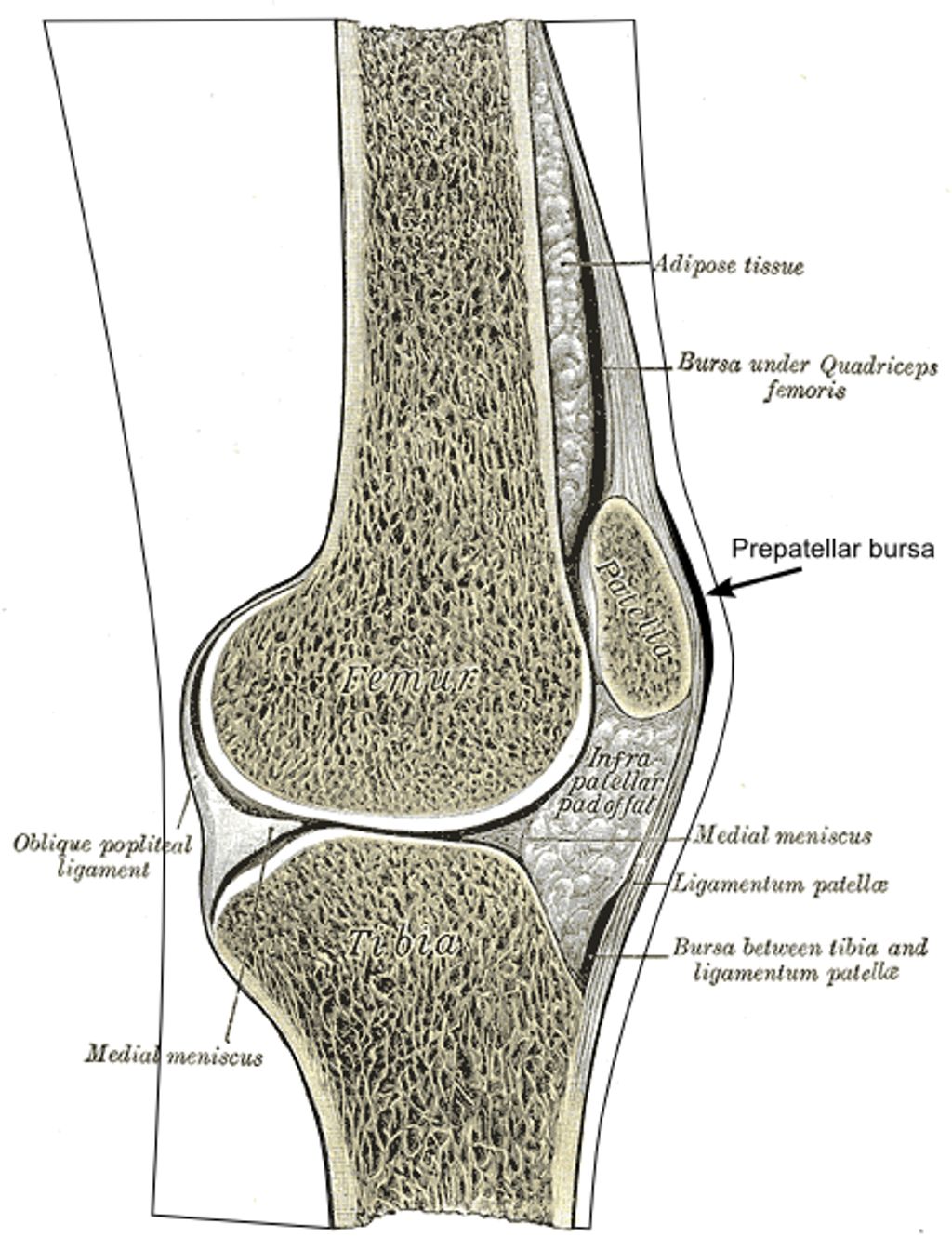
    We often take for granted the intricate structure of the knee joint, which allows us to perform everyday activities with ease. The knee is a complex hinge joint that connects the thigh bone (femur) to the shin bone (tibia). The kneecap, or patella, glides over the joint, providing stability and protection.

    The knee joint is fortified by a network of ligaments and tendons that support movement and provide strength. Key components include the anterior cruciate ligament (ACL), the posterior cruciate ligament (PCL), the medial and lateral collateral ligaments (MCL and LCL), and the menisci, which are cartilaginous pads that cushion the joint.

    • Proper alignment and balance of these structures are essential for knee health. Here’s a simple overview of the knee’s anatomy:
      • Ligaments: ACL, PCL, MCL, LCL
      • Tendons: Quadriceps tendon, Patellar tendon
      • Menisci: Medial meniscus, Lateral meniscus
      • Bones: Femur, Tibia, Patella

    Tip: Regularly engaging in knee-strengthening exercises can help maintain the integrity of these structures and prevent injury.

    Causes of Knee Pain

    Knee pain can be caused by a variety of factors, including overuse, injury, and underlying medical conditions. One of the most common causes is osteoarthritis, a degenerative joint disease that affects millions of people worldwide. Other causes may include ligament injuries, meniscus tears, and patellofemoral pain syndrome. Understanding the specific cause of knee pain is crucial for developing an effective treatment plan. Here’s a brief overview of the common causes of knee pain:

    Cause Description
    Osteoarthritis Degenerative joint disease that leads to the breakdown of cartilage and bone in the knee joint.
    Ligament injuries Injuries to the ligaments, such as the ACL or MCL, can cause instability and pain in the knee.
    Meniscus tears Tears in the meniscus, the cartilage that cushions the knee joint, can lead to pain and swelling.
    Patellofemoral pain syndrome A condition characterized by pain around the kneecap, often aggravated by activities like running or jumping.

    Types of Knee Pain

    Having explored the various causes of knee pain, we now recognize that the discomfort can manifest in several forms. Acute knee pain often arises suddenly, typically due to an injury or trauma. On the other hand, chronic knee pain develops over time and can be attributed to ongoing conditions such as arthritis or repetitive stress.

    Inflammatory knee pain is another category, characterized by swelling and redness, often signaling an underlying condition that may require medical attention. It’s crucial for us to distinguish between these types to tailor our approach to exercise and treatment effectively.

    • Acute Knee Pain
      • Sudden onset
      • Often injury-related
    • Chronic Knee Pain
      • Gradual development
      • Associated with long-term conditions
    • Inflammatory Knee Pain
      • Accompanied by swelling and redness
      • May indicate a more serious condition

    Tip: Always consult a healthcare professional before starting any new exercise regimen, especially if you’re experiencing persistent knee pain.

    Exercises for Knee Pain Relief

    thumbnail

    Strengthening Exercises

    We understand that managing knee pain involves a multifaceted approach, and among the most effective strategies is the incorporation of strengthening exercises. These exercises aim to bolster the muscles around the knee, providing better support and reducing the load on the joint itself.

    Quadriceps, hamstrings, calves, and hip muscles are crucial in this regard. A well-rounded strengthening routine should target all these areas to ensure balanced muscle development. Here’s a simple list of exercises we recommend:

    • Quadriceps sets
    • Straight-leg raises
    • Hamstring curls
    • Calf raises
    • Bridging
    • Hip abduction

    Tip: Always start with a warm-up to prepare your muscles and joints for the activity. This can help prevent further injury and pain.

    It’s essential to perform these exercises with proper form and a gradual increase in intensity. If you experience any discomfort beyond mild muscle fatigue, it’s a sign to pause and reassess your technique or the suitability of the exercise.

    Flexibility and Range of Motion Exercises

    In our pursuit of knee pain relief, we recognize the importance of enhancing flexibility and range of motion. These exercises are designed to gently stretch the muscles and tendons surrounding the knee, promoting a smoother and more fluid movement.

    • Hamstring Stretch – Lie on your back and gently pull one leg towards your chest to stretch the back of the thigh.
    • Quadriceps Stretch – While standing, bend one leg behind you and hold your ankle, stretching the front of the thigh.
    • Calf Stretch – Place your hands on a wall and extend one leg back, keeping your heel on the ground to stretch the calf muscles.

    Consistency is key in seeing improvements in flexibility. Aim to perform these stretches daily, holding each stretch for 15-30 seconds.

    By incorporating these exercises into our routine, we aim to reduce stiffness and increase the range of motion, which can be particularly beneficial for those of us experiencing knee pain. It’s essential to approach these exercises with patience and to avoid any movements that cause pain or discomfort.

    Low-Impact Cardio Exercises

    In our journey to alleviate knee pain, we recognize the importance of cardiovascular health. Low-impact cardio exercises play a pivotal role in not only improving circulation but also in supporting knee joint health. These exercises are designed to minimize stress on the knee while still providing the aerobic benefits essential for overall well-being.

    One of the most effective low-impact cardio exercises is swimming. The buoyancy of water reduces the load on the knee joints, allowing for a full-body workout without the risk of exacerbating pain. Similarly, cycling, whether stationary or on a bike path, offers a great way to increase heart rate with minimal knee strain.

    Here’s a simple list of low-impact cardio activities that we can incorporate into our routine:

    • Swimming
    • Cycling
    • Elliptical training
    • Walking

    Tip: Always listen to your body and adjust the intensity of your workouts to match your comfort level. It’s crucial to avoid overexertion, which can lead to further knee discomfort or injury.

    Conclusion

    In conclusion, the effectiveness of exercise in alleviating knee pain cannot be overstated. By incorporating a combination of strength training, flexibility exercises, and low-impact activities, individuals can experience significant relief from knee discomfort. It is imperative to consult with a healthcare professional before embarking on any exercise regimen, and to prioritize proper form and technique to prevent exacerbation of existing conditions. With dedication and consistency, individuals can take proactive steps towards improving their knee health and overall well-being.

    Frequently Asked Questions

    What are the common causes of knee pain?

    Common causes of knee pain include injury, overuse, arthritis, and obesity.

    Are there specific exercises that can help with knee pain relief?

    Yes, there are exercises focused on strengthening, flexibility, and low-impact cardio that can help relieve knee pain.

    Should I consult a doctor before starting knee pain relief exercises?

    It’s advisable to consult a doctor or physical therapist before starting any new exercise program, especially if you have existing knee pain or injuries.

    Can knee pain be relieved without surgery?

    In many cases, knee pain can be relieved through non-surgical methods such as exercise, physical therapy, and lifestyle changes.

    Are there exercises to avoid if I have knee pain?

    High-impact activities like running and jumping may exacerbate knee pain, so it’s best to avoid them if you have knee pain.

    How long does it take to see improvement in knee pain with exercises?

    The timeline for improvement varies for each individual, but consistent exercise and therapy can lead to gradual relief from knee pain.
  • Recovery After Torn Meniscus Over 50: What You Should Know

    Recovery After Torn Meniscus Over 50: What You Should Know

    As individuals age, the risk of experiencing a torn meniscus increases, leading to significant challenges in recovery and treatment. Understanding the anatomy of the meniscus, the diagnosis and classification of torn meniscus in older adults, and the available treatment options is crucial for effective management. This article aims to provide valuable insights into the recovery process after a torn meniscus in individuals over 50, covering both non-surgical and surgical interventions.

    Key Takeaways

    • Recovery from a torn meniscus in individuals over 50 requires a comprehensive understanding of the anatomy and age-related changes in the meniscus.
    • Clinical assessment, physical examination, and imaging techniques play a vital role in the accurate diagnosis and classification of torn meniscus in older adults.
    • Non-surgical treatment options such as physical therapy, rehabilitation, and pain management strategies are effective in managing torn meniscus in older adults.
    • Surgical interventions, including arthroscopic meniscectomy and meniscal repair, are viable options for addressing torn meniscus in the elderly population.
    • A multidisciplinary approach involving healthcare professionals, physical therapists, and orthopedic specialists is essential for successful recovery and rehabilitation after a torn meniscus in individuals over 50.

    Understanding the Anatomy of the Meniscus

    thumbnail

    Structure and Function of the Meniscus

    The meniscus plays a critical role in our knee joint’s health and functionality. Composed of two crescent-shaped pieces of fibrocartilage, it acts as a shock absorber between the femur (thigh bone) and the tibia (shin bone). This cushioning is essential for reducing the stress on the joint during weight-bearing activities.

    Stability and lubrication are also key functions of the meniscus. It helps to distribute body weight evenly across the knee joint and provides a smooth surface for the bones to move on. Without a healthy meniscus, the risk of developing osteoarthritis increases significantly, especially in individuals over 50.

    • Shock Absorption: Reduces stress on the knee during impact.
    • Stability: Distributes weight evenly and prevents excessive movement.
    • Lubrication: Ensures smooth articulation of the knee joint.

    Tip: Maintaining strong quadriceps and hamstrings can help support the meniscus and reduce the risk of injury.

    Age-Related Changes in the Meniscus

    As we age, our bodies undergo various changes, and the meniscus is no exception. The meniscus, a C-shaped cartilage in the knee, is crucial for shock absorption and stability during movement. Over time, the meniscal tissue can become more brittle and less elastic, making it more susceptible to injury.

    Degeneration of the meniscus is a common issue for individuals over 50. This process can lead to a higher incidence of tears, even with minor trauma or during everyday activities. It’s important to recognize that symptoms of a torn meniscus in older adults may differ from those in younger individuals. Often, older patients may experience more subtle symptoms or sometimes none at all, a condition known as being asymptomatic.

    • **Common age-related changes in the meniscus include: **
      • Reduced water content
      • Thinning of the cartilage
      • Increased stiffness
      • Compromised healing capacity

    Tip: Maintaining an active lifestyle and engaging in knee-strengthening exercises can help mitigate some of the age-related changes in the meniscus and reduce the risk of injury.

    Diagnosis and Classification of Torn Meniscus in Individuals Over 50

    Clinical Assessment and Physical Examination

    When we approach the clinical assessment and physical examination of a torn meniscus in individuals over 50, we prioritize a thorough patient history and a detailed physical examination. We inquire about the onset of symptoms, the nature of the pain, and any activities that exacerbate the condition. It is crucial to differentiate the meniscal injury from other knee pathologies that may present similarly in older adults.

    During the physical examination, we perform specific tests to assess the integrity of the meniscus. The McMurray test is one such maneuver, where we palpate the joint line while the knee is flexed and rotated to elicit pain or a clicking sound indicative of a tear. Joint line tenderness is another key sign we look for.

    Note: While these tests are valuable, they are not infallible. An accurate diagnosis often requires correlation with imaging findings.

    Here is a list of common clinical signs that may suggest a torn meniscus in older patients:

    • Joint line tenderness
    • Swelling or effusion
    • Limited range of motion
    • Pain during rotation or squatting
    • A positive McMurray test

    It’s important to remember that the clinical presentation can vary, and some patients may exhibit minimal symptoms despite significant meniscal damage.

    Imaging Techniques for Torn Meniscus

    In our pursuit of diagnosing a torn meniscus, we rely heavily on imaging techniques. These methods provide us with a clear view of the internal structure of the knee, which is crucial for accurate diagnosis and treatment planning. Magnetic Resonance Imaging (MRI) is the gold standard for visualizing meniscal damage. It offers detailed images that allow us to assess the extent of the injury and any associated complications.

    Ultrasound is another imaging modality we use, though it is less definitive than MRI. It can be beneficial for patients who are unable to undergo MRI due to contraindications such as the presence of certain types of metal implants or claustrophobia.

    Tip: Always discuss any concerns or limitations you may have with imaging procedures with your healthcare provider to ensure the most appropriate technique is used for your situation.

    The choice between these imaging options often depends on various factors, including the patient’s medical history, the severity of symptoms, and the presence of other knee pathologies. Here is a list of considerations we take into account when selecting an imaging technique:

    • Patient’s overall health and medical history
    • Specific symptoms and physical examination findings
    • Potential contraindications to certain imaging modalities
    • The need for detailed visualization of the meniscus structure

    Non-Surgical Treatment Options for Torn Meniscus in Older Adults

    thumbnail

    Physical Therapy and Rehabilitation

    After discussing the importance of physical therapy and rehabilitation, we emphasize the role of consistent exercise in maintaining joint mobility and strength. Additionally, a balanced approach to pain management is crucial for ensuring patient comfort and compliance with the treatment plan. Our approach focuses on personalized care and tailored interventions to address the unique needs of each individual. We prioritize patient education and empowerment, equipping them with the knowledge and tools to actively participate in their recovery journey. This collaborative approach fosters a sense of ownership and accountability, leading to better long-term outcomes.

    Pain Management Strategies

    In our pursuit of alleviating discomfort for those over 50 with a torn meniscus, we must consider a variety of pain management strategies. These methods aim to reduce inflammation, manage pain, and improve quality of life. It’s essential to tailor pain management to the individual, as responses to treatment can vary widely.

    One effective approach is the use of medications. Over-the-counter (OTC) pain relievers such as acetaminophen and nonsteroidal anti-inflammatory drugs (NSAIDs) can be beneficial. For more severe pain, prescription medications may be necessary. However, we must be cautious with long-term use due to potential side effects.

    Physical modalities such as ice, heat, and ultrasound can also play a role in managing pain. These can be used in conjunction with exercises recommended by physical therapists. Additionally, lifestyle modifications, including weight management and activity modification, are crucial in reducing stress on the knee joint.

    Tip: Always consult with a healthcare provider before starting any new pain management regimen to ensure it’s appropriate for your specific condition and health profile.

    Surgical Interventions for Torn Meniscus in the Elderly Population

    thumbnail

    Arthroscopic Meniscectomy

    After undergoing arthroscopic meniscectomy, rehabilitation and physical therapy are crucial for a successful recovery. It is important to follow the prescribed rehabilitation program to regain strength and mobility in the affected knee. Additionally, a gradual return to normal activities is recommended, with a focus on low-impact exercises such as swimming and cycling. Here is a brief overview of the recommended rehabilitation program:

    Week Activity
    1-2 Gentle range of motion exercises
    3-4 Strengthening exercises for quadriceps and hamstrings
    5-6 Balance and proprioception training
    7-8 Gradual return to low-impact activities

    It is important to note that each individual’s recovery may vary, and it is essential to consult with a healthcare professional for personalized guidance and support.

    Meniscal Repair and Reconstruction

    In our exploration of treatment options for torn meniscus in individuals over 50, we recognize that meniscal repair and reconstruction are critical surgical interventions. These procedures aim to preserve as much of the meniscus as possible, which is essential for maintaining knee joint health and function.

    Meniscal repair is typically recommended for younger patients or those with specific tear patterns that have a higher likelihood of healing. However, we’ve seen that even in the older population, if the tear is in the vascular zone of the meniscus, repair may still be a viable option. Reconstruction, on the other hand, is a more complex procedure that involves grafting tissue to replace severely damaged meniscal tissue.

    Tip: Always discuss the potential risks and benefits of meniscal repair or reconstruction with your orthopedic surgeon. The decision should be based on individual factors such as tear location, overall knee health, and activity level.

    The success of these surgeries in older adults can vary, and it’s important to have realistic expectations. Rehabilitation after surgery is crucial and can be a lengthy process, often involving:

    • Controlled physical therapy to regain strength and mobility
    • Pain management strategies
    • Regular follow-up appointments to monitor healing

    Conclusion

    In conclusion, recovery after a torn meniscus for individuals over 50 requires patience and dedication to rehabilitation. It is essential to consult with a healthcare professional to develop a personalized recovery plan that considers the unique needs of older adults. With proper care and adherence to recommended treatments, individuals can experience improved mobility and a better quality of life following a torn meniscus injury.

    Frequently Asked Questions

    What are the common symptoms of a torn meniscus in individuals over 50?

    Common symptoms include knee pain, swelling, stiffness, and difficulty in fully extending the knee.

    Can a torn meniscus heal on its own without surgery in older adults?

    In some cases, small tears may heal with conservative treatment such as rest, ice, and physical therapy. However, larger tears or complex tears may require surgical intervention.

    Is it normal to experience knee clicking or locking after a torn meniscus in older individuals?

    Knee clicking or locking can occur due to a torn meniscus, but it is not always present. It is important to consult a healthcare professional for an accurate diagnosis and appropriate treatment.

    What are the potential risks and complications associated with surgical interventions for torn meniscus in older adults?

    Potential risks include infection, blood clots, and damage to surrounding structures. Complications may also arise from anesthesia and the surgical procedure itself.

    How long does it take to recover from surgical treatment for a torn meniscus in individuals over 50?

    Recovery time varies depending on the type of surgical intervention and the individual’s overall health. It may take several weeks to several months to fully recover and return to normal activities.

    Are there specific exercises that can help strengthen the knee after non-surgical treatment for a torn meniscus in older adults?

    Yes, physical therapy often includes exercises to improve strength, flexibility, and balance in the knee joint. These exercises can help support the knee and prevent future injuries.