Tag: Exercises

  • Effective Exercises for Knee Pain Relief

    Effective Exercises for Knee Pain Relief

    Knee pain can be a common issue that affects people of all ages. Understanding the causes and types of knee pain is essential in finding effective relief through targeted exercises. In this article, we will explore the anatomy of the knee joint, common causes of knee pain, and different types of knee pain. Additionally, we will discuss specific exercises that can help alleviate knee pain and improve overall knee health.

    Key Takeaways

    • Regular exercise can help strengthen the muscles around the knee joint, providing better support and stability.
    • Flexibility exercises can improve the range of motion in the knee joint, reducing stiffness and discomfort.
    • Low-impact cardio exercises, such as swimming or cycling, can improve cardiovascular health without putting excessive strain on the knees.
    • Consulting a healthcare professional before starting any exercise regimen is important, especially for individuals with existing knee conditions or injuries.
    • Maintaining a healthy weight can reduce the load on the knee joint, potentially alleviating knee pain and preventing future issues.

    Understanding Knee Pain

    thumbnail

    Anatomy of the Knee Joint

    We often take for granted the intricate structure of the knee joint, which allows us to perform everyday activities with ease. The knee is a complex hinge joint that connects the thigh bone (femur) to the shin bone (tibia). The kneecap, or patella, glides over the joint, providing stability and protection.

    The knee joint is fortified by a network of ligaments and tendons that support movement and provide strength. Key components include the anterior cruciate ligament (ACL), the posterior cruciate ligament (PCL), the medial and lateral collateral ligaments (MCL and LCL), and the menisci, which are cartilaginous pads that cushion the joint.

    • Proper alignment and balance of these structures are essential for knee health. Here’s a simple overview of the knee’s anatomy:
      • Ligaments: ACL, PCL, MCL, LCL
      • Tendons: Quadriceps tendon, Patellar tendon
      • Menisci: Medial meniscus, Lateral meniscus
      • Bones: Femur, Tibia, Patella

    Tip: Regularly engaging in knee-strengthening exercises can help maintain the integrity of these structures and prevent injury.

    Causes of Knee Pain

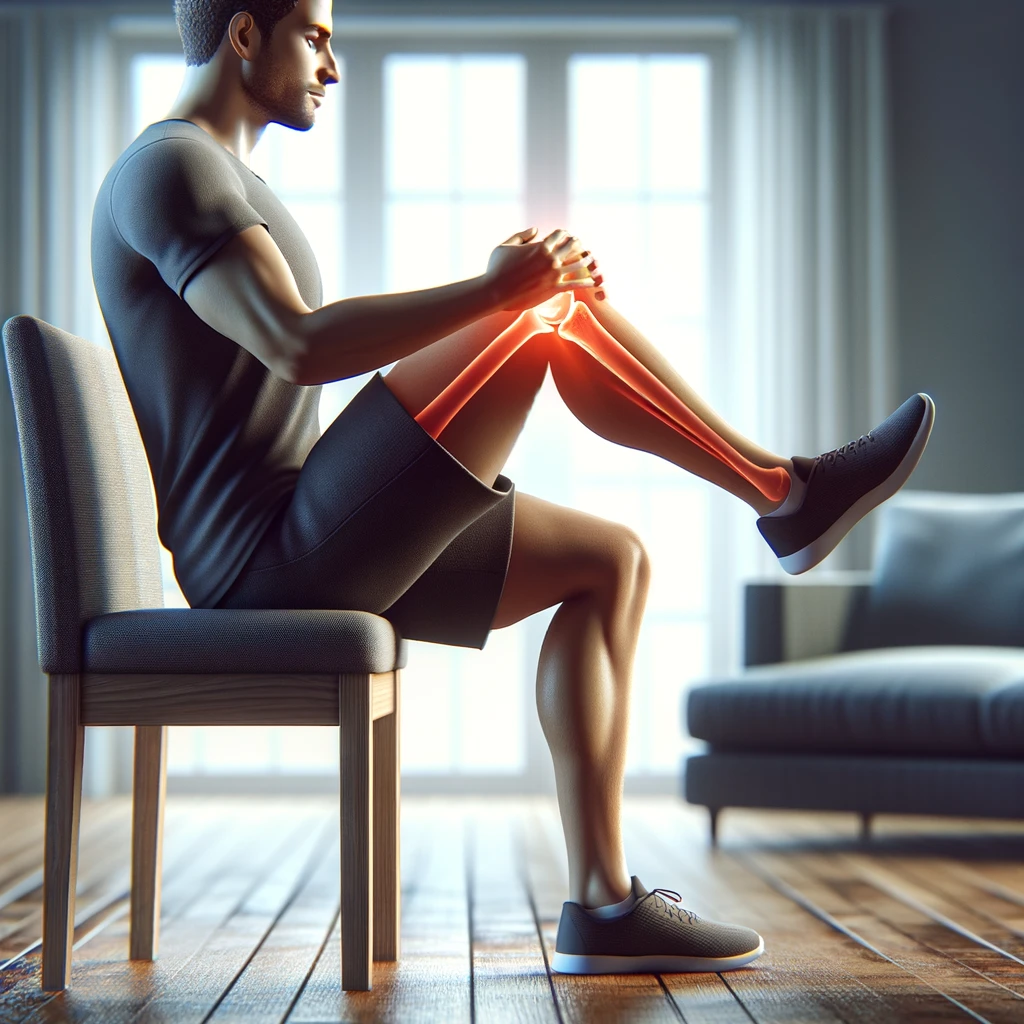
    Knee pain can be caused by a variety of factors, including overuse, injury, and underlying medical conditions. One of the most common causes is osteoarthritis, a degenerative joint disease that affects millions of people worldwide. Other causes may include ligament injuries, meniscus tears, and patellofemoral pain syndrome. Understanding the specific cause of knee pain is crucial for developing an effective treatment plan. Here’s a brief overview of the common causes of knee pain:

    Cause Description
    Osteoarthritis Degenerative joint disease that leads to the breakdown of cartilage and bone in the knee joint.
    Ligament injuries Injuries to the ligaments, such as the ACL or MCL, can cause instability and pain in the knee.
    Meniscus tears Tears in the meniscus, the cartilage that cushions the knee joint, can lead to pain and swelling.
    Patellofemoral pain syndrome A condition characterized by pain around the kneecap, often aggravated by activities like running or jumping.

    Types of Knee Pain

    Having explored the various causes of knee pain, we now recognize that the discomfort can manifest in several forms. Acute knee pain often arises suddenly, typically due to an injury or trauma. On the other hand, chronic knee pain develops over time and can be attributed to ongoing conditions such as arthritis or repetitive stress.

    Inflammatory knee pain is another category, characterized by swelling and redness, often signaling an underlying condition that may require medical attention. It’s crucial for us to distinguish between these types to tailor our approach to exercise and treatment effectively.

    • Acute Knee Pain
      • Sudden onset
      • Often injury-related
    • Chronic Knee Pain
      • Gradual development
      • Associated with long-term conditions
    • Inflammatory Knee Pain
      • Accompanied by swelling and redness
      • May indicate a more serious condition

    Tip: Always consult a healthcare professional before starting any new exercise regimen, especially if you’re experiencing persistent knee pain.

    Exercises for Knee Pain Relief

    thumbnail

    Strengthening Exercises

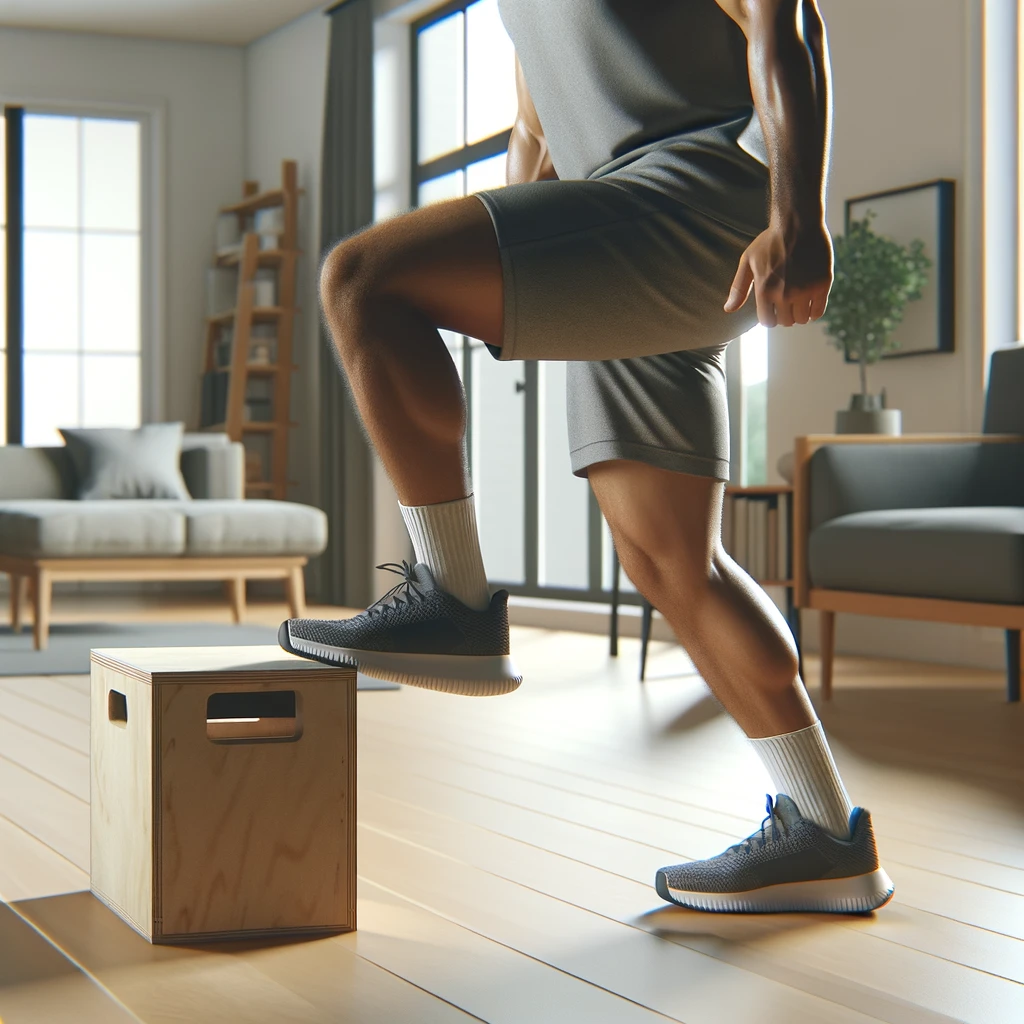
    We understand that managing knee pain involves a multifaceted approach, and among the most effective strategies is the incorporation of strengthening exercises. These exercises aim to bolster the muscles around the knee, providing better support and reducing the load on the joint itself.

    Quadriceps, hamstrings, calves, and hip muscles are crucial in this regard. A well-rounded strengthening routine should target all these areas to ensure balanced muscle development. Here’s a simple list of exercises we recommend:

    • Quadriceps sets
    • Straight-leg raises
    • Hamstring curls
    • Calf raises
    • Bridging
    • Hip abduction

    Tip: Always start with a warm-up to prepare your muscles and joints for the activity. This can help prevent further injury and pain.

    It’s essential to perform these exercises with proper form and a gradual increase in intensity. If you experience any discomfort beyond mild muscle fatigue, it’s a sign to pause and reassess your technique or the suitability of the exercise.

    Flexibility and Range of Motion Exercises

    In our pursuit of knee pain relief, we recognize the importance of enhancing flexibility and range of motion. These exercises are designed to gently stretch the muscles and tendons surrounding the knee, promoting a smoother and more fluid movement.

    • Hamstring Stretch – Lie on your back and gently pull one leg towards your chest to stretch the back of the thigh.
    • Quadriceps Stretch – While standing, bend one leg behind you and hold your ankle, stretching the front of the thigh.
    • Calf Stretch – Place your hands on a wall and extend one leg back, keeping your heel on the ground to stretch the calf muscles.

    Consistency is key in seeing improvements in flexibility. Aim to perform these stretches daily, holding each stretch for 15-30 seconds.

    By incorporating these exercises into our routine, we aim to reduce stiffness and increase the range of motion, which can be particularly beneficial for those of us experiencing knee pain. It’s essential to approach these exercises with patience and to avoid any movements that cause pain or discomfort.

    Low-Impact Cardio Exercises

    In our journey to alleviate knee pain, we recognize the importance of cardiovascular health. Low-impact cardio exercises play a pivotal role in not only improving circulation but also in supporting knee joint health. These exercises are designed to minimize stress on the knee while still providing the aerobic benefits essential for overall well-being.

    One of the most effective low-impact cardio exercises is swimming. The buoyancy of water reduces the load on the knee joints, allowing for a full-body workout without the risk of exacerbating pain. Similarly, cycling, whether stationary or on a bike path, offers a great way to increase heart rate with minimal knee strain.

    Here’s a simple list of low-impact cardio activities that we can incorporate into our routine:

    • Swimming
    • Cycling
    • Elliptical training
    • Walking

    Tip: Always listen to your body and adjust the intensity of your workouts to match your comfort level. It’s crucial to avoid overexertion, which can lead to further knee discomfort or injury.

    Conclusion

    In conclusion, the effectiveness of exercise in alleviating knee pain cannot be overstated. By incorporating a combination of strength training, flexibility exercises, and low-impact activities, individuals can experience significant relief from knee discomfort. It is imperative to consult with a healthcare professional before embarking on any exercise regimen, and to prioritize proper form and technique to prevent exacerbation of existing conditions. With dedication and consistency, individuals can take proactive steps towards improving their knee health and overall well-being.

    Frequently Asked Questions

    What are the common causes of knee pain?

    Common causes of knee pain include injury, overuse, arthritis, and obesity.

    Are there specific exercises that can help with knee pain relief?

    Yes, there are exercises focused on strengthening, flexibility, and low-impact cardio that can help relieve knee pain.

    Should I consult a doctor before starting knee pain relief exercises?

    It’s advisable to consult a doctor or physical therapist before starting any new exercise program, especially if you have existing knee pain or injuries.

    Can knee pain be relieved without surgery?

    In many cases, knee pain can be relieved through non-surgical methods such as exercise, physical therapy, and lifestyle changes.

    Are there exercises to avoid if I have knee pain?

    High-impact activities like running and jumping may exacerbate knee pain, so it’s best to avoid them if you have knee pain.

    How long does it take to see improvement in knee pain with exercises?

    The timeline for improvement varies for each individual, but consistent exercise and therapy can lead to gradual relief from knee pain.

  • Effective Treatment for Sore Knees

    Effective Treatment for Sore Knees

    Sore knees can significantly impact daily activities and quality of life. Understanding the anatomy of the knee joint, diagnosing the root cause of knee pain, and exploring treatment options are essential for effective management. This article covers non-surgical and surgical interventions, along with key takeaways to help individuals make informed decisions about their knee health.

    Key Takeaways

    • Regular exercise and physical therapy can help strengthen the muscles around the knee joint, providing support and reducing pain.
    • Effective pain management strategies, such as ice therapy and over-the-counter medications, can provide relief from sore knees.
    • Assistive devices, such as knee braces or orthotic inserts, can help alleviate pressure on the knee joint and improve mobility.
    • Surgical interventions, such as arthroscopic surgery and knee replacement, may be necessary for severe cases of knee pain.
    • Rehabilitation and physical therapy are crucial for recovery after knee surgery, helping to restore functionality and mobility.

    Understanding the Anatomy of the Knee Joint

    thumbnail

    Structure and Function of the Knee Joint

    We often take for granted the intricate structure of the knee joint, which is pivotal for our mobility. The knee is a complex hinge joint that connects the thigh bone (femur) to the shin bone (tibia). This connection is cushioned by two crescent-shaped cartilage pieces known as the menisci, which absorb shock and reduce friction during movement.

    The knee joint is stabilized by a network of ligaments and tendons. Ligaments connect bone to bone and provide stability, while tendons connect muscle to bone, facilitating movement. The primary ligaments in the knee are the Anterior Cruciate Ligament (ACL), Posterior Cruciate Ligament (PCL), Medial Collateral Ligament (MCL), and Lateral Collateral Ligament (LCL).

    • The ACL prevents the femur from sliding backward on the tibia.
    • The PCL prevents the femur from sliding forward.
    • The MCL resists widening of the inside of the joint.
    • The LCL resists widening of the outside of the joint.

    Tip: Maintaining strong and flexible muscles around the knee joint is crucial for its stability and function. Regular exercise and stretching can help prevent injuries and alleviate minor knee pain.

    Common Causes of Knee Pain

    We often encounter patients who are uncertain about the origins of their knee discomfort. The causes of knee pain are varied and can range from acute injuries to complications of medical conditions. Osteoarthritis is a common culprit, particularly in older adults, as the cartilage within the knee joint wears down over time. Other prevalent causes include ligament injuries, such as an ACL tear, meniscus tears, and tendonitis.

    Inflammatory conditions like rheumatoid arthritis or gout can also lead to knee pain, as can infections within the joint. It’s crucial to recognize that knee pain is not just a symptom; it can be a sign of underlying issues that require attention. For instance, repetitive motion injuries are common among athletes and those with certain occupations.

    Tip: Maintaining a healthy weight and regular exercise can help prevent knee pain by reducing stress on the joint.

    Understanding the specific cause of knee pain is essential for effective treatment. Here is a list of common causes:

    • Trauma (e.g., fractures, dislocations)
    • Degenerative tissue disorders (e.g., osteoarthritis)
    • Inflammatory diseases (e.g., rheumatoid arthritis)
    • Infections (e.g., septic arthritis)
    • Overuse injuries (e.g., runner’s knee)

    Each of these conditions requires a tailored approach to treatment, which is why a thorough diagnosis is imperative.

    Impact of Knee Pain on Daily Activities

    We often underestimate the extent to which knee pain can disrupt our daily lives. From the moment we wake up, activities that were once performed with ease can become challenging. Simple tasks such as walking, climbing stairs, or even sitting for prolonged periods can be affected, leading to a decrease in overall quality of life.

    • Mobility and independence* are crucial for maintaining a healthy lifestyle, yet knee pain can significantly impair these aspects. It can lead to a reliance on others for help with basic needs and reduce the ability to participate in enjoyable activities.

    Here are some common daily activities affected by knee pain:

    • Walking and ambulation
    • Climbing stairs
    • Sitting and standing
    • Engaging in exercise or sports
    • Performing household chores

    Tip: To manage knee pain, consider incorporating gentle exercises and over-the-counter solutions into your routine. If pain persists, it is important to seek medical help.

    Understanding the impact of knee pain is essential for recognizing the need for effective treatment. By addressing knee pain promptly, we can improve our daily function and regain the quality of life we deserve.

    Diagnosing Sore Knees

    thumbnail

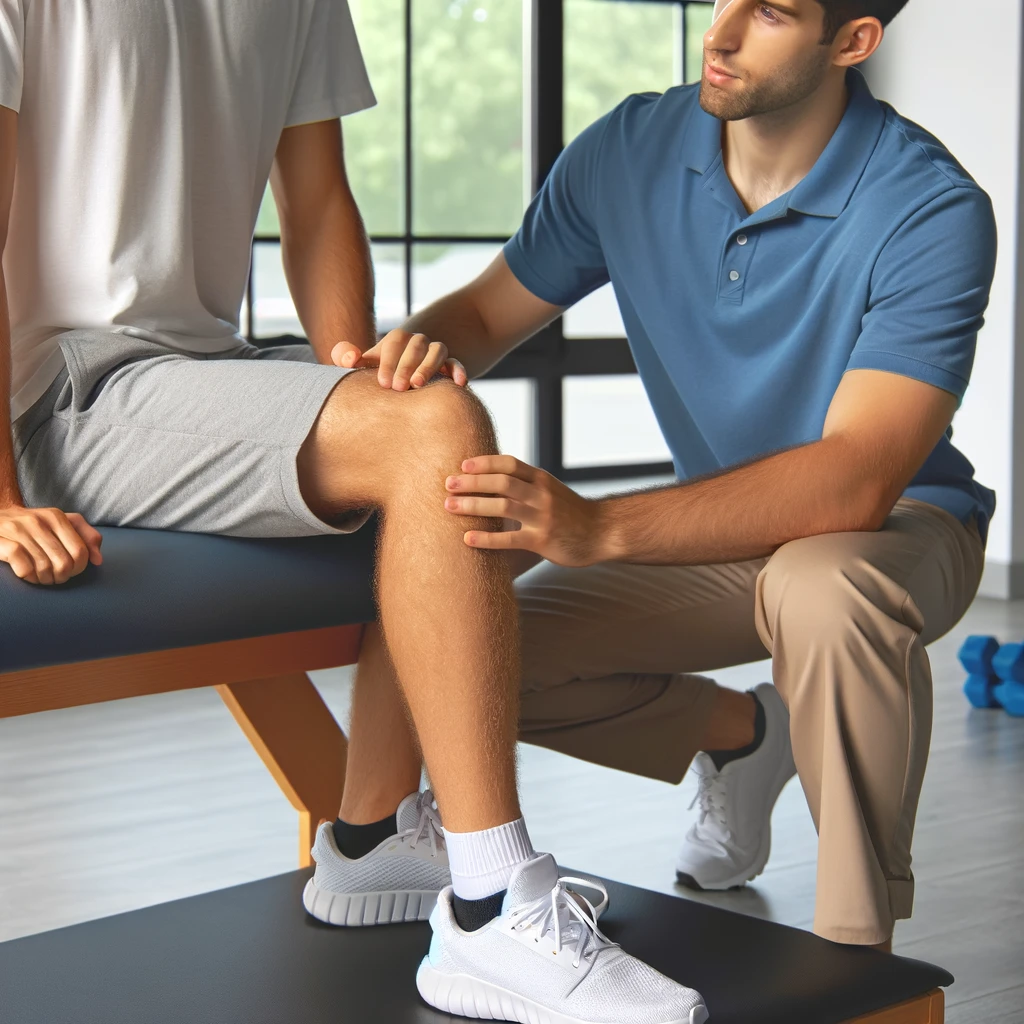
    Physical Examination and Medical History

    Upon completion of the physical examination and medical history, we carefully analyze the gathered information to form a comprehensive understanding of the patient’s condition. This analysis guides our selection of appropriate diagnostic tests, which may include imaging studies such as X-rays and MRI scans, as well as joint fluid analysis and arthroscopy. The results of these tests enable us to accurately identify the underlying knee conditions and tailor the treatment plan to address the specific needs of each patient. Our approach emphasizes the integration of clinical expertise with advanced diagnostic tools to ensure precise and effective diagnosis.

    Diagnostic Tests for Identifying Knee Conditions

    Once we have conducted a thorough physical examination and reviewed the medical history, we often turn to diagnostic tests to pinpoint the exact cause of knee pain. These tests can range from simple X-rays to more advanced imaging techniques like MRI or CT scans. Imaging tests help us visualize the internal structure of the knee, revealing issues such as arthritis, fractures, or soft tissue damage.

    In some cases, we may also recommend a joint aspiration, which involves removing fluid from the knee joint for analysis. This can help identify infections or gout. Additionally, blood tests might be conducted to rule out systemic conditions that could be contributing to knee pain.

    Remember: The choice of diagnostic test will depend on the suspected condition and the individual’s specific symptoms.

    Here is a list of common diagnostic tests used for knee conditions:

    • X-ray
    • MRI (Magnetic Resonance Imaging)
    • CT (Computed Tomography) Scan
    • Ultrasound
    • Joint Aspiration (Arthrocentesis)
    • Blood Tests

    Non-Surgical Treatment Options

    thumbnail

    Physical Therapy and Exercise Programs

    After discussing the benefits of physical therapy and exercise programs, we can see that these non-surgical approaches play a crucial role in the management of knee pain. Strengthening the muscles around the knee joint and improving flexibility are key components of these programs. Additionally, low-impact exercises such as swimming and cycling can help reduce pain and improve mobility. It’s important to note that these programs are tailored to each individual’s specific condition and may involve a combination of exercises, stretches, and manual therapy techniques. Here’s a brief overview of the components of an effective physical therapy and exercise program:

    1. Strengthening Exercises: Targeting the quadriceps, hamstrings, and calf muscles.
    2. Flexibility Training: Including stretches for the quadriceps, hamstrings, and IT band.
    3. Low-Impact Cardio: Incorporating activities like swimming, cycling, and elliptical training.

    In addition to these components, it’s essential to maintain consistency and follow the guidance of a qualified physical therapist to achieve optimal results. As a tip, individuals should communicate any discomfort or concerns during the program to ensure adjustments can be made for their comfort and progress.

    Pain Management Strategies

    In our pursuit of alleviating knee pain, we recognize the importance of effective pain management strategies. These strategies are crucial in improving the quality of life for individuals suffering from sore knees. We advocate for a multimodal approach to pain management, which includes a combination of medication, lifestyle modifications, and alternative therapies.

    Medications play a pivotal role in managing knee pain. Over-the-counter (OTC) pain relievers, such as acetaminophen and nonsteroidal anti-inflammatory drugs (NSAIDs), are commonly used. For more severe pain, prescription medications may be necessary. It is essential to use these medications judiciously to avoid potential side effects.

    Lifestyle modifications can also significantly impact pain levels. Maintaining a healthy weight reduces the stress on knee joints, and avoiding activities that exacerbate pain is key. Incorporating low-impact exercises can help maintain joint mobility and strength without causing further injury.

    Alternative therapies, such as acupuncture or massage, may provide additional relief. While the efficacy of these treatments can vary from person to person, they offer a non-pharmacological option that many find beneficial.

    Tip: Always consult with a healthcare professional before starting any new pain management regimen to ensure it is safe and appropriate for your specific condition.

    Use of Assistive Devices for Knee Support

    When considering the use of assistive devices for knee support, it is important to carefully assess the specific needs of the individual. Custom-fit braces can provide targeted support and stability, while compression sleeves may offer more general support. It’s crucial to consult with a qualified healthcare professional to determine the most suitable device for your unique condition and lifestyle.

    Additionally, a structured exercise program tailored to your needs can complement the use of assistive devices. This may include exercises to improve strength, flexibility, and balance, all of which contribute to better knee function and reduced discomfort. Remember, the combination of assistive devices and targeted exercise can significantly enhance your overall knee health and mobility.

    For a quick reference, here’s a table summarizing the key features of custom-fit braces and compression sleeves:

    Device Type Targeted Support General Support
    Custom-fit Braces Yes No
    Compression Sleeves No Yes

    Lastly, it’s important to note that while assistive devices can provide valuable support, they should be used in conjunction with professional guidance and a comprehensive treatment plan. As always, seek advice from a healthcare provider for personalized recommendations and ongoing care.

    Surgical Interventions for Severe Knee Pain

    thumbnail

    Types of Knee Surgery

    When we consider surgical interventions for severe knee pain, we must understand the various types of knee surgery available. These procedures range from minimally invasive arthroscopic surgeries to more complex total knee replacements.

    • Arthroscopic surgery* involves small incisions and the use of a camera to diagnose and repair knee damage. It’s often used for meniscal tears or ligament repairs. Total knee replacement, on the other hand, involves replacing the knee joint with artificial components and is typically reserved for severe osteoarthritis or damage.

    Partial knee replacement is another option, which replaces only the damaged part of the knee, preserving as much of the natural joint as possible. This can be beneficial for patients with damage confined to a single area of the knee.

    Tip: Always discuss the potential risks and benefits of each surgical option with your surgeon to determine the best course of action for your specific condition.

    The decision for surgery should be made after careful consideration of all non-surgical treatments and the impact of knee pain on one’s quality of life. We strive to ensure that patients are well-informed and comfortable with their treatment plan.

    Rehabilitation and Recovery Process

    After undergoing knee surgery, rehabilitation and recovery are crucial for restoring strength and mobility. Our physical therapy program focuses on improving range of motion, muscle strength, and flexibility. Additionally, we follow a personalized exercise regimen to enhance stability and balance. Our rehabilitation process involves a combination of exercises, including:

    1. Quadriceps strengthening
    2. Hamstring stretching
    3. Balance and proprioception training

    It is important to adhere to the prescribed rehabilitation plan and attend all scheduled therapy sessions to achieve optimal outcomes. Consistent effort and dedication to the rehabilitation process are key to successful recovery.

    Conclusion

    In conclusion, the effective treatment for sore knees is a multifaceted approach that combines physical therapy, exercise, and proper nutrition. By addressing the underlying causes of knee pain and implementing a comprehensive treatment plan, individuals can experience significant improvement in their knee health and overall quality of life.

    Frequently Asked Questions

    What are the common causes of knee pain?

    Common causes of knee pain include osteoarthritis, ligament injuries, meniscus tears, and overuse injuries.

    How does knee pain affect daily activities?

    Knee pain can limit mobility, make it difficult to climb stairs, and interfere with activities such as walking, running, and sports.

    What are the benefits of physical therapy for knee pain?

    Physical therapy can improve strength, flexibility, and range of motion in the knee, as well as reduce pain and promote healing.

    What types of knee surgery are available for severe knee pain?

    Common types of knee surgery include arthroscopic surgery, partial knee replacement, and total knee replacement.

    What is the recovery process after knee surgery?

    Rehabilitation after knee surgery involves physical therapy, exercises, and gradual return to normal activities, with a focus on regaining strength and mobility.

    How can assistive devices help with knee support?

    Assistive devices such as knee braces and crutches provide stability and support to the knee, helping to reduce pain and prevent further injury.

  • Rehabilitation Exercises for Knee

    Rehabilitation Exercises for Knee

    Rehabilitation Exercises for Knee Ligaments: Strengthening and Recovery Techniques

    As physical therapists, we often see patients with knee ligament injuries. Knee ligaments are strong bands of tissue that connect the thighbone to the shinbone and provide stability to the knee joint. Injuries to knee ligaments can result in pain, swelling, and decreased range of motion. Rehabilitation exercises for knee ligaments can help improve joint stability, reduce pain, and restore function.

    v2 32db6 rluua

    Understanding Knee Ligament Injuries is important for developing an effective rehabilitation plan. There are four main ligaments in the knee joint: the anterior cruciate ligament (ACL), posterior cruciate ligament (PCL), medial collateral ligament (MCL), and lateral collateral ligament (LCL). ACL and PCL injuries are more common in athletes and can occur during sports that involve sudden stops, changes in direction, or jumping. MCL and LCL injuries can result from a direct blow to the knee or from twisting the knee. Depending on the severity of the injury, surgery may be required to repair or reconstruct the damaged ligament.

    8cbc720a b396 47e0 b03a 307abbe136e3 1

    In this article, we will discuss 6 Rehabilitation Exercises for Knee Ligaments that can help improve joint stability, reduce pain, and restore function. These exercises are designed to strengthen the muscles that support the knee joint and improve biomechanical function. By following a structured rehabilitation program, patients can improve their recovery and return to their daily activities faster.

    Key Takeaways

    • Knee ligament injuries can result in pain, swelling, and decreased range of motion.
    • There are four main ligaments in the knee joint: the anterior cruciate ligament (ACL), posterior cruciate ligament (PCL), medial collateral ligament (MCL), and lateral collateral ligament (LCL).
    • Rehabilitation exercises for knee ligaments can help improve joint stability, reduce pain, and restore function.

    Understanding Knee Ligament Injuries

    Knee ligament injuries are common among athletes and individuals who engage in physical activities. These injuries can be caused by a wide range of factors, including trauma, overuse, and sports-related injuries. The most common types of knee ligament injuries include anterior cruciate ligament (ACL) injuries, medial collateral ligament (MCL) injuries, and posterior cruciate ligament (PCL) injuries.

    Causes and Types of Injuries

    ACL injuries are typically caused by a twisting motion or a direct blow to the knee. MCL injuries, on the other hand, are often caused by a direct blow to the outside of the knee. PCL injuries are usually the result of a direct blow to the front of the knee or a hyperextension injury.

    Ligament injuries can be classified as either partial or complete tears. Partial tears involve damage to a portion of the ligament, while complete tears involve a complete separation of the ligament from the bone. Overuse injuries, such as tendinitis, can also occur in the knee.

    Diagnosis and Assessment

    Diagnosis of knee ligament injuries involves a physical examination, imaging tests, and other diagnostic procedures. Physical examination involves assessing the knee for pain, swelling, and instability. Imaging tests such as magnetic resonance imaging (MRI), radiographs, and ultrasound can also be used to assess the extent of the injury.

    Treatment Options

    Treatment options for knee ligament injuries depend on the severity of the injury. Nonoperative treatment may involve rest, ice, compression, and elevation (RICE), physical therapy, and immobilization. Operative treatment may involve surgery, such as arthroscopy or ACL reconstruction.

    Post-Injury Challenges

    Post-injury challenges may include pain, swelling, and instability. Rehabilitation is essential for restoring full function and reducing the risk of future injuries.

    Understanding the Rehabilitation Process

    Rehabilitation is an essential part of the recovery process for knee ligament injuries. The rehabilitation process involves a series of exercises and other interventions designed to improve muscle strength, proprioception, and joint stability.

    Specific Rehabilitation Exercises

    Specific rehabilitation exercises may include exercises to improve muscle strength, such as knee flexion and extension exercises, as well as exercises to improve proprioception, such as balance training.

    Role of Imaging in Rehabilitation

    Imaging tests such as MRI and radiographs can be used to assess the extent of the injury and monitor progress during rehabilitation.

    Rehabilitation Exercises for Knee Ligament Recovery

    ExerciseDescriptionTarget Area
    Passive Range of MotionGentle movements of knee by therapist/device to improve flexion/extension early post-injury without overstressingRestore mobility; reduce stiffness
    Quad SetsContract quad muscles by pushing knees down into floor/table when in sitting/lying positionActivate quads; prevent atrophy
    Straight Leg RaisesTighten quads to lift straight leg up off floor/bed, keep knee lockedStrengthen quads; knee stabilization
    Hip Abduction/AdductionMove legs outward/inward against resistance or body weightStrengthen hip muscles supporting knee
    Calf RaisesRaise up onto ball/toes of foot, lower with controlStrengthen calves; improve balance/proprioception
    Wall SitsSlide down wall until knees/hips at 90 degree angle, hold positionStrengthen quads; improve endurance
    Terminal Knee ExtensionsSit with resistance band around foot, fully straighten kneeRegain full extension range of motion
    Hamstring CurlsFlex knees to pull heels toward buttress against resistance bandStrengthen hamstrings; decelerate knee extension
    Balance Board/Wobble BoardStand with knee slightly bent on unstable surfaceEnhance balance and knee proprioception
    Mini-SquatsPerform slight squatting motion within pain-free range of motionRegain quad control; restore movement pattern

    The exact exercises and progressions are tailored by physical therapists depending on injury specifics, graft type, and post-surgical timeline. The goal is to restore strength, mobility, proprioception and movement control safely based on healing constraints

    a7918c30 98ad 4e88 b5fa 3668ecb888b6 2

    Preventing Future Injuries

    Preventing future knee ligament injuries involves proper conditioning, warm-up, and cool-down exercises, as well as appropriate protective gear.

    In conclusion, knee ligament injuries are common among athletes and individuals who engage in physical activities. Proper diagnosis, treatment, and rehabilitation are essential for restoring full function and reducing the risk of future injuries.

  • Knee Pain Exercises

    Knee Pain Exercises

    Ā Strengthening and Stretching for Knee Health and Pain Relief: A Comprehensive Guide to Knee Exercises

    Introduction

    Knee pain is a prevalent issue that affects individuals of all ages and activity levels. Regular exercise plays a crucial role in maintaining knee health, strengthening the muscles around the knee joint, improving flexibility, and alleviating pain.

    deeb9681 e2bc 4c61 887f 9315dca4aaf4

    In this comprehensive guide, we will explore a series of targeted knee exercises designed to promote knee health, enhance mobility, and reduce pain. We will provide clear instructions, modifications for different fitness levels, and emphasize the importance of proper form and progression to avoid injury.

    Targeted Knee Exercises

    1. Straight Leg Raises: Lie on your back with one leg extended straight up. Gently lift your leg off the ground, keeping your knee straight, and hold for a few seconds. Lower your leg back down and repeat with the other leg.
    2. Hamstring Curls: Lie on your back with both legs extended straight up. Bending your knees, bring one leg towards your chest, keeping the other leg straight. Hold for a few seconds and extend your leg back to the starting position. Repeat with the other leg.
    3. Quadriceps Stretches: Stand facing a chair or wall for support. Bend one knee, bringing your heel towards your buttocks. Hold for a few seconds and release. Repeat with the other leg.
    4. Calf Raises: Stand facing a wall or chair for support. Raise your heels off the ground, balancing on the balls of your feet. Hold for a few seconds and lower back down. Repeat.
    5. Wall Squats: Stand with your back against a wall, feet hip-width apart. Slowly slide down the wall as if sitting in a chair until your thighs are parallel to the floor. Hold for a few seconds and push back up to the starting position.
    ad2a2377 8a48 42da b2ac c51f36865d1c

    Modifications for Different Fitness Levels

    • Beginner: Start with a few repetitions of each exercise and gradually increase the number as your strength and endurance improve. Use a chair or wall for support if needed.
    • Intermediate: Increase the number of repetitions and consider adding weights or resistance bands for added challenge.
    • Advanced: Perform the exercises with more repetitions, longer holds, and increased resistance.

    Importance of Proper Form and Progression

    • Proper Form: Maintaining proper form is essential to maximize the effectiveness of the exercises and prevent injury. Keep your core engaged, avoid locking your knees, and breathe smoothly throughout the movements.
    • Progression: Gradually increase the intensity, duration, and frequency of your exercise routine as your fitness level improves. Avoid overexertion and listen to your body’s signals.

    Conclusion

    Regularly incorporating targeted knee exercises into your routine can significantly improve knee health, enhance mobility, and reduce pain. By following the guidelines outlined in this comprehensive guide, you can effectively strengthen the muscles around your knee joint, maintain flexibility, and promote overall knee well-being.

    Targeted Knee Exercises

    ExerciseDescription
    Straight Leg RaisesStrengthens the quadriceps
    Hamstring CurlsStrengthens the hamstrings
    Quadriceps StretchesImproves quadriceps flexibility
    Calf RaisesStrengthens calf muscles
    Wall SquatsStrengthens quadriceps, hamstrings, and glutes