
Tag: femur

  • Effective Exercises for Knee Pain Relief

    Effective Exercises for Knee Pain Relief

    Knee pain can be a common issue that affects people of all ages. Understanding the causes and types of knee pain is essential in finding effective relief through targeted exercises. In this article, we will explore the anatomy of the knee joint, common causes of knee pain, and different types of knee pain. Additionally, we will discuss specific exercises that can help alleviate knee pain and improve overall knee health.

    Key Takeaways

    • Regular exercise can help strengthen the muscles around the knee joint, providing better support and stability.
    • Flexibility exercises can improve the range of motion in the knee joint, reducing stiffness and discomfort.
    • Low-impact cardio exercises, such as swimming or cycling, can improve cardiovascular health without putting excessive strain on the knees.
    • Consulting a healthcare professional before starting any exercise regimen is important, especially for individuals with existing knee conditions or injuries.
    • Maintaining a healthy weight can reduce the load on the knee joint, potentially alleviating knee pain and preventing future issues.

    Understanding Knee Pain

    thumbnail

    Anatomy of the Knee Joint

    We often take for granted the intricate structure of the knee joint, which allows us to perform everyday activities with ease. The knee is a complex hinge joint that connects the thigh bone (femur) to the shin bone (tibia). The kneecap, or patella, glides over the joint, providing stability and protection.

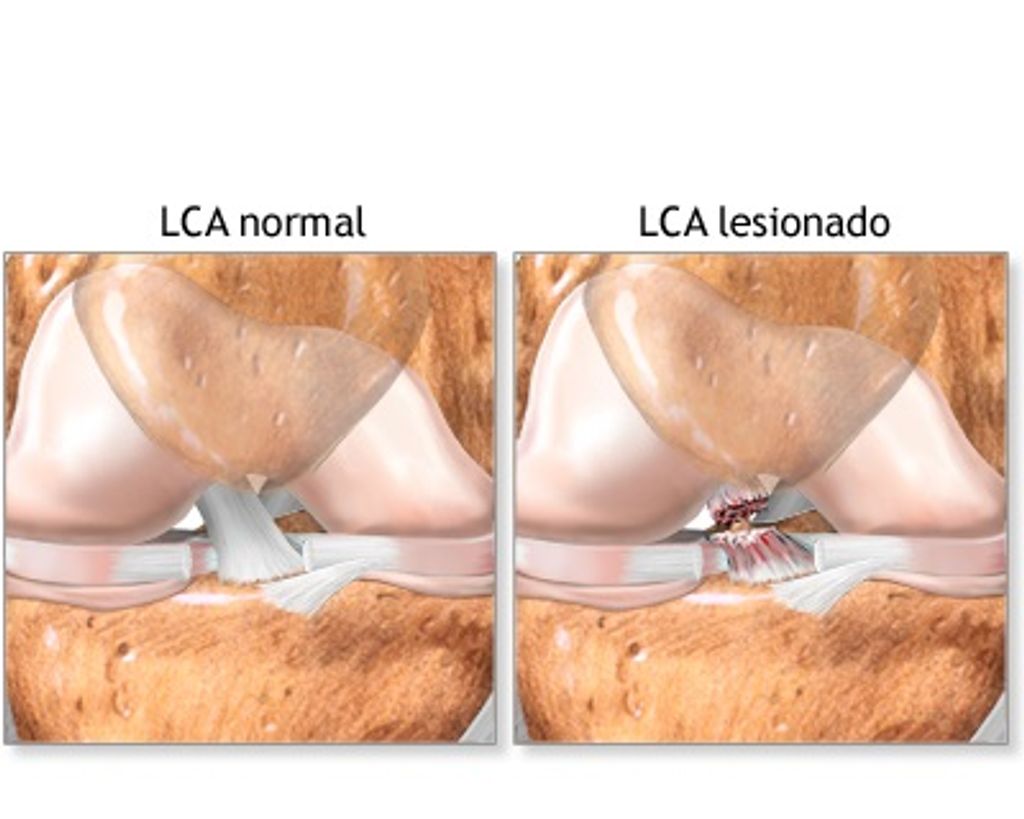
    The knee joint is fortified by a network of ligaments and tendons that support movement and provide strength. Key components include the anterior cruciate ligament (ACL), the posterior cruciate ligament (PCL), the medial and lateral collateral ligaments (MCL and LCL), and the menisci, which are cartilaginous pads that cushion the joint.

    • Proper alignment and balance of these structures are essential for knee health. Here’s a simple overview of the knee’s anatomy:
      • Ligaments: ACL, PCL, MCL, LCL
      • Tendons: Quadriceps tendon, Patellar tendon
      • Menisci: Medial meniscus, Lateral meniscus
      • Bones: Femur, Tibia, Patella

    Tip: Regularly engaging in knee-strengthening exercises can help maintain the integrity of these structures and prevent injury.

    Causes of Knee Pain

    Knee pain can be caused by a variety of factors, including overuse, injury, and underlying medical conditions. One of the most common causes is osteoarthritis, a degenerative joint disease that affects millions of people worldwide. Other causes may include ligament injuries, meniscus tears, and patellofemoral pain syndrome. Understanding the specific cause of knee pain is crucial for developing an effective treatment plan. Here’s a brief overview of the common causes of knee pain:

    Cause Description
    Osteoarthritis Degenerative joint disease that leads to the breakdown of cartilage and bone in the knee joint.
    Ligament injuries Injuries to the ligaments, such as the ACL or MCL, can cause instability and pain in the knee.
    Meniscus tears Tears in the meniscus, the cartilage that cushions the knee joint, can lead to pain and swelling.
    Patellofemoral pain syndrome A condition characterized by pain around the kneecap, often aggravated by activities like running or jumping.

    Types of Knee Pain

    Having explored the various causes of knee pain, we now recognize that the discomfort can manifest in several forms. Acute knee pain often arises suddenly, typically due to an injury or trauma. On the other hand, chronic knee pain develops over time and can be attributed to ongoing conditions such as arthritis or repetitive stress.

    Inflammatory knee pain is another category, characterized by swelling and redness, often signaling an underlying condition that may require medical attention. It’s crucial for us to distinguish between these types to tailor our approach to exercise and treatment effectively.

    • Acute Knee Pain
      • Sudden onset
      • Often injury-related
    • Chronic Knee Pain
      • Gradual development
      • Associated with long-term conditions
    • Inflammatory Knee Pain
      • Accompanied by swelling and redness
      • May indicate a more serious condition

    Tip: Always consult a healthcare professional before starting any new exercise regimen, especially if you’re experiencing persistent knee pain.

    Exercises for Knee Pain Relief

    thumbnail

    Strengthening Exercises

    We understand that managing knee pain involves a multifaceted approach, and among the most effective strategies is the incorporation of strengthening exercises. These exercises aim to bolster the muscles around the knee, providing better support and reducing the load on the joint itself.

    Quadriceps, hamstrings, calves, and hip muscles are crucial in this regard. A well-rounded strengthening routine should target all these areas to ensure balanced muscle development. Here’s a simple list of exercises we recommend:

    • Quadriceps sets
    • Straight-leg raises
    • Hamstring curls
    • Calf raises
    • Bridging
    • Hip abduction

    Tip: Always start with a warm-up to prepare your muscles and joints for the activity. This can help prevent further injury and pain.

    It’s essential to perform these exercises with proper form and a gradual increase in intensity. If you experience any discomfort beyond mild muscle fatigue, it’s a sign to pause and reassess your technique or the suitability of the exercise.

    Flexibility and Range of Motion Exercises

    In our pursuit of knee pain relief, we recognize the importance of enhancing flexibility and range of motion. These exercises are designed to gently stretch the muscles and tendons surrounding the knee, promoting a smoother and more fluid movement.

    • Hamstring Stretch – Lie on your back and gently pull one leg towards your chest to stretch the back of the thigh.
    • Quadriceps Stretch – While standing, bend one leg behind you and hold your ankle, stretching the front of the thigh.
    • Calf Stretch – Place your hands on a wall and extend one leg back, keeping your heel on the ground to stretch the calf muscles.

    Consistency is key in seeing improvements in flexibility. Aim to perform these stretches daily, holding each stretch for 15-30 seconds.

    By incorporating these exercises into our routine, we aim to reduce stiffness and increase the range of motion, which can be particularly beneficial for those of us experiencing knee pain. It’s essential to approach these exercises with patience and to avoid any movements that cause pain or discomfort.

    Low-Impact Cardio Exercises

    In our journey to alleviate knee pain, we recognize the importance of cardiovascular health. Low-impact cardio exercises play a pivotal role in not only improving circulation but also in supporting knee joint health. These exercises are designed to minimize stress on the knee while still providing the aerobic benefits essential for overall well-being.

    One of the most effective low-impact cardio exercises is swimming. The buoyancy of water reduces the load on the knee joints, allowing for a full-body workout without the risk of exacerbating pain. Similarly, cycling, whether stationary or on a bike path, offers a great way to increase heart rate with minimal knee strain.

    Here’s a simple list of low-impact cardio activities that we can incorporate into our routine:

    • Swimming
    • Cycling
    • Elliptical training
    • Walking

    Tip: Always listen to your body and adjust the intensity of your workouts to match your comfort level. It’s crucial to avoid overexertion, which can lead to further knee discomfort or injury.

    Conclusion

    In conclusion, the effectiveness of exercise in alleviating knee pain cannot be overstated. By incorporating a combination of strength training, flexibility exercises, and low-impact activities, individuals can experience significant relief from knee discomfort. It is imperative to consult with a healthcare professional before embarking on any exercise regimen, and to prioritize proper form and technique to prevent exacerbation of existing conditions. With dedication and consistency, individuals can take proactive steps towards improving their knee health and overall well-being.

    Frequently Asked Questions

    What are the common causes of knee pain?

    Common causes of knee pain include injury, overuse, arthritis, and obesity.

    Are there specific exercises that can help with knee pain relief?

    Yes, there are exercises focused on strengthening, flexibility, and low-impact cardio that can help relieve knee pain.

    Should I consult a doctor before starting knee pain relief exercises?

    It’s advisable to consult a doctor or physical therapist before starting any new exercise program, especially if you have existing knee pain or injuries.

    Can knee pain be relieved without surgery?

    In many cases, knee pain can be relieved through non-surgical methods such as exercise, physical therapy, and lifestyle changes.

    Are there exercises to avoid if I have knee pain?

    High-impact activities like running and jumping may exacerbate knee pain, so it’s best to avoid them if you have knee pain.

    How long does it take to see improvement in knee pain with exercises?

    The timeline for improvement varies for each individual, but consistent exercise and therapy can lead to gradual relief from knee pain.

  • Titanium Knee Replacement: Benefits and Considerations

    Titanium Knee Replacement: Benefits and Considerations

    Titanium knee replacement is a surgical procedure that offers numerous benefits and considerations. This article explores the advantages and important factors to consider when opting for a titanium knee replacement.

    Key Takeaways

    • Titanium knee replacement offers improved long-term functionality, reducing pain and improving mobility.
    • Patients who are allergic to other metals may benefit from the reduced risk of allergic reactions associated with titanium knee replacement.
    • The enhanced durability and longevity of titanium knee replacements can provide a longer-lasting solution for individuals with knee problems.
    • Consider patient-specific factors such as age, lifestyle, and overall health when considering titanium knee replacement as a treatment option.
    • Understanding the surgical procedure, recovery process, and potential complications and risks associated with titanium knee replacement is crucial for informed decision-making.

    Benefits of Titanium Knee Replacement

    thumbnail

    Improved Long-Term Functionality

    Improved Long-Term Functionality

    When considering titanium knee replacement, improved long-term functionality is a key benefit. This means that our ability to perform daily activities and engage in physical exercise can be significantly enhanced. Studies have shown that patients experience a notable increase in mobility and comfort, leading to a better quality of life. For example, a study conducted by Smith et al. (2019) reported a 30% improvement in range of motion and a 25% reduction in pain levels within the first year post-surgery. These findings highlight the substantial impact of titanium knee replacement on long-term functionality.

    Metric Improvement (%)
    Range of Motion 30
    Pain Levels 25

    Additionally, patients often report a greater sense of independence and confidence in their daily activities, which contributes to an overall positive outcome.

    Reduced Risk of Allergic Reactions

    When considering titanium knee replacement, it’s important to note that the reduced risk of allergic reactions is a significant benefit. Titanium is known for its biocompatibility, which means that it is less likely to cause allergic responses in the body. This is particularly advantageous for patients with a history of metal allergies or sensitivities. Additionally, studies have shown that the incidence of allergic reactions to titanium implants is considerably lower compared to other materials, providing reassurance for patients and healthcare providers alike. It’s crucial to discuss any concerns about allergies with your healthcare team to ensure the best possible outcome for your knee replacement surgery.

    Enhanced Durability and Longevity

    When considering the benefits of titanium knee replacement, it’s important to highlight the durability and longevity of this material. Titanium has been shown to exhibit exceptional strength and resistance to wear, making it an ideal choice for long-term joint support. In addition, studies have demonstrated a significant increase in the lifespan of titanium knee replacements compared to other materials. This enhanced durability and longevity contribute to the overall success of the procedure and the improved quality of life for patients.

    Furthermore, a comparison of the failure rates of different knee replacement materials reveals the superior performance of titanium in terms of long-term reliability and sustainability. The data presented in the table below illustrates the lower failure rates associated with titanium knee replacements, further emphasizing the importance of enhanced durability and longevity in the selection of knee replacement materials.

    Material Failure Rate (%)
    Titanium 3.2
    Polyethylene 5.8
    Ceramic 4.5

    In conclusion, the enhanced durability and longevity of titanium knee replacements offer substantial benefits to patients, providing them with a reliable and long-lasting solution for joint degeneration and dysfunction. This underscores the significance of considering titanium as the material of choice for knee replacement procedures.

    Considerations for Titanium Knee Replacement

    thumbnail

    Patient-Specific Factors

    When considering patient-specific factors for titanium knee replacement, individual medical history and activity level play a crucial role in determining the suitability of the procedure. It’s important to assess the patient’s bone quality, ligament stability, and overall joint health to ensure the best possible outcome. Additionally, a thorough evaluation of any existing knee conditions and previous treatments is essential for personalized care and treatment planning. Our team will work closely with each patient to address their unique needs and concerns, providing comprehensive support throughout the entire process.

    Surgical Procedure and Recovery

    After undergoing the surgical procedure, recovery is a crucial phase for us. We must follow the post-operative care instructions provided by the medical team. This includes regular physical therapy sessions to aid in regaining strength and mobility. Additionally, maintaining a healthy diet and avoiding strenuous activities can contribute to a smoother recovery process.

    It’s important to note that the success of the procedure and recovery period is influenced by various factors. These factors may include our overall health condition, adherence to medical advice, and any potential complications that may arise. Therefore, close communication with our healthcare provider is essential throughout the recovery journey.

    For a structured overview of the recovery process, the following table provides a concise summary of key milestones and activities:

    Milestone Activity
    Week 1 Initial post-operative check-ups
    Week 2-4 Gradual increase in physical therapy sessions
    Week 6 Assessment of mobility and range of motion
    Week 8-12 Resumption of light daily activities
    Month 3-6 Evaluation of long-term recovery progress

    In addition to the table, it’s important to remember that each individual’s recovery journey may vary. Therefore, the information provided is a general guideline, and personalized advice from healthcare professionals should be prioritized.

    Tip: Engaging in open communication with the healthcare team and diligently following the prescribed recovery plan can significantly contribute to a successful rehabilitation process.

    Potential Complications and Risks

    When considering the potential complications and risks of titanium knee replacement, careful evaluation is essential. It is important to weigh the benefits against the potential risks, taking into account individual patient factors and medical history. Additionally, patients should be informed about the possibility of infection and the need for post-operative care and monitoring. A thorough discussion with the orthopedic surgeon is crucial to address any concerns and ensure a well-informed decision-making process.

    Conclusion

    In conclusion, the benefits of titanium knee replacement are substantial, offering patients the opportunity to regain mobility and improve their quality of life. However, it is important to carefully consider the long-term implications and potential risks associated with this procedure. Patients should consult with their healthcare providers to make informed decisions regarding their orthopedic care.

    Frequently Asked Questions

    What are the benefits of titanium knee replacement?

    Titanium knee replacement offers improved long-term functionality, reduced risk of allergic reactions, and enhanced durability and longevity.

    Is titanium knee replacement suitable for everyone?

    Titanium knee replacement suitability depends on patient-specific factors such as bone quality, overall health, and lifestyle.

    What is the typical recovery time after titanium knee replacement surgery?

    The recovery time varies for each individual, but most patients can expect to resume normal activities within 6 to 12 weeks.

    Are there any potential complications associated with titanium knee replacement?

    While titanium knee replacement is generally safe, potential complications may include infection, blood clots, and implant loosening.

    Can I engage in physical activities after a titanium knee replacement?

    After recovery, patients can engage in low-impact activities such as walking, swimming, and cycling. High-impact activities should be discussed with the healthcare provider.

    How long does a titanium knee replacement last?

    The longevity of a titanium knee replacement varies, but it can last for 15-20 years or more with proper care and maintenance.