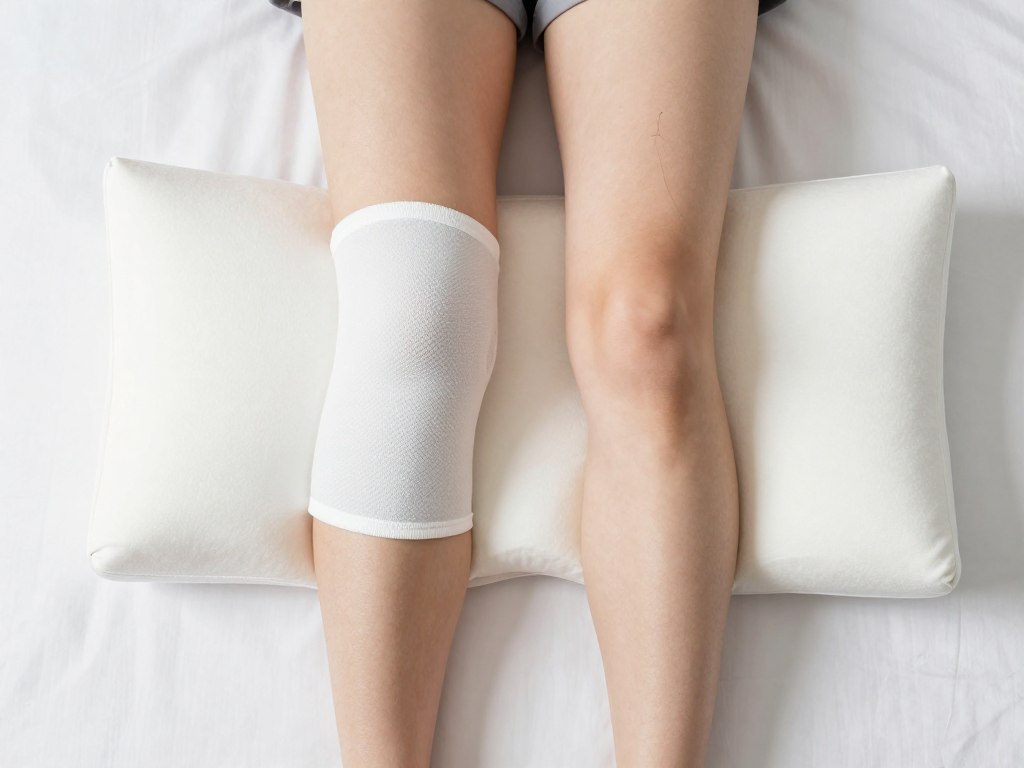

Sleep becomes a challenge when you’re dealing with a knee injury. The constant discomfort, the awkward positioning, and the fear of making things worse can leave you tossing and turning all night. Many people wonder if wearing a knee brace during sleep helps or hinders recovery.
The truth is that sleeping with a knee brace can significantly improve your comfort and support healing. But only if you do it correctly. This guide walks you through everything you need to know about getting quality rest while protecting your knee joint.
You’ll discover the best sleeping positions, learn how to choose the right brace, and find practical tips to wake up feeling refreshed instead of sore. Whether you’re recovering from surgery, managing chronic pain, or dealing with a sports injury, these strategies will help you sleep better tonight.
Understanding Knee Braces and Sleep: What You Need to Know
A knee brace serves multiple purposes during nighttime wear. It provides stability to the joint, reduces unwanted movement, and can help reduce swelling after injury. The support keeps your knee in proper alignment while you sleep.
Not all braces work well for sleeping. Some are designed for active use and feel too restrictive or bulky for bed. A sleeping knee brace typically features softer materials and less rigid construction compared to daytime braces.

The right brace depends on your specific injury or condition. ACL injuries may require hinged braces that prevent certain movements. Arthritis sufferers often benefit from compression-style braces that reduce pain and support the joint without heavy restriction.
When Wearing a Knee Brace at Night Makes Sense
Healthcare providers often recommend nighttime brace wear after knee surgery. The brace protects the healing tissues from accidental movements during sleep. This is especially important in the first few weeks of recovery.
People with chronic knee injuries also benefit from wearing a brace while sleeping. The continuous support can help reduce pain and morning stiffness. Many report better sleep quality when their knee feels stable and protected.
Acute injuries like sprains or strains often improve with nighttime bracing. The support helps reduce swelling and keeps the knee from moving in ways that could worsen the injury. Always consult your healthcare provider before starting any new treatment.
Important: If you experience increased pain, numbness, tingling, or skin irritation while wearing a knee brace at night, remove it immediately and contact your healthcare provider. These symptoms may indicate the brace is too tight or not appropriate for nighttime use.
Not Sure If You Should Wear a Brace While Sleeping?
Every knee injury is different. Before you start wearing a knee brace at night, talk to a healthcare provider. They can assess your specific condition and recommend the best approach for your recovery. Professional guidance ensures you’re supporting healing without risking complications.
Choosing the Right Sleeping Knee Brace for Maximum Comfort
The perfect sleeping knee brace balances support with comfort. Look for breathable materials that won’t trap heat or moisture against your skin. Neoprene blends and mesh fabrics work well for overnight wear.
Adjustability matters more at night than during the day. Your leg may swell slightly during sleep, so a brace with multiple adjustment points lets you modify the fit without removing it completely. Velcro straps offer better customization than fixed-size sleeves.

Key Features to Look For in a Sleep Knee Brace
Comfort Features
- Soft, non-irritating inner lining
- Breathable fabric to prevent overheating
- Flat seams that won’t dig into skin
- Lightweight construction for minimal bulk
- Moisture-wicking materials
Support Features
- Appropriate compression level for your injury
- Stays or hinges if recommended by your healthcare provider
- Anti-slip design to prevent shifting
- Proper sizing for your leg measurements
- Easy-to-reach adjustment points
Compression vs. Hinged Knee Braces for Sleep
Compression braces provide gentle support through elastic materials. They help reduce swelling and offer mild stability. These work well for arthritis, minor strains, and general knee discomfort.
Hinged braces include metal or plastic supports on the sides. They limit specific movements while allowing others. Post-surgical patients and those with ligament injuries often need this level of control during healing.
Your injury type determines which style you need. Compression braces feel more comfortable for all-night wear but provide less structural support. Hinged braces offer better protection but can feel bulkier against bedding.
| Brace Type | Best For | Comfort Level | Support Level |
| Compression Sleeve | Arthritis, mild pain, general support | High | Light to Moderate |
| Wrap-Style Brace | Adjustable compression, swelling control | High | Moderate |
| Hinged Brace | ACL/MCL injuries, post-surgery | Moderate | High |
| Immobilizer | Severe injuries, immediate post-op | Low | Maximum |
Top-Rated Sleeping Knee Braces for Comfortable Recovery
Finding the right sleeping knee brace makes a dramatic difference in your comfort and recovery. These carefully selected options balance support with overnight wearability.

ComfortFit Night Compression Brace
Designed specifically for overnight wear with ultra-soft materials and breathable mesh panels. Provides gentle compression to reduce swelling without restricting circulation.
- Moisture-wicking fabric keeps skin dry
- Open patella design for proper alignment
- Multiple size options for perfect fit
- Machine washable construction

StabilityPlus Hinged Sleep Brace
Combines rigid support with sleep-friendly padding. Ideal for post-surgical recovery or serious ligament injuries that need protection during rest.
- Adjustable hinges control range of motion
- Extra padding prevents pressure points
- Low-profile design minimizes bulk
- Recommended by orthopedic specialists

FlexWrap Adjustable Night Brace
Maximum adjustability for changing comfort needs throughout the night. Perfect for people who experience varying swelling levels.
- Five independent adjustment straps
- Suitable for all injury types
- Anti-slip silicone interior
- Hypoallergenic materials
Still not sure which sleeping knee brace is right for your specific injury? Our comprehensive buyer’s guide helps you match your condition with the perfect support level and features.
Best Sleeping Positions When Wearing a Knee Brace
Your sleeping position dramatically affects both comfort and recovery when you wear a knee brace. The right position reduces pain, supports proper alignment, and helps you stay asleep longer.

Back Sleeping with Knee Support
Sleeping on your back distributes weight evenly and keeps your knee in neutral alignment. This position works well for most knee injuries and feels comfortable with a brace.
Place a pillow under your injured knee to maintain a slight bend. This reduces pressure on the joint and helps reduce swelling. The pillow should be firm enough to provide support but not so high that it hyperextends your leg.
Some people need additional support under their lower back. A small rolled towel can help maintain your spine’s natural curve. This prevents you from sliding down and losing the beneficial knee position during sleep.
Side Sleeping Strategies for Knee Brace Wearers
Side sleeping requires careful positioning to avoid putting pressure directly on your injured knee. Always sleep with your injured leg on top if possible. This prevents the weight of your leg from compressing the knee joint.
A pillow between your knees maintains proper hip and knee alignment. Choose a firm pillow that won’t compress completely during the night. This keeps your top leg from rolling forward and twisting your knee.
The pillow should extend from your thigh to your ankle for full leg support. Too short a pillow allows your knee to drop and rotate. Specialized leg pillows designed for this purpose work better than standard bed pillows.
Recommended Positions
- Back sleeping with elevated knee
- Side sleeping with pillow between knees
- Injured leg on top when side sleeping
- Slight knee bend maintained throughout night
- Neutral spine alignment
Positions to Avoid
- Stomach sleeping (twists knee)
- Side sleeping on injured knee
- Completely straight leg position
- Excessive knee bending
- Leg hanging off bed edge
Using Pillows for Optimal Knee Positioning
Strategic pillow placement transforms your comfort level when sleeping with a knee brace. The right setup supports your entire leg and reduces strain on other joints.
Memory foam pillows work exceptionally well for knee support. They conform to your leg shape but maintain enough firmness to keep your knee properly positioned. Regular pillows tend to flatten too much during extended use.
Consider keeping extra pillows nearby for position changes. You might need different support when you shift from your back to your side. Having options within reach means less disruption to your sleep.

Essential Comfort Tips for Sleeping with a Knee Brace
Small adjustments make a big difference in how well you sleep while wearing a knee brace. These practical tips address common discomfort issues that disrupt rest.
Proper Brace Fit and Adjustment
Check your brace fit before bed each night. Your leg size changes slightly throughout the day due to fluid shifts and activity levels. What felt comfortable at dinner might feel too tight by bedtime.
The brace should feel snug but never restrict circulation. You should be able to slide two fingers under the straps without difficulty. If you notice skin discoloration, numbness, or increased pain, loosen the brace immediately.
Pay attention to how the brace sits on your knee joint. The center should align with your kneecap, and any hinges must match your natural joint line. Misalignment can cause skin irritation and reduce the brace’s effectiveness.
Warning Signs of Improper Fit: Remove your brace if you experience tingling, numbness, increased swelling below the brace, skin color changes, or excessive pain. These indicate circulation problems or improper application.
Preventing Skin Irritation During Sleep
Skin irritation represents one of the most common complaints about nighttime brace wear. The constant contact and pressure can cause redness, chafing, or even sores if not managed properly.
Clean your skin thoroughly before putting on the brace. Moisture, oils, and lotions can trap against your skin and cause irritation. Make sure your leg is completely dry before applying the brace.
Consider wearing a thin layer of soft fabric between your skin and the brace. Cotton sleeves or lightweight compression stockings can prevent direct friction. This barrier also absorbs sweat and keeps your skin drier.

- Wash the brace regularly according to manufacturer instructions
- Inspect your skin daily for signs of irritation or pressure sores
- Apply barrier cream to areas prone to rubbing
- Trim any rough edges on brace materials
- Replace worn braces that have lost padding or developed sharp areas
- Give your skin breaks from the brace when safely possible
Managing Temperature and Moisture
Knee braces can trap heat and moisture against your skin. This discomfort often wakes people up during the night. Choosing breathable materials helps, but additional strategies improve overnight comfort.
Keep your bedroom cooler than usual when wearing a knee brace to sleep. The extra layer adds insulation around your leg. Most people sleep best in rooms between 60-67°F when wearing a brace.
Moisture-wicking underlayers pull sweat away from your skin. Look for materials designed for athletic wear. These fabrics dry quickly and reduce that clammy feeling that can wake you up.
Mattress and Bedding Considerations
Your mattress firmness affects knee comfort significantly. Medium-firm mattresses typically work best for people with knee injuries. They provide support without creating pressure points.
Too-soft mattresses allow your body to sink, which can twist your knee into awkward positions. Very firm mattresses might not cushion your leg enough when lying on your side. Finding the right balance supports better sleep quality.
Mattress toppers offer a cost-effective solution if your current bed feels wrong. A two to three-inch memory foam topper can add cushioning without dramatically changing your mattress feel. This helps protect your knee from pressure while maintaining overall support.
Creating the Perfect Nighttime Routine for Better Sleep
A consistent bedtime routine helps your body relax and prepares you for restful sleep despite wearing a knee brace. These steps work together to reduce pain and improve overall comfort.

Pre-Sleep Knee Care Rituals
Gentle exercises before bed can reduce stiffness and pain. Simple range-of-motion movements help prevent your knee from feeling locked when you wake up. Always follow your healthcare provider’s recommendations for specific exercises.
Ice application twenty minutes before bed helps reduce swelling and pain. Wrap ice packs in a thin towel to protect your skin. Never apply ice directly to skin or over an already-applied brace.
Elevate your leg for fifteen minutes before putting on your sleeping knee brace. This helps reduce swelling that accumulated during the day. Use pillows to raise your leg above heart level for maximum benefit.
Timing Your Pain Medication
Work with your healthcare provider to time pain medication appropriately. Taking medication thirty to sixty minutes before bed allows it to take effect as you’re falling asleep. This can help you get through the night more comfortably.
Some pain medications cause drowsiness, which can actually help you fall asleep. Others might keep you alert. Understanding your medication’s effects helps you take them at the optimal time for both pain relief and sleep quality.
Never adjust medication timing or dosage without consulting your healthcare provider. They can suggest the best schedule for your specific situation and injury type.
Relaxation Techniques for Pain Management
Mental stress increases pain perception and muscle tension. Relaxation practices before bed can reduce both, making it easier to fall asleep despite discomfort.
Deep breathing exercises calm your nervous system. Try breathing in for a count of four, holding for four, and exhaling for four. Repeat this cycle for five to ten minutes while lying in your optimal sleeping position.
Progressive muscle relaxation involves tensing and releasing different muscle groups. Start with your toes and work up to your shoulders. Skip your injured leg or keep the tension very gentle in that area.
Sleep Hygiene Tip: Keep a consistent sleep schedule even when dealing with knee pain. Going to bed and waking up at the same time daily helps regulate your body’s natural sleep-wake cycle, making it easier to fall asleep despite discomfort.
Special Considerations for Different Injuries and Conditions
Different knee injuries require unique approaches to nighttime bracing and positioning. Understanding your specific condition helps you make better choices about sleep strategies.
Post-Surgical Knee Care During Sleep
Recent knee surgery demands strict adherence to your surgeon’s instructions about brace wear. Many post-operative braces must stay on continuously for the first several weeks. Your healthcare provider will tell you exactly when you can remove it.
Immobilizer braces after surgery prevent all knee movement initially. These feel very restrictive but protect healing tissues from damage. Your surgeon will gradually reduce restrictions as healing progresses.
Swelling often increases in the first few days after surgery. Check with your healthcare provider about adjusting brace tightness if swelling changes. Never remove a post-surgical brace without medical permission, even if it feels uncomfortable.

Managing Arthritis Pain Overnight
Arthritis causes morning stiffness that a sleeping knee brace can help reduce. The gentle compression supports the joint and can help reduce pain throughout the night. Many people with arthritis find they wake up with less stiffness when they use a brace.
Heat therapy before bed helps arthritis pain more than ice in most cases. A warm compress or heating pad relaxes stiff joints. Apply heat for fifteen to twenty minutes before putting on your sleeping knee brace.
Arthritis symptoms often worsen in cold weather. Keep your bedroom comfortably warm and use blankets that provide warmth without weight on your knee. Heavy blankets can add pressure that increases discomfort.
Sports Injuries and Active Recovery
Athletes recovering from knee injuries need to balance rest with maintaining conditioning. Your sleeping knee brace supports recovery during the crucial overnight healing period when your body does most of its repair work.
Ligament sprains and strains benefit from consistent nighttime support. The brace prevents movements that could re-injure healing tissues. This protection allows you to sleep more deeply without worry about accidental harmful movements.
Return to sports requires gradual progression. Your healthcare provider will guide you on when to stop wearing the brace at night. This typically happens as your knee regains stability and strength during daytime activities.
Benefits of Nighttime Knee Bracing
- Reduces pain and allows better sleep quality
- Prevents accidental injury from nighttime movements
- Supports proper healing and recovery
- Decreases morning stiffness and swelling
- Provides psychological comfort and confidence
- Maintains proper joint alignment
Potential Challenges
- May feel restrictive or uncomfortable initially
- Can trap heat and moisture
- Requires proper fitting and adjustment
- Risk of skin irritation with extended wear
- Some positions feel awkward with brace on
- Regular cleaning and maintenance needed
Troubleshooting Common Sleep Problems with Knee Braces
Even with the right brace and positioning, you might encounter issues that disrupt your sleep. These practical solutions address the most frequent problems people face.
The Brace Shifts or Slides During Sleep
A brace that moves out of position overnight loses effectiveness and can cause discomfort. This usually indicates either improper sizing or inadequate anti-slip features.
Make sure you’re using the correct size based on actual measurements, not estimates. Measure your leg circumference at the points specified by the manufacturer. Sizes can vary significantly between brands.
Anti-slip silicone strips inside the brace help it stay in place. If your current brace lacks these, consider adding a thin layer of medical tape or purchasing a brace designed specifically for overnight wear with better grip features.
Waking Up with New Aches and Pains
New pain in your hip, lower back, or opposite leg often results from compensatory positioning. Your body tries to protect your injured knee by changing how you hold other parts of your body.
Re-evaluate your pillow placement and sleeping position. You may need additional support under your lower back or between your knees. The goal is neutral spine alignment that doesn’t stress other joints while protecting your knee.
Gentle stretching before bed can prevent compensation-related pain. Focus on your hips, lower back, and opposite leg. Hold each stretch for twenty to thirty seconds without bouncing or forcing the movement.

Difficulty Falling Asleep with the Brace On
The unfamiliar sensation of wearing a knee brace to bed can make falling asleep difficult initially. Your brain stays alert to this new stimulus instead of relaxing into sleep.
Give yourself an adjustment period of one to two weeks. Most people adapt to the sensation and stop noticing the brace within this timeframe. Consistency helps your brain categorize the brace as normal rather than novel.
Wear the brace for an hour or two before actual bedtime while relaxing. This acclimates you to the sensation in a low-pressure situation. By the time you want to sleep, the brace feels more familiar.
Partner Disturbance Concerns
Bulky braces can accidentally bump or scratch a sleeping partner. Hinged braces in particular have hard components that can cause discomfort if contact occurs.
Consider using a body pillow between you and your partner. This provides a buffer zone and can actually improve both people’s sleep quality by reducing motion transfer. The pillow also gives you something to position your leg against.
Communicate with your partner about your needs and concerns. They may be able to adjust their own sleeping position to accommodate your brace. Most partners prefer understanding what to expect rather than being surprised by nighttime encounters with brace components.
Long-Term Strategies for Sleeping with Knee Issues
Chronic knee problems require sustainable sleep solutions that work for months or even years. These strategies help maintain comfort and support over extended periods.
Building Sustainable Sleep Habits
Consistency creates comfort over time. Stick with the same sleeping position and brace routine every night. Your body adapts more quickly when you provide predictable conditions.
Invest in quality sleep accessories designed for long-term use. Cheap pillows compress and lose shape within weeks. Medical-grade positioning devices maintain their support for years and prove more cost-effective over time.
Track what works and what doesn’t. Keep a simple log of your pain levels, sleep quality, and any adjustments you make. Patterns emerge that help you optimize your setup for the best possible rest.

When to Adjust or Replace Your Knee Brace
Braces wear out over time and lose their supportive properties. The elastic materials stretch, padding compresses, and closures weaken. These changes reduce effectiveness and can create new comfort problems.
Replace your sleeping knee brace every six to twelve months with regular use. More frequent replacement may be necessary if you notice visible wear, reduced compression, or if the brace no longer stays in position properly.
Your changing needs also require brace updates. As you heal from acute injuries, you may transition from a rigid brace to lighter support. Your healthcare provider should guide these changes based on your progress and current knee stability.
Knowing When to Stop Wearing a Brace at Night
Continuous brace wear should decrease as your knee heals. Prolonged unnecessary bracing can actually weaken surrounding muscles. Your healthcare provider determines the right time to reduce or eliminate nighttime wear.
Gradual reduction works better than stopping suddenly. You might transition from all-night wear to just the first few hours of sleep. This gives your knee time to adjust while still providing protection during your most vulnerable sleep period.
Some chronic conditions require permanent nighttime bracing. Severe arthritis or recurring instability may need ongoing support. Accept this as part of managing your condition rather than viewing it as a failure to heal.
Get Complete Sleep Recovery Support
Sleeping with a knee brace becomes easier with the right products and expert guidance. Our curated collection includes sleeping knee braces tested specifically for overnight comfort, positioning pillows designed for knee injuries, and complete recovery kits that include everything you need for better rest.
Frequently Asked Questions About Sleeping with Knee Braces
Can you sleep with a knee brace on every night?
Yes, many people safely wear a knee brace to sleep every night, especially during injury recovery or when managing chronic conditions. However, you should only do this under healthcare provider guidance. Long-term nighttime bracing requires proper fit, regular skin checks, and periodic evaluation to ensure continued necessity. Your provider will tell you how long to maintain nighttime wear based on your specific injury or condition.
How tight should a sleeping knee brace be?
A sleeping knee brace should feel snug but never restrict blood flow or cause numbness. You should be able to slide two fingers comfortably under the straps. The brace shouldn’t slide around, but it also shouldn’t leave deep marks on your skin or cause discoloration. Check tightness before bed and again if you wake during the night, as swelling can change throughout your sleep period.
What’s the best sleeping position with a knee brace?
Back sleeping with a pillow under your knee offers the best position for most people wearing a knee brace. This maintains neutral alignment and reduces pressure on the joint. Side sleeping works well too if you keep your injured leg on top and place a firm pillow between your knees. Avoid stomach sleeping as it twists your knee and can strain the joint.
Can wearing a knee brace at night prevent healing?
No, wearing a knee brace at night typically supports healing rather than preventing it. The brace protects your knee from harmful movements during sleep and can help reduce swelling. However, wearing the wrong type of brace, incorrect fit, or continuing to wear a brace longer than necessary can potentially weaken muscles. Always follow your healthcare provider’s specific recommendations about duration and type of nighttime bracing.
How do you prevent skin irritation from a sleeping knee brace?
Prevent skin irritation by cleaning both your skin and the brace regularly. Make sure your leg is completely dry before applying the brace. Consider wearing a thin cotton sleeve underneath for added protection. Check your skin daily for redness or sores. Apply barrier cream to areas prone to rubbing. If irritation develops, give your skin a break from the brace when safe to do so and consult your healthcare provider.
Should you wear a knee brace to bed after knee replacement surgery?
Most surgeons recommend wearing a knee brace continuously after knee replacement surgery, including during sleep, for at least the first few weeks. The specific duration depends on your surgery type, recovery progress, and surgeon preference. Never remove a post-surgical brace without explicit permission from your healthcare provider, as premature removal can compromise healing or cause complications.
Can you exercise before bed while wearing a knee brace?
Gentle range-of-motion exercises before bed can actually improve sleep comfort when wearing a knee brace. Light movements reduce stiffness and help prevent your knee from feeling locked during the night. However, avoid strenuous exercise close to bedtime as it can increase swelling and pain. Always follow exercise guidelines provided by your healthcare provider or physical therapist for your specific injury.
What should you do if your knee brace causes more pain at night?
Remove the brace immediately if it causes increased pain, numbness, tingling, or swelling. These symptoms may indicate the brace is too tight, improperly positioned, or not appropriate for nighttime use. Contact your healthcare provider before wearing it again. They may need to adjust the fit, recommend a different brace style, or determine that nighttime bracing isn’t necessary for your situation.
Taking Control of Your Sleep Recovery Journey
Sleeping comfortably with a knee brace requires patience, proper equipment, and consistent routines. The strategies in this guide give you a foundation for better rest while your knee heals or manages chronic conditions.
Remember that every knee injury is unique. What works perfectly for one person might need adjustment for another. Pay attention to your body’s signals and communicate openly with your healthcare provider about your sleep quality and comfort levels.

The right sleeping knee brace combined with optimal positioning can transform your recovery experience. Quality sleep accelerates healing, reduces pain, and improves your overall well-being during the recovery process.
Start implementing these tips tonight. Make one or two changes at a time rather than overhauling everything at once. Small improvements add up to significant differences in how you feel each morning.
Your commitment to proper nighttime knee care supports your body’s natural healing processes. With the right support and positioning, you can wake up feeling more rested and ready to continue your recovery journey.