Rheumatoid arthritis can make your knee hurt in ways that affect daily movement, and research shows that splints or orthoses can help align joints and reduce strain, especially in mild cases. Choosing the right knee brace is not just about support, it is about comfort, mobility, and long-term joint protection.
Key Takeaways
| Question | Answer |
|---|---|
| What type of knee brace is best for rheumatoid arthritis? | Compression sleeves and unloader braces are commonly used depending on severity and stability needs. |
| Can a knee brace reduce knee pain? | Yes, braces can improve alignment and reduce pressure, helping manage knee pain effectively. |
| Should I wear a brace all day? | Not always, duration depends on activity and condition, as explained in injury-specific guides like this comprehensive knee pain guide. |
| Are braces useful for ligament-related issues? | Yes, especially if RA overlaps with instability, similar to cases like ligament knee injuries. |
| Can braces help prevent worsening damage? | They can reduce strain and support alignment, which may slow progression when combined with treatment. |
| Do I need a doctor to choose a brace? | We recommend professional guidance, especially if symptoms resemble conditions like traumatic knee injuries. |
Understanding Rheumatoid Arthritis and Knee Pain
Rheumatoid arthritis is an autoimmune condition that causes inflammation in the joints, including the knee. This inflammation leads to stiffness, swelling, and persistent knee pain.
Unlike injury-based conditions, RA affects the joint lining and can progress over time. That means your brace choice should focus on long-term comfort and joint protection.
Many people confuse RA-related pain with structural injuries like a torn meniscus, but the underlying causes differ significantly.


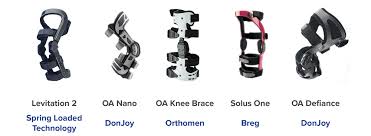
Types of Knee Braces for Rheumatoid Arthritis
Not all knee braces work the same way. The right choice depends on how severe your symptoms are and how your knee behaves during movement.
Here are the most common types we recommend:
-
Compression sleeves: Lightweight support for mild swelling
-
Hinged braces: Added stability for weak or unstable knees
-
Unloader braces: Reduce pressure on affected joint areas
If your symptoms overlap with conditions like PCL injuries, a hinged brace may offer better control.


How to Match Brace Type to Your Symptoms
Choosing the right brace starts with understanding your specific symptoms. Pain location, swelling level, and instability all matter.
We typically guide readers to match braces like this:
| Symptom | Recommended Brace |
|---|---|
| Mild swelling | Compression sleeve |
| Joint instability | Hinged brace |
| Uneven joint wear | Unloader brace |
This approach is similar to how braces are selected for injury recovery, such as ACL-related support, but adjusted for chronic inflammation.
A concise 3-step infographic to help readers select the right knee brace for rheumatoid arthritis. It highlights key factors like fit, support, and comfort.
Did You Know?
About 60% of people with rheumatoid arthritis have wrist problems, highlighting how joint support devices play a key role across the body.
Source: PMC Study
Key Features to Look for in a Knee Brace
Modern braces in 2026 focus on comfort and function. Breathable materials and targeted support zones are now standard.
When evaluating a brace, look for:
-
Moisture-wicking fabric to reduce irritation
-
Targeted padding around the knee cap
-
Secure fit that does not slip during movement
These features help reduce knee pain while maintaining mobility throughout the day.


Comparing Popular Knee Braces for Arthritis
Some well-known braces provide reliable support for arthritis-related knee issues. These options are widely used for both OA and RA symptom management.
| Brace | Type | Price | Best For |
|---|---|---|---|
| Bauerfeind GenuTrain | Compression | $99.90 | Mild to moderate knee pain |
| Bauerfeind GenuTrain A3 | Advanced support | $199.90 | Chronic pain and inflammation |
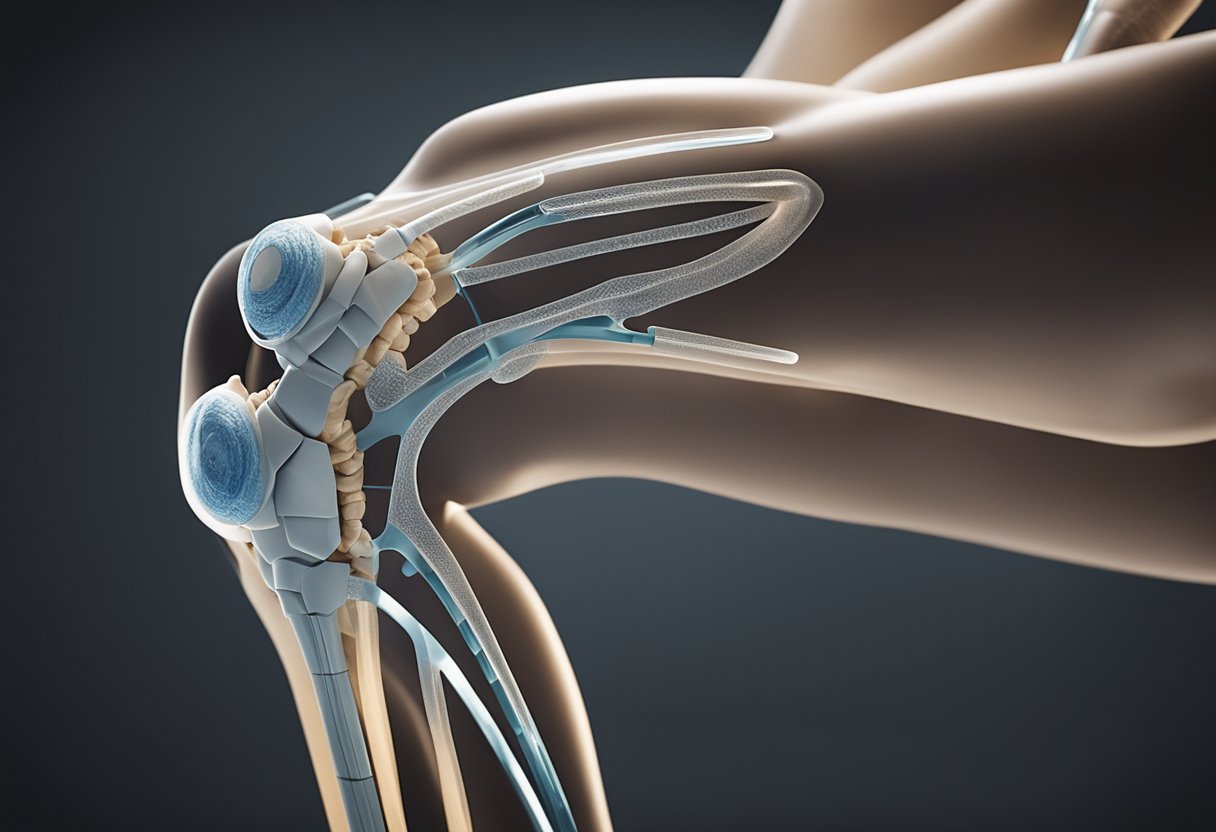
These braces include features like viscoelastic pads and proprioceptive compression. They help reduce pain while improving joint awareness.

Fit and Sizing: Why It Matters More Than You Think
A poorly fitted brace can worsen discomfort instead of helping. Proper sizing ensures even compression and stability.
We recommend measuring:
-
Thigh circumference
-
Knee circumference
-
Calf circumference
Correct fit is essential if your knee hurt increases during activity.


When and How Long to Wear a Knee Brace
Brace usage depends on your activity level and symptoms. Some people wear braces during movement, while others use them for recovery.
Typical usage patterns include:
-
During walking or exercise
-
During flare-ups of inflammation
-
Short-term daily wear based on comfort
Overuse can reduce muscle engagement, so balance is important.
Did You Know?
In a clinical trial, 24.5% of participants with rheumatoid arthritis never wore their prescribed splints, showing how comfort and usability affect real-world results.
Source: PubMed Study

Common Mistakes When Choosing a Knee Brace
Many people choose braces based on price or appearance alone. This often leads to poor results.
Common mistakes include:
-
Choosing the wrong size
-
Using high-support braces for mild symptoms
-
Ignoring comfort and breathability
A brace should reduce knee pain, not create new problems.


Lifestyle Tips to Support Your Knee Health
A brace works best when combined with healthy habits. Movement, strength, and weight management all play a role.
We suggest:
-
Low-impact exercises like walking or cycling
-
Strengthening surrounding muscles
-
Monitoring flare-ups and adjusting activity
These steps help reduce how often your knee hurt interferes with daily life.


Conclusion
Choosing the right brace for rheumatoid arthritis comes down to understanding your symptoms, selecting the correct type, and ensuring proper fit. The goal is simple, reduce knee pain while maintaining mobility and comfort.
We always recommend combining brace use with professional guidance and a broader care plan. With the right approach, you can better manage symptoms and stay active in 2026 and beyond.