
Knee pain can significantly impact your daily life, making it essential to find quick and effective relief methods. Whether due to injury, overuse, or underlying conditions, immediate pain management is crucial for maintaining mobility and quality of life. This comprehensive guide provides practical strategies for stopping knee pain instantly and managing it long-term.
I. Understanding Knee Pain
A. Common Causes of Knee Pain
- Injury:
- Sprains and strains
- Ligament tears (ACL, MCL, PCL)
- Meniscus tears
- Fractures
- Overuse:
- Tendonitis (e.g., patellar tendonitis)
- Bursitis
- Osteoarthritis
- Underlying Conditions:
- Rheumatoid arthritis
- Gout
- Infections (e.g., septic arthritis)
- Psoriatic arthritis

B. Symptoms to Watch For
- Swelling and stiffness
- Redness and warmth
- Weakness or instability
- Inability to fully straighten the knee
- Popping or crunching noises
- Fever (in case of infection)

II. Immediate Relief Methods
A. R.I.C.E. Method
- Rest:
- Avoid putting weight on the affected knee
- Use crutches or a cane if necessary
- Ice:
- Apply ice packs for 15-20 minutes every 2-3 hours
- Use a thin towel between the ice and skin to prevent frostbite
- Compression:
- Use an elastic bandage to reduce swelling
- Ensure it’s not too tight to avoid cutting off circulation
- Elevation:
- Elevate the knee above heart level
- Use pillows for support while lying down

B. Over-the-Counter Medications
- NSAIDs:
- Ibuprofen (Advil, Motrin)
- Naproxen (Aleve)
- Aspirin
- Topical Analgesics:
- Lidocaine patches or creams
- Capsaicin cream
- Diclofenac gel
Comparison of Over-the-Counter Knee Pain Relievers
| Medication | Type | Dosage | Side Effects |
|---|---|---|---|
| Ibuprofen | NSAID | 200-400 mg | Stomach upset, ulcers |
| Naproxen | NSAID | 220 mg | Heartburn, stomach bleeding |
| Aspirin | NSAID | 325-650 mg | Stomach irritation, tinnitus |
| Lidocaine Cream | Topical | Apply as needed | Skin irritation, allergic reaction |
| Capsaicin Cream | Topical | Apply as needed | Burning sensation, skin redness |
| Diclofenac Gel | Topical NSAID | Apply as directed | Skin irritation, sun sensitivity |
C. Gentle Stretches and Exercises
- Hamstring Stretch:
- Sit on the floor with your affected leg straight
- Reach for your toes, holding for 30 seconds
- Quadriceps Stretch:
- Stand holding onto a chair for balance
- Bend your affected knee, bringing your heel towards your buttocks
- Hold for 30 seconds
- Knee Bends:
- Hold onto a chair for support
- Slowly bend your knees, then straighten
- Repeat 10 times
[Image suggestion: Illustrations of each stretch and exercise]
III. Long-Term Management Strategies
A. Physical Therapy and Exercise
- Strengthening Exercises:
- Leg raises
- Wall squats
- Step-ups
- Flexibility Exercises:
- Yoga for knee pain
- Pilates for core strength
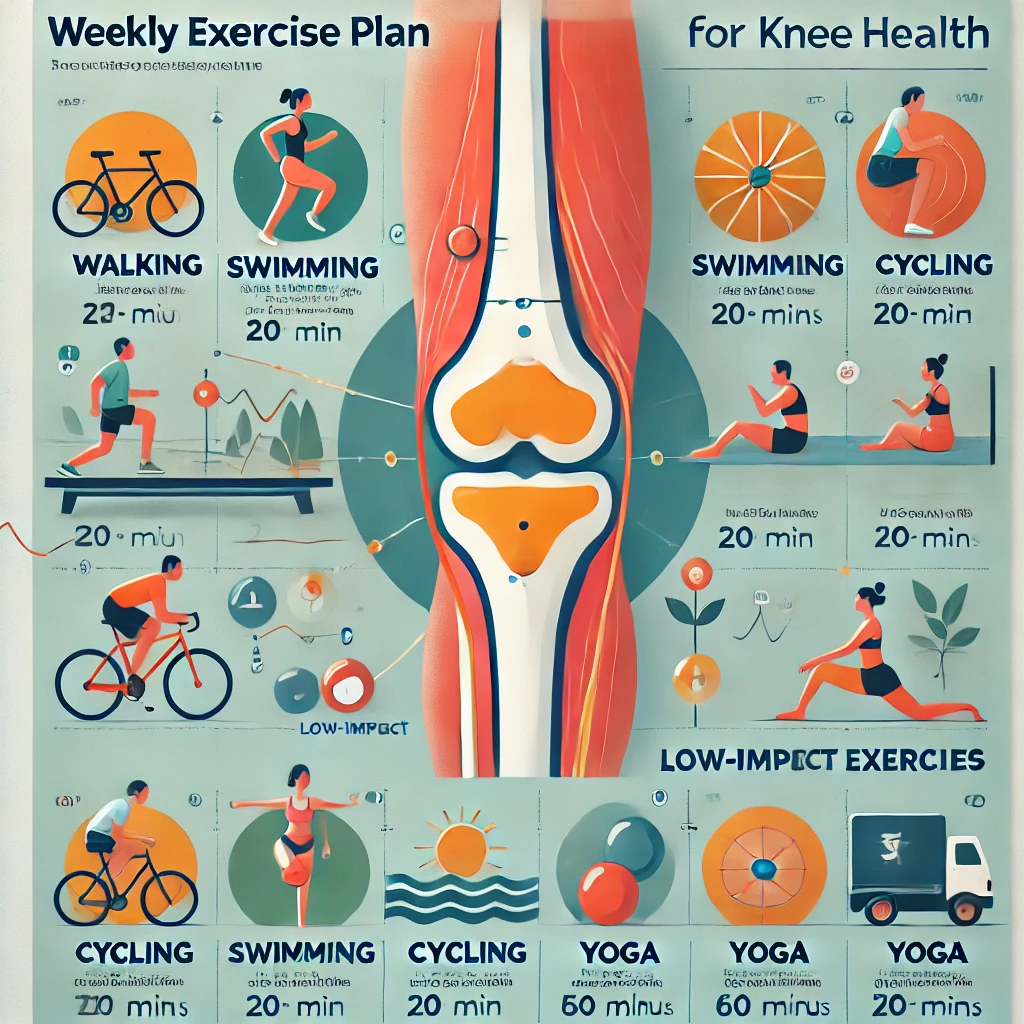
- Low-Impact Activities:
- Swimming
- Cycling
- Elliptical machine workouts
B. Diet and Supplements
- Anti-Inflammatory Diet:
- Omega-3 rich foods (salmon, walnuts, flaxseeds)
- Antioxidant-rich fruits and vegetables (berries, leafy greens)
- Whole grains
- Lean proteins
- Supplements:
- Glucosamine and chondroitin
- Turmeric (curcumin)
- Omega-3 fish oil
- Vitamin D and calcium for bone health
[Image suggestion: A colorful plate showcasing an anti-inflammatory meal]
C. Medical Interventions
- Injections:
- Corticosteroid injections for inflammation
- Hyaluronic acid injections for lubrication
- Platelet-rich plasma (PRP) therapy
- Surgery:
- Arthroscopy for minor repairs
- Partial knee replacement
- Total knee replacement

IV. Alternative and Home Remedies
A. Heat and Cold Therapy
- Cold Therapy: Use for acute injuries and inflammation
- Heat Therapy: Use for chronic pain and stiffness
- Contrast Therapy: Alternating between hot and cold
B. Acupuncture
- Targets specific points on the body to relieve pain
- May help with both acute and chronic knee pain
C. Herbal Remedies
- Turmeric: Contains curcumin, a potent anti-inflammatory compound
- Ginger: Helps reduce inflammation and pain
- Boswellia: An Ayurvedic herb known for its anti-inflammatory properties
[Image suggestion: Infographic on how to make a turmeric latte for knee pain relief]
V. Preventative Measures
A. Maintaining a Healthy Weight
- Calculate your BMI and aim for a healthy range
- Focus on a balanced diet and regular exercise
B. Proper Footwear
- Choose shoes with good arch support
- Consider custom orthotics for better alignment
C. Avoiding Overuse
- Cross-train with different activities to avoid repetitive stress
- Gradually increase intensity and duration of workouts

VI. Expert Advice and Regular Check-ups
A. When to See a Doctor
- Severe pain or swelling
- Inability to bear weight on the knee
- Signs of infection (fever, redness, warmth)
- Pain that doesn’t improve with home treatment
B. Regular Check-ups
- Schedule annual physical exams
- Discuss any changes in knee pain or function
C. Use of Walking Aids
- Proper use of canes and crutches
- Knee braces for support and stability
[Image suggestion: Diagram showing proper technique for using a cane]
VII. Lifestyle Tips for Managing Knee Pain
A. Home Safety
- Install grab bars in the bathroom
- Use non-slip mats in showers and bathtubs
- Ensure good lighting throughout the home
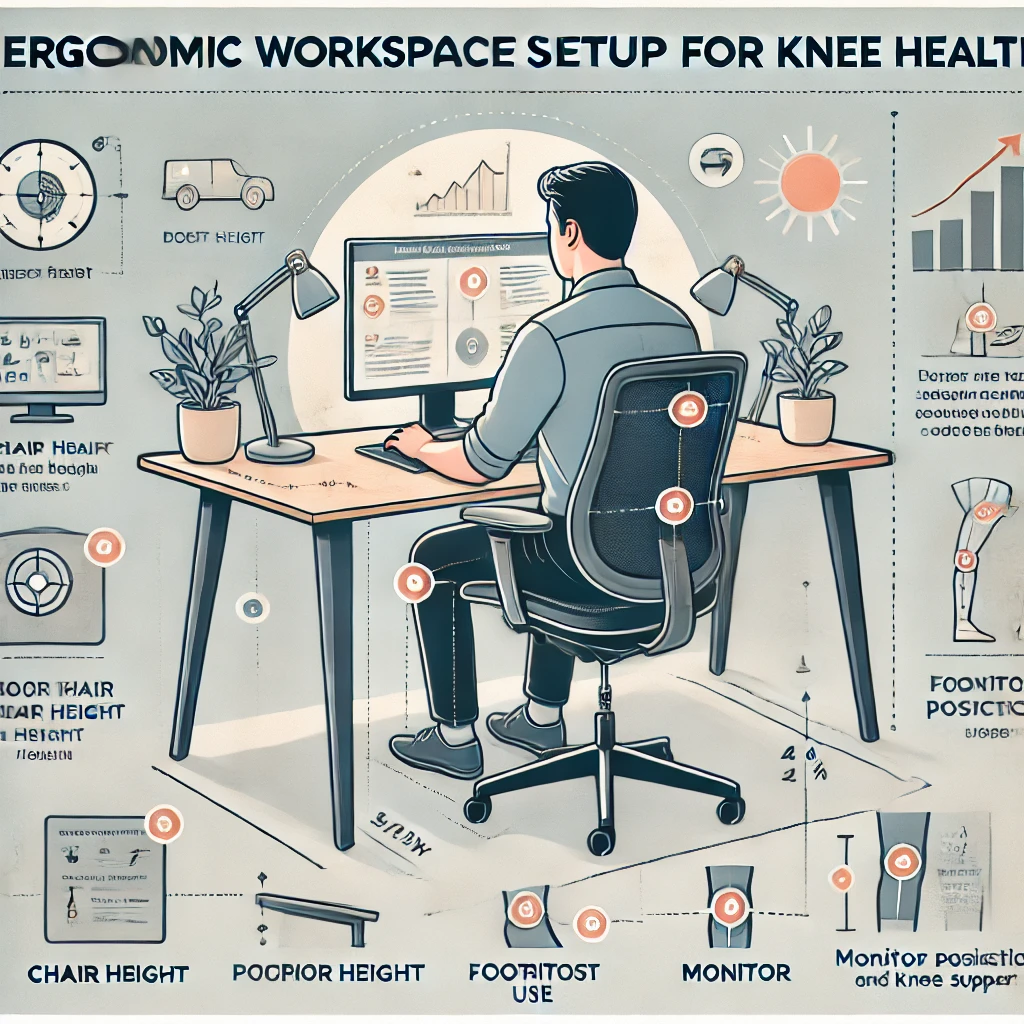
B. Workplace Ergonomics
- Use an ergonomic chair with good lumbar support
- Keep computer screens at eye level to avoid neck strain
- Take regular breaks to stretch and move
C. Sleep Posture
- Use a pillow between your knees when sleeping on your side
- Consider a medium-firm mattress for better support
VIII. Conclusion
Managing knee pain effectively requires a multifaceted approach combining immediate relief techniques, long-term management strategies, and lifestyle modifications. By understanding the causes of knee pain and implementing these various methods, you can significantly improve your knee health and overall quality of life. Remember to consult with healthcare professionals for personalized advice and treatment plans tailored to your specific needs.
Sources:
- Mayo Clinic: Knee pain – Diagnosis and treatment
- NHS: Knee pain
- WebMD: 11 Knee Pain Dos and Don’ts
- American Academy of Orthopaedic Surgeons: Common Knee Injuries
- Arthritis Foundation: How to Get Rid of Knee Pain