9b4587b9 fccb 4fdc a408 446bb925b5a5

How to Stop Knee Pain Instantly: A Comprehensive Guide

Knee pain can significantly impact your daily life, making it essential to find quick and effective relief methods. Whether due to injury, overuse, or underlying conditions, immediate pain management is crucial for maintaining mobility and quality of life. This comprehensive guide provides practical strategies for stopping knee pain instantly and managing it long-term.

I. Understanding Knee Pain

A. Common Causes of Knee Pain

  1. Injury:
    • Sprains and strains
    • Ligament tears (ACL, MCL, PCL)
    • Meniscus tears
    • Fractures
  2. Overuse:
    • Tendonitis (e.g., patellar tendonitis)
    • Bursitis
    • Osteoarthritis
  3. Underlying Conditions:
    • Rheumatoid arthritis
    • Gout
    • Infections (e.g., septic arthritis)
    • Psoriatic arthritis
40ea0e57 53d7 4aaa 99ef be903a5da0a5

B. Symptoms to Watch For

  • Swelling and stiffness
  • Redness and warmth
  • Weakness or instability
  • Inability to fully straighten the knee
  • Popping or crunching noises
  • Fever (in case of infection)
5afc687c 6edf 45e2 88c5 522adcd209d5 1

II. Immediate Relief Methods

A. R.I.C.E. Method

  1. Rest:
    • Avoid putting weight on the affected knee
    • Use crutches or a cane if necessary
  2. Ice:
    • Apply ice packs for 15-20 minutes every 2-3 hours
    • Use a thin towel between the ice and skin to prevent frostbite
  3. Compression:
    • Use an elastic bandage to reduce swelling
    • Ensure it’s not too tight to avoid cutting off circulation
  4. Elevation:
    • Elevate the knee above heart level
    • Use pillows for support while lying down
6ee86b8b f6b5 47e2 91e9 0efa9d3a115d 1

B. Over-the-Counter Medications

  1. NSAIDs:
    • Ibuprofen (Advil, Motrin)
    • Naproxen (Aleve)
    • Aspirin
  2. Topical Analgesics:
    • Lidocaine patches or creams
    • Capsaicin cream
    • Diclofenac gel

Comparison of Over-the-Counter Knee Pain Relievers

MedicationTypeDosageSide Effects
IbuprofenNSAID200-400 mgStomach upset, ulcers
NaproxenNSAID220 mgHeartburn, stomach bleeding
AspirinNSAID325-650 mgStomach irritation, tinnitus
Lidocaine CreamTopicalApply as neededSkin irritation, allergic reaction
Capsaicin CreamTopicalApply as neededBurning sensation, skin redness
Diclofenac GelTopical NSAIDApply as directedSkin irritation, sun sensitivity

C. Gentle Stretches and Exercises

  1. Hamstring Stretch:
    • Sit on the floor with your affected leg straight
    • Reach for your toes, holding for 30 seconds
  2. Quadriceps Stretch:
    • Stand holding onto a chair for balance
    • Bend your affected knee, bringing your heel towards your buttocks
    • Hold for 30 seconds
  3. Knee Bends:
    • Hold onto a chair for support
    • Slowly bend your knees, then straighten
    • Repeat 10 times

[Image suggestion: Illustrations of each stretch and exercise]

III. Long-Term Management Strategies

A. Physical Therapy and Exercise

  1. Strengthening Exercises:
    • Leg raises
    • Wall squats
    • Step-ups
  2. Flexibility Exercises:
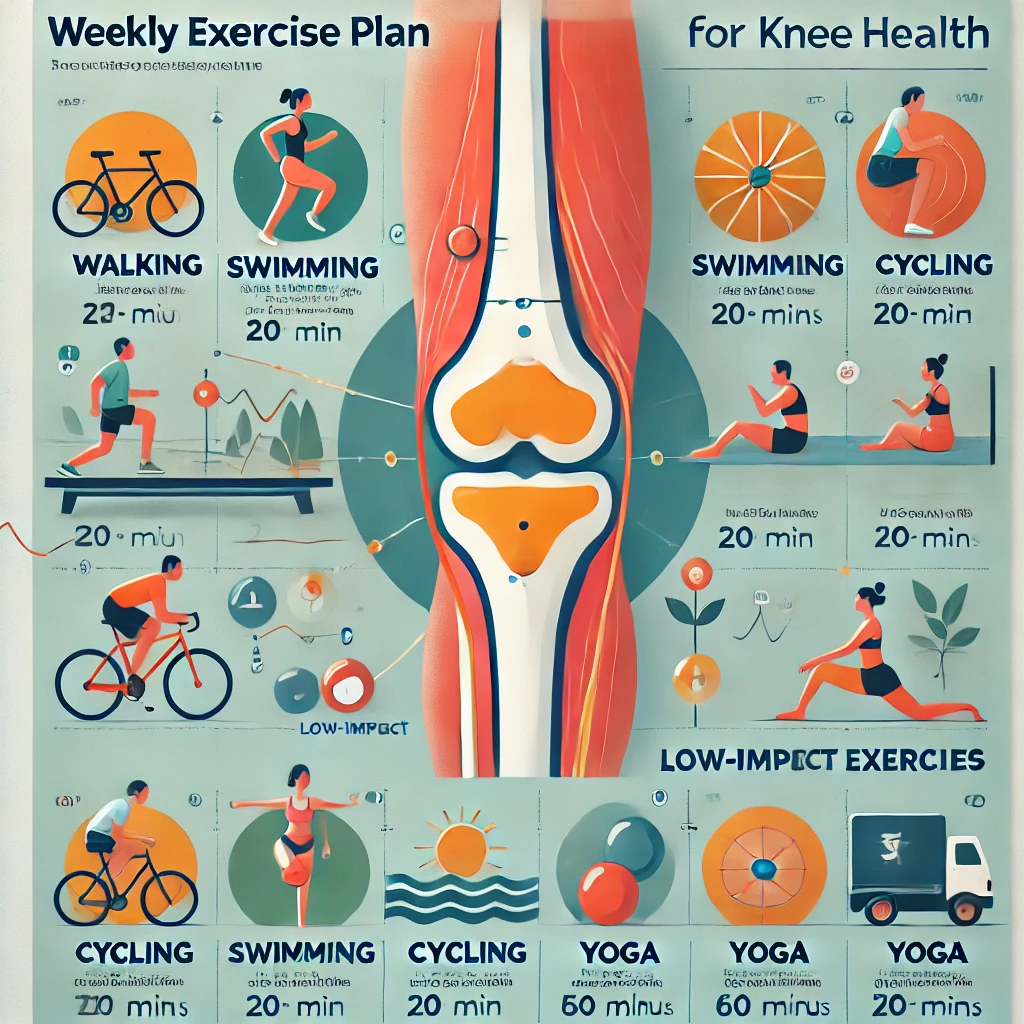
    • Yoga for knee pain
    • Pilates for core strength
  3. Low-Impact Activities:
    • Swimming
    • Cycling
    • Elliptical machine workouts
c74ae0fc 7b48 4788 b4a7 d845471c79d5

B. Diet and Supplements

  1. Anti-Inflammatory Diet:
    • Omega-3 rich foods (salmon, walnuts, flaxseeds)
    • Antioxidant-rich fruits and vegetables (berries, leafy greens)
    • Whole grains
    • Lean proteins
  2. Supplements:
    • Glucosamine and chondroitin
    • Turmeric (curcumin)
    • Omega-3 fish oil
    • Vitamin D and calcium for bone health

[Image suggestion: A colorful plate showcasing an anti-inflammatory meal]

C. Medical Interventions

  1. Injections:
    • Corticosteroid injections for inflammation
    • Hyaluronic acid injections for lubrication
    • Platelet-rich plasma (PRP) therapy
  2. Surgery:
    • Arthroscopy for minor repairs
    • Partial knee replacement
    • Total knee replacement
03b15ea0 689c 4adc 9ae0 c5cfcffa223f 2

IV. Alternative and Home Remedies

A. Heat and Cold Therapy

  • Cold Therapy: Use for acute injuries and inflammation
  • Heat Therapy: Use for chronic pain and stiffness
  • Contrast Therapy: Alternating between hot and cold

B. Acupuncture

  • Targets specific points on the body to relieve pain
  • May help with both acute and chronic knee pain

C. Herbal Remedies

  1. Turmeric: Contains curcumin, a potent anti-inflammatory compound
  2. Ginger: Helps reduce inflammation and pain
  3. Boswellia: An Ayurvedic herb known for its anti-inflammatory properties

[Image suggestion: Infographic on how to make a turmeric latte for knee pain relief]

V. Preventative Measures

A. Maintaining a Healthy Weight

  • Calculate your BMI and aim for a healthy range
  • Focus on a balanced diet and regular exercise

B. Proper Footwear

  • Choose shoes with good arch support
  • Consider custom orthotics for better alignment

C. Avoiding Overuse

  • Cross-train with different activities to avoid repetitive stress
  • Gradually increase intensity and duration of workouts
d4e6bc81 f090 49c6 8081 18443d4cb0aa

VI. Expert Advice and Regular Check-ups

A. When to See a Doctor

  • Severe pain or swelling
  • Inability to bear weight on the knee
  • Signs of infection (fever, redness, warmth)
  • Pain that doesn’t improve with home treatment

B. Regular Check-ups

  • Schedule annual physical exams
  • Discuss any changes in knee pain or function

C. Use of Walking Aids

  • Proper use of canes and crutches
  • Knee braces for support and stability

[Image suggestion: Diagram showing proper technique for using a cane]

VII. Lifestyle Tips for Managing Knee Pain

A. Home Safety

  • Install grab bars in the bathroom
  • Use non-slip mats in showers and bathtubs
  • Ensure good lighting throughout the home

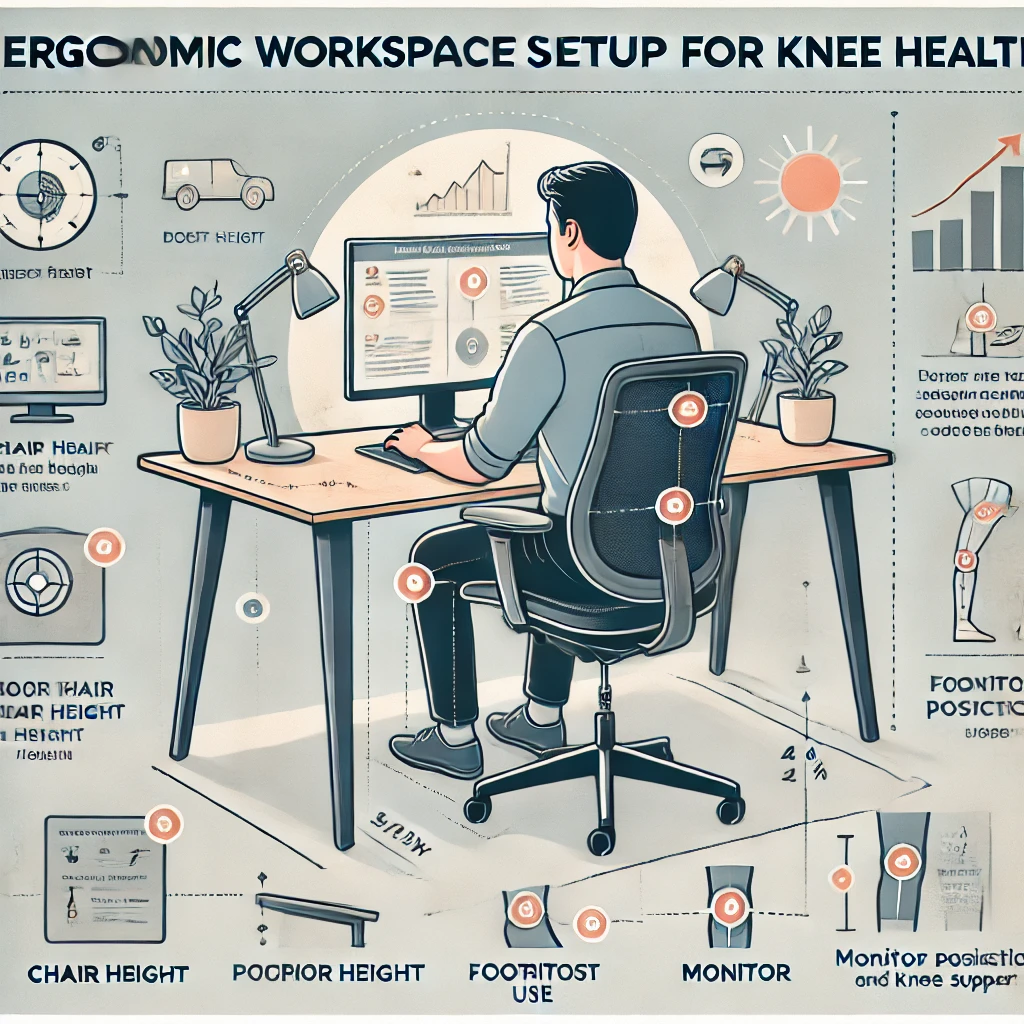
B. Workplace Ergonomics

  • Use an ergonomic chair with good lumbar support
  • Keep computer screens at eye level to avoid neck strain
  • Take regular breaks to stretch and move

C. Sleep Posture

  • Use a pillow between your knees when sleeping on your side
  • Consider a medium-firm mattress for better support
b9d83380 edc9 4858 a7c9 ab130ba81ced

VIII. Conclusion

Managing knee pain effectively requires a multifaceted approach combining immediate relief techniques, long-term management strategies, and lifestyle modifications. By understanding the causes of knee pain and implementing these various methods, you can significantly improve your knee health and overall quality of life. Remember to consult with healthcare professionals for personalized advice and treatment plans tailored to your specific needs.


Sources:

Similar Posts

  • Safeguard Your Knee Health Program from DMCA

    Did you know that the internet has made it easier than ever for unauthorized users to infringe upon your knee health program’s copyright? With the widespread availability of digital content, protecting your program from DMCA infringement is more crucial than ever before. Unauthorized use not only compromises the integrity of your program but also poses…

  • | |

    Which sports have Which sports have the most ACL tears??

        Image by South_agency from Getty Images Signature from Canva Pro The greatest risk of anterior cruciate ligament injuries or ACL injuries is for people who participate in sports that involve a lot of changing direction, twisting and jumping.1 Females are 2-8 times more likely to injure their ACL compared to males. Read this…

  • Exploring Anterior Knee Pain: Causes and Remedies

    Anterior knee pain is a common condition that can have a significant impact on an individual’s quality of life. Understanding the causes and remedies for anterior knee pain is essential for effective management and treatment. In this article, we will explore the anatomy of the knee joint, the various causes of anterior knee pain, risk…

  • Overcoming Knee Pain for Personal Growth

    Managing knee pain is crucial for individuals who are determined to achieve personal growth despite physical obstacles. We understand that knee pain can be a significant barrier to pursuing personal development and can impact various aspects of life. However, with the right strategies and treatments, it is possible to overcome knee pain and find balance…

  • |

    Driving after knee surgery

    What’s the one thing nearly 1.5 million Americans who had a procedure in 2022 desperately want to know? For most, it’s about reclaiming their independence and getting back to their normal routine. We recognize that a total joint replacement is a major event. It significantly impacts your daily mobility and overall sense of freedom. It’s completely natural to look forward to resuming all your regular activities once the operation is complete. driving after knee surgery Our goal is to equip you with clear, reliable information to navigate your healing journey safely. Understanding your personal recovery timeline is not just about convenience—it’s crucial for ensuring the safety of everyone on the road. We will explore the critical physical and mental factors that determine true readiness. This knowledge helps you make informed decisions alongside your medical team. Key Takeaways Regaining the ability to operate a vehicle is a common and important milestone after a major orthopedic procedure. Safety for yourself and others is the paramount concern when considering a return to this activity. Your specific recovery timeline is unique and depends on multiple factors, including which leg was operated on. Medication use, muscle strength, and pain levels are all critical indicators of your readiness. Consulting with your surgeon for a personalized assessment is an essential step before you resume. Being patient with your body during the healing process leads to better long-term outcomes. Planning for assistance with transportation in the initial weeks post-procedure is highly recommended. Understanding Knee Replacement and Recovery Robotically assisted surgery is revolutionizing how patients recover from joint procedures. Specialists like Dr. Jacob in Oklahoma City utilize these minimally invasive, rapid recovery techniques. Their goal is to help individuals return to their daily activities with less discomfort. What Is a Knee Replacement? A total knee replacement, or arthroplasty, is a highly successful procedure. It involves removing damaged tissue and bone from the joint. Surgeons then replace them with durable artificial components. This replacement surgery is typically performed when arthritis or injury severely limits natural mobility. The artificial joint restores smooth movement and alleviates pain. For many, it’s a life-changing operation. knee replacement surgery Overview of the Recovery Process The rehabilitation phase after a knee replacement requires patience. Patients often experience temporary weakness and a limited range of motion initially. This is a normal part of healing from the invasive surgery. Most people find this replacement surgery significantly improves their function. It allows them to eventually return to the activities they enjoy. We emphasize that a personalized recovery plan is key. Recovery Phase Primary Focus Typical Timeline Early (Weeks 1-2) Pain management, basic mobility, wound healing 1-2 weeks post-op Middle (Weeks 3-6) Building strength, improving range of motion 3-6 weeks post-op Late (Months 2-6+) Returning to normal activities, endurance building 2 months and beyond Understanding these phases helps set realistic expectations. Modern techniques aim to accelerate this recovery timeline. Working closely with your care team ensures the best outcome from your knee replacement surgery. Driving after knee surgery: Key Considerations Resuming control behind the wheel is a major milestone that hinges on two critical factors: medication management and physical rehabilitation. Your personal safety and the safety of others depend on an honest evaluation of both. pain medication and physical therapy for driving readiness We cannot overstate the importance of this dual assessment. It forms the foundation for a confident and secure return to operating a vehicle. Impact of Pain Medication on Driving Narcotic pain medication is a standard part of post-operative care. However, these drugs significantly dull mental alertness and slow reaction times. It is both illegal and dangerous to get behind the wheel while under their influence. Your ability to focus on complex traffic situations is compromised. You must be completely off such pain medication before considering any trip. Even lingering pain can be a dangerous distraction if it’s severe….

Leave a Reply

Your email address will not be published. Required fields are marked *