Tag: Joint inflammation

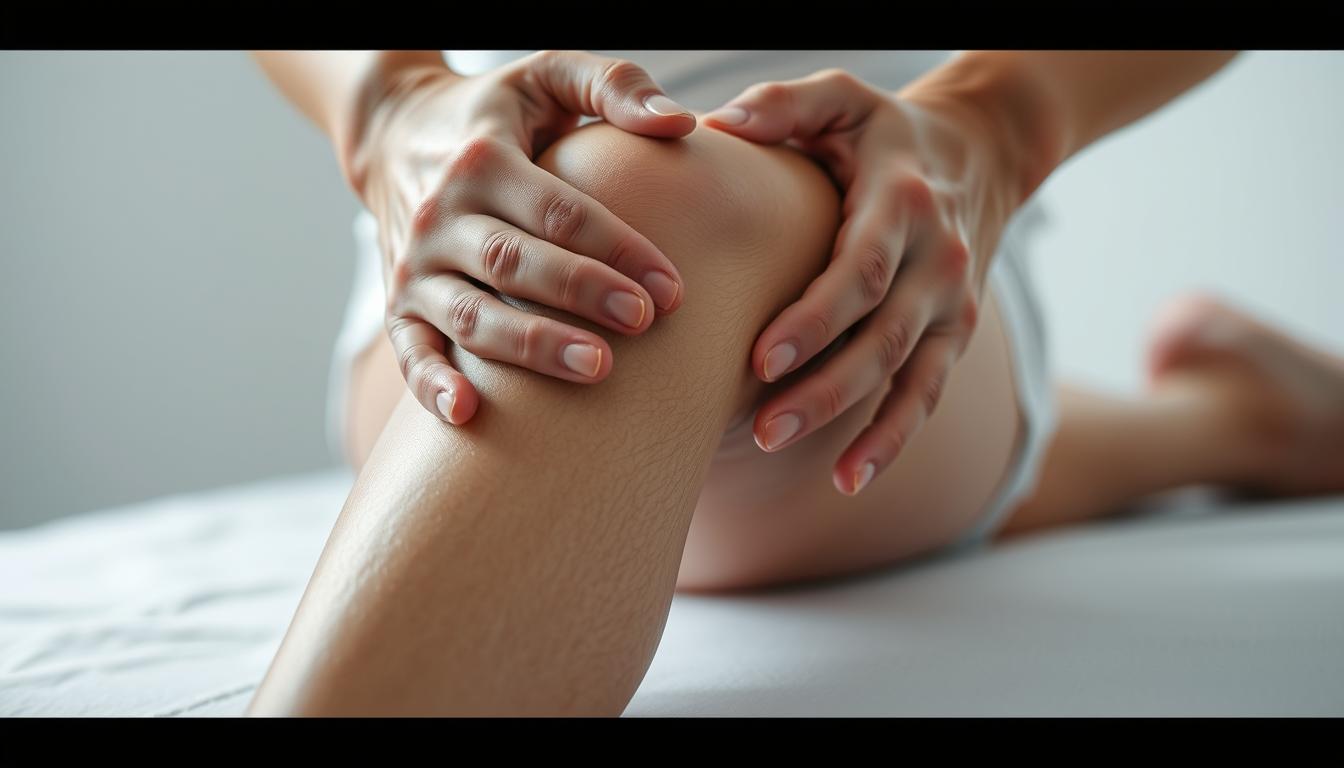
  • Knee Effusion Massage Techniques

    Knee Effusion Massage Techniques

    Are you experiencing discomfort and swelling in your knee joint? Excess fluid accumulation can be a challenging condition to manage, but there are effective ways to alleviate the symptoms.

    Knee effusion relief is possible through various methods, including massage therapy. By applying specific techniques, individuals can promote healing and reduce discomfort.

    This article will explore the benefits of massage techniques in managing knee effusion and provide an overview of what to expect from this therapeutic approach.

    Key Takeaways

    • Understanding knee effusion and its causes
    • The role of massage therapy in effusion relief
    • Benefits of massage techniques for knee health
    • What to expect from massage therapy for knee effusion
    • Promoting overall knee health through massage

    Understanding Knee Effusion and Its Causes

    Understanding knee effusion is crucial for effective management and treatment of knee-related issues. Knee effusion, characterized by an abnormal accumulation of fluid in the knee joint, can result from a variety of causes, including injuries, arthritis, and infections.

    What Is Knee Effusion?

    Knee effusion, also known as water on the knee, occurs when there’s an excess of fluid in the knee joint. This condition can lead to swelling, pain, and limited mobility. The knee joint is a complex structure comprising bones, ligaments, and tendons, all of which can be affected by effusion.

    The symptoms of knee effusion can vary, but common signs include swelling around the knee, pain or tenderness, and a feeling of stiffness or instability in the knee. In some cases, the knee may feel warm to the touch or appear red.

    Common Causes of Knee Effusion

    Knee effusion can result from various factors, including:

    • Injuries: Trauma to the knee, such as ligament sprains or tears, fractures, or meniscal tears, can lead to effusion.
    • Arthritis: Conditions like osteoarthritis, rheumatoid arthritis, and gout can cause knee effusion due to inflammation and joint damage.
    • Infections: Bacterial or viral infections within the knee joint can cause effusion, often accompanied by other symptoms like fever and redness.
    • Other Conditions: Certain conditions, such as bursitis or tendinitis, can also contribute to knee effusion.

    Understanding the underlying cause of knee effusion is essential for determining the most effective treatment plan, which may include knee swelling massage as part of a comprehensive approach to managing the condition.

    Benefits of Massage for Knee Effusion

    Massage therapy offers numerous benefits for individuals suffering from knee effusion, including pain relief and improved mobility. By applying various massage techniques, individuals can experience significant improvements in their condition.
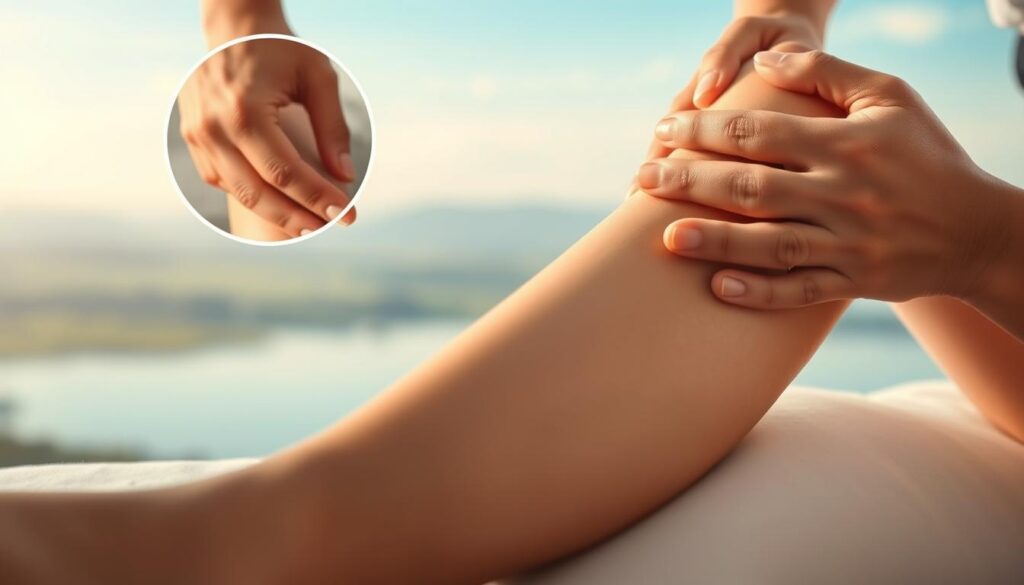
    knee effusion relief

    Pain Relief through Massage

    One of the primary benefits of massage therapy for knee effusion is pain relief. Massage helps to reduce pain by increasing blood flow to the affected area, relaxing the muscles, and releasing tension. Techniques such as effleurage and petrissage can be particularly effective in achieving pain relief.

    By reducing pain, individuals can regain functionality and mobility in their knee, improving their overall quality of life. Regular massage sessions can lead to sustained pain relief, making it a valuable component of a comprehensive treatment plan for knee effusion.

    Improved Range of Motion

    Massage therapy also contributes to an improved range of motion in the knee. By breaking down adhesions and scar tissue, massage helps to restore normal movement patterns. This is particularly beneficial for individuals with knee effusion, as the condition often results in stiffness and reduced mobility.

    Through regular massage, individuals can experience enhanced flexibility and a greater range of motion, facilitating everyday activities and reducing the risk of further injury.

    Reducing Swelling

    Another significant benefit of massage for knee effusion is the reduction of swelling. Techniques such as manual lymphatic drainage can help to promote the removal of excess fluid from the knee, thereby reducing swelling and inflammation.

    By incorporating massage into their treatment regimen, individuals can potentially reduce the severity of knee effusion symptoms, leading to improved comfort and function.

    Preparing for a Knee Massage

    Before diving into a knee massage, it’s crucial to prepare adequately to ensure effectiveness and safety. Proper preparation can significantly enhance the benefits of the massage, whether you’re addressing knee effusion or other knee-related issues.

    Necessary Tools and Equipment

    To perform a knee massage effectively, you’ll need a few basic tools and equipment. These may include massage oil or lotion to reduce friction, a massage table or a comfortable surface to lie on, and possibly a foam roller or massage ball for self-massage techniques.

    Essential Tools:

    • Massage oil or lotion
    • Massage table or comfortable surface
    • Foam roller or massage ball
    Tool/Equipment Purpose
    Massage Oil/Lotion Reduces friction, allowing for smoother massage strokes
    Massage Table/Comfortable Surface Provides support and comfort during the massage
    Foam Roller/Massage Ball Aids in self-massage, targeting specific areas of tension

    Finding a Comfortable Space

    Creating a comfortable and relaxing environment is vital for an effective knee massage. This involves choosing a quiet, warm space where you can relax without distractions.

    Tips for a Comfortable Space:

    • Minimize noise and distractions
    • Maintain a comfortable temperature
    • Use a comfortable surface or massage table

    Warm-Up Techniques

    Before starting the massage, incorporating warm-up techniques can help increase blood flow to the area and prepare the muscles for the massage. Simple exercises or light cardio can serve as effective warm-ups.

    Warm-Up Exercises:

    • Light cardio, such as walking or cycling
    • Gentle stretching of the knee and surrounding areas

    Basic Massage Techniques for Knee Effusion

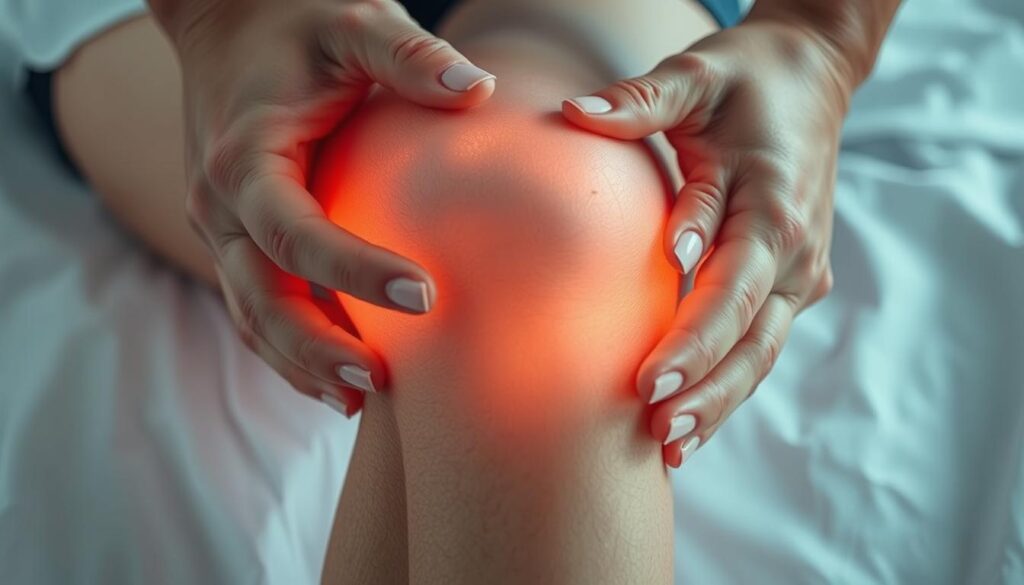
    Basic massage techniques can significantly alleviate the discomfort associated with knee effusion. These techniques not only help in reducing swelling but also improve the overall mobility of the knee.
    knee effusion massage techniques

    There are several massage techniques that can be employed to manage knee effusion effectively. The following sections will delve into the specifics of these techniques.

    Effleurage: Gentle Stroking

    Effleurage is a gentle stroking technique that is often used at the beginning of a massage session to warm up the tissue. It involves long, flowing strokes that can be performed in the direction of the muscle fibers or in a circular motion. This technique helps in increasing blood flow to the area, thereby promoting healing and reducing stiffness.

    Petrissage: Kneading Techniques

    Petrissage involves kneading the affected area to help break down adhesions and promote lymphatic drainage. This technique can be particularly beneficial for individuals with knee effusion as it aids in reducing swelling and improving tissue mobility. The kneading motion should be gentle yet firm to be effective.

    Frictions: Deep Tissue Focus

    Frictions are deep, specific strokes applied across the grain of the muscle fibers, tendons, or ligaments. This technique is particularly useful for targeting areas of tension and scar tissue that may be contributing to knee effusion. By applying frictions, one can help break down these adhesions, thereby improving knee function and reducing pain.

    By incorporating these basic massage techniques into a regular routine, individuals can potentially experience significant relief from knee effusion symptoms. It’s essential to be consistent and patient, as massage therapy is most effective when performed regularly.

    Advanced Massage Techniques

    Beyond basic massage, advanced techniques such as manual lymphatic drainage and trigger point therapy can provide substantial relief for knee effusion sufferers. These methods can be particularly effective when combined with other treatments, enhancing overall knee health and function.

    Manual Lymphatic Drainage

    Manual lymphatic drainage is a gentle massage technique that encourages the removal of excess fluids from the affected area, potentially reducing swelling associated with knee effusion. By stimulating the lymph nodes, this technique aids in the body’s natural detoxification process, promoting healing and reducing inflammation.

    Trigger Point Therapy

    Trigger point therapy involves applying pressure to specific areas of the muscle to alleviate pain and stiffness. For knee effusion, this can mean targeting the muscles around the knee to reduce tension and improve mobility. Regular application of trigger point therapy can lead to significant improvements in knee function and a reduction in pain.

    Myofascial Release

    Myofascial release is a technique that targets the fascia, the connective tissue surrounding muscles. By applying sustained pressure, myofascial release can help reduce fascial restrictions, improving range of motion and reducing pain associated with knee effusion. This technique can be particularly beneficial when combined with other massage methods.

    By incorporating these advanced massage techniques into a treatment plan, individuals with knee effusion can potentially experience enhanced relief and improved knee function. It’s essential to consult with a healthcare professional before starting any new therapy to ensure it’s appropriate for your specific condition.

    Self-Massage Techniques for Knee Effusion

    Self-massage techniques provide an accessible means of managing knee effusion symptoms at home. By utilizing simple tools and methods, individuals can alleviate discomfort and improve knee function.

    Using a Foam Roller

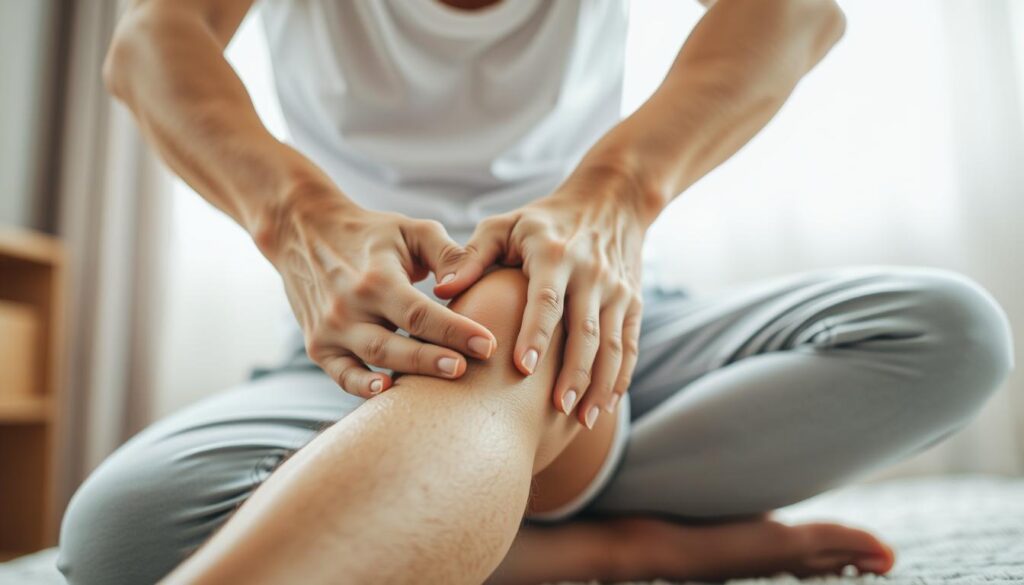
    A foam roller can be an effective tool for massaging the knee area. To use a foam roller for knee effusion relief, start by positioning the roller under your knee and gently rolling back and forth. This technique helps to loosen tight muscles and improve circulation. For more information on foam rolling techniques, you can refer to resources like the American Massage Therapy Association.
    knee effusion relief techniques

    The Role of Massage Balls

    Massage balls offer another effective means of targeting specific areas around the knee. By applying pressure with a massage ball, individuals can release tension in the surrounding muscles, thereby reducing swelling and pain associated with knee effusion.

    Simple Hand Techniques

    For those without access to tools like foam rollers or massage balls, simple hand techniques can provide significant relief. Gently stroking or kneading the area around the knee can help reduce swelling and promote healing. It’s essential to be gentle, as knee effusion can make the area sensitive.

    “Massage therapy, including self-massage, is a valuable adjunct to other treatments for knee effusion,” notes a study on massage therapy benefits. “It can help in reducing pain and improving function.”

    When to Seek Professional Help

    While self-massage techniques can be beneficial for managing knee effusion, there are instances where seeking professional help is essential. Understanding the signs that indicate the need for professional assistance is crucial for effective knee effusion management.

    Signs Indicating the Need for a Therapist

    Certain symptoms and conditions may necessitate seeking help from a qualified massage therapist or healthcare professional. These include:

    • Persistent or severe knee pain
    • Significant swelling or inflammation that does not improve with self-care
    • Reduced mobility or stiffness in the knee joint
    • Recent trauma or injury to the knee

    If you experience any of these symptoms, it is advisable to consult a professional for a thorough assessment and appropriate treatment.

    How to Choose a Qualified Massage Therapist

    Selecting a qualified massage therapist is vital for effective knee effusion treatment. Consider the following factors when making your choice:

    Criteria Description
    Qualifications and Certifications Ensure the therapist has relevant qualifications and certifications in massage therapy.
    Experience Look for therapists with experience in treating knee effusion or similar conditions.
    Client Reviews and Referrals Check for positive reviews and ask for referrals from trusted sources.

    By carefully evaluating these factors, you can find a qualified massage therapist who can provide effective treatment for knee effusion.

    In conclusion, knowing when to seek professional help and how to choose a qualified massage therapist are essential components of effective knee effusion management. By being aware of the signs that indicate the need for professional assistance and selecting a therapist based on relevant criteria, individuals can receive the appropriate care needed to alleviate symptoms and improve knee health.

    Safety Precautions during Massage

    To ensure a safe and effective knee massage experience, certain precautions must be taken. When performing knee swelling massage, it’s essential to be mindful of the techniques and pressure applied to avoid causing further irritation or injury.

    Avoiding Irritation and Pain

    One of the primary concerns during massage therapy for reducing knee effusion is avoiding actions that could irritate the knee further or cause pain. Gentle, controlled movements are recommended, especially in the initial stages of massage.

    It’s also crucial to communicate with the person receiving the massage, ensuring that they are comfortable and not experiencing undue pain. If pain is reported, the technique or pressure should be adjusted accordingly.

    Techniques to Reduce Pressure

    Several techniques can help reduce pressure during a knee massage. Using gentle stroking motions, such as effleurage, can be an effective way to begin the massage without applying too much pressure.

    Additionally, incorporating manual lymphatic drainage can help in reducing swelling without exerting excessive pressure on the knee.

    Time Limits on Massage Sessions

    It’s also important to consider the duration of the massage session. Initially, sessions should be relatively short, around 10-15 minutes, to gauge the knee’s response to the massage.

    As the knee becomes more tolerant, the session duration can be gradually increased. However, it’s crucial to monitor the knee’s condition and adjust the massage duration accordingly to avoid overexertion.

    Incorporating Other Treatments with Massage

    For comprehensive management of knee effusion, it’s beneficial to integrate massage with other treatments. This multi-faceted approach can enhance knee effusion relief and improve overall knee joint health.

    Stretching and Strengthening Exercises

    Stretching and strengthening exercises play a crucial role in managing knee effusion. Gentle stretching can improve flexibility and range of motion, while strengthening the muscles around the knee provides additional support and stability. Exercises such as straight leg raises, quad sets, and hamstring curls are beneficial.

    It’s essential to start with low-intensity exercises and gradually increase the intensity based on comfort and pain levels. Consulting with a healthcare professional or physical therapist can help tailor an exercise program that suits individual needs.

    Cold and Heat Therapy

    Cold and heat therapy are simple yet effective treatments that can be used in conjunction with massage. Cold therapy, or cryotherapy, helps reduce inflammation and pain by constricting blood vessels. Heat therapy, on the other hand, promotes blood flow and relaxes muscles, aiding in the healing process.

    Alternating between cold and heat therapy can provide optimal benefits. Typically, cold therapy is recommended during the acute phase of injury, while heat therapy is more beneficial during the recovery phase.

    Dietary Considerations

    Dietary adjustments can also play a significant role in managing knee effusion. Consuming a balanced diet rich in anti-inflammatory foods such as omega-3 fatty acids, antioxidants, and fiber can help reduce inflammation. Foods like fatty fish, nuts, seeds, and leafy greens are beneficial.

    Staying hydrated is equally important, as it helps maintain joint lubrication and overall health. Limiting processed foods and those high in sugar and salt can further contribute to reducing inflammation and promoting healing.

    By incorporating these treatments alongside massage therapy, individuals can experience enhanced knee joint massage for effusion benefits, leading to improved knee health and function.

    Conclusion: Maximizing the Benefits of Knee Effusion Massage

    Effective knee effusion management involves a combination of techniques, including massage, to alleviate symptoms and improve quality of life. By incorporating knee effusion massage techniques into your routine, you can experience significant benefits.

    Key Takeaways

    The various massage techniques discussed, such as effleurage, petrissage, and manual lymphatic drainage, can be used to relieve pain, improve range of motion, and reduce swelling. Consistency is key to maximizing the benefits of these techniques.

    Maintaining Progress

    To achieve optimal results, it’s essential to practice self-care and maintain consistency in your massage routine. By doing so, you can effectively manage knee effusion and improve your overall well-being. Regular practice of knee effusion massage techniques can lead to better knee effusion management.

    FAQ

    What is knee effusion?

    Knee effusion, also known as water on the knee, is a condition characterized by the accumulation of excess fluid in the knee joint, leading to swelling and discomfort.

    How can massage help with knee effusion?

    Massage can help alleviate knee effusion by promoting lymphatic drainage, reducing swelling, relieving pain, and improving range of motion.

    What are some basic massage techniques for knee effusion?

    Basic massage techniques for knee effusion include effleurage (gentle stroking), petrissage (kneading), and frictions (deep tissue focus), which can help reduce swelling and promote healing.

    Can I perform self-massage for knee effusion?

    Yes, self-massage techniques such as using a foam roller, massage balls, and simple hand techniques can be effective in managing knee effusion.

    When should I seek professional help for knee effusion?

    You should seek professional help if you experience persistent or severe knee effusion, or if you have signs of infection, such as redness, warmth, or fever.

    How do I choose a qualified massage therapist?

    To choose a qualified massage therapist, look for someone with proper training, certification, and experience in treating knee effusion and related conditions.

    Are there any safety precautions I should take during massage for knee effusion?

    Yes, it’s essential to avoid irritation and pain, use techniques to reduce pressure, and limit massage sessions to avoid exacerbating the condition.

    Can I combine massage with other treatments for knee effusion?

    Yes, incorporating other treatments such as stretching and strengthening exercises, cold and heat therapy, and dietary considerations can provide comprehensive management of knee effusion.

    How can I reduce knee swelling through massage?

    Techniques such as manual lymphatic drainage and gentle stroking can help reduce knee swelling by promoting the removal of excess fluid.

    What is the role of dietary considerations in managing knee effusion?

    Dietary considerations, such as maintaining a healthy weight and consuming anti-inflammatory foods, can help alleviate knee effusion by reducing pressure on the knee joint and promoting overall health.

    How often should I perform self-massage for knee effusion?

    The frequency of self-massage depends on the severity of your condition and your individual needs, but consistency is key to maximizing the benefits of knee effusion massage.
  • Knee Osteoarthritis and Weather Changes

    Knee Osteoarthritis and Weather Changes

    Can a change in the weather really affect the pain and discomfort associated with knee osteoarthritis? Many people suffering from this degenerative joint disease claim that weather changes exacerbate their symptoms. But is there any truth to this common belief?

    Knee osteoarthritis is a widespread condition that affects millions worldwide, causing pain, stiffness, and reduced mobility. Research has been conducted to understand the relationship between weather changes and the symptoms of knee osteoarthritis.

    Studies have shown that certain weather conditions can indeed impact the severity of symptoms experienced by individuals with knee osteoarthritis. Understanding this relationship can be crucial for managing knee osteoarthritis effectively.

    Key Takeaways

    • Weather changes can affect knee osteoarthritis symptoms.
    • Knee osteoarthritis is a degenerative joint disease affecting millions worldwide.
    • Research indicates a link between certain weather conditions and the severity of knee osteoarthritis symptoms.
    • Understanding this relationship is key to managing the condition.
    • Effective management of knee osteoarthritis can improve quality of life.
    • Healthy living strategies can help alleviate symptoms.

    Understanding Knee Osteoarthritis: An Overview

    Understanding knee osteoarthritis requires a comprehensive look at its causes, symptoms, and treatment options. Knee osteoarthritis is a degenerative joint disease that affects millions worldwide, causing significant discomfort and disability.

    What is Knee Osteoarthritis?

    Knee osteoarthritis is characterized by the gradual breakdown of cartilage in the knee joint. According to recent studies, this condition leads to symptoms such as pain, stiffness, and swelling. Dr. Armin Tehrany, a top New York orthopedic surgeon, explains that knee osteoarthritis is a result of the wear and tear of the joint cartilage.

    Symptoms and Diagnosis

    The symptoms of knee osteoarthritis can vary from person to person but typically include pain during movement, stiffness, especially after periods of rest, and swelling around the knee. Diagnosis involves a combination of physical examination, medical history, and imaging tests such as X-rays or MRI scans to assess the extent of cartilage damage and rule out other causes of knee pain.

    Early diagnosis is crucial for effective management of knee osteoarthritis, allowing for timely intervention to slow disease progression and improve quality of life.

    Treatment Options

    Treatment for knee osteoarthritis focuses on relieving symptoms, improving joint function, and enhancing quality of life. Options range from conservative management, including lifestyle modifications and physical therapy, to pharmacological interventions such as pain relievers and corticosteroid injections. In advanced cases, surgical options like knee replacement may be considered.

    • Lifestyle changes, including weight management and exercise
    • Physical therapy to improve joint mobility and strength
    • Medications for pain relief and inflammation reduction

    Understanding these treatment options is essential for individuals to make informed decisions about their care, in consultation with healthcare professionals.

    How Weather Affects Joint Pain

    Changes in weather have been observed to affect joint pain in many people, but the reasons behind this phenomenon are still not fully understood. Research suggests that there is a correlation between certain weather conditions and the severity of joint pain experienced by individuals with knee osteoarthritis.

    The Science Behind Weather Changes

    The exact mechanisms by which weather changes impact joint pain are complex and multifaceted. Several factors are believed to contribute to this phenomenon, including changes in temperature, humidity, and barometric pressure.

    Temperature fluctuations can cause the fluid within the joints to thicken or thin, potentially affecting the level of pain experienced. Humidity can also play a role, as high humidity may lead to increased inflammation, while low humidity can cause dryness and irritation in the joints.

    weather impact on knee pain

    Weather Condition Potential Impact on Joint Pain
    Cold Temperatures Increased pain due to thickening of joint fluid
    High Humidity Increased inflammation and pain
    Low Barometric Pressure Expansion of joint tissues, potentially causing pain

    Specific Weather Conditions That Impact Pain

    Different weather conditions can have varying effects on joint pain. Understanding these conditions can help individuals with knee osteoarthritis better manage their symptoms.

    • Cold weather: Cold temperatures can cause the muscles and tendons to contract, leading to increased pain and stiffness.
    • High humidity: High humidity can lead to increased inflammation and swelling in the joints, exacerbating pain.
    • Changes in barometric pressure: Drops in barometric pressure can cause the tissues in the joints to expand, potentially leading to pain and discomfort.

    By understanding the relationship between weather changes and joint pain, individuals with knee osteoarthritis can take proactive steps to manage their symptoms and improve their quality of life.

    Cold Weather and Its Implications

    For individuals living with knee osteoarthritis, cold weather can be more than just a seasonal discomfort. The cold can significantly impact the symptoms of knee osteoarthritis, making it essential to understand why this happens and how to manage it effectively.

    Why Cold Might Worsen Symptoms

    Cold weather is believed to worsen knee osteoarthritis symptoms due to several factors. One theory is that cold temperatures cause the fluid in the joints to thicken, making the joints stiffer and more painful. Additionally, cold weather can lead to increased inflammation and pain in the joints.

    Managing knee osteoarthritis during cold weather requires a proactive approach. This includes staying warm, exercising regularly, and using heat therapy to relieve pain and stiffness.

    Tips for Managing Cold-Weather Discomfort

    There are several strategies that can help alleviate knee osteoarthritis symptoms during cold weather. These include:

    • Staying warm by dressing in layers and using heating pads or warm baths to relax the muscles and increase blood flow.
    • Exercising regularly, such as through low-impact activities like swimming or cycling, to maintain joint mobility and strength.
    • Using natural remedies for arthritis, such as topical creams or supplements, to help manage pain and inflammation.

    By adopting these strategies, individuals with knee osteoarthritis can better manage their symptoms during cold weather and improve their overall quality of life.

    The Role of Humidity in Knee Osteoarthritis

    Many people with knee osteoarthritis report that their symptoms are affected by changes in humidity. Understanding this relationship can help individuals better manage their condition.

    High Humidity and Joint Pain

    Research suggests that high humidity may be associated with increased joint pain for some individuals. The exact mechanisms are not fully understood, but it’s believed that changes in humidity can affect the joints.

    Potential Effects of High Humidity:

    • Increased stiffness in the joints
    • Enhanced pain perception
    • Swelling due to changes in atmospheric pressure

    For those living with knee osteoarthritis, being aware of these potential effects can be the first step towards mitigating their impact.

    humidity and arthritis symptoms

    Strategies for Humid Days

    Managing knee osteoarthritis symptoms on humid days requires a combination of lifestyle adjustments and proactive measures. According to experts, staying hydrated is crucial, as it helps maintain joint health. For more information on managing pain, you can visit arthritis.org.

    Effective Strategies:

    Strategy Description Benefits
    Staying Hydrated Drinking plenty of water Maintains joint health, reduces stiffness
    Using Air Conditioning Keeping indoor humidity low Reduces discomfort, minimizes swelling
    Avoiding Strenuous Activities Limiting heavy exercise on humid days Prevents exacerbating pain, conserves energy

    By implementing these strategies, individuals with knee osteoarthritis can better cope with the challenges posed by high humidity.

    Barometric Pressure: The Hidden Factor

    Barometric pressure, or the pressure exerted by the weight of the atmosphere, has been linked to variations in knee osteoarthritis pain. This concept, though less commonly discussed than temperature or humidity, plays a significant role in understanding weather-related pain.

    Understanding Barometric Pressure

    Barometric pressure refers to the weight of the atmosphere on the Earth’s surface. It changes with weather conditions and altitude. Changes in barometric pressure have been associated with various health effects, including joint pain. Research into the exact mechanisms is ongoing, but it’s believed that changes in pressure may cause expansion or contraction of tissues, potentially irritating joints.

    Impact on Joints

    The exact way barometric pressure affects knee osteoarthritis is not fully understood, but several theories exist. One theory is that changes in pressure may cause the fluid within the joints to expand or contract, irritating the joint and causing pain. Another theory suggests that the nerves around the joint may be sensitive to pressure changes, leading to pain perception.

    “Some people with arthritis report that their symptoms worsen with changes in weather, particularly when there’s a drop in barometric pressure.”

    While individual responses to barometric pressure changes can vary, being aware of these changes can help individuals with knee osteoarthritis better manage their symptoms. Monitoring weather forecasts for changes in barometric pressure can be a useful strategy in anticipating and mitigating potential discomfort.

    The Impact of Seasonal Changes

    As the seasons change, individuals with knee osteoarthritis often notice fluctuations in their symptoms. This variation can be attributed to several factors, including changes in temperature, humidity, and barometric pressure. Understanding these changes is key to managing knee osteoarthritis effectively.

    Spring and Fall Variations

    During the spring, the transition from colder to warmer weather can bring about a mix of symptoms for those with knee osteoarthritis. Some may experience relief as the warmer weather sets in, while others might find that the changing atmospheric conditions exacerbate their pain. In the fall, the reverse occurs, with temperatures dropping and potentially leading to increased stiffness and discomfort.

    The spring season often brings blooming flora and increased outdoor activities, which can be beneficial for overall health but may also pose challenges for individuals with knee osteoarthritis. Increased activity levels can sometimes result in overexertion, potentially worsening symptoms. Conversely, the fall season’s cooler temperatures might necessitate adjustments in exercise routines and clothing to maintain comfort.

    How to Prepare for Seasonal Shifts

    Preparing for seasonal changes involves a combination of lifestyle adjustments and proactive management strategies. For instance, during the spring, individuals can take advantage of the warmer weather to engage in low-impact exercises like swimming or cycling, which can help maintain joint mobility without excessive strain.

    In the fall, as temperatures drop, it’s essential to maintain an active lifestyle while being mindful of the cold. Dressing warmly, using heating pads, or taking warm baths can help alleviate the stiffness associated with cooler weather. Additionally, reviewing and adjusting treatment plans with a healthcare provider can ensure that symptoms remain manageable throughout the seasonal transition.

    managing knee osteoarthritis during seasonal changes

    Coping Mechanisms for Weather-Related Pain

    For those suffering from knee osteoarthritis, understanding how to cope with weather-related pain is crucial. Weather changes can significantly impact the severity of knee osteoarthritis symptoms, making it essential to adopt effective management strategies.

    Exercise Strategies

    Engaging in regular exercise is a vital component of managing knee osteoarthritis symptoms. Low-impact exercises such as swimming, cycling, and yoga can help improve joint mobility and reduce pain without putting excessive strain on the joints.

    According to the Arthritis Foundation, “Exercise is a critical component of osteoarthritis management, helping to maintain joint mobility and reduce pain.”

    “Regular physical activity can help reduce pain and improve function in people with osteoarthritis.”

    • Swimming and water aerobics
    • Cycling and stationary bike exercises
    • Yoga and tai chi for flexibility and balance

    Dietary Considerations

    Dietary modifications can also play a significant role in managing knee osteoarthritis symptoms. Incorporating anti-inflammatory foods into one’s diet can help reduce inflammation and alleviate pain.

    Some beneficial dietary changes include:

    • Consuming foods rich in omega-3 fatty acids, such as salmon and walnuts
    • Eating antioxidant-rich foods like berries and leafy greens
    • Avoiding processed and high-sugar foods that can trigger inflammation

    As noted by health experts, maintaining a healthy weight through a balanced diet is also crucial in reducing the strain on knee joints.

    Seeking Professional Help

    Seeking professional help is a critical step in managing knee osteoarthritis. Effective management of the condition often requires a multifaceted approach that includes medical intervention, lifestyle changes, and sometimes alternative therapies. Understanding when to seek help and what options are available is crucial for individuals dealing with knee osteoarthritis.

    When to See a Doctor

    It’s essential to consult a healthcare professional if symptoms of knee osteoarthritis worsen or if there’s a significant impact on daily activities. A doctor can provide a thorough assessment and recommend appropriate treatment options, including those for arthritis pain relief. Early intervention can help in managing the condition more effectively.

    Regular check-ups with a healthcare provider can help monitor the progression of knee osteoarthritis and adjust treatment plans as necessary. This proactive approach is key to managing knee osteoarthritis effectively.

    Alternative Therapies

    In addition to conventional medical treatments, alternative therapies can offer relief for some individuals. These may include acupuncture, physical therapy, and certain dietary supplements. It’s crucial to discuss these options with a healthcare provider to determine their suitability and potential benefits for managing knee osteoarthritis.

    Some individuals find that a combination of conventional and alternative therapies provides the best arthritis pain relief. Always consult with a healthcare professional before starting any new therapy to ensure it’s safe and appropriate for your specific condition.

    Lifestyle Strategies for Weather Resilience

    Adopting a proactive approach to managing knee osteoarthritis involves understanding how lifestyle changes can enhance resilience to weather-related pain. By incorporating specific strategies into daily life, individuals can better manage their symptoms and improve their quality of life.

    Staying Active Year-Round

    Regular physical activity is crucial for maintaining healthy joints and reducing the impact of weather changes on knee osteoarthritis. Exercise helps strengthen the muscles around the knee, improves joint mobility, and can reduce pain.

    • Engage in low-impact activities such as swimming, cycling, or using an elliptical machine.
    • Incorporate strength training to build muscle around the knee.
    • Practice flexibility exercises like yoga or Pilates to maintain joint mobility.

    Staying active not only helps manage knee osteoarthritis symptoms but also contributes to overall health and well-being.

    Home Remedies for Joint Pain

    In addition to staying active, several home remedies can help alleviate joint pain associated with knee osteoarthritis. These remedies can be used in conjunction with other treatments to provide relief.

    Remedy Description Benefits
    Heat Therapy Applying heat to the affected area Relaxes muscles, increases blood flow
    Cold Therapy Applying cold packs to the affected area Reduces inflammation, numbs pain
    Topical Creams Using creams or ointments containing capsaicin or menthol Provides pain relief, counterirritant effect

    These home remedies offer simple, effective ways to manage knee osteoarthritis symptoms at home.

    By combining regular physical activity with home remedies and other lifestyle adjustments, individuals can develop a comprehensive approach to managing knee osteoarthritis and enhancing their resilience to weather-related pain.

    Conclusion: Living Well with Knee Osteoarthritis

    Living well with knee osteoarthritis requires a comprehensive approach that incorporates lifestyle modifications, treatment adherence, and a positive attitude. By understanding how weather changes impact knee osteoarthritis, individuals can better manage their condition and find relief from arthritis pain.

    Practical Long-Term Strategies

    Effective managing knee osteoarthritis involves a combination of exercise strategies, dietary considerations, and lifestyle adjustments. Staying active year-round and utilizing home remedies for joint pain can significantly improve quality of life. It’s essential to work with healthcare professionals to develop a personalized plan for arthritis pain relief.

    Staying Positive and Adapting to Change

    Embracing change and maintaining a positive outlook are crucial for individuals living with knee osteoarthritis. By staying informed about the condition and its management, individuals can take control of their health and make informed decisions about their care. With the right approach, it’s possible to minimize the impact of knee osteoarthritis and maintain an active, fulfilling lifestyle.

    FAQ

    What is knee osteoarthritis, and how does it affect the knee joint?

    Knee osteoarthritis is a degenerative joint disease that causes the cartilage in the knee joint to wear away, leading to pain, stiffness, and limited mobility. It affects the knee joint’s ability to function properly, making everyday activities challenging.

    How do weather changes impact knee osteoarthritis symptoms?

    Weather changes, such as cold weather, high humidity, and changes in barometric pressure, can exacerbate knee osteoarthritis symptoms, leading to increased pain and discomfort.

    What are some effective ways to manage knee osteoarthritis symptoms during cold weather?

    To manage knee osteoarthritis symptoms during cold weather, individuals can use warm clothing, maintain a healthy weight, stay active with low-impact exercises, and consider alternative therapies like acupuncture or physical therapy.

    Can high humidity worsen knee osteoarthritis symptoms?

    Yes, high humidity can worsen knee osteoarthritis symptoms by causing the joints to become inflamed and painful. Staying cool, hydrated, and using topical creams or ointments can help alleviate symptoms on humid days.

    What is barometric pressure, and how does it affect knee osteoarthritis?

    Barometric pressure refers to the pressure exerted by the weight of the atmosphere. Changes in barometric pressure can cause the joints to expand and contract, leading to pain and discomfort in individuals with knee osteoarthritis.

    How can I prepare for seasonal changes to manage knee osteoarthritis symptoms?

    To prepare for seasonal changes, individuals can adjust their exercise routine, maintain a healthy diet, and use alternative therapies to manage symptoms. Staying proactive and adapting to seasonal shifts can help alleviate knee osteoarthritis symptoms.

    What are some effective exercise strategies for managing weather-related knee osteoarthritis pain?

    Low-impact exercises like swimming, cycling, or yoga can help alleviate knee osteoarthritis pain. Staying active year-round and incorporating exercises that strengthen the surrounding muscles can also help manage symptoms.

    Are there any dietary considerations that can help alleviate knee osteoarthritis symptoms?

    Yes, a balanced diet rich in omega-3 fatty acids, antioxidants, and fiber can help alleviate knee osteoarthritis symptoms. Staying hydrated and maintaining a healthy weight can also contribute to overall joint health.

    When should I seek professional help for knee osteoarthritis?

    Individuals should seek professional help if their knee osteoarthritis symptoms worsen or become unmanageable. Consulting with a healthcare professional can help determine the best course of treatment and develop a comprehensive management plan.

    What are some alternative therapies that can help manage knee osteoarthritis symptoms?

    Alternative therapies like acupuncture, physical therapy, and massage can help alleviate knee osteoarthritis symptoms. These therapies can be used in conjunction with traditional treatments to provide relief and improve overall joint health.