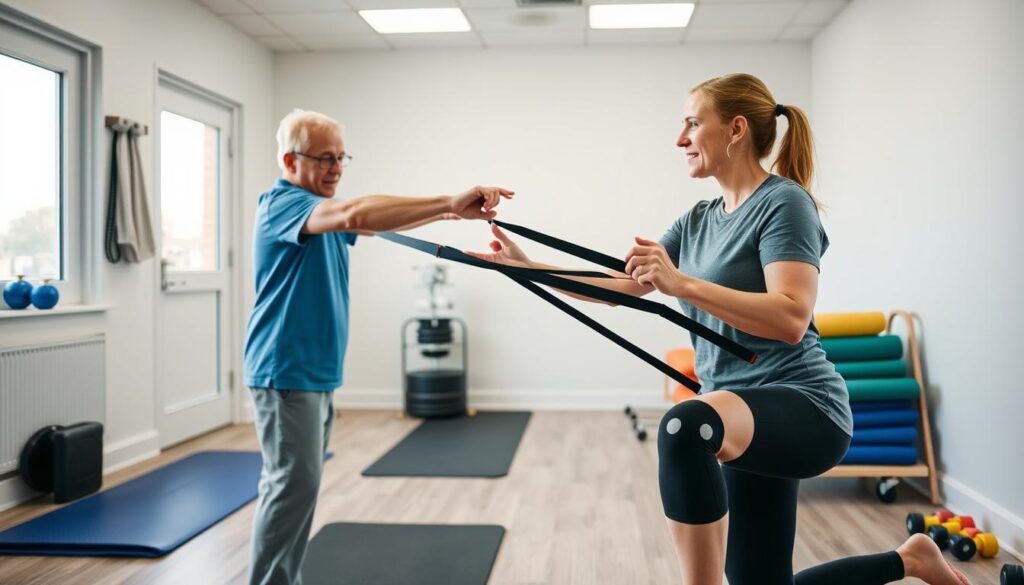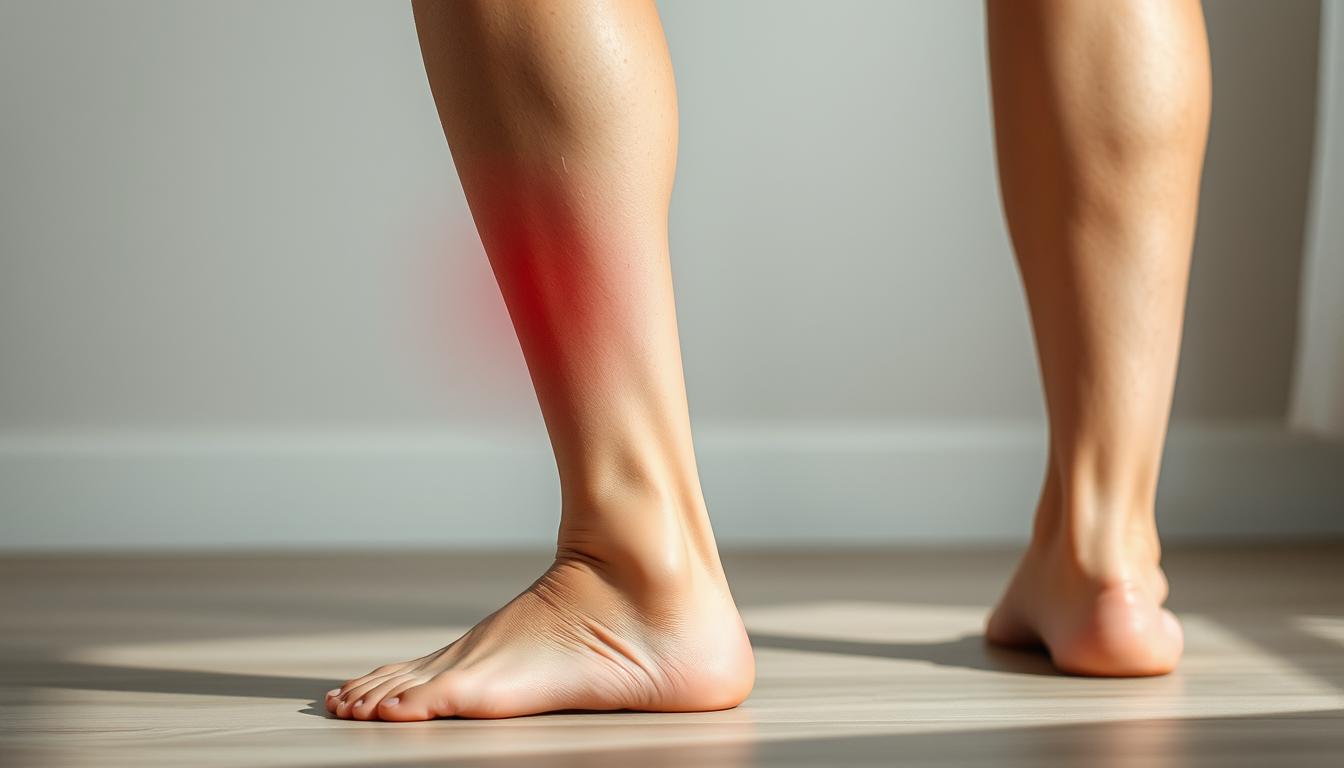
Tag: Knee health

  • Knee pain after walking long distance

    Knee pain after walking long distance

    Many assume regular strolls are universally beneficial, but what if your favorite activity secretly strains your joints? Discomfort during extended movement often signals deeper issues requiring attention. Let’s explore why your body might protest despite good intentions.

    Sudden spikes in physical effort can overwhelm even healthy joints. Cartilage and ligaments need gradual adaptation to handle increased demands. Without proper pacing, repetitive stress creates micro-injuries that escalate into persistent soreness.

    Yet when managed wisely, movement remains vital. Controlled activity nourishes joint tissues and strengthens supporting muscles. Our guide examines biomechanical factors, prevention strategies, and recovery techniques to keep you moving confidently.

    Key Takeaways

    • Sudden activity increases strain joints more than gradual progression
    • Biomechanical imbalances often worsen during prolonged exertion
    • Proper footwear reduces impact forces by up to 30% during strides
    • Muscle conditioning protects vulnerable joint structures
    • Early intervention prevents minor irritation from becoming chronic

    Understanding the Causes of Knee Pain after Walking Long Distance

    While movement is essential for health, pushing your limits without preparation can trigger unexpected joint protests. Our bodies respond to strain through complex interactions between muscles, tendons, and cartilage. When these systems face demands exceeding their capacity, discomfort emerges as a warning signal.

    When Activity Overpowers Recovery

    Sudden increases in activity duration create cumulative stress on load-bearing structures. Cartilage lacks direct blood supply, relying on gradual compression during movement for nutrient absorption. Repetitive impact without adequate rest periods prevents proper tissue repair, leading to irritation in sensitive areas.

    Hidden Vulnerabilities Surface

    Past traumas often leave lasting weaknesses in joint mechanics. A 2023 biomechanics study revealed that participants with prior ligament injuries showed 40% greater lateral knee pressure during prolonged movement. Conditions like osteoarthritis amplify this effect, as worn cartilage struggles to absorb shock effectively.

    Proper conditioning helps bridge these gaps. Strengthening surrounding muscles redistributes forces away from vulnerable areas. Nutrition and hydration also play critical roles in maintaining joint resilience against repetitive stressors.

    How Overuse and Injury Impact Our Knees

    Repeated strain during extended activity reveals hidden vulnerabilities in joint structures. Unlike sudden accidents, these issues develop silently through cycles of stress without sufficient recovery. Our connective tissues need balance between use and repair to maintain optimal function.

    Common Overuse Injuries from Extended Activity

    Patellar tendonitis and iliotibial band syndrome frequently emerge when repetitive motion outpaces tissue adaptation. A 2023 sports medicine report found 73% of recreational walkers experienced at least one overuse condition annually. Acute injuries involve sudden trauma, while chronic issues stem from accumulated micro-damage.

    Early signs like localized tenderness or swelling often get dismissed as temporary discomfort. Muscle fatigue accelerates wear tear by shifting loads to less resilient structures. Without intervention, this pattern can degrade cartilage and inflame bursae.

    Three critical distinctions between injury types:

    • Acute: Immediate sharp pain from specific incidents
    • Chronic: Dull ache persisting hours after activity
    • Overuse: Progressive stiffness worsening with continued use

    We must honor early warnings – persistent symptoms lasting over 48 hours warrant activity modification. Conditioning programs that strengthen quadriceps and hip stabilizers prove particularly effective for injury prevention according to recent biomechanical studies.

    Recognizing Symptoms and Warning Signs

    Our bodies communicate through physical signals that demand attention. Subtle changes in joint behavior often reveal emerging issues before they escalate. Learning to interpret these markers helps maintain mobility and prevent long-term damage.

    Identifying Pain Patterns and Swelling

    Localized tenderness around the kneecap or inner joint line frequently signals tissue irritation. Sharp twinges during bending motions may indicate cartilage stress, while dull throbbing after activity suggests inflammation. Swelling that persists beyond 24 hours often points to excessive strain.

    Recent studies show 68% of recreational athletes ignore early puffiness near joints. “Ignoring minor swelling is like dismissing smoke before flames appear,” notes sports therapist Dr. Elena Morris. Track symptom duration – discomfort resolving with rest differs from persistent aches worsening with movement.

    When Discomfort Becomes a Concern

    Seek evaluation if you experience locking sensations or sudden instability during routine steps. These could suggest meniscus tears or ligament damage requiring professional assessment. Progressive stiffness that limits leg mobility also warrants attention.

    Watch for these red flags:

    • Pain intensifying despite reduced activity
    • Visible deformity around joint structures
    • Clicking sounds paired with sharp jolts

    Early intervention transforms outcomes. Schedule consultation when symptoms disrupt sleep or daily tasks – your movement patterns deserve protection.

    Proper Preparation and Conditioning

    Proper preparation transforms routine movement into joint-friendly activities. We’ll explore how gradual progression and targeted routines build resilience against strain. Strategic conditioning helps your body adapt to increased demands safely.

    Building Up Activity Gradually

    Start with 20-minute walks three times weekly, adding 5 minutes every seven days. This 10% weekly increase lets tissues adapt without overload. Research shows this method reduces injury risk by 47% compared to sudden jumps in effort.

    proper preparation conditioning

    Combine movement with strength exercises twice weekly. Focus on these key areas:

    • Quadriceps: Wall sits (hold 30 seconds, 3 sets)
    • Calves: Single-leg raises (15 reps per side)
    • Hips: Lateral band walks (10 steps each direction)
    Week Daily Walk Time Strength Sessions
    1 20 minutes 2
    2 25 minutes 2
    3 30 minutes 3

    Warm-Up and Cool-Down Techniques

    Begin with dynamic stretches like leg swings and torso twists for 5-7 minutes. These movements increase blood flow to muscles and improve joint lubrication. Post-activity, perform static stretches holding each position 20-30 seconds.

    Try this recovery sequence:

    1. Standing hamstring stretch (both legs)
    2. Calf stretch against a wall
    3. Figure-four hip opener

    Consistency matters most. Pair these tips with proper hydration and rest days for optimal adaptation. Your legs will thank you during extended activity.

    Choosing the Right Footwear for Knee Health

    Footwear acts as the foundation for joint protection during activity. The right pair absorbs shock while guiding natural movement patterns. Research shows properly designed shoes reduce joint stress by 30% compared to unsupportive options.

    Supportive Running Shoes and Insoles

    Modern athletic footwear combines cushioning with anatomical precision. A study in the Journal of Sports Engineering found shoes with responsive midsoles decrease foot strike impact by 22%. Flexible toe boxes allow natural splay, while structured arches prevent excessive inward rolling.

    Replace shoes every 300-500 miles – worn treads lose shock absorption capacity. Biomechanical specialists recommend rotating between two pairs to vary pressure points. For those needing extra support, custom orthotics improve alignment and redistribute weight effectively.

    Key features to prioritize:

    • Heel counters that stabilize without restricting motion
    • Breathable materials preventing moisture-related instability
    • Rockered soles promoting smooth transitions between steps

    Investing in quality footwear pays dividends for long-term health. As one podiatrist notes: “Your shoes should work with your feet, not against them.” Combine this advice with regular gait assessments to optimize protection against wear tear.

    Effective Knee Strengthening Exercises and Stretches

    Building resilient joints requires more than occasional effort—it demands strategic movement patterns. Targeted routines enhance stability while addressing muscular imbalances that contribute to strain. Let’s explore methods that fortify your foundation through controlled progression.
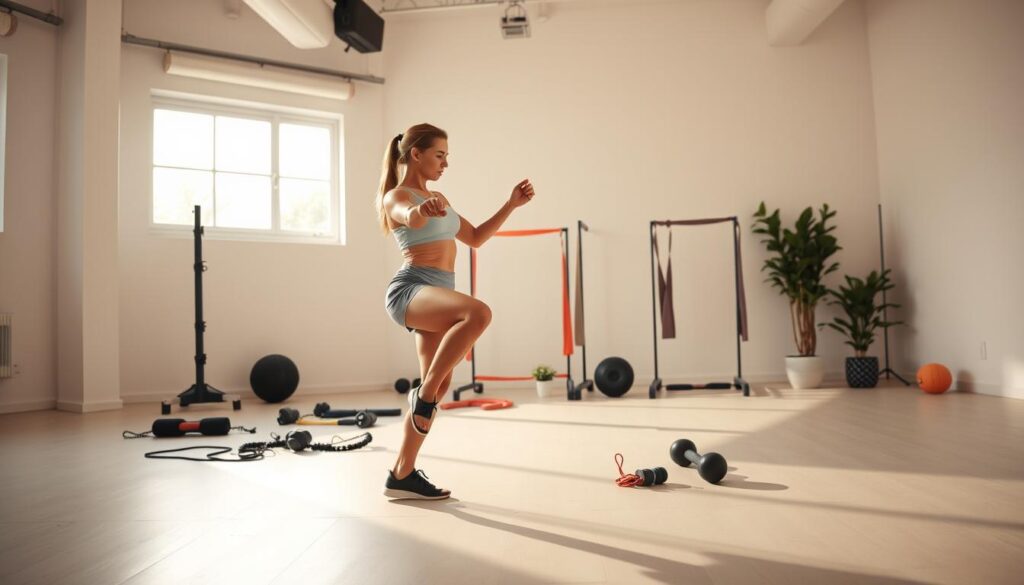
    knee strengthening exercises

    Power Up Your Foundation

    Strengthening quadriceps and hamstrings creates natural shock absorption. Bodyweight squats (3 sets of 12 reps) build functional strength without equipment. For advanced conditioning, step-ups onto a sturdy platform engage multiple leg muscles simultaneously. The Hospital for Special Surgery recommends lateral lunges to activate hip stabilizers and improve lateral stability.

    Release and Restore

    Post-activity stretching maintains tissue elasticity. Try these essential moves:

    • Standing hamstring stretch: Hold 30 seconds per leg
    • Calf stretch with bent knee: Targets deeper lower-leg muscles
    • Figure-four stretch: Relieves hip and glute tension

    Master Your Movement

    Balance drills train your body to handle uneven surfaces. Single-leg stands (eyes closed for progression) build proprioception. A 2024 study showed participants using wobble boards reduced reinjury risk by 52% compared to standard routines. “Consistent balance work rewires neural pathways,” explains physical therapist Dr. Rachel Torres. Start with 2-minute daily sessions and gradually increase difficulty.

    Combine these strategies 3-4 times weekly for optimal results. Track progress through improved endurance and reduced stiffness during daily tasks. Your body adapts best when challenged progressively—listen to its feedback and adjust intensity accordingly.

    Managing Acute Knee Pain and Swelling

    Swift action during flare-ups can mean the difference between quick recovery and prolonged discomfort. Immediate intervention helps control tissue stress before it escalates, preserving mobility and comfort.

    Home Remedies and the RICE Method

    The RICE protocol remains the gold standard for acute care. Begin with rest – avoid weight-bearing activities for 48 hours. Apply cold packs wrapped in cloth for 20-minute intervals, repeating every 3-4 hours during waking periods.

    Compression sleeves or elastic bandages help reduce fluid accumulation. Ensure snugness without restricting circulation – fingers and toes should stay warm. Elevate legs above heart level using pillows, particularly during sleep.

    Short-Term Strategies for Pain Relief

    Modify activity patterns immediately when symptoms appear. Take 5-minute seated breaks hourly during prolonged movement. Reduce pace by 25% to decrease ground impact forces.

    Consider these timelines for recovery:

    • Mild stiffness: 1-2 days modified activity
    • Moderate swelling: 3 days complete rest
    • Persistent pressure sensations: 5-day recovery window

    Over-the-counter anti-inflammatories can supplement these measures when used as directed. For additional recovery strategies, focus on maintaining joint mobility through gentle range-of-motion exercises during healing phases.

    When to Seek Professional Advice

    Timely consultation bridges the gap between self-care and medical intervention. While minor stiffness often resolves with rest, certain patterns demand expert evaluation. We must recognize when our bodies signal deeper issues needing specialized attention.

    Persistent symptoms lasting over 72 hours warrant immediate assessment. This includes swelling that limits movement or warmth around specific areas. Difficulty bearing weight or sudden instability during routine steps often indicates structural concerns rather than simple fatigue.

    Previous injuries create vulnerability in supporting muscles and connective tissues. A 2023 orthopedic study found 62% of recurrent joint issues stemmed from inadequately healed damage. Worsening discomfort despite reduced activity suggests developing conditions requiring diagnostic imaging.

    Follow these guidelines for action:

    • Consult providers if pain disrupts sleep patterns
    • Seek urgent care for visible deformities
    • Schedule evaluations when symptoms last 5+ days

    Ignoring grinding sensations or locking joints risks permanent damage. As sports physician Dr. Alicia Moreno advises: “Pain that alters your gait pattern becomes a safety hazard.” Prioritize professional advice before attempting intensive rehabilitation protocols.

    Preventative Measures for Long-Term Knee Health

    Sustaining mobility requires proactive strategies that extend beyond immediate symptom relief. Combining smart habits with consistent movement patterns creates lasting protection for weight-bearing structures. Let’s explore daily practices that support resilience against wear and tear.

    Building Sustainable Defense Systems

    Maintaining healthy body weight reduces pressure on joints by up to 30% per pound lost. Focus on nutrient-dense meals rich in omega-3s and vitamin D to support bone density and cartilage repair. Studies show diets emphasizing leafy greens and fatty fish decrease arthritis progression rates by 22%.

    Incorporate these three pillars into weekly routines:

    • Movement Variety: Alternate walking with swimming or cycling to distribute impact forces
    • Strength Foundations: Perform bodyweight squats and bridges twice weekly
    • Recovery Focus: Prioritize 7-8 hours of sleep for tissue regeneration

    Low-impact exercises like tai chi improve balance while protecting vulnerable areas. Recent trials demonstrate participants following knee preservation strategies maintained 89% more cartilage volume over five years compared to inactive peers.

    Practical daily adjustments matter most. Take standing breaks every 45 minutes during sedentary work. Choose stairs over elevators when possible – gradual challenges build adaptive capacity. Remember: Consistency trumps intensity when safeguarding your body’s structural integrity.

    Conclusion

    Maintaining mobility requires informed choices that balance activity with joint protection. Our exploration revealed how early symptom recognition and strategic conditioning prevent minor strains from evolving into chronic conditions. From footwear selection to targeted exercises, each decision impacts long-term resilience.

    Practical solutions like the RICE method address inflammation swiftly, while strength-building routines fortify vulnerable areas. Research confirms that managing body weight reduces pressure on cartilage by up to 30%, slowing arthritis progression. Those experiencing persistent discomfort should consult specialists before bone structures face irreversible stress.

    Remember: Joint health thrives on consistency. Pair daily movement with recovery periods, adjusting intensity over weeks rather than days. When challenges arise, professional guidance ensures safe adaptation. By prioritizing these principles, we safeguard our body’s foundation – empowering active lifestyles without compromising comfort during running, hiking, or everyday adventures.

    FAQ

    What common issues lead to discomfort during extended activity?

    Overuse strains, cartilage wear, arthritis, or muscle imbalances often contribute. Repetitive stress without proper conditioning can inflame joints or strain ligaments, especially if underlying conditions like osteoarthritis exist.

    How do past injuries affect joint resilience?

    Prior ligament tears, fractures, or meniscus damage weaken structural integrity. Scar tissue or misalignment from untreated injuries increases vulnerability to flare-ups during prolonged movement.

    What footwear features support joint health?

    Cushioned soles (like Brooks Ghost or ASICS Gel-Nimbus), arch support, and motion-control designs reduce impact. Custom orthotics from brands like Superfeet can address gait irregularities linked to strain.

    When should swelling or stiffness prompt medical evaluation?

    Persistent inflammation lasting over 48 hours, limited mobility, or sharp “locking” sensations warrant assessment. These may signal meniscus tears, bursitis, or cartilage deterioration needing imaging.

    How can we prepare muscles before long walks?

    Gradually increase distance weekly by 10%. Warm-ups like leg swings and calf raises boost circulation, while post-activity stretches (hamstrings, quads) prevent stiffness. Foam rolling aids recovery.

    Which exercises strengthen stabilizing muscles?

    Step-ups, wall sits, and resistance band drills target quads and glutes. Balance exercises—single-leg stands or Bosu ball work—improve proprioception to reduce misstep-related strains.

    What immediate steps ease acute flare-ups?

    Apply ice packs for 15-minute intervals, elevate legs, and use compression sleeves. NSAIDs like ibuprofen reduce inflammation short-term, but avoid over-reliance without professional guidance.

    Can lifestyle changes prevent chronic issues?

    Yes. Maintaining healthy weight lowers joint pressure. Low-impact cross-training (cycling, swimming) builds endurance without excessive wear. Annual gait analyses ensure footwear stays effective.
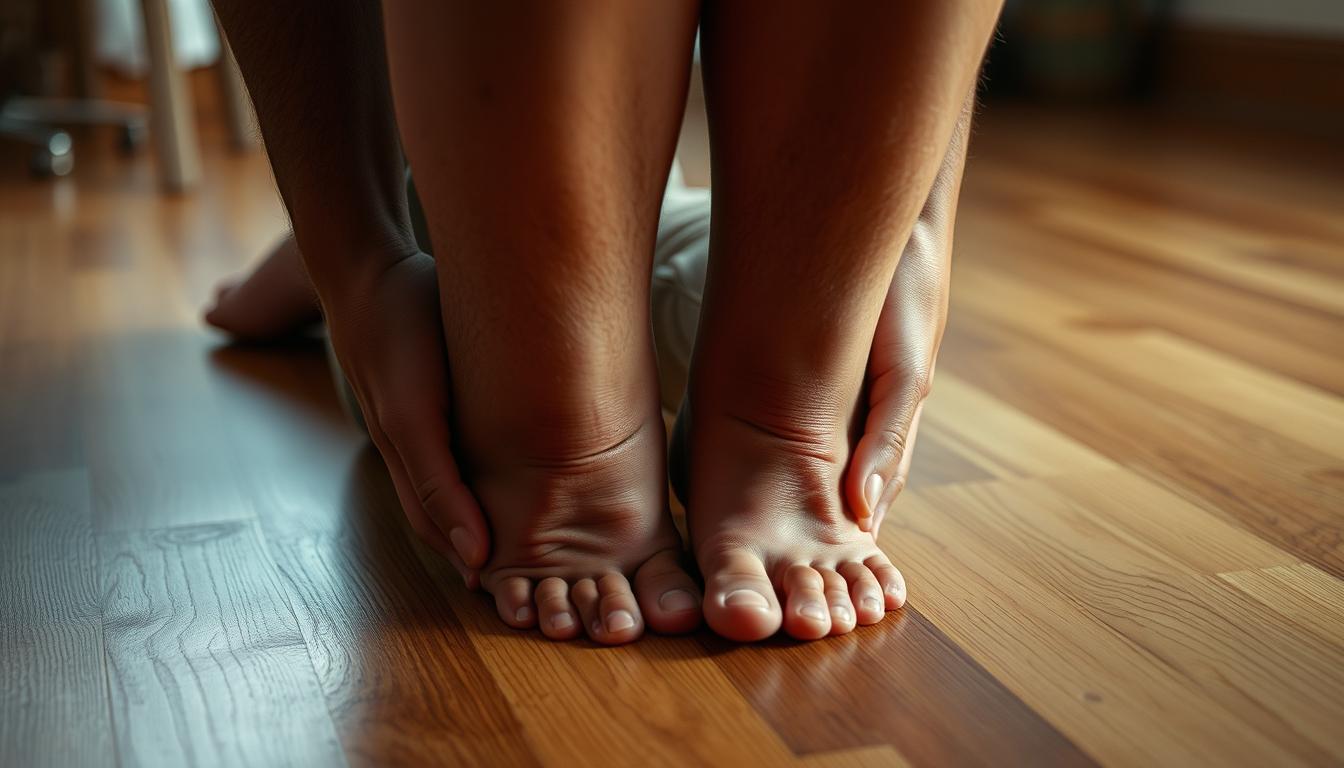
  • Knee pain when kneeling on hardwood floors

    Knee pain when kneeling on hardwood floors

    Kneeling on hardwood floors can be a painful experience for many, significantly impacting daily activities and overall quality of life. The discomfort is often due to the increased mechanical compression in the knee joint, which occurs when the kneecap pushes forcefully against the thigh bone.

    We understand that this issue affects many individuals and can be a source of frustration. Throughout this article, we’ll explore the causes, symptoms, and effective treatment options for knee pain when kneeling on hardwood floors. Our goal is to provide practical advice for both immediate relief and long-term management strategies.

    Key Takeaways

    • Understanding the causes of knee pain when kneeling on hardwood floors.
    • Identifying the symptoms associated with this condition.
    • Exploring effective treatment options for relief.
    • Learning strategies for long-term management of knee health.
    • Determining when to seek professional medical advice.

    Understanding Why Hardwood Floors Cause Knee Pain

    Understanding the causes of knee pain when kneeling on hardwood floors is crucial for prevention and treatment. We will explore the underlying factors that contribute to this issue.

    The Biomechanics of Kneeling on Hard Surfaces

    Kneeling on hard surfaces like hardwood floors creates significant pressure on the knee joint. The knee joint’s structure makes it vulnerable to compression forces when bearing weight in a kneeling position. When we kneel, the kneecap (patella) is pressed firmly against the thigh bone (femur), which can lead to discomfort and pain over time.

    How Hardwood Floors Increase Joint Compression

    Hardwood floors lack the natural shock absorption that softer surfaces provide. As a result, the full force of our body weight is transferred directly to the knee’s structures, including cartilage, tendons, and bursae. This direct transfer of pressure can cause tissue irritation and inflammation, leading to both acute pain and chronic conditions.

    By understanding the relationship between body weight, kneeling technique, and surface hardness, we can better explain why some people experience more severe knee pain than others when kneeling on hardwood floors.

    Common Conditions Causing Knee Pain When Kneeling

    Several common conditions can cause knee pain when kneeling on hard surfaces like hardwood floors. Understanding these conditions is crucial for effective management and relief.

    Prepatellar Bursitis: The “Housemaid’s Knee”

    Prepatellar bursitis, often referred to as “Housemaid’s Knee,” is characterized by inflammation of the fluid-filled sac in front of the kneecap. This condition frequently affects individuals who kneel for extended periods, leading to swelling and discomfort.

    Osteoarthritis and Its Impact

    Osteoarthritis involves the deterioration of cartilage in the knee joint. As the protective cushioning between bones diminishes, kneeling on hard surfaces becomes particularly painful. Maintaining healthy cartilage is essential for preventing osteoarthritis.

    Patellar Tendonitis or “Jumper’s Knee”

    Patellar tendonitis, also known as “Jumper’s Knee,” creates inflammation in the tendon connecting the kneecap to the shinbone. This condition causes pain that worsens with kneeling activities. Proper diagnosis is key to treating patellar tendonitis effectively.

    As noted by medical professionals, “Understanding the specific condition causing knee pain is vital for determining the most effective treatment approach.”

    Each of these conditions presents with unique symptoms but shares the common factor of being aggravated by kneeling on unyielding surfaces. Identifying the underlying cause is essential for appropriate treatment and prevention.

    Knee Pain When Kneeling on Hardwood Floors: Symptoms to Watch For

    Identifying the symptoms associated with knee pain when kneeling on hardwood floors is crucial for early intervention. We will explore the various signs that may indicate knee pain and discuss their implications.

    Immediate Pain Signals

    When kneeling on hardwood floors, immediate pain signals can occur, including sharp pain, burning sensations, or feelings of pressure around the knee joint. These symptoms are often a direct response to the stress and pressure applied to the knee.

    Delayed Symptoms That Develop Over Time

    Many individuals experience delayed symptoms that develop hours after kneeling activities. These can include stiffness, swelling, or dull aching that worsens overnight. Recognizing these delayed symptoms is vital for understanding the full impact of kneeling on hardwood floors.

    Warning Signs That Require Medical Attention

    It’s essential to differentiate between normal discomfort and warning signs that indicate more serious conditions. Severe pain, significant swelling, or instability in the knee are indicators that require medical evaluation. For instance, a study highlighted that persistent knee pain can be a precursor to more severe conditions such as osteoarthritis.

    Symptom Description Possible Implication
    Sharp Pain Sudden, intense pain when kneeling Potential ligament or tendon strain
    Stiffness Increased stiffness after kneeling Possible inflammation or bursitis
    Swelling Visible swelling around the knee May indicate fluid accumulation or inflammation

    “Understanding the progression of symptoms can help you identify problems early before they develop into chronic conditions.”

    Diagnosing the Source of Your Knee Pain

    Diagnosing the source of knee pain when kneeling on hardwood floors involves a multi-step process that includes self-assessment and medical evaluation. To effectively address knee pain, it’s crucial to understand the underlying causes and identify the specific condition affecting your knees.

    Self-Assessment Questions

    To help identify potential causes of knee pain, we recommend asking yourself a series of questions. Understanding the pattern, location, and triggers of your pain can provide valuable insights into the underlying condition. Consider the following: when did the pain start, is it constant or intermittent, and are there any specific activities that exacerbate the pain?

    • When did you first notice the knee pain?
    • Is the pain constant or does it occur only when kneeling?
    • Are there any other symptoms, such as swelling or stiffness?

    What to Expect During a Medical Examination

    During a standard knee exam, your doctor will ask about the particulars of your discomfort and perform a physical exam. According to Michael Fredericson, M.D., director of Physical Medicine and Rehabilitation Sports Medicine at Stanford University, the examination will include checking alignment and scanning for any issues with internal ligaments and cartilage.

    Examination Component Description
    Physical Exam Checking alignment and scanning for issues with internal ligaments and cartilage
    Diagnostic Imaging X-rays, MRIs, or ultrasounds to confirm the exact cause of knee pain
    Range of Motion Assessment Evaluating knee mobility and identifying potential limitations

    Immediate Relief Strategies for Kneeling-Related Knee Pain

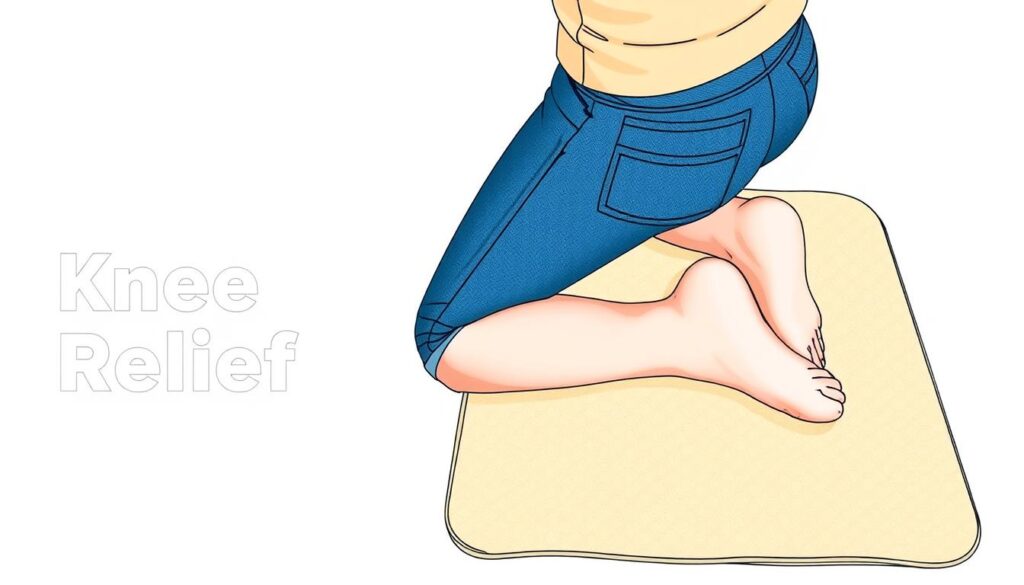
    Image of a person kneeling on a cushioned mat with a caption "Knee Pain Relief"

    Learn More

    For individuals experiencing knee pain after kneeling on hardwood floors, there are effective methods to reduce the discomfort and inflammation. Immediate relief is crucial to prevent further irritation and to facilitate a return to normal activities.

    The RICE Method Explained

    The RICE method, standing for Rest, Ice, Compression, and Elevation, is a first-line approach for immediate relief of knee pain. Resting the knee and avoiding activities that aggravate the condition is the first step. Applying ice helps reduce inflammation, while compression and elevation assist in minimizing swelling.

    Over-the-Counter Pain Management Options

    Pain management can be achieved through over-the-counter medications like NSAIDs, which help reduce inflammation and provide temporary relief. Understanding the proper usage and potential side effects of these medications is crucial for effective treatment.

    Supportive Devices and Braces

    Various supportive devices such as knee braces, sleeves, and pads can provide stability and cushioning when kneeling is unavoidable. These devices can significantly reduce knee pain during necessary kneeling activities.

    Long-Term Treatment Options for Chronic Knee Pain

    Image of a patient undergoing physical therapy for knee pain

    Learn More

    Managing chronic knee pain effectively often requires a multi-faceted approach that incorporates various long-term treatment options. We will explore comprehensive strategies to help alleviate knee pain and improve quality of life.

    Physical Therapy Approaches

    Physical therapy plays a crucial role in managing chronic knee pain by strengthening the muscles that support the knee joint, thereby reducing pressure when kneeling. Our physical therapy approaches include customized exercise programs designed to enhance knee stability and flexibility.

    Prescription Medications and Injections

    For some patients, prescription medications and injections are necessary to manage chronic knee pain. Corticosteroid injections have been shown to be effective for about 40% of patients with osteoarthritis of the knee by reducing inflammation. Viscosupplementation, another type of injection, lubricates the knee with hyaluronic acid, providing relief.

    When to Consider Surgical Interventions

    In cases where conservative treatments fail to provide adequate relief, surgical interventions may be considered. Options range from minimally invasive arthroscopic procedures to partial or total knee replacements. Understanding the progression of treatment options helps patients make informed decisions about their care path in consultation with healthcare providers.

    Protective Measures When Kneeling on Hardwood Floors

    To minimize the risk of knee pain, we must consider effective protective measures for kneeling on hardwood floors. Kneeling on hard surfaces can put significant pressure on the knee joint, leading to discomfort and potential injury.

    Image of knee pads for hardwood floors

    Learn More

    Choosing the Right Knee Pads and Cushioning

    We provide detailed guidance on selecting appropriate knee pads and cushioning solutions specifically designed for hardwood floor activities. Different types of knee protection, such as gel-filled pads and memory foam cushions, are available to help you choose the best option for your needs.

    Proper Kneeling Techniques to Reduce Strain

    Demonstrating proper kneeling techniques can help distribute weight more evenly and reduce concentrated stress on sensitive knee structures. This can significantly help reduce knee pain during kneeling activities.

    Alternative Positions and Methods

    Alternative positions and methods for completing tasks that typically require kneeling can help prevent pain while maintaining productivity. Simple modifications to your home or workspace can create more knee-friendly environments. Understanding how to transition between positions safely can prevent sudden movement that might trigger knee pain or injury.

    Strengthening Exercises to Support Healthy Knees

    Exercise plays a vital role in supporting knee health and alleviating pain. As noted by Fredericson, research on osteoarthritis of the knee highlights the importance of exercise beyond just weight loss. Often, orthopedic practices include physical therapists who can help patients find exercises that alleviate their knee pain, no matter the cause.

    Low-Impact Exercises for Knee Stability

    Low-impact exercises are specifically designed to improve knee stability without causing additional stress or pain to the joint. These exercises help in strengthening the muscles around the knee, thereby providing support and reducing the risk of injury. For instance, straight leg raises and knee bends are effective low-impact exercises.

    Targeted Stretches for Knee Flexibility

    Targeted stretching routines can improve flexibility around the knee, reducing tension and improving range of motion for more comfortable kneeling. Stretching exercises such as hamstring and quadriceps stretches are beneficial. For more information on stretches that can soothe knee aches, you can visit Knee Pain Relief: Best Stretches.

    Building Supporting Muscles Around the Knee

    Strengthening the quadriceps, hamstrings, and calf muscles creates a supportive structure that takes pressure off the knee joint during kneeling activities. Exercises like squats and lunges are effective in building these supporting muscles. It’s essential to focus on proper form during these exercises to ensure effectiveness and safety.

    Lifestyle Modifications to Reduce Knee Pain

    We can reduce knee pain when kneeling by making a few key lifestyle adjustments. These modifications not only alleviate the discomfort associated with kneeling on hardwood floors but also contribute to overall knee health.

    Weight Management Strategies

    Managing your weight is crucial for reducing knee pain. Every extra pound on your body means additional pressure on your knees. For every pound of body weight, there’s a corresponding 4-6 pounds of pressure on the knee joints during activities. By maintaining a healthy weight, you can significantly reduce the stress on your knees.

    Dietary Approaches to Reduce Inflammation

    Diet plays a significant role in managing inflammation, which is a key factor in knee pain. Incorporating anti-inflammatory foods and supplements into your diet can help. Foods rich in omega-3 fatty acids, such as salmon, and antioxidants, found in fruits and vegetables, can be beneficial. Adopting an anti-inflammatory diet, like the Mediterranean diet, can complement other treatments for knee pain.

    Activity Adjustments for Daily Living

    Adjusting your daily activities can also help reduce knee pain. Simple changes, such as using knee pads when kneeling, adopting alternative positions for tasks, and choosing proper footwear, can make a significant difference.

    • Using ergonomic tools and equipment
    • Alternating between tasks to avoid prolonged kneeling
    • Maintaining good posture

    When to Seek Professional Help for Your Knee Pain

    If you experience a new significant trauma, immediate swelling, or inability to bear weight on your knee, seek medical help. Symptoms like a misshapen knee, locking, or giving way also warrant immediate attention. A doctor can diagnose the cause through examinations and diagnostic tests like X-rays or MRIs. Understanding your condition helps in choosing the right treatment options, which may include physical therapy, medication, or in some cases, surgery. Early intervention can prevent further damage to the cartilage and joints, ensuring better knee health.

    FAQ

    What causes knee pain when kneeling on hardwood floors?

    Knee pain when kneeling on hardwood floors can be caused by various factors, including prepatellar bursitis, also known as “housemaid’s knee,” which is an inflammation of the bursa in front of the kneecap. Other causes include osteoarthritis, patellar tendonitis, or “jumper’s knee,” and strain on the muscles and joints around the knee.

    How can I alleviate knee pain caused by kneeling?

    We can alleviate knee pain by using the RICE method (Rest, Ice, Compression, Elevation), taking over-the-counter pain management medications, and using supportive devices such as knee pads or braces. Additionally, practicing proper kneeling techniques and taking regular breaks can help reduce strain.

    What are the symptoms of knee pain that require medical attention?

    Symptoms that require medical attention include severe pain, swelling, stiffness, or limited range of motion in the knee. If we experience any of these symptoms, we should seek medical help to determine the underlying cause and receive proper treatment.

    Can exercises help reduce knee pain when kneeling?

    Yes, engaging in low-impact exercises that promote knee stability, flexibility, and strength can help reduce knee pain. We can also benefit from targeted stretches and building supporting muscles around the knee to improve overall knee health.

    Are there any lifestyle modifications that can help reduce knee pain?

    Yes, maintaining a healthy weight, following a diet that reduces inflammation, and making activity adjustments in our daily lives can all contribute to reducing knee pain. By making these modifications, we can alleviate pressure on our knees and promote overall joint health.