Have you ever wondered why your knees ache after a long hike, especially when you’ve been trekking downhill? It’s a common complaint among hikers, and the reason behind it might surprise you.
When hiking downhill, the force exerted on your knees can be up to several times your body weight, making it particularly challenging for your joints. This intense stress can lead to discomfort and pain in the knee area.
We’ll explore the biomechanics behind this phenomenon and discuss the common conditions that cause knee pain after hiking downhill. Understanding the root cause is the first step towards prevention and treatment.
Key Takeaways
- Understanding why knee pain occurs after hiking downhill
- The biomechanical forces at play during downhill hiking
- Common conditions causing knee pain
- Practical prevention strategies
- Effective treatment options for knee pain
Understanding Why Downhill Hiking Causes Knee Pain
Hiking downhill can be a challenging activity that puts significant stress on our knees. When we hike downhill, our knees absorb the impact of each step, which can lead to knee pain. Understanding the mechanics behind this pain is crucial for prevention and treatment.
The Biomechanics of Downhill Hiking
Downhill hiking involves a unique set of biomechanics that differentiate it from walking on flat ground or uphill. When going downhill, our body weight becomes a significant factor, as it increases the stress on our joints, particularly the knees. The quadriceps muscle group plays a crucial role in controlling the descent, making it essential to understand how these muscles work during downhill hiking.
Concentric vs. Eccentric Muscle Contractions
Muscle contractions are vital in understanding why downhill hiking causes knee pain. There are two primary types of muscle contractions: concentric and eccentric. Concentric contractions occur when muscles shorten while generating force, whereas eccentric contractions happen when muscles lengthen while generating force. During downhill hiking, our muscles undergo eccentric contractions, which place more stress on our muscles and joints than concentric contractions. For example, when performing a squat, the quadriceps undergo eccentric contractions as we lower ourselves down, controlling the movement and absorbing the impact.
Eccentric contractions require more control and strength, making them more likely to cause muscle fatigue and pain. As we hike downhill, our body weight becomes a significant factor during these eccentric contractions, increasing the stress on our knees. Training specifically for eccentric strength can help prepare our body for the challenges of downhill hiking and potentially reduce the risk of knee pain.
- Eccentric contractions occur when muscles lengthen while generating force, a common occurrence when going downhill.
- These contractions place more stress on muscles and joints compared to concentric contractions.
- Strengthening muscles for eccentric contractions can help mitigate knee pain.
Common Causes of Knee Pain After Hiking Downhill
The repetitive strain of downhill hiking often results in knee discomfort. This discomfort can stem from various factors, including overuse injuries, poor hiking techniques, and biomechanical issues. Understanding the common causes of knee pain is crucial for effective prevention and treatment.
Patellar Tendonitis
Patellar tendonitis, also known as jumper’s knee, is a common overuse injury among hikers. It occurs when the tendon connecting the kneecap to the shinbone becomes inflamed, often due to repetitive stress and strain. Symptoms include pain just below the kneecap, which can worsen when hiking downhill.
Iliotibial Band Syndrome
Iliotibial Band Syndrome (ITBS) is another frequent cause of knee pain in hikers. The iliotibial band is a ligament that runs down the outside of the thigh from the hip to the knee. When it becomes tight or inflamed, it can cause pain on the side of the knee, especially during downhill hiking. ITBS is often associated with poor knee alignment or overuse.
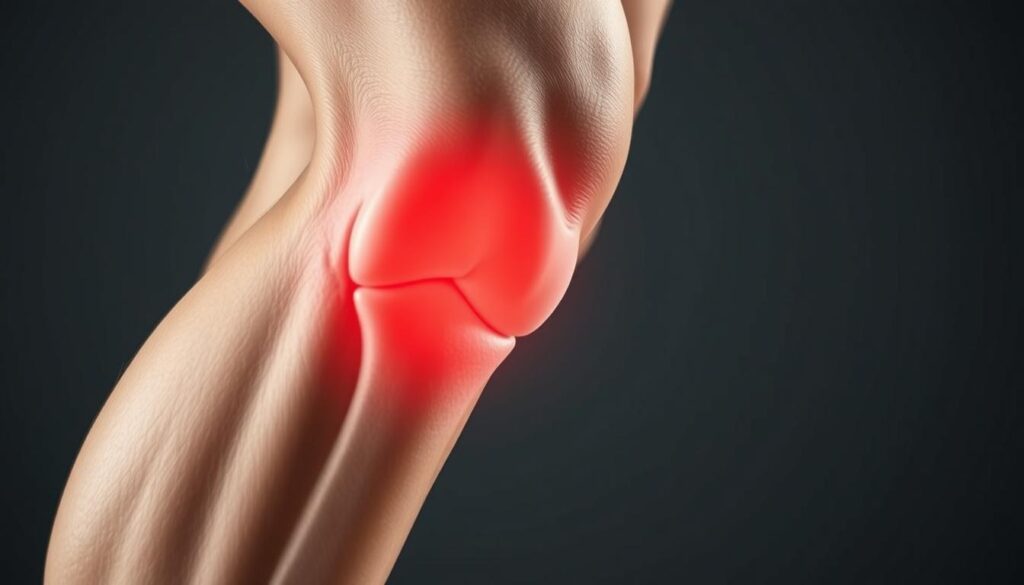
Patellofemoral Pain Syndrome
Patellofemoral Pain Syndrome (PFPS) is characterized by pain around or behind the kneecap. It’s often related to issues with the tracking of the kneecap as the knee moves. Hikers may experience PFPS due to overuse, poor alignment, or muscle imbalances. Downhill hiking exacerbates this condition because it increases the stress on the kneecap.
How Other Body Parts Affect Your Knees
The body’s kinetic chain plays a significant role in knee health during hiking. Issues in other areas can manifest as knee pain. For instance, weak hip muscles can lead to poor knee alignment, increasing stress on tendons and ligaments. Similarly, foot mechanics and ankle mobility can affect knee function, and back problems can alter gait, potentially causing referred pain. Addressing these connected issues is often necessary for complete resolution of knee pain.
| Cause | Description | Symptoms |
|---|---|---|
| Patellar Tendonitis | Inflammation of the tendon connecting kneecap to shinbone | Pain below kneecap, worsens when hiking downhill |
| Iliotibial Band Syndrome | Tightness or inflammation of the iliotibial band | Pain on the side of the knee |
| Patellofemoral Pain Syndrome | Poor tracking of the kneecap | Pain around or behind the kneecap |
Prevention Strategies Before Your Hike
Preparing for a hike involves more than just packing the right gear; it includes strategies to prevent knee pain. By taking proactive steps, you can significantly reduce the risk of knee pain and enjoy your hiking experience to the fullest.
Strengthening Exercises for Hikers
Engaging in strengthening exercises before your hike can help fortify your knees against potential pain. Focus on exercises that strengthen your quadriceps, hamstrings, and hip muscles, as these play a crucial role in supporting your knee joint. Some effective exercises include:
- Squats
- Lunges
- Leg Press
- Leg Raises
For instance, incorporating squats into your workout routine can help build strength in your legs, thereby reducing the strain on your knees during hikes.
Proper Stretching Techniques
In addition to strengthening exercises, incorporating proper stretching techniques can further help prevent knee pain. Focus on stretches that target your hamstrings, quadriceps, and IT band. Some recommended stretches include:
- Hamstring Stretch
- Quad Stretch
- IT Band Stretch
Planning Appropriate Routes
Planning your route is another critical aspect of preventing knee pain. Assess trail difficulty and choose routes that are appropriate for your fitness level and experience. When planning, consider the following:
- Read topographic maps and trail descriptions to identify sections with steep descents.
- Gradually increase your hiking distance and elevation change to allow your body to adapt.
- Plan strategic rest days between challenging hikes.
- Incorporate “knee-friendly” hikes into your regular activity rotation.
- Plan routes with bail-out options in case knee pain develops during your hike.
By planning appropriately, you can significantly reduce your risk of developing knee pain while still enjoying challenging terrain.
Essential Equipment to Prevent Knee Pain
Hikers can significantly reduce their risk of knee pain by investing in essential equipment designed for downhill hiking. The right gear not only enhances the hiking experience but also provides critical support to vulnerable areas like the knees.
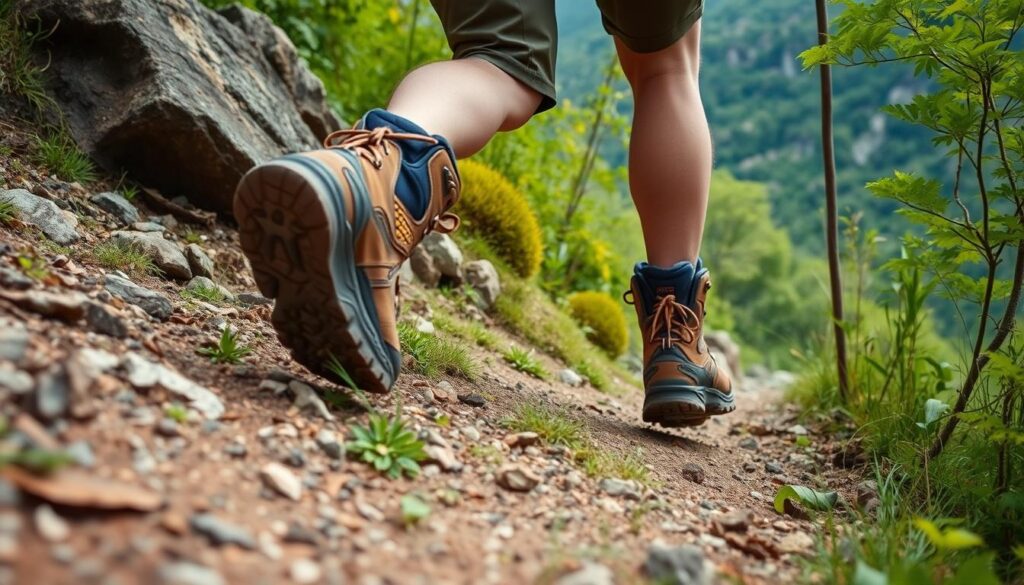
Choosing the Right Hiking Boots
Selecting hiking boots that offer adequate support and cushioning is crucial for preventing knee pain. Boots with good arch support and a comfortable fit can help in distributing the pressure evenly.
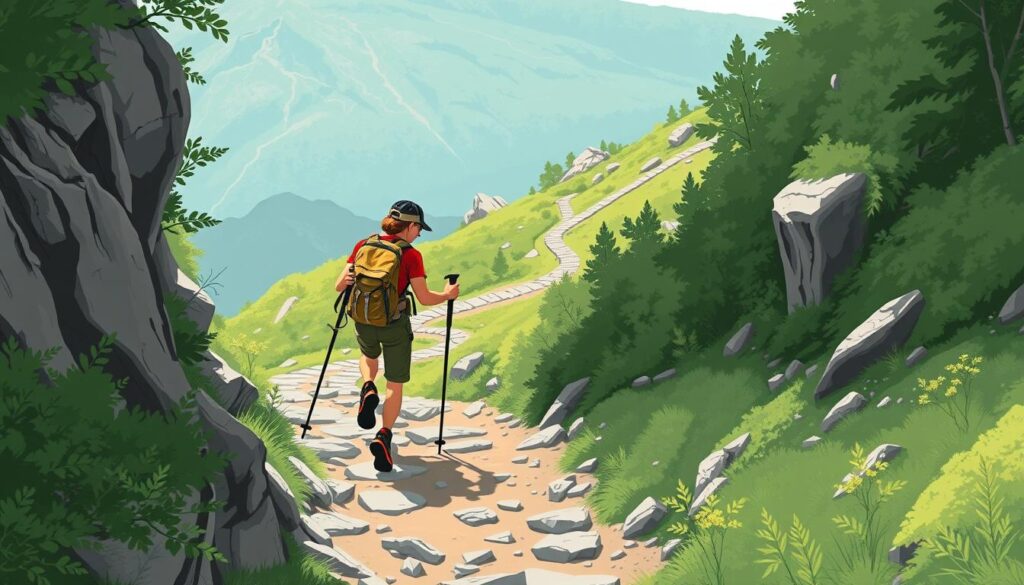
Using Hiking Poles Effectively
Hiking poles can be a game-changer for hikers experiencing knee pain, especially on downhill trails. They help in distributing some of the weight and pressure from the knees to the arms.
Knee Braces: When and How to Use Them
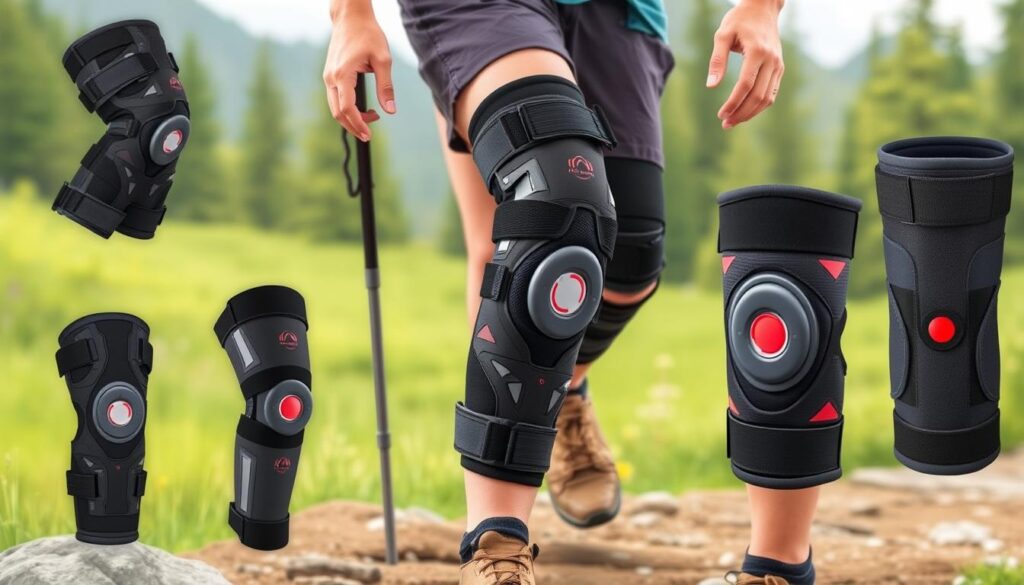
Knee braces can provide additional support and stability for hikers. Different types of knee braces are available, ranging from simple compression sleeves to more supportive hinged braces.
Compression braces can offer mild support and improve proprioception during hiking. It’s essential to choose a knee brace that fits properly and is worn correctly to avoid discomfort.
Techniques to Protect Your Knees While Hiking
To minimize knee pain, it’s essential to employ proper techniques while hiking downhill. By adopting the right strategies, you can significantly reduce the stress on your knees and enjoy your hiking experience.
Proper Downhill Walking Form
Maintaining the correct walking form is vital when hiking downhill. This involves taking smaller steps and keeping your weight centered over your feet. By doing so, you reduce the impact on your knee joint with eachstep. It’s also beneficial to keep your knees slightly bent to absorb the shock of each step.
Taking Strategic Breaks
Taking regular breaks during your hike can help alleviate knee pain. Breaks give your knees a chance to rest and recover from the constant stress of downhill walking. During these breaks, you can also reassess yourwayand adjust your backpack for better comfort.
Packing Light to Reduce Joint Stress
The weight of your backpack can significantly affect your knees, especially during downhill hikes. Each additional pound can increase the force on your knees multipletimes. To mitigate this, it’s crucial to pack lightly.
- Audit your pack contents to eliminate unnecessary items.
- Choose lightweight alternatives for essential gear.
- Ensure proper weight distribution within your pack to maintain your center of gravity and reduce knee loading.
As noted by outdoor enthusiasts, “A lighter pack is not just a preference, it’s a necessity for preserving your joints and enhancing your overall hiking experience.”
“The right gear can make all the difference in your hiking experience. By packing light, you’re not just reducing weight; you’re reducing the risk of injury.”
| Packing Strategy | Effect on Knees |
|---|---|
| Heavy Backpack | Increased stress and potential pain |
| Lightweight Pack | Reduced stress and discomfort |
| Proper Weight Distribution | Better balance and reduced knee loading |
By implementing these techniques, you can protect yourkneesand minimizepain, making your hiking experience more enjoyable.
Treating Knee Pain After Your Hiking Adventure
The impact of downhill hiking on knee health should not be underestimated. When knee pain occurs after a hiking adventure, it’s crucial to address it promptly.
Immediate Relief Strategies
For mild knee pain, immediate relief can be achieved through rest, ice, compression, and elevation (RICE). Over-the-counter pain relievers can also help manage pain and inflammation.
When to See a Doctor
Warning signs that indicate a need for medical evaluation include severe pain, swelling, instability, or difficulty walking. Serious injuries like ligament tears or fractures require prompt medical attention. A doctor may use physical examinations and imaging studies to diagnose the issue.
Various medical professionals, including primary care doctors and orthopedic specialists, can treat knee injuries. Treatments range from prescription medications to physical therapy and, in severe cases, surgery. Working with these professionals can help develop a comprehensive plan for recovery and prevention of future injuries.
By understanding when to seek medical help and how to treat knee pain, hikers can reduce their risk of long-term damage and return to hiking safely.
FAQ
What causes knee pain when hiking downhill?
Knee pain when hiking downhill is often caused by the repetitive stress and strain on our knee joint, particularly due to eccentric muscle contractions that occur when we’re descending. This can lead to conditions such as patellar tendonitis or iliotibial band syndrome.
How can I prevent knee pain on downhill hikes?
To prevent knee pain, we recommend incorporating strengthening exercises for our legs and hips into our training routine, using proper hiking techniques, and wearing supportive hiking boots or knee braces if necessary.
Are hiking poles effective in reducing knee pain?
Yes, hiking poles can be an effective tool in reducing knee pain by taking some of the pressure off our knee joint and redistributing it to our upper body. By using poles, we can also improve our balance and stability on uneven terrain.
What are some common knee problems that hikers experience?
Common knee problems include patellofemoral pain syndrome, patellar tendonitis, and iliotibial band syndrome. These conditions can be caused by a combination of factors, including overuse, poor hiking form, and inadequate training.
How can I treat knee pain after a hiking trip?
If we experience knee pain after hiking, we can try to alleviate it by applying ice to the affected area, taking regular breaks to rest, and using over-the-counter pain relievers as needed. If the pain persists, it’s a good idea to consult with a doctor or medical professional for further guidance.
Can I still hike with knee pain?
While it’s possible to continue hiking with knee pain, it’s essential to address the underlying causes and take steps to prevent further injury. We can modify our hiking plans, incorporate injury prevention strategies, and seek medical attention if the pain worsens or persists.