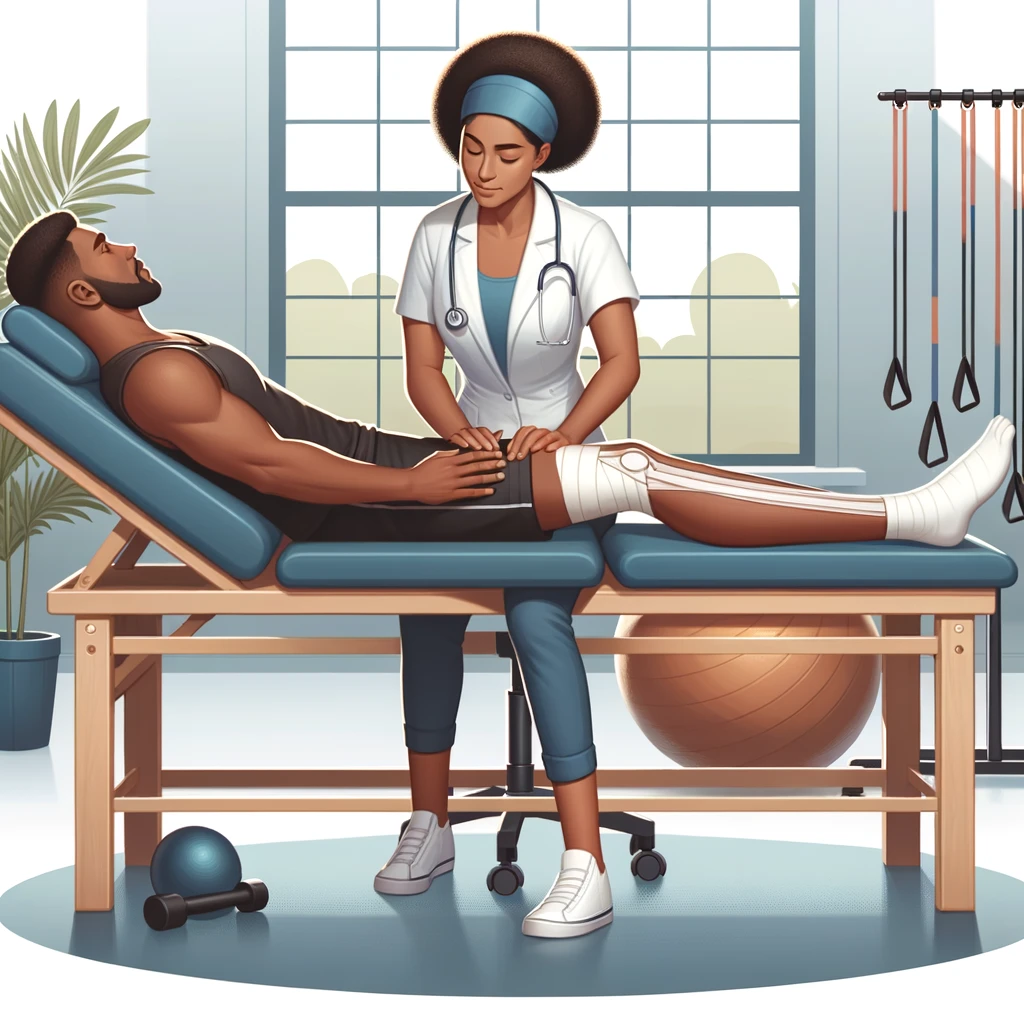
After undergoing knee replacement surgery, patients experience a significant recovery process and must be aware of potential complications and long-term impacts on mobility and functionality. Understanding the post-surgery rehabilitation plan, managing pain and discomfort, and engaging in physical therapy and exercise are crucial aspects of the recovery process. Additionally, patients need to be prepared for potential complications such as infection and implant-related concerns. Long-term impact on mobility and functionality requires assessment of mobility and range of motion, adapting to changes in daily routine, and making lifestyle modifications for improved functionality.
Key Takeaways
- Follow the post-surgery rehabilitation plan diligently to ensure a smooth recovery.
- Stay proactive in managing pain and discomfort during the recovery process.
- Consistent participation in physical therapy and exercise is essential for regaining strength and mobility.
- Be vigilant about infection prevention and seek prompt medical attention for any concerns.
- Assess mobility and range of motion regularly and make necessary lifestyle modifications for improved functionality.
Recovery Process After Knee Replacement Surgery
Understanding the Post-Surgery Rehabilitation Plan
Following knee replacement surgery, we must embrace a structured rehabilitation plan to ensure optimal recovery. The plan typically unfolds in phases, beginning with initial healing and gradually progressing to more active rehabilitation.
- Initial Phase: Focus on wound care, pain management, and gentle range-of-motion exercises.
- Intermediate Phase: Transition to weight-bearing exercises and strengthening activities.
- Advanced Phase: Incorporate functional training to return to daily activities.
It’s crucial to adhere to the prescribed timeline and not rush the process. Overzealous efforts can lead to setbacks, as we’ve observed in some cases around the 10-week mark when the physical therapy load increases. Patience and consistency are key to a successful recovery.
Tip: Always communicate with your healthcare provider about any concerns or unusual symptoms during your rehabilitation. Their guidance is essential in navigating the recovery journey.
Managing Pain and Discomfort
After knee replacement surgery, managing pain and discomfort is a crucial aspect of the recovery process. Our rehabilitation plan includes a combination of medication, physical therapy, and rest to ensure that we can cope with any discomfort effectively. Additionally, we are advised to keep track of our pain levels and report any significant changes to our healthcare provider. This proactive approach allows us to address any issues promptly and ensure a smooth recovery. In some cases, over-the-counter solutions and exercises may also be recommended to alleviate minor discomfort and promote healing. It’s important to follow the guidance of our healthcare team to achieve the best outcomes in managing post-surgery pain and discomfort.
Physical Therapy and Exercise Regimen
After completing the prescribed physical therapy and exercise regimen, we must continue to prioritize movement and strength-building. This includes regular walks, gentle stretching, and low-impact exercises. Additionally, we should maintain a balanced diet to support the healing process. It’s important to gradually increase the intensity and duration of physical activities, while being mindful of any discomfort or pain. We should also track progress and discuss any concerns with the healthcare team.
Returning to Daily Activities
As we navigate the journey of recovery, returning to daily activities marks a significant milestone. It’s essential to approach this phase with patience and a structured plan. Initially, activities should be reintroduced gradually to avoid overexertion and to monitor the knee’s response to new stresses.
- Start with light tasks such as walking around the house.
- Progress to more demanding activities like climbing stairs or light gardening.
- Ensure to balance activity with rest to prevent swelling and pain.
Tip: Always listen to your body and communicate with your healthcare provider about any concerns during this transition.
It’s also crucial to recognize that some activities may need to be modified to accommodate your new knee. For instance, high-impact sports might be replaced with low-impact alternatives such as swimming or cycling. The goal is to maintain an active lifestyle while protecting the integrity of the knee replacement.
Potential Complications and Risks
Infection Prevention and Management
After knee replacement surgery, infection prevention is a critical aspect of our recovery journey. We are committed to following the prescribed antibiotic regimen and maintaining proper wound care to minimize the risk of infection. Additionally, we are vigilant about recognizing any signs of infection, such as redness, swelling, or increased pain, and promptly reporting them to our healthcare provider. Our proactive approach to infection prevention is essential for ensuring a successful recovery.
Implant-Related Concerns
When considering knee replacement surgery, we must be cognizant of the potential concerns related to the implant itself. The longevity of the implant is a primary consideration, as it directly affects the need for future revision surgeries. We strive to ensure that the materials used are of the highest quality and compatibility with the body to minimize the risk of adverse reactions.
Implant loosening and wear are complications that can arise over time. These issues may lead to pain, instability, and the need for additional surgery. We monitor our patients closely for signs of these complications through regular follow-ups and imaging studies.
- Implant Loosening
- Wear and Tear
- Infection Risk
- Allergic Reactions
Tip: Regular check-ups and being attentive to changes in knee function can help in early detection of implant-related issues, potentially avoiding more complex procedures in the future.
It is also important to discuss the possibility of metal sensitivity or allergic reactions, although rare, with your healthcare provider. By understanding these risks, we can better prepare for and manage any complications that may arise, ensuring a smoother recovery and long-term success.
Recovery Challenges and Solutions
As we navigate the recovery journey after knee replacement surgery, we encounter various challenges that require tailored solutions. One of the most common hurdles is adhering to the rehabilitation schedule, which can be demanding and time-consuming. To address this, we recommend establishing a routine that integrates the prescribed exercises into daily life.
Another significant challenge is the psychological impact of a prolonged recovery period. It’s essential to maintain a positive outlook and set realistic expectations. Support from family, friends, and healthcare professionals plays a pivotal role in overcoming these mental barriers.
Tip: Consistency is key in recovery. Even on difficult days, try to complete at least a portion of your rehabilitation exercises.
For those who may struggle with mobility or access to physical therapy facilities, technology offers a solution. Apps like Curovate provide support with strength exercises, knee range measurement, and virtual sessions, helping to bridge the gap when in-person therapy isn’t feasible.
Lastly, we must be vigilant about potential setbacks. Monitoring for signs of infection or complications with the implant is crucial. If any issues arise, prompt communication with your healthcare provider can prevent further complications.
Long-Term Impact on Mobility and Functionality
Assessment of Mobility and Range of Motion
After undergoing knee replacement surgery, we focus on evaluating the patient’s mobility and range of motion as these are critical indicators of the surgery’s success. Initial assessments are typically conducted within the first few days post-operation, and subsequent evaluations are scheduled regularly throughout the recovery period.
Range of motion exercises are integral to regaining knee function. We encourage patients to engage in these exercises daily, as they play a vital role in restoring flexibility and strength. The following table outlines a typical range of motion progression post-surgery:
| Week | Flexion (Bending) | Extension (Straightening) |
|---|---|---|
| 1 | 0-70 degrees | 0-10 degrees |
| 2 | 0-90 degrees | 0-5 degrees |
| 4 | 0-110 degrees | 0 degrees |
| 6 | 0-120 degrees | 0 degrees |
Tip: Consistency in performing range of motion exercises is key to a successful recovery. It’s important not to rush the process and to follow the guidance of your physical therapist.
We also track the patient’s ability to perform daily activities, as this reflects their functional mobility. A gradual return to activities such as walking, climbing stairs, and driving is anticipated, with milestones set to mark progress. We remain mindful of the individual’s pain levels and adjust the rehabilitation plan accordingly.
Adapting to Changes in Daily Routine
After knee replacement surgery, we must be prepared to adapt our daily routines to accommodate our new physical limitations and promote healing. Simple tasks may require more time or different approaches. For instance, we may need to use assistive devices for mobility or modify our living spaces to reduce the risk of falls.
- Prioritize safety in daily activities to prevent strain on the new joint.
- Gradually reintroduce activities to monitor the knee’s response.
- Seek advice from healthcare professionals on safe practices.
Tip: Always listen to your body and avoid pushing beyond comfort levels, as this could hinder recovery.
We should also consider the use of digital platforms like SaveTrainer, which offer adaptable exercise programs. These can be particularly beneficial in providing structured guidance during our rehabilitation process.
Lifestyle Modifications for Improved Functionality
After undergoing knee replacement surgery, adapting to changes in daily routine becomes essential for our long-term mobility and functionality. This may involve making adjustments to our home environment, such as installing handrails or ramps, to ensure a safe and accessible living space. Additionally, incorporating regular low-impact exercises, such as swimming or cycling, into our daily routine can help maintain joint flexibility and muscle strength.
Furthermore, it is important to maintain a healthy body weight to reduce stress on the replaced knee joint. This can be achieved through a balanced diet and regular physical activity. Our healthcare provider can provide personalized recommendations for diet and exercise based on our specific needs and medical history.
For individuals who are considering returning to work or resuming recreational activities, it is advisable to discuss any concerns or limitations with our healthcare team. They can offer guidance on gradually reintegrating into these activities while minimizing the risk of strain or injury to the replaced knee joint.
It is important to remember that each person’s experience and recovery process may vary, so it is crucial to communicate openly with our healthcare provider and seek their guidance throughout the post-surgery rehabilitation journey.
Conclusion
In conclusion, life after knee replacement surgery is a journey of recovery and adaptation. Patients can expect to experience a gradual improvement in mobility and a reduction in pain. It is important to follow the post-operative care instructions provided by healthcare professionals and to engage in regular physical therapy. With patience and perseverance, individuals can regain their quality of life and resume their daily activities. Optimism and a positive mindset play a crucial role in the rehabilitation process, and it is essential for patients to maintain open communication with their healthcare team. While challenges may arise, the overall outlook for life after knee replacement is one of hope and restored function.
Frequently Asked Questions
How long does it take to fully recover after knee replacement surgery?
The full recovery time can vary, but most people experience significant improvement within 3 to 6 months after surgery. It may take up to a year to fully regain strength and mobility.
What are the common challenges during the post-surgery rehabilitation process?
Common challenges include stiffness, swelling, and discomfort. Adhering to the rehabilitation plan and following the guidance of healthcare professionals can help manage these challenges effectively.
Are there specific exercises that should be avoided after knee replacement surgery?
While individual recommendations may vary, high-impact activities such as running and jumping should generally be avoided. It’s essential to consult with a healthcare provider to determine the most suitable exercise regimen.
What are the signs of a potential infection after knee replacement surgery?
Signs of infection may include increased pain, redness, warmth, or swelling around the incision site, as well as fever. Promptly reporting any concerning symptoms to a healthcare provider is crucial.
How can I improve my mobility and range of motion after knee replacement surgery?
Following the prescribed physical therapy exercises, maintaining a healthy weight, and incorporating low-impact activities can help improve mobility and range of motion. Consistent adherence to the recommended regimen is key.
What lifestyle modifications can help enhance functionality after knee replacement surgery?
Implementing ergonomic changes at home, using assistive devices as needed, and incorporating joint-friendly activities into daily routines can contribute to improved functionality and comfort.