
If walking around on flat surfaces feels fine but your knees start to ache as soon as you start climbing stairs, you might be wondering what’s going on. While your knees are designed to withstand a lot of pressure, stepping onto a staircase engages different muscles and makes you move at an angle while working against gravity. As you climb, your knees may end up bearing a force that’s anywhere from three to six times your body weight. That extra pressure alone shouldn’t hurt, but if you’ve been doing a lot of stair climbing, have an underlying health condition, or even just turn the wrong way, you might find that taking the stairs is suddenly painful. Knee pain when climbing stairs can be caused by various conditions including patellofemoral pain syndrome, meniscus tear, chondromalacia patella, IT band syndrome, and muscle imbalance.
Key Takeaways:
- Knee pain on stairs can be caused by multiple conditions, including patellofemoral pain syndrome, meniscus tear, chondromalacia patella, IT band syndrome, and muscle imbalance.
- Stair climbing puts extra pressure on the knees, as they end up bearing a force several times their body weight.
- Targeted exercises, modifying walking techniques, and strengthening the muscles around the knees can help alleviate knee pain on stairs.
- Proper body alignment and technique are essential in reducing knee pain when climbing stairs.
- If knee pain on stairs persists or worsens, it is recommended to seek professional help from a healthcare provider or licensed physical therapist.
Understanding the Knee Joint
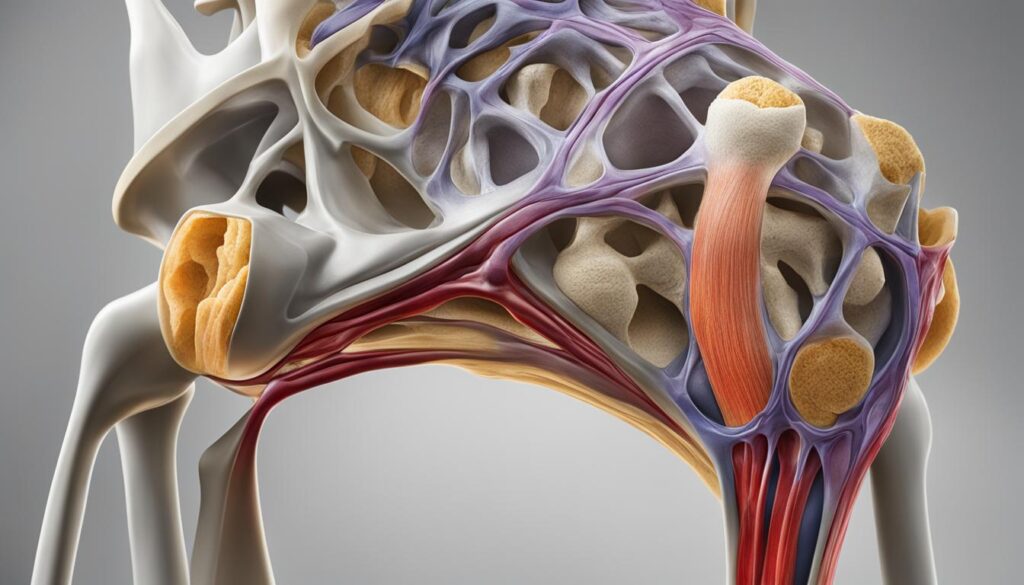
The knee joint is a complex structure that enables movement and stability. It consists of several crucial components, including bones, ligaments, tendons, cartilage, menisci, bursae, muscles, and nerves.
The bones in the knee joint are the patella (kneecap), femur (thighbone), and tibia (shinbone). These bones provide a frame and support for the knee.
The ligaments in the knee joint, such as the collateral and cruciate ligaments, connect the bones and help stabilize the joint. They play a vital role in preventing excessive movement and maintaining proper alignment.
Tendons are tough, fibrous tissues that connect muscles to bones. In the knee joint, tendons, such as the quadriceps tendon and patellar tendon, provide strength and allow movement.
Cartilage is a smooth, slippery tissue that covers the ends of the bones in the knee joint. It acts as a cushion and reduces friction during movement.
The menisci are two C-shaped pieces of cartilage located between the femur and tibia. They provide stability, absorb shock, and distribute weight evenly across the joint.
Bursae are fluid-filled sacs located throughout the knee joint. They act as cushions and reduce friction between structures, such as tendons and bones.
The muscles surrounding the knee joint, including the quadriceps and hamstrings, provide strength and control movement. They work together to flex and extend the leg.
Nerves in the knee joint transmit signals between the brain and the muscles, allowing for coordinated movement and providing a sense of sensation.
These various structures work in harmony to ensure the knee joint functions properly and supports movements like walking, running, jumping, and climbing stairs.
Components of the Knee Joint
| Bones | Ligaments | Tendons | Cartilage |
|---|---|---|---|
| Patella | Collateral ligaments | Quadriceps tendon | Articular cartilage |
| Femur | Cruciate ligaments | Patellar tendon | Menisci |
| Tibia |
Other Components of the Knee Joint
- Bursae
- Muscles
- Nerves
Common Causes of Knee Pain on Stairs
Knee pain when climbing stairs can be attributed to various conditions that affect the knee joint. Understanding these causes can help identify the specific issue and guide appropriate treatment. The most common causes of knee pain on stairs include:
- Patellofemoral Pain Syndrome: Also known as runner’s knee, this condition involves pain in the front of the knee. It is often caused by overuse or a sudden increase in physical activity, leading to irritation of the patellofemoral joint.
- Meniscus Tear: A tear in the meniscus, the cartilage cushion between the femur and tibia, can occur due to pivoting or twisting movements. This tear can cause pain and discomfort, particularly when climbing stairs.
- Chondromalacia Patella: This condition refers to the softening and breakdown of the cartilage underneath the kneecap. It can lead to pain and discomfort, especially during activities that involve knee flexion, such as climbing stairs.
- IT Band Syndrome: Irritation of the iliotibial band, a thick band of connective tissue that runs along the outside of the thigh, can cause pain on the outside of the knee. This pain is often aggravated when going down stairs.
- Muscle Imbalance: An imbalance in the strength and flexibility of the muscles around the knee, particularly an overreliance on the quadriceps muscles, can contribute to knee pain when climbing stairs. Inadequate support and stability in the knee joint can result from this muscle imbalance.
In order to effectively manage knee pain on stairs, it is important to identify the underlying cause and seek appropriate treatment from a healthcare professional. Now, let’s dive deeper into the prevention and treatment strategies to alleviate knee pain and improve knee function.
Preventing and Treating Knee Pain on Stairs
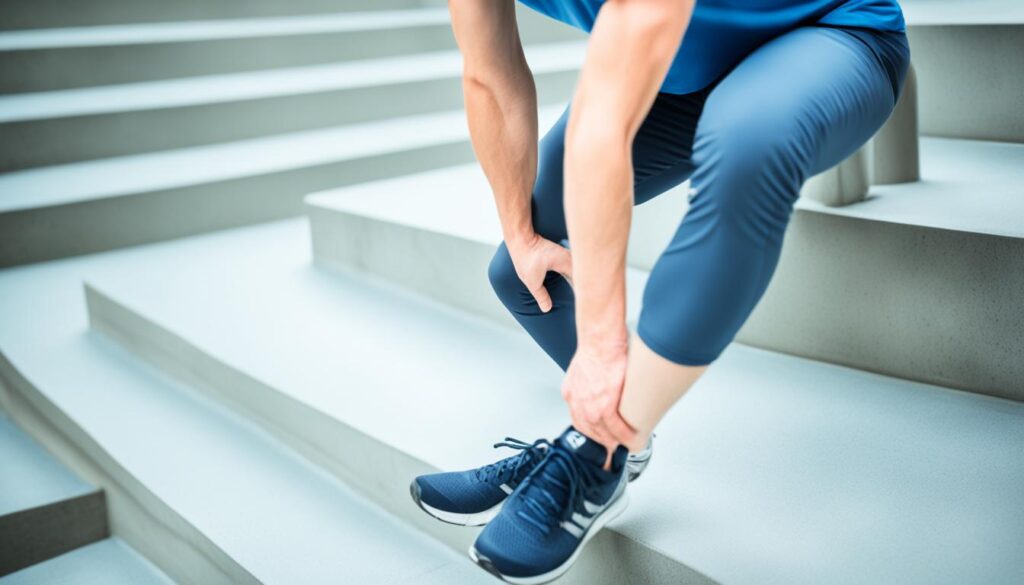
To effectively manage knee pain when going up and down stairs, there are several strategies that can be implemented. Targeted exercises focusing on strengthening the structures around the knees can help alleviate pain and improve overall knee function. Additionally, developing body awareness and learning proper movement techniques can contribute to reducing knee pain. Modifying your walking technique can provide relief, such as holding onto a wall or railing for support, squeezing the glutes, putting the whole foot on the step, keeping weight in the heels, and maintaining an upright torso posture.
One effective way to reduce pressure on the front of the knee is by strengthening the glutes and hamstrings. These muscles play a crucial role in stabilizing the knee joint and absorbing impact during stair climbing. By incorporating exercises specifically targeting these muscle groups, individuals can decrease the strain placed on the knee and improve overall knee function.
Implementing all these approaches in combination can effectively manage knee pain when navigating stairs. It is essential to listen to your body, adjust exercises or techniques as needed, and consult with a healthcare provider or physical therapist for guidance.
Remember, the goal is to reduce knee pain, improve knee function, and enhance your overall quality of life. By incorporating these strategies into your daily routine, you can find relief and confidently conquer stairs without discomfort or limitations.
Examples of Targeted Exercises for Knee Pain Relief
| Exercise | Benefits |
|---|---|
| Hip Flexor Stretches | Aids in relieving tension in the hip flexors and improving knee mobility. |
| Single-Leg Lifts | Strengthens the muscles around the knee joint, enhancing stability. |
| Hamstring Stretches | Increases flexibility and mobility in the hamstrings, reducing stress on the knees. |
| Strengthening Exercises | Targets the glutes and hamstrings to provide additional support to the knee joint. |
Consulting with a physical therapist can be beneficial in designing a personalized exercise plan tailored to your specific needs and goals. They can provide expert guidance and supervision to ensure proper form and technique are maintained.
Recommended Exercises for Knee Pain Relief
When it comes to managing knee pain, specific exercises can be highly effective in providing relief and strengthening the knee joint. Incorporating the following exercises into your routine can help improve knee stability and function, ultimately reducing discomfort and promoting better mobility:
Hip Flexor Stretches
In order to relieve knee pain, it is essential to address any tightness or imbalances in the hip flexor muscles. Performing hip flexor stretches regularly can help lengthen these muscles and alleviate stress on the knees. One effective stretch is the kneeling hip flexor stretch, where you kneel on one knee and gently lean forward, feeling a stretch in the front of your hip and thigh.
Single-Leg Lifts
Single-leg lifts are excellent exercises for targeting the muscles around the knee joint. This exercise helps improve stability and balance while also strengthening the muscles responsible for supporting the knees. To perform a single-leg lift, stand upright and lift one leg out to the side, ensuring proper alignment and control throughout the movement.
Hamstring Stretches
Tight hamstrings can contribute to knee pain, so incorporating hamstring stretches into your exercise routine is essential. One example of a helpful hamstring stretch is the seated hamstring stretch, where you sit on the edge of a chair with one leg extended straight in front of you, leaning forward gently to feel a stretch in the back of your thigh.
Strengthening Exercises
Strengthening the muscles around the knees can provide significant relief from knee pain. Exercises such as squats, lunges, and step-ups can help build strength and stability in the lower body, reducing the strain on the knees. It is important to start with lighter weights or bodyweight exercises and gradually increase intensity to avoid exacerbating any pain.
Remember, it is crucial to find exercises that do not exacerbate your knee pain. If you are unsure about which exercises are suitable for your specific condition, it is recommended to consult with a physical therapist. They can create an individualized exercise plan tailored to your needs and guide you through proper form and technique.
By incorporating these recommended exercises into your routine, you can effectively manage knee pain and enhance the overall health and function of your knees.
Importance of Body Alignment and Technique
Maintaining proper body alignment and technique when going up and down stairs is crucial in reducing knee pain. By following these guidelines, you can distribute weight evenly and minimize stress on the knees, promoting proper alignment and reducing discomfort.
- Keep the knees aligned with the toes: When climbing stairs, make sure your knees are aligned with your toes to maintain proper joint alignment. This helps distribute weight evenly, reducing strain on the knees.
- Push off each step from the heel: Focus on engaging your heel as you push off each step when ascending or descending stairs. This distributes weight more evenly throughout the foot and reduces pressure on the knees.
- Utilize handrails for support: When available, utilize handrails when going up or down stairs. This provides additional support and stability, reducing the strain on your knees.
- Maintain correct posture: Keep your torso upright while ascending or descending stairs. Proper posture helps align the spine and minimizes strain on the knees.
Consistently practicing these techniques can promote proper body mechanics and minimize knee pain. By aligning your body correctly, distributing weight evenly, and maintaining good posture, you can reduce stress on your knees and improve your overall stair-climbing experience.
| Benefits of Proper Alignment | Technique |
|---|---|
|
|
Seeking Professional Help for Knee Pain
If knee pain when walking up stairs persists or worsens, it is recommended to seek professional help. Physical therapy can be beneficial in managing knee pain and improving knee function. A licensed physical therapist can create an individualized treatment plan that includes targeted exercises and techniques to alleviate knee pain. In some cases, an exercise therapy program like Hinge Health’s online program may be recommended for convenient access to exercises and personalized guidance from a care team. A healthcare provider should be consulted for an accurate diagnosis and appropriate treatment options.
Conclusion
Knee pain when walking up stairs can be caused by various conditions, including patellofemoral pain syndrome, meniscus tear, chondromalacia patella, IT band syndrome, and muscle imbalance. However, there are effective strategies and exercises that can provide knee pain relief and improve knee function.
Proper body alignment is key in preventing and managing knee pain on stairs. By distributing weight evenly, keeping the knees aligned with the toes, and using handrails for support, individuals can reduce stress on the knees and minimize discomfort.
In addition, targeted exercises that strengthen the muscles around the knee joint, such as the glutes and hamstrings, can alleviate knee pain and improve overall knee function. Modifying walking techniques, such as putting the whole foot on the step, squeezing the glutes, and keeping weight in the heels, can also provide relief.
If you’re experiencing knee pain when walking up stairs, it’s important to consult a healthcare provider or a licensed physical therapist for an accurate diagnosis and personalized treatment plan. They can guide you in implementing the appropriate strategies and exercises to effectively manage your knee pain and prevent further discomfort. With the right approach, you can find relief and continue navigating stairs comfortably and pain-free.
FAQ
What causes knee pain when walking up stairs?
Knee pain when walking up stairs can be caused by conditions such as patellofemoral pain syndrome, meniscus tear, chondromalacia patella, IT band syndrome, and muscle imbalance.
How does the knee joint work?
The knee joint consists of bones (patella, femur, tibia), ligaments, tendons, cartilage, menisci, bursae, muscles, and nerves, which work together to provide stability and mobility to the knee joint.
What are some common causes of knee pain on stairs?
Some common causes of knee pain on stairs include patellofemoral pain syndrome, meniscus tear, chondromalacia patella, IT band syndrome, and muscle imbalance.
How can I prevent and treat knee pain on stairs?
Strategies to prevent and treat knee pain on stairs include targeted exercises, body awareness, modifying walking technique, and strengthening the glutes and hamstrings.
What are some recommended exercises for knee pain relief?
Recommended exercises for knee pain relief include hip flexor stretches, single-leg lifts, hamstring stretches, and strengthening exercises.
How important is body alignment and technique when climbing stairs to reduce knee pain?
Proper body alignment, distributing weight evenly, pushing off each step from the heel, and maintaining correct posture can help reduce stress on the knees and alleviate knee pain on stairs.
When should I seek professional help for knee pain on stairs?
If knee pain when walking up stairs persists or worsens, it is recommended to seek professional help from a physical therapist or healthcare provider for an accurate diagnosis and appropriate treatment options.
What are some key takeaways for managing knee pain on stairs?
There are effective strategies and exercises that can help alleviate knee pain and improve knee function. It is important to consult a healthcare provider or physical therapist for an accurate diagnosis and personalized treatment plan.


