Tag: Knee Pain Symptoms

  • Understanding Knee Pain Behind Knee When Bending And Straightening: Causes, Treatments, and Prevention

    Understanding Knee Pain Behind Knee When Bending And Straightening: Causes, Treatments, and Prevention

    Experiencing pain behind your knee when bending and straightening your leg can significantly impact your daily activities. This specific type of discomfort, known as posterior knee pain, can make simple movements like walking up stairs, getting out of a chair, or even sleeping comfortably challenging. Whether the pain appears suddenly after an injury or develops gradually over time, understanding its causes is the first step toward finding relief.

    Posterior knee pain occurs in the popliteal area—the space at the back of your knee joint. This region contains various structures including muscles, tendons, ligaments, blood vessels, and nerves. When you bend or straighten your knee, these structures move and interact. If any component is damaged or inflamed, the normal movement pattern becomes painful, often worsening with continued activity.

    Common Causes of Knee Pain Behind Knee When Bending And Straightening

    Several conditions can cause pain behind the knee when bending and straightening. Understanding these potential causes can help you identify your specific issue and seek appropriate treatment.

    Baker’s Cyst

    A Baker’s cyst (also called a popliteal cyst) is a fluid-filled sac that forms behind the knee. It develops when synovial fluid—which normally lubricates the knee joint—builds up and creates a bulge in the back of the knee.

    Key Symptoms of Baker’s Cyst:

    • Swelling behind the knee that may increase with activity
    • Tightness or stiffness when fully bending or straightening the leg
    • Feeling of pressure in the back of the knee
    • Sharp pain if the cyst bursts

    Baker’s cysts often develop due to underlying knee problems like arthritis or meniscus tears. They’re more common in middle-aged and older adults, particularly those with existing joint conditions.

    Meniscus Tears

    The meniscus is a C-shaped piece of cartilage that cushions your knee joint. Each knee has two menisci that act as shock absorbers between your thigh bone (femur) and shin bone (tibia). Tears can occur during activities that involve twisting or rotating the knee, especially when putting your full weight on it.

    Key Symptoms of Meniscus Tears:

    • A “popping” sensation at the time of injury
    • Pain that worsens when twisting or rotating the knee
    • Difficulty fully straightening the knee
    • Feeling of the knee “locking” or “giving way”
    • Swelling that develops over 24-48 hours

    Meniscus tears are common in athletes but can also occur in older adults due to cartilage degeneration. Even everyday activities like squatting can cause tears in weakened menisci.

    Hamstring Tendonitis

    The hamstrings are a group of three muscles that run down the back of your thigh. Tendonitis occurs when the tendons connecting these muscles to bones become inflamed or irritated, often due to overuse or sudden increases in activity level.

    Key Symptoms of Hamstring Tendonitis:

    • Pain in the back of the knee that worsens with activity
    • Tenderness when touching the affected area
    • Pain when bending the knee against resistance
    • Swelling and warmth around the tendon

    Athletes in sports requiring sprinting or jumping are particularly susceptible to hamstring tendonitis. Poor flexibility, muscle imbalances, and inadequate warm-up can increase risk.

    ACL and PCL Injuries

    The anterior cruciate ligament (ACL) and posterior cruciate ligament (PCL) are crucial stabilizers of the knee joint. While ACL injuries typically cause pain at the front of the knee, PCL injuries often result in posterior knee pain when bending and straightening.

    Key Symptoms of PCL Injuries:

    • Pain behind the knee that worsens when walking downhill or stairs
    • Swelling within hours of injury
    • Instability when bearing weight
    • Difficulty fully bending the knee

    PCL injuries often result from a direct blow to the front of the knee while it’s bent, such as in a car accident or during contact sports. They can also occur from hyperextending the knee or missing a step when walking.
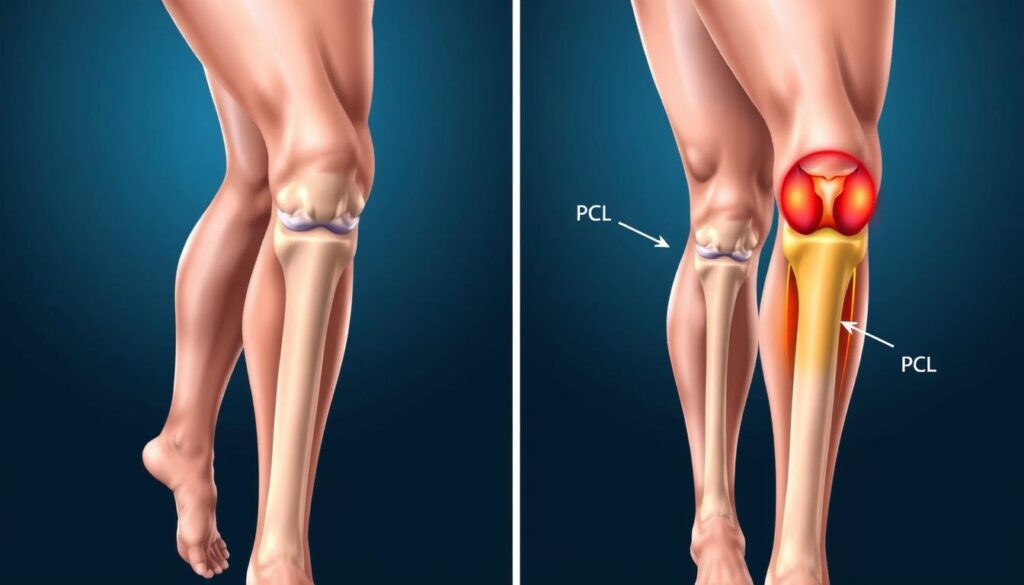
    Comparison of healthy knee ligaments versus torn PCL causing posterior knee pain

    Arthritis

    Several forms of arthritis can cause pain behind the knee when bending and straightening, including osteoarthritis, rheumatoid arthritis, and psoriatic arthritis. Osteoarthritis is the most common, resulting from wear and tear on the joint over time.

    Key Symptoms of Knee Arthritis:

    • Pain that increases with activity and improves with rest
    • Morning stiffness that improves after movement
    • Grinding or crackling sounds (crepitus) with movement
    • Decreased range of motion over time
    • Swelling after extended activity

    Risk factors for knee arthritis include age, previous joint injuries, obesity, and family history. Women and people over 45 are more likely to develop osteoarthritis of the knee.

    Experiencing Persistent Knee Pain?

    If you’ve been dealing with pain behind your knee when bending and straightening, our specialists can help identify the cause and develop a personalized treatment plan.

    Consult a Specialist Today

    Diagnosing the Cause of Posterior Knee Pain

    Proper diagnosis is essential for effective treatment of knee pain behind the knee when bending and straightening. Healthcare providers use several methods to determine the underlying cause.

    Physical Examination

    During a physical exam, your doctor will assess your knee’s range of motion, stability, and the location of pain. They may perform specific tests to check for meniscus tears, ligament injuries, or other conditions. For example, the McMurray test involves rotating the tibia while the knee is bent and then straightened to check for meniscus tears.

    Imaging Tests

    Various imaging techniques help visualize the structures inside and around your knee:

    X-rays

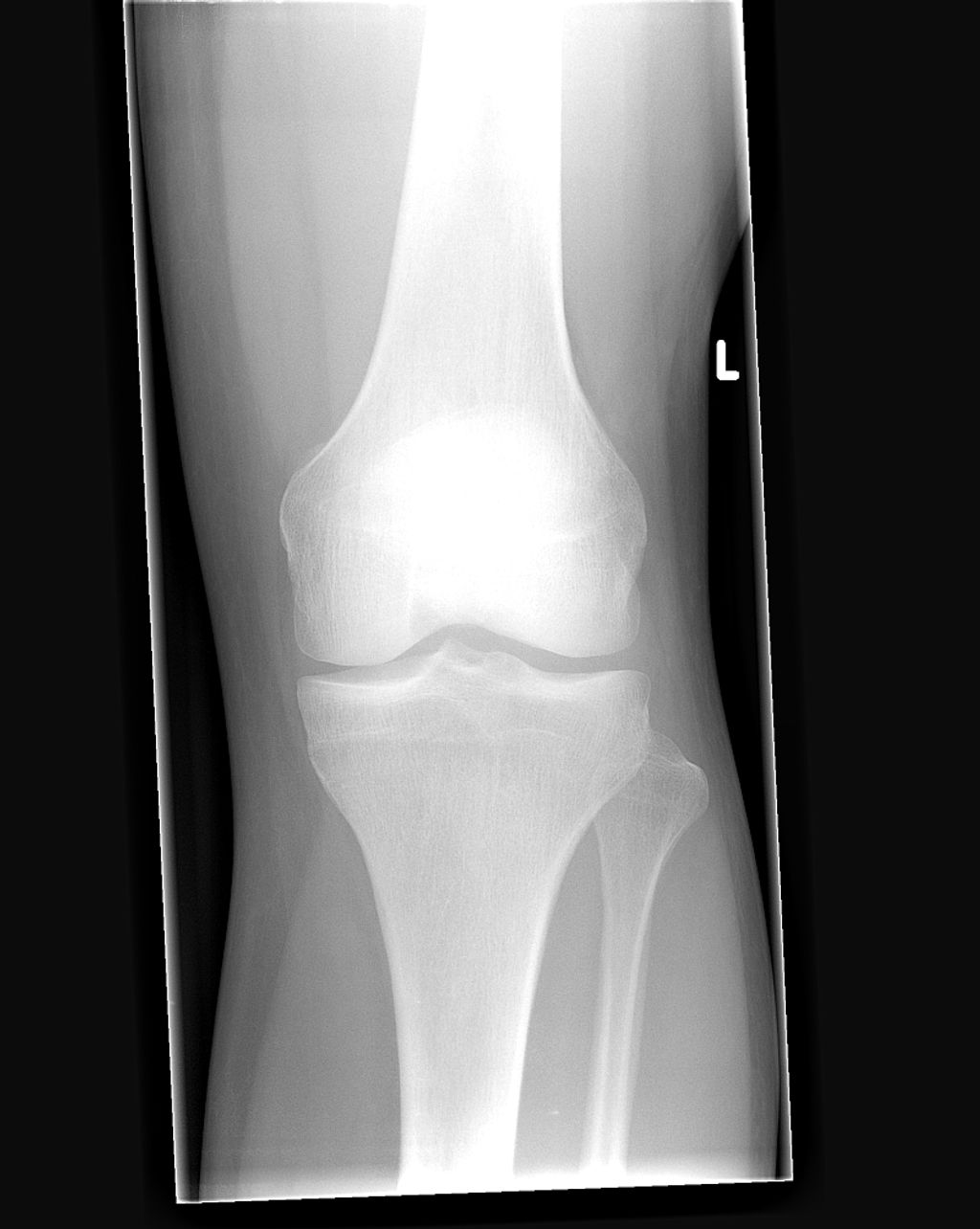
    While X-rays don’t show soft tissues like cartilage and ligaments, they can reveal bone spurs, joint space narrowing, and other signs of arthritis or fractures.

    MRI (Magnetic Resonance Imaging)

    MRIs provide detailed images of soft tissues, making them excellent for diagnosing meniscus tears, ligament injuries, and Baker’s cysts.

    Ultrasound

    This non-invasive test uses sound waves to create images and is particularly useful for visualizing Baker’s cysts and tendon injuries.

    CT Scan

    CT scans may be used to examine complex fractures or other bone abnormalities that could contribute to posterior knee pain.
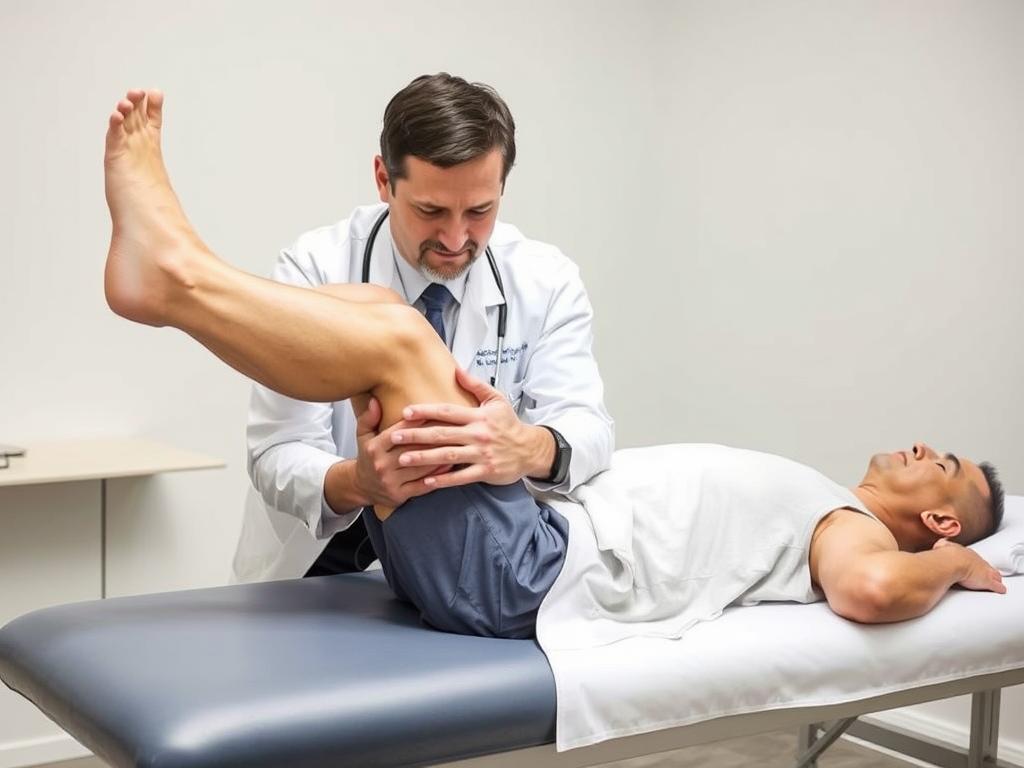
    Doctor examining patient with knee pain behind knee when bending and straightening

    Additional Diagnostic Procedures

    In some cases, your doctor may recommend additional tests:

    • Aspiration: Removing and analyzing fluid from the knee joint can help diagnose infection or inflammatory conditions.
    • Blood tests: These can identify markers of inflammation or autoimmune conditions like rheumatoid arthritis.
    • Arthroscopy: This minimally invasive surgical procedure allows doctors to look inside the knee joint using a small camera, which can both diagnose and treat certain conditions.

    Treatment Options for Knee Pain Behind Knee When Bending And Straightening

    Treatment approaches vary depending on the underlying cause of your posterior knee pain. Many conditions respond well to conservative treatments, while others may require more intensive interventions.

    Conservative Treatments

    RICE Method

    The RICE protocol is often the first line of treatment for many knee injuries:

    • Rest: Avoid activities that cause pain and give your knee time to heal.
    • Ice: Apply ice packs for 15-20 minutes several times daily to reduce inflammation.
    • Compression: Use an elastic bandage to provide support and reduce swelling.
    • Elevation: Keep your leg raised above heart level when possible to minimize swelling.
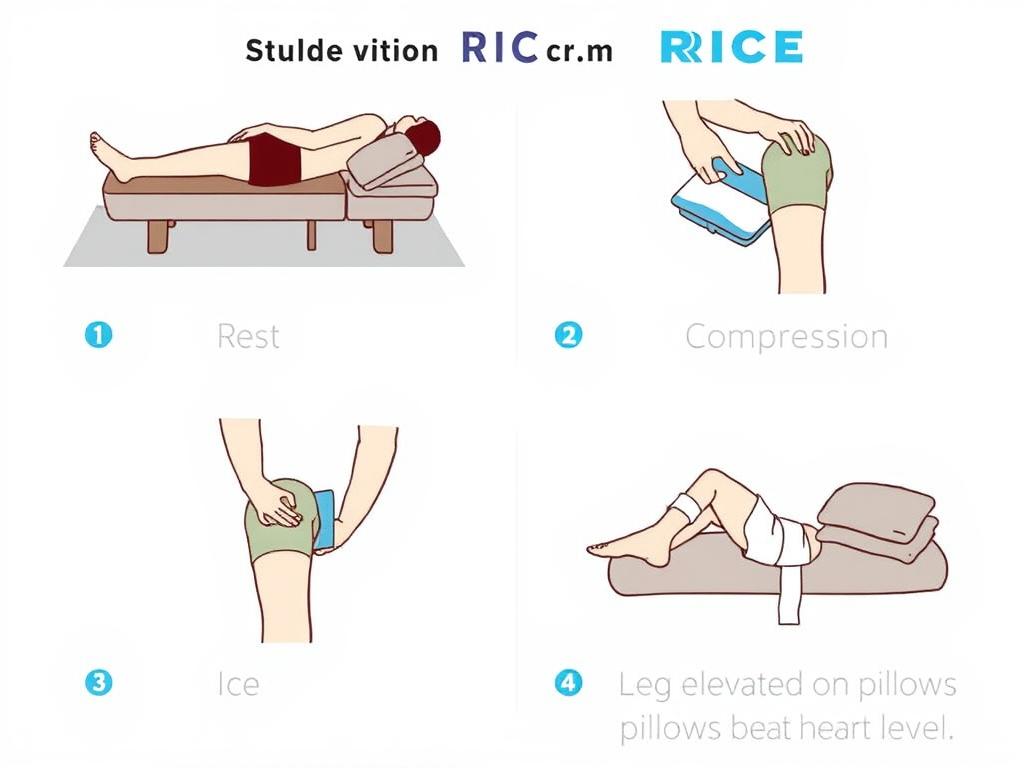
    RICE method being applied to treat knee pain behind knee when bending and straightening

    Medications

    Several types of medications can help manage pain and inflammation:

    • NSAIDs: Non-steroidal anti-inflammatory drugs like ibuprofen or naproxen reduce pain and swelling.
    • Acetaminophen: Helps with pain management but doesn’t reduce inflammation.
    • Topical medications: Creams or gels containing NSAIDs or other pain-relieving compounds can be applied directly to the affected area.

    Physical Therapy

    A physical therapist can design a program to strengthen the muscles supporting your knee, improve flexibility, and restore proper movement patterns. Common exercises include:

    Hamstring Stretches

    Gently stretching tight hamstrings can relieve pressure on the back of the knee.

    Quadriceps Strengthening

    Strong quads help stabilize the knee joint and improve patellar tracking.

    Balance Exercises

    Improving proprioception helps prevent future injuries and instability.

    Low-Impact Cardio

    Activities like swimming or cycling maintain fitness without stressing the knee.
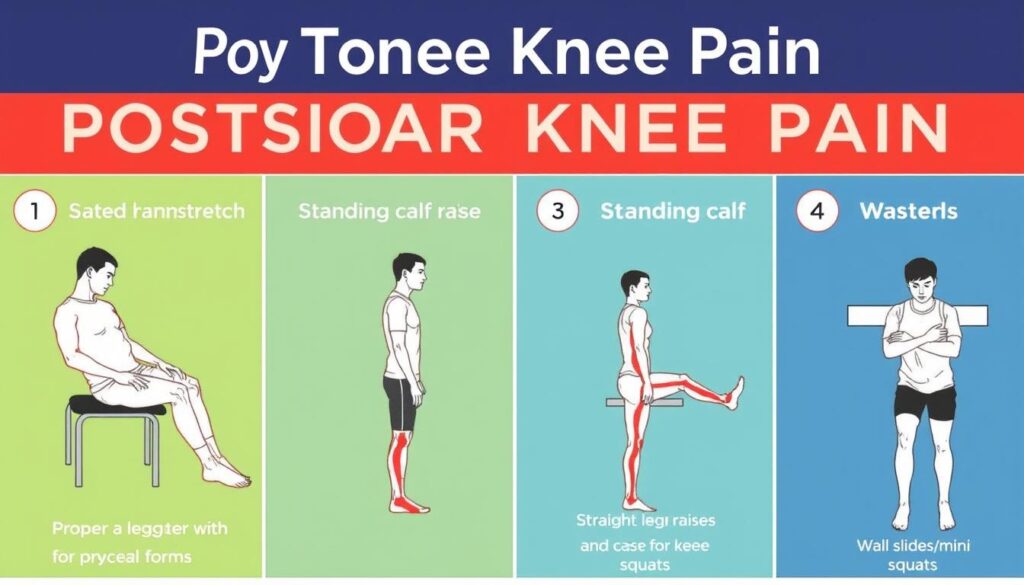
    Physical therapy exercises for posterior knee pain when bending and straightening

    Medical Interventions

    Injections

    When conservative treatments aren’t providing adequate relief, your doctor might recommend:

    • Corticosteroid injections: Reduce inflammation and provide temporary pain relief for conditions like arthritis or Baker’s cysts.
    • Hyaluronic acid injections: Add cushioning fluid to the joint, particularly helpful for osteoarthritis.
    • Platelet-rich plasma (PRP): Uses components from your own blood to potentially accelerate healing in tendons and other tissues.

    Surgical Options

    Surgery may be necessary for severe or persistent conditions:

    • Arthroscopic repair: Minimally invasive surgery to repair meniscus tears or remove loose fragments.
    • Ligament reconstruction: Rebuilding damaged ligaments like the PCL using tissue grafts.
    • Baker’s cyst removal: Surgical excision of a problematic cyst that doesn’t respond to other treatments.
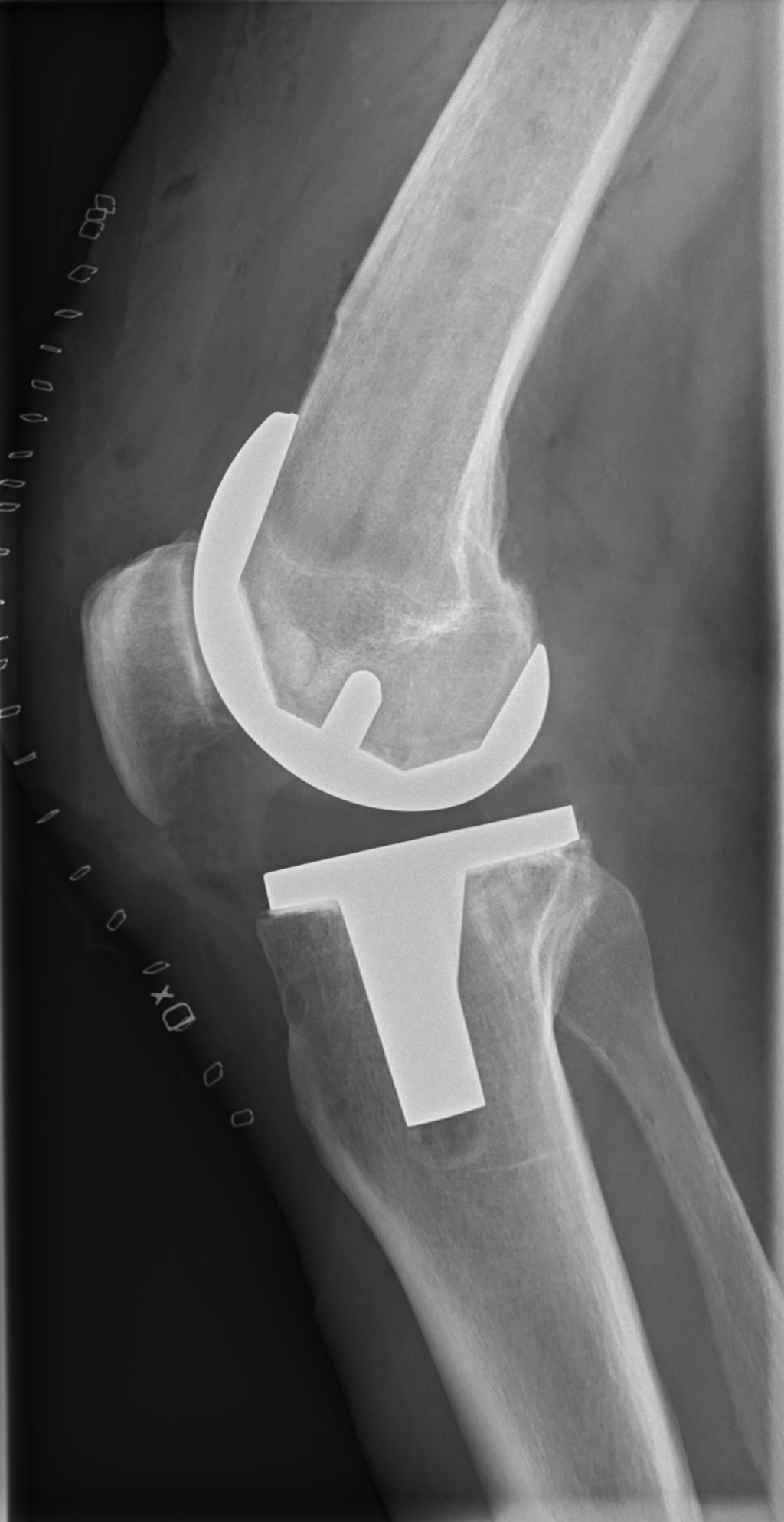
    • Partial or total knee replacement: For severe arthritis that significantly impacts quality of life.

    Need a Personalized Treatment Plan?

    Our orthopedic specialists can evaluate your knee pain and recommend the most effective treatment options for your specific condition.

    Get Personalized Treatment

    Prevention Tips for Knee Pain Behind Knee When Bending And Straightening

    While not all causes of posterior knee pain are preventable, these strategies can help reduce your risk and maintain knee health.

    Strengthening Exercises

    Building strength in the muscles that support your knee joint is one of the most effective preventive measures:

    • Quadriceps exercises: Strong front thigh muscles help stabilize the knee joint.
    • Hamstring strengthening: Balanced strength between quads and hamstrings prevents strain.
    • Core stability work: A strong core improves overall body mechanics and reduces knee stress.
    • Hip strengthening: Strong hip muscles, especially the gluteus medius, improve knee alignment during movement.
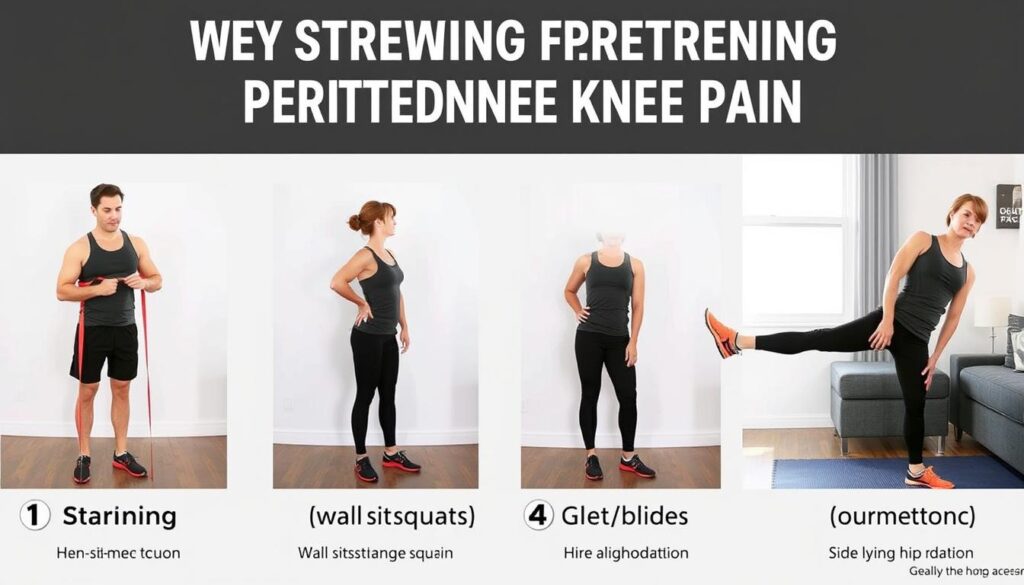
    Strengthening exercises to prevent knee pain behind knee when bending and straightening

    Proper Warm-Up Routines

    Always prepare your body before physical activity:

    • Spend 5-10 minutes on light cardio to increase blood flow to muscles and joints.
    • Perform dynamic stretches that mimic the movements of your planned activity.
    • Gradually increase intensity rather than jumping straight into vigorous exercise.
    • Include specific knee mobility exercises like gentle knee bends and leg swings.

    Ergonomic Adjustments

    Making changes to your daily environment and habits can significantly reduce knee strain:

    Workplace Modifications

    • Use an ergonomic chair that supports proper posture
    • Ensure feet are flat on the floor when sitting
    • Take regular breaks from prolonged sitting

    Home Adjustments

    • Install handrails on stairs if needed
    • Use a shower bench if standing causes pain
    • Consider raised toilet seats to reduce deep knee bending

    Lifestyle Modifications

    Overall health habits play a crucial role in knee health:

    • Maintain a healthy weight: Extra pounds significantly increase stress on knee joints.
    • Choose low-impact activities: Swimming, cycling, and elliptical training are gentler on knees than running or jumping.
    • Wear proper footwear: Supportive shoes with good cushioning reduce impact forces transmitted to knees.
    • Stay hydrated: Proper hydration helps maintain the health of cartilage and other joint tissues.
    Person wearing proper supportive footwear to prevent knee pain when bending and straightening

    When to See a Doctor for Knee Pain Behind Knee When Bending And Straightening

    While some mild knee discomfort may resolve with home care, certain symptoms warrant prompt medical attention.

    Seek Immediate Medical Care If You Experience:

    • Severe pain that prevents you from bearing weight on the affected leg
    • Significant swelling that develops rapidly (within a few hours)
    • Visible deformity of the knee joint
    • Inability to bend or straighten the knee
    • Fever accompanied by knee pain and redness (possible infection)
    • Symptoms of a blood clot: warmth, redness, and swelling in the calf

    Additionally, schedule an appointment with your healthcare provider if you experience:

    • Pain that persists for more than a few days despite rest and over-the-counter pain relievers
    • Recurrent swelling around the knee joint
    • Instability or a feeling that your knee might “give way”
    • Clicking, popping, or grinding sensations accompanied by pain
    • Pain that interferes with sleep or daily activities
    • Any knee symptoms that worsen rather than improve with time
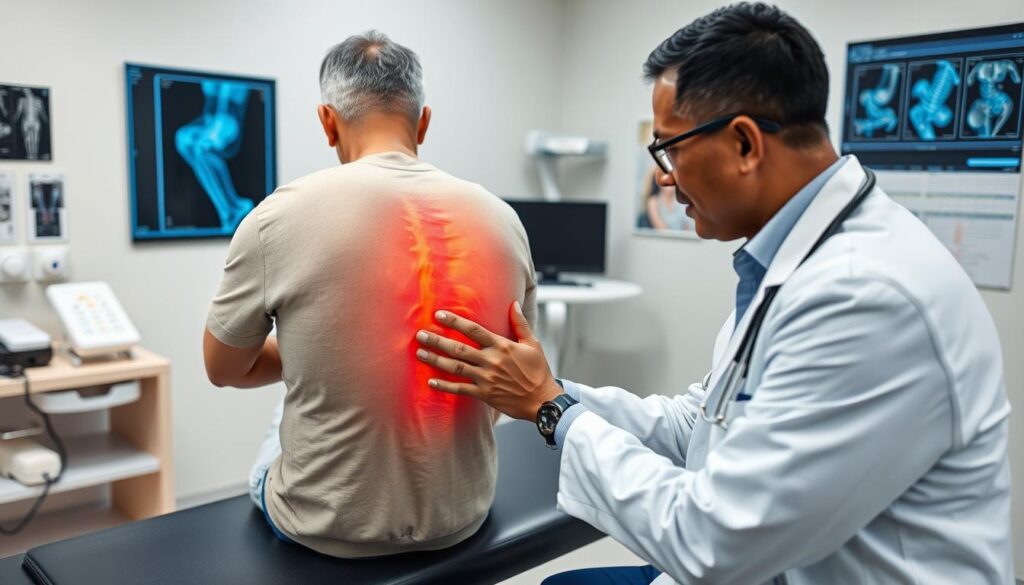
    Doctor examining patient with severe posterior knee pain requiring medical attention

    Early intervention often leads to better outcomes and can prevent chronic issues from developing. Your doctor can provide an accurate diagnosis and create a treatment plan tailored to your specific condition.

    Frequently Asked Questions About Knee Pain Behind Knee When Bending And Straightening

    Is walking good for knee pain behind the knee?

    Walking can be beneficial for some types of posterior knee pain, particularly those related to arthritis or muscle weakness. Low-impact walking helps maintain joint mobility, strengthens supporting muscles, and improves circulation to aid healing. However, if walking increases your pain, causes swelling, or leads to limping, it may be too strenuous for your current condition.

    Start with short, gentle walks on level surfaces and gradually increase duration as tolerated. Using proper footwear with good support and cushioning is essential. For acute injuries or severe pain, rest may be more appropriate initially. Always follow your healthcare provider’s specific recommendations for your condition.

    Can pain behind the knee when bending and straightening go away on its own?

    Some causes of posterior knee pain may resolve without medical intervention, particularly minor strains or overuse injuries. Implementing the RICE protocol (rest, ice, compression, elevation) and temporarily modifying activities often allows these conditions to heal naturally within a few days to weeks.

    However, many underlying causes—such as meniscus tears, Baker’s cysts, or arthritis—typically require proper diagnosis and treatment. Even if pain subsides temporarily, the underlying issue may persist and lead to recurring problems or further damage if left untreated. If pain persists beyond 1-2 weeks despite home care, or if it’s accompanied by swelling, instability, or limited range of motion, medical evaluation is recommended.

    What’s the difference between pain behind the knee and pain in other areas of the knee?

    The location of knee pain provides important diagnostic clues. Pain behind the knee (posterior) typically suggests different conditions than pain in the front (anterior), sides (medial/lateral), or throughout the joint:

    • Posterior knee pain: Often related to Baker’s cysts, hamstring tendonitis, PCL injuries, or popliteal artery entrapment.
    • Anterior knee pain: Commonly associated with patellofemoral pain syndrome, patellar tendonitis, or quadriceps tendonitis.
    • Medial (inner) knee pain: Frequently due to MCL injuries, medial meniscus tears, or pes anserine bursitis.
    • Lateral (outer) knee pain: Often caused by LCL injuries, IT band syndrome, or lateral meniscus tears.

    While some conditions like osteoarthritis can cause pain throughout the joint, the specific location helps healthcare providers narrow down potential causes and direct appropriate treatment.

    Can exercises make knee pain behind the knee worse?

    Yes, certain exercises can exacerbate posterior knee pain, especially if performed incorrectly or if they’re inappropriate for your specific condition. Exercises that may worsen pain behind the knee include:

    • Deep squats or lunges that place excessive pressure on the knee joint
    • High-impact activities like running or jumping, particularly on hard surfaces
    • Leg extensions with heavy weights that strain the knee joint
    • Exercises that involve forced hyperextension of the knee

    The key is to work with a physical therapist or qualified fitness professional who can design an appropriate exercise program based on your specific diagnosis. Proper form, gradual progression, and selecting the right type of exercises are essential for healing rather than harming your knee.
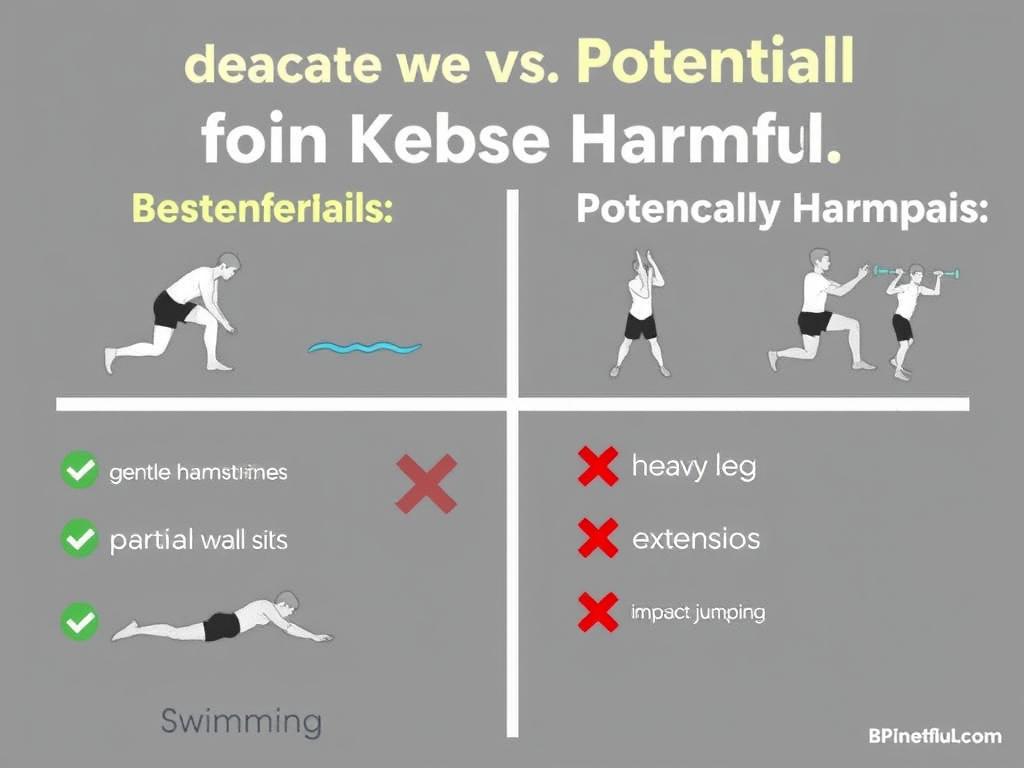
    Comparison of beneficial versus harmful exercises for knee pain behind knee when bending and straightening

    Conclusion

    Knee pain behind the knee when bending and straightening can significantly impact your quality of life, but understanding its causes is the first step toward finding relief. Whether you’re dealing with a Baker’s cyst, meniscus tear, tendonitis, ligament injury, or arthritis, proper diagnosis and treatment are essential for recovery.

    Many cases of posterior knee pain respond well to conservative measures like the RICE method, physical therapy, and appropriate medications. For more severe or persistent conditions, medical interventions including injections or surgery may be necessary. Regardless of the cause, early intervention typically leads to better outcomes and can prevent chronic issues from developing.

    By incorporating preventive strategies—such as strengthening exercises, proper warm-up routines, and ergonomic adjustments—you can reduce your risk of future knee problems. Remember to listen to your body and seek medical attention when warning signs appear, particularly severe pain, significant swelling, or instability.

    Don’t Let Knee Pain Limit Your Life

    Our orthopedic specialists can help diagnose and treat the cause of your posterior knee pain, getting you back to the activities you enjoy.

    Schedule an Evaluation Today

  • Knee On Pain: A Comprehensive Guide to Causes, Symptoms, and Solutions

    Knee On Pain: A Comprehensive Guide to Causes, Symptoms, and Solutions

    4ef72b9f 59c0 4b92 8455 911240804c67

    If you’re reading this, chances are you or someone you love has dealt with the frustrating twinge of knee pain. You’re not alone. This common complaint affects people of all ages and walks of life. It’s a topic that doctors and researchers at renowned institutions like the Mayo Clinic study in-depth.

    Knee pain can be particularly frustrating because it’s hard to ignore. Every step, every movement can serve as a reminder of your discomfort. This comprehensive guide is all about understanding why your knee might be acting up and what you can do about it. We’ll explore the causes, dive into the types of pain you might experience, and offer practical solutions to help you find relief.

    Table of Contents:

    1. Decoding Your Knee Pain: Common Culprits
    2. The Usual Suspects: Injuries and Overuse
    3. Arthritis: When Wear and Tear Takes Its Toll
    4. Beyond the Obvious: Other Potential Causes of Knee Pain
    5. Say What? Types of Knee Pain
    6. When It’s Time to Call the Doc
    7. Treatment Options: From Home Remedies to Medical Interventions
    8. Prevention: Keeping Your Knees Healthy
    9. FAQs About Knee Pain
    10. Conclusion

    1. Decoding Your Knee Pain: Common Culprits

    Let’s face it: knee pain is rarely ever welcome. Sometimes, it feels like it appears out of nowhere. Other times, it builds gradually. But why does it happen? Understanding the root cause of your knee pain is the first step towards finding effective relief.

    6ac9cf61 599c 4f98 9443 b08442806a87

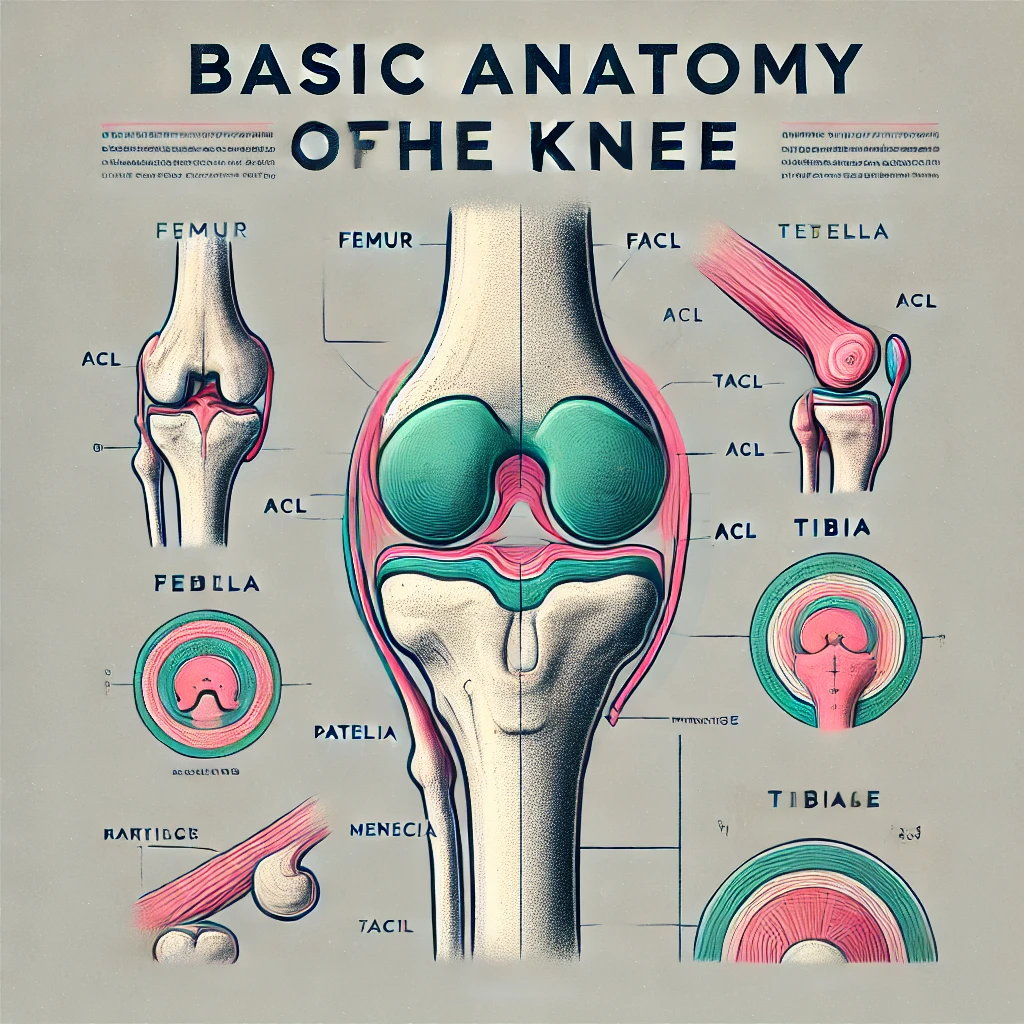
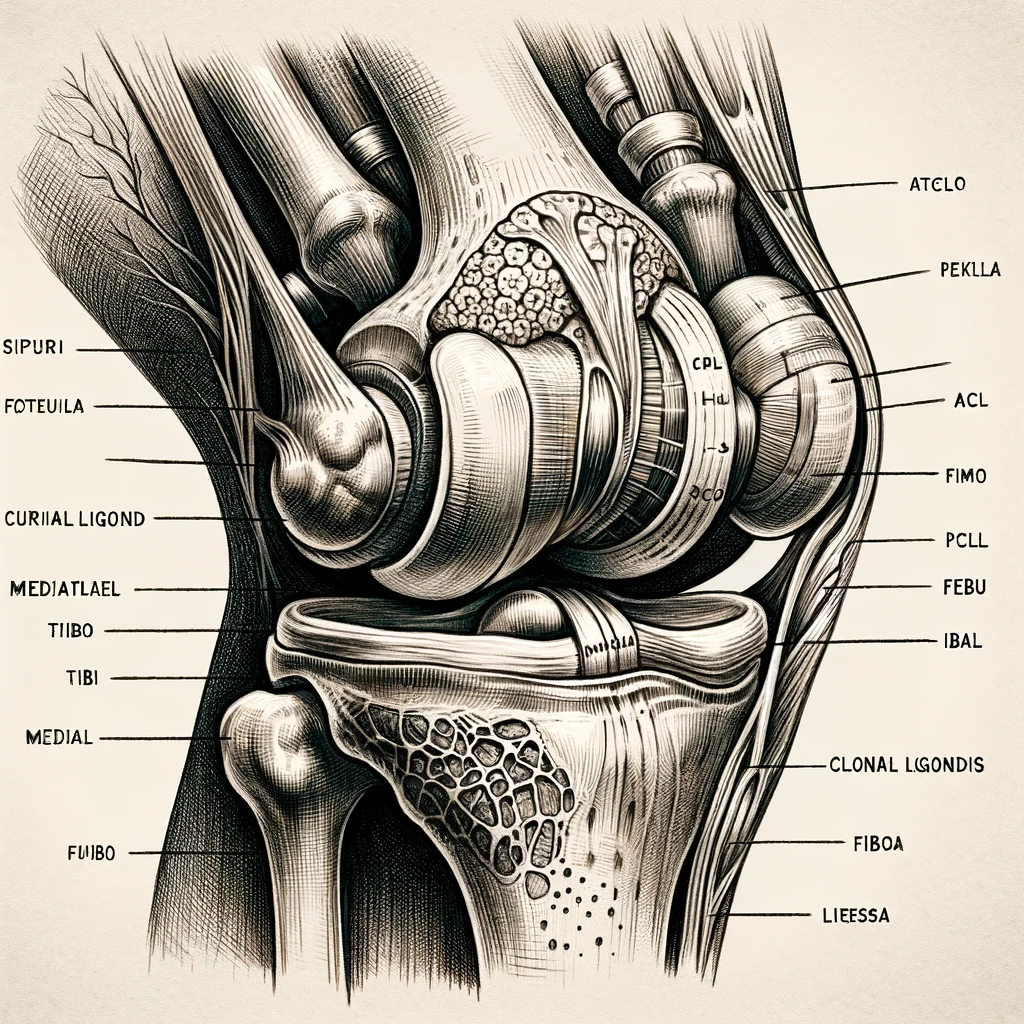
    The knee is a complex joint, and pain can originate from various structures within it. The image above illustrates the basic anatomy of the knee, highlighting key components that are often involved in knee pain.

    2. The Usual Suspects: Injuries and Overuse

    Our knees go through a lot. They bear our weight, help us move, and sometimes, we ask a little too much of them. Think about the impact when you run, jump, or even just walk for extended periods. Over time, this can lead to wear and tear or sudden injuries.

    Ligament Troubles

    You’ve got these strong bands of tissue, like your anterior cruciate ligament (ACL), that hold your knee joint together. Sudden twists or impacts (common in sports) can lead to painful sprains or tears.

    • ACL Injuries: These often occur during sports that involve sudden stops or changes in direction, like basketball or soccer.
    • MCL Injuries: The medial collateral ligament can be damaged by a blow to the outer part of the knee.
    • PCL Injuries: While less common, posterior cruciate ligament injuries can occur from a direct blow to the front of the knee.

    Recovery time for ligament injuries can vary widely. For instance, a minor sprain might heal in a few weeks with proper care, while a severe tear might require surgery and months of rehabilitation.

    Meniscus Mishaps

    That rubbery cushion in your knee, the meniscus, can get torn. Twisting movements, especially when your knee is under pressure, are often to blame. Meniscus tears are common in sports but can also occur during everyday activities, especially as we age and the meniscus becomes more prone to wear and tear.

    Symptoms of a meniscus tear include:

    • A popping sensation
    • Swelling
    • Stiffness
    • Difficulty fully straightening the knee

    Tendon Tantrums

    Tendons, which attach muscle to bone, can become inflamed with repetitive activities. This is where conditions like runner’s knee (patellofemoral pain syndrome) and jumper’s knee (patellar tendinitis) come into play.

    • Runner’s Knee: This condition causes pain around the kneecap, especially when climbing stairs, kneeling, or sitting with bent knees for long periods.
    • Jumper’s Knee: Common in athletes who do a lot of jumping, this condition causes pain below the kneecap.

    These conditions often develop over time due to overuse or improper form during activities. They can be particularly frustrating for athletes or active individuals, as they may require a period of rest and rehabilitation to resolve.

    aeb1f47d e382 45e8 b603 f20ea2426cdd

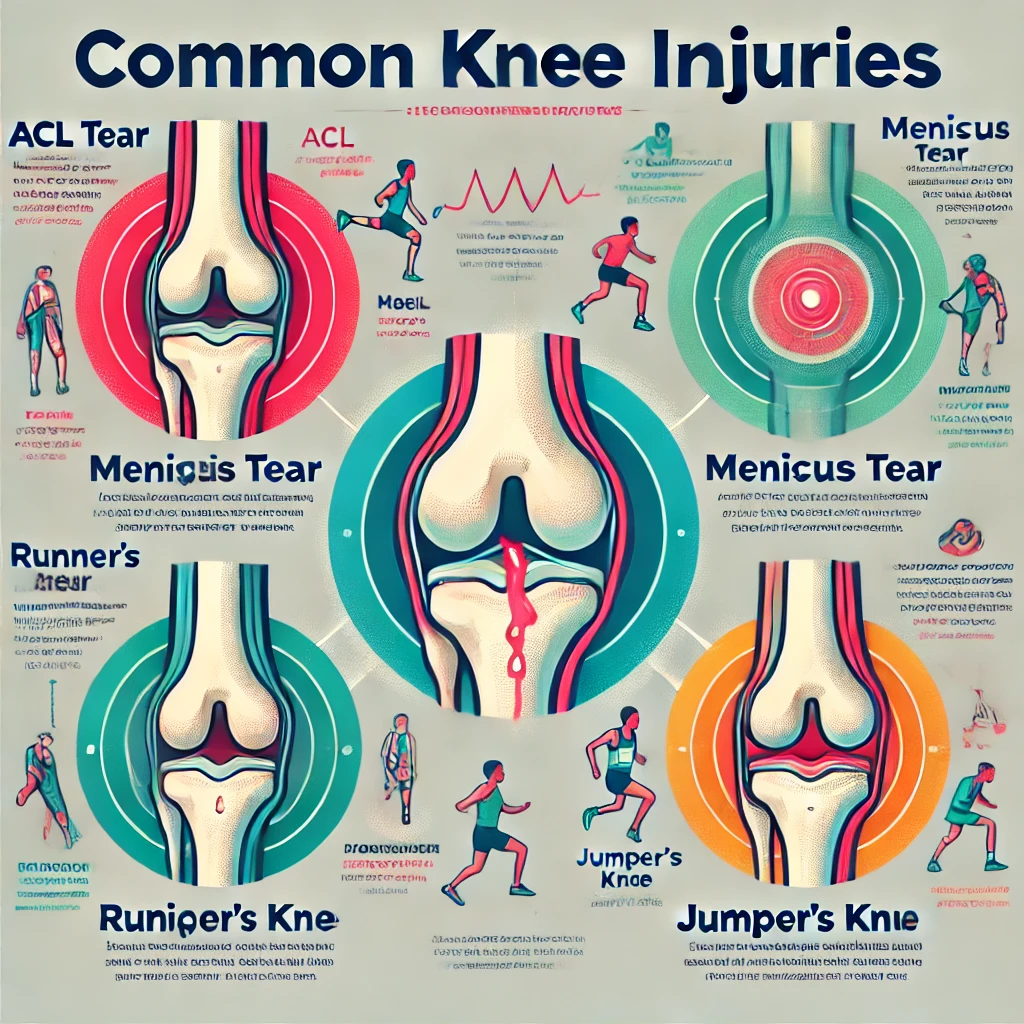
    This common knee injuries we’ve discussed. Understanding these injuries can help you identify potential causes of your knee pain and seek appropriate treatment.

    3. Arthritis: When Wear and Tear Takes Its Toll

    Arthritis is a common cause of knee pain, especially as we age. It occurs when the joint becomes inflamed, leading to pain, stiffness, and sometimes swelling. There are several types of arthritis that can affect the knee:

    Osteoarthritis

    This is the most common form of arthritis affecting the knee. Think of it like this: remember those car commercials showing shock absorbers wearing down over time? Over the years, the cartilage that cushions our bones can wear away, making movement painful.

    In the United States alone, knee osteoarthritis affects around 10 percent of men and 13 percent of women over the age of 60. That’s a significant portion of the population dealing with this type of knee pain.

    Symptoms of knee osteoarthritis include:

    • Pain that increases with activity
    • Stiffness, especially in the morning or after sitting for long periods
    • Swelling
    • Decreased range of motion
    • A grinding sensation when moving the knee

    Rheumatoid Arthritis

    Unlike osteoarthritis, rheumatoid arthritis is an autoimmune condition where the body’s immune system attacks the joints. This can lead to inflammation, pain, and eventual joint damage if left untreated.

    Rheumatoid arthritis often affects both knees simultaneously and may be accompanied by fatigue, fever, and weight loss.

    Post-Traumatic Arthritis

    This type of arthritis can develop years after a knee injury, such as a fracture or ligament tear. The initial injury can lead to changes in the knee joint that accelerate the breakdown of cartilage over time.

    3cae72c1 402c 442d aebe dd1c23db533c

    This image illustrates the difference between a healthy knee joint with smooth cartilage and an arthritic knee with worn, damaged cartilage. In the arthritic knee, you can see how the protective cartilage has deteriorated, potentially leading to bone-on-bone contact and pain.

    4. Beyond the Obvious: Other Potential Causes of Knee Pain

    While injuries and arthritis are common culprits, sometimes knee pain can be sneaky. It might be a clue that something else is going on. Think about your overall health and any other aches or pains you’ve noticed.

    Referred Pain

    You might actually have a hip problem or foot issue that’s changing the way you walk, putting extra stress on your knee. It’s like when your car’s tires are out of alignment; the wear and tear show up elsewhere.

    For example, flat feet or high arches can alter your gait, potentially leading to knee pain. Similarly, tight hip flexors or weak gluteal muscles can change the mechanics of how you move, putting additional stress on your knees.

    Infections

    While less common, infections in the knee joint (like septic arthritis) can cause intense pain. This one needs prompt medical attention. Think of it as your body’s way of sounding the alarm.

    Symptoms of a knee infection may include:

    • Severe pain
    • Swelling
    • Redness and warmth around the joint
    • Fever
    • Fatigue

    If you suspect a knee infection, it’s crucial to seek medical attention immediately, as untreated joint infections can lead to permanent damage.

    Underlying Conditions

    Certain medical conditions can cause joint pain, including knee pain. Some of these include:

    • Gout: A type of arthritis caused by a buildup of uric acid crystals in the joint.
    • Lupus: An autoimmune disease that can cause inflammation in various parts of the body, including joints.
    • Lyme Disease: An infection caused by tick bites that can lead to joint pain and swelling.
    • Psoriatic Arthritis: A type of inflammatory arthritis that can occur in people with psoriasis.

    These conditions often require comprehensive medical management beyond just treating the knee pain.

    5. Say What? Types of Knee Pain

    Pain relief is possible, but first, we need to determine what type of pain you are experiencing. The type of knee pain can give clues about what’s causing it.

    Injury TypeCauseDescriptionPain TypeExample Scenario
    FractureDirect impact or traumaBreak in one of the knee bones, usually the patella (kneecap)Sharp, Intense PainFalling on a hard surface
    Sprain (Entorse)Sudden twist or wrenching movementStretching or tearing of ligaments in the kneeSharp, Shooting PainTwisting the knee while pivoting
    RheumatismAutoimmune or inflammatory responseChronic inflammation of the joints, often affecting the kneesDull, Aching PainPersistent knee pain with stiffness
    Fall Down InjuryFalling or trippingImpact injury leading to bruising or damage to knee structuresVaries (sharp, dull)Tripping and landing on the knee
    Jumping InjuryRepetitive jumping or impactOveruse injury affecting tendons or ligamentsDull, Aching PainPain after repeated jumping or landing
  • Understanding Inverted Knees and How to Manage Them

    Understanding Inverted Knees and How to Manage Them

    Inverted knees, also known as knee inversion, is a condition where the knees turn inward, affecting the alignment and movement of the lower extremities. Understanding the causes, effects, and management of inverted knees is crucial for individuals dealing with this condition. In this article, we will explore the anatomy of inverted knees, methods for diagnosis, treatment options, and preventive measures to help manage and improve the condition.

    Key Takeaways

    • Understanding the anatomy of inverted knees helps in identifying the structural issues that contribute to knee inversion.
    • Diagnosing inverted knees involves physical examination and imaging techniques such as X-rays and MRI scans.
    • Treatment options for inverted knees include physical therapy, orthotic devices, bracing, and surgical interventions, depending on the severity of the condition.
    • Preventive measures and lifestyle modifications, such as specific exercises, proper footwear, and avoiding aggravating activities, can help in managing and preventing knee inversion.
    • Consulting a healthcare professional is essential for accurate diagnosis and personalized treatment plans for inverted knees.

    Understanding the Anatomy of Inverted Knees

    thumbnail

    The Structure of the Knee Joint

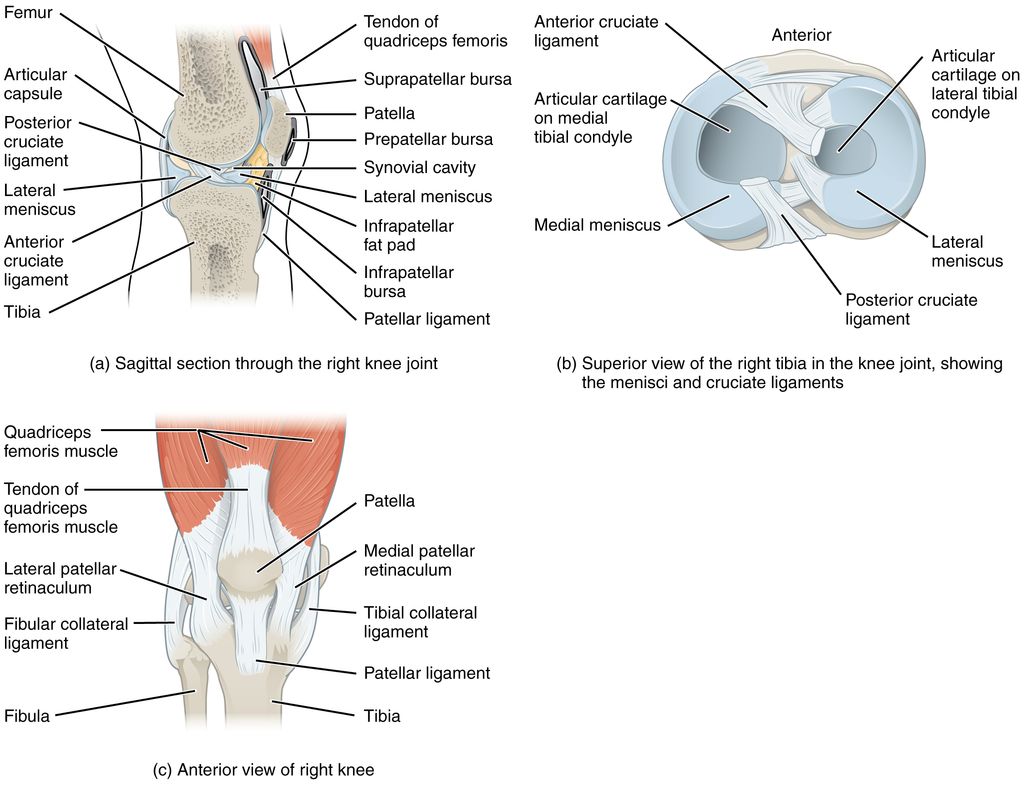
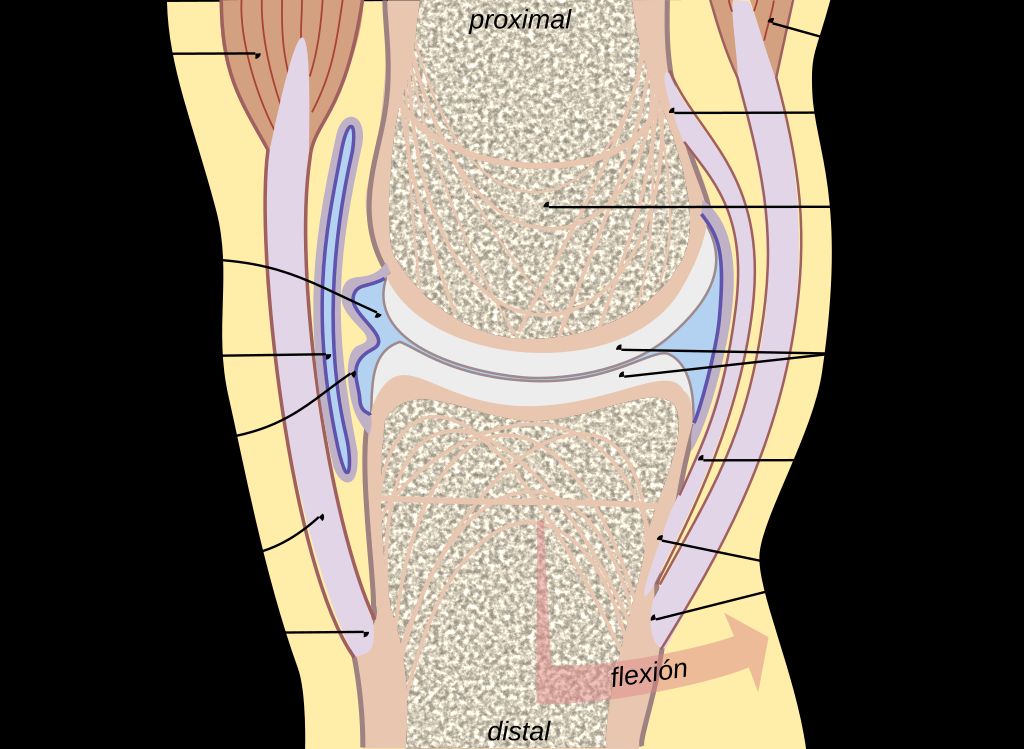
    When we explore the anatomy of the knee joint, we delve into a complex structure pivotal for movement. The knee joint is primarily composed of three bones: the femur, tibia, and patella. These bones are connected by ligaments that provide stability and tendons that attach muscles to the bones, allowing for movement.

    The knee joint’s stability is largely due to four key ligaments: the anterior cruciate ligament (ACL), posterior cruciate ligament (PCL), medial collateral ligament (MCL), and lateral collateral ligament (LCL). Each plays a vital role in maintaining knee alignment and preventing excessive movement that could lead to injury.

    Cartilage within the knee, including the menisci and articular cartilage, acts as a cushion and allows for smooth motion. However, when the knee is inverted, or the tibia is abnormally rotated inward, the stress distribution across these structures changes, which can lead to discomfort or injury over time.

    Tip: Regularly engaging in exercises that strengthen the muscles around the knee can help maintain proper alignment and prevent the development of inverted knees.

    Understanding the intricate workings of the knee joint is essential for recognizing the implications of knee inversion and the importance of seeking appropriate treatment to manage this condition.

    Causes of Knee Inversion

    In understanding the causes of knee inversion, it is essential to consider the structural aspects of the knee joint. The alignment of the bones, ligaments, and tendons plays a crucial role in maintaining stability and preventing excessive inward rotation of the knee. Misalignment of these structures can lead to increased stress on the joint and contribute to the development of inverted knees. Additionally, factors such as muscle weakness and imbalances can further exacerbate the risk of knee inversion. Understanding these structural and biomechanical aspects is fundamental in addressing and managing inverted knees effectively.

    Effects of Inverted Knees on Movement

    The structure of the knee joint is crucial in understanding the complexities of knee inversion. It involves the interaction of bones, ligaments, and tendons, with the patella playing a significant role in stabilizing the joint. Additionally, the alignment of the femur and tibia is a key factor in determining the degree of knee inversion. Understanding these structural components is essential for effective management of inverted knees.

    Furthermore, the causes of knee inversion can vary, including genetic predisposition, muscle imbalances, and improper biomechanics. These factors contribute to the misalignment of the knee joint, leading to increased stress on specific structures. Identifying the underlying cause is crucial for developing targeted treatment strategies.

    The effects of inverted knees on movement can be profound, impacting activities such as walking, running, and even standing. Individuals with inverted knees may experience instability and reduced range of motion, affecting their overall mobility and quality of life. It is important to address these movement limitations through targeted interventions and lifestyle modifications.

    Diagnosing Inverted Knees

    thumbnail

    Physical Examination

    Upon conducting a thorough physical examination, we carefully assess the alignment, range of motion, and stability of the knee joint. We pay close attention to any signs of discomfort, swelling, or abnormal movement patterns. Additionally, we may perform specialized tests to evaluate the strength and function of the muscles surrounding the knee. These assessments provide valuable insights into the extent of knee inversion and guide further diagnostic decisions. In some cases, imaging techniques, such as X-rays or MRI scans, are employed to visualize the internal structures of the knee and confirm the diagnosis.

    Imaging Techniques for Diagnosis

    When we suspect inverted knees, we often turn to imaging techniques to confirm the diagnosis. These methods provide us with a detailed view of the knee’s structure, allowing us to assess the extent of inversion and any associated conditions. The most common imaging techniques include X-rays, MRI (Magnetic Resonance Imaging), and CT (Computed Tomography) scans.

    • X-rays are typically the first step, offering a clear image of bone alignment and joint space.
    • MRI scans provide a more detailed image, showing soft tissues such as ligaments and cartilage.
    • CT scans combine X-rays from different angles to create cross-sectional images of the knee, which can be particularly useful in complex cases.

    Tip: It’s essential to choose the most appropriate imaging technique based on the individual’s symptoms and physical examination findings to ensure an accurate diagnosis.

    Treatment Options for Inverted Knees

    thumbnail

    Physical Therapy and Rehabilitation

    In our approach to managing inverted knees, we emphasize the role of physical therapy and rehabilitation. This non-invasive treatment plan is tailored to each individual’s needs, focusing on strengthening the muscles around the knee to improve stability and correct alignment.

    Physical therapists often recommend a series of exercises that target the quadriceps, hamstrings, and calf muscles. These exercises not only help in realigning the knee joint but also contribute to overall leg strength and balance. It’s crucial to follow the prescribed regimen diligently for the best outcomes.

    Consistency in performing therapeutic exercises is key to managing knee inversion effectively.

    We also incorporate proprioceptive training into the rehabilitation program. This involves exercises that enhance the body’s awareness of joint position, which is vital for maintaining knee stability during movement. Below is a list of common exercises included in a typical rehabilitation program:

    • Straight leg raises
    • Hamstring curls
    • Calf stretches
    • Step-ups
    • Balance exercises, such as single-leg stands

    Orthotic Devices and Bracing

    Orthotic devices and bracing play a crucial role in providing support and stability for individuals with inverted knees. Custom orthotic devices are designed to address specific alignment issues and provide comfort during daily activities. Bracing, on the other hand, offers external support to the knee joint, reducing the risk of injury during physical movements. It’s important to consult with a healthcare professional to determine the most suitable orthotic device or brace based on individual needs and lifestyle. Additionally, proper fitting and regular maintenance of these devices are essential for long-term effectiveness and comfort.

    Surgical Interventions

    In cases where physical therapy and orthotic devices are insufficient to correct inverted knees, we may consider surgical interventions. These procedures are typically reserved for severe deformities or when the condition leads to persistent pain and functional impairment. Surgical options vary depending on the underlying cause and severity of the knee inversion.

    The most common surgeries include realignment osteotomies, where the bone is cut and repositioned, and ligament reconstructions to stabilize the knee joint. It’s essential to understand that surgery is followed by a period of rehabilitation to ensure the best possible outcome.

    • Post-operative care is critical and includes: *
    • Pain management
    • Physical therapy
    • Gradual return to activities

    Remember, the goal of surgery is not only to correct the anatomical issue but also to restore function and alleviate discomfort. It’s a decision that should be made with careful consideration of all potential risks and benefits.

    Preventive Measures and Lifestyle Modifications

    thumbnail

    Exercises to Improve Knee Alignment

    We understand that managing inverted knees involves a proactive approach to improving knee alignment. One of the most effective strategies is engaging in a series of targeted exercises. These exercises are designed to strengthen the muscles around the knee, enhance joint stability, and promote proper alignment.

    • Quadriceps strengthening: Essential for supporting the front of the knee joint.
    • Hamstring curls: Improve the strength of the muscles at the back of the thigh.
    • Calf raises: Enhance the stability of the lower leg and support knee alignment.
    • Hip abductor and adductor exercises: Balance the muscles on the inner and outer thigh to assist in knee positioning.

    Consistency in performing these exercises is key to seeing improvements. It is advisable to start with lower intensity and gradually increase as your muscles adapt.

    It’s also important to incorporate exercises that focus on balance and proprioception, such as single-leg stands, to further support knee alignment. We recommend consulting with a physical therapist to tailor an exercise program that is specific to your needs and condition.

    Footwear and Foot Support

    When it comes to managing inverted knees, footwear and foot support play a crucial role in maintaining proper alignment and reducing stress on the knee joint. Our choice of footwear can either support or exacerbate knee inversion, so it’s important to select shoes that provide adequate arch support and stability. Additionally, using orthotic inserts can further enhance the alignment of the feet and ankles, which in turn positively impacts knee positioning. It’s advisable to consult with a podiatrist or orthopedic specialist to determine the most suitable footwear and support options for individual needs.


    Tip: When choosing footwear, prioritize comfort and support over style. Look for shoes with good arch support and cushioning to help maintain proper alignment and reduce the risk of knee inversion.

    Avoiding Activities that Aggravate Knee Inversion

    It is crucial to be mindful of our movements and activities to prevent exacerbating knee inversion. Engaging in high-impact sports or activities that involve sudden changes in direction can put unnecessary strain on the knees. Additionally, wearing improper footwear with inadequate support can further contribute to knee misalignment. Choosing supportive footwear and being mindful of the impact of certain activities on knee alignment is essential for managing knee inversion effectively.

    Conclusion

    In conclusion, understanding the complexities of inverted knees is crucial for effective management and treatment. By addressing the underlying causes and implementing targeted interventions, individuals with inverted knees can experience improved mobility and reduced discomfort. Further research and clinical studies are needed to enhance our understanding of this condition and develop more tailored approaches for management. Empowering individuals with knowledge about their condition is essential for promoting proactive self-care and optimizing long-term outcomes.

    Frequently Asked Questions

    What are the common symptoms of inverted knees?

    Common symptoms of inverted knees include knee pain, instability, and difficulty with activities that involve weight-bearing on the knees.

    Can inverted knees be corrected without surgery?

    In some cases, physical therapy, orthotic devices, and lifestyle modifications can help improve knee alignment and manage the symptoms of inverted knees without the need for surgery.

    Are there specific exercises that can help improve knee alignment?

    Yes, exercises such as leg strengthening, stretching, and balance training can help improve knee alignment and stability.

    How can footwear and foot support affect knee inversion?

    Proper footwear and foot support can help distribute weight evenly and provide stability, which can reduce the risk of knee inversion and improve overall knee alignment.

    What activities should be avoided to prevent aggravating knee inversion?

    Activities that involve excessive twisting, pivoting, or sudden changes in direction should be avoided to prevent aggravating knee inversion.

    What are the potential long-term effects of untreated inverted knees?

    Untreated inverted knees may lead to chronic knee pain, increased risk of knee injuries, and altered gait patterns, which can impact overall mobility and quality of life.

  • Knee Pain Symptoms and Causes

    Knee Pain Symptoms and Causes

    Knee Pain Symptoms and Causes: A Comprehensive Guide

    Knee pain can be a bothersome issue that affects people of all ages. It may result from a number of factors, such as injuries like torn cartilage or ruptured ligaments, or medical conditions like arthritis, gout, and infections. Understanding the causes and symptoms of knee pain is essential for seeking timely and appropriate treatment to alleviate discomfort and prevent complications.

    In this article, we will explore the various factors that contribute to knee pain and gain insights into different treatment approaches. We will also discuss risk factors and preventive measures to help maintain healthy knees and maintain overall well-being.

    patellofemoral pain syndrome:

    Understanding Patellofemoral Pain Syndrome

    CategoryDetails
    DefinitionPain between the kneecap (patella) and thighbone (femur) due to abnormal biomechanical forces
    Common Causes– Kneecap maltracking/dysfunction<br>- Overuse from sports<br>- Tight quadriceps, IT band, calves <br>- Weak hip and gluteal stabilizers
    Contributing Factors– High Q-angle anatomy<br>- Poor movement patterns<br>- Sudden load increases without adaptation
    Affected Populations– Athletes <br>- Young active adults<br>- Older adults with kneecap arthritis
    Conservative Treatment– Taping/bracing to improve tracking <br>- Targeted stretching & strengthening <br>- Movement pattern retraining
    Surgical Options– Lateral release to loosen tight tissues<br>- Patellar reshaping procedures<br>- Kneecap cartilage resurfacing

    Key components of PFPS involve abnormal kneecap gliding, overloading tissue capacities through sports, and anatomical vulnerabilities. Conservative rehabilitation aims to correct the imbalances, while surgery is occasionally utilized for refractory cases to realign structures or halt arthritis progression.

    Key Takeaways

    • Knee pain can be caused by injuries or medical conditions like arthritis and gout.
    • Timely diagnosis and treatment can alleviate discomfort and prevent complications.
    • Understanding risk factors and preventive measures helps maintain healthy knees.

    Overview

    Knee pain is highly prevalent and affects individuals of all age groups. It can stem from injuries such as torn cartilage or ruptured ligaments or be a result of medical conditions like arthritis, gout, and infections. Fortunately, most minor knee pain cases can be managed through self-care measures, while more severe cases may benefit from physical therapy, knee braces, or even surgical intervention. Our discussion will dive deeper into the complexities of knee pain, exploring muscles, joints, ligaments, tendons, and bones (tibia, patella, and femur) involved in the knee joint.

    3260325e cc5f 426e 80e9 6a1a2a7f263b

    Symptoms

    Recognizing the Signs

    Knee pain can manifest in various ways depending on the underlying issue. Some common symptoms accompanying knee pain are:

    • Swelling and stiffness
    • Redness and a warm sensation
    • Weakness or instability
    • Audible popping or crunching sounds
    • Difficulty fully straightening the knee

    Seeking Medical Attention

    We encourage you to consult your doctor if you experience any of the following:

    • Inability to bear weight on your knee or a feeling of instability
    • Significant swelling of the knee
    • Limited extension or flexing of the knee
    • Visible deformities in your leg or knee
    • Fever, accompanied by redness, pain, and swelling in the knee
    • Severe knee pain associated with an injury

    From Mayo Clinic to Your Inbox

    We’re excited to provide you with the latest research advancements, health tips, current health topics, and advice on managing your health straight to your inbox. Sign up for free and stay informed with information tailored to your needs.

    By signing up, we combine your email and website usage information with other details we have about you, ensuring the most relevant and helpful content is delivered to you. For Mayo Clinic patients, rest assured that your protected health information is treated with utmost care and used according to our privacy practices.

    Remember, you have the option to opt-out of our email communications at any time by simply clicking the unsubscribe link provided in the email.

    Causes of Knee Pain

    Injuries Affecting the Knee

    Knee injuries can involve various structures around the knee joint, such as ligaments, tendons, bursae, bones, and cartilage. Some common knee injuries are:

    • ACL injury: A tear in the anterior cruciate ligament, which connects the shinbone to the thighbone, often occurs in sports that require sudden directional changes like basketball or soccer.
    • Fractures: Knee bones, including the kneecap, may break due to falls or vehicle accidents. Osteoporosis can also lead to knee fractures from minor missteps.
    • Torn meniscus: The meniscus, the cartilage cushioning between the shinbone and thighbone, may tear if the knee is suddenly twisted while bearing weight.
    • Knee bursitis: Injuries may cause inflammation in the knee bursae, the fluid-filled sacs that enable smooth movement between tendons, ligaments, and the knee joint.
    • Patellar tendinitis: This refers to the irritation and inflammation of tendons attaching muscles to bones, particularly the patellar tendon connecting the kneecap and shinbone. It often occurs in runners, skiers, cyclists, and people involved in jumping sports.

    Mechanical Issues

    Mechanical problems causing knee pain include:

    • Loose body: Detached bone or cartilage fragments floating in the joint space can obstruct knee joint movement, akin to a pencil caught in a hinge.
    • Iliotibial band syndrome: Tightening of the iliotibial band, which extends from the hip to the outer knee, can cause rubbing against the thighbone. Distance runners and cyclists are prone to this condition.
    • Dislocated kneecap: The kneecap can slip out of place, typically to the knee’s outside. In some instances, the dislocation remains visible.
    • Hip or foot pain: Compensating for pain in the hips or feet by changing one’s gait can place extra stress on the knee joint, leading to pain.

    Forms of Arthritis

    Various types of arthritis can cause knee pain:

    • Osteoarthritis: This wear-and-tear condition results from the knee cartilage’s deterioration due to use and age.
    • Rheumatoid arthritis: An autoimmune disease potentially affecting any joint, including the knees. This chronic condition’s severity may fluctuate.
    • Gout: Occurs when uric acid crystals accumulate in the joint, typically affecting the big toe but also the knee.
    • Pseudogout: Often mistaken for gout, this condition stems from calcium-containing crystals in the joint fluid. The knee is the most frequently affected joint.
    • Septic arthritis: An infection in the knee joint may lead to swelling, pain, redness, and fever. It can quickly damage the knee cartilage, requiring urgent medical attention.

    Additional Issues

    Patellofemoral pain syndrome (PFPS) refers to discomfort between the kneecap (patella) and underlying thighbone (femur). It involves abnormal forces transmitted through the patellofemoral joint which is the articulation between these two structures. PFPS commonly affects certain populations, especially athletes who overloaded their knees through repetitive overuse from sports.

    The main culprit causing PFPS is maltracking or dysfunction of the kneecap as it glides up and down in a groove on the femur during knee bending. This maltracking indicates a biomechanical imbalance, often from tight muscles or anatomical misalignment pulling the cap sideways. This leads to increased pressures on the back of the patella and the adjacent cartilage, triggering pain.

    PFPS frequently develops in young active adults, particularly females, who have naturally higher “Q angles” – an anatomical measurement of kneecap positioning. It also occurs in some older adults for whom the cartilage under the kneecap has worn away significantly due to arthritis, causing bone-on-bone grinding. These groups appear predisposed towards developing knee pain from the aftermath of abnormal patellofemoral mechanics.

    Besides overuse from sports and vulnerable anatomy, other PFPS triggers involve sudden increases in loading too quickly. The muscles stabilizing the patella require adaptations to control loads safely. When demands exceed abilities, the kneecap tracking suffers. Additionally, poor movement patterns such as unbalanced squatting or jumping/landing with knock knees induces patellofemoral compression. Often tight quadriceps, IT bands and calves paired with weak hips/glutes contributes to dysfunction.

    Several targeted interventions aim at conservatively realigning the patella, strengthening deficient stabilizers, restoring ideal tracking and alleviating compression forces causing PFPS. Using braces, taping, customized exercise corrections and gait pattern retraining are common initial tactics under therapist guidance to calm pain and prevents recurrences. In some cases of refractory PFPS or significant arthritis, surgical options to release or reshape overtightened tissues or resurface damaged articulations provide longer term solutions.