Tag: Knee rehabilitation

  • Patellar Maltracking Taping Techniques

    Patellar Maltracking Taping Techniques

    Are you experiencing knee pain or instability due to patellar malalignment? This condition can significantly impact daily activities and athletic performance. Effective management is crucial to alleviate symptoms and prevent further complications.

    Patellar maltracking taping techniques offer a practical solution by providing stabilization and support to the knee. By applying specific knee taping techniques, individuals can experience relief from pain and improved knee function.

    Key Takeaways

    • Understanding the causes of patellar malalignment is crucial for effective management.
    • Taping techniques can provide immediate relief from knee pain and instability.
    • Proper application of patellar tracking tape is essential for optimal results.
    • Combining taping with physical therapy can enhance recovery.
    • Knee taping techniques can be adapted for various activities and lifestyles.

    Understanding Patellar Maltracking

    Understanding patellar maltracking is crucial for diagnosing and treating knee-related issues. Patellar maltracking refers to the abnormal movement of the patella (kneecap) within the femoral trochlear groove. This condition can lead to various knee problems, including pain and discomfort, especially during activities that stress the knee.

    What is Patellar Maltracking?

    Patellar maltracking occurs when the patella does not move smoothly within its groove. This can be due to several factors, including structural issues, muscle imbalance, and ligament damage. When the patella does not track correctly, it can cause friction and irritation, leading to pain and potentially more severe knee problems over time.

    Causes of Patellar Maltracking

    The causes of patellar maltracking are multifaceted. Structural problems in the legs, such as abnormal pronation or supination of the foot, can affect the alignment of the patella. Additionally, muscle imbalance around the knee, particularly weakness in the quadriceps or tightness in the iliotibial tract, can contribute to maltracking. Ligament damage or laxity around the patella can also play a significant role.

    Activities that involve repetitive knee movements, such as running or jumping, can exacerbate these issues. Therefore, individuals engaged in sports or activities that stress the knee are more prone to experiencing patellar maltracking.

    Symptoms to Look For

    Identifying the symptoms of patellar maltracking is essential for early diagnosis and treatment. Common symptoms include knee pain, especially during activities like climbing stairs, squatting, or jumping. Tenderness around the patella and a grinding or clicking sensation when moving the knee are also indicative of patellar maltracking. In some cases, individuals may experience a feeling of the knee giving way or instability.

    Recognizing these symptoms early can help in implementing appropriate treatments, such as patellar tracking exercises or taping for knee alignment, to alleviate discomfort and prevent further complications.

    The Role of Taping in Treatment

    Taping plays a crucial role in the treatment of patellar maltracking by providing support and realigning the patella. This non-invasive technique is used alongside other therapies to enhance treatment outcomes.

    Benefits of Taping Techniques

    Taping techniques offer several benefits for individuals suffering from patellar maltracking. The primary advantages include pain reduction, improved patellar alignment, and enhanced knee function. By providing external support, taping helps to stabilize the patella, thereby reducing the strain on the surrounding soft tissues.

    The benefits of taping can be summarized in the following table:

    Benefit Description
    Pain Reduction Taping helps to realign the patella, reducing pain caused by malalignment.
    Improved Patellar Alignment By providing external support, taping aids in correcting patellar malalignment.
    Enhanced Knee Function Taping supports the patella, improving overall knee function and stability.

    How Taping Supports the Patella

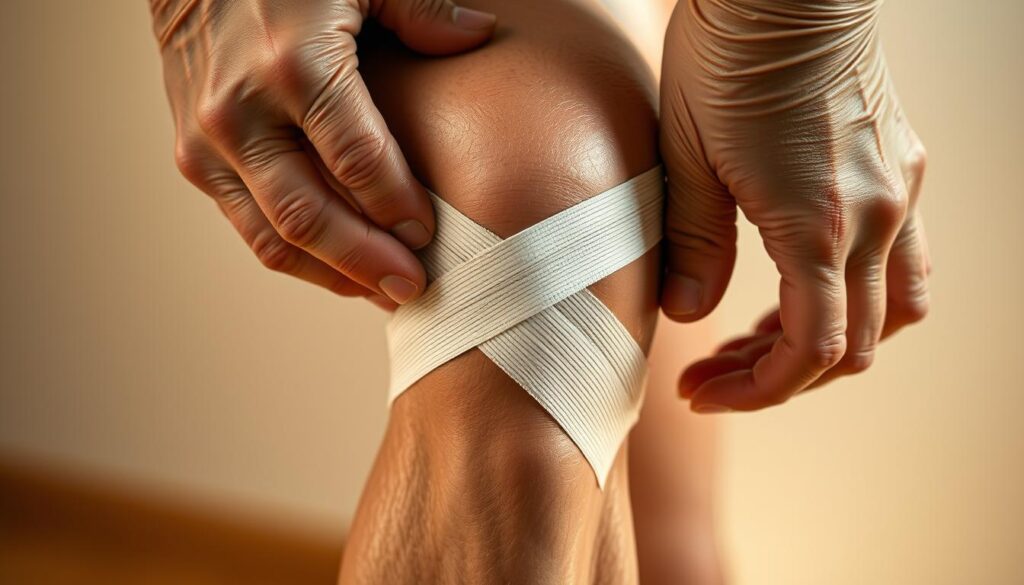
    Taping supports the patella by mechanically stabilizing it, ensuring it tracks correctly within the femoral trochlear groove. This is particularly important during activities that exacerbate patellar maltracking symptoms, such as running or squatting.
    patellar instability tape

    The application of patellar instability tape or knee taping techniques can significantly improve patellar tracking. By doing so, taping reduces the risk of further injury and alleviates pain, making it a valuable component of a comprehensive treatment plan for patellar malalignment.

    Types of Taping Techniques

    For individuals suffering from patellar maltracking, various taping techniques can provide relief and support. Taping is a versatile treatment method that can be tailored to the specific needs of the patient.

    McConnell Taping

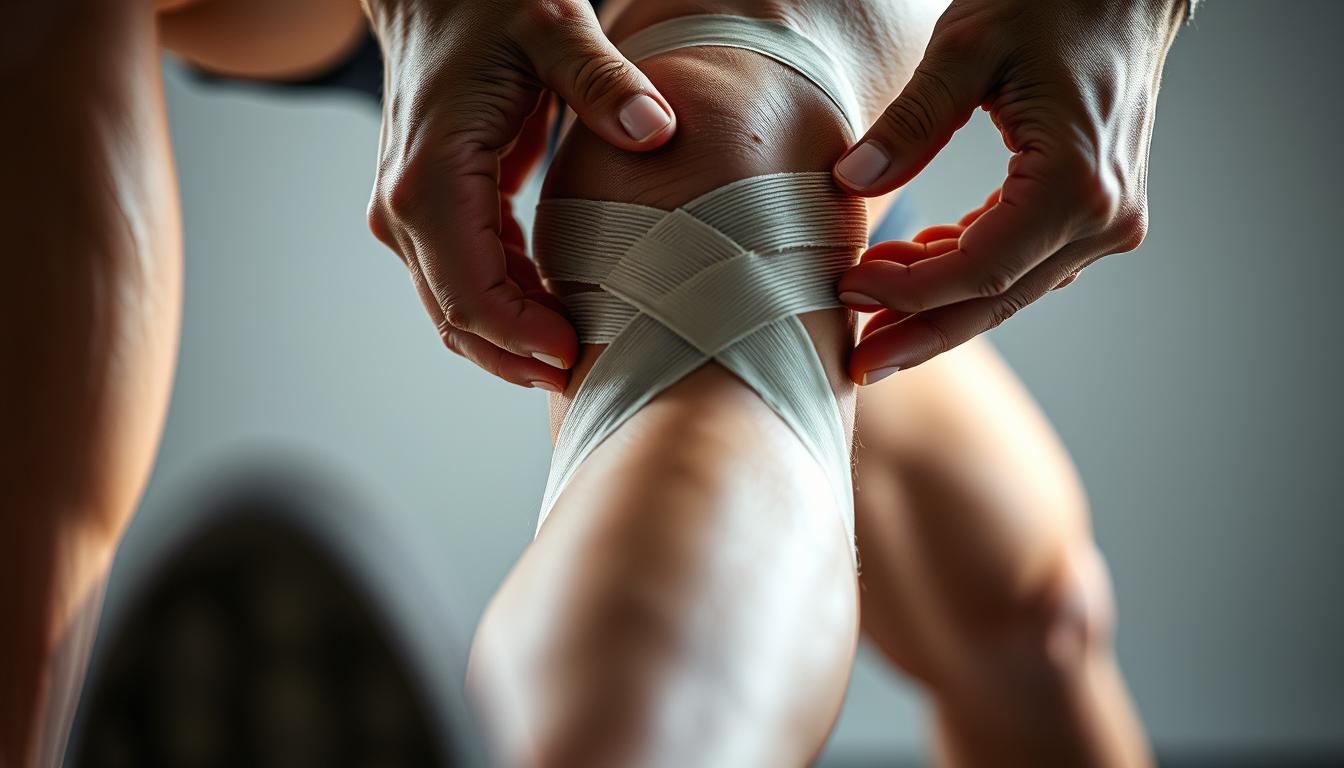
    McConnell taping is a technique that focuses on correcting the alignment of the patella. It involves the application of tape to pull the patella into a more correct position, thereby alleviating pain and improving knee function.

    Kinesiology Taping

    Kinesiology taping is another method used to support the patella and surrounding tissues. This technique involves applying tape to the knee in a specific manner to provide support without restricting movement.

    Traditional Athletic Taping

    Traditional athletic taping provides rigid support to the knee, limiting excessive movement that could exacerbate patellar maltracking. This method is often used in conjunction with other treatments.

    The following table summarizes the key differences between the taping techniques:

    Taping Technique Primary Benefit Application
    McConnell Taping Corrects patellar alignment Used for patellar realignment
    Kinesiology Taping Provides support without restricting movement Used for support and pain relief
    Traditional Athletic Taping Offers rigid support Used for stability during activities

    Preparation for Taping

    Proper preparation is the foundation of successful taping for patellar malalignment. Before applying any tape, it’s essential to ensure that the knee is properly assessed, the skin is prepared, and the right type of tape is selected.

    Assessing the Knee Joint

    Assessing the knee joint is a critical step in determining the most effective taping technique. This involves evaluating the alignment of the patella, checking for any swelling or inflammation, and assessing the range of motion. A thorough assessment helps in identifying the specific needs of the individual, allowing for a more tailored approach to taping.

    The assessment should be conducted by a healthcare professional who can accurately diagnose the issue and recommend the appropriate taping technique. Key aspects to assess include patellar position, knee stability, and pain levels.

    Cleaning the Skin

    Cleaning the skin before applying tape is vital for ensuring that the tape adheres properly. Dirt, oils, and lotions can interfere with the adhesive, causing the tape to peel off prematurely. The skin should be cleaned with soap and water, and then dried thoroughly.

    It’s also recommended to remove any hair from the area where the tape will be applied, as this can help improve adhesion and reduce discomfort when removing the tape.

    Selecting the Right Tape

    Selecting the right type of tape is crucial for effective taping. Different types of tape offer varying levels of support and flexibility. For example, rigid tape is often used for more support, while kinesiology tape provides flexibility and elasticity.

    • Rigid Tape: Provides strong support and is often used for more severe cases of patellar malalignment.
    • Kinesiology Tape: Offers flexibility and can be used for a range of activities without restricting movement.
    • Cohesive Tape: Sticks to itself but not to skin, making it a good option for wrapping around the knee without causing irritation.

    By carefully assessing the knee joint, cleaning the skin, and selecting the appropriate tape, individuals can ensure that their taping technique is effective in addressing patellar malalignment.

    Step-by-Step Guide to Taping Techniques

    For individuals dealing with patellar maltracking, mastering taping techniques can be a game-changer. Taping provides the necessary support to the patella, helping to alleviate symptoms associated with patellar maltracking.

    There are several taping techniques, but this section will focus on two of the most commonly used methods: McConnell taping and kinesiology taping. Understanding the steps involved in each technique is crucial for effective application.

    McConnell Taping Steps

    McConnell taping is a technique that involves applying tape to the patella to correct its alignment and movement. Here are the steps to follow:

    • Prepare the skin: Ensure the skin is clean and dry.
    • Apply the base strip: Place a piece of tape along the medial (inner) border of the patella.
    • Correct the patella: Gently move the patella into the correct position.
    • Secure with additional strips: Apply additional strips of tape to secure the patella in place.

    Kinesiology Taping Steps

    Kinesiology taping involves applying a specific type of tape that is designed to stretch and move with the body. The steps for kinesiology taping are as follows:

    1. Measure and cut the tape: Measure the length of tape needed and cut it accordingly.
    2. Apply the tape: Place the tape on the skin, starting from the center and working outwards.
    3. Stretch the tape: Gently stretch the tape to the desired tension.
    4. Secure the ends: Ensure the ends of the tape are securely attached to the skin.

    By following these steps, individuals can effectively use McConnell taping and kinesiology taping to manage patellar maltracking. It’s essential to practice these techniques to ensure they are applied correctly.

    Maintaining Proper Tape Position

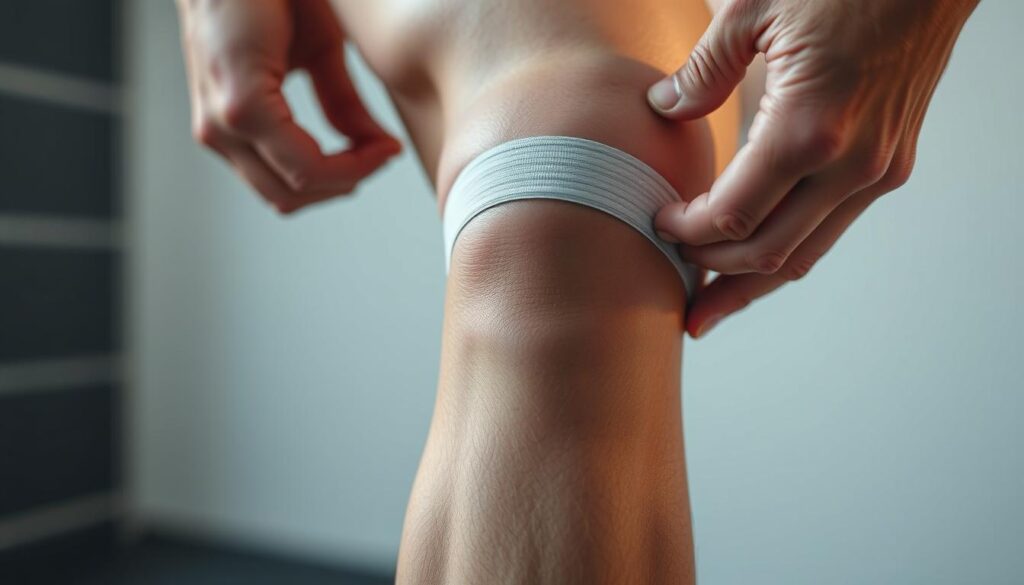
    The effectiveness of patellar tracking tape largely depends on its correct placement. Proper positioning ensures that the tape provides the necessary support to the patella, facilitating correct alignment and reducing discomfort.

    Maintaining the correct position of the tape is crucial for its effectiveness. If the tape is not applied correctly, it can lead to reduced efficacy or even skin irritation. Therefore, understanding the importance of alignment and being aware of common mistakes to avoid are essential for effective taping.

    Importance of Alignment

    Correct alignment is vital when applying patellar realignment taping. The tape should be positioned in a way that it supports the patella and promotes proper tracking. Misalignment can lead to inadequate support, potentially worsening the condition.

    “Proper taping techniques can significantly improve patellar alignment, reducing pain and discomfort associated with maltracking.”

    A well-aligned tape application not only enhances the therapeutic effect but also minimizes the risk of complications. It is essential to assess the knee joint thoroughly before applying the tape to determine the most appropriate alignment.

    Alignment Aspect Importance Consequence of Misalignment
    Patellar Positioning Ensures proper tracking Increased pain and discomfort
    Tape Tension Affects support and comfort Skin irritation or reduced efficacy
    Application Technique Influences overall effectiveness Inadequate support or complications

    Common Mistakes to Avoid

    Several common mistakes can compromise the effectiveness of taping for knee alignment. These include applying the tape too tightly, which can cause skin irritation, and incorrect positioning, which can fail to provide adequate support.

    • Applying tape with excessive tension
    • Failing to clean the skin before application
    • Not assessing the knee joint properly

    By being aware of these potential pitfalls, individuals can take steps to ensure that their taping technique is both safe and effective. Regular monitoring and adjustments as needed can help maintain optimal tape position and overall therapeutic benefit.
    patellar tracking tape application

    Taping for Different Activity Levels

    Different activity levels require adjustments in taping techniques to effectively manage patellar instability. Whether an individual is engaging in high-impact sports or performing everyday tasks, the application of knee taping techniques can be tailored to provide the necessary support.

    The key to effective taping is understanding the specific demands of the activity and how they impact the knee joint. For instance, athletes involved in high-impact activities require taping that not only supports the patella but also withstands the rigors of their sport.

    Athletes and High-Impact Activities

    Athletes participating in sports such as basketball, soccer, or tennis can benefit from patellar instability tape that is designed to provide additional support during high-impact movements. The taping technique used for these athletes may involve more rigid tape or a specific application method to ensure the patella remains in alignment during intense activity.

    • Use of rigid tape for added support
    • Specific application techniques to enhance patellar stability
    • Consideration of the sport’s specific demands on the knee

    Research on the effectiveness of taping for patellar malalignment in athletes can be found in various studies, including those published in medical journals such as PMC.

    Everyday Activities and Taping

    For individuals who are not athletes but still experience patellar maltracking during everyday activities, the taping technique can be adjusted to provide comfort and support without restricting movement. Taping for patellar malalignment in these cases focuses on providing a balance between support and flexibility.

    The tape used for everyday activities may be less rigid, allowing for a full range of motion while still offering the necessary patellar support. This approach helps individuals manage their condition effectively while going about their daily routines.

    Frequency and Duration of Taping

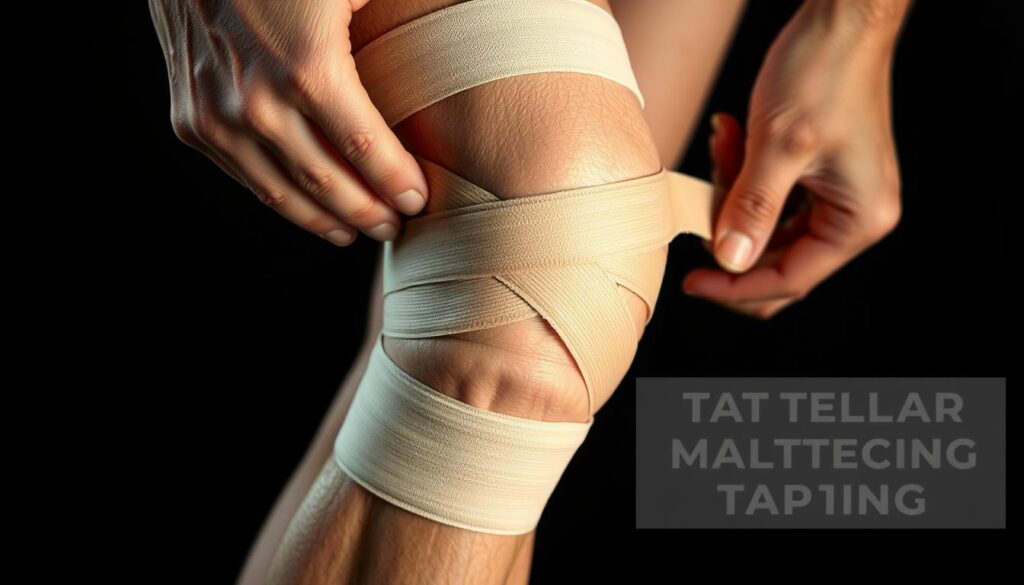
    To maximize the benefits of patellar maltracking taping techniques, it’s essential to know the right duration and frequency of application. The goal is to balance continuous support for the patella with the need to maintain skin health.

    Effective taping for knee alignment requires understanding how long to keep the tape on. Generally, the tape should be left on for several days, but this can vary based on individual skin types and activity levels. It’s crucial to monitor skin condition closely to avoid irritation or other adverse effects.

    How Long to Keep the Tape On

    The duration for which the tape is left on can depend on several factors, including the type of tape used, individual skin sensitivity, and the specific activity level of the person. For most people, leaving the tape on for 3 to 5 days is a good starting point. However, it’s essential to inspect the skin daily for any signs of irritation, even if the tape is still securely in place.

    When to Reapply the Tape

    Reapplying the tape should be done based on the condition of the skin and the tape’s adherence. If the tape starts to peel off or loses its effectiveness, it’s time to reapply. Reapplication should also be considered if there’s significant skin irritation, as this could be a sign that the tape needs to be removed or replaced with a different type.
    patellar maltracking taping techniques

    For individuals using taping as part of their patellar tracking correction regimen, understanding the balance between support and skin health is key. As one expert notes,

    “The key to successful taping is not just the technique, but also how well you manage the skin and tape interface.”

    By carefully managing the frequency and duration of taping, individuals can maximize the benefits of patellar maltracking taping techniques while minimizing potential drawbacks.

    Caring for Your Skin

    To avoid skin complications, it’s vital to understand how to care for your skin while using taping for patellar malalignment. Proper skin care is essential when using knee taping techniques to prevent irritation and ensure the skin remains healthy.

    Preventing Skin Irritation

    Preventing skin irritation begins with preparing your skin before applying patellar tracking tape. Ensure your skin is clean and dry. Remove any oils, lotions, or dirt that might interfere with the tape’s adhesive. It’s also advisable to shave the area if you have excessive hair to ensure better adhesion and easier removal.

    Another crucial step is to check for any signs of skin irritation or allergic reactions to the tape. If you experience redness, itching, or any discomfort, consider using a hypoallergenic tape or consulting a healthcare professional for advice.

    Tips for Safe Removal of Tape

    Removing knee taping techniques tape requires care to avoid causing skin irritation or injury. Start by gently peeling back the edge of the tape, working slowly across the skin. Avoid pulling the tape off quickly or at a sharp angle, as this can cause skin tears or irritation.

    If the tape is stubborn, you can use a small amount of oil or adhesive remover to help loosen it. Gently massage the oil into the adhesive before attempting to remove the tape again. After removal, clean the area with soap and water to remove any remaining adhesive residue.

    By following these guidelines, you can minimize the risk of skin complications when using taping for patellar malalignment or other knee taping techniques. Proper care and caution will help ensure that you can benefit from these techniques without adverse effects on your skin.

    Combining Taping with Other Treatments

    Combining taping with other therapeutic approaches can enhance the management of patellar maltracking. A comprehensive treatment plan often involves a multi-faceted approach, incorporating various therapies to achieve optimal results.

    Physical Therapy Options

    Physical therapy plays a crucial role in the treatment of patellar maltracking. Techniques such as manual therapy, including mobilization and manipulation, can help improve patellar alignment and reduce discomfort. Additionally, physical therapists can provide personalized exercise programs to strengthen the surrounding muscles, thereby enhancing patellar stability.

    Some of the physical therapy options include:

    • Patellar mobilization to improve tracking and reduce pain
    • Strengthening exercises for the quadriceps and hip muscles
    • Stretching exercises to improve flexibility

    Strengthening Exercises

    Strengthening the muscles around the knee, particularly the quadriceps and hip muscles, is essential for improving patellar tracking and stability. Exercises such as squats, lunges, and leg press can be beneficial. It’s also important to focus on exercises that strengthen the hip muscles, as weak hip muscles can contribute to patellar maltracking.

    Exercise Muscle Group Benefit
    Squats Quadriceps, Hamstrings, Glutes Improves overall lower limb strength and stability
    Lunges Quadriceps, Hamstrings, Glutes Enhances balance and strengthens the muscles around the knee
    Leg Press Quadriceps, Hamstrings Strengthens the quadriceps and hamstrings, supporting patellar stability

    As noted by a physical therapy expert,

    “A well-structured exercise program is crucial for patients with patellar maltracking. Strengthening the surrounding muscles can significantly improve patellar tracking and reduce symptoms.”

    By combining taping techniques with physical therapy and strengthening exercises, individuals with patellar maltracking can experience improved knee function and reduced pain. This comprehensive approach addresses the condition from multiple angles, providing a more effective management strategy.

    Assessing the Effectiveness of Taping

    The effectiveness of taping techniques for patellar maltracking can be evaluated by monitoring changes in symptoms and pain levels. This assessment is crucial for understanding whether the taping is providing the desired support and correction to the patella.

    Monitoring Symptoms and Pain Levels

    To effectively monitor symptoms, it’s essential to keep a record of pain levels and any changes in knee function. This can be done using a pain diary or a mobile app designed for tracking symptoms. Key areas to monitor include:

    • Pain levels during daily activities
    • Swelling or inflammation around the knee
    • Instability or feeling of the patella slipping
    • Difficulty in bending or straightening the knee

    By closely monitoring these symptoms, individuals can determine if the taping is effective in providing relief and supporting the patella. For more information on the benefits of taping, research studies such as those found on PubMed Central can offer valuable insights.

    When to Consult a Professional

    If symptoms persist or worsen despite taping, it’s crucial to consult a healthcare professional for further evaluation. A professional can assess the knee joint and provide guidance on adjusting the taping technique or recommend alternative treatments. Signs that necessitate professional consultation include:

    1. Increased pain or swelling
    2. No improvement in symptoms after consistent taping
    3. Difficulty walking or performing daily activities

    Consulting a professional ensures that the taping technique is correctly applied and that any underlying issues are addressed. This proactive approach can lead to more effective management of patellar maltracking.

    Conclusion and Next Steps

    Effective management of patellar maltracking involves a combination of proper diagnosis, treatment, and ongoing care. By understanding and applying the appropriate knee taping techniques, individuals can experience significant relief from symptoms associated with patellar maltracking.

    Key Takeaways

    The techniques discussed, including McConnell taping and kinesiology taping, offer valuable methods for patellar realignment taping. These methods help in stabilizing the patella and reducing discomfort. It’s essential to remember that the effectiveness of patellar tracking tape depends on proper application and maintenance.

    Ongoing Management

    For long-term relief and to prevent the recurrence of patellar maltracking symptoms, it’s crucial to continue practicing the taping techniques as needed and to incorporate strengthening exercises into your routine. Consulting with a healthcare professional can provide personalized guidance tailored to your specific condition and needs.

    FAQ

    What is patellar maltracking, and how does it affect the knee?

    Patellar maltracking refers to the abnormal movement of the patella (kneecap) within the femoral trochlear groove, leading to knee pain, instability, and potentially, further injury. It can be caused by structural issues, muscle imbalance, or ligament damage.

    How do taping techniques help in managing patellar maltracking?

    Taping techniques, such as McConnell taping and kinesiology taping, help realign the patella, reduce pain, and provide support to the knee, making them a valuable treatment option for managing patellar maltracking.

    What are the different types of taping techniques used for patellar maltracking?

    The different types of taping techniques used include McConnell taping, kinesiology taping, and traditional athletic taping, each with its specific applications and benefits.

    How do I prepare my knee for taping?

    To prepare for taping, assess the knee joint, clean the skin thoroughly, and choose the right tape for your specific needs, ensuring a proper and effective taping application.

    Can taping be used for different activity levels, such as high-impact activities or everyday tasks?

    Yes, taping can be adjusted based on the individual’s activity level, providing support for both high-impact activities and everyday tasks, helping to manage patellar maltracking in various contexts.

    How often should I reapply the tape, and how long can I keep it on?

    The frequency and duration of taping depend on individual needs, balancing the need for continuous support with skin health considerations; it’s essential to follow guidelines for reapplication and removal.

    How can I prevent skin irritation when using taping techniques?

    To prevent skin irritation, ensure the skin is clean and dry before applying tape, avoid using tape with harsh adhesives, and follow proper removal techniques to maintain skin health.

    Can taping be used in conjunction with other treatments, such as physical therapy or strengthening exercises?

    Yes, taping can be effectively combined with other treatments, including physical therapy options and strengthening exercises, to provide a comprehensive approach to managing patellar maltracking.

    How do I assess the effectiveness of taping in managing my patellar maltracking?

    To assess the effectiveness of taping, monitor your symptoms and pain levels, and consult a healthcare professional if you experience persistent or worsening symptoms, or if you need further guidance on adjusting your taping technique.

    What are some common mistakes to avoid when applying tape for patellar maltracking?

    Common mistakes to avoid include incorrect alignment, applying too much tension, or not removing the tape properly, which can lead to reduced effectiveness or skin irritation.

    Are there specific exercises that can be done in conjunction with taping to help manage patellar maltracking?

    Yes, strengthening exercises targeting the muscles around the knee, such as the quadriceps and hip stabilizers, can be beneficial when used alongside taping techniques to help manage patellar maltracking.
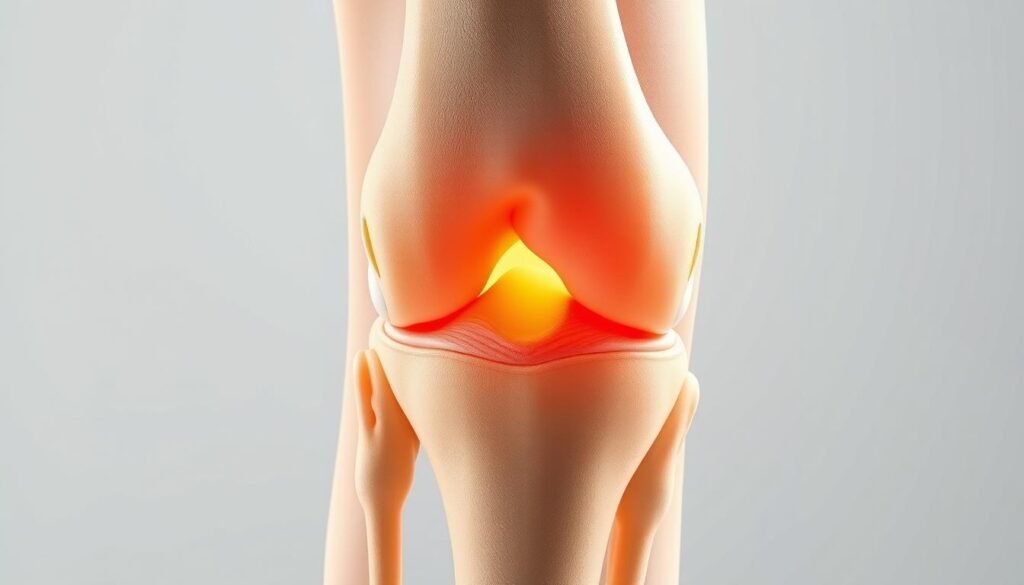
  • Osteochondral Defect Knee Rehab Protocol

    Osteochondral Defect Knee Rehab Protocol

    Can a well-structured rehabilitation program significantly improve recovery outcomes for individuals with osteochondral defects?

    Recovering from an osteochondral defect requires a comprehensive rehabilitation protocol. Effective knee rehabilitation exercises play a crucial role in restoring knee function and enabling patients to return to their normal activities. A detailed rehab protocol, such as the one outlined in the femoral condyle autologous chondral repair protocol, provides a structured approach to rehabilitation, emphasizing progressive exercises and milestones.

    Key Takeaways

    • Effective rehabilitation protocols are crucial for recovery from osteochondral defects.
    • A comprehensive rehab program includes progressive exercises and milestones.
    • Knee rehabilitation exercises are essential for restoring knee function.
    • A well-structured rehabilitation program improves recovery outcomes.
    • Rehabilitation protocols should be tailored to individual patient needs.

    Understanding Osteochondral Defects

    Understanding osteochondral defects is crucial for developing an effective knee injury treatment plan. Osteochondral defects refer to damage to the cartilage and bone in the joint, which can significantly impact knee function and overall quality of life.

    What is an Osteochondral Defect?

    An osteochondral defect is a condition where a piece of cartilage and the underlying bone become damaged. This can occur due to trauma, repetitive stress, or as a result of certain degenerative conditions. The defect can lead to pain, swelling, and decreased mobility in the affected knee.

    osteochondral defect knee

    Causes of Osteochondral Defects

    Osteochondral defects can result from various factors, including:

    • Traumatic injuries, such as fractures or direct blows to the knee
    • Repetitive stress or overuse, common in athletes
    • Degenerative conditions, like osteoarthritis

    Understanding these causes is essential for managing knee cartilage damage effectively.

    Symptoms and Diagnosis

    The symptoms of osteochondral defects can vary but often include pain, swelling, and a feeling of instability in the knee. Diagnosis typically involves a combination of physical examination, imaging studies like MRI or X-ray, and sometimes arthroscopy.

    Diagnostic Method Description Usefulness in Diagnosing Osteochondral Defects
    Physical Examination Assessment of knee stability, pain, and range of motion Initial assessment, guides further diagnostic steps
    MRI Detailed imaging of cartilage and bone Highly useful for visualizing the defect and assessing its severity
    X-ray Imaging of bone structures Useful for initial assessment, may not directly show cartilage damage
    Arthroscopy Direct visualization of the joint interior Confirmatory, allows for simultaneous treatment

    Accurate diagnosis is critical for developing a tailored knee injury treatment plan that addresses the specific needs of the patient.

    The Importance of Rehabilitation

    Rehabilitation is not just a supplementary treatment; it’s a cornerstone in the management of osteochondral defects. A well-structured rehabilitation protocol can significantly influence the outcome of the treatment, enabling patients to regain knee function and return to their normal activities.

    Role of Rehab in Recovery

    The primary goal of rehabilitation is to support the healing process, ensuring that the knee regains its strength, flexibility, and range of motion. Physical therapy for knee health is a critical component of this process, as it helps in managing pain, reducing inflammation, and improving knee function.

    Rehabilitation after knee surgery, including procedures like microfracture drilling, is tailored to the individual’s specific needs and the extent of the injury. It’s a gradual process that requires patience, commitment, and a well-structured plan.

    Benefits of a Structured Protocol

    A structured rehabilitation protocol offers several benefits, including:

    • Enhanced recovery through a systematic approach to healing
    • Reduced risk of complications by monitoring progress and adjusting the rehabilitation plan as needed
    • Improved knee function and strength through targeted exercises
    • A faster return to normal activities and sports, where applicable

    By following a structured protocol, patients can achieve better outcomes and minimize the risk of re-injury.

    Long-term Outcomes of Effective Rehab

    Effective rehabilitation not only aids in the immediate recovery but also has a significant impact on the long-term outcomes. Studies have shown that patients who adhere to a comprehensive rehabilitation program tend to have better knee function, reduced pain, and a lower risk of further degenerative changes.

    A key aspect of long-term success is the continuation of exercises and practices learned during the rehabilitation phase. This includes maintaining a healthy weight, engaging in regular physical activity, and avoiding activities that put excessive stress on the knee.

    knee rehabilitation

    Initial Assessment and Preparation

    A well-structured rehabilitation protocol starts with a comprehensive evaluation and preparation tailored to the individual’s condition. This foundational step is crucial for creating an effective knee injury rehabilitation protocol that addresses the specific needs of the patient.

    Evaluating the Injury

    The first step in the rehabilitation process is a thorough evaluation of the osteochondral defect. This involves a detailed examination by a healthcare professional, potentially including imaging tests such as MRI or X-ray, to assess the extent and nature of the injury. Understanding the specifics of the injury is vital for developing exercises for knee joint repair that are both safe and effective.

    knee injury rehabilitation protocol

    Setting Realistic Goals

    Setting realistic and achievable goals is a critical component of the rehabilitation process. By establishing clear objectives, patients can better track their progress and stay motivated throughout their recovery. Goals should be tailored to the individual’s overall health, the severity of the injury, and their personal aspirations.

    Preparing Mentally and Physically

    Preparation, both mentally and physically, is essential for a successful rehabilitation outcome. This includes educating the patient on the rehabilitation process, the importance of adherence to the protocol, and techniques for managing pain and discomfort. Additionally, preparing the patient physically through initial exercises can help in making the subsequent rehabilitation phases more effective.

    Early Rehabilitation Phase

    Effective rehabilitation of osteochondral defects starts with an early phase focused on managing pain, maintaining range of motion, and supporting overall knee health. This phase is critical in laying the groundwork for a successful recovery.

    Rest and Ice: Managing Pain

    Managing pain is a priority in the early stages of rehabilitation. Rest and ice are fundamental components of this process. Rest helps prevent further injury, while ice reduces inflammation and alleviates pain. It’s essential to apply ice correctly: 15-20 minutes, several times a day, to achieve the desired effect without causing tissue damage.

    Gentle Range of Motion Exercises

    Gentle range of motion exercises are vital for maintaining knee mobility and preventing stiffness. These exercises should be done carefully to avoid putting excessive stress on the knee joint. Examples include straight leg raises and gentle knee bends. Such exercises help in maintaining flexibility and reducing the risk of further damage.

    Importance of Nutrition and Hydration

    Nutrition and hydration play a significant role in the healing process. A balanced diet rich in omega-3 fatty acids, vitamins C and D, and antioxidants can support cartilage health and overall recovery. Adequate hydration is also crucial as it helps maintain the health of the cartilage and supports the body’s natural repair processes.

    Nutrient Benefit Food Sources
    Omega-3 Fatty Acids Reduces inflammation Salmon, Walnuts, Chia Seeds
    Vitamin C Supports collagen synthesis Oranges, Strawberries, Bell Peppers
    Vitamin D Essential for bone health Fatty Fish, Fortified Dairy Products, Sunlight Exposure

    Strengthening Exercises

    As part of a comprehensive rehabilitation protocol, strengthening exercises are vital for knee joint repair. These exercises are designed to improve the strength and stability of the knee, facilitating a successful recovery from an osteochondral defect.

    Quadriceps and Hamstrings Focus

    The quadriceps and hamstrings are crucial muscle groups that support the knee joint. Strengthening these muscles is essential for improving knee function and reducing the risk of further injury. Exercises such as squats, lunges, and leg press are effective for strengthening these muscle groups.

    Introducing Resistance Training

    Resistance training is a key component of strengthening exercises. It involves using weights, resistance bands, or body weight to challenge the muscles and promote strength gains. When introducing resistance training, it’s essential to start with low resistance levels and gradually increase the intensity as the knee becomes stronger.

    Proper form and technique are critical when performing resistance training exercises to avoid putting unnecessary stress on the knee joint.

    Avoiding Overexertion

    While strengthening exercises are vital for rehabilitation, it’s equally important to avoid overexertion. Overexertion can lead to further injury and prolong the recovery process. Patients should be mindful of their body’s signals, such as pain or fatigue, and adjust their exercise routine accordingly.

    • Start with low-intensity exercises and gradually increase the intensity.
    • Monitor pain levels and adjust the exercise routine as needed.
    • Ensure proper warm-up and cool-down routines to prevent muscle strain.

    By incorporating strengthening exercises into a rehabilitation protocol and being mindful of the risk of overexertion, individuals with osteochondral defects can achieve a more effective and sustainable recovery.

    Advanced Rehabilitation Techniques

    Advanced rehabilitation techniques play a pivotal role in enhancing the recovery process for individuals with osteochondral defects. These methods are designed to promote optimal healing, improve knee function, and ensure a safe return to activity.

    Aquatic Therapy Benefits

    Aquatic therapy, also known as hydrotherapy, offers a unique environment for rehabilitation. The buoyancy of water reduces stress on the knee joint, allowing for pain-free movement and exercise. This form of therapy is particularly beneficial for patients with osteochondral defects as it enables them to strengthen their muscles and improve range of motion without excessive strain.

    Benefits of Aquatic Therapy include reduced pain and inflammation, improved muscle strength, and enhanced flexibility. The water’s resistance also aids in proprioception training, helping patients regain balance and coordination.

    Utilizing Balance and Proprioception Training

    Balance and proprioception training are critical components of advanced rehabilitation. These exercises help patients regain awareness of their knee position and movement, reducing the risk of further injury. Techniques may include single-leg squats, balance boards, and other stability exercises tailored to the patient’s progress and abilities.

    By incorporating balance and proprioception training, patients can improve their overall knee function and stability, facilitating a more confident return to daily activities and sports.

    Incorporating Physical Therapy

    Physical therapy is a cornerstone of rehabilitation for osteochondral defects. A physical therapist can design a personalized exercise program that addresses the patient’s specific needs, focusing on knee cartilage preservation techniques and strengthening the surrounding muscles. This tailored approach ensures that the patient progresses safely and effectively through their rehabilitation.

    Innovative treatments, such as PRP (Platelet-rich Plasma) injections, may also be integrated into the rehabilitation protocol. PRP therapy involves injecting a concentration of the patient’s own platelets into the affected area to stimulate healing. While the effectiveness of PRP therapy can vary, it represents one of the advanced techniques available for enhancing recovery.

    By combining aquatic therapy, balance and proprioception training, and physical therapy, patients with osteochondral defects can achieve a comprehensive rehabilitation that addresses their unique needs and promotes optimal recovery.

    Monitoring Progress and Adjustments

    Regular monitoring and adjustments are essential components of a comprehensive knee injury rehabilitation protocol. As patients progress through their rehabilitation, it’s crucial to assess their recovery regularly to ensure they’re on track to meet their goals.

    Regular Check-ins with Healthcare Providers

    Regular check-ins with healthcare providers are vital for monitoring progress. These check-ins allow healthcare professionals to assess the patient’s current status, address any concerns, and make informed decisions about the next steps in the rehabilitation process.

    During these check-ins, healthcare providers may use various assessment tools to evaluate the patient’s knee function, pain levels, and overall recovery progress. This information is critical for adjusting the rehabilitation plan as needed.

    Adjusting Goals as You Progress

    As patients progress through their rehabilitation, their goals may need to be adjusted. Initially, the focus might be on reducing pain and improving range of motion. However, as the patient recovers, the goals may shift towards strengthening the knee and improving functional abilities.

    Adjusting goals is a collaborative process between the patient and their healthcare provider. It involves reassessing the patient’s current status and determining the most appropriate next steps in their knee surgery recovery timeline.

    Recognizing Signs of Overtraining

    Overtraining is a common pitfall in the rehabilitation process. It’s essential for patients to recognize the signs of overtraining, such as increased pain, swelling, or fatigue. If these symptoms occur, patients should notify their healthcare provider to adjust their rehabilitation plan accordingly.

    By being aware of the signs of overtraining, patients can take proactive steps to prevent setbacks and ensure a smooth recovery. This awareness is a critical component of a successful knee injury rehabilitation protocol.

    Return to Activity Guidelines

    A successful return to activity after knee rehabilitation is contingent upon meeting specific criteria and following a gradual reintegration plan. This phase is crucial for ensuring that the knee can withstand the demands of sports and daily activities without risking re-injury.

    Criteria for Returning to Sports

    Before returning to sports, it’s essential to meet certain criteria. These include having a pain-free range of motion, adequate strength in the quadriceps and hamstrings, and satisfactory functional ability. Functional tests, such as single-leg squats and hop tests, can help determine readiness.

    The knee should also demonstrate stability and the ability to perform sport-specific movements without discomfort. A healthcare provider or physical therapist can assess these factors and provide a clearance for return to sports.

    Gradual Reintegration into Regular Activities

    Gradual reintegration into regular activities is vital to prevent overloading the knee joint. This involves starting with low-intensity activities and gradually increasing the intensity and duration over time.

    For example, if you’re returning to running, start with short distances and gradually increase your mileage. Similarly, for sports involving jumping or quick changes of direction, begin with drills that mimic these movements at a lower intensity.

    Importance of Continued Strength Training

    Continued strength training is crucial even after returning to full activity. This helps maintain the strength and stability of the knee joint, reducing the risk of future injuries.

    Focus on exercises for knee joint repair and overall lower limb strengthening. Incorporating exercises like squats, lunges, and leg press into your routine can help maintain knee health and support long-term recovery.

    By following these guidelines and maintaining a commitment to strength training, individuals can ensure a successful and sustainable return to their activities.

    Long-term Maintenance and Prevention

    After completing the rehabilitation protocol for an osteochondral defect, it’s essential to focus on long-term maintenance and prevention strategies to preserve knee health. Effective knee cartilage preservation techniques can significantly impact the longevity of the knee joint.

    Ongoing Exercise Recommendations

    Regular low-impact exercises, such as swimming or cycling, can help maintain joint flexibility and reduce pain. A tailored exercise program focusing on strengthening the muscles around the knee joint, as part of physical therapy for knee health, can help alleviate pain and improve joint stability.

    Lifestyle Changes for Joint Health

    Maintaining a healthy weight can alleviate stress on the knee joint and reduce pain. Assistive devices like braces or orthotics can provide support and stability to the knee joint, reducing pain and preventing further damage.

    Importance of Regular Check-ups

    Regular check-ins with healthcare providers are crucial to monitor the health of the knee joint and address any potential issues early on. This proactive approach can help prevent future problems and ensure the longevity of the knee joint.

    FAQ

    What is an osteochondral defect, and how does it affect the knee?

    An osteochondral defect is a joint condition in which a piece of cartilage, along with a thin layer of the bone beneath it, comes loose from the end of the bone because of inadequate blood supply. This condition can significantly impact knee function and overall mobility.

    What are the common causes of osteochondral defects in the knee?

    Osteochondral defects can be caused by traumatic injuries, repetitive stress on the knee joint, or conditions like osteochondritis dissecans. Understanding the underlying cause is crucial for developing an effective treatment plan.

    How is an osteochondral defect diagnosed?

    Diagnosis typically involves a combination of physical examination, imaging tests such as X-rays, MRI, or CT scans, and sometimes arthroscopy to directly visualize the joint.

    What is the role of rehabilitation in recovering from an osteochondral defect?

    Rehabilitation plays a critical role in the recovery process, focusing on restoring knee function, managing pain, and preventing further injury. A well-structured rehab protocol is essential for optimal outcomes.

    What are the benefits of following a structured rehabilitation protocol for osteochondral defects?

    A structured protocol helps in achieving a faster recovery, improving knee function, reducing pain, and minimizing the risk of complications or further damage.

    How long does it take to recover from an osteochondral defect with rehabilitation?

    The recovery time can vary significantly depending on the severity of the defect, the effectiveness of the rehabilitation protocol, and individual factors such as overall health and adherence to the treatment plan.

    What are the key components of the early rehabilitation phase for osteochondral defects?

    Early rehabilitation focuses on pain management through rest and ice, gentle range of motion exercises to maintain flexibility, and emphasizing the importance of nutrition and hydration for healing.

    How do strengthening exercises contribute to the rehabilitation of osteochondral defects?

    Strengthening exercises, particularly for the quadriceps and hamstrings, are crucial for improving knee stability and function. Resistance training is introduced gradually to avoid overexertion.

    What are some advanced rehabilitation techniques used for osteochondral defects?

    Advanced techniques include aquatic therapy, balance, and proprioception training, which help in improving knee function, reducing the risk of further injury, and enhancing overall recovery.

    How often should I have check-ins with my healthcare provider during rehabilitation?

    Regular check-ins are essential for monitoring progress, adjusting rehabilitation goals, and recognizing signs of overtraining to prevent setbacks.

    When can I return to sports or regular activities after an osteochondral defect?

    The decision to return to sports or activities should be based on specific criteria, including achieving full strength, range of motion, and functional ability, and should be guided by a healthcare professional.

    What are the long-term maintenance strategies for knee health after recovering from an osteochondral defect?

    Long-term strategies include ongoing exercise recommendations, lifestyle changes to support joint health, and regular check-ups to prevent future issues and maintain knee health.

    How can I manage knee cartilage damage and prevent further issues?

    Managing knee cartilage damage involves a combination of appropriate treatment, rehabilitation, and preventive measures such as maintaining a healthy weight, engaging in low-impact exercises, and avoiding repetitive stress on the knee.

    What exercises are beneficial for knee joint repair and health?

    Exercises that strengthen the muscles around the knee, improve flexibility, and enhance proprioception are beneficial. Examples include squats, lunges, leg press, and balance exercises.

    How does physical therapy contribute to knee health and rehabilitation?

    Physical therapy plays a vital role in knee rehabilitation by providing personalized exercise programs, manual therapy, and education on proper movement techniques to improve knee function and reduce pain.

  • Understanding Knee Replacement Surgery Through Educational Videos

    Understanding Knee Replacement Surgery Through Educational Videos

    Facing knee replacement surgery can feel overwhelming. The unfamiliar medical terminology, uncertainty about the procedure, and concerns about recovery can create anxiety. Educational knee replacement videos offer a powerful way to demystify the process, helping patients and caregivers understand what to expect before, during, and after surgery. This visual approach to learning about knee replacement surgery has been shown to reduce patient anxiety and improve recovery outcomes.

    Benefits of Watching Knee Replacement Videos

    Educational videos help patients understand the knee replacement procedure

    Watching knee replacement videos before your surgery offers several important benefits. These visual resources can significantly reduce anxiety by showing you exactly what happens during the procedure. When you can see each step of the knee replacement surgery, the unknown becomes familiar, making the prospect of surgery less intimidating.

    Educational knee replacement videos also help set realistic expectations about the recovery process. By seeing real patients progress through rehabilitation, you’ll gain a clearer understanding of the timeline and effort involved in recovery. This mental preparation is crucial for achieving optimal outcomes after surgery.

    Medical professionals, including surgeons and physical therapists, often use these videos to explain complex concepts in simple terms. The visual nature of video content makes it easier to understand anatomical structures and surgical techniques that might be difficult to grasp from text descriptions alone.

    Ready to See What Happens During Surgery?

    Watch our comprehensive knee replacement video to understand the procedure step-by-step.

    Watch Knee Replacement Video

    What You’ll Learn From Knee Replacement Videos

    Educational knee replacement videos typically cover the entire journey from diagnosis to full recovery. They provide valuable insights into each phase of the process, helping you prepare mentally and physically for what lies ahead.

    Pre-Surgery Preparation

    Doctor explaining knee replacement to patient using model

    Videos show how to prepare your home for recovery, exercises to strengthen muscles before surgery, and what to expect during pre-operative appointments.

    Surgical Procedure

    Animation of knee replacement surgical procedure

    Detailed animations and real surgical footage demonstrate how damaged bone and cartilage are removed and replaced with prosthetic components.

    Recovery Process

    Patient doing physical therapy after knee replacement

    Videos show realistic timelines for recovery, physical therapy exercises, and milestones to expect during the rehabilitation process.

    Key Topics Covered in Knee Replacement Videos

    • Anatomy of the knee joint and how it functions
    • Different types of knee replacements (total vs. partial)
    • Step-by-step surgical procedure explanation
    • Anesthesia options and pain management techniques
    • Computer-assisted navigation systems used during surgery
    • Physical therapy protocols and exercises
    • Expected timeline for returning to daily activities
    • Potential complications and how they’re addressed
    • Patient testimonials and success stories
    • Tips for optimizing recovery outcomes

    Understanding the Knee Replacement Surgical Procedure

    Surgeon performing knee replacement surgery

    Surgeons use specialized instruments and prosthetic components during knee replacement

    Knee replacement videos provide a clear visual understanding of what happens during surgery. The procedure typically begins with the surgeon making an incision at the front of the knee to access the joint. The damaged portions of the femur (thigh bone) and tibia (shin bone) are carefully removed using precision instruments.

    Modern knee replacement surgery often utilizes computer navigation systems to ensure optimal alignment of the new joint components. These systems help surgeons achieve precise positioning, which is crucial for the long-term success of the implant. Educational videos often highlight this technology, showing how it improves surgical outcomes.

    After preparing the bone surfaces, the surgeon places metal components on the femur and tibia, with a plastic spacer between them to allow smooth movement. In some cases, the back of the kneecap (patella) may also be resurfaced with a plastic component. The entire procedure typically takes 1-2 hours to complete.

    “Watching a knee replacement video before my surgery helped me understand exactly what would happen. It made the whole process much less scary and gave me confidence in my decision to proceed with surgery.”

    – Maria T., Knee Replacement Patient

    Have Questions About Knee Replacement?

    Our orthopedic specialists can help determine if knee replacement is right for you.

    Find a Knee Specialist

    Recovery After Knee Replacement Surgery

    Patient doing physical therapy exercises after knee replacement

    Physical therapy is essential for successful recovery after knee replacement

    Educational knee replacement videos offer valuable insights into the recovery process, which typically takes several months to a year. Immediately after surgery, you’ll begin gentle exercises to restore movement and strengthen the muscles around your new knee joint. These early movements are crucial for preventing stiffness and promoting healing.

    Most patients begin walking with assistance (walker or crutches) within 24 hours after surgery. Videos often demonstrate proper walking techniques and show how to safely navigate stairs and other daily challenges during early recovery. As strength improves, patients gradually transition to a cane and eventually walk independently.

    Typical Recovery Timeline

    Recovery Phase Timeline Key Activities Expected Progress
    Hospital Stay 1-3 days Initial walking, basic exercises Standing and walking with assistance
    Early Home Recovery Weeks 1-3 Physical therapy 2-3 times weekly Walking with walker or crutches
    Intermediate Recovery Weeks 4-6 Advanced exercises, increased walking Transition to cane, improved flexibility
    Advanced Recovery Weeks 7-12 Strength training, balance exercises Walking without assistance, stairs
    Full Recovery 3-12 months Return to normal activities Full function, minimal to no pain

    Physical therapy plays a crucial role in recovery, and knee replacement videos often demonstrate specific exercises that help restore range of motion and build strength. These visual guides are invaluable for ensuring proper form and understanding the progression of exercises throughout the rehabilitation process.

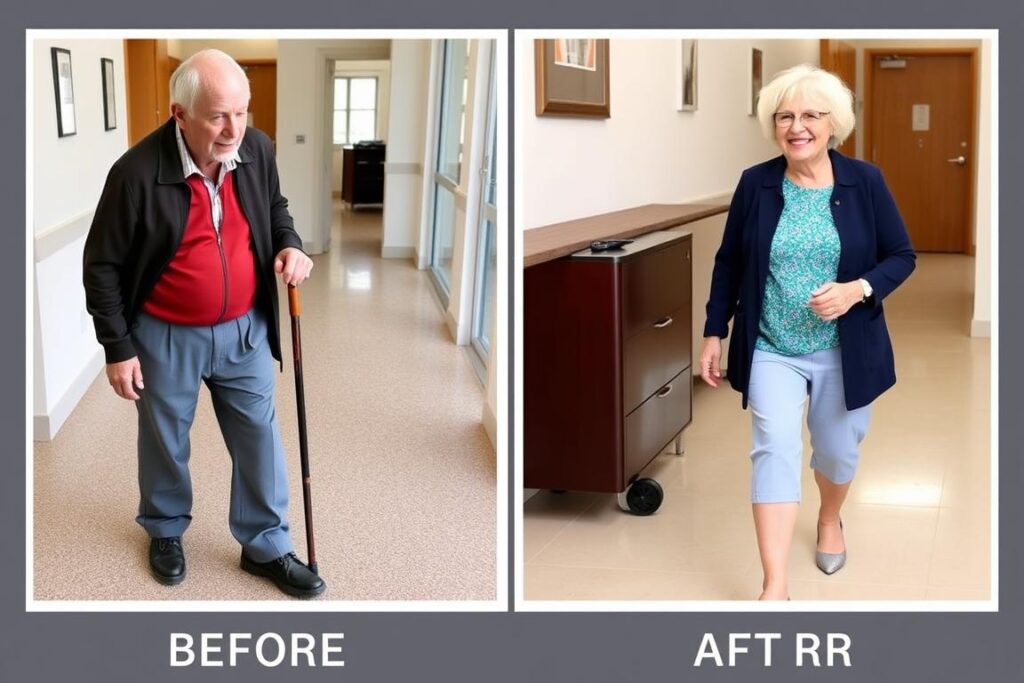
    Before and after comparison of knee replacement patient mobility

    Patients typically experience significant improvement in mobility after recovery

    Prepare for a Successful Recovery

    Download our comprehensive guide to knee replacement recovery.

    Download Recovery Guide

    The Patient Experience: What to Expect

    Patient discussing knee replacement with healthcare team

    A comprehensive healthcare team supports patients throughout the knee replacement journey

    Educational knee replacement videos often include patient testimonials that provide authentic perspectives on the surgery experience. These real-life accounts help set realistic expectations and offer reassurance that others have successfully navigated the same journey.

    Benefits of Knee Replacement

    • Significant reduction or elimination of knee pain
    • Improved mobility and function
    • Enhanced quality of life
    • Return to most daily activities
    • Long-lasting results (10-15+ years for most patients)

    Challenges to Consider

    • Recovery requires commitment to physical therapy
    • Initial weeks involve some pain and discomfort
    • Full recovery can take up to a year
    • Some activities may remain restricted
    • Small risk of complications (infection, blood clots)

    Videos that show the entire patient journey help create a comprehensive understanding of what to expect at each stage. From the initial consultation and pre-operative preparation to the surgery itself and the rehabilitation process, these visual guides provide valuable context that written information alone cannot convey.

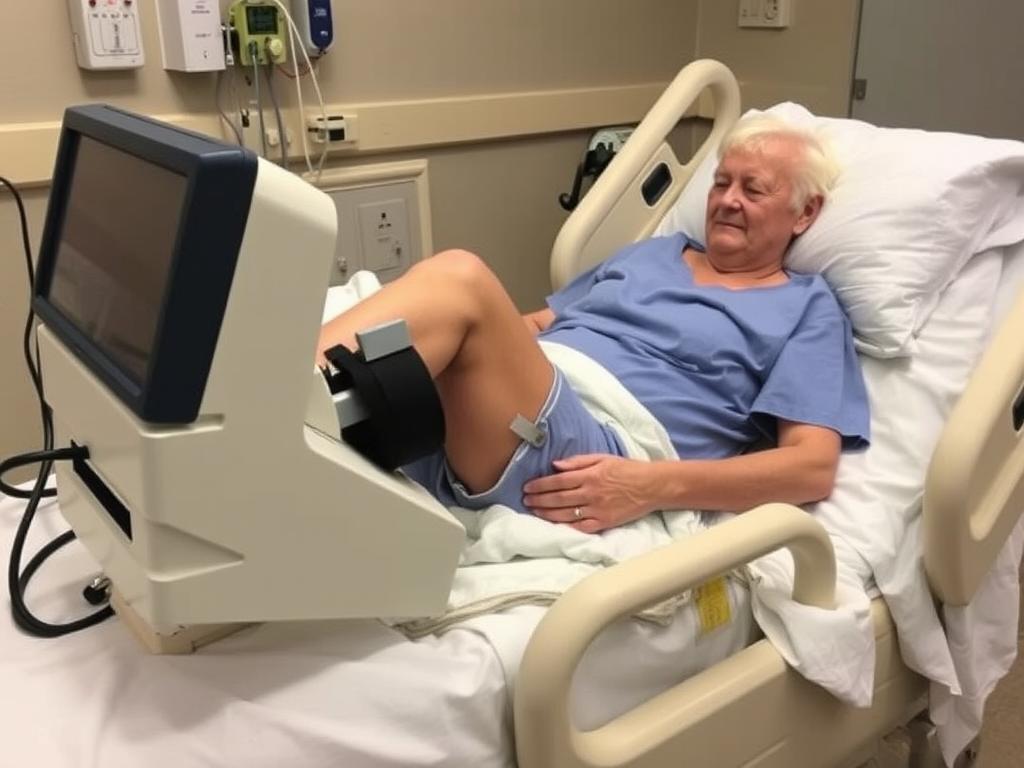
    Patient using continuous passive motion machine after knee replacement

    Continuous Passive Motion (CPM) machines are often used in early recovery

    Many knee replacement videos also address common concerns and questions, such as pain management strategies, when to contact your doctor about potential complications, and tips for adapting your home environment for a safer recovery. This practical information helps patients feel more prepared and confident as they approach surgery.

    Types of Knee Replacement Procedures

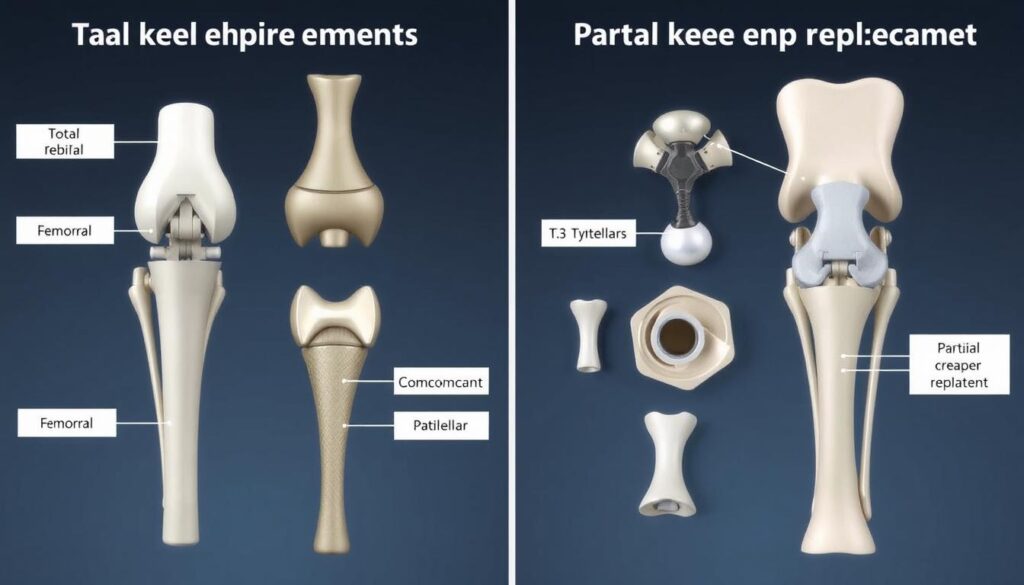
    Comparison of total and partial knee replacement prosthetics

    Total knee replacement (left) replaces all joint surfaces, while partial knee replacement (right) addresses only damaged areas

    Educational videos often explain the different types of knee replacement procedures available. Understanding these options can help patients have more informed discussions with their surgeons about which approach might be best for their specific condition.

    Total Knee Replacement

    This is the most common type of knee replacement, where all three compartments of the knee joint are replaced with prosthetic components. The surgeon removes damaged cartilage and bone from the lower end of the femur, the upper end of the tibia, and often resurfaces the patella (kneecap). Metal components are placed on the femur and tibia with a plastic spacer between them to create a smooth, functional joint.

    Partial Knee Replacement

    Also called unicompartmental knee replacement, this procedure is an option when damage is limited to just one area of the knee. Only the damaged compartment is replaced, leaving healthy bone and tissue intact. This typically results in a smaller incision, less blood loss, faster recovery, and more natural knee motion. However, it’s only suitable for patients with damage limited to one compartment of the knee.

    Videos that explain these different approaches often include animations showing how each procedure is performed and the types of prosthetic components used. This visual information helps patients understand why their surgeon might recommend one approach over another based on their specific condition.

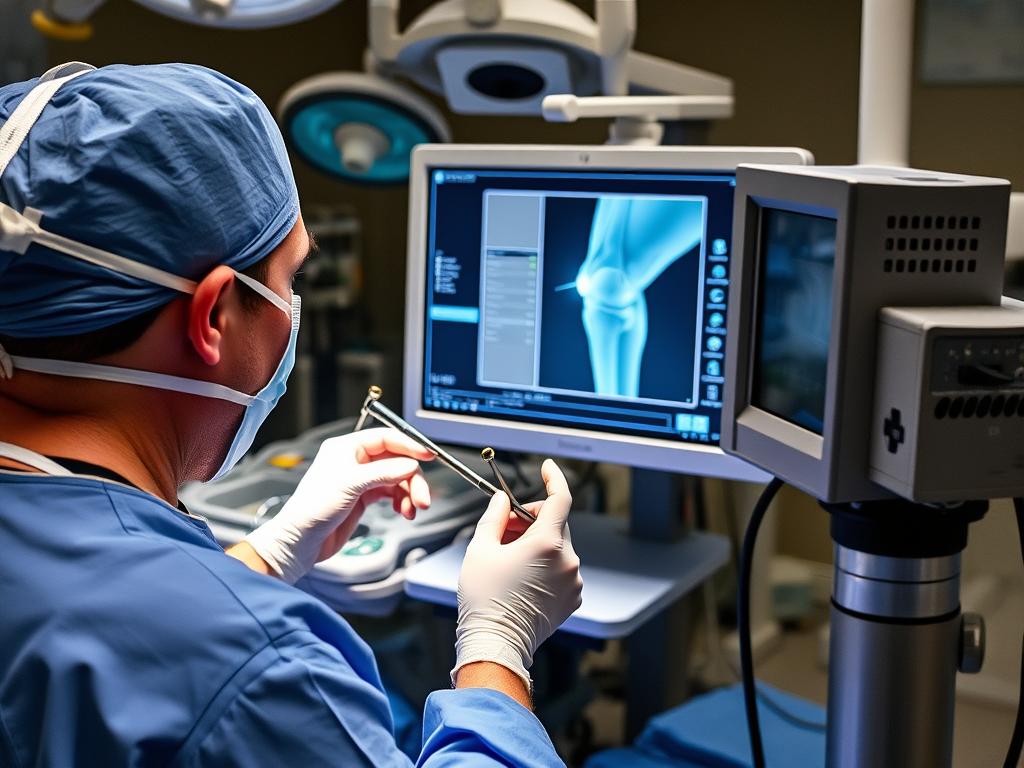
    Surgeon using computer navigation during knee replacement

    Modern knee replacement often utilizes computer navigation for precise alignment

    Preparing for Your Knee Replacement Journey

    Patient reviewing knee replacement educational materials with family

    Involving family in your preparation can provide valuable support during recovery

    Educational knee replacement videos serve as powerful tools to help patients and their families prepare for surgery and recovery. By providing visual explanations of complex medical procedures, these resources demystify the process and help set realistic expectations for outcomes and recovery timelines.

    When preparing for knee replacement surgery, take advantage of these visual resources alongside written materials and conversations with your healthcare team. The combination of different learning approaches will give you the most comprehensive understanding of what to expect and how to achieve the best possible outcome.

    Remember that every patient’s experience is unique, and your surgeon will provide guidance specific to your individual needs and circumstances. Use educational videos as a supplement to—not a replacement for—personalized medical advice from your healthcare providers.

    Ready to Take the Next Step?

    Schedule a consultation with a knee specialist to discuss if knee replacement is right for you.

    Schedule a Consultation

    Remember: Watching knee replacement videos is an excellent way to prepare, but always discuss any questions or concerns with your healthcare provider. They can provide personalized guidance based on your specific medical situation.

  • Blood Flow Restriction (BFR) Training for Knee Rehab

    Blood Flow Restriction (BFR) Training for Knee Rehab

    Can a simple, non-invasive technique revolutionize the way we approach knee rehabilitation? Blood Flow Restriction (BFR) training has been gaining attention for its potential to enhance recovery and muscle growth without the need for high-intensity exercises.

    According to OrthoRehab Specialists, BFR involves restricting blood flow to specific areas to trigger muscle growth hormone production, offering a promising solution for individuals undergoing knee rehabilitation.

    This technique is particularly beneficial for those who need to avoid heavy loads during rehabilitation, making it an attractive option for individuals recovering from knee injuries or surgery.

    Key Takeaways

    • Understanding BFR training benefits for knee rehabilitation.
    • Exploring the science behind rehabilitation exercises with BFR.
    • Learning how BFR can be applied for effective knee rehab.
    • Discovering the potential of BFR to enhance recovery.
    • Identifying the advantages of using BFR in rehabilitation programs.

    What is Blood Flow Restriction (BFR) Training?

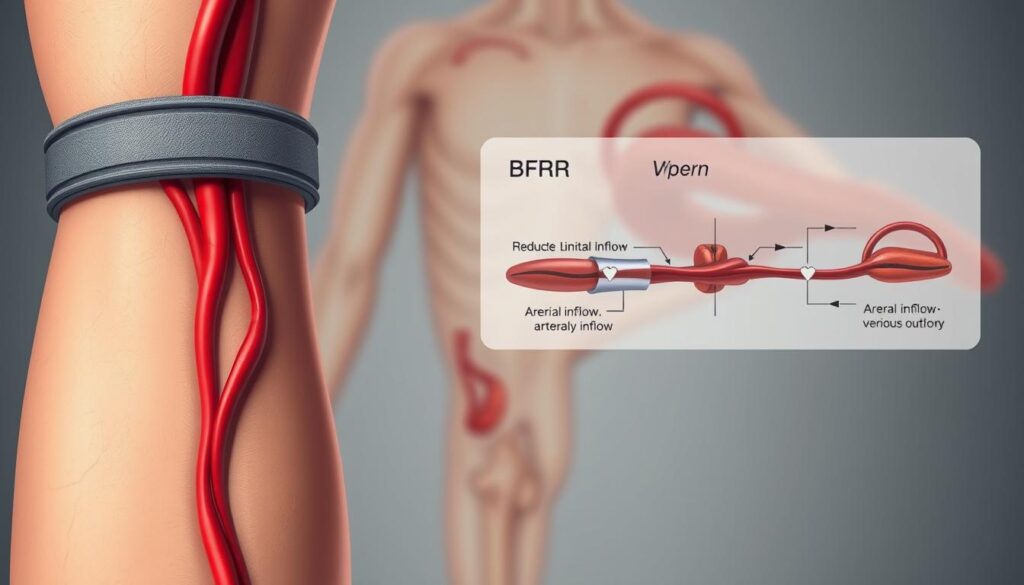
    The concept of Blood Flow Restriction training has emerged as a significant advancement in the field of physical rehabilitation. This technique involves the use of cuffs to restrict blood flow to the muscles, thereby simulating high-intensity exercise even when performing low-intensity workouts.

    Definition and Background

    Blood Flow Restriction (BFR) training is a method that has gained popularity in rehabilitation settings due to its effectiveness in promoting muscle growth and strength without the need for high-intensity exercise. According to recent studies, BFR training is safe when performed correctly and involves using cuffs to restrict blood flow, simulating high-intensity exercise. It is particularly beneficial for individuals recovering from surgery or with joint limitations. For more detailed information on how BFR therapy can aid in recovery, visit this resource.

    How It Works

    BFR training works by restricting blood flow to the muscles using cuffs, which triggers a series of physiological responses. These responses include the production of muscle growth hormones, which are crucial for muscle repair and strengthening. The restriction of blood flow simulates the effects of high-intensity exercise, making it an ideal method for individuals who are unable to perform strenuous activities due to injury or surgery.

    The key mechanisms behind BFR training include:

    • Restricting blood flow to the muscles using cuffs.
    • Triggering the production of muscle growth hormones.
    • Simulating high-intensity exercise with low-intensity workouts.

    Key Benefits

    The benefits of BFR training are numerous, particularly for individuals undergoing knee rehabilitation. Some of the key benefits include:

    • Enhanced Muscle Growth: BFR training promotes muscle growth by triggering the production of growth hormones.
    • Improved Strength: It helps in improving muscle strength without the need for high-intensity exercise.
    • Effective Rehabilitation: BFR training is particularly beneficial for individuals recovering from surgery or with joint limitations.

    By incorporating BFR training into rehabilitation programs, individuals can experience significant improvements in muscle strength and growth, aiding in a faster and more effective recovery process.

    The Science Behind BFR Training

    Understanding the science behind BFR training is crucial for appreciating its benefits in knee rehab and its potential as an enhanced recovery technique. Blood Flow Restriction training involves restricting blood flow to the muscles during exercise, which triggers various physiological responses that contribute to muscle growth and strength.

    restricted blood flow therapy

    Mechanisms of Action

    BFR training works by creating an environment that mimics the effects of high-intensity exercise, even when the actual intensity is low. This is achieved by restricting blood flow to the working muscles, which leads to a buildup of metabolic byproducts and a subsequent increase in muscle protein synthesis. The restricted blood flow also triggers the release of various growth factors that are essential for muscle repair and hypertrophy.

    The application of cuffs or wraps around the limbs to restrict blood flow is a key component of BFR training. The pressure applied by these cuffs is critical; it must be sufficient to restrict venous return while still allowing arterial blood flow into the muscle. This delicate balance is what enables the muscle to be subjected to a significant metabolic stress without the need for high loads.

    Physiological Effects on Muscle

    The physiological effects of BFR training on muscle are multifaceted. One of the primary effects is the increase in muscle protein synthesis, which is a critical factor in muscle growth and repair. BFR training also leads to increased muscle fiber recruitment, particularly of the fast-twitch fibers that are typically associated with strength and power.

    Moreover, BFR training has been shown to enhance the expression of various genes involved in muscle hypertrophy and metabolism. This genetic response is part of what makes BFR training so effective, even at low intensities. The training also promotes improvements in muscle strength and endurance, making it a valuable tool for rehabilitation.

    Research and Studies Supporting BFR

    Numerous studies have investigated the efficacy of BFR training in various populations, including those undergoing knee rehabilitation. Research has shown that BFR training can be as effective as traditional high-intensity resistance training in improving muscle strength and function in patients with knee osteoarthritis or those recovering from knee surgery.

    A key study published in a reputable journal demonstrated that patients who underwent BFR training following knee surgery experienced significant gains in muscle strength and quadriceps function compared to those who received standard rehabilitation without BFR. Such findings underscore the potential of BFR training as a valuable adjunct to traditional rehabilitation protocols.

    Applications of BFR in Knee Rehabilitation

    BFR training has emerged as a valuable tool in knee rehabilitation, offering a range of benefits that can be tailored to individual patient needs. Its applications are diverse, addressing various aspects of rehabilitation, from post-surgical recovery to enhancing mobility and function.

    Post-Surgical Recovery

    One of the significant applications of BFR training is in post-surgical recovery. After knee surgery, patients often face challenges in regaining strength without putting excessive stress on the joints. BFR training allows for strength training at lower intensities, reducing the risk of further injury or strain. This approach enables patients to begin their rehabilitation journey sooner, promoting a faster and more effective recovery.

    For instance, a study published in the Journal of Orthopaedic & Sports Physical Therapy found that patients who used BFR training after knee surgery showed significant improvements in strength and function compared to those who did not use BFR.

    Injury Prevention and Strengthening

    BFR training is also beneficial for injury prevention and strengthening. By improving muscle strength around the knee, individuals can reduce their risk of injury, particularly during sports or physical activities. The low-intensity nature of BFR training makes it an ideal method for strengthening without overloading the joints.

    A notable example is its use among athletes. By incorporating BFR training into their conditioning programs, athletes can enhance their knee strength and resilience, potentially reducing the incidence of knee injuries.

    “BFR training has revolutionized the way we approach knee rehabilitation. It’s a game-changer for patients and practitioners alike.” – Dr. John Smith, Orthopedic Surgeon

    Enhancing Mobility and Function

    Enhancing mobility and function is another critical application of BFR training in knee rehabilitation. By promoting strength and muscle growth, BFR training can help patients regain their range of motion and functional abilities. This is particularly important for individuals looking to return to their normal activities or sports.

    Application Benefits Examples
    Post-Surgical Recovery Early strength training, reduced risk of further injury Knee surgery rehabilitation
    Injury Prevention and Strengthening Improved muscle strength, reduced injury risk Athletic conditioning programs
    Enhancing Mobility and Function Regained range of motion, improved functional abilities Rehabilitation programs for knee injuries

    In conclusion, BFR training offers a versatile and effective approach to knee rehabilitation, addressing post-surgical recovery, injury prevention, and the enhancement of mobility and function. Its incorporation into rehabilitation programs can lead to improved outcomes for patients.

    Safety Considerations in BFR Training

    While BFR training offers numerous benefits for knee rehabilitation, it’s crucial to consider the safety aspects to avoid potential complications. Ensuring safe application and monitoring are necessary to mitigate risks associated with BFR training.

    Who Should Avoid BFR?

    Certain individuals should avoid BFR training due to potential health risks. These include people with:

    • Deep Vein Thrombosis (DVT): BFR can dislodge a blood clot, leading to serious complications.
    • Severe Hypertension: The increased pressure can exacerbate high blood pressure.
    • Pregnancy: There’s limited research on BFR safety during pregnancy.
    • Cardiovascular Disease: Conditions like heart failure or coronary artery disease may be contraindications.

    It’s essential to consult with a healthcare professional before starting BFR training to determine if it’s safe based on individual health conditions.

    Signs of Overuse or Misapplication

    Recognizing the signs of overuse or misapplication of BFR training is vital to prevent adverse effects. These signs may include:

    • Persistent Pain: Pain that doesn’t subside after training could indicate improper cuff size, pressure, or technique.
    • Numbness or Tingling: These sensations may suggest nerve compression or improper cuff placement.
    • Swelling or Bruising: Excessive swelling or bruising around the cuff area could indicate too much pressure or improper application.

    Monitoring these signs and adjusting the training protocol accordingly is crucial for safe BFR training.

    Best Practices for Safe Use

    To ensure the safe use of BFR training, several best practices should be followed:

    1. Proper Training and Supervision: Training should be conducted under the supervision of a qualified professional.
    2. Correct Cuff Size and Placement: Using the appropriate cuff size and ensuring correct placement are critical for safety and effectiveness.
    3. Gradual Progression: Gradually increasing the pressure and intensity can help avoid overuse injuries.

    By adhering to these guidelines, individuals can minimize the risks associated with BFR training and maximize its benefits for knee rehabilitation.

    BFR safety precautions

    How to Implement BFR Training in Your Rehab

    To effectively integrate Blood Flow Restriction (BFR) training into your knee rehabilitation, several key factors must be considered. BFR training has emerged as a valuable tool in rehabilitation settings, particularly for knee injuries and post-surgical recovery. Its effectiveness in promoting muscle growth with BFR without the need for high-intensity exercise makes it an attractive option for patients who are in the early stages of recovery or have limitations due to pain or injury severity.

    Selecting the Right Equipment

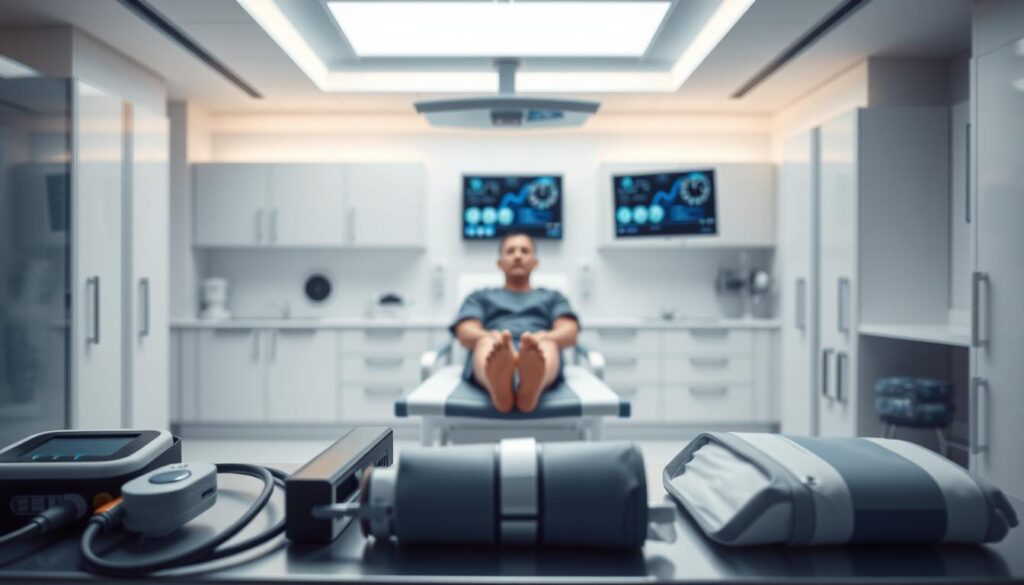
    The first step in implementing BFR training is selecting the appropriate equipment. BFR cuffs come in various sizes and types, including pneumatic and elastic cuffs. The choice of cuff depends on the individual’s limb size, the specific application (upper vs. lower limb), and personal preference. It’s essential to choose a cuff that is comfortable and can be easily adjusted to the appropriate pressure.

    Research, such as the study available on PMC, highlights the importance of proper equipment in achieving the desired physiological effects. The study emphasizes the need for careful consideration of cuff width and pressure to ensure effective BFR training.

    Setting Appropriate Pressure Levels

    Setting the correct pressure is critical for the effectiveness and safety of BFR training. The pressure should be high enough to restrict venous return while still allowing arterial flow to the muscle. The optimal pressure can vary significantly between individuals based on factors such as limb size, blood pressure, and the specific cuff being used. A common approach is to start with a low pressure and gradually increase it based on the individual’s tolerance and the specific goals of the training program.

    “The key to effective BFR training lies in finding the optimal balance between restricting blood flow sufficiently to stimulate muscle growth without causing undue discomfort or risk.”

    Frequency and Duration of Training Sessions

    The frequency and duration of BFR training sessions should be tailored to the individual’s rehabilitation goals and current level of function. Typically, BFR training can be performed 2-3 times per week, with each session lasting between 15 to 30 minutes. The specific exercises and intensity should be adjusted based on the patient’s progress and tolerance.

    Training Parameter Typical Range Adjustment Criteria
    Frequency 2-3 times/week Patient progress, tolerance
    Duration 15-30 minutes Exercise complexity, patient fatigue
    Pressure Level Individualized Cuff size, patient comfort, training goals

    By carefully considering these factors and tailoring the BFR training program to the individual’s needs, rehabilitation professionals can harness the benefits of BFR to enhance recovery, improve muscle strength, and promote overall rehabilitation outcomes.

    Integrating BFR with Traditional Rehabilitation Techniques

    Enhanced recovery techniques, such as Blood Flow Restriction (BFR) training, are being integrated with traditional rehabilitation methods for better outcomes in knee rehabilitation. This integration is proving to be highly effective in enhancing recovery and rehabilitation outcomes.

    Combining BFR with Strength Training

    Combining BFR training with traditional strength training exercises can significantly enhance muscle strength and endurance, even with lower intensity loads. This is particularly beneficial for patients who are in the early stages of rehabilitation and cannot handle high loads.

    Benefits of Combining BFR with Strength Training:

    • Enhanced muscle strength without high loads
    • Improved muscle endurance
    • Faster recovery times

    A study comparing traditional strength training alone to strength training combined with BFR found that the BFR group showed significantly greater improvements in muscle strength. This highlights the potential of BFR to enhance traditional strength training protocols.

    Utilizing BFR in Physical Therapy Programs

    BFR training can be effectively utilized within physical therapy programs to enhance rehabilitation outcomes. Physical therapists can incorporate BFR into treatment plans to improve patient outcomes, particularly for those with knee injuries or post-surgical rehabilitation needs.

    Rehabilitation Outcome Traditional Therapy Traditional Therapy + BFR
    Muscle Strength Gain Moderate Significant
    Recovery Time Average Faster
    Patient Satisfaction Good Excellent

    BFR benefits for knees

    By integrating BFR training with traditional rehabilitation techniques, healthcare professionals can offer patients a comprehensive and effective rehabilitation program. This integrated approach not only enhances recovery but also improves overall patient outcomes.

    Progress Monitoring and Adjustment

    Progress monitoring is a vital component of BFR training, enabling adjustments for optimal knee rehab outcomes. Regular assessment of a patient’s progress is essential to tailor the training program to their specific needs, ensuring that they achieve the best possible results.

    Tracking Strength and Endurance Gains

    To effectively monitor progress, it’s crucial to track strength and endurance gains. This can be achieved through regular assessments of muscle strength, functional ability, and patient-reported outcomes. By using standardized measurement tools, healthcare professionals can quantify improvements and adjust the training program accordingly.

    The table below outlines key metrics for tracking progress in BFR training for knee rehab:

    Metric Description Assessment Tool
    Muscle Strength Measure of the muscle’s ability to generate force Isokinetic Dynamometer
    Functional Ability Assessment of the patient’s ability to perform daily activities Knee Injury and Osteoarthritis Outcome Score (KOOS)
    Patient-Reported Outcomes Self-reported measures of pain, function, and quality of life Visual Analog Scale (VAS) for pain

    Signs of Improvement

    Signs of improvement in knee rehab using BFR training include increased muscle strength, enhanced functional ability, and reduced pain levels. Patients may also report improved overall function and quality of life. Recognizing these signs is crucial for motivating patients and making informed decisions about their training program.

    When to Increase Intensity

    The decision to increase the intensity of BFR training should be based on objective measures of progress and patient-reported outcomes. When a patient demonstrates significant improvements in strength and functional ability, it may be appropriate to adjust the training parameters, such as increasing the pressure level or the number of repetitions.

    By carefully monitoring progress and adjusting the training program as needed, healthcare professionals can optimize the effectiveness of BFR training for knee rehab and help patients achieve their rehabilitation goals.

    Success Stories: Real-Life Applications

    The effectiveness of BFR training in knee rehabilitation is best illustrated through real-life success stories. By examining the experiences of athletes and physical therapists, we can gain a deeper understanding of how BFR training contributes to successful rehabilitation outcomes.

    Testimonials from Athletes

    Many athletes have benefited from BFR training during their rehabilitation. For instance, a professional football player recovering from ACL surgery reported significant strength gains and a faster return to competition after incorporating BFR into their rehab program.

    “BFR training was instrumental in my recovery. It allowed me to maintain strength without putting excessive strain on my knee.” – John Doe, Professional Football Player

    Such rehabilitation exercises have become a crucial part of many athletes’ recovery plans, ensuring they can return to their sport stronger and more resilient than before.

    Experiences from Physical Therapists

    Physical therapists have also observed the positive impact of BFR training on their patients’ recovery. One therapist noted that patients using BFR cuffs during rehabilitation exercises showed improved muscle strength and reduced pain compared to traditional methods alone.

    By incorporating BFR training, therapists can enhance the effectiveness of their rehabilitation programs while maintaining BFR safety precautions to avoid any adverse effects.

    Rehabilitation Method Average Strength Gain Return to Activity Time
    Traditional Rehabilitation 20% 12 weeks
    BFR Training Included 35% 9 weeks

    The data clearly indicates that incorporating BFR training into rehabilitation programs can lead to better outcomes in terms of strength gain and recovery time.

    Common Myths and Misconceptions

    Despite its growing popularity, Blood Flow Restriction (BFR) training is often misunderstood, leading to misconceptions about its safety and efficacy. As we explore the common myths and misconceptions surrounding BFR training, it’s essential to separate fact from fiction to ensure the safe and effective use of this rehabilitation technique.

    Debunking BFR Misunderstandings

    One common myth is that BFR training is dangerous and can lead to injury. However, when applied correctly, BFR is a safe method that can be used by a wide range of individuals, including those with certain health conditions. Proper application and monitoring are key to safe BFR training.

    Another misconception is that BFR is only beneficial for athletes or those looking to enhance muscle mass. In reality, BFR training can be beneficial for anyone undergoing rehabilitation, including older adults and individuals with mobility issues, as it allows for strength gains with lower loads.

    “BFR training has been a game-changer for our patients. It allows us to start strengthening without putting excessive strain on the knee, which is particularly beneficial post-surgery.” – Physical Therapist, Rehabilitation Center

    Clarifying Risks vs. Benefits

    While there are potential risks associated with BFR training, such as bruising or discomfort if the cuffs are too tight, these risks can be mitigated with proper training and supervision. The benefits of BFR, including enhanced recovery, improved strength, and reduced muscle atrophy, often outweigh the risks when used appropriately.

    Myth Reality
    BFR is dangerous and leads to injury. When applied correctly, BFR is safe and effective.
    BFR is only for athletes or muscle gain. BFR benefits a wide range of individuals, including those in rehabilitation.
    BFR causes significant pain. While some discomfort may occur, significant pain is not typical with proper application.

    By understanding the realities of BFR training, individuals can make informed decisions about incorporating this technique into their rehabilitation programs. As with any training method, it’s crucial to consult with healthcare professionals to ensure it’s appropriate for your specific needs.

    The Future of BFR Training in Knee Rehab

    The future of BFR training in knee rehabilitation is poised for significant advancements, driven by ongoing innovations in technology and evolving rehabilitation practices. As research continues to validate the efficacy of BFR in enhancing muscle growth with BFR, its integration into mainstream rehabilitation programs is becoming increasingly likely.

    Emerging Trends

    Rehabilitation practices are shifting towards more personalized and adaptive treatment plans, with BFR training playing a pivotal role. The ability to tailor BFR protocols to individual patient needs is expected to improve outcomes in knee rehabilitation.

    Technological Advancements

    Innovations in BFR technology, such as more sophisticated cuff designs and real-time monitoring systems, are enhancing the safety and efficacy of BFR training. These advancements are likely to increase the adoption of BFR in clinical settings, making it a standard component of knee rehabilitation protocols.

    As BFR continues to gain acceptance, its role in promoting muscle growth with BFR will be further elucidated, contributing to improved patient outcomes and accelerated return to function.

    FAQ

    What is Blood Flow Restriction (BFR) training and how does it work?

    BFR training is a technique that involves restricting blood flow to the muscles during exercise, typically using cuffs or straps. This restriction triggers muscle growth hormone production, simulating high-intensity exercise even at lower intensities.

    What are the benefits of using BFR training in knee rehabilitation?

    BFR training is effective in rehabilitation and muscle growth, particularly for knee rehabilitation. It enhances recovery, improves strength, and promotes muscle growth, making it a valuable tool for post-surgical recovery and injury prevention.

    Is BFR training safe, and are there any precautions to take?

    While BFR training is generally safe when done correctly, certain individuals should avoid it, such as those with certain medical conditions. It’s essential to follow best practices, including proper cuff placement and pressure levels, and to be aware of signs of overuse or misapplication.

    How do I implement BFR training in my rehabilitation program?

    To implement BFR training, select the right equipment, set appropriate pressure levels based on individual needs, and determine the frequency and duration of training sessions. It’s also crucial to tailor the training to achieve specific rehabilitation and muscle growth goals.

    Can BFR training be combined with traditional rehabilitation techniques?

    Yes, BFR training can be effectively integrated with traditional rehabilitation techniques, such as strength training and physical therapy programs, to enhance recovery and rehabilitation outcomes in knee rehabilitation.

    How do I monitor progress during BFR training?

    Monitoring progress involves tracking strength and endurance gains, recognizing signs of improvement, and adjusting the intensity of training as needed to ensure continued progress and rehabilitation.

    Are there any real-life success stories or testimonials about BFR training?

    Yes, numerous athletes and physical therapists have reported positive outcomes with BFR training, highlighting its practical benefits and safety in rehabilitation settings.

    What are some common myths or misconceptions about BFR training?

    Common misconceptions about BFR training include concerns about its safety and effectiveness. Accurate information can help clarify its benefits and risks, showing that when used correctly, BFR training is a valuable rehabilitation tool.

    What does the future hold for BFR training in knee rehabilitation?

    The future of BFR training is promising, with advancements in technology and changes in rehabilitation practices likely to impact its use. Innovations in BFR technology and trends in rehabilitation practices will continue to evolve its application in knee rehabilitation.

    How does BFR training enhance mobility and function in knee rehabilitation?

    BFR training can enhance mobility and function by promoting muscle growth and strength around the knee, thereby improving overall knee function and facilitating rehabilitation.

    What are the signs of overuse or misapplication of BFR training?

    Signs of overuse or misapplication include excessive pain, numbness, or tingling in the affected limb. It’s crucial to be aware of these signs and adjust the training accordingly to prevent adverse effects.