Tag: Knee Replacement Surgery

  • Golfers with Knee Replacements Tips

    Golfers with Knee Replacements Tips

    Can golfers continue to enjoy their favorite sport after undergoing knee replacement surgery? The answer is a resounding yes, but it requires some adjustments. Golfers facing knee replacements often worry about the impact on their game.

    Adapting golfing techniques is crucial for maintaining performance while protecting knee health. By incorporating knee-friendly golf tips, golfers can minimize strain and enjoy the game.

    Understanding the challenges and making necessary adjustments can make a significant difference. This article will explore valuable tips for golfers who have undergone knee replacement surgery.

    Key Takeaways

    • Adjusting golf swings to reduce knee strain
    • Pre-game warm-ups to prepare knee joints
    • Using golf equipment that supports knee health
    • Practicing knee-friendly golf techniques
    • Understanding the importance of post-game care

    Understanding Knee Replacements and Golf

    The relationship between knee replacements and golf is becoming more relevant as the golfing community ages. Golfers with knee concerns are increasingly looking into knee replacement options to continue enjoying their sport.

    What Is a Knee Replacement?

    A knee replacement, or knee arthroplasty, involves replacing the damaged or arthritic joint surfaces with artificial components. This surgery can significantly alleviate pain and improve mobility, allowing golfers to return to their sport.

    Types of Knee Replacements

    There are several types of knee replacement surgeries, including:

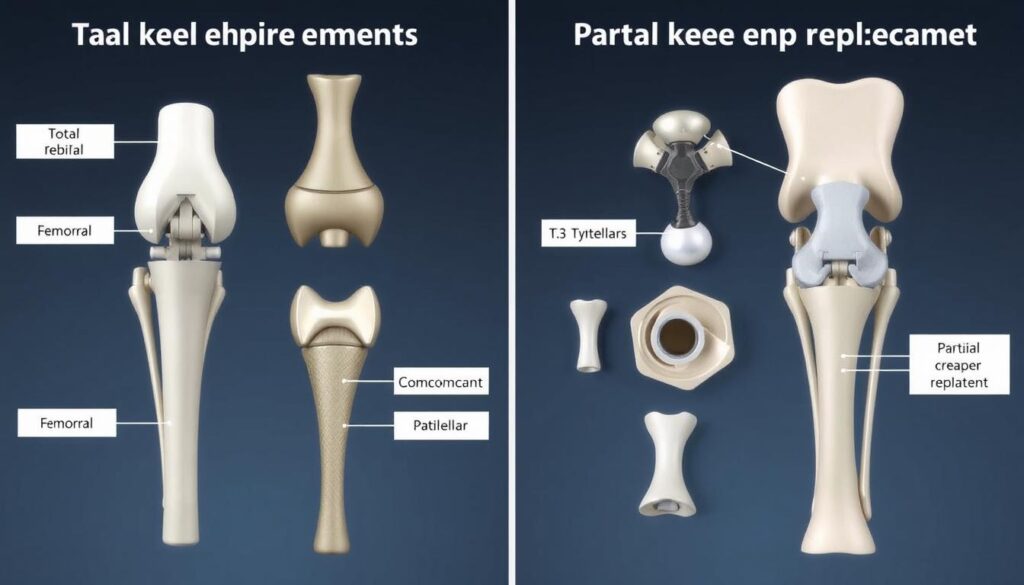
    • Total Knee Replacement (TKR): Replaces the entire knee joint.
    • Partial Knee Replacement: Only the damaged part of the knee is replaced.
    • Revision Knee Replacement: Used for failed or worn-out previous knee replacements.

    Each type has its indications and benefits, and the choice depends on the individual’s condition and the surgeon’s recommendation.

    When to Consider a Replacement

    Deciding on a knee replacement involves several factors, including the severity of knee damage, overall health, and the impact of knee problems on daily activities and golfing. Significant pain, limited mobility, and failure of conservative treatments are indicators that a knee replacement might be necessary.

    Proper posture and ergonomics play a crucial role in recovery and maintaining knee health post-surgery. Golfers should be aware of their stance, swing mechanics, and overall physical conditioning to minimize stress on their knees.

    Preparing for Surgery

    As golfers prepare for knee replacement surgery, it’s essential to focus on both physical and mental preparation to ensure a smooth recovery and maintain golf performance post-surgery.

    A well-planned preparation strategy can significantly impact the success of the surgery and the subsequent rehabilitation process. This involves a combination of physical conditioning and mental preparation to ensure that golfers are fully equipped to handle the challenges that come with surgery and recovery.

    Physical Conditioning Tips

    Physical conditioning is a critical aspect of preparing for knee replacement surgery. Golfers can benefit from exercises that strengthen the muscles around the knee, improving overall knee stability and resilience. Exercises for golfers with knee replacements should focus on low-impact activities that do not put excessive strain on the knee.

    • Quad sets: Strengthening the quadriceps muscles through sets and leg lifts.
    • Straight leg raises: Improving knee stability by lifting the leg straight out in front.
    • Low-impact aerobics: Engaging in activities like cycling or swimming to improve cardiovascular fitness without stressing the knee.

    exercises for golfers with knee replacements

    Mental Preparation for Surgery

    Mental preparation is equally important as physical conditioning when it comes to preparing for knee replacement surgery. Golfers should focus on techniques that help manage stress and anxiety, promoting a positive mindset throughout the recovery process.

    Visualization techniques and relaxation exercises can be particularly helpful. Visualization involves imagining a successful surgery and recovery, while relaxation techniques, such as deep breathing or meditation, can help reduce anxiety and promote a calm state of mind.

    Post-Surgery Recovery Essentials

    The journey to regaining strength and mobility after knee surgery is crucial for golfers, involving a comprehensive rehabilitation program and effective pain management strategies. A well-planned recovery is essential to ensure that golfers can return to the golf course without compromising their knee health.

    Importance of Rehabilitation

    Rehabilitation after knee surgery is not just about healing; it’s about regaining the strength and flexibility needed for golf. A structured rehabilitation program typically includes physical therapy exercises tailored to improve knee function and overall lower limb strength.

    Key components of a rehabilitation program include:

    • Range of motion exercises to improve flexibility
    • Strengthening exercises for the muscles around the knee
    • Balance and coordination training to prevent falls

    Pain Management Strategies

    Effective pain management is critical during the recovery period. Golfers can employ several strategies to manage pain, including medication, physical therapy modalities, and alternative therapies like acupuncture.

    For more information on managing knee pain, golfers can consult with healthcare professionals, such as those found through finding the best knee pain doctor near.

    Here’s a comparison of common pain management strategies:

    Strategy Description Benefits
    Medication Use of pain relief drugs Quick pain relief
    Physical Therapy Exercises and modalities like heat/cold therapy Improves function, reduces pain
    Acupuncture Traditional Chinese medicine technique Alternative to medication, holistic approach

    In conclusion, a successful recovery after knee surgery for golfers hinges on a comprehensive rehabilitation program and effective pain management strategies. By understanding the importance of these elements, golfers can better navigate their recovery journey.

    Getting Back to Golf: Timing Matters

    Timing is everything for golfers with knee replacements as they strive to return to the golf course without compromising their recovery.

    After knee replacement surgery, the excitement to get back to golfing can be overwhelming. However, it’s crucial to understand that rushing back to the golf course can lead to complications and potentially jeopardize the success of the surgery. The recovery period is vital, and golfers must be patient and listen to their bodies.

    When Can You Return to Golf?

    The timeframe for returning to golf varies among individuals, depending on factors such as the extent of the surgery, overall health, and the progress of rehabilitation. Generally, golfers can expect to return to golf within 3 to 6 months after surgery.

    A study published in the Journal of Arthroplasty found that golfers who underwent knee replacement surgery were able to return to golf an average of 4.4 months post-operatively. However, it’s essential to get clearance from your orthopedic surgeon before resuming golf or any strenuous activity.

    Recovery Milestone Typical Timeframe Activity Level
    Initial Rehabilitation 0-3 months Light exercises, physical therapy
    Progressive Strengthening 3-6 months Golf-specific exercises, gradual return to golf
    Full Return to Golf 6 months+ Regular golfing with proper technique

    Recognizing Signs of Recovery

    Recognizing the signs that indicate readiness to return to golf is crucial. Golfers should look out for reduced pain, improved range of motion, and increased strength in the knee. Additionally, being able to perform daily activities without significant discomfort is a good indicator.

    It’s also important to pay attention to your body’s signals. If you experience pain or discomfort while practicing golf swings or playing, it may be a sign that you’re not fully ready. Consulting with your healthcare provider or a golf fitness professional can provide personalized guidance.
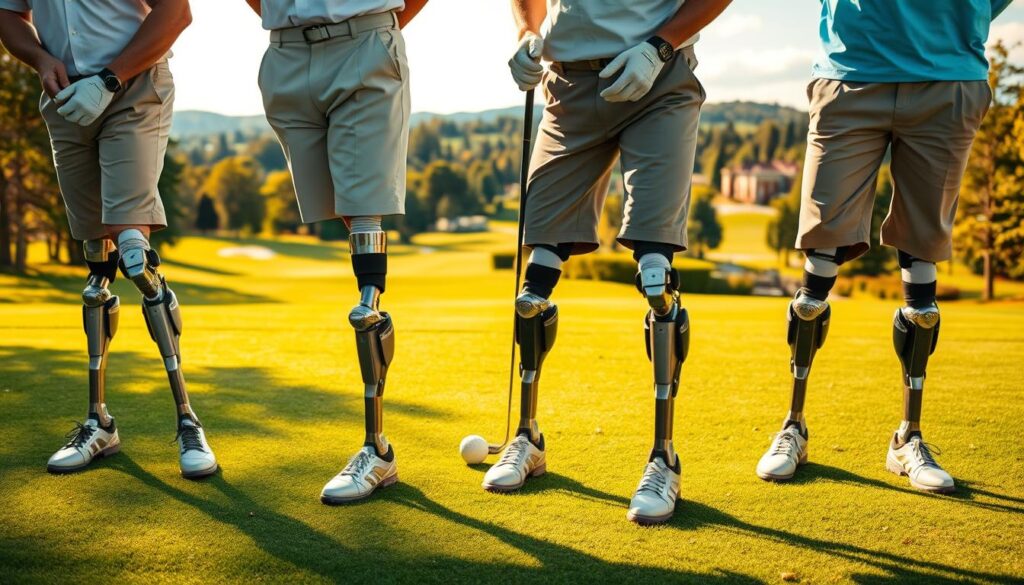
    golfers with knee replacements

    Maintaining golf performance post-knee surgery requires not only the right timing but also a focus on rehabilitation and proper technique. By understanding the recovery process and listening to your body, you can enjoy golf while preserving the health of your knee.

    Choosing the Right Golf Gear

    The right golf gear can significantly impact a golfer’s performance and comfort, especially for those with knee replacements. Golfers need to consider equipment that not only enhances their game but also provides the necessary support and stability for their knees.

    As golf enthusiasts recover and return to the course, choosing the appropriate golf shoes becomes a critical decision. Golf shoes are no longer just about style; they are about providing the necessary support and stability.

    Best Golf Shoe Features

    When selecting golf shoes, individuals with knee replacements should look for features that enhance comfort and support. Some key features include:

    • Good arch support: Helps in distributing the pressure evenly and reduces strain on the knees.
    • Cushioning: Adequate cushioning in the midsole and forefoot can absorb shock and reduce impact on the knee joint.
    • Stable and comfortable fit: Ensures that the foot remains in a stable position throughout the swing, reducing unnecessary movement that could strain the knee.
    • Waterproofing: Keeps feet dry and comfortable in various playing conditions.

    “The right golf shoes can make a significant difference in comfort and performance,” says Tom Watson, a renowned golfer. “For golfers with knee replacements, it’s about finding shoes that offer both support and stability.”

    Selecting the Right Golf Clubs

    Selecting the right golf clubs is equally important as choosing the right shoes. Golfers with knee replacements should consider clubs that are tailored to their swing style and strength.

    Key considerations include:

    • Club length and weight: Clubs that are too long or too heavy can cause unnecessary strain on the knees.
    • Shaft flexibility: A shaft with the right flexibility can help in achieving a smoother swing, reducing the impact on the knee.
    • Grip size: A grip that is too large or too small can affect the golfer’s posture and swing, potentially straining the knee.

    By focusing on these aspects, golfers with knee replacements can enjoy their game while minimizing the risk of further injury to their knees. As

    ‘Golf is deceptively simple and endlessly complicated; it satisfies the soul and frustrates the body.’ –

    Arnold Palmer

    , choosing the right gear is a step towards a more enjoyable and less strenuous golfing experience.

    Techniques to Minimize Impact on Knees

    The key to a knee-friendly golf game lies in understanding and implementing techniques that reduce knee stress. Golfers with knee replacements can benefit significantly from adjusting their approach to the game.

    knee-friendly golf swing techniques

    Proper Swing Mechanics

    Adopting proper golf swing mechanics is crucial for minimizing the impact on your knees. This involves maintaining a stable posture and avoiding excessive twisting or bending. By focusing on a smooth, controlled swing, golfers can reduce the strain on their knee joints.

    Key elements of a knee-friendly swing include:

    • Maintaining balance throughout the swing
    • Avoiding over-rotation, which can put unnecessary stress on the knees
    • Using the legs and core to generate power rather than relying solely on the knees

    Using a Cart vs. Walking

    The decision to use a golf cart or walk the course can significantly impact knee health. Using a cart can reduce the strain on your knees by minimizing the need for walking, especially on hilly courses. However, walking can provide additional health benefits and can be managed with regular breaks and the use of trekking poles if necessary.

    Consider the following when deciding between using a cart and walking:

    Factor Using a Cart Walking
    Knee Strain Reduces strain by minimizing walking distance Can increase strain, especially on hilly courses
    Health Benefits Limited physical activity Provides cardiovascular benefits and strengthens leg muscles

    Ultimately, the choice between using a golf cart and walking should be based on individual comfort and knee health considerations.

    Exercises to Strengthen Your Knees

    Strengthening the muscles around the knee is crucial for golfers post-surgery to ensure a smooth return to golf. This not only aids in recovery but also helps in maintaining golf performance post knee surgery. A well-structured exercise routine can significantly improve knee health and overall golfing ability.

    Flexibility through Stretching

    Stretching is a vital component of any exercise routine, especially for golfers recovering from knee replacement surgery. It enhances flexibility and reduces stiffness. Some effective stretches include:

    • Quad Stretch: Stand with one hand against a wall for balance, bend one knee, and grab your ankle, pulling your heel towards your buttocks.
    • Hamstring Stretch: Sit on the floor with your legs straight out, lean forward, and try to touch your toes.
    • Calf Stretch: Stand facing a wall with one hand on the wall for balance, step one foot back about a foot, keeping your heel on the ground, and bend the front knee.

    Strength Training for Golfers

    Strengthening the muscles around the knee is essential for support and stability. Golfers can benefit from the following strength training exercises:

    1. Straight Leg Raises: Lie on your back, lift one leg a few inches off the ground, and hold for a few seconds before lowering it.
    2. Squats: Stand with your feet shoulder-width apart, slowly lower your body as if sitting back into a chair, and then stand up.
    3. Leg Press: Using a leg press machine, push the platform away from you with your feet, extending your legs.

    For more detailed exercises and rehabilitation guidelines, golfers can refer to resources like Hospital for Special Surgery’s guide on exercises after knee.

    Mindfulness and Mental Focus in Golf

    Golfers who have undergone knee replacement surgery often find that mental preparation is just as important as physical recovery. As they return to the golf course, maintaining a strong mental focus can help them navigate the challenges of their game.

    Visualization Techniques

    One effective way to enhance mental focus is through visualization techniques. By visualizing their golf swing and the ball’s trajectory, golfers can improve their mental preparation and boost their confidence on the course.

    • Close your eyes and imagine yourself making a successful shot.
    • Visualize the ball flying towards the target.
    • Practice deep breathing exercises to calm your nerves.

    Staying Positive and Confident

    Staying positive and confident is crucial for golfers, especially after knee replacement surgery. Here are some knee-friendly golf tips to help maintain a positive mindset:

    1. Focus on your strengths as a golfer.
    2. Celebrate small victories on the course.
    3. Remind yourself of your progress and rehabilitation achievements.

    By incorporating these mental focus techniques into their game, golfers with knee replacements can enjoy a more fulfilling and successful golfing experience. For additional golfers with knee replacements tips, consider exploring resources on golf-specific rehabilitation and mental preparation.

    Golf Course Strategies

    For golfers who have undergone knee replacement, selecting the right course and managing navigation are crucial for a pleasant golfing experience. Golfers need to consider several factors when choosing a course to ensure it’s conducive to their post-surgery capabilities.

    Choosing the Right Courses

    When it comes to playing golf after knee replacement, the course itself can play a significant role in the overall experience. Opting for courses with flatter terrains and fewer hazards can significantly reduce strain on the knees.

    • Courses with cart paths that allow the use of golf carts can be less strenuous.
    • Look for courses that offer amenities catering to golfers with mobility issues.
    • Consider courses with shorter holes to minimize walking distances.
    Course Feature Ideal for Knee Replacement Golfers Why It’s Beneficial
    Flat Terrain Yes Reduces strain on the knees
    Golf Cart Availability Yes Minimizes walking distance
    Shorter Holes Yes Lessens the need for extensive walking

    Managing Course Navigation

    Effective course navigation is key to conserving energy and minimizing knee strain. Using a golf cart can be a significant help, but there are other strategies to consider as well.

    Planning your game to avoid long walks between shots and taking regular breaks can make a big difference. Additionally, being mindful of your body’s signals and taking rest when needed is crucial.

    • Use a golf cart or consider hiring a caddie to carry your clubs.
    • Take breaks to rest and hydrate.
    • Be prepared to adjust your game plan based on your body’s feedback.

    Finding Support and Resources

    Golfers who have undergone knee replacement surgery can benefit greatly from connecting with others who have experienced similar challenges. Joining support groups can provide a sense of community and understanding, helping individuals stay motivated throughout their knee surgery recovery journey.

    Benefits of Support Groups

    Support groups offer a platform for golfers to share their experiences, exchange tips, and learn from one another. By participating in these groups, individuals can gain valuable insights into managing their condition and improving their overall golfing experience.

    Online Communities for Golfers

    Engaging with online forums and communities dedicated to golfers with knee replacements can also be incredibly beneficial. These platforms provide access to a wealth of information, advice, and encouragement from people who understand the specific challenges faced by golfers with knee replacements. Golfers can find valuable golfers with knee replacements tips and support to enhance their recovery and golfing performance.

    FAQ

    What are the most common challenges golfers face after knee replacement surgery?

    Golfers often experience challenges such as regaining strength, managing pain, and adapting their golf swing to protect their knee health after surgery.

    How can golfers prepare for knee replacement surgery to ensure a smoother recovery?

    Golfers can prepare by conditioning themselves physically through exercises that strengthen the muscles around the knee and mentally by learning coping strategies for the surgery and rehabilitation.

    What are the key considerations for deciding on a knee replacement?

    Golfers should consider the severity of their knee condition, the impact on their golf game, and the potential benefits of surgery, as well as discuss their options with an orthopedic specialist.

    How long does it typically take to recover from knee replacement surgery and return to golfing?

    Recovery times vary, but most golfers can return to golfing within 3-6 months after surgery, depending on their rehabilitation progress and overall health.

    What type of golf shoes are best for golfers with knee replacements?

    Golfers with knee replacements should look for shoes that offer support, stability, and cushioning, such as those with good arch support and a comfortable, breathable design, like those from brands such as FootJoy or Ecco.

    Can golfers still walk the course after knee replacement surgery, or should they use a cart?

    While walking can be beneficial, golfers with knee replacements may need to consider using a cart to conserve energy and minimize strain on their knee, especially on longer courses.

    What exercises can help strengthen the knees for golfers post-surgery?

    Golfers can benefit from exercises such as straight leg raises, squats, and lunges, as well as stretching routines to enhance flexibility and strength training to improve overall knee health.

    How can golfers maintain mental focus and confidence on the course after knee replacement surgery?

    Golfers can use visualization techniques, positive self-talk, and breathing exercises to stay focused and confident, helping them to perform at their best despite physical challenges.

    Are there specific golf courses that are more suitable for golfers with knee replacements?

    Golfers with knee replacements may prefer courses with shorter holes, fewer hills, and more cart paths, reducing the strain on their knee and making the game more enjoyable.

    What resources are available for golfers dealing with knee replacements?

    Golfers can find support through online forums, social media groups, and local golf clubs, as well as organizations that provide information and resources for golfers with knee replacements.

    How can golfers prevent knee pain while golfing after knee replacement surgery?

    Golfers can prevent knee pain by using proper swing mechanics, wearing supportive golf shoes, and taking regular breaks to rest and stretch, as well as maintaining a healthy weight and overall fitness level.

    What are some knee-friendly golf swing techniques?

    Golfers can adopt techniques such as a more balanced swing, avoiding twisting or pivoting on the knee, and using the legs and hips to generate power, reducing strain on the knee joint.

  • Understanding Knee Replacement Surgery Through Educational Videos

    Understanding Knee Replacement Surgery Through Educational Videos

    Facing knee replacement surgery can feel overwhelming. The unfamiliar medical terminology, uncertainty about the procedure, and concerns about recovery can create anxiety. Educational knee replacement videos offer a powerful way to demystify the process, helping patients and caregivers understand what to expect before, during, and after surgery. This visual approach to learning about knee replacement surgery has been shown to reduce patient anxiety and improve recovery outcomes.

    Benefits of Watching Knee Replacement Videos

    Educational videos help patients understand the knee replacement procedure

    Watching knee replacement videos before your surgery offers several important benefits. These visual resources can significantly reduce anxiety by showing you exactly what happens during the procedure. When you can see each step of the knee replacement surgery, the unknown becomes familiar, making the prospect of surgery less intimidating.

    Educational knee replacement videos also help set realistic expectations about the recovery process. By seeing real patients progress through rehabilitation, you’ll gain a clearer understanding of the timeline and effort involved in recovery. This mental preparation is crucial for achieving optimal outcomes after surgery.

    Medical professionals, including surgeons and physical therapists, often use these videos to explain complex concepts in simple terms. The visual nature of video content makes it easier to understand anatomical structures and surgical techniques that might be difficult to grasp from text descriptions alone.

    Ready to See What Happens During Surgery?

    Watch our comprehensive knee replacement video to understand the procedure step-by-step.

    Watch Knee Replacement Video

    What You’ll Learn From Knee Replacement Videos

    Educational knee replacement videos typically cover the entire journey from diagnosis to full recovery. They provide valuable insights into each phase of the process, helping you prepare mentally and physically for what lies ahead.

    Pre-Surgery Preparation

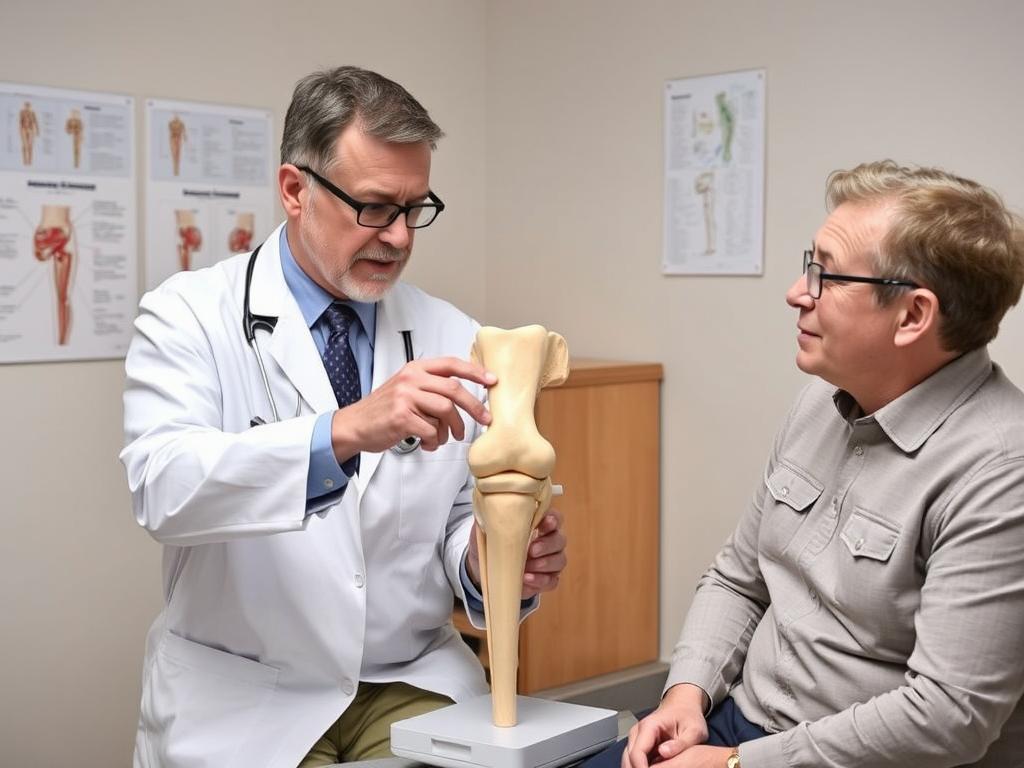
    Doctor explaining knee replacement to patient using model

    Videos show how to prepare your home for recovery, exercises to strengthen muscles before surgery, and what to expect during pre-operative appointments.

    Surgical Procedure

    Animation of knee replacement surgical procedure

    Detailed animations and real surgical footage demonstrate how damaged bone and cartilage are removed and replaced with prosthetic components.

    Recovery Process

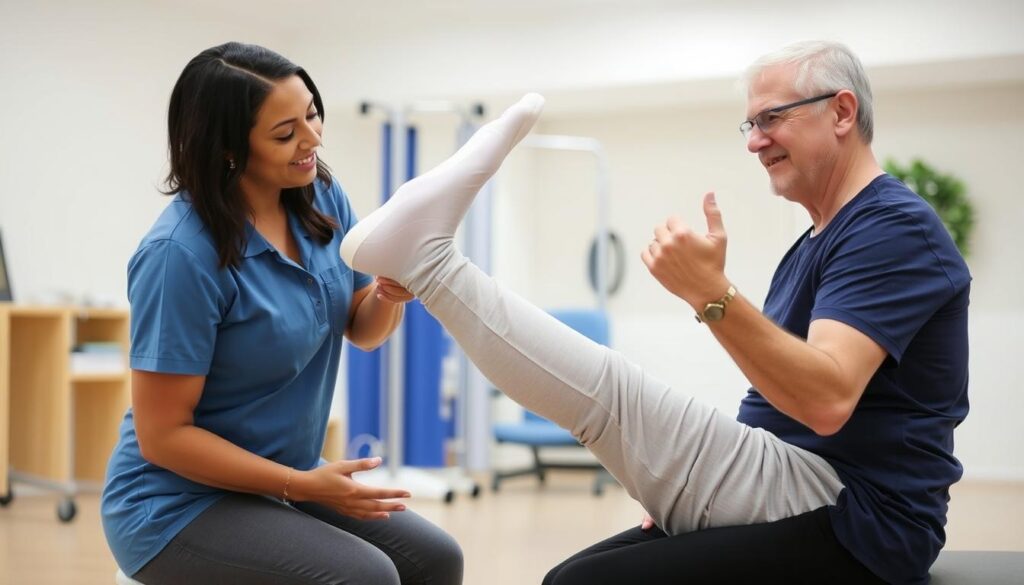
    Patient doing physical therapy after knee replacement

    Videos show realistic timelines for recovery, physical therapy exercises, and milestones to expect during the rehabilitation process.

    Key Topics Covered in Knee Replacement Videos

    • Anatomy of the knee joint and how it functions
    • Different types of knee replacements (total vs. partial)
    • Step-by-step surgical procedure explanation
    • Anesthesia options and pain management techniques
    • Computer-assisted navigation systems used during surgery
    • Physical therapy protocols and exercises
    • Expected timeline for returning to daily activities
    • Potential complications and how they’re addressed
    • Patient testimonials and success stories
    • Tips for optimizing recovery outcomes

    Understanding the Knee Replacement Surgical Procedure

    Surgeon performing knee replacement surgery

    Surgeons use specialized instruments and prosthetic components during knee replacement

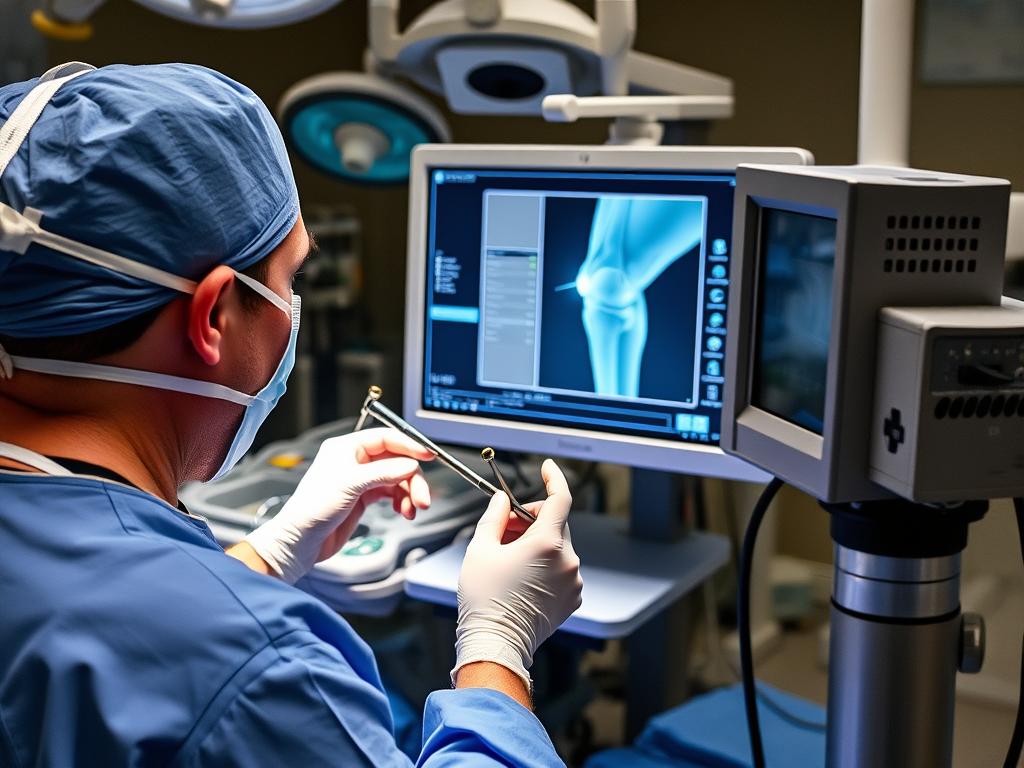
    Knee replacement videos provide a clear visual understanding of what happens during surgery. The procedure typically begins with the surgeon making an incision at the front of the knee to access the joint. The damaged portions of the femur (thigh bone) and tibia (shin bone) are carefully removed using precision instruments.

    Modern knee replacement surgery often utilizes computer navigation systems to ensure optimal alignment of the new joint components. These systems help surgeons achieve precise positioning, which is crucial for the long-term success of the implant. Educational videos often highlight this technology, showing how it improves surgical outcomes.

    After preparing the bone surfaces, the surgeon places metal components on the femur and tibia, with a plastic spacer between them to allow smooth movement. In some cases, the back of the kneecap (patella) may also be resurfaced with a plastic component. The entire procedure typically takes 1-2 hours to complete.

    “Watching a knee replacement video before my surgery helped me understand exactly what would happen. It made the whole process much less scary and gave me confidence in my decision to proceed with surgery.”

    – Maria T., Knee Replacement Patient

    Have Questions About Knee Replacement?

    Our orthopedic specialists can help determine if knee replacement is right for you.

    Find a Knee Specialist

    Recovery After Knee Replacement Surgery

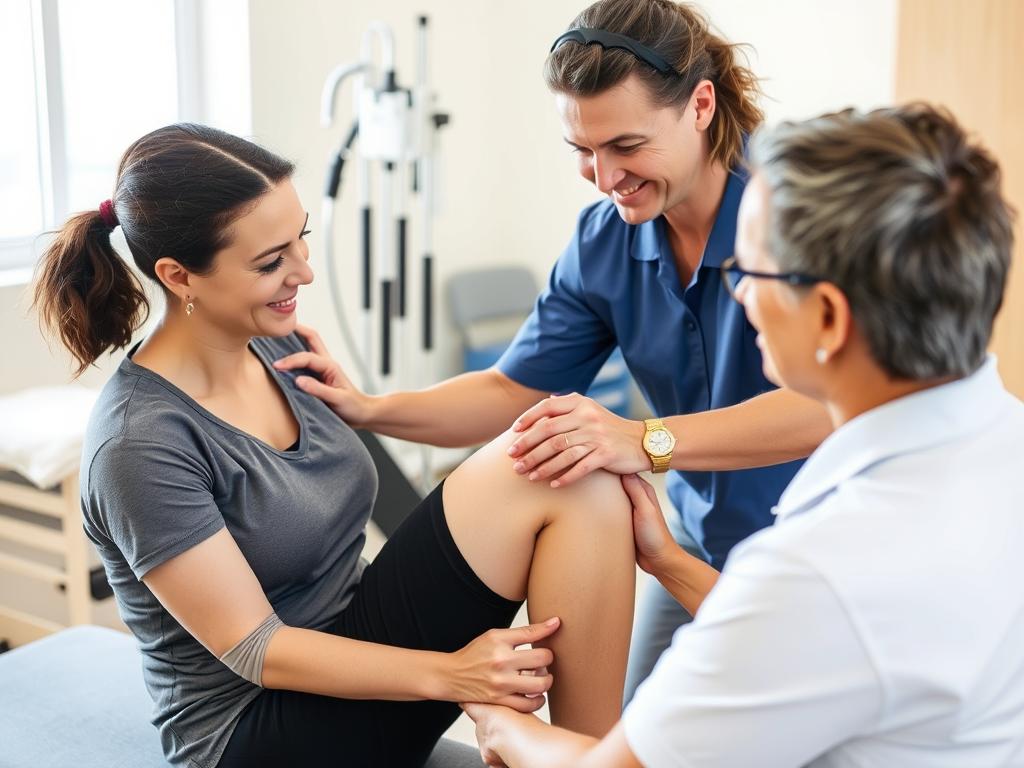
    Patient doing physical therapy exercises after knee replacement

    Physical therapy is essential for successful recovery after knee replacement

    Educational knee replacement videos offer valuable insights into the recovery process, which typically takes several months to a year. Immediately after surgery, you’ll begin gentle exercises to restore movement and strengthen the muscles around your new knee joint. These early movements are crucial for preventing stiffness and promoting healing.

    Most patients begin walking with assistance (walker or crutches) within 24 hours after surgery. Videos often demonstrate proper walking techniques and show how to safely navigate stairs and other daily challenges during early recovery. As strength improves, patients gradually transition to a cane and eventually walk independently.

    Typical Recovery Timeline

    Recovery Phase Timeline Key Activities Expected Progress
    Hospital Stay 1-3 days Initial walking, basic exercises Standing and walking with assistance
    Early Home Recovery Weeks 1-3 Physical therapy 2-3 times weekly Walking with walker or crutches
    Intermediate Recovery Weeks 4-6 Advanced exercises, increased walking Transition to cane, improved flexibility
    Advanced Recovery Weeks 7-12 Strength training, balance exercises Walking without assistance, stairs
    Full Recovery 3-12 months Return to normal activities Full function, minimal to no pain

    Physical therapy plays a crucial role in recovery, and knee replacement videos often demonstrate specific exercises that help restore range of motion and build strength. These visual guides are invaluable for ensuring proper form and understanding the progression of exercises throughout the rehabilitation process.

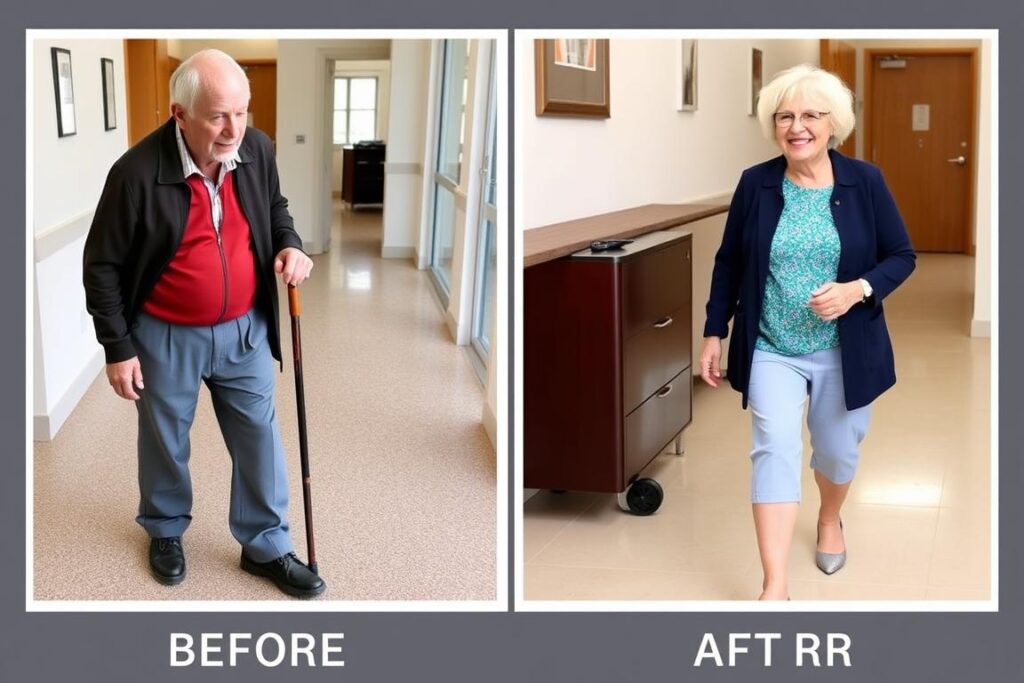
    Before and after comparison of knee replacement patient mobility

    Patients typically experience significant improvement in mobility after recovery

    Prepare for a Successful Recovery

    Download our comprehensive guide to knee replacement recovery.

    Download Recovery Guide

    The Patient Experience: What to Expect

    Patient discussing knee replacement with healthcare team

    A comprehensive healthcare team supports patients throughout the knee replacement journey

    Educational knee replacement videos often include patient testimonials that provide authentic perspectives on the surgery experience. These real-life accounts help set realistic expectations and offer reassurance that others have successfully navigated the same journey.

    Benefits of Knee Replacement

    • Significant reduction or elimination of knee pain
    • Improved mobility and function
    • Enhanced quality of life
    • Return to most daily activities
    • Long-lasting results (10-15+ years for most patients)

    Challenges to Consider

    • Recovery requires commitment to physical therapy
    • Initial weeks involve some pain and discomfort
    • Full recovery can take up to a year
    • Some activities may remain restricted
    • Small risk of complications (infection, blood clots)

    Videos that show the entire patient journey help create a comprehensive understanding of what to expect at each stage. From the initial consultation and pre-operative preparation to the surgery itself and the rehabilitation process, these visual guides provide valuable context that written information alone cannot convey.

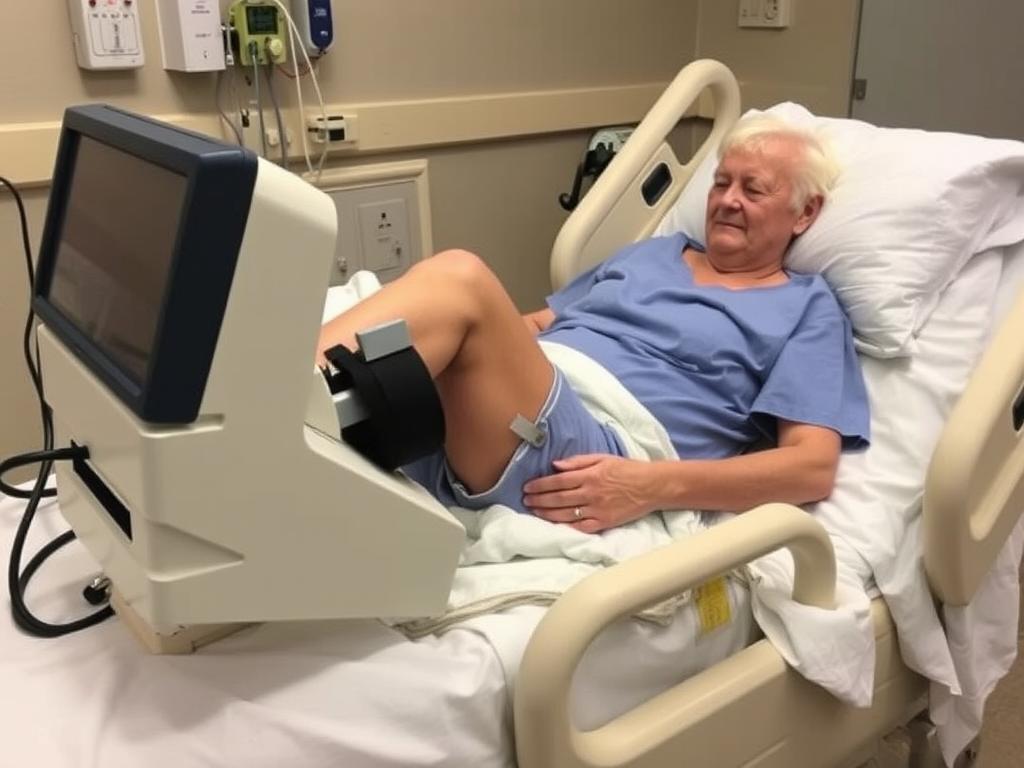
    Patient using continuous passive motion machine after knee replacement

    Continuous Passive Motion (CPM) machines are often used in early recovery

    Many knee replacement videos also address common concerns and questions, such as pain management strategies, when to contact your doctor about potential complications, and tips for adapting your home environment for a safer recovery. This practical information helps patients feel more prepared and confident as they approach surgery.

    Types of Knee Replacement Procedures

    Comparison of total and partial knee replacement prosthetics

    Total knee replacement (left) replaces all joint surfaces, while partial knee replacement (right) addresses only damaged areas

    Educational videos often explain the different types of knee replacement procedures available. Understanding these options can help patients have more informed discussions with their surgeons about which approach might be best for their specific condition.

    Total Knee Replacement

    This is the most common type of knee replacement, where all three compartments of the knee joint are replaced with prosthetic components. The surgeon removes damaged cartilage and bone from the lower end of the femur, the upper end of the tibia, and often resurfaces the patella (kneecap). Metal components are placed on the femur and tibia with a plastic spacer between them to create a smooth, functional joint.

    Partial Knee Replacement

    Also called unicompartmental knee replacement, this procedure is an option when damage is limited to just one area of the knee. Only the damaged compartment is replaced, leaving healthy bone and tissue intact. This typically results in a smaller incision, less blood loss, faster recovery, and more natural knee motion. However, it’s only suitable for patients with damage limited to one compartment of the knee.

    Videos that explain these different approaches often include animations showing how each procedure is performed and the types of prosthetic components used. This visual information helps patients understand why their surgeon might recommend one approach over another based on their specific condition.

    Surgeon using computer navigation during knee replacement

    Modern knee replacement often utilizes computer navigation for precise alignment

    Preparing for Your Knee Replacement Journey

    Patient reviewing knee replacement educational materials with family

    Involving family in your preparation can provide valuable support during recovery

    Educational knee replacement videos serve as powerful tools to help patients and their families prepare for surgery and recovery. By providing visual explanations of complex medical procedures, these resources demystify the process and help set realistic expectations for outcomes and recovery timelines.

    When preparing for knee replacement surgery, take advantage of these visual resources alongside written materials and conversations with your healthcare team. The combination of different learning approaches will give you the most comprehensive understanding of what to expect and how to achieve the best possible outcome.

    Remember that every patient’s experience is unique, and your surgeon will provide guidance specific to your individual needs and circumstances. Use educational videos as a supplement to—not a replacement for—personalized medical advice from your healthcare providers.

    Ready to Take the Next Step?

    Schedule a consultation with a knee specialist to discuss if knee replacement is right for you.

    Schedule a Consultation

    Remember: Watching knee replacement videos is an excellent way to prepare, but always discuss any questions or concerns with your healthcare provider. They can provide personalized guidance based on your specific medical situation.

  • Understanding the Anatomy of Knee Joint Bones

    Understanding the Anatomy of Knee Joint Bones

    The knee joint is a complex structure that plays a crucial role in supporting the body and facilitating movement. Understanding the anatomy of the knee joint, including its bones and surrounding structures, is essential for both medical professionals and individuals seeking to maintain optimal joint health. In this article, we will explore the structure of the knee joint, focusing on the femur and tibia bones, the patella bone, the ligaments and tendons, and the articular cartilage.

    Key Takeaways

    • The femur and tibia bones form the major weight-bearing components of the knee joint.
    • The patella bone acts as a protective shield for the knee joint and assists in the extension of the leg.
    • Ligaments and tendons provide stability and support to the knee joint, enabling various movements and preventing excessive strain.
    • Articular cartilage helps in reducing friction and providing smooth movement within the knee joint.
    • Understanding the anatomy of the knee joint is crucial for diagnosing and treating knee-related injuries and conditions.

    The Structure of the Knee Joint

    thumbnail

    The Femur and Tibia Bones

    The femur and tibia bones are the primary bones that form the knee joint. These bones play a crucial role in supporting the body’s weight and facilitating movement. The femur is the longest and strongest bone in the body, while the tibia is the second longest and provides stability to the knee joint. The interaction between these two bones is essential for the proper functioning of the knee joint.

    • The femur and tibia bones form the major weight-bearing structure of the knee joint.
    • The alignment and articulation of these bones are critical for stability and mobility.
    • Proper care and attention to these bones are essential for maintaining overall knee health.

    The Patella Bone

    Moving beyond the femur and tibia, we encounter the patella, or kneecap, which plays a crucial role in the knee joint’s function. The patella is a small, triangular bone that protects the knee joint and improves the leverage of the thigh muscles, which are essential for walking, running, and jumping.

    The patella’s posterior surface is lined with articular cartilage, which aids in smooth movement against the femur. This cartilage is vital for absorbing stress and reducing friction during knee motion.

    • The patella increases the leverage of the thigh muscles.
    • It serves as a protective shield for the knee joint.
    • Articular cartilage on the patella’s surface helps in smooth knee movements.

    Remember, the health of the patella’s articular cartilage is key to maintaining knee mobility and reducing the risk of injury.

    The Ligaments and Tendons

    After discussing the ligaments and tendons, we must emphasize the importance of proper treatment for common knee injuries. Common knee injuries requiring surgery include ACL tears, fractures in the kneecap, torn meniscus, and patellar tendonitis. Proper treatment is crucial to avoid chronic pain and complications. It is essential to consult a healthcare professional for accurate diagnosis and personalized treatment plans. Additionally, rehabilitation and physical therapy play a vital role in the recovery process. We cannot stress enough the significance of early intervention and adherence to the prescribed treatment regimen. We must prioritize the long-term health and functionality of the knee joint.

    The Articular Cartilage

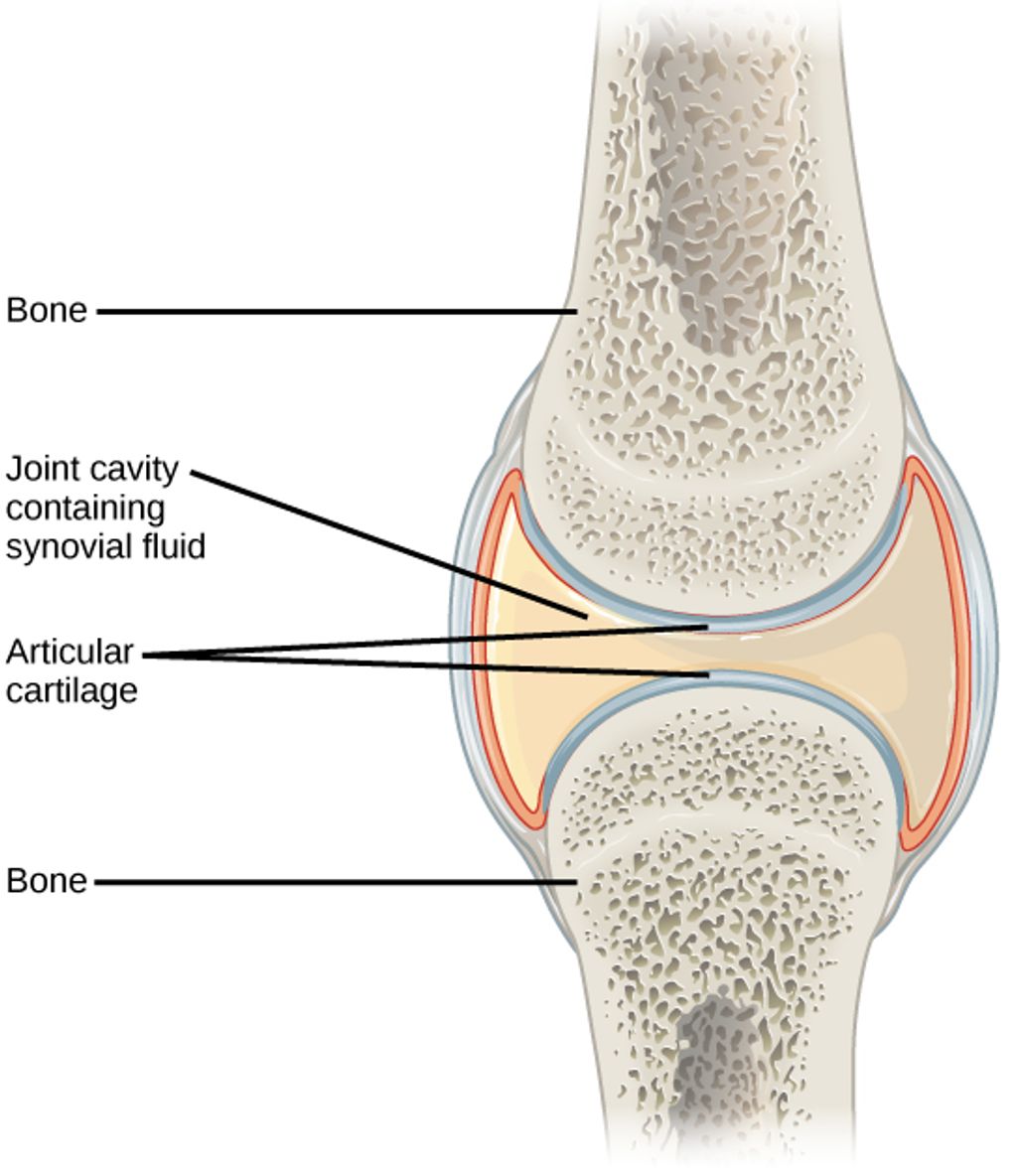
    As we delve deeper into the knee joint’s anatomy, we encounter the articular cartilage, a pivotal element in facilitating smooth joint movement. This specialized structure coats the surfaces of the bones within the joint, notably the femur, tibia, and patella, providing a slick, frictionless interface that aids in the effortless bending and extending of the knee.

    The health of the articular cartilage is crucial for maintaining knee function. Over time, it can wear down or become damaged, leading to conditions such as osteoarthritis. To preserve the integrity of this cartilage, it is essential to understand its composition and the factors that affect its well-being.

    • Hyaline cartilage, the most common type found in the knee
    • Collagen fibers, providing tensile strength
    • Proteoglycans, contributing to elasticity
    • Water content, which is high in healthy cartilage

    Tip: Regular exercise and maintaining a healthy weight can help reduce the stress on knee cartilage, potentially slowing the progression of degenerative conditions.

    In our comprehensive guide to knee anatomy, we also explore the morphology and function of the knee joint, as well as common issues that can arise. Effective management of knee health includes understanding over-the-counter solutions for knee pain and adopting strategies for managing discomfort during activities such as running and walking.

    Conclusion

    In conclusion, the anatomy of the knee joint bones is a complex and intricate system that plays a crucial role in human mobility and stability. Understanding the structure and function of these bones is essential for medical professionals, researchers, and individuals seeking to maintain optimal joint health. Further exploration of the interplay between the various components of the knee joint bones holds promise for advancements in orthopedic medicine and the treatment of musculoskeletal conditions.

    Frequently Asked Questions

    What is the function of the femur and tibia bones in the knee joint?

    The femur and tibia bones form the major weight-bearing structure of the knee joint and are responsible for stability and movement.

    What is the purpose of the patella bone in the knee joint?

    The patella bone acts as a protective covering for the knee joint and provides leverage for the quadriceps muscles.

    What are ligaments and tendons in the context of the knee joint?

    Ligaments are tough bands of tissue that connect bones to each other, providing stability to the knee joint. Tendons are fibrous cords that attach muscles to bones, allowing movement of the joint.

    What is the role of articular cartilage in the knee joint?

    Articular cartilage covers the ends of the bones in the knee joint, providing a smooth and low-friction surface for movement and absorbing shock during weight-bearing activities.

    How does the knee joint support the body during various activities?

    The knee joint supports the body by distributing the weight and forces from activities such as walking, running, jumping, and standing.

    What are common injuries or conditions associated with the knee joint?

    Common knee joint injuries and conditions include ligament tears (such as ACL or MCL tears), meniscus tears, arthritis, and patellar dislocation.

  • Effective Treatment for Jumper’s Knee: Management and Prevention

    Effective Treatment for Jumper’s Knee: Management and Prevention

    Jumper’s knee, also known as patellar tendinitis, is a common overuse injury that affects the patellar tendon. Athletes, particularly those involved in jumping sports, are at a higher risk of developing this condition. Understanding the causes, symptoms, and effective treatment options is crucial for managing and preventing jumper’s knee.

    Key Takeaways

    • Proper diagnosis is essential for effective treatment of jumper’s knee.
    • Conservative treatments such as rest and ice can help alleviate symptoms of jumper’s knee.
    • Medical interventions like corticosteroid injections may be recommended for severe cases of jumper’s knee.
    • Rehabilitation and physical therapy play a vital role in the recovery and prevention of jumper’s knee.
    • Preventive measures such as proper exercise, conditioning, and technique are key to minimizing the risk of developing jumper’s knee.

    Understanding Jumper’s Knee

    thumbnail

    Anatomy of the Knee

    Jumper’s knee, also known as patellar tendinitis, is a common overuse injury affecting the knee. It primarily impacts athletes involved in jumping sports, such as basketball and volleyball. The condition is characterized by pain and inflammation in the patellar tendon, which connects the kneecap to the shinbone. This can lead to difficulty in performing physical activities and may require a period of rest to heal properly. Understanding the anatomical structures involved in this condition is crucial for effective management and prevention. Below is a table summarizing the key anatomical components of the knee:| Anatomical Component | Description | |———————|————-| | Patellar Tendon | Connects the kneecap to the shinbone | | Quadriceps Tendon | Attaches the quadriceps muscle to the kneecap | | Patella | Kneecap that protects the knee joint |

    Causes of Jumper’s Knee

    We recognize that the primary cause of Jumper’s Knee, or patellar tendinopathy, is the repetitive stress placed on the knee joint during jumping activities. This overuse leads to microtears in the patellar tendon, which, over time, can result in inflammation and pain.

    Overloading of the tendon is often due to a sudden increase in activity or intensity without adequate conditioning. However, we must also consider intrinsic factors such as muscle imbalance or weakness, particularly in the quadriceps and hamstrings, which can contribute to the development of this condition.

    Biomechanical issues, such as poor alignment or flat feet, can also predispose individuals to Jumper’s Knee. Here’s a brief list of common causes:

    • Repetitive jumping or impact activities
    • Sudden increase in physical activity
    • Muscle imbalance or weakness
    • Biomechanical irregularities

    Tip: Gradual progression in training intensity and volume can help mitigate the risk of overloading the patellar tendon.

    Symptoms and Diagnosis

    Anatomy of the knee is crucial in understanding the complexities of Jumper’s Knee. Patellar tendon and quadriceps muscles play a significant role in this condition. Understanding the causes of Jumper’s Knee is essential for effective management. Overuse, sudden increase in physical activity, and inadequate warm-up are common culprits. Diagnosis involves a thorough physical examination and may include imaging tests such as MRI or ultrasound. It’s important to consult a healthcare professional for accurate diagnosis and treatment planning.

    Treatment Options

    thumbnail

    Conservative Treatments

    In our approach to managing Jumper’s Knee, we prioritize conservative treatments before considering more invasive options. These treatments are designed to alleviate pain and promote healing without the need for surgery.

    The cornerstone of conservative treatment is rest, allowing the inflamed tendon to recover. However, rest does not mean complete inactivity. We encourage patients to engage in low-impact activities that do not exacerbate the knee pain. Alongside rest, we recommend the following:

    • Ice therapy: Applying ice to the affected area to reduce swelling and pain.
    • Compression: Using an elastic bandage or brace to provide support.
    • Elevation: Keeping the knee raised above heart level whenever possible.

    Tip: Consistency in applying these methods is key to reducing symptoms effectively.

    Additionally, over-the-counter anti-inflammatory medications can be beneficial in managing pain and inflammation. It’s important to note that while these treatments can provide relief, they do not address the underlying causes of Jumper’s Knee. Therefore, they should be complemented with physical therapy and exercises tailored to strengthen the knee and improve flexibility.

    Medical Interventions

    When conservative treatments for jumper’s knee do not yield the desired results, we may consider medical interventions. These are typically more invasive and are reserved for cases where pain and dysfunction persist despite exhaustive non-surgical approaches. One common procedure is the injection of platelet-rich plasma (PRP), which utilizes the patient’s own blood components to promote healing in the injured tendon. Corticosteroid injections are also used, though with caution, as they can provide short-term pain relief but may potentially weaken the tendon over time.

    Surgery is an option we consider as a last resort, often for those who have not responded to other treatments over a six-month period. The goal of surgical intervention is to remove damaged tissue and stimulate the growth of healthy tissue. Post-surgery, a structured rehabilitation program is crucial for recovery.

    Tip: Always discuss the potential risks and benefits of medical interventions with your healthcare provider to make an informed decision.

    Here is a brief overview of the medical interventions we might explore:

    • PRP Injections: Encourages natural healing by concentrating growth factors.
    • Corticosteroid Injections: Offers temporary relief but should be used sparingly.
    • Surgery: Considered when other treatments fail, focusing on tissue repair and regeneration.

    Rehabilitation and Physical Therapy

    After undergoing rehabilitation and physical therapy, consistent exercise and proper conditioning are crucial for long-term recovery. Our treatment plan emphasizes a combination of strength training, flexibility exercises, and targeted stretching to improve knee stability and function. Additionally, we recommend incorporating low-impact activities such as swimming or cycling to maintain cardiovascular fitness without exacerbating the injury.

    Furthermore, it’s important to monitor progress and adjust the exercise regimen accordingly. Below is a table summarizing the recommended exercise program:

    Exercise Type Frequency Duration
    Strength Training 3-4 times per week 30-45 mins
    Flexibility Exercises Daily 10-15 mins
    Targeted Stretching 5 times per week 15-20 mins

    In addition to the structured exercise program, here are some key points to keep in mind:

    • Gradually increase the intensity and duration of exercises to avoid overexertion.
    • Utilize proper technique and form during all exercises to prevent further strain on the knee.
    • Ensure that footwear and equipment are appropriate for the chosen activities.

    Our experience has shown that adherence to these guidelines significantly contributes to successful recovery and reduces the risk of re-injury.

    Preventive Measures

    thumbnail

    Exercise and Conditioning

    When it comes to exercise and conditioning, consistent training is key. We should focus on a well-rounded program that includes strength training, flexibility exercises, and cardiovascular activities. A balanced approach to exercise can help improve muscle strength and joint stability, reducing the risk of injury. Additionally, proper warm-up and cool-down routines are essential for injury prevention and overall performance enhancement. Remember, gradual progression is crucial to avoid overuse injuries and achieve long-term success. Here’s a simple table to illustrate the components of an effective conditioning program:

    Component Description
    Strength Training Builds muscle strength and endurance
    Flexibility Exercises Improves range of motion and joint flexibility
    Cardiovascular Activities Enhances heart health and overall fitness

    Lastly, it’s important to listen to our bodies and adjust the intensity and duration of our workouts accordingly. As we continue to prioritize exercise and conditioning, we can make significant strides in preventing and managing jumper’s knee effectively.

    Proper Technique and Form

    When it comes to preventing jumper’s knee, proper technique and form are crucial. We must ensure that our movements are aligned and controlled, reducing the strain on the knee. Additionally, maintaining a balanced stance during physical activities is essential for minimizing the risk of injury. Here are some key points to keep in mind:

    • Maintain proper alignment of the body during movements
    • Distribute weight evenly between both legs
    • Engage core muscles to stabilize the body

    It’s important to remember that even small adjustments in technique can have a significant impact on knee health and injury prevention.

    Equipment and Gear

    In our pursuit to prevent Jumper’s Knee, we must not overlook the significance of equipment and gear. Proper footwear, for instance, can dramatically reduce the stress on the knees by providing adequate cushioning and support. Here’s a brief rundown of essential gear:

    • Footwear: Shoes with good shock absorption and stability.
    • Knee braces: To offer support and limit harmful movements.
    • Compression sleeves: Enhance circulation and provide mild support.
    • Insoles: Custom orthotics can correct biomechanical imbalances.

    Tip: Always consult a professional to find the gear that best suits your individual needs and biomechanics.

    It’s crucial to replace equipment before it wears out to maintain its protective benefits. A worn-out shoe or brace may not only fail to prevent injury but could also actively contribute to its occurrence. We encourage athletes to keep a close eye on the condition of their gear and make timely replacements a priority.

    Conclusion

    In conclusion, the management and prevention of Jumper’s Knee are crucial for athletes and active individuals. With a focus on early intervention and comprehensive treatment strategies, the impact of this condition can be minimized. It is imperative for healthcare professionals and sports practitioners to prioritize patient education and implement evidence-based practices to ensure the long-term well-being of individuals affected by Jumper’s Knee.

    Frequently Asked Questions

    What are the common causes of Jumper’s Knee?

    Jumper’s Knee is commonly caused by repetitive stress or overuse of the knee, such as frequent jumping or running on hard surfaces.

    What are the main symptoms of Jumper’s Knee?

    The main symptoms include pain and tenderness around the kneecap, especially during activities that involve jumping or bending the knee.

    How is Jumper’s Knee diagnosed?

    Jumper’s Knee is typically diagnosed through a physical examination, medical history review, and imaging tests such as X-rays or MRI scans.

    What are some effective conservative treatments for Jumper’s Knee?

    Conservative treatments may include rest, ice therapy, compression, elevation, and the use of supportive braces or straps.

    Are there surgical options for treating Jumper’s Knee?

    In some cases, surgical interventions such as arthroscopic surgery or patellar tendon repair may be considered for severe or persistent cases of Jumper’s Knee.

    What preventive measures can help reduce the risk of Jumper’s Knee?

    Preventive measures may include proper warm-up and stretching, strengthening exercises for the quadriceps and hamstrings, and using appropriate footwear and protective gear during physical activities.

  • Knee Replacement Surgery Cost: What You Need to Know

    Knee Replacement Surgery Cost: What You Need to Know

    Knee replacement surgery can be a life-changing procedure for those who suffer from chronic knee pain and mobility issues. However, the cost of the surgery can be a significant concern for many patients. In this article, we will explore the cost of knee replacement surgery, including the different factors that can affect the overall cost.

    v2 3n7p7 s5maf

    The cost of knee replacement surgery can vary widely depending on several factors. These factors include the type of surgery, the location of the surgery, and the patient’s insurance coverage. According to a recent estimate by Blue Cross Blue Shield, the average cost of an inpatient knee replacement procedure was $30,249, compared with $19,002 as an outpatient. However, these costs can vary significantly depending on the location and other factors.

    437535ab 6b11 40b1 b845 53b98ce05850

    If you are considering knee replacement surgery, it is essential to understand the cost of the procedure and how it will be covered by your insurance. We will explore the different insurance options available to patients, including Medicare and out-of-pocket costs. By understanding the different factors that can affect the cost of knee replacement surgery, you can make an informed decision about your healthcare and ensure that you receive the best possible care without breaking the bank.

    Understanding Knee Replacement Surgery

    At some point in our lives, we may experience knee pain due to injury, arthritis, or other medical conditions. When knee pain becomes unbearable and interferes with our daily activities, knee replacement surgery may be the solution. In this section, we will discuss the types of knee replacement, the benefits and risks, and pre-surgical considerations.

    Types of Knee Replacement

    There are two types of knee replacement surgery: total knee replacement and partial knee replacement. Total knee replacement involves replacing the entire knee joint, including the damaged cartilage, bones, and ligaments, with an implant or an artificial knee. On the other hand, partial knee replacement involves replacing only the damaged part of the knee joint. A partial knee replacement is less invasive and has a shorter recovery time than a total knee replacement.

    Benefits and Risks

    The benefits of knee replacement surgery include reduced knee pain, improved knee function, and an overall improvement in the quality of life. However, like any surgery, knee replacement surgery has risks and potential complications. These include infection, blood clots, nerve damage, implant failure, and stiffness.

    Pre-Surgical Considerations

    Before undergoing knee replacement surgery, there are several pre-surgical considerations that you should take into account. These include your weight, medical history, and overall health. Your doctor may also recommend that you lose weight before surgery to reduce the risk of complications. Additionally, you may need to use medical equipment, such as crutches or a walker, during your recovery period.

    In conclusion, knee replacement surgery is an effective solution for those suffering from knee pain. By understanding the types of knee replacement, the benefits and risks, and pre-surgical considerations, you can make an informed decision about whether knee replacement surgery is right for you.

    Cost Factors and Insurance

    When considering knee replacement surgery, cost is an important factor to consider. There are several cost factors to keep in mind, including the surgery and hospital expenses, insurance and coverage, and additional out-of-pocket costs.

    Surgery and Hospital Expenses

    The cost of knee replacement surgery can vary depending on a number of factors, including the location of the hospital, the type of anesthesia used, and whether the surgery is performed in an operating room or in a surgery center. According to Healthgrades, the national average cost of knee replacement surgery in 2020 was about $37,300, including pre-surgery appointments and postoperative rehabilitation. However, this cost can vary widely depending on the location and hospital where the surgery is performed.

    Insurance and Coverage

    Health insurance can play a significant role in covering the cost of knee replacement surgery. Most insurance plans, including Medicaid, cover knee replacement surgery, but it’s important to check with your insurance provider to understand your specific coverage. Deductibles, copays, and coinsurance can all impact the out-of-pocket cost of the surgery. Some insurers, like HealthPartners, bundle costs for surgery and post-operative rehab, which can help reduce overall costs.

    Additional Out-of-Pocket Costs

    In addition to surgery and hospital expenses, there may be additional out-of-pocket costs associated with knee replacement surgery. These can include rehabilitation, physical therapy, office visits, and medication. It’s important to understand your insurance coverage for these additional costs and to budget accordingly.

    Overall, the cost of knee replacement surgery can vary widely depending on a number of factors. Understanding your insurance coverage and budgeting for additional out-of-pocket costs can help make the process more manageable.

    Frequently Asked Questions

    v2 3n7pq nqvu8

    What is the average cost of a total knee replacement in the USA?

    The average cost of total knee replacement surgery in the USA is around $50,000, according to a 2013 article in AARP. However, the cost of the surgery can vary depending on several factors, including the location, the type of hospital, and the surgeon’s experience.

    How much does a partial knee replacement procedure typically cost?

    According to the same AARP article, a partial knee replacement procedure typically costs around 10 to 20 percent less than a total knee replacement surgery. However, the exact cost can vary depending on the same factors as mentioned above.

    Are knee replacement surgeries covered by most health insurance plans?

    Most health insurance plans cover knee replacement surgeries, but it is important to check with your insurance provider to confirm the coverage. Today reports that the average cost of knee replacement surgery with insurance in the USA will depend on your coverage, copays, and deductible. A Blue Cross Blue Shield study found claims of just over $11,000 to $20,000 for knee replacement surgery.

    What is the cost difference between inpatient and outpatient knee replacement surgeries?

    According to GoodRx, after knee replacement surgery, patients may leave the hospital the same day. However, they may recover in the hospital for one to three days. Moving the joint soon after surgery shortens the length of the hospital stay and overall costs of surgery. Some people are able to stand or walk the same day of surgery with the help of physical therapy. Outpatient knee replacement surgery can be less expensive than inpatient surgery.

    Does Medicare cover the expenses for knee replacement surgery?

    Medicare covers knee replacement surgery, but the amount that Medicare pays can vary depending on the type of Medicare coverage that you have. AARP reports that Medicare pays about $13,000 for the surgery, but additional costs such as anesthesia, hospitalization, and physical therapy may not be covered.

    What is the cost range for a titanium knee replacement?

    According to Exac, the cost range for a titanium knee replacement can vary depending on the hospital, the surgeon, and the location. However, the cost can range from $11,000 to $60,000.