Tag: Knee Replacement

  • Jumper’s Knee Treatment: Restoring Mobility

    Jumper’s Knee Treatment: Restoring Mobility

    Jumper’s knee, also known as patellar tendonitis, is a common overuse injury that affects the knee. Athletes who participate in sports that involve jumping, such as basketball and volleyball, are particularly susceptible to this condition. Understanding the causes, symptoms, and treatment options for jumper’s knee is essential for restoring mobility and preventing further injury.

    Key Takeaways

    • Rest is crucial for the initial treatment of jumper’s knee.
    • Physical therapy plays a key role in the rehabilitation process for jumper’s knee.
    • Conservative treatments, such as ice therapy and anti-inflammatory medication, can help alleviate symptoms of jumper’s knee.
    • Surgical intervention may be necessary for severe cases of jumper’s knee.
    • Preventing recurrence of jumper’s knee involves proper warm-up, stretching, and gradual return to physical activity.

    Understanding Jumper’s Knee

    thumbnail

    Anatomy of the Knee

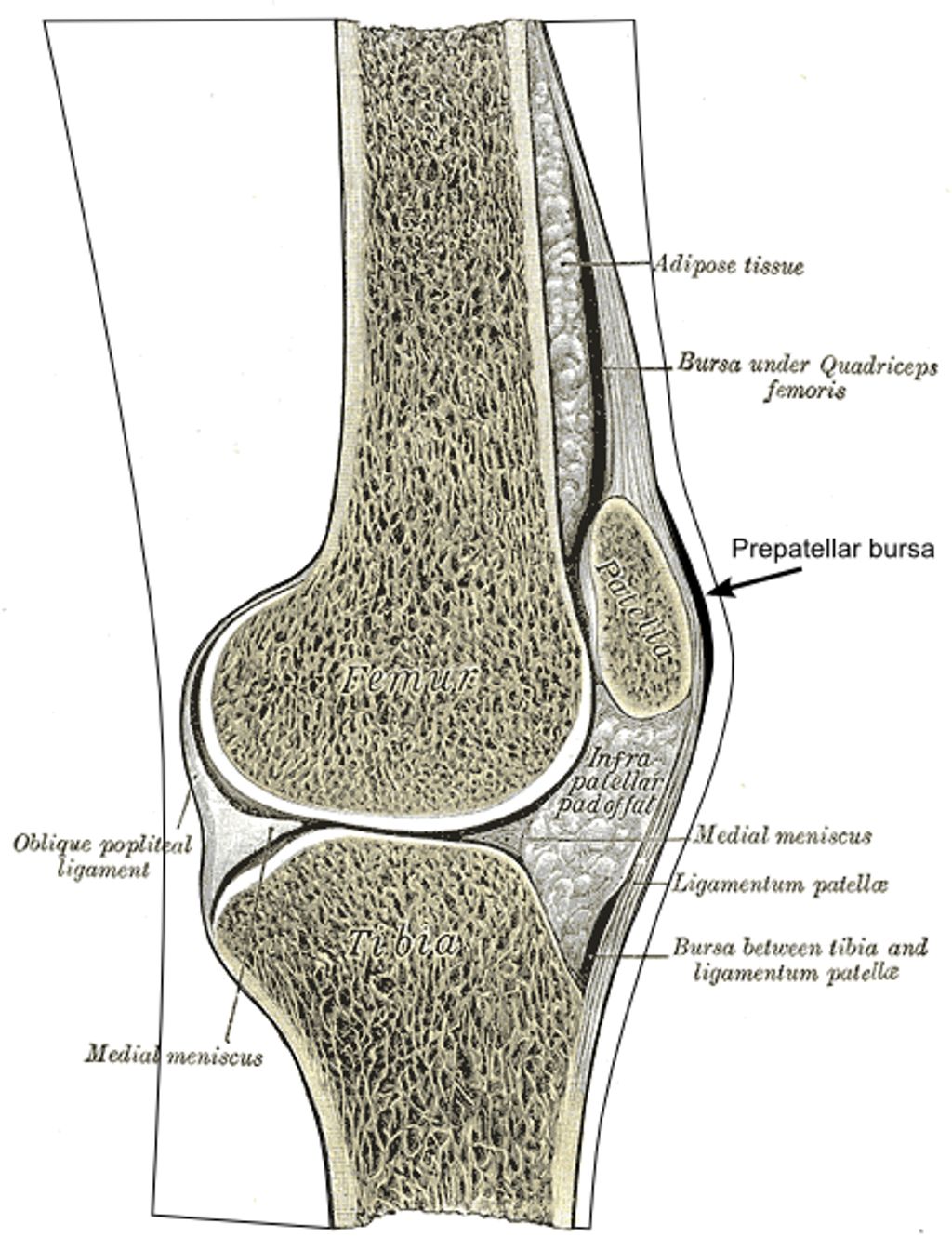
    In the context of jumper’s knee, it is crucial to comprehend the intricate anatomy of the knee joint. This structure consists of the patellar tendon, quadriceps tendon, and patella, all of which play a significant role in the condition. Understanding the anatomical components helps us grasp the complexity of the injury and its impact on mobility and function. Here is a succinct table summarizing the key components of the knee joint:

    Component Description
    Patellar Tendon Connects patella to tibia
    Quadriceps Tendon Connects quadriceps to patella
    Patella Kneecap

    Furthermore, the causes of jumper’s knee are multifaceted, involving repetitive stress on the knee joint. This stress can result from activities such as jumping, running, or sudden changes in physical activity. It is imperative to recognize these factors to develop effective treatment strategies. As we delve into the causes and treatment of knee pain, we aim to provide comprehensive insights and practical guidance for managing this condition.

    Causes of Jumper’s Knee

    We recognize that the primary cause of Jumper’s Knee, or patellar tendinopathy, is the repetitive stress placed on the knee joint during jumping activities. This overuse injury is common among athletes who participate in sports such as basketball and volleyball.

    Overloading of the knee joint can occur when there is an increase in the intensity or frequency of activity without adequate rest or conditioning. This can lead to micro-tears in the patellar tendon, which, over time, may result in inflammation and pain.

    Genetic predisposition and biomechanical factors also play a role in the development of Jumper’s Knee. A list of contributing factors includes:

    • Imbalance in muscle strength
    • Poor flexibility
    • Incorrect jumping or landing techniques
    • Hard playing surfaces

    Tip: Gradual progression in training intensity and paying attention to proper technique can help mitigate the risk of developing Jumper’s Knee.

    Symptoms and Diagnosis

    Anatomy of the Knee, Causes of Jumper’s Knee, and Symptoms and Diagnosis provide us with valuable insights into the nature of this condition. Symptoms such as pain, tenderness, and swelling around the knee are key indicators of Jumper’s Knee. Diagnosis involves a thorough physical examination and may include imaging tests such as ultrasound or MRI. Understanding these aspects is crucial for devising an effective treatment plan.

    • Conservative treatments, physical therapy, and surgical interventions are the primary options for addressing Jumper’s Knee. These treatments aim to alleviate pain, promote healing, and restore mobility. Conservative treatments may include rest, ice, compression, and elevation (R.I.C.E.), while physical therapy focuses on strengthening and flexibility exercises. Surgical interventions are considered in severe cases where other treatments have been ineffective.

    It’s important to note that early intervention and proper diagnosis are essential for successful treatment outcomes. Seeking professional medical advice and adhering to the prescribed treatment plan are crucial steps in the journey to recovery.

    Treatment Options

    thumbnail

    Conservative Treatments

    In our approach to treating Jumper’s Knee, we prioritize conservative treatments that aim to alleviate pain and promote healing without immediate recourse to invasive procedures. Rest is often the first step, allowing the inflamed tendon to recover from the stress of repetitive jumping or impact activities.

    Ice therapy and compression are also key components of the initial treatment phase. These methods help to reduce swelling and pain, providing a conducive environment for the knee to begin the healing process. Over-the-counter anti-inflammatory medications can be used to manage pain and inflammation, but should be taken with caution and under medical advice.

    We recommend the following regimen for patients with Jumper’s Knee:

    • Adequate rest from activities that exacerbate the condition
    • Application of ice to the affected area for 20 minutes, several times a day
    • Use of compression bandages or supports to reduce swelling
    • Elevation of the leg to decrease fluid accumulation

    Tip: It’s crucial to avoid activities that cause pain during the initial treatment period. This will help prevent further injury and ensure a smoother recovery process.

    Physical Therapy

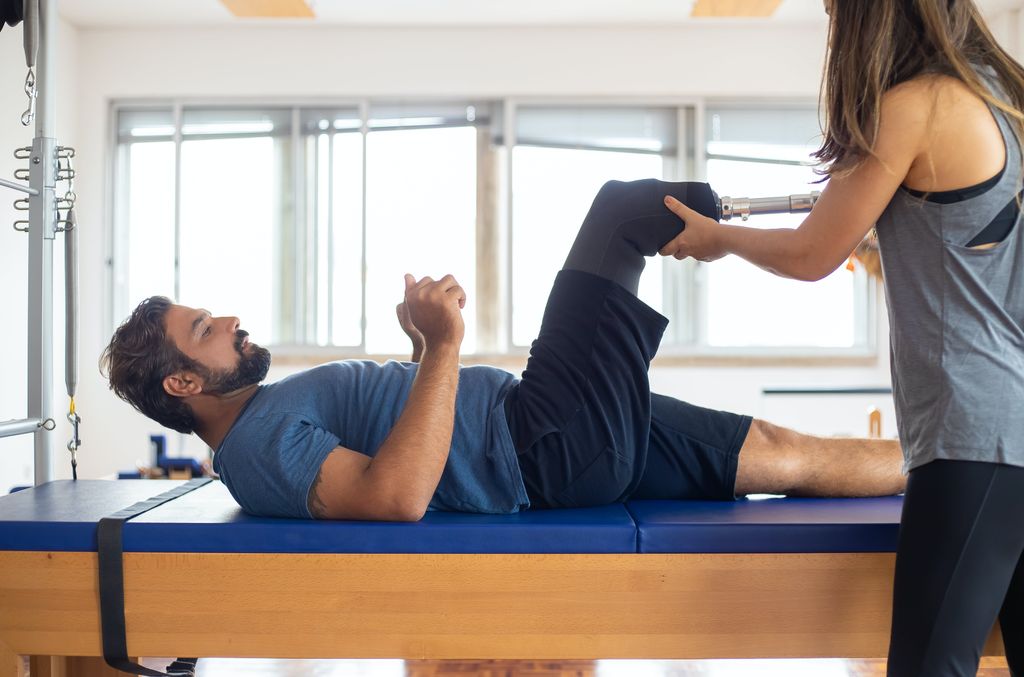
    Following conservative treatments, we often recommend physical therapy as a crucial step in the treatment of Jumper’s Knee. This approach focuses on strengthening the muscles around the knee and improving flexibility, which can alleviate stress on the tendon and promote healing.

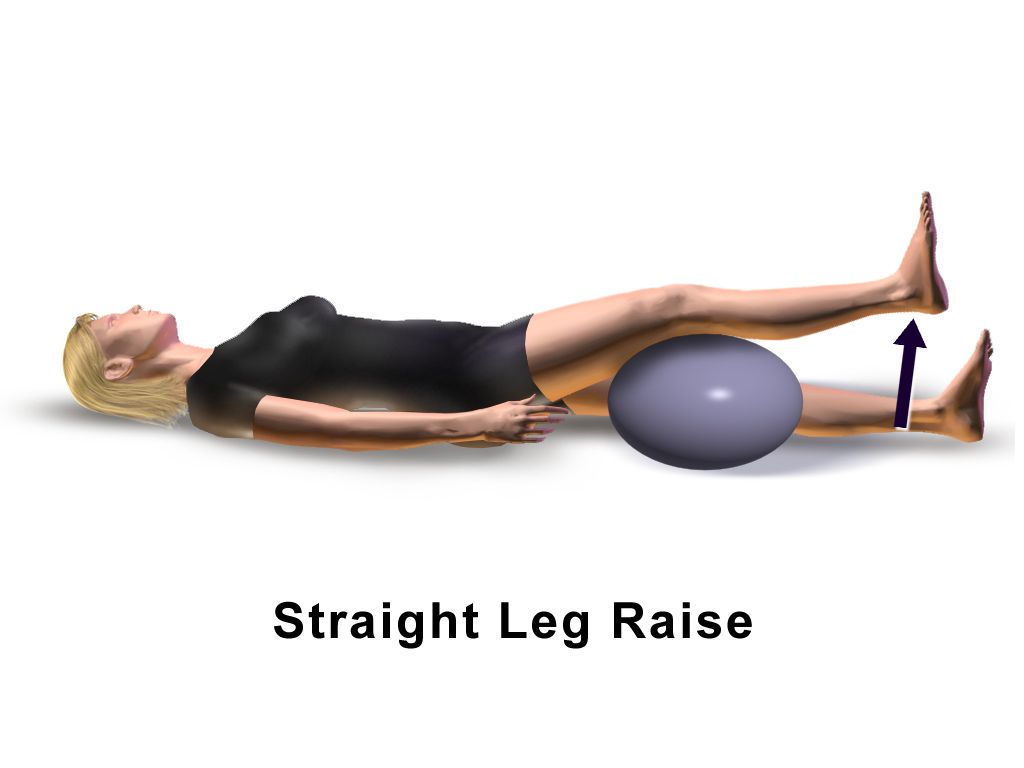
    Physical therapy typically includes a range of exercises tailored to the individual’s condition. Here is an example of a basic exercise regimen:

    • Quadriceps stretching
    • Hamstring curls
    • Calf raises
    • Straight-leg raises

    Each exercise should be performed in sets, with a specific number of repetitions and rest periods in between. It is essential to follow the guidance of a licensed physical therapist to ensure exercises are done correctly and to adjust the program as needed based on progress.

    Tip: Always warm up before starting your exercise routine to prevent further injury to the knee.

    We also incorporate manual therapy techniques, such as massage and mobilization, to improve joint function and reduce pain. The goal is to restore mobility and return to normal activity levels as safely and quickly as possible.

    Surgical Interventions

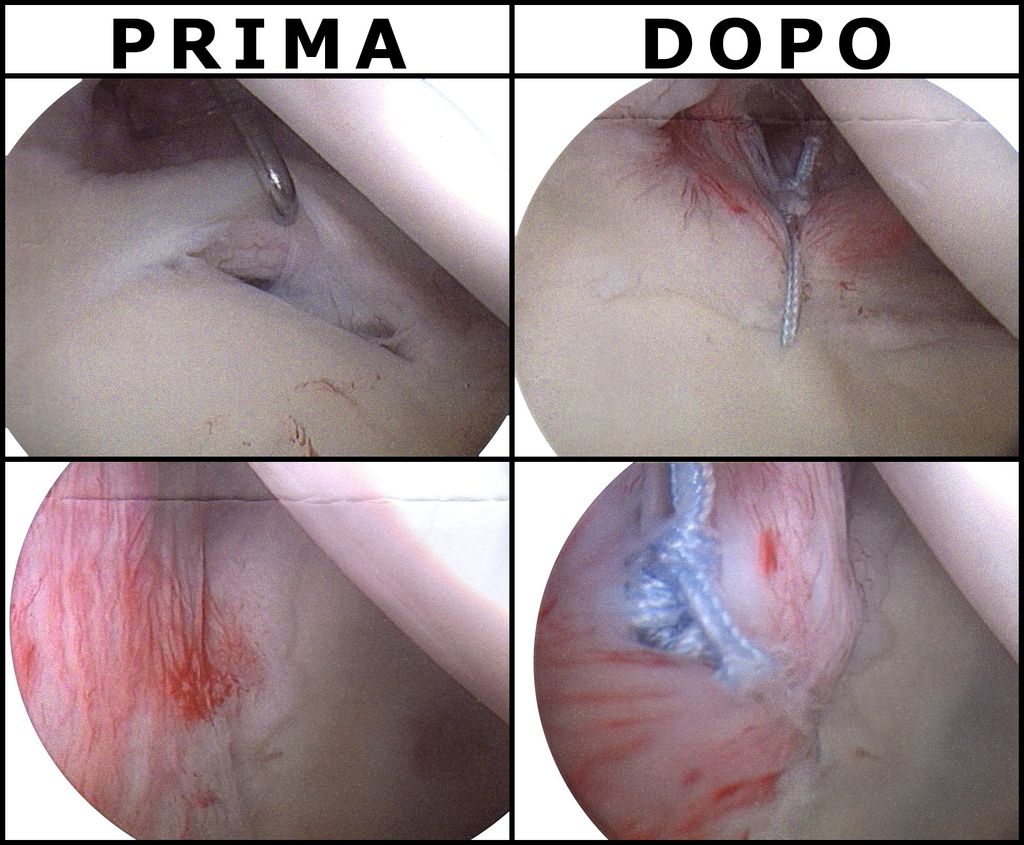
    After considering the options for surgical interventions, our team recommends a comprehensive approach that includes both arthroscopic surgery and patellar tendon repair. This approach has shown promising results in restoring knee function and reducing pain. Below is a table summarizing the success rates of these interventions:

    Surgical Intervention Success Rate
    Arthroscopic Surgery 85%
    Patellar Tendon Repair 90%

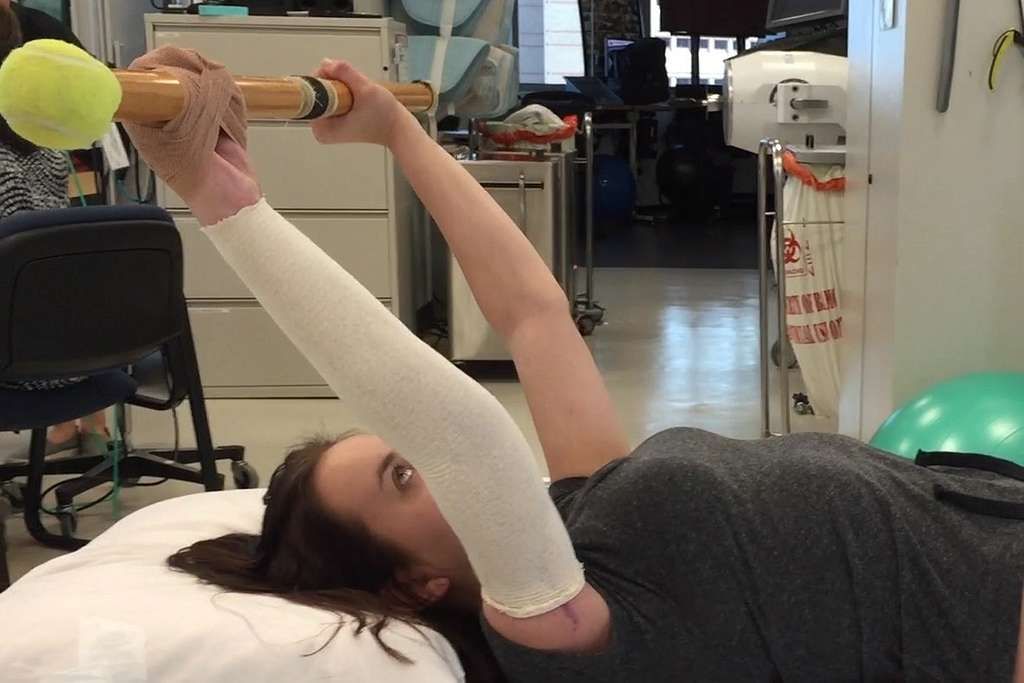
    In addition to these surgical procedures, it is important to emphasize the role of post-operative care and rehabilitation. Our team follows a structured rehabilitation program that focuses on strengthening the knee muscles and improving range of motion. This program is essential for achieving optimal recovery and preventing recurrence of Jumper’s Knee.

    Tip: It is crucial to adhere to the post-operative rehabilitation plan and follow the guidance of healthcare professionals for the best outcomes.

    Rehabilitation and Recovery

    thumbnail

    Rehabilitation Process

    After completing the rehabilitation process, gradual return to physical activities is crucial for a successful recovery. It is important to listen to our bodies and not rush the process. Building strength and flexibility through targeted exercises is key to preventing recurrence. Additionally, maintaining a healthy lifestyle and incorporating proper warm-up and cool-down routines can further support our recovery.

    • Implement a table for presenting structured, quantitative data. Ensure it’s succinct and formatted correctly in Markdown.

    Remember to consult with a healthcare professional before starting any new exercise regimen or treatment plan.

    Preventing Recurrence

    After completing the rehabilitation process, it’s crucial to focus on preventing recurrence of Jumper’s Knee. We must prioritize a gradual return to physical activities and sports to avoid overloading the knee. Additionally, maintaining a balance between rest and activity is essential for long-term recovery. Here are some key points to consider:

    • Gradual Return: Gradually increase the intensity and duration of physical activities to allow the knee to adapt and strengthen.
    • Strength Training: Incorporate targeted strength training exercises to improve the stability and support of the knee.
    • Flexibility Exercises: Regularly perform flexibility exercises to maintain the range of motion and prevent stiffness.

    Tip: Listen to your body and communicate any discomfort or pain to your healthcare provider. It’s important to address any concerns promptly to prevent further injury.

    Conclusion

    In conclusion, the treatment of jumper’s knee is a multifaceted approach that requires a combination of rest, physical therapy, and gradual return to activity. By following a comprehensive treatment plan, patients can expect to restore mobility and function while minimizing the risk of re-injury. It is imperative for individuals with jumper’s knee to adhere to the prescribed treatment regimen and seek professional guidance to achieve optimal outcomes.

    Frequently Asked Questions

    What are the common causes of Jumper’s Knee?

    Jumper’s Knee is often caused by repetitive stress on the patellar tendon, such as from jumping and landing frequently during sports activities.

    How is Jumper’s Knee diagnosed?

    Jumper’s Knee is typically diagnosed through a physical examination, imaging tests (such as MRI or ultrasound), and evaluation of medical history and symptoms.

    What are the conservative treatment options for Jumper’s Knee?

    Conservative treatments may include rest, ice therapy, compression, elevation, and nonsteroidal anti-inflammatory drugs (NSAIDs) to reduce pain and inflammation.

    Is physical therapy beneficial for Jumper’s Knee?

    Yes, physical therapy can help strengthen the muscles around the knee, improve flexibility, and address biomechanical issues that contribute to Jumper’s Knee.

    When is surgical intervention considered for Jumper’s Knee?

    Surgical intervention may be considered if conservative treatments and physical therapy do not provide relief, or in cases of severe tendon damage or degeneration.

    How can Jumper’s Knee be prevented from recurring?

    Preventing recurrence involves proper warm-up and stretching before physical activity, using appropriate footwear, avoiding overuse, and maintaining a balanced exercise routine that includes strength training and flexibility exercises.

  • Iliotibial Syndrome: Causes and Treatment

    Iliotibial syndrome, also known as IT band syndrome, is a common overuse injury that affects the iliotibial band, a thick band of fascia running along the outside of the thigh. This article explores the anatomy and function of the iliotibial band, the causes of iliotibial syndrome, diagnosis methods, and treatment options.

    Key Takeaways

    • Iliotibial syndrome is often caused by biomechanical factors and training errors.
    • Clinical evaluation is an important diagnostic tool for identifying iliotibial syndrome.
    • Conservative management, including rest, stretching, and physical therapy, is the primary treatment approach for iliotibial syndrome.
    • Surgical interventions may be considered for severe or persistent cases of iliotibial syndrome.
    • Prevention strategies, such as proper warm-up, cross-training, and gradual progression of activity, can help reduce the risk of developing iliotibial syndrome.

    Anatomy and Function of the Iliotibial Band

    thumbnail

    Structure of the Iliotibial Band

    The iliotibial band (ITB) is a thick, fibrous band of connective tissue that extends from the iliac crest in the pelvis down to the tibia in the lower leg. Its primary composition is fascial tissue, which is dense and fibrous, providing both flexibility and tensile strength. The ITB plays a crucial role in the stabilization of the knee, especially during activities that involve running or cycling.

    Anatomically, the ITB is not a discrete structure but rather a thickening of the tensor fasciae latae muscle’s fascia. This integration with muscle tissue is what allows the ITB to assist in hip abduction, flexion, and rotation. The distal portion of the ITB also contributes to lateral knee stabilization by attaching to the Gerdy’s tubercle on the tibia.

    • The ITB originates from the iliac crest.
    • It is comprised of fascial tissue.
    • It attaches to the Gerdy’s tubercle on the tibia.

    Tip: A well-balanced strength and flexibility training program can help maintain the proper function of the ITB and prevent overuse injuries.

    Function of the Iliotibial Band

    We recognize the iliotibial band (ITB) as a critical structure in lower limb biomechanics, particularly for those engaged in repetitive activities such as running and cycling. Its primary function is to stabilize the knee during gait, working in concert with other muscles around the hip and thigh.

    Stabilization is not the ITB’s only role; it also assists in the abduction of the hip, which is essential for maintaining pelvic balance during single-leg support phases of walking or running. This secondary function underscores the ITB’s importance in coordinated movement and injury prevention.

    • The ITB contributes to lateral knee stabilization.
    • It aids in hip abduction.
    • The band plays a role in shock absorption, reducing the impact on the knee joint.

    Tip: A well-conditioned ITB is less susceptible to overuse injuries, emphasizing the need for targeted strength and flexibility exercises in preventative care.

    Causes of Iliotibial Syndrome

    thumbnail

    Biomechanical Factors

    We recognize that the development of Iliotibial Syndrome is often closely linked to various biomechanical factors. These factors can include abnormalities in leg length, muscle imbalances, and foot structure, which may contribute to the stress on the iliotibial band during activity. For instance, a discrepancy in leg length can lead to an uneven gait, placing more strain on one side of the body.

    • Overpronation of the foot, where the foot rolls inward excessively when walking or running, can also increase tension in the iliotibial band. Similarly, weak hip abductor muscles may fail to stabilize the pelvis, resulting in increased movement and stress on the IT band. It’s essential to identify and address these biomechanical issues to prevent or alleviate symptoms.

    Here is a list of common biomechanical factors that may lead to Iliotibial Syndrome:

    • Leg length discrepancy
    • Muscle imbalances
    • Overpronation of the foot
    • Weak hip abductor muscles

    Tip: Regular strength training and stretching exercises targeting the hip abductors can help in correcting muscle imbalances and reducing the risk of Iliotibial Syndrome.

    Training Errors

    Training errors, such as overtraining or sudden increases in training intensity, can contribute to the development of iliotibial syndrome. It is important to gradually increase training volume and intensity to prevent overuse injuries. Additionally, improper footwear and running on uneven surfaces can also exacerbate the condition. Here’s a list of common training errors that may lead to iliotibial syndrome:

    1. Overtraining
    2. Sudden increases in training intensity
    3. Improper footwear
    4. Running on uneven surfaces

    It is crucial to address these training errors to reduce the risk of developing iliotibial syndrome. As a reminder, proper training techniques and gradual progression are key to preventing this condition.

    Diagnosis of Iliotibial Syndrome

    thumbnail

    Clinical Evaluation

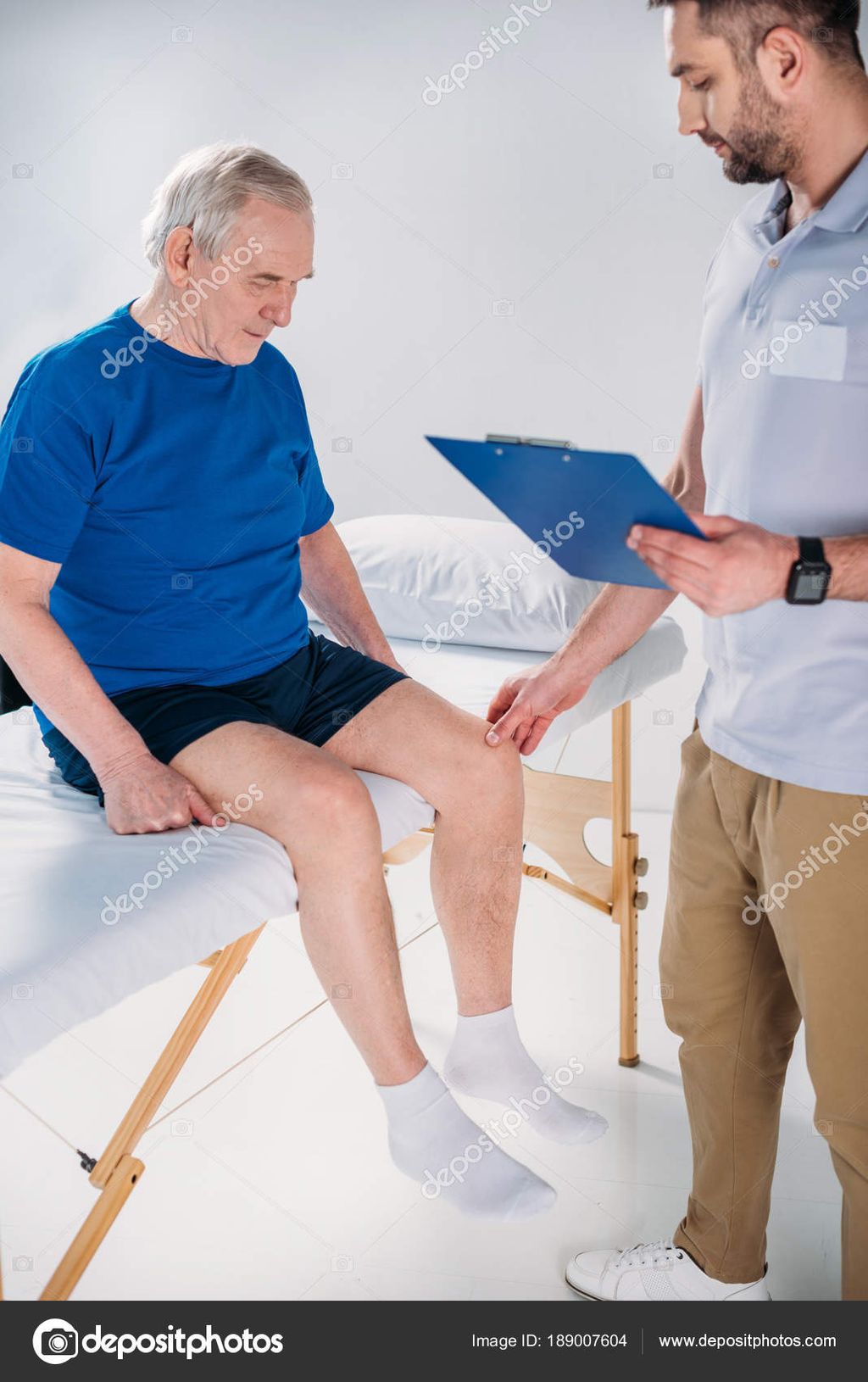
    Following the initial consultation, we conduct a thorough clinical evaluation to diagnose Iliotibial Syndrome. This involves a detailed history taking to understand the onset and progression of symptoms. We pay close attention to the patient’s activity level and any recent changes in training routines or equipment.

    Physical examination is pivotal. We assess for tenderness along the iliotibial band, especially at its insertion on the lateral epicondyle of the knee. The Ober test, which evaluates the tightness of the iliotibial band, is a key component of our assessment. Additionally, we may perform the Noble compression test to provoke symptoms and confirm the diagnosis.

    It’s essential to rule out other conditions that can mimic Iliotibial Syndrome. Therefore, we consider the differential diagnosis carefully. Here’s a simplified list of conditions we consider:

    • Lateral meniscus tear
    • Lateral collateral ligament injury
    • Popliteal tendonitis
    • Bursitis

    Tip: A comprehensive clinical evaluation is crucial for an accurate diagnosis. It’s important not to rush this process and to consider all potential contributing factors.

    Imaging Studies

    Following a thorough clinical evaluation, we often turn to imaging studies to confirm the diagnosis of iliotibial syndrome. While MRI scans are not routinely used, they can be particularly helpful in visualizing the soft tissue structures and any associated inflammation of the iliotibial band. Ultrasound imaging is another tool at our disposal, offering the advantage of dynamic assessment while the joint is in motion.

    Typically, imaging is reserved for cases where the diagnosis is uncertain or if there is a lack of response to conservative treatment. In such scenarios, imaging can provide valuable insights into the extent of the injury and rule out other potential causes of lateral knee pain.

    Remember, imaging should complement, not replace, a comprehensive clinical evaluation.

    When interpreting imaging results, it’s crucial to correlate findings with the patient’s symptoms and physical exam results. This ensures a holistic approach to diagnosis and subsequent treatment planning.

    Treatment Options for Iliotibial Syndrome

    thumbnail

    Conservative Management

    After exploring various conservative management techniques, we have found that rest and stretching are crucial components of recovery. Additionally, we recommend incorporating strength training exercises to address muscle imbalances. Below is a table summarizing the recommended exercises and their frequency:

    Exercise Frequency
    Stretching Daily
    Strength Training 3 times a week

    We advise patients to gradually increase activity levels and to avoid overtraining, as this can exacerbate symptoms. It is important to monitor progress and adjust the treatment plan accordingly. We emphasize the significance of a comprehensive approach that addresses both the symptoms and underlying causes of the syndrome.

    Surgical Interventions

    After considering the various conservative management approaches, surgical interventions may be recommended for individuals with severe and persistent symptoms. These interventions typically involve the release or lengthening of the iliotibial band to alleviate tension and reduce friction. In some cases, a table summarizing the success rates and potential risks of surgical procedures may aid in decision-making. It’s important to note that surgical interventions should be considered as a last resort and only after thorough evaluation and discussion with a healthcare professional. Post-surgery, a comprehensive rehabilitation program is essential for optimal recovery and long-term success.

    Conclusion

    In conclusion, Iliotibial Syndrome is a complex condition that can be caused by a variety of factors, including overuse and biomechanical issues. Treatment typically involves a combination of physical therapy, rest, and targeted exercises to address muscle imbalances. It is important for individuals suffering from this syndrome to seek professional medical advice and adhere to a comprehensive treatment plan in order to achieve long-term relief and prevent recurrence.

    Frequently Asked Questions

    What are the common symptoms of Iliotibial Syndrome?

    Common symptoms include pain on the outside of the knee, swelling, and a clicking sensation during movement.

    Can Iliotibial Syndrome be prevented?

    Yes, it can be prevented by avoiding sudden increases in physical activity, maintaining proper running form, and using proper footwear.

    Is stretching helpful for Iliotibial Syndrome?

    Yes, stretching the iliotibial band and surrounding muscles can help reduce tension and alleviate symptoms.

    What are the risk factors for developing Iliotibial Syndrome?

    Risk factors include overuse, excessive running or cycling, improper footwear, and muscle imbalances.

    Can I continue physical activity if I have Iliotibial Syndrome?

    It is recommended to modify physical activity to avoid exacerbating symptoms, and to consult with a healthcare professional for personalized recommendations.

    How long does it take to recover from Iliotibial Syndrome?

    Recovery time varies depending on the severity of the condition and individual factors, but with proper treatment, most individuals can recover within a few weeks to a few months.

  • Knee Replacement Surgery Cost: What You Need to Know

    Knee Replacement Surgery Cost: What You Need to Know

    Knee replacement surgery can be a life-changing procedure for those who suffer from chronic knee pain and mobility issues. However, the cost of the surgery can be a significant concern for many patients. In this article, we will explore the cost of knee replacement surgery, including the different factors that can affect the overall cost.

    v2 3n7p7 s5maf

    The cost of knee replacement surgery can vary widely depending on several factors. These factors include the type of surgery, the location of the surgery, and the patient’s insurance coverage. According to a recent estimate by Blue Cross Blue Shield, the average cost of an inpatient knee replacement procedure was $30,249, compared with $19,002 as an outpatient. However, these costs can vary significantly depending on the location and other factors.

    437535ab 6b11 40b1 b845 53b98ce05850

    If you are considering knee replacement surgery, it is essential to understand the cost of the procedure and how it will be covered by your insurance. We will explore the different insurance options available to patients, including Medicare and out-of-pocket costs. By understanding the different factors that can affect the cost of knee replacement surgery, you can make an informed decision about your healthcare and ensure that you receive the best possible care without breaking the bank.

    Understanding Knee Replacement Surgery

    At some point in our lives, we may experience knee pain due to injury, arthritis, or other medical conditions. When knee pain becomes unbearable and interferes with our daily activities, knee replacement surgery may be the solution. In this section, we will discuss the types of knee replacement, the benefits and risks, and pre-surgical considerations.

    Types of Knee Replacement

    There are two types of knee replacement surgery: total knee replacement and partial knee replacement. Total knee replacement involves replacing the entire knee joint, including the damaged cartilage, bones, and ligaments, with an implant or an artificial knee. On the other hand, partial knee replacement involves replacing only the damaged part of the knee joint. A partial knee replacement is less invasive and has a shorter recovery time than a total knee replacement.

    Benefits and Risks

    The benefits of knee replacement surgery include reduced knee pain, improved knee function, and an overall improvement in the quality of life. However, like any surgery, knee replacement surgery has risks and potential complications. These include infection, blood clots, nerve damage, implant failure, and stiffness.

    Pre-Surgical Considerations

    Before undergoing knee replacement surgery, there are several pre-surgical considerations that you should take into account. These include your weight, medical history, and overall health. Your doctor may also recommend that you lose weight before surgery to reduce the risk of complications. Additionally, you may need to use medical equipment, such as crutches or a walker, during your recovery period.

    In conclusion, knee replacement surgery is an effective solution for those suffering from knee pain. By understanding the types of knee replacement, the benefits and risks, and pre-surgical considerations, you can make an informed decision about whether knee replacement surgery is right for you.

    Cost Factors and Insurance

    When considering knee replacement surgery, cost is an important factor to consider. There are several cost factors to keep in mind, including the surgery and hospital expenses, insurance and coverage, and additional out-of-pocket costs.

    Surgery and Hospital Expenses

    The cost of knee replacement surgery can vary depending on a number of factors, including the location of the hospital, the type of anesthesia used, and whether the surgery is performed in an operating room or in a surgery center. According to Healthgrades, the national average cost of knee replacement surgery in 2020 was about $37,300, including pre-surgery appointments and postoperative rehabilitation. However, this cost can vary widely depending on the location and hospital where the surgery is performed.

    Insurance and Coverage

    Health insurance can play a significant role in covering the cost of knee replacement surgery. Most insurance plans, including Medicaid, cover knee replacement surgery, but it’s important to check with your insurance provider to understand your specific coverage. Deductibles, copays, and coinsurance can all impact the out-of-pocket cost of the surgery. Some insurers, like HealthPartners, bundle costs for surgery and post-operative rehab, which can help reduce overall costs.

    Additional Out-of-Pocket Costs

    In addition to surgery and hospital expenses, there may be additional out-of-pocket costs associated with knee replacement surgery. These can include rehabilitation, physical therapy, office visits, and medication. It’s important to understand your insurance coverage for these additional costs and to budget accordingly.

    Overall, the cost of knee replacement surgery can vary widely depending on a number of factors. Understanding your insurance coverage and budgeting for additional out-of-pocket costs can help make the process more manageable.

    Frequently Asked Questions

    v2 3n7pq nqvu8

    What is the average cost of a total knee replacement in the USA?

    The average cost of total knee replacement surgery in the USA is around $50,000, according to a 2013 article in AARP. However, the cost of the surgery can vary depending on several factors, including the location, the type of hospital, and the surgeon’s experience.

    How much does a partial knee replacement procedure typically cost?

    According to the same AARP article, a partial knee replacement procedure typically costs around 10 to 20 percent less than a total knee replacement surgery. However, the exact cost can vary depending on the same factors as mentioned above.

    Are knee replacement surgeries covered by most health insurance plans?

    Most health insurance plans cover knee replacement surgeries, but it is important to check with your insurance provider to confirm the coverage. Today reports that the average cost of knee replacement surgery with insurance in the USA will depend on your coverage, copays, and deductible. A Blue Cross Blue Shield study found claims of just over $11,000 to $20,000 for knee replacement surgery.

    What is the cost difference between inpatient and outpatient knee replacement surgeries?

    According to GoodRx, after knee replacement surgery, patients may leave the hospital the same day. However, they may recover in the hospital for one to three days. Moving the joint soon after surgery shortens the length of the hospital stay and overall costs of surgery. Some people are able to stand or walk the same day of surgery with the help of physical therapy. Outpatient knee replacement surgery can be less expensive than inpatient surgery.

    Does Medicare cover the expenses for knee replacement surgery?

    Medicare covers knee replacement surgery, but the amount that Medicare pays can vary depending on the type of Medicare coverage that you have. AARP reports that Medicare pays about $13,000 for the surgery, but additional costs such as anesthesia, hospitalization, and physical therapy may not be covered.

    What is the cost range for a titanium knee replacement?

    According to Exac, the cost range for a titanium knee replacement can vary depending on the hospital, the surgeon, and the location. However, the cost can range from $11,000 to $60,000.

  • How to Prevent Knee Replacement

    How to Prevent Knee Replacement

    As we age, our bodies become more susceptible to wear and tear, which can lead to a variety of health issues. One common issue that many people face is knee pain, often caused by osteoarthritis. In severe cases, knee replacement surgery may be necessary. However, there are steps we can take to prevent knee replacement and maintain knee health.

    v2 3lciu u4bcs

    Understanding Knee Health and Preventative Practices is the first step in preventing knee replacement. Maintaining a healthy weight and staying active are two of the most important things we can do to keep our knees healthy. Low-impact exercises such as walking, cycling, and swimming can help strengthen the muscles around our knees and reduce the risk of injury. Additionally, eating a balanced diet rich in vitamins and minerals can help keep our bones and joints healthy.

    Non-Surgical Treatment Options and Lifestyle Adjustments can also be effective in preventing knee replacement. Physical therapy, medications, and injections can help manage knee pain and inflammation. Simple lifestyle adjustments such as using a cane or knee brace, wearing supportive shoes, and avoiding high-impact activities can also help reduce the risk of knee injury. By taking these steps, we can maintain knee health and potentially avoid knee replacement surgery.

    309119f1 5484 4258 8cd2 dc3e48ddf6a9

    Key Takeaways

    • Maintaining a healthy weight and staying active are key to preventing knee replacement.
    • Non-surgical treatment options such as physical therapy and lifestyle adjustments can help manage knee pain and reduce the risk of injury.
    • Eating a balanced diet and avoiding high-impact activities can also help maintain knee health.

    Understanding Knee Health and Preventative Practices

    As we age, our knees can become more susceptible to wear and tear, leading to knee pain and potentially knee replacement surgery. However, there are many preventative practices that can help us maintain healthy knees and avoid surgery.

    Recognizing Early Symptoms of Knee Issues

    It is important to recognize early symptoms of knee issues, such as pain, stiffness, or swelling. If you experience any of these symptoms, it is important to seek medical attention and start preventative measures early on.

    Importance of Maintaining a Healthy Weight

    Maintaining a healthy weight is crucial for knee health. Excess body weight puts extra strain on the knees, which can lead to knee pain and joint damage. By maintaining a healthy weight, we can reduce the risk of knee injuries and osteoarthritis.

    Role of Exercise in Knee Strength and Stability

    Exercise is a key component in maintaining knee health. Regular exercise helps to strengthen muscles, tendons, and ligaments around the knee joint, which can improve knee stability and reduce the risk of injury. Incorporating exercises that focus on strengthening the quadriceps, hamstrings, and hip flexors can be particularly beneficial for knee health.

    In addition to strength training, stretching and flexibility exercises can also help to improve knee health. Physical therapy can be a helpful resource for developing an exercise plan that is tailored to your specific needs.

    While exercise is important for knee health, it is also important to engage in weight-bearing activities that are low-impact, such as walking, swimming, or cycling. These activities can help to improve joint mobility and flexibility without putting excessive strain on the knees.

    Dietary Supplements for Knee Health

    Dietary supplements such as glucosamine and chondroitin sulfate have been shown to have some benefits for knee health. These supplements can help to reduce inflammation and improve joint mobility. However, it is important to speak with a healthcare provider before starting any new supplements, as they may interact with other medications or have potential side effects.

    In addition to supplements, maintaining a healthy diet can also be beneficial for knee health. Eating a diet rich in fruits, vegetables, lean protein, and whole grains can help to reduce inflammation and support overall joint health.

    By incorporating these preventative practices into our daily lives, we can maintain healthy knees and reduce the risk of knee replacement surgery.

    Non-Surgical Treatment Options and Lifestyle Adjustments

    When it comes to preventing knee replacement surgery, non-surgical treatment options and lifestyle adjustments can be highly effective. Here are some of the most common non-surgical treatments and lifestyle adjustments that can help reduce knee pain and prevent the need for surgery.

    Incorporating Low-Impact Exercises and Activities

    Low-impact exercises and activities are great for strengthening the muscles around the knee joint without placing undue stress on the joint itself. Some of the best low-impact exercises include swimming, cycling, and using an elliptical machine. These activities can help improve joint mobility and flexibility, reduce inflammation, and promote weight loss, which can also help reduce knee pain.

    Effective Use of Knee Braces and Support

    Knee braces and supports can help provide stability and support to the knee joint, reducing pain and preventing further damage. There are many different types of knee braces and supports available, including compression sleeves, hinged knee braces, and unloader braces. Your doctor can help you determine which type of knee brace or support is best for your specific needs.

    Nutrition and Supplements for Joint Health

    Eating a healthy, balanced diet that is rich in nutrients can help promote joint health and reduce inflammation. Some of the best foods for joint health include fatty fish, leafy greens, nuts and seeds, and colorful fruits and vegetables. Additionally, certain supplements like glucosamine and chondroitin can help reduce joint pain and improve joint function.

    Advanced Non-Invasive Treatments for Pain Relief

    If non-surgical treatments like exercise, knee braces, and nutrition are not effective in reducing knee pain, there are a variety of advanced non-invasive treatments that can help. These treatments include corticosteroid injections, growth factor injections, and stem cell therapy. Your doctor can help you determine which treatment option is best for your specific needs.

    By incorporating these non-surgical treatment options and lifestyle adjustments into your daily routine, you can help reduce knee pain and prevent the need for knee replacement surgery. Remember to always consult with your doctor before starting any new exercise program or treatment plan.

    Frequently Asked Questions

    v2 3lcjf 3d6ej

    What are effective non-surgical treatments for knee pain?

    There are several non-surgical treatments that can be effective for knee pain. These include physical therapy, acupuncture, corticosteroid injections, and hyaluronic acid injections. Physical therapy can help strengthen the muscles around the knee, while acupuncture can help reduce inflammation and pain. Corticosteroid injections can help reduce inflammation and pain, while hyaluronic acid injections can supplement the naturally occurring lubricant in the joints and decrease pain.

    What exercises can strengthen the knee to avoid replacement surgery?

    Exercises that can strengthen the knee and help avoid replacement surgery include low-impact exercises such as swimming, cycling, and yoga. These exercises can help improve flexibility, strengthen the muscles around the knee, and reduce inflammation.

    What lifestyle changes can reduce the risk of needing knee replacement?

    Maintaining a healthy weight, eating a balanced diet, and avoiding high-impact activities can reduce the risk of needing knee replacement. Additionally, wearing comfortable and supportive shoes can help reduce stress on the knees.

    Are there any innovative medical devices that serve as an alternative to knee replacement?

    There are several innovative medical devices that can serve as an alternative to knee replacement. These include knee braces, unloader braces, and viscosupplementation injections. Knee braces can help provide support and reduce pain, while unloader braces can redistribute weight away from the damaged part of the knee. Viscosupplementation injections can supplement the naturally occurring lubricant in the joints and decrease pain.

    What risks should be considered before deciding on knee replacement surgery?

    Before deciding on knee replacement surgery, it is important to consider the risks involved. These include infection, blood clots, nerve damage, and joint stiffness. It is important to discuss these risks with your doctor and weigh the potential benefits against the risks.

    How does age affect the suitability of knee replacement alternatives?

    Age can affect the suitability of knee replacement alternatives. While there is no specific age limit for knee replacement surgery, older adults may have a higher risk of complications. However, there are several alternatives to knee replacement that can be effective at any age. It is important to discuss the best treatment options with your doctor based on your individual needs and circumstances.