Knee Replacement

  • |

    Knee replacement complications

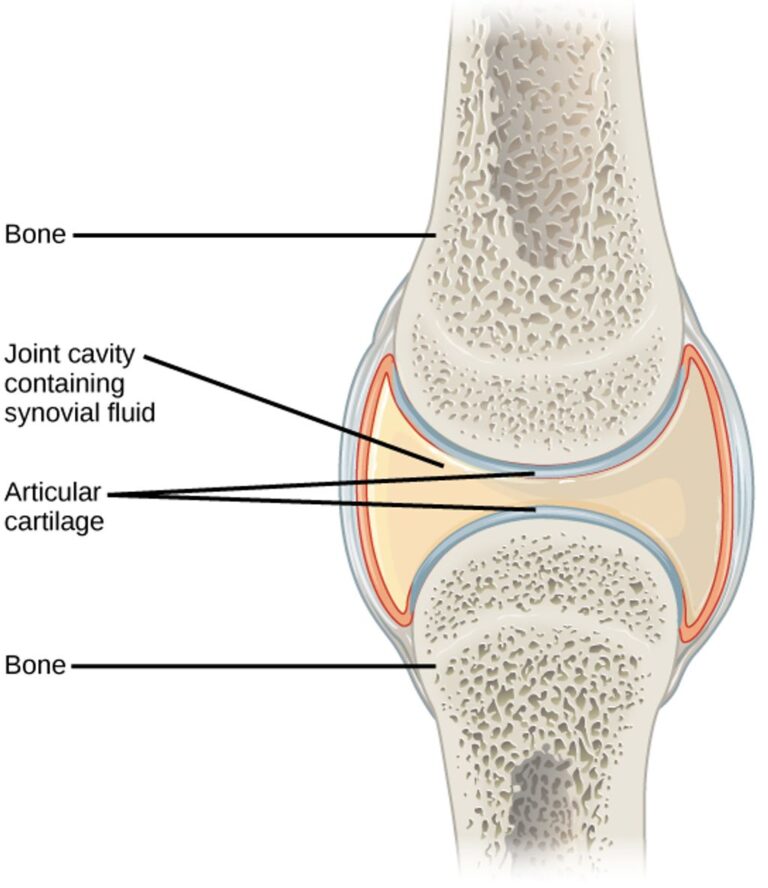
    What if the key to a successful recovery isn’t just about the surgery itself, but what you know beforehand? Every year, over 790,000 people in the United States choose this medical procedure to regain their mobility. It’s a major step toward a life with less pain. knee replacement complications We recognize that while this operation is common, understanding what can happen after is vital. This knowledge transforms a patient from a passive recipient into an active partner in their own care. Our goal is to provide clear, empowering information about the possible risks. This helps you approach your healing journey with eyes wide open and confidence high. Modern advancements have made this intervention safer and more effective than ever. Still, being informed allows you to spot any warning signs early and seek help promptly. This guide is your comprehensive resource. We aim to support you in taking charge of your long-term joint health and overall well-being. Key Takeaways Over three-quarters of a million knee replacement surgeries are performed annually in the U.S. Being informed about potential issues is a crucial part of patient preparation and empowerment. Knowledge of risks helps in early identification of any post-operative warning signs. Modern surgical techniques and care have significantly improved the safety profile of this procedure. An active understanding of your care plan contributes greatly to a successful long-term outcome. This information is designed to build confidence as you move forward with your medical decision. Understanding Knee Replacement Surgery Before diving into the details, let’s build a clear picture of what this surgical process entails. Over 790,000 of these operations happen each year in the United States alone. understanding knee replacement surgery What Is a Knee Replacement? This common operation replaces all three compartments of a damaged joint. Surgeons remove worn bone and cartilage. They then fit precise metal and plastic implants. This creates a new, smooth gliding surface. Aspect Detail Primary Goal Relieve chronic pain and restore joint function Artificial Components Metal and medical-grade plastic Typical Anesthesia General or spinal Average Hospital Stay 1 to 3 days Initial Recovery Period 6 to 12 weeks The Overall Procedure and Its Benefits This intervention is designed to help people regain independence. Most patients report a major improvement in their quality of life. The main benefit is lasting relief from persistent pain. Many return to daily activities and hobbies they love. Understanding the mechanics helps set realistic expectations for recovery and long-term performance. Key Knee Replacement Complications Statistics offer great comfort, but a complete picture includes understanding what could go wrong, even if it’s unlikely. Research confirms a very high success rate for this operation. Over 95% of people recover without any major issues. This statistic highlights the overall safety of the procedure. key knee replacement complications Overview of Common Risks Every medical intervention carries some inherent risks. These can include infection, blood clots, or stiffness. Your surgical team is trained to both prevent and manage these known challenges. They are a standard part of the pre-operative discussion. Why Awareness Matters We believe knowledge is power. Understanding potential warning signs allows you to partner with your care team. You can seek help promptly if something doesn’t feel right. This proactive approach helps prevent minor concerns from becoming serious problems. It’s crucial to discuss your personal health history with your doctor. This conversation helps assess your individual risk profile before surgery….

  • |

    Sleeping after knee replacement

    What if the key to a faster recovery isn’t just what you do during the day, but how you rest at night? We understand that getting proper rest following an operation can be a major hurdle. In fact, research shows about half of all patients report significant discomfort when trying to find a comfortable position. sleeping after knee replacement This cycle of fatigue and increased sensitivity can slow down your progress. That’s why quality rest is not a luxury—it’s a critical part of the healing process, as emphasized by Christynne Helfrich, PT, DPT at Hinge Health. Our guide is designed to break this cycle. We provide expert-backed strategies for managing discomfort and improving your overall rest quality. This includes proven positions and techniques for the crucial first weeks. By addressing the root causes of post-operative disturbances, we aim to help you achieve the restorative rest your body needs. For a comprehensive plan, explore our detailed resource on how to sleep after knee replacement. Key Takeaways Quality rest is a powerful, non-negotiable part of the healing journey after surgery. Many individuals experience increased pain at night or struggle to find a comfortable sleep position. Targeted exercises and proper sleep hygiene can significantly improve your comfort and rest quality. Effective pain management, including techniques like icing, is crucial for uninterrupted sleep. Guidance from your physical therapist and surgical team is essential for a safe and effective recovery. Patience and consistency with your nightly routine are key to long-term success. Understanding Knee Replacement Recovery Your body begins a detailed repair process immediately after joint surgery. A nerve block often provides comfort for the first 18 to 30 hours post-procedure. This offers a valuable window before typical sensations begin. knee replacement recovery Post-Surgery Healing and Body Changes Significant changes occur as you heal from this operation. Natural inflammation and swelling around the new joint are common. Your system is working hard to integrate the artificial components. We note that many individuals report increased difficulty starting around day four. Challenges can persist for up to ten weeks in some cases. Discomfort may also travel to areas like the shin or hip at night. This is a normal part of the adjustment process. Your body is adapting to its new mechanics. How Sleep Supports Recovery Quality rest is vital for repair. Your body focuses on mending the joint and surrounding muscle tissue during deep rest. This is when the most intensive healing occurs. As healing progresses, your sleep quality should gradually improve. Research shows most people see significant progress by the three-month mark. The first month is often the most difficult. We encourage you to stay active during the day. Gentle movement promotes blood flow and prevents stiffness. This daily activity supports better rest at night. Understanding that your body is working hard post-operatively helps manage expectations. Consistency with your routine is key for long-term success. Common Sleep Challenges After Knee Replacement The quiet of the night often amplifies the physical sensations that accompany post-operative healing. We see that nearly half of all individuals report severe disturbances during this critical time. This makes addressing these hurdles a top priority. common sleep challenges after knee replacement Nighttime Pain and Discomfort Without daytime distractions, you may become more aware of persistent sensations. This heightened awareness can make falling asleep difficult. Anxiety about your new joint is also common. Worrying about movement can further disrupt your rest cycles. Dealing with Swelling and Stiffness Inflammation is a natural response to an operation. It often increases when you are lying down for extended periods. Limited mobility prevents natural position shifts. This lack of movement allows stiffness to set in by morning. Challenge Primary Cause Typical Effect Nighttime Pain Increased sensory awareness Difficulty initiating sleep Swelling Post-surgery inflammation Discomfort in bed Joint Stiffness Immobility during rest…

  • |

    Knee replacement age limit

    Is there a magic number that determines when you’re too old for a joint procedure? This is one of the most common questions we hear from individuals struggling with persistent pain. Many believe a strict cutoff exists. In reality, the decision for this surgical intervention is far more nuanced. Nearly one million of these procedures are performed each year in the United States. knee replacement age limit discussion We find the timing is based on your unique health profile, not just the calendar. Your specific joint condition and how it impacts your daily mobility are the true guides. While concerns about being “too old” are frequent, we see successful outcomes across a wide spectrum of years. The focus should be on your overall wellness and the level of disability you’re experiencing. Key Takeaways There is no universal, strict age cutoff for considering a joint procedure. The decision is highly individual, based on health and lifestyle factors. Successful outcomes are achieved for patients of various ages. Your specific level of pain and disability is a more critical factor than your birth year. Nearly one million of these surgeries are performed annually in the U.S. A consultation focuses on your overall wellness, not just a number. Understanding Knee Replacement Surgery When pain from joint degeneration becomes debilitating, many consider surgical intervention as a viable solution. This procedure, formally called arthroplasty, removes damaged bone and cartilage. Artificial implants are then secured to restore smooth movement. understanding knee replacement surgery What Is Knee Replacement? Arthroplasty is a major operation performed by orthopedic specialists. During this surgery, the ends of the thigh and shin bones are reshaped. Metal and plastic components are fixed in place to create a new joint surface. The goal is to eliminate discomfort and improve mobility. According to Toni Golen, M.D., and Hope Ricciotti, M.D., these artificial joints typically function well for 15 to 20 years. This durability influences the timing of the operation. Who Are the Ideal Candidates? We identify suitable candidates based on several key factors. The severity of arthritis discomfort is a primary consideration. Individuals whose chronic pain persists despite medications or injections are often good candidates. Doctors also examine how the joint has deteriorated over time. When non-surgical options no longer provide relief, this procedure may be recommended. Research shows 80% to 90% of individuals report positive outcomes after their operation. Evaluation Factor Description Importance Level Pain Level Chronic discomfort that limits daily activities High Treatment Response Lack of improvement with conservative therapies High Joint Damage Visible degeneration on X-rays or scans High Overall Health Ability to tolerate anesthesia and recovery Critical Activity Goals Desire to return to specific functions Moderate Younger patients may be advised to wait for optimal timing. This ensures the implant lasts for many years. The decision ultimately balances current suffering with long-term health outcomes. Medical Factors Beyond Age Medical professionals look beyond the calendar to evaluate a person’s fitness for a major joint operation. Your specific health profile and daily function are the true guides. Overall Health and Its Role We emphasize that your overall health is critical. It determines if you can handle the demands of surgery and recovery. Clinics like Integrity Spine & Orthopedics stress trying conservative options first. These treatments include physical therapy and joint injections for pain relief. Exhausting these paths is a key step before considering an operation. medical factors beyond…

  • Understanding the Anatomy of Knee Joint Bones

    The knee joint is a complex structure that plays a crucial role in supporting the body and facilitating movement. Understanding the anatomy of the knee joint, including its bones and surrounding structures, is essential for both medical professionals and individuals seeking to maintain optimal joint health. In this article, we will explore the structure of…

  • Effective Treatment for Jumper’s Knee: Management and Prevention

    Jumper’s knee, also known as patellar tendinitis, is a common overuse injury that affects the patellar tendon. Athletes, particularly those involved in jumping sports, are at a higher risk of developing this condition. Understanding the causes, symptoms, and effective treatment options is crucial for managing and preventing jumper’s knee. Key Takeaways Proper diagnosis is essential…