Tag: Ladder safety tips

  • Safe Ladder Climbing Techniques for Bad Knees

    Safe Ladder Climbing Techniques for Bad Knees

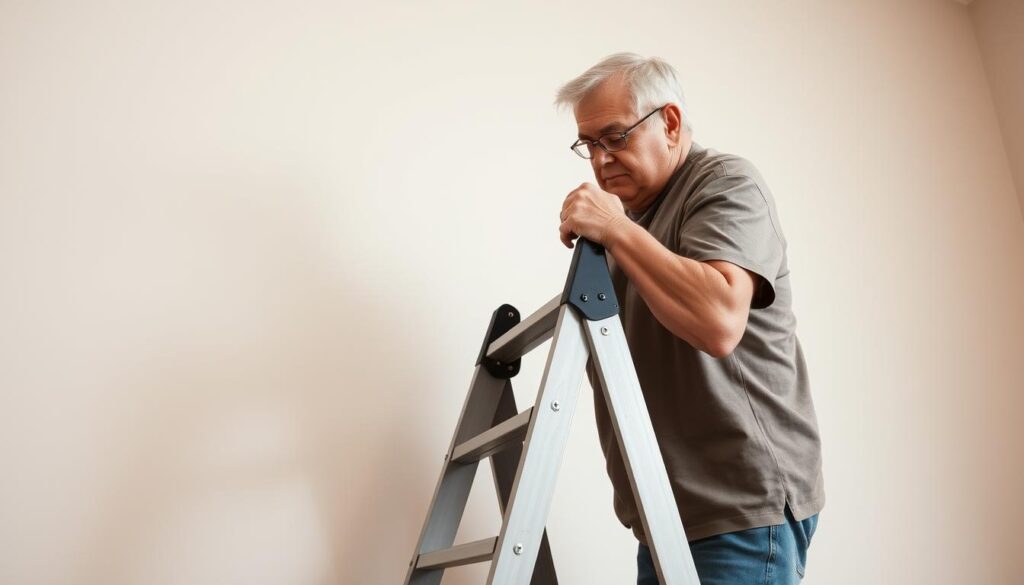
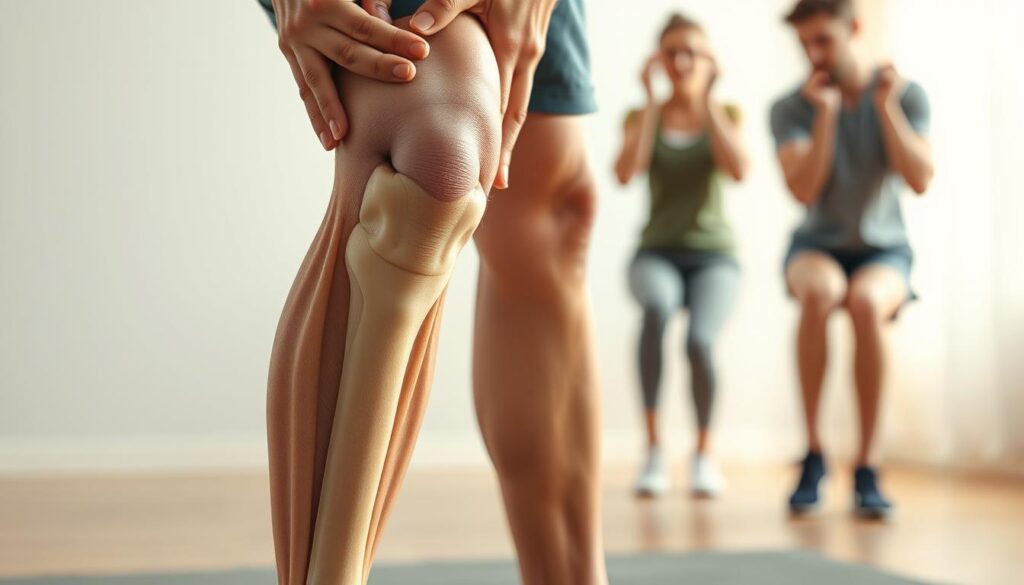
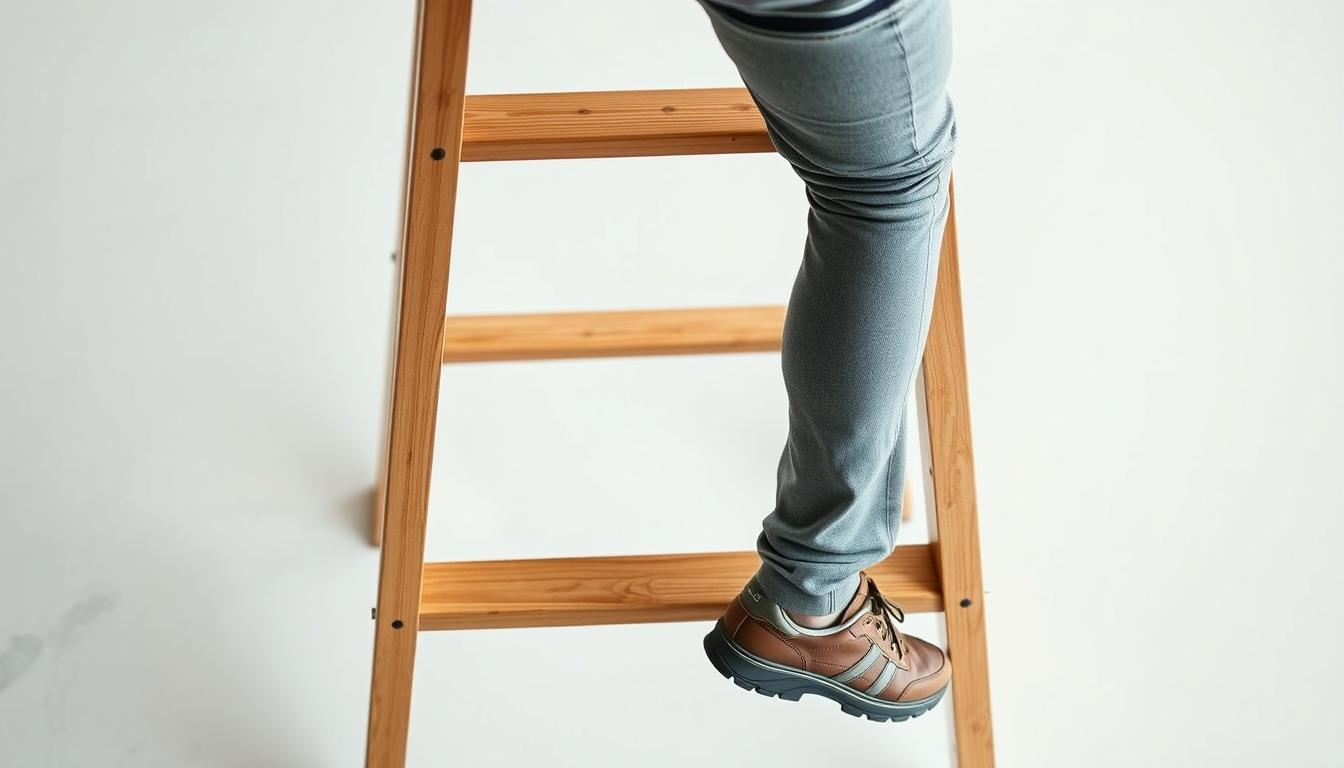
    Do you struggle with knee pain but still need to climb ladders? Climbing a ladder can be tough, especially with knee issues. We know how important it is to find ladder safety tips for knee pain to prevent making it worse.

    We’ll look at the challenges of climbing ladders with knee problems. We’ll also give you a detailed guide on how to do it safely and confidently. By using the right preparation and techniques, you can lower the risk of getting hurt.

    Key Takeaways

    • Understanding the risks associated with ladder climbing and knee pain
    • Precautions to take before climbing a ladder with knee issues
    • Proper ladder climbing techniques to minimize knee strain
    • Tips for maintaining balance and stability on a ladder
    • Best practices for ladder safety with knee problems

    Understanding the Challenges of Climbing Ladders with Bad Knees

    People with knee problems face special challenges when climbing ladders. The strain from climbing can make knee issues worse. This makes every step a risk.

    Climbing ladders needs strength, flexibility, and balance. Knee problems can make these hard to keep. Knowing these challenges helps us find safe ways to climb.

    Common Knee Conditions Impacting Ladder Use

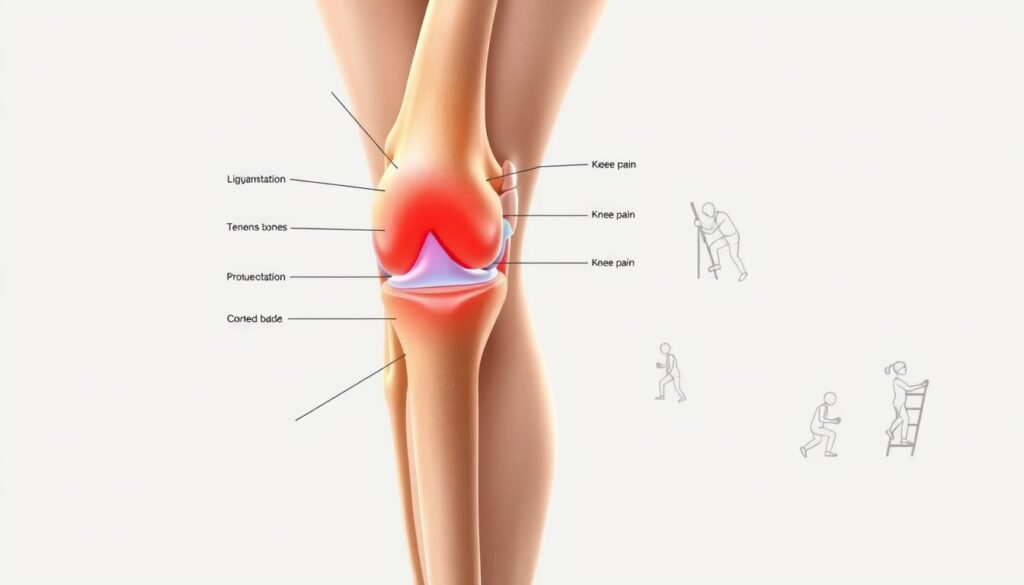
    Many knee conditions can make ladder climbing hard. These include:

    • Arthritis: This causes pain and inflammation in the joints, making steps painful.
    • Tendonitis: It’s inflammation of the tendons, causing pain and limiting movement.
    • Ligament Sprains: Injuries to the ligaments around the knee, leading to instability and pain.

    These conditions make climbing ladders not just hard but also risky if not done carefully.

    How Ladder Climbing Affects Knee Health

    Climbing ladders puts stress on the knees, including bending and twisting. For those with knee problems, these actions can:

    1. Make pain and inflammation worse
    2. Up the risk of more injury
    3. Limit movement because of pain or fear of injury

    Knowing how ladder climbing affects our knees is key. It helps us take precautions and adjust our climbing to reduce risks.

    By understanding these challenges and taking steps, we can climb ladders more safely and protect our knees.

    Preparing for a Safe Climb

    ladder safety tips for knee pain

    To climb ladders safely with knee problems, we must first assess our overall physical condition and the tools we use. This preparation is crucial for preventing accidents and ensuring a safe climbing experience.

    Assessing Our Physical Condition

    Before climbing a ladder, it’s essential to evaluate our physical readiness. This involves considering our overall health, strength, and flexibility, particularly in our knees. A thorough self-assessment can help identify potential risks and prevent injuries.

    We should ask ourselves a few questions: Are we experiencing any knee pain or discomfort? Are our leg muscles strong enough to support our body weight on the ladder? Have we had any recent injuries or surgeries that could impact our climbing ability?

    Physical Attribute Relevance to Ladder Climbing Tips for Improvement
    Knee Strength Essential for stability and support Engage in exercises like squats and lunges
    Flexibility Important for maintaining balance Practice stretching exercises regularly
    Overall Health Critical for endurance and stamina Maintain a healthy lifestyle, including a balanced diet and regular exercise

    Choosing the Right Ladder for Our Needs

    Selecting the appropriate ladder is vital for safe climbing. The ladder should be tall enough to reach the desired height without standing on the top rung, and it should have a weight capacity that exceeds our body weight.

    Key features to consider include:

    • Height and reach
    • Weight capacity
    • Material and durability
    • Stability features, such as wide feet or non-slip rungs

    Importance of Proper Attire and Footwear

    Wearing the right clothing and footwear can significantly impact ladder safety. We should avoid loose clothing that could get caught on the ladder and opt for sturdy, non-slip shoes that provide good traction.

    “Safety is not just about avoiding accidents; it’s about creating a culture that prioritizes well-being and precaution.” – Unknown

    Proper attire not only enhances our safety but also contributes to our comfort while climbing, reducing strain on our knees.

    Essential Ladder Safety Tips

    ladder safety tips

    For people with bad knees, climbing ladders can be tough. But, with the right safety tips, you can lower the risk of injury. It’s important to follow key practices to protect your knees while using ladders.

    Checking Ladder Stability Before Use

    Always check the ladder’s stability before climbing. Make sure it’s on a firm, level surface. Also, ensure all feet are stable and secure.

    If the surface is soft or uneven, use ladder levelers or stabilizers. Always inspect the ladder for damage or wear that could affect its stability.

    Maintaining Three Points of Contact

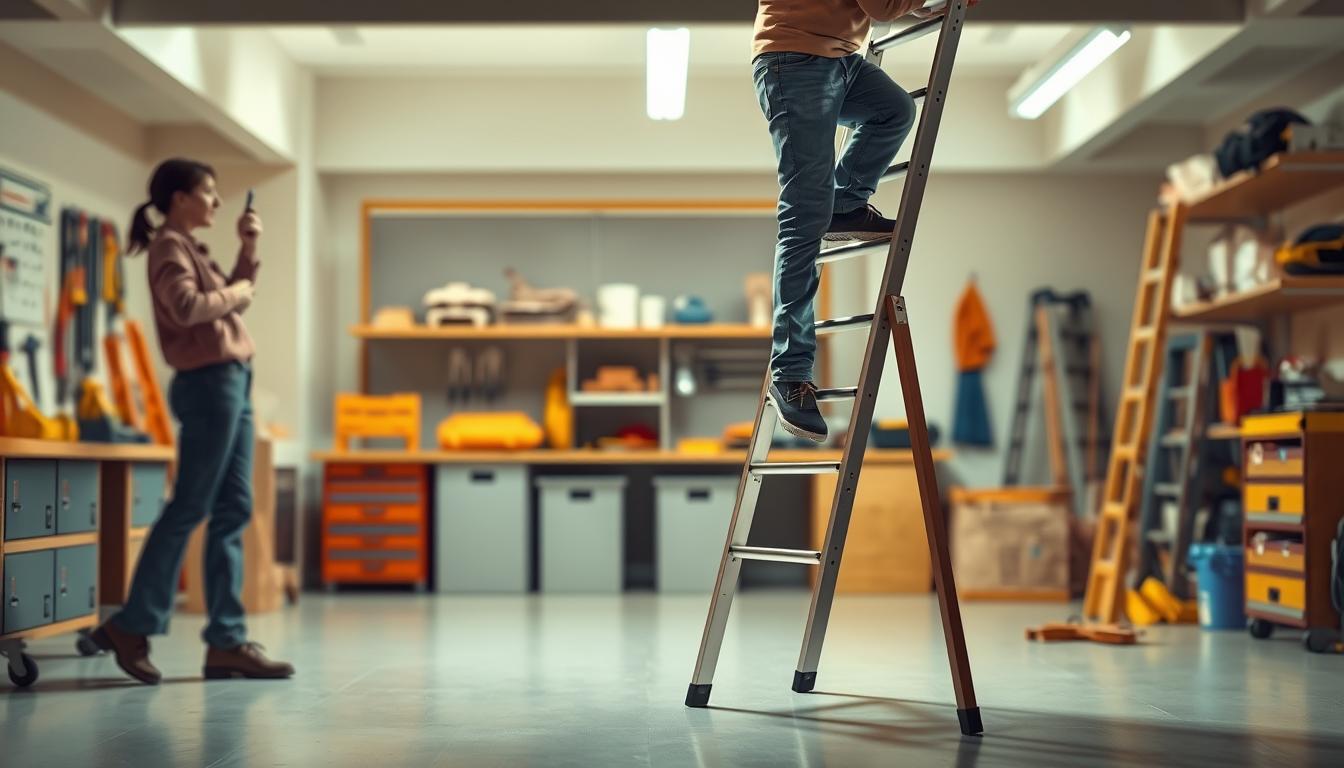
    It’s key to have three points of contact on the ladder. This means using two hands and one foot, or two feet and one hand. This helps keep your balance and lowers fall risks.

    Always face the ladder when climbing up or down. Avoid leaning over the side to reach for something.

    Ascending and Descending Techniques

    When climbing up or down, do it carefully and deliberately. Take your time and make sure each step is secure before moving. Keep your body centered between the side rails.

    Avoid sudden movements that could strain your knees or cause you to lose balance. By following these tips, you can safely climb ladders even with bad knees. It’s all about being aware of your body’s limits and taking the right precautions.

    Alternative Techniques for Reducing Knee Strain

    ladder safety tips for knee pain

    For those with knee problems, there are safer ways to climb ladders. We’ll look at some methods to lessen knee strain.

    Using a Walking Cane or Crutch

    Using a walking cane or crutch can help with knee strain. It spreads the weight and stress, easing the pressure on knees. Make sure the cane or crutch fits right and is sturdy.

    The material and durability of the cane or crutch matter a lot. It must hold our weight and any extra forces when climbing. Choosing a strong, adjustable cane or crutch boosts stability.

    Opting for Safety Harnesses and Supports

    Another option is safety harnesses and supports. They’re great for climbing high ladders or working at heights. Harnesses keep us safe and reduce knee pressure.

    It’s key to pick a safety harness that fits well and is made for ladder climbing. Look for ones with padding and adjustable straps for a secure fit. Always follow the maker’s use and care tips.

    By using these alternatives, we can lessen knee strain and make climbing safer and easier.

    Developing Strength and Flexibility

    Exercises that strengthen our knee muscles and improve flexibility can help us climb ladders safely. This is especially true for those with knee problems. It helps lessen the strain from ladder climbing.

    Exercises to Strengthen Knee Muscles

    It’s important to strengthen the muscles around our knees for safe ladder climbing. We can do this with exercises like:

    • Straight leg raises: Lift our leg straight out in front of us, keeping it straight, and then lower it back down.
    • Quad sets: Tighten the muscles on the front of our thigh and hold for a few seconds.
    • Wall squats: Stand with our back against the wall and slide down into a squat, keeping our knees bent at a 90-degree angle.

    These exercises build the strength needed to support our knees while climbing ladders.

    Stretching Routines to Improve Flexibility

    Improving flexibility is also key. We can do this with stretching routines like:

    • Knee flexion stretches: Stand with our feet shoulder-width apart and slowly bend our knees.
    • Hamstring stretches: Sit on the floor with our legs straight out in front of us and lean forward, reaching for our toes.
    • Calf stretches: Stand facing a wall with one hand on the wall for balance and step back with one foot, keeping our heel on the ground.

    Regular stretching improves our range of motion. This makes it easier to climb ladders safely.

    By adding these exercises and stretches to our daily routine, we can improve our knee health. This reduces the risk of injury from proper ladder climbing for knee issues. It also lets us use safe ladder climbing techniques for bad knees, making our climbs more secure.

    When to Seek Professional Help

    Knowing when to get help is key for safe ladder practices, especially with knee problems. Climbing ladders can be tough, and ignoring knee pain can cause bigger injuries.

    Recognizing Signs of Injury

    It’s important to know when you need medical help. Look out for these signs:

    • Persistent pain after climbing
    • Swelling or bruising around the knee
    • Instability or weakness in the knee

    Consulting with a Physical Therapist

    Talking to a physical therapist can give you personalized advice. They can create a plan just for you. A physical therapist can help you:

    • Develop a strengthening program for your knee muscles
    • Improve your flexibility and range of motion
    • Learn safe climbing techniques to reduce strain on your knees

    Getting professional help when needed makes climbing safer and healthier.

    Conclusion: Our Commitment to Safe Ladder Practices

    When we climb ladders with bad knees, safety is key. Using safe ladder climbing techniques helps us avoid injuries. This way, we can stay independent and keep doing what we need to do.

    We’ve looked at ways to make ladder climbing safer. This includes checking our health, picking the right ladder, and keeping three points of contact. Climbing ladders safely for knee issues means being prepared, using the right techniques, and being careful.

    Key Takeaways

    To sum up, we’ve talked about getting ready for a safe climb, using methods to lessen knee strain, and building strength and flexibility. By adding these steps to our daily routine, we can climb ladders confidently.

    Prioritizing Safety

    As we go forward, remember to always put safety first when climbing ladders. This way, you can keep your independence and do tasks easily. With the right knowledge and precautions, you can climb ladders safely.

    FAQ

    What are some safe ladder climbing techniques for individuals with bad knees?

    To climb safely, always keep three points of contact on the ladder. Use the right ladder for your height and needs. This helps avoid knee strain.

    How can I reduce knee strain while climbing a ladder?

    Try using walking canes or crutches for support. Safety harnesses and supports can also help. They spread out the risk and add security.

    What exercises can help strengthen knee muscles for ladder climbing?

    Squats, lunges, and leg press are good for your knee muscles. They help improve stability and lower injury risk.

    How can I assess my physical condition before climbing a ladder?

    Check your overall health before climbing. Look at knee pain, flexibility, and balance. This helps you know if you’re ready.

    What are the benefits of consulting with a physical therapist for knee issues?

    A physical therapist can give you advice and a plan for your knee problems. They tailor it to your needs for climbing.

    What are some common knee conditions that can impact ladder use?

    Conditions like arthritis, tendonitis, and ligament sprains can make climbing harder. You might need to use special techniques.

    How can I maintain three points of contact while climbing a ladder?

    Use two hands and one foot, or two feet and one hand. This keeps you balanced and stable.

    What type of ladder is best for individuals with knee problems?

    Look for a sturdy ladder with stable feet. A comfortable climbing angle is also important to ease knee strain.

    How can I improve my flexibility for ladder climbing?

    Add stretching to your daily routine. It boosts flexibility. This makes climbing easier and safer for your knees.

    When should I seek professional help for knee injuries?

    Get medical help if you have ongoing or severe knee pain, swelling, or instability. These could be signs of a serious injury.

  • Ladder Safety for Arthritic Knees

    Ladder Safety for Arthritic Knees

    Can people with arthritic knees safely use ladders? As we age or face conditions like arthritis, simple tasks become big challenges. Arthritis greatly affects our mobility and balance, making every step on a ladder risky.

    We know how important it is to stay independent and do tasks safely. Our aim is to help you avoid falls and stay safe on the ladder. We’ll look at how arthritis impacts our movement and share practical tips for ladder safety.

    Key Takeaways

    • Understanding how arthritis affects mobility and balance.
    • Practical tips for safely using a ladder with arthritic knees.
    • Alternative solutions for ladder use.
    • Precautions to prevent falls.
    • Empowering independence through safe practices.

    Understanding the Impact of Arthritis on Mobility

    arthritis and mobility

    For people with arthritis, using ladders safely is more complex. Arthritis is not just one disease. It’s over 100 different conditions that affect joints and tissues.

    What is Arthritis?

    Arthritis causes inflammation and pain in the joints. It leads to stiffness, swelling, and less mobility. Knowing your type of arthritis is key because each type needs a unique approach to manage symptoms and keep mobility.

    How Arthritis Affects Balance

    Arthritis can greatly impact balance by weakening and stiffening joints, especially in the knees. This can make climbing ladders unsafe. The pain and stiffness from arthritis can make it hard to keep balance, raising the risk of falls.

    Common Symptoms to Consider

    Arthritis symptoms include pain when climbing or going down, stiffness that hinders balance, and swelling that affects knee stability. Recognizing these symptoms is the first step to reducing ladder use risks. By understanding how arthritis affects mobility and balance, we can take steps to stay safe.

    By recognizing the challenges of arthritis, we can find knee-friendly ladder tips and follow ladder safety guidelines for arthritis to lower risks. This knowledge helps us control our safety and make smart choices when using ladders.

    Preparing for Ladder Use with Arthritic Knees

    preventing ladder injuries with arthritis

    Getting ready for ladder use is key to avoiding injuries, especially for those with arthritis. Proper preparation greatly lowers the chance of accidents. This includes several important steps to ensure our safety.

    Choosing the Right Ladder Type

    Finding the right ladder is the first step in ladder safety. For those with arthritic knees, a ladder with a sturdy base, wide steps, and a comfortable height is best. Look for ladders with non-slip feet and secure locks to prevent falls.

    Essential Gear for Safety

    Using the right safety gear is also important. This includes non-slip mats for the ladder feet, gloves for better grip, and a ladder stabilizer for extra stability. This gear helps keep us safe while climbing.

    Assessing the Work Environment

    Checking the work area is also crucial. Make sure the ladder stands on a level and firm surface. Clearing the area of obstacles or hazards is also essential. This helps us spot and avoid risks before they happen.

    By choosing the right ladder, using safety gear, and checking the work area, we can greatly improve our safety. This careful approach is vital for preventing ladder injuries with arthritis.

    Techniques for Safe Ladder Climbing

    safe ladder climbing techniques

    For those with arthritic knees, ladder safety is key. It begins with learning the right climbing techniques. We’ll look at the main methods to lower injury risks when climbing ladders.

    Proper Foot Placement

    Proper foot placement is vital for safe ladder climbing. Make sure each foot is on the step and the ladder is steady before moving. Wear shoes with a good grip and avoid loose clothes that could get caught.

    Always keep three points of contact with the ladder. This could be two hands and one foot or two feet and one hand.

    Maintaining Balance While Climbing

    To maintain balance, keep your body centered between the side rails. Always climb facing the ladder. Make sure your body’s center of gravity is between the rails.

    This might mean adjusting the ladder’s position instead of stretching to reach far areas.

    Taking Breaks to Reduce Strain

    It’s wise to take regular breaks to ease knee strain. Rest on a stable platform or step down to a safe spot to stretch. This helps relieve pressure on the knee joints.

    By using these techniques, people with arthritic knees can reduce ladder climbing risks. It’s about being aware of our limits and taking steps to stay safe.

    Alternative Solutions to Ladder Use

    For those with arthritic knees, finding ladder-free ways to work or live is safer. It lowers injury risks and makes environments more sustainable and safe.

    Collaboration for Safe Solutions

    Working with others can lessen the need for ladders. A partner or family member can share the load of tasks that need heights. This eases the burden on those with arthritic knees.

    Teamwork makes tasks more efficient and safe. It’s especially helpful for rare or complex tasks that need special gear.

    Assistive Technologies and Tools

    Many tools and technologies can cut down on ladder use. Reachers, grabbers, and ergonomic tools let people reach high spots without climbing.

    • Reachers and grabbers for accessing high shelves
    • Long-handled tools for tasks that require reaching
    • Adjustable workbenches for comfortable working heights

    Hiring Professionals When Necessary

    At times, the best choice is to hire experts for height-related tasks. This is true for jobs that are too hard or uncomfortable for one to do.

    Task Type Professional Service Benefits
    High ceiling maintenance Contracting a professional maintenance service Safety, efficiency, and quality workmanship
    Tree trimming Hiring a certified arborist Expertise, safety, and compliance with regulations

    Exploring these alternatives can greatly lower injury risks for those with arthritic knees. It also keeps them able to do the tasks they need to.

    Continuing Safety Education and Awareness

    To live safely and independently, people with arthritic knees need to know the latest about ladder safety. We can do this by using different resources and being proactive.

    Staying Updated on Ladder Safety

    We should follow new technologies and guidelines for ladder safety, especially for those with arthritic knees. This helps us stay safe by adapting our methods as needed.

    Support for Arthritis Management

    There are many resources for arthritis support. They offer tips on managing the condition and its effects on daily life, including using ladders. These resources help us understand how to handle the challenges of arthritic knees.

    Community Engagement

    Joining community workshops on ladder safety is a great way to learn from experts and share our own experiences. It helps us stay independent while keeping safety as our top priority.

    FAQ

    What are some knee-friendly ladder tips for individuals with arthritis?

    For those with arthritis, we suggest ladders with wide, non-slip steps and a strong base. Wearing knee support and taking breaks can also help reduce knee strain.

    How can I prevent ladder injuries with arthritis?

    To avoid ladder injuries, check your work area for dangers. Use ladder stabilizers and think about hiring experts for tasks that need a ladder.

    What are some ladder safety guidelines for individuals with arthritis?

    Always place your feet right on the ladder steps and balance well. Don’t stretch too far. Make sure the ladder is steady and clear of things.

    Are there any specific ladder safety precautions for arthritic knees?

    Yes, for arthritic knees, use a ladder with a wide base and wear non-slip shoes. Having someone help you climb is a good idea. Exercising your knees can also help.

    How can I safely climb a ladder with knee pain?

    To climb safely with knee pain, use the right climbing methods and rest often. Consider knee support or bracing. Always check your health and look for safer ways if pain is bad.

    What are some alternative solutions to ladder use for individuals with arthritis?

    For alternatives, try using reachers or grabbers, or hire experts for ladder tasks. Working with a partner can also be safer.

    Where can I find resources for arthritis support and ladder safety education?

    Look for ladder safety workshops, online info, and arthritis groups. Learning about safety and managing arthritis can help you stay safe and independent.

  • Knee Pain grimping on a Ladder

    Knee Pain grimping on a Ladder

    Do you get knee pain after painting on a ladder? You’re not alone. There are ways to make it less painful and safer.

    Painting on a ladder can be tough, especially with knee pain. We want to share useful tips to help you work without discomfort.

    By following ladder safety tips and using a few simple strategies, you can lower the chance of knee pain. This way, you can enjoy painting more. We’ll dive into these tips and more in this article.

    Key Takeaways

    • Understand the causes of knee pain while painting on a ladder
    • Learn simple strategies to prevent knee pain
    • Discover ladder safety tips for a comfortable painting experience
    • Explore ways to manage knee pain if it occurs
    • Find out how to choose the right ladder for your painting tasks

    Understanding Knee Pain and Its Causes

    knee pain prevention

    Knee pain is common and can be caused by simple actions like climbing a ladder. It can make daily tasks hard or ruin fun activities. Knowing why knee pain happens is key to preventing and managing it.

    What is Knee Pain?

    Knee pain is any discomfort in or around the knee. It can come from injuries, infections, or conditions like arthritis. The knee has bones, ligaments, and tendons that help it move and stay stable.

    Common Causes of Knee Pain

    Causes include overuse injuries, sprained ligaments, and torn meniscus. Tendinitis, bursitis, osteoarthritis, and rheumatoid arthritis also cause knee pain.

    Here’s a table to help understand these causes:

    Cause Description Common Activities Leading to This Cause
    Overuse or Repetitive Strain Pain from repeated stress on the knee Running, cycling, or frequent climbing
    Ligament Sprains Injuries to the ligaments around the knee Sports with sudden stops or changes in direction
    Meniscal Tears Tears in the knee joint’s cartilage Twisting movements, especially in sports

    How Painting on a Ladder Can Trigger Pain

    Painting on a ladder strains the knee due to climbing, bending, and awkward positions. Climbing up and down and bending can hurt or make existing pain worse.

    To avoid knee pain while painting, use ladder safety and wear supportive gear. Knowing how our actions affect our knees helps prevent pain. This way, we can keep doing tasks without pain.

    By avoiding knee injuries while painting, we protect our knees. This lets us enjoy our work or hobbies without pain.

    Recognizing Symptoms of Knee Pain

    knee pain relief

    Knee pain can show up in many ways. It’s key to know its signs, especially when doing things like ladder painting techniques. Being aware can help prevent or treat pain.

    Sharp Pain vs. Dull Aches

    Knee pain can feel sharp or dull. Sharp pain might mean a specific injury, like a ligament strain. This can happen when you climb or bend, like when painting on a ladder.

    Dull aches often mean you’ve overused your knee or have a chronic issue like tendonitis.

    Swelling and Inflammation

    Swelling around the knee is a common sign of pain. It can happen from injury or too much strain. Painting on a ladder can cause this if you’re in an awkward position for too long.

    Seeing swelling early can help you take steps for knee pain relief. This might include using ice or changing how you paint.

    Limited Range of Motion

    When your knee can’t bend or straighten fully, it’s a sign of trouble. This could be from pain, swelling, or mechanical issues. For those who often paint on ladders, keeping your knee flexible is important.

    Knowing these symptoms helps you prevent or manage knee pain. This includes using the right ladder painting techniques and finding ways for knee pain relief.

    Preparing for Ladder Work

    Getting ready is key for a safe and successful ladder painting job. Before starting, check your current health and the tools you have.

    Assessing Your Knee Health

    Your knee health is very important when using a ladder. If you have knee pain, know why and how it might get worse with ladder work. It’s a good idea to talk to a doctor if you’re worried about your knees.

    Key factors to consider:

    • Previous knee injuries or surgeries
    • Current pain levels
    • Flexibility and range of motion

    Choosing the Right Ladder

    Picking the right ladder is crucial for safety and comfort. The right ladder can help reduce knee strain.

    Ladder Type Height Range Best Use
    Step Ladder 2-6 feet Indoor tasks, small areas
    Extension Ladder 8-20 feet Outdoor tasks, larger areas
    Multi-Position Ladder Variable Versatile, for various tasks

    Think about how high you need to go and where you’ll be working. The right ladder size and type can make a big difference in your comfort and safety.

    Gathering Essential Supplies

    Having the right tools can make your job more comfortable and efficient. You’ll need knee pads for protection, a paint tray that fits on the ladder, and a tool belt to keep your hands free.

    Additional supplies to consider:

    • Non-slip ladder feet for increased stability
    • A ladder leveler for uneven surfaces
    • Adequate lighting for improved visibility

    Techniques to Prevent Knee Pain

    knee pain prevention techniques

    Using the right techniques can help avoid knee pain while painting on a ladder. By following these strategies, you can keep your knees safe and enjoy painting more.

    Proper Ladder Positioning

    It’s important to place the ladder correctly to prevent knee pain. Make sure it’s on a firm, level surface. If needed, use ladder levelers. Always keep three points of contact when climbing, like two hands and one foot or two feet and one hand.

    Key considerations for ladder positioning include:

    • Ensuring the ladder is on a stable surface
    • Using ladder levelers on uneven ground
    • Maintaining three points of contact when climbing

    Using Knee Pads and Support

    Knee pads or support can add comfort and protection. They’re especially useful when painting on ladders for a long time. Choose knee pads with good cushioning and a snug fit.

    Benefits of knee pads include:

    • Reduced strain on the knees
    • Increased comfort during extended work periods
    • Protection from hard surfaces

    Adjusting Your Painting Technique

    Changing your painting method can also help prevent knee pain. Don’t stretch or overreach, as it can strain your knees. Instead, move the ladder so you can easily reach the area you’re painting.

    Tips for adjusting your painting technique:

    1. Move the ladder frequently to avoid overreaching
    2. Take regular breaks to rest your knees
    3. Consider using painting tools with extendable handles

    Managing Existing Knee Pain

    Knee pain can really get in the way when you’re working on a ladder. But, there are ways to make it better. If you’re already feeling pain, it’s key to take action to ease it and stop it from getting worse.

    Simple Stretching Exercises

    Starting with simple stretches is a good first step for knee pain. Stretching can make your muscles more flexible and less stiff. Focus on exercises that work the muscles around your knee, like the quadriceps and hamstrings. Try standing hamstring stretches or straight leg raises to loosen your knee muscles.

    When to Apply Ice or Heat

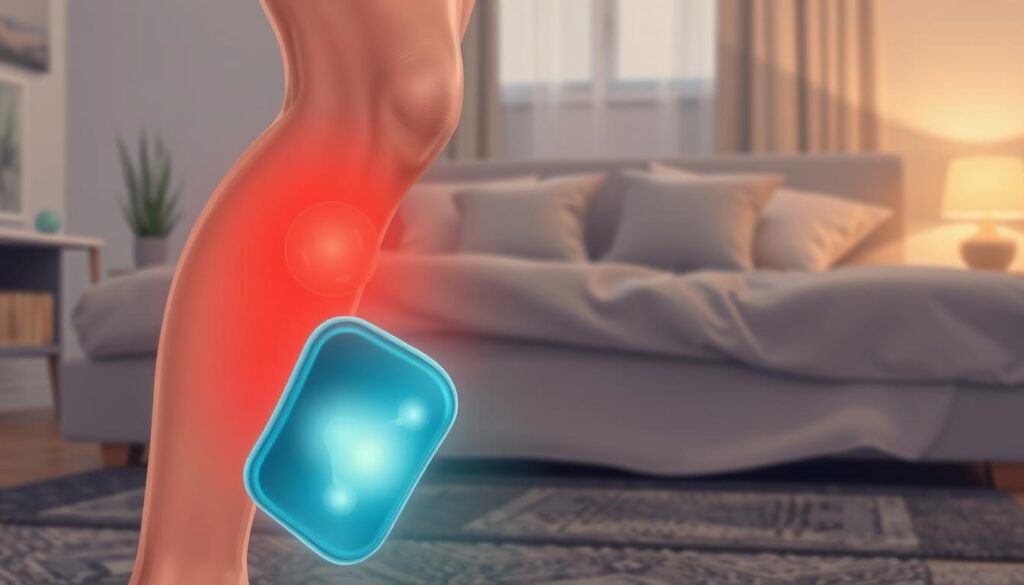
    Using ice or heat on your knee can really help with pain and swelling. Ice is good for reducing swelling and numbing pain, while heat relaxes muscles and boosts blood flow. For sudden injuries or pain spikes, use ice for 15-20 minutes, a few times a day. For ongoing pain or stiffness, heat is better for 15-20 minutes, also a few times a day.

    Over-the-Counter Pain Relief Options

    OTC pain meds can also help with knee pain. Medicines like ibuprofen or acetaminophen can cut down pain and swelling. But, it’s important to only take what’s recommended and talk to a doctor if you’re not sure what’s best for you or if the pain doesn’t go away.

    By using these methods, you can handle knee pain better and keep working on ladders safely and well.

    Ergonomic Tips for Ladder Painting

    Painting on a ladder requires careful attention to ergonomics to avoid knee pain. By following ergonomic tips, you can reduce knee strain and work more efficiently.

    Optimal Ladder Height for Comfort

    Setting the ladder at the right height is key for comfort and safety. Make sure it’s at a height that lets you stand comfortably, with knees slightly bent and body balanced.

    • Check the ladder’s height adjustment mechanism to ensure it’s secure.
    • Stand on the ladder with your feet shoulder-width apart for balance.
    • Avoid overreaching, as this can cause you to lose balance and strain your knees.

    Maintaining a Balanced Stance

    Keeping a balanced stance is vital to prevent knee injuries. Spread your weight evenly on both feet and avoid leaning or twisting.

    Tips for a balanced stance:

    1. Keep your body centered between the ladder’s side rails.
    2. Hold the ladder or a stable object for additional support if needed.
    3. Take regular breaks to rest and adjust your stance.

    Avoiding Twisting Movements

    Twisting can strain your knees. Instead, move your feet when reaching for different areas.

    Best practices to avoid twisting:

    • Move your ladder to a position that allows you to access the painting area directly.
    • Take small steps to adjust your position instead of twisting.
    • Use a painter’s tool with an extended handle to reduce the need for stretching or twisting.

    Seeking Professional Help

    When knee pain doesn’t go away, it’s important to get help. This is especially true for people who work on ladders, like painters. Knee pain can really get in the way.

    When to Consult a Doctor

    If you notice any of these signs, see a doctor:

    • Severe pain that doesn’t get better with rest
    • Swelling or inflammation that lasts
    • Hard time walking or going up stairs
    • Knee feels unstable or weak

    Getting help early can stop more damage and help you feel better.

    Physical Therapy for Knee Pain

    Physical therapy is a great way to treat knee pain. A physical therapist can:

    • Find out why your knee hurts
    • Make a plan of exercises to make your knee stronger
    • Help you move better and stretch

    Alternatives to Conventional Treatments

    Some people find relief with other treatments, like:

    1. Acupuncture
    2. Chiropractic care
    3. Herbal supplements

    Always talk to a doctor before trying new treatments. They can make sure they’re safe and right for you.

    Conclusion and Final Thoughts

    As we wrap up our look at knee pain and ladder painting, it’s clear that a few key steps can help. Using the right techniques, ergonomic practices, and tools can greatly reduce pain. By understanding why knee pain happens and taking steps to prevent it, you can paint without discomfort.

    Key Takeaways for a Comfortable Painting Experience

    We’ve talked about ways to lessen knee pain while painting on a ladder. This includes placing the ladder right, using knee pads, and adjusting how you paint. Adding these ladder painting techniques to your painting routine can really help.

    Exploring Further Resources

    If you want more advice, there are many resources out there. They offer painting tool recommendations for knee pain. Looking into these can help you find the best tools for your knee health and improve your painting experience.

    By using the insights and tips we’ve shared, you can manage your knee health. This way, you can enjoy a more comfortable and pain-free painting experience.

    FAQ

    What are some common causes of knee pain when painting on a ladder?

    Knee pain from painting on a ladder can come from many sources. Overworking, bad ladder placement, and not enough knee support are common culprits. To avoid knee pain, we should take breaks, use knee pads, and adjust how we paint.

    How can I choose the right ladder for my painting task to minimize knee pain?

    Picking the right ladder is key to avoiding knee pain. Think about the painting area’s height, the ladder’s weight limit, and the best ladder type for the job. Choose a ladder that lets you work comfortably and is stable.

    What are some ergonomic tips for ladder painting to reduce knee strain?

    To ease knee strain, keep a balanced stance and avoid twisting. Make sure the ladder is at a comfortable height. These tips help us work safely and comfortably.

    Can using knee pads or knee support help alleviate knee pain when painting on a ladder?

    Yes, knee pads or support can ease knee pain by adding cushioning and stability. It’s a good idea to use them, especially if you often get knee pain or have knee problems.

    What are some simple stretching exercises to help manage knee pain?

    Simple stretches like straightening and bending the knee can help. Squats and lunges also strengthen the knee area. These exercises can reduce pain and improve flexibility.

    When should I consult a doctor about my knee pain?

    See a doctor if your knee pain is bad, doesn’t go away, or comes with swelling, redness, or trouble moving. A doctor can find out why you’re in pain and suggest the right treatment.

    Are there any alternative treatments for knee pain that I can consider?

    Yes, there are other ways to treat knee pain like physical therapy, acupuncture, and massage. These might be good if regular treatments don’t work or if you prefer a more natural approach.

    What are some recommended painting tools that can help reduce knee pain?

    Tools with long handles or extension poles can help by letting you reach high without climbing far. Using light painting gear also reduces knee strain.

    How can I adjust my painting technique to minimize knee pain?

    To lessen knee pain, paint with smooth strokes and avoid stretching too far. Take breaks to rest your knees. Painting in a controlled, relaxed way can help protect your knees.