Tag: Leg health

  • Compression socks vs. knee sleeves

    Compression socks vs. knee sleeves

    When it comes to choosing the right gear for athletic performance or managing health concerns, many of us are torn between compression socks and knee sleeves. Both are popular compression garments designed to provide support and improve blood flow, but they serve distinct purposes.

    While compression socks are known for boosting peripheral circulation and supporting lower leg muscles and joints, knee sleeves focus on offering joint support and stability, covering the area between the ankles and knees.

    Understanding the fundamental differences between these two garments is crucial for making an informed decision about which one is right for your specific needs.

    Key Takeaways

    • Compression socks and knee sleeves serve different purposes and target different areas of the leg.
    • Compression socks aid in peripheral circulation and support lower leg muscles and joints.
    • Knee sleeves offer joint support and stability, covering the area between the ankles and knees.
    • The choice between compression socks and knee sleeves depends on specific health concerns or athletic performance goals.
    • Understanding the design, function, and application of each garment is essential for making the right choice.

    What Are Compression Socks and Knee Sleeves?

    To appreciate the benefits of compression socks and knee sleeves, it’s essential to understand what they are and how they work. Both are types of compression garments designed to provide support and improve performance, but they serve different purposes and are used in different contexts.

    Compression Socks Explained

    Compression socks are specialized garments that apply graduated pressure to the feet, ankles, and lower legs. They are designed to be tighter at the ankle and gradually decrease in pressure as they move up the leg, promoting upward blood flow. Key characteristics include:

    • Coverage from the foot to just below the knee
    • Graduated compression to enhance blood circulation
    • Typically made from elastic materials like nylon or spandex

    Knee Sleeves Explained

    Knee sleeves, on the other hand, are cylindrical compression garments that cover the knee joint and portions of the thigh and calf. They are primarily designed to provide joint stability and support rather than focusing on circulatory benefits. Key features include:

    • Made from materials like neoprene for warmth and compression
    • Provide targeted support to the knee area
    • Help in reducing pain and improving joint function

    The Science Behind Compression Garments

    Understanding the science behind compression garments reveals how they improve blood flow and overall health. Compression garments apply pressure to the body, which helps improve blood circulation. This is achieved through the principle of graduated compression, where the pressure is highest at the extremities and gradually decreases as it moves up the limb.

    How Compression Technology Works

    Compression technology works by applying controlled pressure to the surface of the skin. This external pressure helps reduce the diameter of major blood vessels, thereby increasing the velocity of blood flow. As noted by a study, “External compression can significantly enhance venous blood flow towards the heart, reducing venous pressure and improving circulation.”

    The application of compression also affects lymphatic drainage, helping to reduce swelling and remove metabolic waste from tissues. This is particularly beneficial for individuals with venous conditions or those who engage in strenuous physical activities.

    Benefits of Graduated Compression

    Graduated compression creates a pressure gradient that’s highest at the ankles and gradually decreases as it moves up the legs. This design helps fight against gravity to move blood back toward the heart, enhancing circulation and reducing the risk of blood pooling in the legs. As a result, individuals can experience improved overall circulation and reduced fatigue in their legs.

    “The use of graduated compression has been shown to be effective in improving venous blood flow and reducing the symptoms of venous insufficiency,” as supported by various research studies. By understanding how graduated compression works, individuals can make informed decisions about their use of compression garments.

    Key Differences: Compression Socks vs. Knee Sleeves

    While both compression socks and knee sleeves provide compression, their differences in coverage area, primary functions, and construction materials set them apart.

    Coverage Area and Design

    The most noticeable difference between compression socks and knee sleeves is their coverage area. Compression socks typically extend from the foot to just below the knee, providing graduated compression that aids in improving blood circulation. In contrast, knee sleeves focus specifically on the knee joint area, offering uniform compression around the knee.
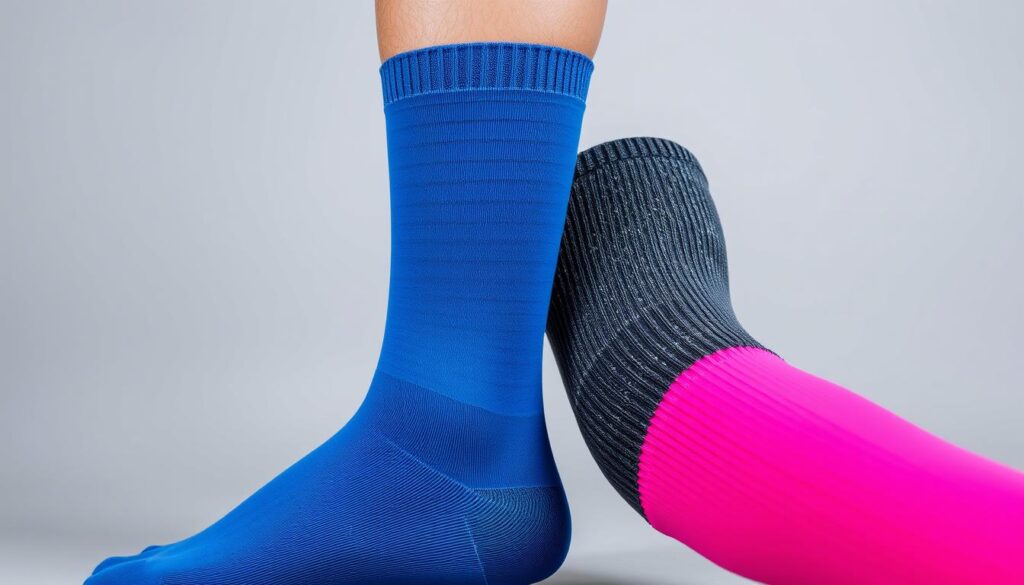
    A close-up comparison of compression socks and knee sleeves, set against a neutral gray background. The compression socks are shown in a vibrant, solid color, while the knee sleeves have a more textured, knitted appearance. The lighting is soft and even, highlighting the subtle differences in fabric and construction between the two products. The perspective is slightly angled, giving a sense of depth and dimensionality to the scene. The overall mood is clean, clinical, and focused, allowing the viewer to closely examine the key features that distinguish compression socks from knee sleeves.

    Primary Functions and Benefits

    The primary function of compression socks is to improve circulation and reduce swelling in the lower extremities. On the other hand, knee sleeves are designed to provide joint stability and support during movement. This fundamental difference in their intended use influences their design and the benefits they offer to users.

    Materials and Construction

    Compression socks are typically made from blends of nylon, cotton, or wool, which provide the necessary elasticity and comfort. In contrast, knee sleeves are often constructed from neoprene or similar elasticized materials that offer the required support and stability for the knee joint. The difference in materials affects the durability, comfort, and specific applications of each garment type.

    Benefits of Compression Socks

    By applying graduated pressure, compression socks significantly enhance blood circulation in the lower extremities, offering numerous health benefits. This is achieved through a compression mechanism that is strongest at the ankle and gradually decreases as it moves up the leg.

    Improved Blood Circulation

    Compression socks improve blood flow by applying graduated compression, which helps push blood back towards the heart. This is particularly beneficial for individuals who spend long periods standing or sitting.

    • Enhances venous circulation
    • Reduces blood pooling in the feet and ankles
    • Boosts overall circulatory health

    Reduced Swelling and Edema

    Improved circulation leads to reduced swelling and edema. This makes compression socks particularly beneficial for people with jobs that involve long periods of standing or sitting.

    Prevention of Deep Vein Thrombosis

    One of the critical benefits of knee-high compression socks is the prevention of deep vein thrombosis (DVT), especially during long-haul flights or periods of immobility. Graduated compression helps stimulate blood flow, reducing the risk of dangerous blood clots.

    Benefits of Knee Sleeves

    Knee sleeves offer numerous benefits for individuals engaging in various physical activities. They are designed to provide support and stability to the knee joint, making them an essential accessory for athletes and fitness enthusiasts.

    Joint Support and Stability

    Knee sleeves provide crucial joint support and stability by compressing the knee area. This compression helps maintain proper tracking of the patella (kneecap) during movement, which is particularly beneficial during activities that place stress on the knee joint, such as weightlifting or running.

    Injury Prevention During Exercise

    By keeping the joint warm, knee sleeves help prevent injuries like strains and sprains. Increased blood flow to the area keeps the surrounding tissues more pliable and less prone to tears or strains, making them ideal for high-impact exercise routines.

    Pain Relief and Recovery

    Knee sleeves also offer pain relief benefits by reducing inflammation and providing proprioceptive feedback that helps users maintain better form during exercise. Additionally, they aid in recovery after workouts by reducing swelling and providing continued support to the joint as it repairs itself.

    When to Choose Compression Socks

    Compression socks are designed to provide graduated compression, which can be beneficial for individuals with certain medical conditions or those who engage in strenuous activities. The graduated compression helps improve blood flow, reducing the risk of various circulatory problems.

    Medical Conditions

    For individuals with medical conditions such as varicose veins, edema, lymphedema, and deep vein thrombosis, compression socks can be particularly beneficial. They help alleviate symptoms by improving circulation and reducing swelling. Knee-high compression socks are often recommended for these conditions as they provide the necessary support and compression.

    Travel and Long Periods of Standing

    Travelers, especially those on long-haul flights or road trips, can benefit from wearing compression socks to prevent swelling and reduce the risk of blood clots. Similarly, professionals who stand for long periods, such as nurses and retail workers, can wear compression socks to reduce leg fatigue and prevent circulatory issues. The compression helps improve blood flow, making it easier to stay comfortable during extended periods of immobility or standing.

    Athletic Performance and Recovery

    Athletes, particularly runners and endurance athletes, can enhance their performance and accelerate recovery by wearing compression socks. The improved blood flow to working muscles can enhance performance, while the reduction in post-exercise swelling can aid in recovery. Additionally, compression socks can be beneficial during travel and for individuals with medical conditions that affect circulation.

    Benefit Description
    Improved Circulation Enhances blood flow to reduce swelling and fatigue
    Reduced Swelling Helps alleviate edema and other circulatory issues
    Enhanced Performance Improves blood flow to working muscles for better athletic performance

    When to Choose Knee Sleeves

    Whether you’re an athlete or just looking for knee support, understanding when to choose knee sleeves is crucial. Knee sleeves are designed to provide support and stability to the knee joint, making them an excellent option for various scenarios.

    Weightlifting and High-Impact Sports

    Knee sleeves are particularly beneficial for weightlifters and athletes involved in high-impact sports such as basketball, volleyball, and running. They help absorb shock and reduce stress on the knee joint during intense activities like jumping, landing, and quick directional changes. This not only enhances performance but also reduces the risk of injury.

    Knee Injury Prevention and Recovery

    For individuals recovering from minor knee injuries, knee sleeves can be a valuable asset. They provide warmth and compression, promoting healing while still allowing for movement. This can be particularly beneficial during the recovery process, helping to prevent further injury and support the knee as it heals.

    Daily Support for Joint Issues

    Individuals with chronic joint issues such as mild arthritis or patellofemoral pain syndrome can also benefit from using knee sleeves daily. They provide comfort and support for everyday activities, helping to alleviate pain and improve mobility.

    Here’s a summary of when to choose knee sleeves:

    Activity/Condition Benefit of Knee Sleeves
    Weightlifting and High-Impact Sports Shock absorption and reduced stress on the knee joint
    Knee Injury Prevention and Recovery Warmth, compression, and support during healing
    Daily Support for Joint Issues Comfort and support for everyday activities

    By understanding the benefits of knee sleeves, individuals can make informed decisions about their use, whether for athletic performance, injury recovery, or daily comfort.

    Choosing the Right Compression Level

    Compression garments are available in various compression levels, making it essential to understand how to choose the right one. The effectiveness of these garments is largely dependent on the compression level selected.

    Understanding mmHg Ratings

    The mmHg (millimeters of mercury) rating system measures the pressure exerted by compression garments. The levels range from mild compression (8-15 mmHg) to extra-firm compression (30-40+ mmHg).

    Matching Compression to Your Needs

    To choose the right compression level, consider your specific needs. For instance, individuals with medical conditions such as deep vein thrombosis or severe varicose veins may require higher levels of compression, typically above 30 mmHg, and should consult a healthcare professional. Knee-high compression socks with firm compression (20-30 mmHg) can be beneficial for those with moderate varicose veins or post-surgical recovery.

    Common Misconceptions About Compression Garments

    The world of compression garments is filled with myths and misconceptions that need to be addressed to help individuals make informed choices. We often encounter misconceptions that can deter people from benefiting from these garments.

    To clarify the benefits and proper use of compression garments, we’ll address some common myths.

    Compression Socks Myths Debunked

    One common myth is that compression socks are only for elderly people or those with medical conditions. However, they benefit people of all ages and activity levels by improving blood circulation. Another misconception is that tighter compression is always better; in reality, the right level of compression depends on individual needs.

    Knee Sleeve Misconceptions

    Many believe that knee sleeves and knee braces serve the same purpose. However, knee sleeves are designed for fitness professionals’ routine use, providing support and stability, whereas knee braces are post-injury supportive garments.

    Feature Compression Socks Knee Sleeves
    Purpose Improve blood circulation, reduce swelling Provide knee support, stability
    Target Users Athletes, individuals with circulation issues Fitness professionals, individuals with knee issues
    Benefits Enhanced recovery, reduced muscle soreness Knee stability, injury prevention

    By understanding the facts and dispelling common misconceptions about compression garments, individuals can make more informed decisions about their use. Whether you’re an athlete looking to improve performance or someone seeking relief from discomfort, knowing the truth about compression socks and knee sleeves can be incredibly beneficial.

    Making the Right Choice for Your Needs

    Your specific needs and health conditions will dictate whether compression socks or knee sleeves are the better choice. We provide a practical framework for deciding between these two based on your goals and health conditions. For circulation issues, swelling, or venous health, compression socks are likely the better option. If you need joint stability, knee support during exercise, or recovery from knee issues, knee sleeves are more suitable.

    In some cases, having both types of compression garments can be beneficial, such as for athletes needing circulation support during recovery and joint support during training. It’s also crucial to consult with healthcare professionals, especially if you have existing medical conditions or are recovering from injuries or surgery. When purchasing, consider material, fit, and durability to maximize the benefits of your investment in compression garments.

    FAQ

    What is the main difference between compression socks and knee sleeves?

    The primary difference lies in their design and coverage area. Compression socks provide graduated pressure to our legs, improving blood flow and reducing swelling, while knee sleeves offer support and stability to our knee joint.

    How do I choose the right compression level for my needs?

    We need to understand the mmHg ratings to match the compression to our specific requirements. Generally, mild compression (8-15 mmHg) is suitable for daily wear, while higher levels (20-30 mmHg or more) are recommended for medical conditions or intense athletic activities.

    Can compression garments help with injury recovery?

    Yes, they can. By improving blood circulation and reducing inflammation, compression garments can aid in the recovery process after exercise or surgery.

    Are knee sleeves only for athletes?

    No, they are not. While they are popular among athletes, particularly those involved in weightlifting and high-impact sports, knee sleeves can also provide daily support for individuals with joint issues.

    Can I wear open-toe compression socks?

    Yes, you can. Open-toe compression styles are available and can be a good option for those who prefer them or need to wear them with certain types of footwear.

    Do compression socks prevent deep vein thrombosis?

    According to the Cochrane Database Systematic Reviews, wearing compression socks can help reduce the risk of deep vein thrombosis during long periods of immobility, such as travel or post-surgery.

    How do I care for my compression garments?

    To maintain their effectiveness, we recommend washing compression garments in cold water and allowing them to air dry. Avoid using fabric softeners or bleach, as they can damage the material.

  • Knee Pain After Sitting Cross-Legged

    Knee Pain After Sitting Cross-Legged

    Have you ever wondered why your knees hurt after sitting in a cross-legged position, a common posture in meditation and yoga practices?

    This discomfort can be a significant issue for those who regularly adopt this position, affecting their ability to fully engage in their preferred activities. Understanding the reasons behind this discomfort is crucial for finding relief and maintaining a healthy lifestyle.

    The connection between sitting cross-legged and knee pain is complex, involving factors such as posture, anatomy, and potentially underlying health conditions. This article aims to explore these factors and provide guidance on alleviating the discomfort associated with this common sitting position.

    Key Takeaways

    • Common causes of knee pain after sitting cross-legged
    • The role of posture and anatomy in knee discomfort
    • Potential underlying health conditions contributing to pain
    • Strategies for alleviating knee pain
    • Tips for maintaining healthy knees while practicing yoga or meditation

    Understanding Knee Pain and Its Causes

    Understanding the causes of knee pain is crucial for effective management and relief. Knee pain is a widespread issue that affects individuals of all ages and activity levels, impacting their quality of life.

    What Is Knee Pain?

    Knee pain refers to any discomfort or pain in or around the knee joint. It can result from various factors, including injuries, health conditions, and repetitive strain. The knee joint, being one of the body’s major weight-bearing joints, is susceptible to pain and injury.

    Common Causes of Knee Pain

    The causes of knee pain are diverse and can include:

    • Injuries such as sprains, strains, and fractures
    • Medical conditions like arthritis, tendinitis, and bursitis
    • Overuse or repetitive strain on the knee joint

    Understanding these causes is essential for determining the appropriate knee pain relief measures.

    Cause Description Common Symptoms
    Injuries Sprains, strains, fractures Pain, swelling, bruising
    Arthritis Inflammation of the joint Pain, stiffness, limited mobility
    Overuse Repetitive strain Pain, swelling, fatigue

    How Sitting Cross-Legged Affects Your Knees

    Sitting cross-legged can exacerbate knee pain due to the pressure it puts on the knee joint. This posture can lead to strain on the ligaments and tendons surrounding the knee, potentially causing or worsening pain.

    By understanding how different factors, including sitting postures, contribute to knee pain, individuals can take steps towards knee pain relief and prevention.

    The Anatomy of the Knee Joint

    Understanding the knee joint’s anatomy is crucial for addressing knee pain issues. The knee joint is a complex structure that facilitates a wide range of movements, making it one of the most critical components of our musculoskeletal system.

    Key Components of the Knee Joint

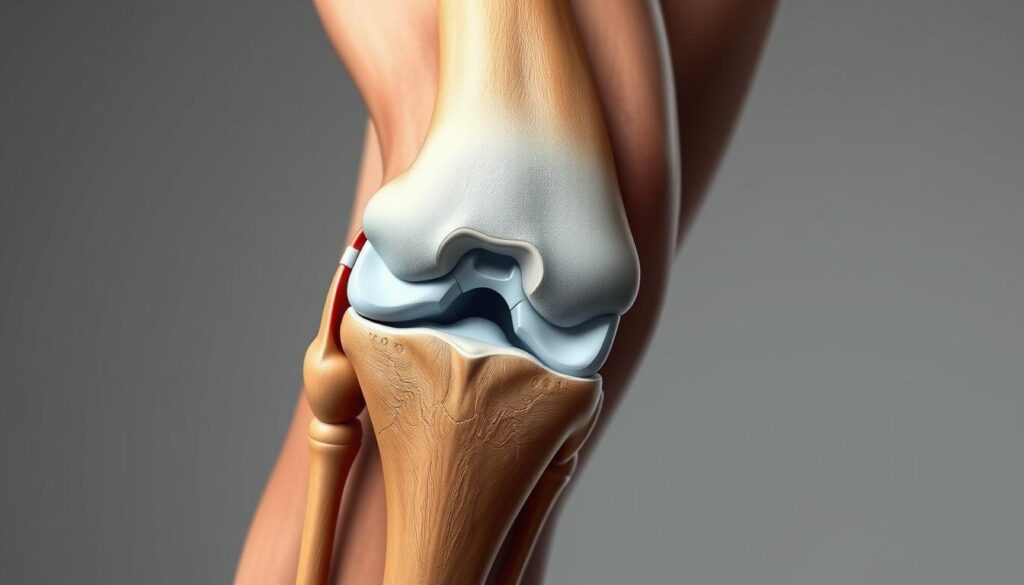
    The knee joint is primarily composed of bones, cartilage, ligaments, and tendons. The bones involved are the femur (thigh bone), tibia (shin bone), and patella (kneecap). Articular cartilage covers the ends of these bones, reducing friction during movement. Ligaments connect bones to each other, providing stability, while tendons connect muscles to bones, enabling movement.

    How Movement Impacts Knee Health

    Movement and posture significantly impact knee health. Activities or positions that put unusual stress on the knee joint can lead to pain and injury. For example, sitting cross-legged can sometimes contribute to knee pain due to the unnatural positioning of the knee. It’s essential to understand how different movements affect knee health to manage and prevent knee pain effectively.

    knee joint anatomy

    Effective knee pain management involves understanding the causes of knee pain and adopting appropriate knee pain treatment strategies. This includes maintaining a healthy weight, engaging in gentle exercises, and avoiding activities that exacerbate the condition.

    • Maintaining a healthy weight to reduce stress on the knee joint
    • Engaging in gentle exercises to strengthen the muscles around the knee
    • Avoiding activities that exacerbate knee pain

    Nerve and Muscle Involvement

    Understanding how muscles and nerves interact is key to managing knee pain effectively. The knee joint is supported by a complex system of muscles, tendons, and ligaments that work together to provide stability and facilitate movement.

    Role of Muscles in Supporting the Knee

    Muscles play a crucial role in supporting the knee joint. The quadriceps and hamstring muscles, for example, work together to straighten and bend the knee. Strong and balanced muscles are essential for knee health, as they help absorb shock, stabilize the joint, and facilitate smooth movement.

    When the muscles around the knee are weak or imbalanced, it can lead to poor knee alignment and increased stress on the joint, potentially resulting in pain. Therefore, strengthening exercises are often recommended as part of a knee pain management plan.

    Nerves and Sensations of Pain

    Nerves are responsible for transmitting signals, including pain, from the knee to the brain. The sensation of pain can be influenced by various factors, including inflammation, injury, or compression of nerves. Nerve compression or irritation can cause sharp, shooting pains or numbness in the knee and surrounding areas.

    “Pain is a complex phenomenon that involves not just the nerves but also how the brain interprets signals.”

    Understanding the role of nerves in knee pain is crucial for effective management. This includes being aware of conditions that may affect nerve health, such as neuropathy, and taking steps to prevent nerve compression or damage.

    By addressing both muscle and nerve health, individuals can take a comprehensive approach to knee pain relief and knee pain prevention. This may involve a combination of strengthening exercises, improving posture, and managing conditions that could impact nerve health.

    Risk Factors for Knee Pain

    The risk of knee pain is influenced by several key factors. Understanding these can help in both prevention and management.

    Age and Degeneration

    As people age, the wear and tear on their joints increase, making older adults more susceptible to knee pain. Degenerative conditions like osteoarthritis are common among the elderly, where the cartilage that cushions the joints deteriorates over time.

    “Age is a significant risk factor for knee pain, primarily due to the degenerative changes that occur in the joint over time,” says a leading orthopedic specialist.

    Previous Injuries and Conditions

    Individuals with a history of knee injuries, such as ligament sprains or meniscal tears, are at a higher risk of developing chronic knee pain. Previous conditions like rheumatoid arthritis can also contribute to ongoing knee issues.

    • Previous ligament or meniscal injuries
    • History of surgeries on the knee
    • Chronic conditions such as arthritis

    Impact of Obesity on Knee Health

    Obesity is another significant risk factor for knee pain. Excess weight puts additional strain on the knee joint, accelerating wear and tear. Maintaining a healthy weight is crucial for reducing the risk of knee pain and managing existing pain.

    knee pain risk factors

    By understanding these risk factors, individuals can take proactive steps towards preventing knee pain or managing its impact.

    Symptoms Associated with Knee Pain

    Identifying the symptoms associated with knee pain is the first step towards relief. Knee pain can manifest differently in various individuals, making it crucial to understand the range of possible symptoms.

    Location of Pain: Where Does It Hurt?

    The location of knee pain can provide significant clues about its cause. Pain can be felt in different areas around the knee, including the front, sides, or back. For instance, pain at the front of the knee might be associated with patellofemoral pain syndrome, often seen in runners or cyclists. On the other hand, pain on the sides or back of the knee could indicate issues such as ligament sprains or meniscal tears.

    Other Signs to Look Out For

    Apart from pain, there are other signs that may indicate knee problems. These include:

    • Swelling or redness around the knee
    • Stiffness, particularly after periods of rest
    • Instability or a feeling that the knee is going to give way
    • Clicking or grinding sensations when moving the knee
    • Weakness in the leg

    These symptoms can vary in severity and impact daily activities to different extents. Recognizing these signs early on can help in seeking appropriate knee pain relief measures.

    Symptom Possible Indication
    Pain at the front of the knee Patellofemoral pain syndrome
    Pain on the sides or back of the knee Ligament sprains or meniscal tears
    Swelling or redness Inflammation or infection
    Stiffness Osteoarthritis or tendonitis

    Understanding these knee pain symptoms is crucial for determining the appropriate course of action. Whether it’s modifying activities, seeking medical attention, or exploring knee pain relief options, being informed is key to managing knee pain effectively.

    When to Seek Medical Attention for Knee Pain

    It’s essential to recognize the signs that indicate the need for medical evaluation for knee pain. Knee pain can range from mild to severe and may be acute or chronic. Understanding when to seek medical attention for knee pain is crucial for effective treatment and preventing further injury.

    Signs You Shouldn’t Ignore

    Certain symptoms indicate the need for immediate medical evaluation. These include:

    • Sudden severe pain
    • Significant swelling
    • Instability or buckling of the knee
    • Inability to bear weight
    • Signs of infection (redness, warmth, fever)

    These signs suggest that the knee pain may be related to a serious condition that requires prompt medical attention.

    Recommended Medical Professionals to Consult

    For knee pain, it’s advisable to consult healthcare professionals who specialize in musculoskeletal issues. These may include:

    • Orthopedic specialists
    • Rheumatologists
    • Physical medicine and rehabilitation (PM&R) doctors

    knee pain treatment

    Medical Professional Specialty
    Orthopedic Specialist Surgical and non-surgical treatment of musculoskeletal disorders
    Rheumatologist Diagnosis and treatment of rheumatic diseases
    PM&R Doctor Helping patients with chronic pain or musculoskeletal injuries through non-surgical means

    Consulting the right medical professional can significantly impact the effectiveness of the knee pain treatment plan.

    Home Remedies for Alleviating Pain

    Alleviating knee pain doesn’t always require medical intervention; several home remedies can be effective. These remedies focus on reducing discomfort and improving knee function through simple, non-invasive techniques.

    Applying Ice or Heat

    One of the most common home remedies for knee pain involves applying ice or heat to the affected area. Ice helps reduce inflammation, which can be particularly beneficial after an injury or during flare-ups. On the other hand, heat therapy relaxes the muscles and increases blood flow, aiding in the healing process. It’s recommended to use ice for acute injuries and heat for chronic pain.

    Over-the-Counter Pain Relief Options

    Over-the-counter (OTC) pain relief medications are another effective home remedy for knee pain. Nonsteroidal anti-inflammatory drugs (NSAIDs) like ibuprofen can help reduce pain and inflammation. It’s essential to follow the recommended dosage and consult with a healthcare professional if you have any underlying conditions or concerns.

    Stretching and Gentle Exercises

    Gentle exercises and stretching can also alleviate knee pain by improving flexibility and strengthening the muscles around the knee. Low-impact activities such as cycling, swimming, or yoga can be beneficial. It’s crucial to start slowly and gradually increase the intensity to avoid exacerbating the condition.

    Incorporating these home remedies into your daily routine can significantly reduce knee pain and improve overall knee health. It’s always a good idea to consult with a healthcare professional before starting any new treatment or exercise regimen.

    Preventive Measures for Future Pain

    Preventing knee pain involves a combination of proper ergonomics, sitting posture, and strengthening exercises. By adopting these preventive measures, individuals can significantly reduce the risk of knee pain associated with sitting cross-legged.

    Ergonomics and Sitting Posture Tips

    Maintaining good ergonomics and sitting posture is crucial for preventing knee pain. This includes ensuring that your workspace is set up to promote good posture, such as keeping your feet flat on the floor or on a footrest, keeping your knees at or below hip level, and avoiding crossing your legs for extended periods.

    Tips for Good Sitting Posture:

    • Keep your back straight and supported.
    • Avoid sitting for long periods without taking a break.
    • Use a chair with proper lumbar support.

    Importance of Strengthening Exercises

    Strengthening the muscles around the knee, particularly the quadriceps and hamstrings, can help support the knee joint and reduce the risk of pain. Strengthening exercises can be done through various activities such as squats, lunges, and leg press exercises.

    “Exercise is a celebration of what your body can do, not a punishment for what you ate.” – Unknown

    It’s essential to start slowly and gradually increase the intensity of these exercises to avoid putting excessive strain on the knee.

    The Role of Physical Therapy

    The role of physical therapy in alleviating knee pain is multifaceted, involving tailored exercises and manual therapies. Physical therapy is recognized as a cornerstone in the management of knee pain, offering a non-invasive approach to improving knee function and reducing pain.

    What to Expect in Physical Therapy

    When undergoing physical therapy for knee pain, patients can expect a comprehensive evaluation of their condition. This includes an assessment of their medical history, current symptoms, and physical capabilities. Based on this evaluation, a personalized treatment plan is developed, which may include:

    • Targeted exercises to strengthen the muscles around the knee
    • Manual therapy techniques to improve joint mobility
    • Modalities such as heat or cold therapy to reduce pain and inflammation
    • Education on proper movement techniques to avoid exacerbating the condition

    Physical therapists work closely with patients to ensure that the treatment plan is both effective and tailored to their specific needs. The goal is not only to alleviate current pain but also to prevent future episodes by enhancing knee strength and flexibility.

    Benefits of Working with a Physical Therapist

    Working with a physical therapist offers several benefits for individuals suffering from knee pain. These benefits include:

    • Personalized care: Treatment plans are customized to address the individual’s specific condition and needs.
    • Improved function: Physical therapy can help restore normal knee function, enabling individuals to perform daily activities with greater ease.
    • Pain reduction: Through a combination of exercises, manual therapy, and other modalities, physical therapy can significantly reduce knee pain.
    • Prevention: By strengthening the knee and improving mobility, physical therapy can help prevent future knee problems.

    By addressing the root causes of knee pain and implementing a comprehensive treatment plan, physical therapy plays a vital role in helping individuals regain knee health and improve their quality of life.

    Lifestyle Changes to Reduce Knee Pain

    Simple adjustments to daily habits can make a substantial difference in reducing knee pain. By focusing on a few key areas, individuals can alleviate discomfort and improve their overall knee health.

    Weight Management Tips

    Managing weight is crucial for reducing knee pain, as excess weight puts additional strain on the knee joint. Aiming for a healthy weight through a balanced diet and regular exercise can significantly alleviate pressure on the knees.

    A combination of cardiovascular exercises, such as swimming or cycling, and strength training can help achieve and maintain weight loss. It’s also beneficial to consult with a healthcare professional or a nutritionist to develop a personalized weight management plan.

    Weight Management Strategy Description Benefits
    Balanced Diet Eating a diet rich in fruits, vegetables, and lean proteins Supports overall health and weight loss
    Regular Exercise Engaging in physical activities like walking, cycling, or swimming Burns calories and strengthens muscles around the knee
    Hydration Drinking plenty of water throughout the day Aids in digestion and overall bodily functions

    Safe Alternatives to Sitting Cross-Legged

    For those who are accustomed to sitting cross-legged, finding alternative sitting positions is essential to reduce knee strain. Using ergonomic furniture or adjusting sitting postures can help.

    Some safe alternatives include sitting on a chair with proper back support or using a meditation bench. It’s also helpful to take regular breaks to stand and stretch, reducing prolonged pressure on the knees.

    Conclusion: Managing Knee Pain Beyond Sitting

    Effective knee pain management involves a multi-faceted approach that includes consistent relief strategies and a commitment to staying active. Understanding the causes of knee pain is crucial for implementing preventive measures that reduce discomfort and improve overall knee health.

    Relief Strategies

    Knee pain relief can be achieved through a combination of home remedies and professional interventions. Gentle exercises, such as those taught in physical therapy sessions, can help strengthen the muscles around the knee, providing support and stability. Using ice or heat therapy and over-the-counter pain relief options can also alleviate symptoms.

    Active Knee Care

    Engaging in low-impact activities like cycling or swimming can help maintain healthy knees while staying active. Practicing good ergonomics when sitting and maintaining a healthy weight can reduce strain on the knees. By adopting these strategies, individuals can enjoy improved knee health and reduced pain, enabling them to stay active and mobile.

    FAQ

    What are the common causes of knee pain after sitting cross-legged?

    Knee pain after sitting cross-legged can be caused by strain on the knee joint, ligaments, and surrounding muscles. Prolonged sitting in this posture can lead to inflammation and irritation, particularly in individuals with pre-existing knee conditions or poor sitting ergonomics.

    How can I alleviate knee pain caused by sitting cross-legged?

    To alleviate knee pain, try applying ice or heat to the affected area, taking regular breaks to stretch and move around, and practicing good sitting posture. Over-the-counter pain relief options, such as ibuprofen or acetaminophen, can also help manage pain and inflammation.

    Are there any exercises that can help prevent knee pain when sitting cross-legged?

    Yes, strengthening exercises that target the muscles around the knee, such as the quadriceps and hamstrings, can help support the knee joint and reduce the risk of pain. Gentle stretching exercises can also improve flexibility and reduce stiffness.

    Can physical therapy help with knee pain management?

    Physical therapy can be highly effective in managing knee pain by improving joint mobility, strengthening surrounding muscles, and promoting proper movement techniques. A physical therapist can create a personalized exercise program to address specific needs and goals.

    How can I modify my lifestyle to reduce knee pain?

    Maintaining a healthy weight, engaging in regular exercise, and avoiding activities that exacerbate knee pain can help alleviate symptoms. Additionally, using ergonomic furniture and taking regular breaks to stretch and move can reduce the strain on your knees.

    When should I seek medical attention for knee pain?

    If you experience severe pain, swelling, or instability in the knee, or if you have difficulty walking or bearing weight, seek medical attention. It’s also essential to consult a healthcare professional if you have a history of knee injuries or conditions, or if your pain persists or worsens over time.

    What are some safe alternatives to sitting cross-legged?

    Consider using a chair or stool with proper lumbar support, or try sitting on a exercise ball to promote good posture and engage your core muscles. You can also try alternative seated positions, such as sitting with your legs straight out or using a kneeling chair.

    Can knee pain be a sign of an underlying condition?

    Yes, knee pain can be a symptom of an underlying condition, such as osteoarthritis, tendinitis, or ligament sprains. If you’re experiencing persistent or severe knee pain, it’s essential to consult with a healthcare professional to determine the underlying cause and develop an effective treatment plan.