
Chronic joint pain affects millions of people worldwide. Many individuals with osteoarthritis struggle to find effective relief. Traditional treatments often fall short of expectations. Low-dose radiotherapy offers a promising alternative that many patients have never considered.
This innovative approach uses targeted radiation to reduce inflammation. The treatment has been practiced in Europe for decades. Recent research demonstrates compelling results for pain reduction. Understanding this option empowers patients to make informed healthcare decisions.
Medical science continues to evolve our understanding of pain management. Low-dose radiation therapy represents a bridge between conservative care and invasive procedures. Patients deserve access to comprehensive information about all available treatment pathways. This guide provides evidence-based insights into how low-dose radiotherapy works for osteoarthritis.
Understanding Low-Dose Radiotherapy for Osteoarthritis
Low-dose radiotherapy uses controlled radiation exposure to treat painful osteoarthritis. This therapeutic approach differs significantly from cancer radiotherapy. The radiation doses remain substantially lower than oncological applications. Medical professionals have employed this technique for benign painful conditions since the early 20th century.
The treatment specifically targets inflamed joint tissues. Radiation oncologists deliver precise doses to affected areas. Each session typically lasts only a few minutes. Patients experience no sensation during the actual radiation delivery.
Low-dose radiation therapy for osteoarthritis operates on biological principles. The radiation affects inflammatory cells within joint structures. Macrophages and other immune cells respond to controlled radiation exposure. This response ultimately reduces the inflammatory cascade causing pain.
The Historical Foundation of Low-Dose Radiation Treatment
German physicians pioneered low-dose radiotherapy for degenerative joint disease in the 1930s. The German Society for Radiation Oncology established treatment protocols decades ago. European medical centers accumulated extensive clinical experience over generations. This long history provides substantial safety and efficacy data.
Research from the Erlangen dose optimization trial advanced modern protocols. Studies documented pain relief in patients with knee osteoarthritis. Clinical trials expanded to include ankle, hand, and shoulder conditions. The evidence base continued growing throughout the 21st century.
Modern low-dose radiotherapy builds on this historical foundation. Contemporary imaging technology improves targeting precision. Advanced treatment planning ensures optimal dose distribution. Today’s protocols reflect decades of refinement and clinical observation.
How Low-Dose Radiation Differs from Cancer Treatment
Cancer radiotherapy aims to destroy malignant cells through high radiation doses. Treatment courses typically deliver 40-70 Gray total dose. The goal involves permanent damage to tumor DNA. Side effects often reflect this aggressive cellular destruction.
Low-dose radiation therapy uses substantially smaller amounts of radiation. Total doses rarely exceed 12 Gray for osteoarthritis treatment. The biological target involves immune modulation rather than cell destruction. This fundamental difference explains the distinct safety profile.
Cancer Radiotherapy Characteristics
- High doses (40-70 Gray total)
- Cell destruction objective
- Daily treatments for weeks
- Significant acute side effects
- Long-term tissue changes common
Low-Dose Therapy Characteristics
- Low doses (6-12 Gray total)
- Anti-inflammatory objective
- 6-12 treatment sessions
- Minimal immediate effects
- Negligible long-term complications
Patients often express concern about radiation exposure. Understanding the dose difference provides important context. A complete low-dose radiotherapy course delivers less radiation than some diagnostic CT scans. The risk-benefit ratio differs dramatically from cancer treatment.
Biological Mechanisms of Pain Relief
Low-dose radiotherapy painful osteoarthritis treatment works through multiple pathways. Radiation modulates inflammatory mediator production in affected joints. Cytokine levels decrease following controlled radiation exposure. This biological response reduces pain signals transmitted to the nervous system.
The effect of low-dose radiotherapy on immune cells proves particularly important. Macrophages shift from pro-inflammatory to anti-inflammatory states. T-cell populations respond to radiation with reduced activation. These cellular changes contribute to sustained pain reduction.
Radiat oncol biol research identifies additional mechanisms. Radiation influences blood vessel formation in inflamed tissues. Nerve fiber sensitivity may decrease following treatment. The combination of effects produces the clinical benefit patients experience.
Key Mechanism: Low-dose radiation doesn’t repair damaged cartilage. Instead, it reduces the inflammatory response causing pain. This distinction helps set realistic treatment expectations.
Scientific Evidence and Clinical Research
Extensive research supports low-dose radiotherapy for benign painful conditions. Systematic review of published studies demonstrates consistent findings. Multiple randomized controlled trials evaluate treatment effectiveness. The evidence base continues expanding with contemporary research.
The single-blinded trial effect low-dose radiotherapy studies provide valuable insights. Researchers compare radiation treatment to sham procedures. Patients receiving actual treatment show superior pain reduction. These controlled studies strengthen confidence in treatment efficacy.
Major Clinical Trials and Their Findings
German investigators conducted the landmark Erlangen dose optimization trial. This research evaluated different radiation doses for painful shoulder syndrome. Results demonstrated optimal effectiveness at specific dose ranges. The findings guided international protocol development.
Studies on therapy symptoms patients knee osteoarthritis show encouraging results. Pain relief occurs in 60-80% of treated patients. The visual analog scale scores improve significantly following treatment. Benefits often persist for months or years after completion.
Research on radiotherapy osteoarthritis ankle tarsal joints confirms effectiveness. Patients with ankle arthritis experience comparable pain reduction. Hand osteoarthritis studies demonstrate similar positive outcomes. The treatment proves versatile across multiple joint locations.
| Study | Patient Count | Joint Location | Success Rate | Follow-up Duration |
| Erlangen Protocol Trial | 424 | Shoulder | 72% | 12 months |
| German Multicenter Study | 896 | Knee | 68% | 24 months |
| Hand Arthritis Trial | 312 | Fingers/Wrist | 65% | 18 months |
| Ankle Joint Study | 186 | Ankle | 71% | 12 months |
| Hip Osteoarthritis Research | 234 | Hip | 58% | 36 months |
Pain Reduction Outcomes
Pain relief typically begins 6-12 weeks after treatment completion. The delay reflects the biological mechanisms involved. Inflammatory processes require time to resolve. Patients should maintain realistic expectations about the treatment timeline.
The visual analog scale provides objective pain measurement. Baseline scores average 6-8 out of 10 before treatment. Post-treatment scores often decrease to 2-4 in successful cases. This represents clinically significant improvement in daily functioning.
Dose radiation therapy studies identify factors affecting outcomes. Younger patients generally respond better than elderly individuals. Early-stage osteoarthritis shows superior response compared to advanced disease. Joint location influences success rates across different anatomical sites.
Long-Term Effectiveness Data
Follow-up studies track patients for years after treatment. Pain reduction often persists for 2-3 years in responsive individuals. Some patients maintain benefits for five years or longer. Repeat treatment courses remain possible if symptoms recur.
Research from the German Society Radiation Oncology documents durability. Registry data includes thousands of treated patients. Long-term adverse effects remain exceptionally rare. The safety profile supports low-dose radiation therapy as a viable option.
Research Insight: Studies show that approximately 30-40% of patients experience complete pain resolution. Another 30-40% achieve significant improvement. The remaining patients show minimal or no response to treatment.
Inflammatory musculoskeletal conditions beyond osteoarthritis also respond to treatment. Plantar fasciitis research demonstrates similar effectiveness. Epicondylitis studies support the anti-inflammatory mechanism. This broader application strengthens the scientific rationale.
Comparative Effectiveness Research
Direct comparison trials evaluate low-dose radiotherapy against conventional treatments. Studies comparing radiation therapy to corticosteroid injections show comparable efficacy. Duration of benefit often exceeds that of steroid treatments. Side effects prove less frequent with radiation approaches.
Physical therapy combined with medications serves as another comparison. Radiation therapy hand osteoarthritis produces superior pain relief in head-to-head trials. The effect persists longer than exercise-based interventions alone. Combination approaches may offer synergistic benefits.
Cost-effectiveness analyses favor radiation therapy for specific patient populations. Treatment costs remain lower than repeated injections or surgical procedures. Quality of life improvements justify the intervention economically. Healthcare systems increasingly recognize these advantages.
Treatment Protocols and Procedures
Standardized protocols guide radiation therapy osteoarthritis treatment delivery. Medical physicists calculate precise radiation doses per fraction. Treatment planning ensures accurate targeting of affected joints. Quality assurance procedures protect patient safety throughout the process.

Standard Dosing Schedules
Most protocols deliver 0.5 to 1.0 Gray per fraction. Treatment sessions occur 2-3 times weekly. Total dose typically ranges from 6 to 12 Gray. The entire course spans 3-6 weeks depending on the schedule.
Radiat oncol biol research informs optimal dosing strategies. Lower doses per fraction reduce acute tissue reactions. Fractionation allows cellular repair between treatments. This approach maximizes benefit while minimizing risk.
Standard Protocol
- Dose per fraction: 0.5-1.0 Gray
- Frequency: 2-3 sessions weekly
- Total sessions: 6-12 treatments
- Total dose: 6-12 Gray
- Duration: 3-6 weeks
Intensive Protocol
- Dose per fraction: 1.0 Gray
- Frequency: 3 sessions weekly
- Total sessions: 6 treatments
- Total dose: 6 Gray
- Duration: 2-3 weeks
Dose optimization trial results guide personalized approaches. Some facilities offer accelerated schedules for patient convenience. Extended protocols spread treatment over longer periods. Radiation oncologists select protocols based on individual patient factors.
What to Expect During Treatment
Initial consultation involves comprehensive medical evaluation. Physicians review medical history and previous treatments. Imaging studies help identify specific treatment areas. Patients receive detailed explanations of the procedure and expectations.
Treatment positioning ensures precise radiation delivery. Immobilization devices maintain consistent joint alignment. Treatment tables move to position the target area correctly. Setup typically requires 5-10 minutes before actual radiation delivery.
The radiation exposure itself lasts only 1-2 minutes per session. Patients experience no sensation during beam delivery. No pain or discomfort occurs during the actual treatment. Most individuals return immediately to normal activities afterward.
Treatment Planning and Imaging
CT or X-ray imaging guides treatment field design. Medical physicists calculate beam angles and intensities. Computer planning systems optimize dose distribution. Quality assurance checks verify calculation accuracy.
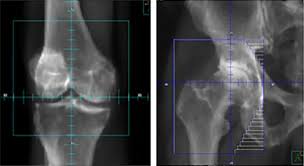
Target volumes include the affected joint plus a small margin. Radiation fields typically measure 6-12 centimeters across. Field sizes adapt to specific joint anatomy. Smaller fields treat finger joints while larger areas cover hip or knee.
Treatment Precision: Modern linear accelerators deliver radiation with millimeter accuracy. Computer-controlled systems ensure consistent dose delivery. This precision minimizes exposure to surrounding healthy tissues.
Treatment Locations and Joint-Specific Approaches
Effect low-dose radiotherapy treatment of patients knee osteoarthritis follows established protocols. Both medial and lateral compartments receive treatment when appropriate. Patellofemoral arthritis may require separate field arrangements. Bilateral knee treatment can occur during the same session.
Hip knee and other large joint treatments use similar techniques. Hip positioning may require special devices for comfort. Shoulder treatments accommodate joint mobility limitations. Each anatomical location requires protocol adaptations.
Radiation therapy hand osteoarthritis presents unique challenges. Small finger joints require precise field placement. Wrist arthritis often involves multiple small bones. Lead shielding protects uninvolved fingers during treatment.
| Joint Location | Field Size | Typical Total Dose | Treatment Position | Special Considerations |
| Knee | 10 x 12 cm | 6-12 Gray | Supine, leg extended | May treat both compartments |
| Hip | 10 x 10 cm | 6-12 Gray | Supine, neutral position | Gonadal shielding required |
| Shoulder | 8 x 10 cm | 6-10 Gray | Sitting or supine | Account for mobility limits |
| Hand/Fingers | 6 x 8 cm | 6 Gray | Hand on treatment table | Shield uninvolved digits |
| Ankle | 8 x 10 cm | 6-10 Gray | Supine, foot positioned | Include tarsal joints if affected |
Repeat Treatment Courses
Some patients require additional treatment after initial benefit wanes. Repeat courses follow similar protocols to initial treatment. Safety data supports multiple treatment series over time. Cumulative dose limits guide decision-making about retreatment.
Interval between treatment courses typically exceeds one year. Symptom recurrence patterns help determine retreatment timing. Response to initial therapy predicts repeat treatment success. Patients who responded well initially often benefit from subsequent courses.
Benefits and Clinical Advantages
Pain relief represents the primary benefit patients seek. Low-dose radiation therapy provides sustained symptom improvement. Many individuals reduce or eliminate pain medications. Functional improvements enable return to previously difficult activities.

Pain Reduction and Functional Improvement
Pain reduction typically reaches 30-70% of baseline levels. The visual analog scale demonstrates objective improvement. Sleep quality improves as nighttime pain decreases. Daily activities become easier with reduced discomfort.
Joint function scores improve alongside pain measures. Range of motion may increase in some patients. Stiffness often decreases following successful treatment. Quality of life assessments show significant positive changes.
Treatment Benefits
- Non-invasive outpatient procedure
- No anesthesia or sedation required
- Minimal time commitment per session
- Long-lasting pain relief potential
- Low risk of side effects
- Can treat multiple joints
- Alternative to surgery for some patients
- Reduced medication dependence
Treatment Limitations
- Not effective for all patients
- Delayed onset of benefit (weeks to months)
- Limited availability in some regions
- May not be covered by insurance
- Requires multiple treatment visits
- Cannot reverse existing joint damage
- Long-term data still accumulating
Advantages Over Conventional Treatments
Low dose radiation therapy offers alternatives to repeated corticosteroid injections. Steroid treatments provide temporary relief with diminishing returns. Joint injections carry infection and cartilage damage risks. Radiation therapy avoids these repeated intervention complications.
Medication reduction represents an important advantage. NSAIDs cause gastrointestinal and cardiovascular side effects with chronic use. Opioid pain medications present addiction and tolerance concerns. Successful radiation therapy may eliminate or reduce these medication needs.
Compared to surgical interventions, radiation remains far less invasive. Joint replacement surgery requires hospitalization and extensive rehabilitation. Arthroscopic procedures still involve surgical risks and recovery time. Low-dose radiotherapy provides a middle-ground option before considering surgery.
Quality of Life Improvements
Patients report improved ability to perform household tasks. Gardening, cleaning, and cooking become less painful. Recreational activities previously abandoned become possible again. Social engagement increases as mobility limitations decrease.
Psychological benefits accompany physical improvements. Chronic pain contributes to depression and anxiety. Pain relief through radiation therapy improves mental health outcomes. Hope and optimism increase when patients find effective treatment.
Sleep quality improvements prove particularly valuable. Nocturnal pain disrupts restorative sleep cycles. Better sleep enhances overall health and daytime functioning. Energy levels often increase following successful treatment.
Treatment Accessibility and Convenience
Outpatient treatment requires no hospital admission. Sessions occur in radiation oncology departments. Most facilities offer flexible scheduling options. Treatment fits into normal daily routines with minimal disruption.
No recovery time follows individual treatment sessions. Patients drive themselves to and from appointments. Work schedules accommodate brief treatment visits. This convenience compares favorably to surgical alternatives.
Discover If Low-Dose Radiotherapy Is Right for You
Our specialists can evaluate your osteoarthritis and determine whether low-dose radiotherapy offers a viable treatment option. Schedule a consultation to discuss your specific condition, review your treatment history, and explore personalized care pathways.
Potential Risks and Side Effects
Understanding treatment risks helps patients make informed decisions. Low-dose radiation therapy demonstrates an excellent safety profile. Side effects remain minimal compared to many alternative treatments. Serious adverse effects occur very rarely in clinical practice.

Immediate and Short-Term Side Effects
Most patients experience no immediate side effects during treatment. Skin reactions remain uncommon at doses used for osteoarthritis. Mild redness may appear in sensitive individuals. These reactions resolve quickly without intervention.
Temporary pain increase affects less than 5% of patients. This phenomenon typically occurs during the first week. Symptoms resolve spontaneously as treatment continues. Standard pain medications manage this temporary discomfort when needed.
Fatigue occasionally develops during treatment courses. The effect remains mild and transient. Normal energy levels return shortly after completion. This side effect proves far less significant than chemotherapy-related fatigue.
Long-Term Safety Considerations
Cancer risk from low-dose radiation remains extremely low. Doses used for osteoarthritis fall far below carcinogenic thresholds. Decades of clinical experience document minimal cancer incidence. The theoretical risk remains lower than many common medical imaging procedures.
Radiation therapy benign diseases long-term safety data spans over 50 years. German and European registries track thousands of treated patients. Cancer rates in treated individuals match general population statistics. This extensive experience provides reassuring safety evidence.
Important Safety Note: Pregnancy represents an absolute contraindication to radiation therapy. Women of childbearing age must confirm non-pregnancy status before treatment. Male patients should discuss fertility preservation if treating joints near reproductive organs.
Comparative Risk Assessment
Adverse effects of conventional osteoarthritis treatments deserve consideration. Long-term NSAID use causes thousands of serious gastrointestinal bleeds annually. Cardiovascular complications from anti-inflammatory medications prove significant. Radiation therapy avoids these medication-related risks.
Surgical complications include infection, blood clots, and anesthesia reactions. Joint replacement surgery carries 1-2% serious complication rates. Recovery complications may require additional interventions. Low-dose radiotherapy eliminates these surgical risks entirely.
Corticosteroid injections damage cartilage with repeated administration. Infection risk accompanies every invasive injection procedure. Systemic effects from absorbed steroids affect some patients. Radiation therapy presents fewer cumulative risks than repeated injections.
| Treatment Type | Common Side Effects | Serious Risks | Frequency of Complications |
| Low-Dose Radiotherapy | Temporary skin redness, mild fatigue | Theoretical cancer risk (extremely low) | Less than 1% |
| NSAIDs (Long-term) | Stomach upset, headache | GI bleeding, heart attack, stroke | 2-5% serious events |
| Corticosteroid Injections | Injection pain, temporary flare | Infection, cartilage damage, tendon rupture | 1-3% |
| Joint Replacement Surgery | Pain, swelling, limited mobility | Infection, blood clots, implant failure | 3-5% serious complications |
Special Population Considerations
Elderly patients tolerate low-dose radiotherapy exceptionally well. Age-related medical conditions rarely contraindicate treatment. The non-invasive nature suits patients with multiple comorbidities. Radiation therapy often proves safer than alternatives in frail individuals.
Patients with bleeding disorders avoid injection complications with radiation therapy. Those with anticoagulation therapy face risks from invasive procedures. Low-dose radiation provides safe alternatives for these populations. No interruption of blood thinners becomes necessary.
Immunocompromised individuals face infection risks from invasive treatments. Radiation therapy eliminates contamination concerns. No breach of skin integrity occurs during treatment. This advantage proves valuable for vulnerable patient groups.
Comparison with Other Osteoarthritis Treatments
Patients benefit from understanding all available treatment options. Osteoarthritis management involves multiple therapeutic approaches. Each intervention offers distinct advantages and limitations. Informed decision-making requires comprehensive option comparison.
Conservative Management Approaches
Physical therapy remains the foundation of osteoarthritis treatment. Exercise strengthens supporting muscles around affected joints. Range of motion activities maintain flexibility. These interventions provide modest pain relief for many patients.
Occupational therapy teaches joint protection strategies. Adaptive equipment reduces stress on painful joints. Energy conservation techniques help manage daily activities. These behavioral approaches complement other treatments effectively.
Weight management significantly impacts weight-bearing joint arthritis. Each pound of weight loss reduces knee stress by 3-4 pounds. Dietary interventions support overall health improvement. Weight reduction alone may provide substantial symptom relief.
Pharmaceutical Interventions
Acetaminophen offers mild pain relief with minimal side effects. Maximum daily doses limit its effectiveness for severe pain. Liver toxicity concerns arise with long-term high-dose use. This option suits patients with mild symptoms best.
NSAIDs provide stronger anti-inflammatory effects than acetaminophen. Ibuprofen, naproxen, and celecoxib represent common choices. Gastrointestinal and cardiovascular risks limit long-term use. These medications offer temporary relief requiring ongoing administration.
Topical treatments apply medications directly to affected joints. Diclofenac gel and capsaicin cream avoid systemic side effects. Effectiveness remains limited compared to oral medications. Hand osteoarthritis particularly benefits from topical approaches.
Medication Therapy
- Daily administration required
- Immediate pain relief possible
- Systemic side effects common
- Does not modify disease
- Effectiveness decreases over time
- Drug interactions possible
Low-Dose Radiotherapy
- Limited treatment course (weeks)
- Delayed onset of benefit
- Minimal systemic effects
- Modifies inflammatory process
- Long-lasting results possible
- No drug interactions
Physical Therapy
- Ongoing participation needed
- Gradual improvement timeline
- Virtually no side effects
- Improves function directly
- Requires patient compliance
- Complements other treatments
Interventional Procedures
Corticosteroid injections deliver powerful anti-inflammatory medication directly to joints. Relief occurs rapidly, often within days. Duration of benefit typically ranges from weeks to months. Repeated injections may damage cartilage over time.
Hyaluronic acid injections supplement joint lubrication. Treatment requires multiple injections over several weeks. Evidence for effectiveness remains controversial. Insurance coverage varies widely for these interventions.
Platelet-rich plasma represents a newer regenerative approach. Patient blood undergoes processing to concentrate growth factors. Limited high-quality evidence supports widespread use. Costs remain high with uncertain insurance coverage.
Surgical Options
Arthroscopic surgery removes damaged cartilage and smooths joint surfaces. Benefit for osteoarthritis specifically remains questionable. Recovery requires several weeks of limited activity. Recent guidelines recommend against arthroscopy for most osteoarthritis.
Joint replacement surgery provides definitive treatment for severe arthritis. Hip knee and shoulder replacements show excellent long-term success. Hospitalization and extensive rehabilitation prove necessary. Complications include infection, blood clots, and implant failure.
Osteotomy surgery realigns bones to shift weight-bearing forces. This option suits younger patients with isolated compartment arthritis. Complex surgery requires significant recovery time. Results may delay need for joint replacement.
| Treatment | Invasiveness | Onset of Relief | Duration of Benefit | Repeat Treatments | Typical Cost Range |
| Medications | None | Hours to days | While taking | Daily | $20-200/month |
| Physical Therapy | None | Weeks | Variable | Ongoing | $1,000-3,000 |
| Steroid Injections | Minimal | Days | Weeks to months | Every 3-6 months | $200-500/injection |
| Low-Dose Radiotherapy | None | Weeks to months | Months to years | As needed | $2,000-5,000 |
| Joint Replacement | High | Months | 10-20+ years | Rarely | $30,000-50,000 |
Complementary and Alternative Therapies
Acupuncture provides pain relief for some osteoarthritis patients. Evidence quality varies across different studies. Treatment requires ongoing sessions for sustained benefit. Safety profile proves excellent with trained practitioners.
Glucosamine and chondroitin supplements remain popular despite mixed evidence. Large trials show minimal benefit over placebo. These supplements prove safe but expensive. Patients often try them before considering other options.
Massage therapy offers temporary symptom relief. Muscle tension around arthritic joints decreases with treatment. Relaxation benefits may enhance overall well-being. Combination with other therapies makes sense for many patients.
Compare Treatment Options with Expert Guidance
Choosing the right osteoarthritis treatment requires personalized evaluation. Our specialists help you navigate options based on your specific condition, previous treatments, and personal preferences.
Patient Eligibility and Selection Criteria
Appropriate patient selection optimizes treatment outcomes. Not every osteoarthritis patient benefits from low-dose radiotherapy. Specific criteria help identify ideal candidates. Comprehensive evaluation guides treatment recommendations.

Ideal Candidate Characteristics
Patients with moderate pain unresponsive to conservative treatment prove ideal candidates. Previous trials of physical therapy and medications should occur first. Failure of non-invasive approaches justifies radiotherapy consideration. Pain severity warranting intervention but not requiring immediate surgery indicates appropriate timing.
Age considerations influence treatment decisions. Patients between 40 and 75 years typically respond best. Younger individuals with early arthritis may not need radiotherapy yet. Very elderly patients often respond well when other options prove unsuitable.
Joint disease severity affects success rates. Early to moderate osteoarthritis responds better than advanced disease. Bone-on-bone arthritis shows limited response to radiation therapy. Imaging studies help assess disease stage appropriately.
Favorable Prognostic Factors
- Moderate pain severity (5-7/10)
- Disease duration less than 5 years
- Inflammatory component present
- Retained joint space on imaging
- Single or few joints involved
- Failed conservative treatments
- Good overall health status
- Realistic treatment expectations
Unfavorable Prognostic Factors
- Severe joint destruction
- Minimal remaining cartilage
- Mechanical instability
- Widespread polyarticular disease
- Very advanced age (over 85)
- Significant medical comorbidities
- Unrealistic expectations
- Previous radiation to same area
Medical Contraindications
Pregnancy represents an absolute contraindication to radiation therapy. Women of childbearing potential require pregnancy testing. Treatment must wait until after delivery and breastfeeding completion. Male fertility concerns warrant discussion but rarely contraindicate treatment.
Active infection in or near the target joint precludes treatment. Infection must resolve completely before radiotherapy consideration. Chronic osteomyelitis requires special evaluation. Systemic infections also warrant treatment delay.
Previous high-dose radiation to the same area limits retreatment options. Cumulative radiation dose thresholds exist for tissue tolerance. Prior cancer treatment radiation may exceed safe limits. Medical physicists calculate cumulative exposures carefully.
Joint-Specific Considerations
Therapy symptoms patients knee osteoarthritis show particularly favorable outcomes. Both medial and lateral compartment disease responds well. Patellofemoral arthritis proves amenable to treatment. Knee represents one of the most commonly treated joints.
Hip arthritis treatment requires careful patient selection. Deep joint location necessitates consideration of nearby organs. Gonadal shielding protects reproductive organs during treatment. Hip outcomes prove slightly less favorable than peripheral joints.
Radiation therapy hand osteoarthritis suits patients with finger or wrist involvement. Small joint size allows precise targeting. Degenerative joint disease fingers responds favorably. Multiple hand joints can receive treatment simultaneously.
Radiotherapy osteoarthritis ankle tarsal involvement shows good results. Ankle joints prove readily accessible for treatment. Post-traumatic arthritis responds similarly to primary osteoarthritis. Concurrent soft tissue inflammation may enhance treatment success.
Evaluation Process
Initial consultation includes comprehensive history and physical examination. Physicians review all previous treatments and their effectiveness. Current medication lists guide treatment planning. Pain patterns and functional limitations receive detailed assessment.
Imaging studies prove essential for appropriate evaluation. Recent X-rays document disease severity and joint space. MRI scans may reveal inflammatory components. CT imaging assists treatment planning in complex cases.
Laboratory testing generally proves unnecessary for osteoarthritis treatment. Inflammatory markers help distinguish inflammatory from degenerative arthritis. Pregnancy testing occurs for women of childbearing age. Additional studies address specific medical concerns.
Evaluation Timeline: Complete evaluation typically requires 1-2 visits before treatment initiation. Initial consultation, imaging review, and treatment planning occur sequentially. Most patients begin treatment within 2-3 weeks of initial evaluation.
Setting Realistic Expectations
Treatment cannot reverse existing joint damage. Cartilage regeneration does not occur with radiation therapy. The goal involves pain reduction rather than joint repair. Understanding this distinction proves essential for satisfaction.
Response rates approximate 60-80% across various studies. This means 20-40% of patients experience minimal or no benefit. Predicting individual response remains challenging. Trial of treatment represents the only definitive test.
Delayed benefit requires patience from patients. Initial weeks show no improvement in most cases. Pain reduction typically begins 6-12 weeks post-treatment. Maximum benefit may take 3-6 months to manifest.
Determine Your Eligibility for Low-Dose Radiotherapy
Our experienced radiation oncologists conduct thorough evaluations to determine if low-dose radiotherapy suits your specific condition. We review your medical history, imaging studies, and treatment goals to provide personalized recommendations.
Current Availability and Access to Treatment
Treatment availability varies significantly by geographic location. Understanding where and how to access low-dose radiotherapy helps patients pursue this option. Insurance coverage patterns influence treatment accessibility. Regional differences reflect historical practice patterns and regulatory environments.

Geographic Availability
European countries offer widespread access to low-dose radiotherapy for benign diseases. Germany leads in treatment availability with numerous centers. Switzerland, Austria, and the Netherlands provide routine access. Eastern European facilities increasingly offer this treatment option.
United States availability remains more limited despite growing interest. Select academic medical centers offer protocols for osteoarthritis. Some private radiation oncology practices provide treatment. Geographic distribution proves uneven across different states.
Canada shows emerging availability in major urban centers. Provincial health systems vary in coverage and access. Research programs at university hospitals drive availability. Patient advocacy continues expanding treatment options.
Countries with Established Access
- Germany (most widespread)
- Austria
- Switzerland
- Netherlands
- Poland
- Czech Republic
- Hungary
Countries with Emerging Access
- United States (limited centers)
- Canada (select provinces)
- United Kingdom (research programs)
- Australia (trial basis)
- Japan (investigational)
- South Korea (developing)
Insurance Coverage and Costs
European health insurance typically covers low-dose radiotherapy for osteoarthritis. German statutory insurance routinely approves treatment. Swiss and Austrian systems recognize this as standard care. Coverage reflects decades of established clinical practice.
United States insurance coverage remains inconsistent and challenging. Medicare rarely covers radiation therapy benign painful conditions currently. Private insurance decisions vary by carrier and policy. Prior authorization requirements often prove burdensome.
Out-of-pocket costs vary widely by facility and location. Treatment courses typically range from $2,000 to $5,000. This amount proves comparable to multiple injection series. Cost-effectiveness improves with durable treatment response.
| Region | Insurance Coverage | Typical Out-of-Pocket Cost | Prior Authorization Required | Treatment Availability |
| Germany | Widely covered | €0-500 | Rarely | Excellent |
| United States | Limited coverage | $2,000-5,000 | Usually | Limited |
| Canada | Variable by province | CAD $1,500-4,000 | Sometimes | Emerging |
| Switzerland | Generally covered | CHF 300-1,000 | Sometimes | Good |
| United Kingdom | NHS limited | £1,500-3,500 | Usually | Very limited |
Finding Qualified Treatment Centers
Radiation oncology departments with experience treating benign diseases prove essential. Academic medical centers often participate in research protocols. Inquire specifically about osteoarthritis treatment experience. Not all radiation facilities offer this specialized service.
Professional organizations provide referral resources. The German Society Radiation Oncology maintains treatment center listings. Research Society International conferences connect patients with knowledgeable physicians. Online resources help locate qualified practitioners.
Telemedicine consultations enable access to distant experts. Initial evaluation may occur remotely before travel. Treatment planning can leverage local imaging studies. This approach expands access for patients in underserved areas.
Clinical Trial Opportunities
Research protocols offer treatment access in some locations. ClinicalTrials.gov lists active osteoarthritis radiation studies. Trial participation may provide free or reduced-cost treatment. Research settings ensure protocol adherence and careful monitoring.
Single-blinded trial effect low-dose radiotherapy studies continue enrolling patients. These investigations refine optimal dosing strategies. Participation contributes to scientific knowledge advancement. Eligibility criteria may prove more restrictive than routine care.
Multi-institutional studies expand geographic availability. Collaborative research networks include diverse treatment centers. Patient advocacy organizations help connect individuals with trials. This pathway serves both research and treatment access goals.
Access Tip: Patients struggling with insurance approval may request peer-reviewed literature from their physician. Published research from systematic reviews strengthens appeal documentation. Some insurers reconsider with comprehensive clinical evidence.
International Treatment Travel
Medical tourism brings patients to countries with established treatment access. Germany attracts international patients seeking low-dose radiotherapy. Treatment costs plus travel may prove competitive with U.S. alternatives. Language services facilitate international patient care.
Treatment duration of 3-6 weeks requires extended stays. Accommodations near treatment facilities prove necessary. Some centers coordinate lodging for international patients. Cultural and logistical considerations warrant careful planning.
Follow-up care arrangements require advance planning. Local physicians must understand the treatment received. Communication between international and home providers proves essential. Medical records translation may prove necessary.
Future Outlook and Emerging Developments
Low-dose radiotherapy research continues advancing our understanding. New studies refine treatment protocols and expand applications. Technological improvements enhance precision and efficiency. Growing clinical interest drives innovation in this field.

Ongoing Research Directions
Dose optimization trial research continues exploring ideal radiation amounts. Studies compare different fractionation schedules systematically. Researchers investigate whether lower total doses maintain effectiveness. Personalized dosing based on patient characteristics shows promise.
Combination therapy studies evaluate radiation with other interventions. Trials examine radiotherapy plus physical therapy synergy. Research explores radiation combined with newer biological treatments. Multi-modal approaches may enhance overall outcomes.
Biomarker research seeks predictive factors for treatment response. Genetic markers might identify ideal candidates. Inflammatory markers could guide patient selection. Predictive tools would improve treatment efficiency and satisfaction.
Technological Advancements
Advanced imaging integration improves treatment planning precision. MRI-guided radiation delivery enables superior soft tissue visualization. PET imaging may identify active inflammatory areas. Image-guided approaches enhance targeting accuracy.
Particle therapy represents a potential future direction. Proton beam therapy offers dose distribution advantages. Carbon ion therapy shows promise for specific applications. These technologies await validation for osteoarthritis treatment.
Artificial intelligence may optimize treatment planning. Machine learning algorithms could predict individual responses. Computer-assisted planning might reduce variability between centers. Technology integration continues improving radiation therapy broadly.
Regulatory and Policy Developments
Professional societies continue developing treatment guidelines. Evidence-based recommendations guide clinical practice. Standardized protocols improve consistency across facilities. International collaboration advances guideline development.
Insurance coverage advocacy efforts continue in various countries. Patient advocacy organizations work toward improved access. Cost-effectiveness data supports coverage expansion arguments. Policy changes may improve treatment availability over time.
Regulatory pathways for benign disease radiation therapy evolve. Some jurisdictions require special approvals or notifications. Streamlined processes could expand treatment access. Regulatory clarity benefits both providers and patients.
Near-Term Developments (1-3 years)
- Refined dosing protocols
- Expanded U.S. availability
- Improved patient selection criteria
- Enhanced imaging guidance
- More comprehensive outcome data
- Treatment combination studies
Long-Term Possibilities (5-10 years)
- Biomarker-guided therapy
- Particle therapy applications
- AI-optimized planning
- Widespread insurance coverage
- Novel radiation delivery methods
- Integration with regenerative medicine
Expanding Clinical Applications
Research explores low-dose radiation for other inflammatory musculoskeletal conditions. Plantar fasciitis studies show promising results. Tennis elbow and other tendinopathies respond favorably. The anti-inflammatory mechanism applies broadly.
Inflammatory diseases low-dose radiation research extends beyond joints. Soft tissue conditions demonstrate treatment response. Bursitis and other inflammatory problems warrant investigation. Clinical applications may expand significantly.
Preventive applications represent future possibilities. Early intervention in at-risk joints might delay progression. Post-traumatic arthritis prevention warrants study. Prophylactic approaches require substantial additional research.
Global Access Expansion
Developing countries show growing interest in low-dose radiotherapy. Cost-effectiveness suits resource-limited healthcare systems. Training programs expand international expertise. Global availability may increase substantially.
Telemedicine facilitates knowledge transfer to underserved regions. Expert consultation supports local treatment delivery. Quality assurance programs ensure treatment standards. International collaboration advances equitable access.
Medical equipment affordability improvements benefit low-dose applications. Older linear accelerators prove adequate for benign disease treatment. Equipment donation programs could expand global access. Technology transfer initiatives show promise.
Research Participation: Patients interested in contributing to research advancement should inquire about clinical trial enrollment. Study participation may provide treatment access while advancing medical knowledge. ClinicalTrials.gov lists current opportunities.
Integration with Personalized Medicine
Genomic profiling may predict radiation therapy response. Individual inflammatory pathway variations influence outcomes. Precision medicine approaches could optimize patient selection. Personalized protocols might enhance effectiveness.
Treatment timing optimization represents another research direction. Disease stage at intervention affects outcomes. Identifying optimal treatment windows requires investigation. Biomarkers might guide timing decisions.
Response monitoring improvements would benefit clinical care. Early indicators of treatment success enable protocol adjustments. Failure prediction could prompt alternative strategies. Personalized monitoring enhances efficiency.
Patient Perspectives and Real-World Experiences
Understanding patient experiences provides valuable context beyond clinical data. Real-world outcomes complement research findings. Individual journeys illustrate both possibilities and limitations. Patient perspectives help others set realistic expectations.

Treatment Decision-Making Process
Patients typically explore multiple options before considering radiotherapy. Conservative treatments usually come first in the journey. Frustration with limited conventional treatment success motivates exploration. Information gathering from various sources guides decisions.
Concerns about radiation naturally arise during consideration. Education about dose differences proves essential. Comparing risks to familiar interventions provides context. Trust in recommending physicians influences acceptance.
Financial considerations affect treatment decisions significantly. Insurance coverage status heavily influences access. Out-of-pocket costs require careful budgeting. Value assessment compares investment to potential benefit.
Treatment Experience Narratives
Most patients describe the actual treatment as surprisingly simple. The brief sessions and lack of sensation prove reassuring. Fitting appointments into schedules generally proceeds smoothly. Treatment burden proves minimal compared to surgical alternatives.
The waiting period for results tests patient patience. Weeks without improvement create anxiety for some. Clear expectations about timing help manage this phase. Support from healthcare providers proves valuable during waiting.
Successful outcomes transform daily life for responsive patients. Return to previously painful activities brings great satisfaction. Medication reduction eliminates bothersome side effects. Quality of life improvements extend beyond pain reduction.
Knee Osteoarthritis Patient
“After two years of worsening knee pain, I tried low-dose radiotherapy. Within three months, my pain decreased from 7/10 to 3/10. I returned to gardening and walking my dog comfortably.”
Treatment helped reduce daily medication needs significantly. The non-invasive approach appealed after watching friends undergo knee replacement recovery.
Hand Arthritis Patient
“Finger joint pain made typing difficult in my work. Physical therapy and splints provided minimal relief. Radiotherapy offered hope when injections failed to help.”
Pain reduction enabled return to full-time work without limitations. Treatment proved worthwhile despite initial insurance coverage challenges.
Shoulder Arthritis Patient
“Painful shoulder syndrome limited my ability to dress myself independently. Conservative treatments helped minimally over two years of trying various approaches.”
Low-dose radiotherapy reduced pain enough to avoid planned surgery. Eighteen months later, improvements persist with occasional mild discomfort.
Challenges and Limitations
Not all patients experience significant benefit from treatment. Non-responders face disappointment after hopeful expectations. Understanding that success rates approximate 60-80% helps frame this possibility. Alternative options remain available for non-responders.
Insurance battles create stress for many U.S. patients. Denial and appeal processes prove frustrating and time-consuming. Financial burden affects treatment decisions significantly. Advocacy for coverage expansion continues.
Limited treatment availability creates access barriers. Geographic distance to qualified centers proves prohibitive for some. Rural patients face particular challenges. Telemedicine helps but cannot replace in-person treatment delivery.
Long-Term Outcomes and Satisfaction
Patients experiencing sustained benefit report high satisfaction. Durability of relief proves particularly valued. Avoiding more invasive interventions brings peace of mind. Many would recommend treatment to others with similar conditions.
Some patients require repeat treatment as symptoms gradually return. Retreatment generally proves acceptable to previously successful individuals. Response to second courses often mirrors initial results. Long-term management may involve periodic retreatment.
Quality of life assessments show meaningful improvements. Physical function scores increase alongside pain reduction. Emotional well-being benefits from improved symptom control. Social engagement often increases with restored mobility.
Patient Advice: Current patients recommend maintaining realistic expectations while remaining hopeful. Understanding that results take time prevents premature disappointment. Keeping treatment in proper perspective as one tool among many proves important.
Making Informed Treatment Decisions
Comprehensive information empowers effective healthcare decisions. Weighing benefits against risks requires careful consideration. Individual circumstances heavily influence optimal choices. Collaboration with healthcare providers guides decision-making.

Questions to Discuss with Your Doctor
Patients should inquire about treatment center experience with osteoarthritis. Ask how many patients have been treated and their outcomes. Request information about success rates at the specific facility. Experience level influences treatment quality significantly.
Understanding alternatives ensures comprehensive option evaluation. Discuss all available treatments for your specific condition. Compare expected outcomes across different approaches. Consider how each option fits your lifestyle and preferences.
Financial discussions prevent unexpected surprises. Clarify insurance coverage status before committing. Understand total out-of-pocket costs involved. Ask about payment plans if needed.
What success rate should I expect for my specific joint?
Success rates vary by joint location and disease severity. Knee and ankle arthritis show 65-75% response rates. Hand and shoulder conditions respond similarly. Hip arthritis demonstrates slightly lower success at 55-65%. Your physician can provide personalized estimates based on imaging and examination findings.
How long will treatment benefits last?
Benefit duration varies significantly between individuals. Average relief lasts 2-3 years in successful cases. Some patients maintain improvement for 5+ years. Others experience symptom return within months. Repeat treatment remains possible if benefits diminish over time.
Can I combine radiotherapy with other treatments?
Combination approaches often prove beneficial. Physical therapy complements radiotherapy effectively. Medications can continue during treatment. Injectable treatments should wait until after radiotherapy completion. Discuss timing and coordination with your healthcare team.
What happens if radiotherapy doesn’t help my pain?
All other treatment options remain available after radiotherapy. Failed radiation therapy doesn’t preclude surgery or other interventions. The minimal side effects ensure no bridges are burned. Your doctor will help develop alternative strategies if needed.
Is retreatment possible if symptoms return?
Repeat treatment courses prove safe and feasible. Cumulative radiation dose limits guide retreatment decisions. Most patients safely tolerate 2-3 treatment series over their lifetime. Response to initial therapy predicts retreatment success.
How does treatment affect future joint replacement surgery?
Low-dose radiotherapy does not complicate future joint replacement. Surgical outcomes remain unaffected by previous radiation. Orthopedic surgeons routinely operate on previously irradiated areas. Treatment preserves all future options completely.
Evaluating Your Personal Situation
Current pain severity and functional impact guide treatment urgency. Mild symptoms may warrant continued conservative management. Severe pain limiting daily activities justifies aggressive intervention. Moderate cases often suit radiotherapy consideration best.
Previous treatment response patterns predict future outcomes. Multiple failed conservative attempts support radiotherapy trial. Temporary relief from injections suggests inflammatory component. Treatment history informs likelihood of radiation benefit.
Personal risk tolerance affects decision-making significantly. Some individuals prioritize avoiding surgery above all else. Others focus on minimizing any radiation exposure. Understanding your priorities clarifies optimal pathways.
Consider Radiotherapy If You:
- Failed multiple conservative treatments
- Have moderate osteoarthritis severity
- Want to avoid or delay surgery
- Respond poorly to medications
- Experience inflammatory component
- Have access to experienced centers
- Accept delayed treatment response
- Understand success is not guaranteed
Consider Alternatives If You:
- Have very advanced joint destruction
- Need immediate pain relief
- Strongly oppose any radiation
- Cannot access qualified centers
- Have unrealistic expectations
- Face insurance denial without appeal options
- Are pregnant or planning pregnancy soon
- Require surgery imminently anyway
Resources for Further Information
Professional medical societies provide reliable information sources. The German Society Radiation Oncology publishes treatment guidelines. American Society for Radiation Oncology offers educational materials. These organizations maintain current evidence-based recommendations.
Peer-reviewed medical journals publish ongoing research findings. PubMed provides free access to research abstracts. Full articles often require institutional access or purchase. Your physician can help interpret technical publications.
Patient advocacy organizations connect individuals with similar experiences. Arthritis foundation resources cover various treatment options. Online support groups enable experience sharing. These communities provide practical insights and emotional support.
Get Your Personalized Treatment Consultation
Making informed decisions requires expert guidance tailored to your unique situation. Our specialists provide comprehensive consultations that review your medical history, imaging studies, and treatment goals to help you determine whether low-dose radiotherapy represents the right choice for managing your osteoarthritis.
Practical Considerations and Preparation
Proper preparation enhances treatment experience and outcomes. Understanding logistical aspects reduces stress and anxiety. Practical planning ensures smooth treatment delivery. Small preparations make significant differences in comfort.

Before Starting Treatment
Gather all relevant medical records for your consultation. Previous imaging studies help avoid duplicate testing. Treatment history documentation guides decision-making. Medication lists should include all current prescriptions and supplements.
Arrange transportation if needed for treatment sessions. Most patients drive themselves without difficulty. Public transportation proves feasible for those without vehicles. Some facilities offer patient transportation services.
Financial arrangements should occur before treatment initiation. Verify insurance coverage and obtain authorization if required. Understand payment expectations and available options. Clear financial understanding prevents stressful surprises.
During the Treatment Course
Wear comfortable, loose-fitting clothing to appointments. Access to the treatment area may require clothing removal. Metal jewelry near treatment sites should stay home. Simple preparation speeds the process.
Maintain normal activities throughout treatment unless instructed otherwise. Exercise and physical therapy can continue safely. Work schedules rarely require modification. Normal routines support overall well-being.
Report any unusual symptoms to your treatment team promptly. Skin changes near treatment sites warrant attention. New pain patterns deserve evaluation. Open communication ensures appropriate responses.
Before Treatment
- Compile medical records
- Obtain recent imaging
- Verify insurance coverage
- Arrange transportation
- Plan work schedule
- Prepare questions for staff
- Understand costs clearly
During Treatment
- Attend all scheduled sessions
- Wear comfortable clothing
- Arrive on time
- Report any symptoms
- Continue normal activities
- Take medications as prescribed
- Maintain healthy lifestyle
After Treatment
- Attend follow-up appointments
- Track symptom changes
- Continue prescribed therapies
- Report new concerns promptly
- Be patient for results
- Maintain healthy habits
- Stay connected with team
After Treatment Completion
Follow-up appointments monitor treatment response over time. Initial follow-up typically occurs 6-8 weeks post-treatment. Subsequent visits track long-term outcomes. These appointments provide opportunities to address concerns.
Keep symptom diaries to document changes objectively. Note pain levels, medication use, and functional abilities. This information helps assess treatment effectiveness. Patterns emerge more clearly with consistent tracking.
Maintain other prescribed therapies during the response period. Physical therapy continuation supports optimal outcomes. Medications may require adjustment as symptoms improve. Coordinate all changes with your healthcare team.
Managing Expectations During Waiting Period
Remember that benefit onset typically requires weeks to months. Initial lack of improvement does not indicate failure. Patience during this period proves essential. Trust the biological process unfolding.
Continue pain management strategies while waiting for results. Prescribed medications maintain comfort during this phase. Ice, heat, and activity modification remain helpful. Comprehensive symptom management supports quality of life.
Stay connected with your treatment team throughout recovery. Questions and concerns deserve prompt attention. Regular communication provides reassurance. Your healthcare providers want to support successful outcomes.
Timeline Reminder: Most patients begin noticing improvement 6-12 weeks after treatment completion. Maximum benefit often requires 3-6 months. Setting realistic timeline expectations prevents premature disappointment.
Conclusion: Low-Dose Radiotherapy as a Treatment Option
Low-dose radiotherapy represents a valuable tool in the osteoarthritis treatment arsenal. This established therapy offers hope for patients struggling with conventional approaches. Evidence-based practice supports its use in appropriate clinical scenarios. Understanding this option empowers informed healthcare decisions.

The treatment’s non-invasive nature appeals to many individuals. Minimal side effects compare favorably to alternatives. Long-lasting benefits prove particularly valuable. Quality of life improvements extend beyond simple pain reduction.
Success rates of 60-80% mean many patients benefit significantly. Response prediction remains imperfect at present. Individual trial provides the definitive answer. Failed treatment leaves all other options available.
Geographic availability continues expanding gradually. European access proves widespread and well-established. United States availability grows as awareness increases. International treatment travel remains viable for motivated patients.
Insurance coverage challenges persist in some healthcare systems. Advocacy efforts continue working toward improved access. Cost-effectiveness data supports coverage expansion arguments. Patient persistence sometimes overcomes initial denials.
Research continues refining protocols and expanding knowledge. New studies address remaining questions systematically. Technological advances enhance precision and efficiency. Future developments promise continued improvement.
Patient selection proves crucial for optimal outcomes. Appropriate candidates show favorable response rates. Comprehensive evaluation identifies ideal individuals. Realistic expectations support satisfaction with results.
Low-dose radiotherapy occupies an important middle ground. The approach bridges conservative care and invasive procedures. Timing proves optimal after conventional treatment failure. Surgery remains available if radiation proves unsuccessful.
Comprehensive information enables effective decision-making. Understanding benefits, risks, and limitations proves essential. Individual circumstances heavily influence optimal choices. Healthcare provider collaboration guides personalized decisions.
Quality of life considerations deserve primary focus. Pain reduction enables return to valued activities. Medication reduction eliminates troublesome side effects. Functional improvements restore independence and dignity.
The future appears promising for this treatment modality. Growing awareness increases availability and access. Research advances continue improving outcomes. Integration into standard care protocols progresses steadily.
Patients deserve comprehensive information about all options. Low-dose radiotherapy merits consideration alongside conventional approaches. Evidence supports its use in appropriate clinical contexts. Informed patients can advocate effectively for their care.
Take the Next Step in Managing Your Osteoarthritis
You don’t have to accept chronic pain as inevitable. Explore whether low-dose radiotherapy might offer relief when other treatments have fallen short. Our team provides comprehensive evaluation, honest assessment, and personalized recommendations tailored to your unique situation.
Schedule Consultation
Meet with experienced radiation oncologists who specialize in treating osteoarthritis. Discuss your condition, review imaging studies, and receive personalized treatment recommendations.
Download Patient Guide
Access our comprehensive guide covering treatment protocols, what to expect, questions to ask your doctor, and detailed information about low-dose radiotherapy for osteoarthritis.
Speak with Specialist
Connect directly with our treatment coordinators to discuss eligibility, insurance coverage, scheduling options, and any questions about low-dose radiotherapy.
All consultations are confidential. We accept most major insurance plans and offer financing options for out-of-pocket