Tag: Osteoarthritis management

  • Understanding Knee Replacement Surgery Through Educational Videos

    Understanding Knee Replacement Surgery Through Educational Videos

    Facing knee replacement surgery can feel overwhelming. The unfamiliar medical terminology, uncertainty about the procedure, and concerns about recovery can create anxiety. Educational knee replacement videos offer a powerful way to demystify the process, helping patients and caregivers understand what to expect before, during, and after surgery. This visual approach to learning about knee replacement surgery has been shown to reduce patient anxiety and improve recovery outcomes.

    Benefits of Watching Knee Replacement Videos

    Educational videos help patients understand the knee replacement procedure

    Watching knee replacement videos before your surgery offers several important benefits. These visual resources can significantly reduce anxiety by showing you exactly what happens during the procedure. When you can see each step of the knee replacement surgery, the unknown becomes familiar, making the prospect of surgery less intimidating.

    Educational knee replacement videos also help set realistic expectations about the recovery process. By seeing real patients progress through rehabilitation, you’ll gain a clearer understanding of the timeline and effort involved in recovery. This mental preparation is crucial for achieving optimal outcomes after surgery.

    Medical professionals, including surgeons and physical therapists, often use these videos to explain complex concepts in simple terms. The visual nature of video content makes it easier to understand anatomical structures and surgical techniques that might be difficult to grasp from text descriptions alone.

    Ready to See What Happens During Surgery?

    Watch our comprehensive knee replacement video to understand the procedure step-by-step.

    Watch Knee Replacement Video

    What You’ll Learn From Knee Replacement Videos

    Educational knee replacement videos typically cover the entire journey from diagnosis to full recovery. They provide valuable insights into each phase of the process, helping you prepare mentally and physically for what lies ahead.

    Pre-Surgery Preparation
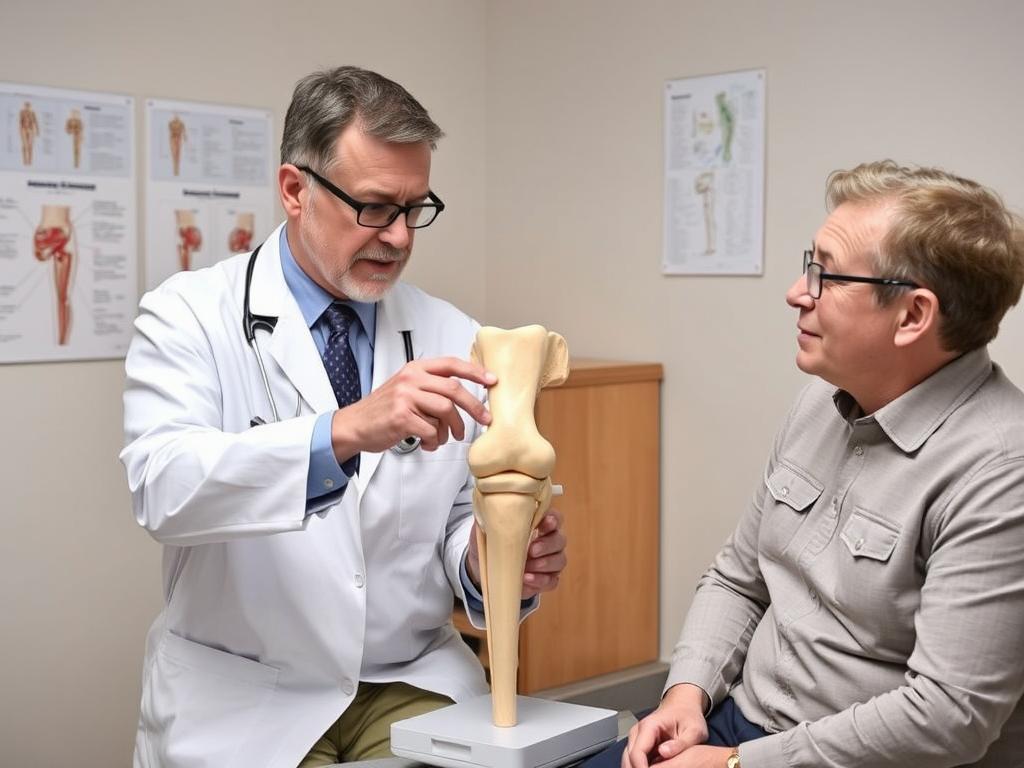
    Doctor explaining knee replacement to patient using model

    Videos show how to prepare your home for recovery, exercises to strengthen muscles before surgery, and what to expect during pre-operative appointments.

    Surgical Procedure

    Animation of knee replacement surgical procedure

    Detailed animations and real surgical footage demonstrate how damaged bone and cartilage are removed and replaced with prosthetic components.

    Recovery Process
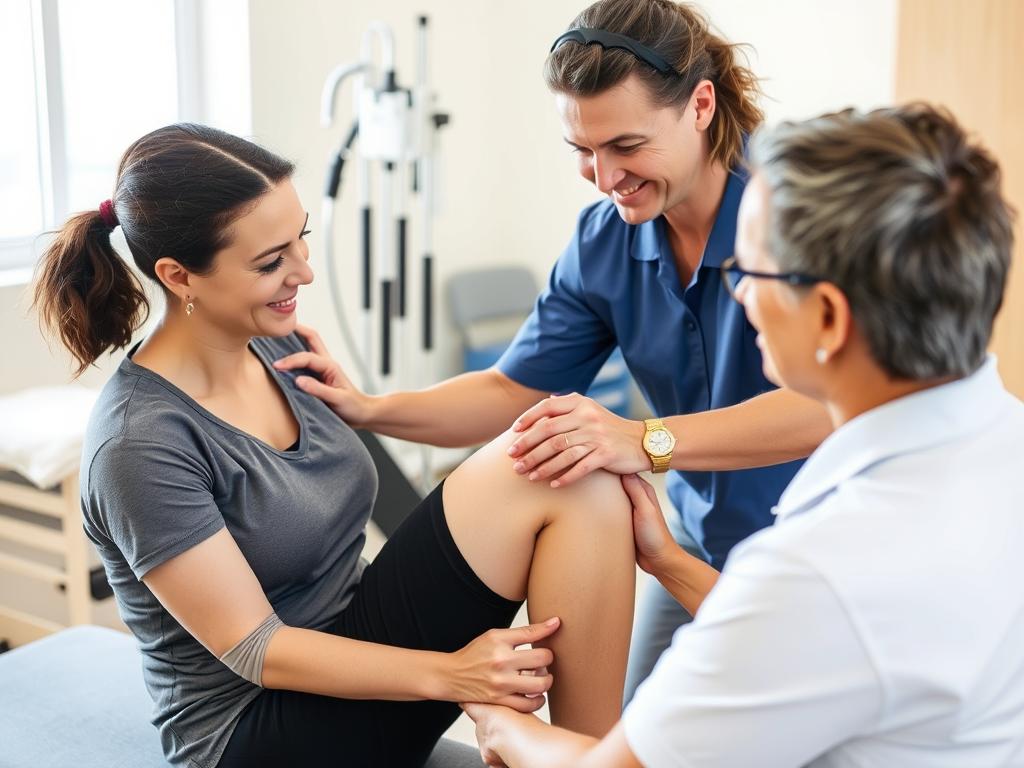
    Patient doing physical therapy after knee replacement

    Videos show realistic timelines for recovery, physical therapy exercises, and milestones to expect during the rehabilitation process.

    Key Topics Covered in Knee Replacement Videos

    • Anatomy of the knee joint and how it functions
    • Different types of knee replacements (total vs. partial)
    • Step-by-step surgical procedure explanation
    • Anesthesia options and pain management techniques
    • Computer-assisted navigation systems used during surgery
    • Physical therapy protocols and exercises
    • Expected timeline for returning to daily activities
    • Potential complications and how they’re addressed
    • Patient testimonials and success stories
    • Tips for optimizing recovery outcomes

    Understanding the Knee Replacement Surgical Procedure

    Surgeon performing knee replacement surgery

    Surgeons use specialized instruments and prosthetic components during knee replacement

    Knee replacement videos provide a clear visual understanding of what happens during surgery. The procedure typically begins with the surgeon making an incision at the front of the knee to access the joint. The damaged portions of the femur (thigh bone) and tibia (shin bone) are carefully removed using precision instruments.

    Modern knee replacement surgery often utilizes computer navigation systems to ensure optimal alignment of the new joint components. These systems help surgeons achieve precise positioning, which is crucial for the long-term success of the implant. Educational videos often highlight this technology, showing how it improves surgical outcomes.

    After preparing the bone surfaces, the surgeon places metal components on the femur and tibia, with a plastic spacer between them to allow smooth movement. In some cases, the back of the kneecap (patella) may also be resurfaced with a plastic component. The entire procedure typically takes 1-2 hours to complete.

    “Watching a knee replacement video before my surgery helped me understand exactly what would happen. It made the whole process much less scary and gave me confidence in my decision to proceed with surgery.”

    – Maria T., Knee Replacement Patient

    Have Questions About Knee Replacement?

    Our orthopedic specialists can help determine if knee replacement is right for you.

    Find a Knee Specialist

    Recovery After Knee Replacement Surgery
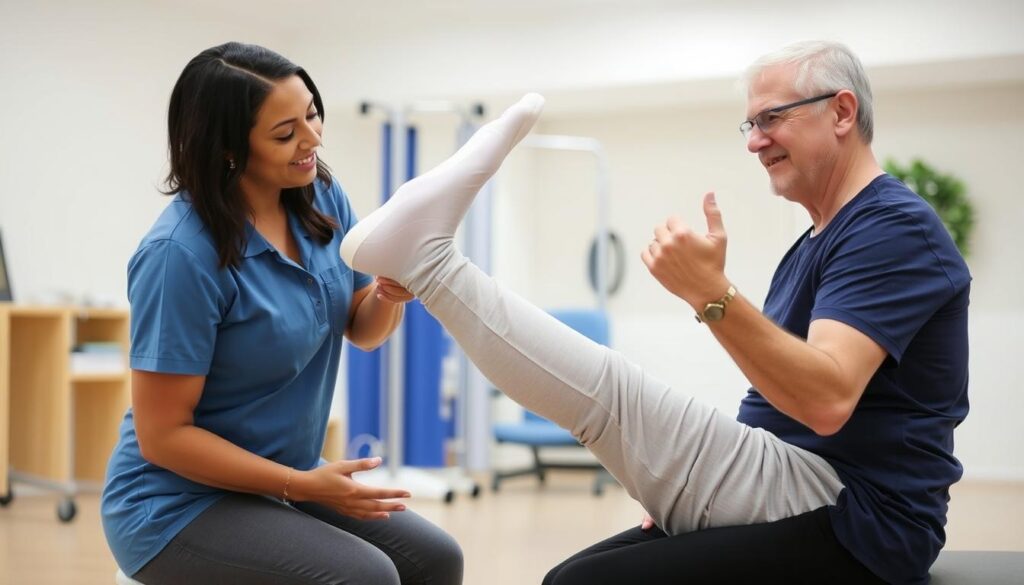
    Patient doing physical therapy exercises after knee replacement

    Physical therapy is essential for successful recovery after knee replacement

    Educational knee replacement videos offer valuable insights into the recovery process, which typically takes several months to a year. Immediately after surgery, you’ll begin gentle exercises to restore movement and strengthen the muscles around your new knee joint. These early movements are crucial for preventing stiffness and promoting healing.

    Most patients begin walking with assistance (walker or crutches) within 24 hours after surgery. Videos often demonstrate proper walking techniques and show how to safely navigate stairs and other daily challenges during early recovery. As strength improves, patients gradually transition to a cane and eventually walk independently.

    Typical Recovery Timeline

    Recovery Phase Timeline Key Activities Expected Progress
    Hospital Stay 1-3 days Initial walking, basic exercises Standing and walking with assistance
    Early Home Recovery Weeks 1-3 Physical therapy 2-3 times weekly Walking with walker or crutches
    Intermediate Recovery Weeks 4-6 Advanced exercises, increased walking Transition to cane, improved flexibility
    Advanced Recovery Weeks 7-12 Strength training, balance exercises Walking without assistance, stairs
    Full Recovery 3-12 months Return to normal activities Full function, minimal to no pain

    Physical therapy plays a crucial role in recovery, and knee replacement videos often demonstrate specific exercises that help restore range of motion and build strength. These visual guides are invaluable for ensuring proper form and understanding the progression of exercises throughout the rehabilitation process.
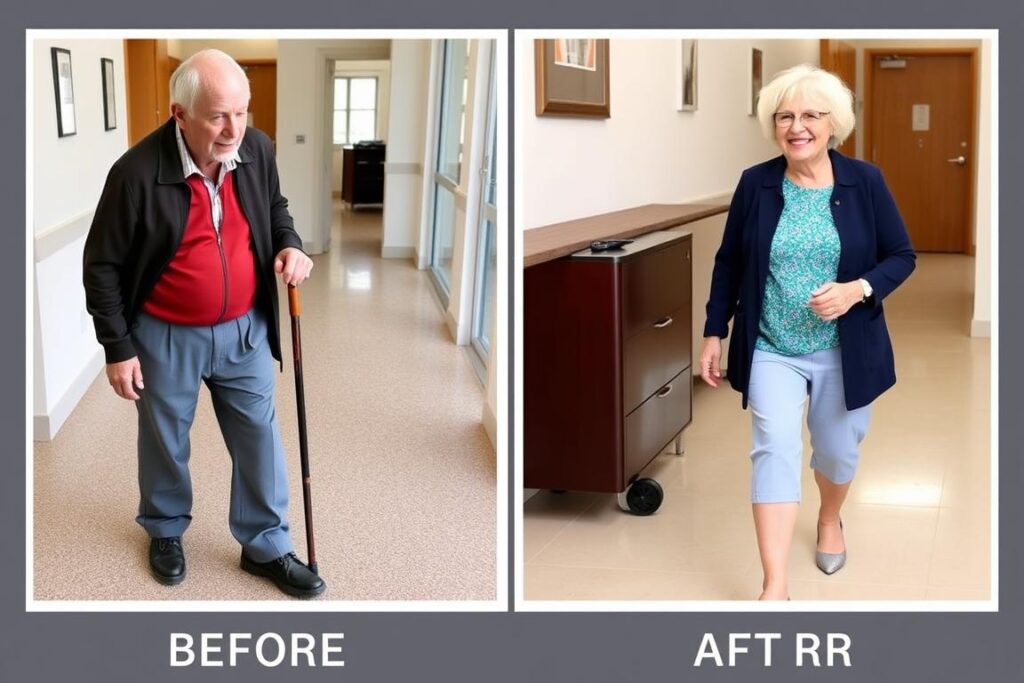
    Before and after comparison of knee replacement patient mobility

    Patients typically experience significant improvement in mobility after recovery

    Prepare for a Successful Recovery

    Download our comprehensive guide to knee replacement recovery.

    Download Recovery Guide

    The Patient Experience: What to Expect

    Patient discussing knee replacement with healthcare team

    A comprehensive healthcare team supports patients throughout the knee replacement journey

    Educational knee replacement videos often include patient testimonials that provide authentic perspectives on the surgery experience. These real-life accounts help set realistic expectations and offer reassurance that others have successfully navigated the same journey.

    Benefits of Knee Replacement

    • Significant reduction or elimination of knee pain
    • Improved mobility and function
    • Enhanced quality of life
    • Return to most daily activities
    • Long-lasting results (10-15+ years for most patients)

    Challenges to Consider

    • Recovery requires commitment to physical therapy
    • Initial weeks involve some pain and discomfort
    • Full recovery can take up to a year
    • Some activities may remain restricted
    • Small risk of complications (infection, blood clots)

    Videos that show the entire patient journey help create a comprehensive understanding of what to expect at each stage. From the initial consultation and pre-operative preparation to the surgery itself and the rehabilitation process, these visual guides provide valuable context that written information alone cannot convey.
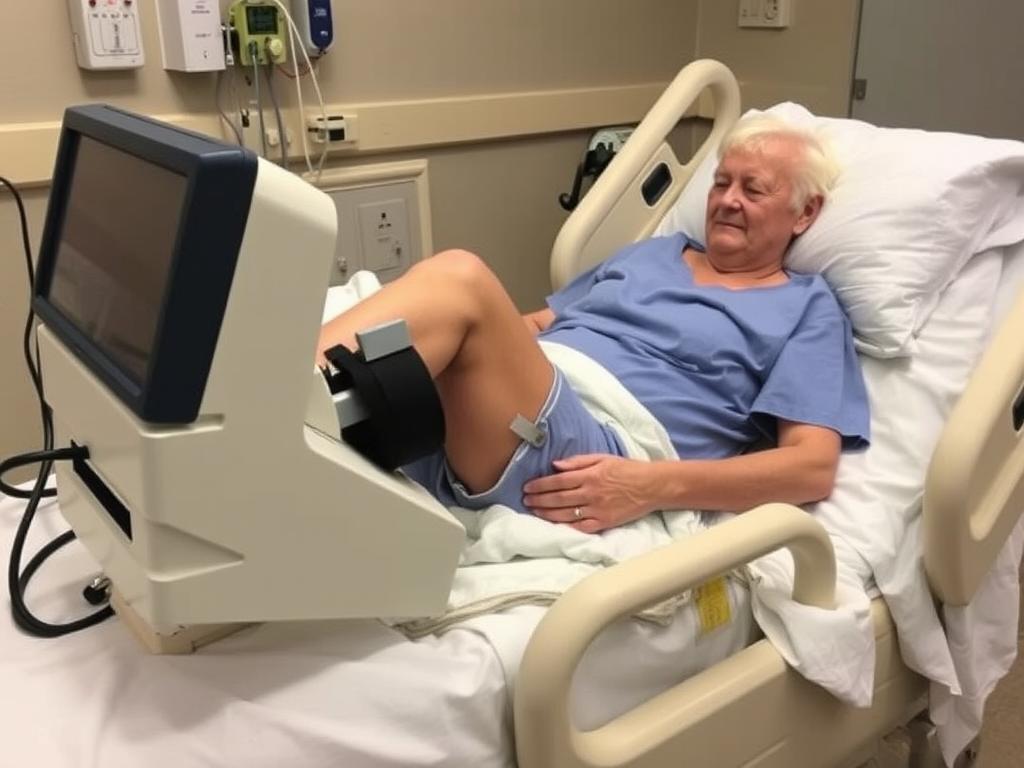
    Patient using continuous passive motion machine after knee replacement

    Continuous Passive Motion (CPM) machines are often used in early recovery

    Many knee replacement videos also address common concerns and questions, such as pain management strategies, when to contact your doctor about potential complications, and tips for adapting your home environment for a safer recovery. This practical information helps patients feel more prepared and confident as they approach surgery.

    Types of Knee Replacement Procedures
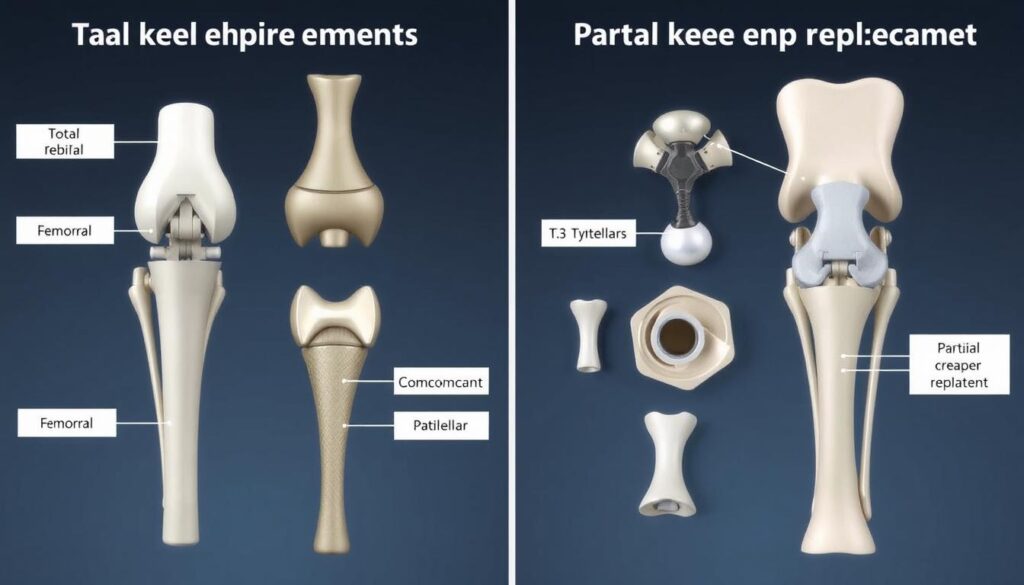
    Comparison of total and partial knee replacement prosthetics

    Total knee replacement (left) replaces all joint surfaces, while partial knee replacement (right) addresses only damaged areas

    Educational videos often explain the different types of knee replacement procedures available. Understanding these options can help patients have more informed discussions with their surgeons about which approach might be best for their specific condition.

    Total Knee Replacement

    This is the most common type of knee replacement, where all three compartments of the knee joint are replaced with prosthetic components. The surgeon removes damaged cartilage and bone from the lower end of the femur, the upper end of the tibia, and often resurfaces the patella (kneecap). Metal components are placed on the femur and tibia with a plastic spacer between them to create a smooth, functional joint.

    Partial Knee Replacement

    Also called unicompartmental knee replacement, this procedure is an option when damage is limited to just one area of the knee. Only the damaged compartment is replaced, leaving healthy bone and tissue intact. This typically results in a smaller incision, less blood loss, faster recovery, and more natural knee motion. However, it’s only suitable for patients with damage limited to one compartment of the knee.

    Videos that explain these different approaches often include animations showing how each procedure is performed and the types of prosthetic components used. This visual information helps patients understand why their surgeon might recommend one approach over another based on their specific condition.
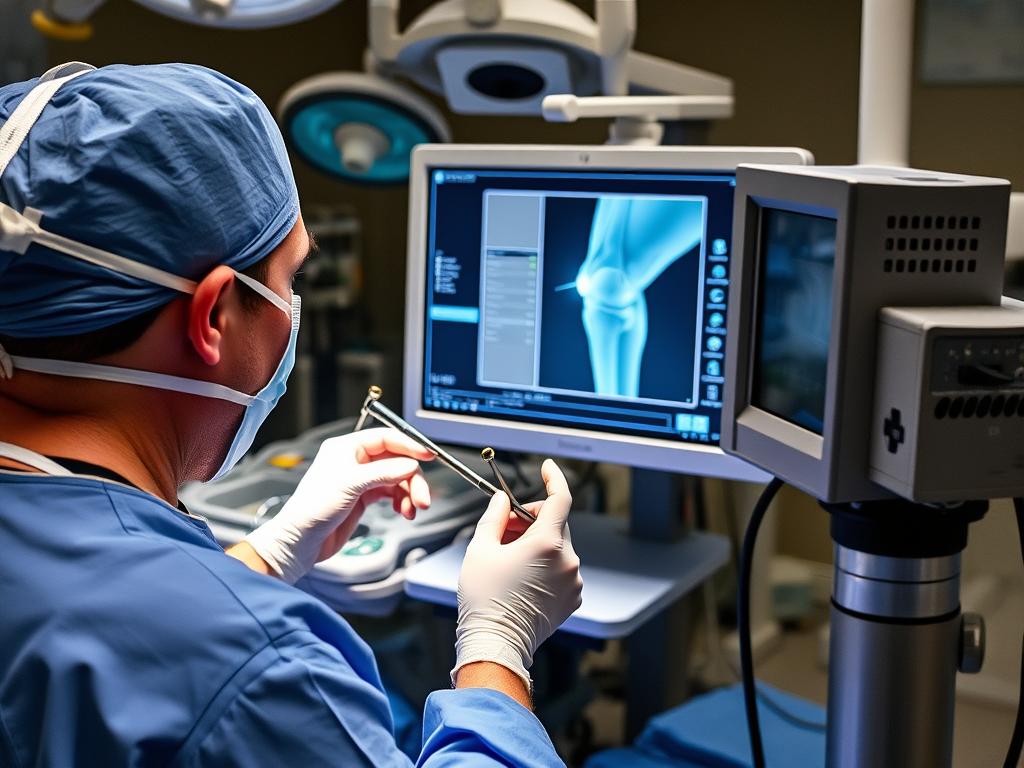
    Surgeon using computer navigation during knee replacement

    Modern knee replacement often utilizes computer navigation for precise alignment

    Preparing for Your Knee Replacement Journey

    Patient reviewing knee replacement educational materials with family

    Involving family in your preparation can provide valuable support during recovery

    Educational knee replacement videos serve as powerful tools to help patients and their families prepare for surgery and recovery. By providing visual explanations of complex medical procedures, these resources demystify the process and help set realistic expectations for outcomes and recovery timelines.

    When preparing for knee replacement surgery, take advantage of these visual resources alongside written materials and conversations with your healthcare team. The combination of different learning approaches will give you the most comprehensive understanding of what to expect and how to achieve the best possible outcome.

    Remember that every patient’s experience is unique, and your surgeon will provide guidance specific to your individual needs and circumstances. Use educational videos as a supplement to—not a replacement for—personalized medical advice from your healthcare providers.

    Ready to Take the Next Step?

    Schedule a consultation with a knee specialist to discuss if knee replacement is right for you.

    Schedule a Consultation

    Remember: Watching knee replacement videos is an excellent way to prepare, but always discuss any questions or concerns with your healthcare provider. They can provide personalized guidance based on your specific medical situation.

  • osteoarthritis exercises to avoid

    osteoarthritis exercises to avoid

    Could your workout routine be making your knee pain worse? For millions managing joint discomfort, exercise walks a fine line between relief and risk. While physical activity strengthens muscles and improves mobility, certain movements can accelerate cartilage wear or trigger inflammation.

    Knee osteoarthritis affects over 32 million Americans, making it critical to understand which activities protect versus harm joints. Research shows low-impact workouts like swimming reduce stiffness, but high-stress exercises often worsen symptoms. The key lies in balancing movement with joint preservation.

    We’ve analyzed studies from Johns Hopkins Arthritis Center and Mayo Clinic to identify problematic movements. This guide focuses on movement patterns rather than blanket restrictions, empowering you to adapt workouts without sacrificing progress.

    Key Takeaways

    • Not all physical activity benefits arthritic joints – form and intensity matter
    • High-impact exercises often increase knee inflammation long-term
    • Proper warm-ups reduce injury risk by 40% in arthritis patients
    • Modified movements can maintain fitness while protecting cartilage
    • Consulting physical therapists ensures personalized exercise safety

    Understanding Osteoarthritis and Joint Health

    Many adults experience joint stiffness, but ongoing discomfort may point to cartilage issues. This wear-and-tear condition develops when protective tissue between bones breaks down, causing friction during movement. Let’s explore how recognizing early signs helps preserve mobility.

    What Is This Degenerative Condition?

    Our joints rely on smooth cartilage to cushion bone connections. Over time, this padding can thin or develop uneven surfaces. Research shows 80% of adults over 55 show some cartilage changes, though not all feel symptoms immediately.

    “Joint deterioration often progresses silently until inflammation triggers noticeable discomfort.”

    Recognizing Warning Signs

    Common indicators include:

    • Morning stiffness lasting over 30 minutes
    • Swelling after activity
    • Grinding sensations during motion

    Knees bear the brunt—they support 1.5 times body weight when walking. Untreated inflammation can lead to bone spurs and reduced flexibility.

    Aspect Healthy Joint Affected Joint
    Cartilage Thickness 2-4 mm <1 mm
    Pain Level None Moderate-Severe
    Mobility Range Full Limited

    Early intervention matters. A 2023 study found those addressing symptoms within six months maintained 40% better mobility long-term compared to delayed care.

    Why Safe Exercise is Essential for Joint Wellness

    Movement acts as medicine for aging joints when done mindfully. The right physical habits build strength without grinding cartilage. Research reveals low-stress workouts boost circulation and nutrient delivery to vulnerable areas.

    low-impact exercise benefits

    Power of Gentle Motion

    Structured movement plans protect joints while enhancing fitness. A 2024 Arthritis Foundation study found participants using modified routines reported 58% less discomfort after 8 weeks. Key advantages include:

    • Strengthened muscles absorbing impact before it reaches joints
    • Improved blood sugar control reducing inflammation triggers
    • Better hormonal balance supporting tissue repair

    Walking and cycling rank among top choices. These rhythmic activities maintain mobility without jarring motions. Regular sessions build endurance gradually—critical for lasting results.

    Activity Type Joint Stress Calorie Burn* Muscle Engagement
    Swimming Low 400-700/hr Full-body
    Jogging High 600-900/hr Lower body
    Yoga Minimal 180-460/hr Core & stability

    *Based on 160-lb adult. Source: Harvard Health Publishing

    Consistency matters more than intensity. Starting with 20-minute sessions three times weekly allows the body to adapt safely. Over time, this approach preserves cartilage while building resilient support systems.

    Osteoarthritis Exercises to Avoid

    Choosing the wrong movements can accelerate joint damage silently. While staying active remains crucial for mobility, specific physical demands push vulnerable joints beyond their limits. We’ve identified patterns that frequently worsen symptoms based on biomechanical research and patient reports.

    High-Impact Activities to Skip

    Sports requiring explosive motions create repeated stress on cartilage. Basketball players experience 4 times more knee pressure during jumps than when walking. Similarly, long-distance running multiplies impact forces – a 150-pound person’s joints absorb over 300 pounds per stride.

    • Court sports (tennis, pickleball) with lateral movements
    • Plyometric workouts like box jumps or burpees
    • Contact activities including soccer or martial arts

    These actions strain already compromised tissue. A 2023 Journal of Orthopaedic Research study linked high-impact routines to 22% faster cartilage loss in affected knees.

    Exercises with Poor Form or Excessive Load

    Even low-stress movements become risky when performed incorrectly. Deep squats below 90 degrees increase patellar pressure by 50%. Lunges with improper alignment shift weight unevenly, overloading one side.

    “Heavy weightlifting without proper guidance accelerates wear patterns in arthritic joints.”

    Common culprits include:

    • Overloaded leg presses
    • Toe-touching stretches without hip engagement
    • Rapid stair climbing without handrail support

    Physical therapists recommend modifying ranges of motion and reducing resistance. Proper technique protects joints while maintaining strength gains – a balance critical for lasting mobility.

    Identifying Problematic Movements and Exercise Triggers

    Your joints send clear signals when activities cross from beneficial to harmful. Learning to interpret these warnings helps prevent cumulative damage while maintaining active lifestyles. Studies show 67% of joint injuries occur gradually through repeated stress rather than sudden trauma.

    joint pain warning signs

    Warning Signs and Pain Indicators

    Normal muscle soreness fades within 48 hours and feels diffuse. Concerning symptoms strike during or immediately after movement. Sharp, localized discomfort often points to cartilage strain or inflamed tissues.

    Swelling that persists beyond two days signals excessive joint stress. Warmth or redness around knees suggests inflammation needing attention. Research indicates 30% of adults ignore these markers, risking accelerated tissue breakdown.

    Symptom Type Normal Response Concerning Indicator
    Pain Duration 24-48 hours 72+ hours
    Swelling Mild, resolves with rest Visible puffiness lasting days
    Movement Impact Full range of motion Stiffness limiting daily tasks

    “Sudden changes in joint mechanics—like locking or grinding—require immediate activity modification.”

    Track patterns using a pain scale from 1-10. Discomfort exceeding level 4 during workouts often means improper form or excessive load. Adjust intensity if symptoms increase over successive sessions rather than improve.

    Listen to your body’s stress responses. Modified movements protect vulnerable areas while sustaining fitness goals. Early intervention preserves mobility better than delayed adjustments—act when signals first appear.

    Exercise Alternatives to Strengthen and Protect Your Joints

    Protecting your joints doesn’t mean sacrificing your workout goals—discover smarter ways to stay active. The right mix of low-stress movements can maintain fitness while reducing strain on vulnerable areas. Let’s explore three proven approaches backed by clinical studies.

    Low-Impact Aerobic Workouts

    Water-based activities like swimming or aqua jogging cut joint stress by 50% compared to land exercises. Stationary cycling and brisk walking also boost heart health without jarring impacts. These options improve circulation, which helps reduce pain and stiffness over time.

    Activity Duration Calories Burned*
    Water Aerobics 30 mins 240
    Elliptical Training 25 mins 270
    Tai Chi 40 mins 150

    *Based on 160-lb adult. Source: American Council on Exercise

    Safe Strength Training Techniques

    Resistance bands create tension without heavy weights—ideal for building muscle support around knees. Focus on controlled motions:

    • Seated leg extensions (2 sets of 12 reps)
    • Wall sits with back support
    • Step-ups using a 6-inch platform

    “Proper alignment during strength work protects cartilage better than lifting maximum weights.”

    Flexibility and Range of Motion Exercises

    Gentle stretches maintain joint mobility. Try seated hamstring stretches or yoga poses like cat-cow. A 2023 study showed daily 10-minute flexibility routines improved knee bending by 15% in eight weeks.

    Combining these methods creates a balanced exercise routine that safeguards joints while enhancing overall body function. Start with two weekly sessions and gradually increase intensity as comfort allows.

    Tips for Maintaining a Healthy Exercise Routine

    Building sustainable physical habits requires balancing activity with joint care. Smart preparation and equipment choices help maintain progress while protecting vulnerable areas. Let’s explore practical strategies to enhance workout safety and effectiveness.

    Proper Warm-Up and Cool-Down Techniques

    Dynamic warm-ups increase blood flow to muscles and lubricate joints. Spend 8-10 minutes performing leg swings, arm circles, and gentle squats. Research shows this reduces injury risk by 33% compared to static stretching alone.

    Post-workout recovery matters equally. A 5-minute cool-down with slow walking and calf stretches prevents stiffness. Focus on movements that reverse your main activity—cyclists might perform seated forward folds.

    Warm-Up Phase Cool-Down Phase
    Arm circles (2 mins) Child’s pose stretch
    Bodyweight lunges (10 reps) Hamstring stretch
    Ankle rotations (1 min/side) Deep breathing exercises

    Using Supportive Gear and Correct Footwear

    Quality shoes absorb impact better than regular sneakers. Look for models with:

    • Arch support matching your foot shape
    • Cushioned midsoles reducing knee pressure
    • Wide toe boxes preventing blisters

    Compression sleeves provide joint stability during workouts. A 2024 Journal of Sports Medicine study found knee braces lowered pain levels by 28% during weight-bearing activities.

    Gear Type Benefit Ideal For
    Orthotic inserts Even weight distribution Walking/Running
    Elastic resistance bands Low-stress strength training Home workouts
    Moisture-wicking socks Prevents friction All activities

    Tailor your routine to individual needs—what works for others might strain your joints. Track progress weekly and adjust intensity based on comfort levels. Consistent, mindful movement creates lasting results without compromising joint health.

    Expert Recommendations and Best Practices

    Navigating joint health requires more than general advice—it demands expert-led strategies tailored to your unique needs. Medical professionals provide critical insights that generic workout plans can’t match. Studies show personalized guidance improves outcomes by 62% compared to self-managed routines.

    Working with Physical Therapists

    Licensed therapists assess movement patterns invisible to untrained eyes. Alice Bell, a leading physical therapist, notes:

    “We identify subtle imbalances that strain joints during daily activities. Adjusting foot positioning or hip alignment can help reduce pressure by 30%.”

    Key benefits include:

    • Customized strength-building plans
    • Real-time form corrections
    • Progress tracking through functional tests

    Consulting Healthcare Professionals

    Orthopedic surgeons evaluate structural damage through advanced imaging. Dr. Brett J. Gilbert emphasizes:

    “Early intervention prevents irreversible cartilage loss. We combine treatment options like viscosupplementation with activity modifications.”

    Role Focus Areas Ideal For
    Physical Therapist Movement mechanics Exercise adjustments
    Orthopedic Surgeon Structural integrity Surgical alternatives
    Rheumatologist Inflammation control Medication management

    Research confirms collaborative care yields the best results. Patients working with both doctors and therapists report 45% fewer flare-ups than those using solo approaches. Schedule consultations to build a team supporting your joint health journey.

    Conclusion

    Smart movement choices become powerful allies in preserving joint health. We’ve explored how avoiding high-impact activities and improper techniques protects vulnerable knees while maintaining fitness goals. Recognizing warning signs like persistent swelling or grinding sensations helps adjust workouts before damage progresses.

    Collaborating with physical therapists ensures routines match individual needs. Research confirms personalized plans reduce discomfort by 58% compared to generic approaches. Low-stress options like swimming or cycling strengthen muscles without stressing cartilage—a critical balance for managing arthritis.

    Adopting lasting changes requires patience. Start with small modifications to your exercise routine, prioritizing form over intensity. Tracking progress helps identify what works best for your condition while minimizing joint pain flare-ups.

    With proper guidance and mindful adjustments, we can build sustainable habits that support mobility. Every smart choice adds up—protecting knees today means preserving active lifestyles tomorrow.

    FAQ

    What activities worsen joint pain in people with arthritis?

    High-impact sports like running, jumping, or intense aerobics can increase stress on joints. Movements that involve sudden twists, heavy lifting, or repetitive strain (e.g., deep squats) may also trigger discomfort. Always prioritize low-impact alternatives to reduce pressure on cartilage.

    How does exercise help manage joint stiffness and swelling?

    Gentle movement improves blood flow, maintains range of motion, and strengthens muscles around joints. Activities like swimming, cycling, or yoga can reduce inflammation while protecting bones. Consistency is key—moderate routines prevent stiffness without overloading sensitive areas.

    Are strength training workouts safe for weakened joints?

    Yes, but form and resistance matter. Avoid heavy weights or exercises that strain knees, hips, or wrists. Opt for light resistance bands, seated leg lifts, or wall push-ups. Working with a physical therapist ensures proper technique to build muscle support safely.

    What footwear supports joint health during workouts?

    Choose shoes with cushioning, arch support, and shock absorption—brands like Brooks or ASICS offer options for low-impact activities. Avoid worn-out soles or unsupportive flats, as they increase stress on knees and ankles. Orthopedic inserts may also help distribute weight evenly.

    When should I consult a specialist about exercise-related pain?

    If discomfort persists beyond 48 hours, limits daily movement, or causes swelling, seek an orthopedic evaluation. Persistent symptoms may signal cartilage damage or inflammation needing tailored treatment. Early intervention prevents long-term issues and personalizes your fitness plan.