
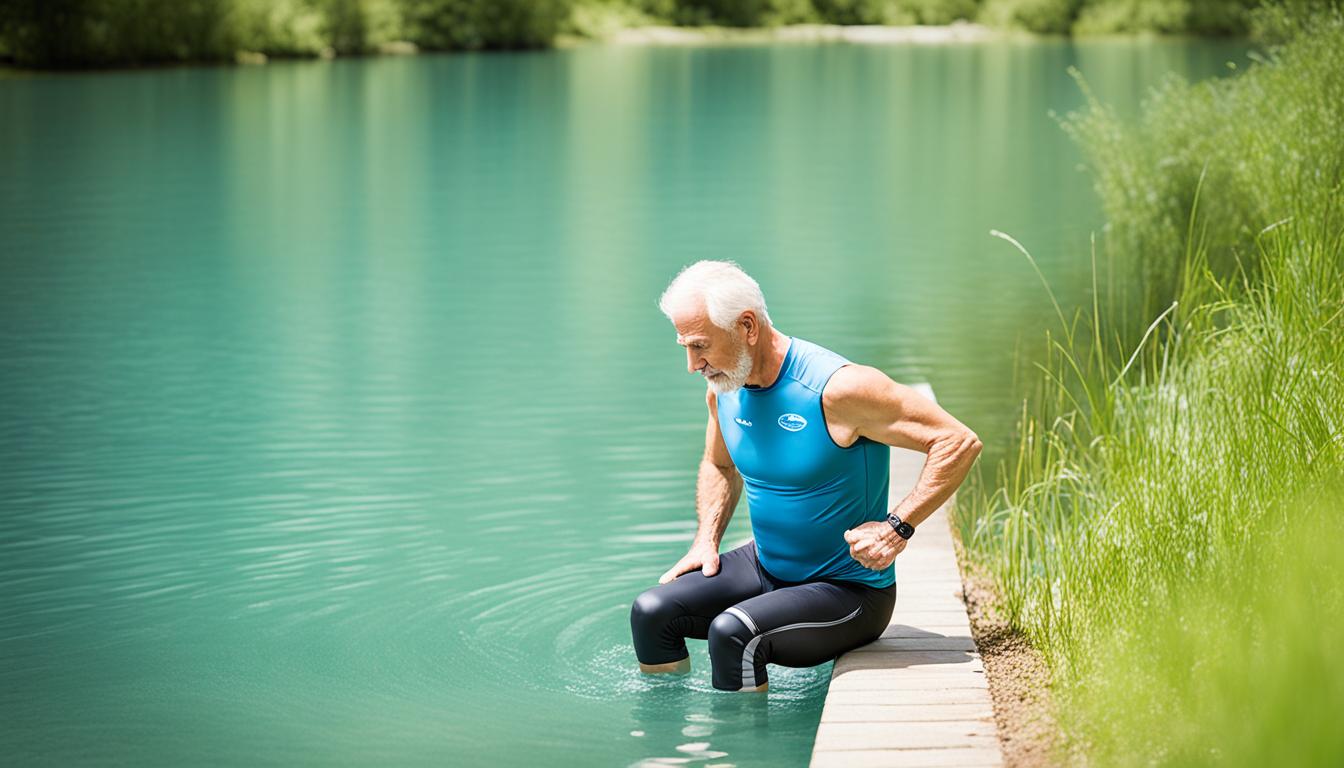
Knee Osteoarthritis: Key Things to Avoid
If you’re struggling with knee osteoarthritis, you’re likely familiar with the pain and limitations it can bring to your daily life. While medications can provide relief, there are also lifestyle changes you can make to manage your symptoms and improve your knee health. In this article, we will explore the key things to avoid for knee osteoarthritis, including exercises, foods, and lifestyle choices that can aggravate symptoms and hinder pain relief.
Knee osteoarthritis is a form of arthritis that affects the knee joint. It can cause pain, stiffness, and reduced mobility. By understanding what to avoid, you can minimize discomfort and promote better knee function.
In the following sections, we will discuss the foods to avoid for knee osteoarthritis, exercises that can exacerbate symptoms, lifestyle changes that can make a positive impact, and the importance of seeking support and professional advice on your journey to managing knee osteoarthritis.
By the end of this article, you will have a comprehensive understanding of how to navigate your knee osteoarthritis and make informed choices to alleviate pain and improve your knee health. Let’s dive in!
Foods to Avoid for Knee Osteoarthritis
Certain foods can contribute to inflammation and worsen symptoms of knee osteoarthritis. It is important to avoid these foods to help manage knee pain and promote joint health.
Here are some foods to avoid for knee osteoarthritis:
- Foods high in sugar: Excess sugar consumption can lead to inflammation in the body, aggravating knee osteoarthritis symptoms. Avoid sweets, sugary beverages, and processed snacks.
- Foods with high salt content: Too much salt can cause water retention and inflammation, which can exacerbate knee pain. Limit the consumption of packaged and processed foods that are high in sodium.
- Unhealthy fats: Trans fats and saturated fats found in fried foods and processed snacks can promote inflammation in the body. Opt for healthier fat sources like avocados, nuts, and olive oil.
- Foods containing omega-6 fatty acids: While omega-6 fatty acids are essential for the body, excessive intake can contribute to inflammation. Limit foods like vegetable oils (corn, soybean, sunflower, safflower) and processed snacks that are high in omega-6 fatty acids.
Individuals with knee osteoarthritis should also be cautious with alcohol consumption. Alcohol can interact with certain medications and worsen inflammation and pain symptoms. It is important to drink alcohol in moderation or avoid it altogether for better knee health.
In addition to avoiding these specific foods, some individuals may benefit from removing potential allergenic or sensitive foods from their diet through an elimination diet. This process helps identify any food triggers that may worsen knee osteoarthritis symptoms.

Exercises to Avoid for Knee Osteoarthritis
While exercise is generally beneficial for knee osteoarthritis, it is essential to be mindful of the specific exercises that should be avoided to prevent further strain and damage to the knee joints. Certain exercises can exacerbate knee osteoarthritis symptoms and hinder knee pain management. To ensure the well-being of your knees, it is crucial to listen to your body and steer clear of any exercises that cause pain or discomfort.
Exercises to Avoid:
- Deep squats: Deep squats put excessive strain on the knees and can lead to increased pain and discomfort. It is advisable to avoid this exercise to prevent aggravating knee osteoarthritis symptoms.
- Lunges: Lunges involve significant bending and pressure on the knees, making them unsuitable for individuals with knee osteoarthritis. Avoiding lunges can help minimize knee pain and prevent further joint damage.
- High-impact activities: Activities like running, jumping, and intense aerobic exercises can place excessive stress on the knee joints, worsening knee osteoarthritis symptoms. It is best to opt for low-impact alternatives to reduce the risk of exacerbating knee pain and discomfort.
Incorporating low-impact exercises into your fitness routine can help strengthen the muscles surrounding the knee joint and reduce stress on the joints. Consider including activities such as:
- Cycling: Cycling is a low-impact exercise that provides a cardiovascular workout without putting excessive strain on the knees. It helps improve knee joint mobility and promotes overall knee health.
- Swimming: Swimming is an excellent option for individuals with knee osteoarthritis as it offers a full-body workout while minimizing stress on the joints. It helps improve flexibility, strength, and endurance without worsening knee pain.
- Using an elliptical machine: Using an elliptical machine is a low-impact alternative to running or jogging. It simulates the motion of running without the impact, making it easier on the knees. It is an effective way to improve cardiovascular fitness while protecting knee joints from excessive strain.
Remember, finding the right balance between staying active and avoiding exercises that worsen knee osteoarthritis symptoms is crucial for knee pain management and overall joint health.

Lifestyle Changes for Knee Osteoarthritis
Besides avoiding certain foods and exercises, making lifestyle changes can significantly improve knee osteoarthritis symptoms and overall knee joint health.
Maintaining a healthy weight is crucial, as excess weight puts additional strain on the knees. It is estimated that every pound of excess weight can result in four pounds of extra pressure on the knees. Therefore, incorporating a balanced diet and portion control can help manage weight, reduce knee pain, and improve knee joint function.
Regular physical activity is also essential for knee joint care and management of knee osteoarthritis. Low-impact aerobic activities, such as walking, swimming, and cycling, are recommended as they promote cardiovascular health and help build strength in the muscles that support the knees. These exercises not only aid in weight management but also improve flexibility and reduce stiffness in the knee joints.
Additionally, individuals with knee osteoarthritis should address any underlying mental health concerns, such as depression or anxiety. Chronic pain can have a significant impact on mental well-being, and managing these emotional aspects can help alleviate knee pain and improve coping abilities.
Finally, getting enough vitamin D is important for bone health, including the knees. Sunlight exposure and consumption of fortified foods, such as milk and cereals, can help meet the body’s vitamin D requirements. Adequate vitamin D levels contribute to strong bones and may also play a role in reducing inflammation associated with knee osteoarthritis.
The Importance of Seeking Support and Professional Advice
Dealing with knee osteoarthritis can be challenging, and seeking support from others who have similar experiences can be beneficial. Connecting with individuals who understand the challenges of managing knee osteoarthritis can provide motivation and valuable advice for incorporating exercise routines and healthy habits into daily life. Additionally, consulting with healthcare professionals, such as doctors and physical therapists, is crucial in developing a personalized treatment plan and determining the safest exercises and lifestyle modifications for individual circumstances.
Conclusion
Managing knee osteoarthritis requires a proactive approach that combines various strategies to alleviate pain, enhance knee health, and improve overall well-being. By adhering to the recommended guidelines, individuals with knee osteoarthritis can take control of their condition and experience a better quality of life.
One crucial aspect of managing knee osteoarthritis is making necessary lifestyle changes. This involves maintaining a healthy weight, as excess weight can strain the knees and worsen symptoms. Incorporating low-impact aerobic activities, like walking or swimming, can aid in weight management and strengthen the muscles supporting the knee joint.
In addition, it’s important to avoid certain foods and exercises that may exacerbate knee pain and inflammation. Foods high in sugar, salt, unhealthy fats, and omega-6 fatty acids can contribute to inflammation and should be limited in the diet. Likewise, exercises like deep squats and high-impact activities should be avoided, while low-impact alternatives can help strengthen the muscles around the knee joint without causing further strain.
Seeking support from others who share similar experiences with knee osteoarthritis is also beneficial. Connecting with a community of individuals facing similar challenges can provide motivation, guidance, and valuable advice on incorporating exercise routines and healthy habits into daily life.
Lastly, consulting with healthcare professionals, such as doctors and physical therapists, is vital for personalized guidance and developing a comprehensive treatment plan. These experts can evaluate individual circumstances and recommend appropriate pain management strategies, exercises, and lifestyle modifications to improve knee health and overall well-being.
FAQ
What foods should I avoid for knee osteoarthritis?
It is important to avoid foods high in sugar, salt, unhealthy fats (trans fats and saturated fats), and omega-6 fatty acids. Individuals with knee osteoarthritis should also be cautious with alcohol consumption and consider removing potential allergenic or sensitive foods through an elimination diet.
What exercises should I avoid for knee osteoarthritis?
To prevent further strain and damage to the knee joints, it is best to avoid exercises like deep squats, lunges, and high-impact activities. Listen to your body and avoid any exercises that cause pain or discomfort. Low-impact exercises such as cycling, swimming, and using an elliptical machine are recommended alternatives.
What lifestyle changes can I make for knee osteoarthritis?
Maintaining a healthy weight is crucial, as excess weight puts additional strain on the knees. Incorporating low-impact aerobic activities like walking into your daily routine can help manage weight and strengthen the muscles that support the knees. Addressing any underlying mental health concerns, such as depression, is also important. Getting enough vitamin D through sunlight exposure or fortified foods is essential for bone health.
Why is seeking support and professional advice important for knee osteoarthritis?
Dealing with knee osteoarthritis can be challenging, and connecting with others who understand the challenges can provide motivation and valuable advice for incorporating exercise routines and healthy habits. Consulting with healthcare professionals, such as doctors and physical therapists, is crucial in developing a personalized treatment plan and determining the safest exercises and lifestyle modifications for your individual circumstances.
What is the significance of seeking support and professional advice for knee osteoarthritis?
By following these guidelines and seeking support from others who have similar experiences, individuals with knee osteoarthritis can promote pain relief, improve knee health, and enhance their overall quality of life. It is important to personalize these recommendations based on individual needs and consult with a healthcare professional for personalized guidance.
Source Links
- https://www.medicalnewstoday.com/articles/310399
- https://ngclinicalresearch.com/the-dos-and-donts-of-knee-osteoarthritis/
- https://www.everydayhealth.com/hs/osteoarthritis/surprising-things-worsen-osteoarthritis-pain/


One Comment