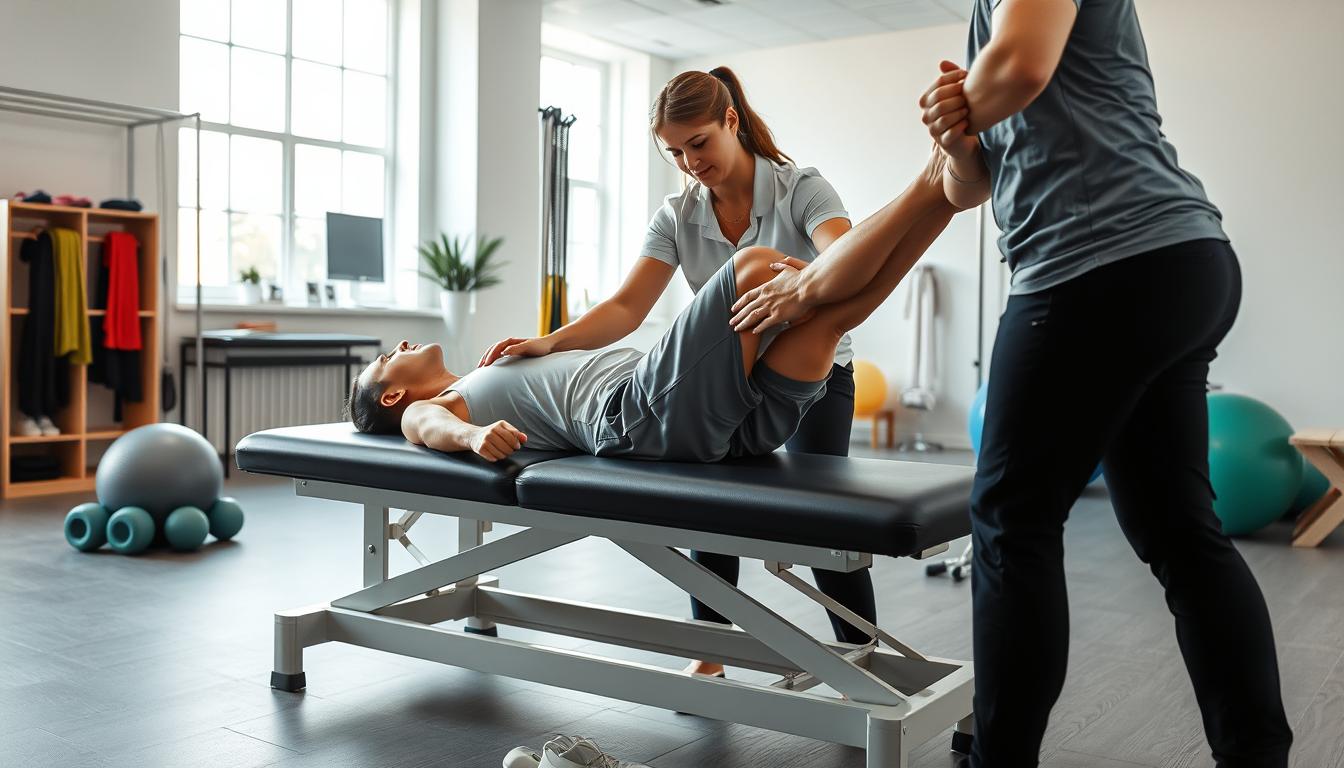
Can a well-structured rehabilitation program significantly improve recovery outcomes for individuals with osteochondral defects?
Recovering from an osteochondral defect requires a comprehensive rehabilitation protocol. Effective knee rehabilitation exercises play a crucial role in restoring knee function and enabling patients to return to their normal activities. A detailed rehab protocol, such as the one outlined in the femoral condyle autologous chondral repair protocol, provides a structured approach to rehabilitation, emphasizing progressive exercises and milestones.
Key Takeaways
- Effective rehabilitation protocols are crucial for recovery from osteochondral defects.
- A comprehensive rehab program includes progressive exercises and milestones.
- Knee rehabilitation exercises are essential for restoring knee function.
- A well-structured rehabilitation program improves recovery outcomes.
- Rehabilitation protocols should be tailored to individual patient needs.
Understanding Osteochondral Defects
Understanding osteochondral defects is crucial for developing an effective knee injury treatment plan. Osteochondral defects refer to damage to the cartilage and bone in the joint, which can significantly impact knee function and overall quality of life.
What is an Osteochondral Defect?
An osteochondral defect is a condition where a piece of cartilage and the underlying bone become damaged. This can occur due to trauma, repetitive stress, or as a result of certain degenerative conditions. The defect can lead to pain, swelling, and decreased mobility in the affected knee.
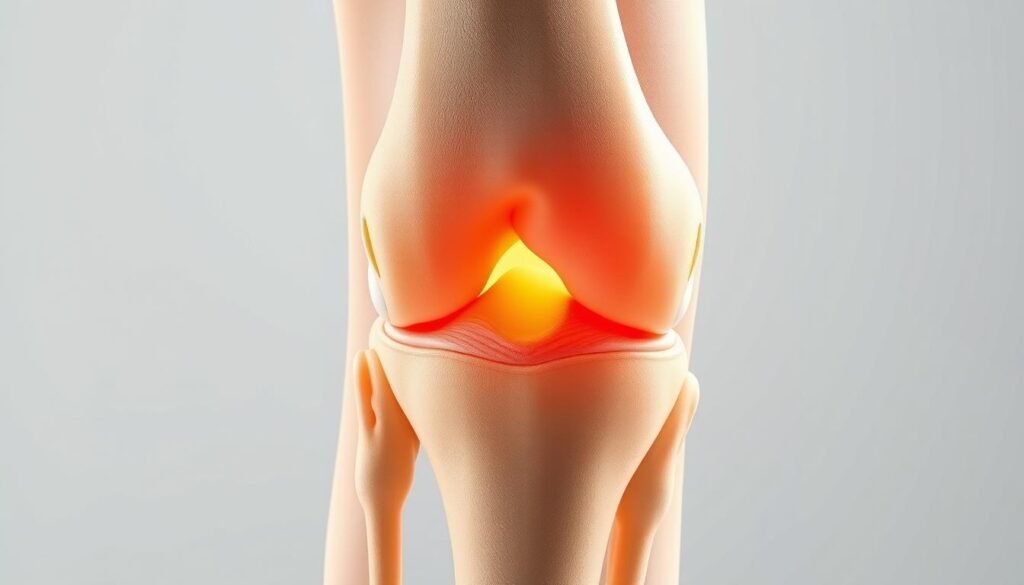
Causes of Osteochondral Defects
Osteochondral defects can result from various factors, including:
- Traumatic injuries, such as fractures or direct blows to the knee
- Repetitive stress or overuse, common in athletes
- Degenerative conditions, like osteoarthritis
Understanding these causes is essential for managing knee cartilage damage effectively.
Symptoms and Diagnosis
The symptoms of osteochondral defects can vary but often include pain, swelling, and a feeling of instability in the knee. Diagnosis typically involves a combination of physical examination, imaging studies like MRI or X-ray, and sometimes arthroscopy.
| Diagnostic Method | Description | Usefulness in Diagnosing Osteochondral Defects |
|---|---|---|
| Physical Examination | Assessment of knee stability, pain, and range of motion | Initial assessment, guides further diagnostic steps |
| MRI | Detailed imaging of cartilage and bone | Highly useful for visualizing the defect and assessing its severity |
| X-ray | Imaging of bone structures | Useful for initial assessment, may not directly show cartilage damage |
| Arthroscopy | Direct visualization of the joint interior | Confirmatory, allows for simultaneous treatment |
Accurate diagnosis is critical for developing a tailored knee injury treatment plan that addresses the specific needs of the patient.
The Importance of Rehabilitation
Rehabilitation is not just a supplementary treatment; it’s a cornerstone in the management of osteochondral defects. A well-structured rehabilitation protocol can significantly influence the outcome of the treatment, enabling patients to regain knee function and return to their normal activities.
Role of Rehab in Recovery
The primary goal of rehabilitation is to support the healing process, ensuring that the knee regains its strength, flexibility, and range of motion. Physical therapy for knee health is a critical component of this process, as it helps in managing pain, reducing inflammation, and improving knee function.
Rehabilitation after knee surgery, including procedures like microfracture drilling, is tailored to the individual’s specific needs and the extent of the injury. It’s a gradual process that requires patience, commitment, and a well-structured plan.
Benefits of a Structured Protocol
A structured rehabilitation protocol offers several benefits, including:
- Enhanced recovery through a systematic approach to healing
- Reduced risk of complications by monitoring progress and adjusting the rehabilitation plan as needed
- Improved knee function and strength through targeted exercises
- A faster return to normal activities and sports, where applicable
By following a structured protocol, patients can achieve better outcomes and minimize the risk of re-injury.
Long-term Outcomes of Effective Rehab
Effective rehabilitation not only aids in the immediate recovery but also has a significant impact on the long-term outcomes. Studies have shown that patients who adhere to a comprehensive rehabilitation program tend to have better knee function, reduced pain, and a lower risk of further degenerative changes.
A key aspect of long-term success is the continuation of exercises and practices learned during the rehabilitation phase. This includes maintaining a healthy weight, engaging in regular physical activity, and avoiding activities that put excessive stress on the knee.

Initial Assessment and Preparation
A well-structured rehabilitation protocol starts with a comprehensive evaluation and preparation tailored to the individual’s condition. This foundational step is crucial for creating an effective knee injury rehabilitation protocol that addresses the specific needs of the patient.
Evaluating the Injury
The first step in the rehabilitation process is a thorough evaluation of the osteochondral defect. This involves a detailed examination by a healthcare professional, potentially including imaging tests such as MRI or X-ray, to assess the extent and nature of the injury. Understanding the specifics of the injury is vital for developing exercises for knee joint repair that are both safe and effective.
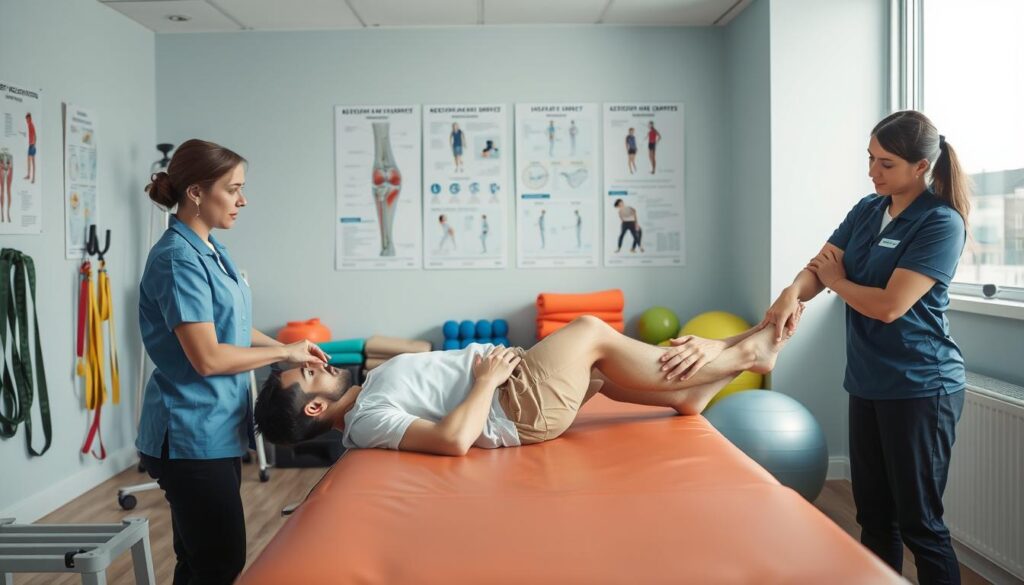
Setting Realistic Goals
Setting realistic and achievable goals is a critical component of the rehabilitation process. By establishing clear objectives, patients can better track their progress and stay motivated throughout their recovery. Goals should be tailored to the individual’s overall health, the severity of the injury, and their personal aspirations.
Preparing Mentally and Physically
Preparation, both mentally and physically, is essential for a successful rehabilitation outcome. This includes educating the patient on the rehabilitation process, the importance of adherence to the protocol, and techniques for managing pain and discomfort. Additionally, preparing the patient physically through initial exercises can help in making the subsequent rehabilitation phases more effective.
Early Rehabilitation Phase
Effective rehabilitation of osteochondral defects starts with an early phase focused on managing pain, maintaining range of motion, and supporting overall knee health. This phase is critical in laying the groundwork for a successful recovery.
Rest and Ice: Managing Pain
Managing pain is a priority in the early stages of rehabilitation. Rest and ice are fundamental components of this process. Rest helps prevent further injury, while ice reduces inflammation and alleviates pain. It’s essential to apply ice correctly: 15-20 minutes, several times a day, to achieve the desired effect without causing tissue damage.
Gentle Range of Motion Exercises
Gentle range of motion exercises are vital for maintaining knee mobility and preventing stiffness. These exercises should be done carefully to avoid putting excessive stress on the knee joint. Examples include straight leg raises and gentle knee bends. Such exercises help in maintaining flexibility and reducing the risk of further damage.
Importance of Nutrition and Hydration
Nutrition and hydration play a significant role in the healing process. A balanced diet rich in omega-3 fatty acids, vitamins C and D, and antioxidants can support cartilage health and overall recovery. Adequate hydration is also crucial as it helps maintain the health of the cartilage and supports the body’s natural repair processes.
| Nutrient | Benefit | Food Sources |
|---|---|---|
| Omega-3 Fatty Acids | Reduces inflammation | Salmon, Walnuts, Chia Seeds |
| Vitamin C | Supports collagen synthesis | Oranges, Strawberries, Bell Peppers |
| Vitamin D | Essential for bone health | Fatty Fish, Fortified Dairy Products, Sunlight Exposure |
Strengthening Exercises
As part of a comprehensive rehabilitation protocol, strengthening exercises are vital for knee joint repair. These exercises are designed to improve the strength and stability of the knee, facilitating a successful recovery from an osteochondral defect.
Quadriceps and Hamstrings Focus
The quadriceps and hamstrings are crucial muscle groups that support the knee joint. Strengthening these muscles is essential for improving knee function and reducing the risk of further injury. Exercises such as squats, lunges, and leg press are effective for strengthening these muscle groups.
Introducing Resistance Training
Resistance training is a key component of strengthening exercises. It involves using weights, resistance bands, or body weight to challenge the muscles and promote strength gains. When introducing resistance training, it’s essential to start with low resistance levels and gradually increase the intensity as the knee becomes stronger.
Proper form and technique are critical when performing resistance training exercises to avoid putting unnecessary stress on the knee joint.
Avoiding Overexertion
While strengthening exercises are vital for rehabilitation, it’s equally important to avoid overexertion. Overexertion can lead to further injury and prolong the recovery process. Patients should be mindful of their body’s signals, such as pain or fatigue, and adjust their exercise routine accordingly.
- Start with low-intensity exercises and gradually increase the intensity.
- Monitor pain levels and adjust the exercise routine as needed.
- Ensure proper warm-up and cool-down routines to prevent muscle strain.
By incorporating strengthening exercises into a rehabilitation protocol and being mindful of the risk of overexertion, individuals with osteochondral defects can achieve a more effective and sustainable recovery.
Advanced Rehabilitation Techniques
Advanced rehabilitation techniques play a pivotal role in enhancing the recovery process for individuals with osteochondral defects. These methods are designed to promote optimal healing, improve knee function, and ensure a safe return to activity.
Aquatic Therapy Benefits
Aquatic therapy, also known as hydrotherapy, offers a unique environment for rehabilitation. The buoyancy of water reduces stress on the knee joint, allowing for pain-free movement and exercise. This form of therapy is particularly beneficial for patients with osteochondral defects as it enables them to strengthen their muscles and improve range of motion without excessive strain.
Benefits of Aquatic Therapy include reduced pain and inflammation, improved muscle strength, and enhanced flexibility. The water’s resistance also aids in proprioception training, helping patients regain balance and coordination.
Utilizing Balance and Proprioception Training
Balance and proprioception training are critical components of advanced rehabilitation. These exercises help patients regain awareness of their knee position and movement, reducing the risk of further injury. Techniques may include single-leg squats, balance boards, and other stability exercises tailored to the patient’s progress and abilities.
By incorporating balance and proprioception training, patients can improve their overall knee function and stability, facilitating a more confident return to daily activities and sports.
Incorporating Physical Therapy
Physical therapy is a cornerstone of rehabilitation for osteochondral defects. A physical therapist can design a personalized exercise program that addresses the patient’s specific needs, focusing on knee cartilage preservation techniques and strengthening the surrounding muscles. This tailored approach ensures that the patient progresses safely and effectively through their rehabilitation.
Innovative treatments, such as PRP (Platelet-rich Plasma) injections, may also be integrated into the rehabilitation protocol. PRP therapy involves injecting a concentration of the patient’s own platelets into the affected area to stimulate healing. While the effectiveness of PRP therapy can vary, it represents one of the advanced techniques available for enhancing recovery.
By combining aquatic therapy, balance and proprioception training, and physical therapy, patients with osteochondral defects can achieve a comprehensive rehabilitation that addresses their unique needs and promotes optimal recovery.
Monitoring Progress and Adjustments
Regular monitoring and adjustments are essential components of a comprehensive knee injury rehabilitation protocol. As patients progress through their rehabilitation, it’s crucial to assess their recovery regularly to ensure they’re on track to meet their goals.
Regular Check-ins with Healthcare Providers
Regular check-ins with healthcare providers are vital for monitoring progress. These check-ins allow healthcare professionals to assess the patient’s current status, address any concerns, and make informed decisions about the next steps in the rehabilitation process.
During these check-ins, healthcare providers may use various assessment tools to evaluate the patient’s knee function, pain levels, and overall recovery progress. This information is critical for adjusting the rehabilitation plan as needed.
Adjusting Goals as You Progress
As patients progress through their rehabilitation, their goals may need to be adjusted. Initially, the focus might be on reducing pain and improving range of motion. However, as the patient recovers, the goals may shift towards strengthening the knee and improving functional abilities.
Adjusting goals is a collaborative process between the patient and their healthcare provider. It involves reassessing the patient’s current status and determining the most appropriate next steps in their knee surgery recovery timeline.
Recognizing Signs of Overtraining
Overtraining is a common pitfall in the rehabilitation process. It’s essential for patients to recognize the signs of overtraining, such as increased pain, swelling, or fatigue. If these symptoms occur, patients should notify their healthcare provider to adjust their rehabilitation plan accordingly.
By being aware of the signs of overtraining, patients can take proactive steps to prevent setbacks and ensure a smooth recovery. This awareness is a critical component of a successful knee injury rehabilitation protocol.
Return to Activity Guidelines
A successful return to activity after knee rehabilitation is contingent upon meeting specific criteria and following a gradual reintegration plan. This phase is crucial for ensuring that the knee can withstand the demands of sports and daily activities without risking re-injury.
Criteria for Returning to Sports
Before returning to sports, it’s essential to meet certain criteria. These include having a pain-free range of motion, adequate strength in the quadriceps and hamstrings, and satisfactory functional ability. Functional tests, such as single-leg squats and hop tests, can help determine readiness.
The knee should also demonstrate stability and the ability to perform sport-specific movements without discomfort. A healthcare provider or physical therapist can assess these factors and provide a clearance for return to sports.
Gradual Reintegration into Regular Activities
Gradual reintegration into regular activities is vital to prevent overloading the knee joint. This involves starting with low-intensity activities and gradually increasing the intensity and duration over time.
For example, if you’re returning to running, start with short distances and gradually increase your mileage. Similarly, for sports involving jumping or quick changes of direction, begin with drills that mimic these movements at a lower intensity.
Importance of Continued Strength Training
Continued strength training is crucial even after returning to full activity. This helps maintain the strength and stability of the knee joint, reducing the risk of future injuries.
Focus on exercises for knee joint repair and overall lower limb strengthening. Incorporating exercises like squats, lunges, and leg press into your routine can help maintain knee health and support long-term recovery.
By following these guidelines and maintaining a commitment to strength training, individuals can ensure a successful and sustainable return to their activities.
Long-term Maintenance and Prevention
After completing the rehabilitation protocol for an osteochondral defect, it’s essential to focus on long-term maintenance and prevention strategies to preserve knee health. Effective knee cartilage preservation techniques can significantly impact the longevity of the knee joint.
Ongoing Exercise Recommendations
Regular low-impact exercises, such as swimming or cycling, can help maintain joint flexibility and reduce pain. A tailored exercise program focusing on strengthening the muscles around the knee joint, as part of physical therapy for knee health, can help alleviate pain and improve joint stability.
Lifestyle Changes for Joint Health
Maintaining a healthy weight can alleviate stress on the knee joint and reduce pain. Assistive devices like braces or orthotics can provide support and stability to the knee joint, reducing pain and preventing further damage.
Importance of Regular Check-ups
Regular check-ins with healthcare providers are crucial to monitor the health of the knee joint and address any potential issues early on. This proactive approach can help prevent future problems and ensure the longevity of the knee joint.
FAQ
What is an osteochondral defect, and how does it affect the knee?
An osteochondral defect is a joint condition in which a piece of cartilage, along with a thin layer of the bone beneath it, comes loose from the end of the bone because of inadequate blood supply. This condition can significantly impact knee function and overall mobility.
What are the common causes of osteochondral defects in the knee?
Osteochondral defects can be caused by traumatic injuries, repetitive stress on the knee joint, or conditions like osteochondritis dissecans. Understanding the underlying cause is crucial for developing an effective treatment plan.
How is an osteochondral defect diagnosed?
Diagnosis typically involves a combination of physical examination, imaging tests such as X-rays, MRI, or CT scans, and sometimes arthroscopy to directly visualize the joint.
What is the role of rehabilitation in recovering from an osteochondral defect?
Rehabilitation plays a critical role in the recovery process, focusing on restoring knee function, managing pain, and preventing further injury. A well-structured rehab protocol is essential for optimal outcomes.
What are the benefits of following a structured rehabilitation protocol for osteochondral defects?
A structured protocol helps in achieving a faster recovery, improving knee function, reducing pain, and minimizing the risk of complications or further damage.
How long does it take to recover from an osteochondral defect with rehabilitation?
The recovery time can vary significantly depending on the severity of the defect, the effectiveness of the rehabilitation protocol, and individual factors such as overall health and adherence to the treatment plan.
What are the key components of the early rehabilitation phase for osteochondral defects?
Early rehabilitation focuses on pain management through rest and ice, gentle range of motion exercises to maintain flexibility, and emphasizing the importance of nutrition and hydration for healing.
How do strengthening exercises contribute to the rehabilitation of osteochondral defects?
Strengthening exercises, particularly for the quadriceps and hamstrings, are crucial for improving knee stability and function. Resistance training is introduced gradually to avoid overexertion.
What are some advanced rehabilitation techniques used for osteochondral defects?
Advanced techniques include aquatic therapy, balance, and proprioception training, which help in improving knee function, reducing the risk of further injury, and enhancing overall recovery.
How often should I have check-ins with my healthcare provider during rehabilitation?
Regular check-ins are essential for monitoring progress, adjusting rehabilitation goals, and recognizing signs of overtraining to prevent setbacks.
When can I return to sports or regular activities after an osteochondral defect?
The decision to return to sports or activities should be based on specific criteria, including achieving full strength, range of motion, and functional ability, and should be guided by a healthcare professional.
What are the long-term maintenance strategies for knee health after recovering from an osteochondral defect?
Long-term strategies include ongoing exercise recommendations, lifestyle changes to support joint health, and regular check-ups to prevent future issues and maintain knee health.
How can I manage knee cartilage damage and prevent further issues?
Managing knee cartilage damage involves a combination of appropriate treatment, rehabilitation, and preventive measures such as maintaining a healthy weight, engaging in low-impact exercises, and avoiding repetitive stress on the knee.
What exercises are beneficial for knee joint repair and health?
Exercises that strengthen the muscles around the knee, improve flexibility, and enhance proprioception are beneficial. Examples include squats, lunges, leg press, and balance exercises.
How does physical therapy contribute to knee health and rehabilitation?
Physical therapy plays a vital role in knee rehabilitation by providing personalized exercise programs, manual therapy, and education on proper movement techniques to improve knee function and reduce pain.