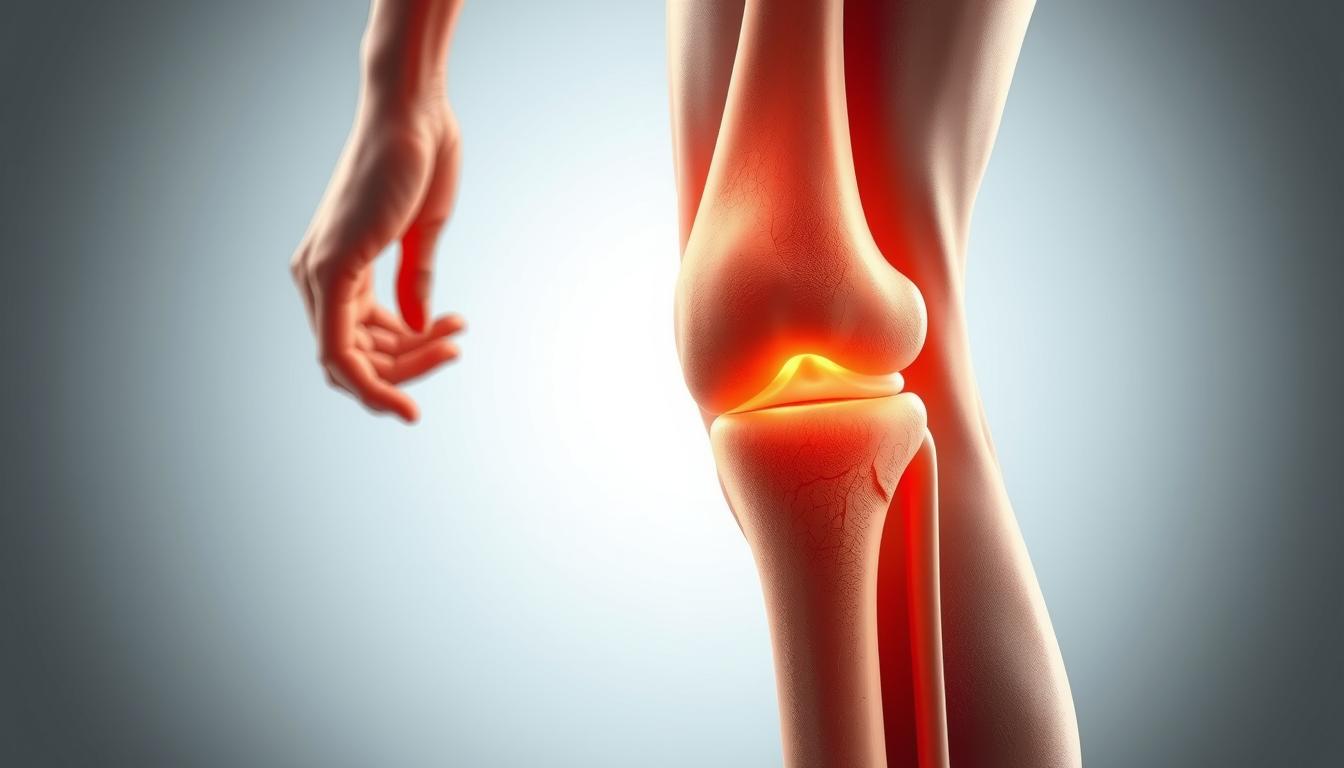
Can pain and limited mobility after knee surgery be a thing of the past? For many individuals undergoing knee replacement, the journey to full recovery can be long and challenging.
The knee is one of the body’s most complex joints, playing a vital role in our movement and ability to perform daily activities. After surgery, regaining strength and flexibility is crucial for a successful recovery.
Pilates has emerged as a valuable rehabilitation tool, offering a low-impact form of exercise that promotes health and stability. By incorporating Pilates into their recovery plan, patients can potentially reduce pain and improve their overall outcome.
Key Takeaways
- Understanding the role of Pilates in rehabilitation after knee surgery.
- Benefits of Pilates for improving knee health and reducing pain.
- Guidance on when to start Pilates after knee replacement surgery.
- Safe exercises for different phases of recovery.
- Importance of consulting with a healthcare provider before starting Pilates.
Understanding Knee Replacement Recovery
Understanding the recovery process is crucial for patients undergoing knee replacement surgery to ensure a smooth and effective rehabilitation. Knee replacement surgery, also known as knee arthroplasty, is a significant procedure that involves replacing the damaged or arthritic knee joint with artificial components. Knee replacement is often considered when other treatments have failed to alleviate severe knee pain and improve mobility.
The Complexity of the Knee Joint
The knee is one of the most complex joints in the body, involving multiple bones, ligaments, and soft tissue. Dr. Brent Anderson, Physical Therapist and Founder of Polestar Pilates, notes that the knee’s primary movements are flexion and extension, which are crucial for everyday activities like walking and climbing stairs. The intricate structure of the knee joint makes recovery from replacement surgery particularly challenging.
Recovery Phases After Knee Replacement
Recovery from knee replacement surgery is typically divided into several phases. Phase I marks the first 1-2 weeks after surgery, during which patients focus on performing basic tasks such as getting in and out of bed, showering, and walking. Proper movement and rehabilitation exercises are essential during this phase to promote healing and minimize pain. As patients progress through the recovery phases, they can expect to achieve significant improvements in their knee function and overall mobility.
- The knee’s complexity requires specialized rehabilitation approaches to address the various components involved.
- Understanding the recovery phases helps patients set realistic expectations and track their progress.
- Proper movement and rehabilitation exercises are crucial for optimal recovery and minimizing pain.
Benefits of Pilates for Knee Replacement Patients
For individuals recovering from knee replacement surgery, Pilates offers a multitude of benefits that can significantly enhance their rehabilitation journey. We will explore how Pilates provides a safe and controlled environment for patients to rebuild strength without risking further injury.
Low-Impact Movement for Joint Health
Pilates is characterized by its low-impact movements, making it an ideal exercise regimen for knee replacement patients. This low-impact nature ensures that the joints are not subjected to excessive stress, thereby reducing the risk of aggravating the injury or causing additional pain. Low-impact exercises are particularly beneficial for patients with artificial knee joints who need to avoid high-impact activities.
Improved Alignment and Stability
Pilates focuses on proper body alignment, which is crucial for patients learning to move with their new knee joint. By improving alignment, patients can enhance their overall stability, reducing the risk of falls and further injuries. Proper alignment also helps in distributing the stress evenly across the joint, thereby supporting the longevity of the artificial knee.
Enhanced Muscle Strength and Control
The exercises in Pilates target the stabilizing muscles around the knee, providing better support for the artificial joint. This not only enhances muscle strength but also improves control and coordination, which are essential for optimal knee function. We will discuss how the controlled, precise movements in Pilates contribute to better muscle control.
Here’s a summary of the benefits of Pilates for knee replacement patients in a tabular form:
| Benefits | Description |
|---|---|
| Low-Impact Movement | Reduces stress on the joints, minimizing the risk of further injury or pain. |
| Improved Alignment | Enhances overall stability and reduces the risk of falls and further injuries. |
| Enhanced Muscle Strength | Provides better support for the artificial joint, improving control and coordination. |
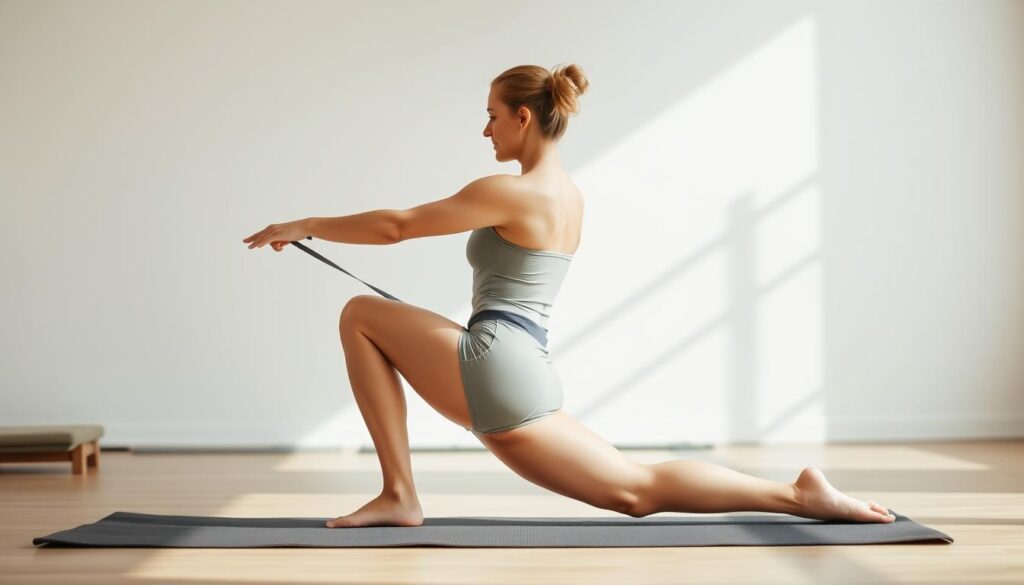
When to Start Pilates After Knee Replacement
The right time to begin Pilates after knee replacement surgery can significantly impact the recovery process. After undergoing knee replacement surgery, patients are often eager to resume their normal activities and exercise routines.
Phase I: The First 1-2 Weeks
Phase I marks the initial recovery period, typically lasting 1-2 weeks after surgery. During this phase, the focus is on performing basic tasks such as getting in and out of bed, showering, and walking. Gentle Pilates exercises can be beneficial in regaining movement and strength in the knee and ankles.
As one navigates this critical period, it’s essential to be mindful of pain and discomfort. Patients should be aware of their body’s signals and not push beyond what feels safe or comfortable.
Consulting with Healthcare Professionals
Before starting any new exercise program, including Pilates, it’s highly recommended to consult with healthcare professionals. They can provide personalized guidance based on the patient’s specific condition and recovery progress. A qualified Pilates instructor with experience in post-surgical rehabilitation can also modify exercises to accommodate individual needs and limitations.
As highlighted by a study, “A well-structured exercise program is crucial for optimal recovery after knee replacement surgery.”
“The rehabilitation process should be tailored to the individual patient’s needs and progress.”
| Recovery Phase | Recommended Exercises | Professional Guidance |
|---|---|---|
| Phase I (1-2 weeks) | Gentle Pilates, basic movements | Consult healthcare provider |
| Phase II (2-6 weeks) | Progressed Pilates exercises | Work with a Pilates instructor |
Safe Pilates Exercises for Knee Replacement Patients
After knee replacement surgery, it’s crucial to engage in exercises that promote recovery without causing undue stress on the new joint. Pilates offers a variety of low-impact movements that can help patients regain strength, improve flexibility, and enhance overall knee function.
Heel Slides and Knee Bends
Heel slides and knee bends are commonly recommended during the initial recovery phase. These gentle movements help restore the knee’s range of motion while minimizing stress on the new joint. By engaging the hamstrings and knee flexors, patients can become reacquainted with their knee’s new function after surgery.
Clamshells for Hip Stability
The clamshells exercise strengthens the hip rotators, which are crucial for proper knee alignment and function. To perform clamshells, lay on your side with your knees gently bent, keeping your pelvis still as you open and close your knees.
Modified Bridge Exercise
Lying on your back with your legs a comfortable distance away, press your palms down into the floor and, on an exhale, press down into your heels to lift your hips off the floor. This movement safely engages the posterior chain muscles that support knee function.
Assisted Quarter Squats
Using a bedpost or countertop for support, gently bend and raise the knees in a quarter squat. This exercise helps mold the soft tissue around the knee and increases blood flow, assisting ankle and knee mobility. For more information on knee injuries related to squatting, visit Knee Injury When Squatting: Causes &.
Advanced Pilates Movements for Continued Recovery
As knee replacement patients progress in their recovery, they can transition to more advanced Pilates movements that challenge their strength and flexibility. These exercises are designed to further enhance knee function and overall lower limb strength.
Thigh Stretches for Quadriceps Strength
Thigh stretches are an excellent exercise for strengthening the quadriceps muscles, which are crucial for knee stability. This exercise not only strengthens the core but also lengthens and strengthens the muscles in the front of the thighs.
Heel Kicks for Hamstring Engagement
Heel kicks are performed on the stomach and help engage the hamstrings, promoting balance between the anterior and posterior thigh muscles. By using the hamstrings to bring the heels up, patients can begin to engage the thigh muscles for improved knee function.
Modified Pilates Footwork
Modified Pilates footwork exercises help restore functional movement patterns needed for daily activities. These exercises are tailored to the individual’s recovery stage, ensuring a safe and effective progression.
Pilates Exercises to Avoid After Knee Replacement
Understanding which Pilates exercises to avoid is vital for knee replacement patients to prevent injury and support recovery. After knee replacement surgery, the knee joint is in a vulnerable state, and certain exercises can put unnecessary stress on the new joint.
High-Impact Movements
High-impact movements such as jumping, hopping, and other jarring motions should be avoided as they can compromise the artificial joint and surgical site. These movements can cause excessive stress on the knee, potentially leading to complications.
Deep Knee Flexion Exercises
Exercises that involve deep knee flexion, bending the knee beyond 90 degrees, may put excessive pressure on the new joint. Examples include deep squats and certain Pilates exercises that require deep knee bending.
Advanced Studio Equipment Exercises
Certain advanced Pilates apparatus exercises, such as Russian splits, magician, or single leg parakeet, are too challenging or risky for knee replacement patients. These exercises can cause injury or compromise the surgical site.
| Exercise | Risk Level | Alternative |
|---|---|---|
| Russian splits | High | Modified leg lifts |
| Deep squats | High | Assisted quarter squats |
| Single leg parakeet | High | Clamshells for hip stability |
Creating Your Pilates Recovery Program
Creating a Pilates recovery program that addresses your specific needs can make a substantial difference in your knee replacement recovery. At Complete Pilates, we offer 1:1 programs tailored to help you achieve your goals, whether you’re looking to prevent injuries or recover from a knee injury.
We’ll guide you in developing a personalized Pilates program that starts with basic movements and gradually advances as your strength and mobility improve. It’s essential to track your progress and adjust your program accordingly. Consistency and patience are key throughout the rehabilitation process.
To ensure a smooth recovery, it’s also crucial to communicate effectively with your healthcare team about your Pilates practice and find a qualified Pilates instructor with experience in working with knee replacement patients. By integrating Pilates into your long-term fitness routine, you can maintain knee health and minimize pain for years to come.
FAQ
What are the benefits of incorporating pelvic floor exercises into my recovery routine after knee replacement surgery?
We find that strengthening the pelvic floor muscles can improve overall core stability, which in turn supports the recovery of the knee joint and surrounding muscles, promoting better balance and reducing the risk of injury.
How can a certified Pilates instructor help me with my knee replacement recovery?
A certified instructor can provide personalized guidance on safe exercises, proper form, and modifications tailored to our specific needs and abilities, ensuring a safe and effective recovery.
Are there any exercises around the knee that I should avoid after knee replacement surgery?
We recommend avoiding high-impact movements and deep knee flexion exercises, as they can put excessive stress on the knee joint and surrounding soft tissue, potentially leading to complications or prolonged recovery.
Can Pilates exercises help alleviate pain and discomfort after knee replacement surgery?
Yes, gentle and controlled Pilates movements can help improve joint mobility, reduce stiffness, and promote healing, ultimately leading to reduced pain and improved overall function.
How can I modify squats and other exercises to accommodate my knee replacement?
We suggest starting with assisted quarter squats and gradually progressing to more challenging movements, while maintaining proper form and engaging the surrounding muscles to support the knee joint.
What role does hip stability play in knee replacement recovery, and how can Pilates help?
Hip stability is crucial for maintaining proper alignment and reducing the risk of injury; Pilates exercises like clamshells can help strengthen the surrounding muscles and promote overall hip and knee stability.
Are there any specific tips for maintaining proper balance and preventing falls during knee replacement recovery?
We recommend practicing exercises that challenge balance, such as single-leg movements, and incorporating modifications to improve overall stability and reduce the risk of falls.