Tag: Rheumatoid Arthritis: Causes

  • Understanding Inverted Knees and How to Manage Them

    Understanding Inverted Knees and How to Manage Them

    Inverted knees, also known as knee inversion, is a condition where the knees turn inward, affecting the alignment and movement of the lower extremities. Understanding the causes, effects, and management of inverted knees is crucial for individuals dealing with this condition. In this article, we will explore the anatomy of inverted knees, methods for diagnosis, treatment options, and preventive measures to help manage and improve the condition.

    Key Takeaways

    • Understanding the anatomy of inverted knees helps in identifying the structural issues that contribute to knee inversion.
    • Diagnosing inverted knees involves physical examination and imaging techniques such as X-rays and MRI scans.
    • Treatment options for inverted knees include physical therapy, orthotic devices, bracing, and surgical interventions, depending on the severity of the condition.
    • Preventive measures and lifestyle modifications, such as specific exercises, proper footwear, and avoiding aggravating activities, can help in managing and preventing knee inversion.
    • Consulting a healthcare professional is essential for accurate diagnosis and personalized treatment plans for inverted knees.

    Understanding the Anatomy of Inverted Knees
    thumbnail

    The Structure of the Knee Joint

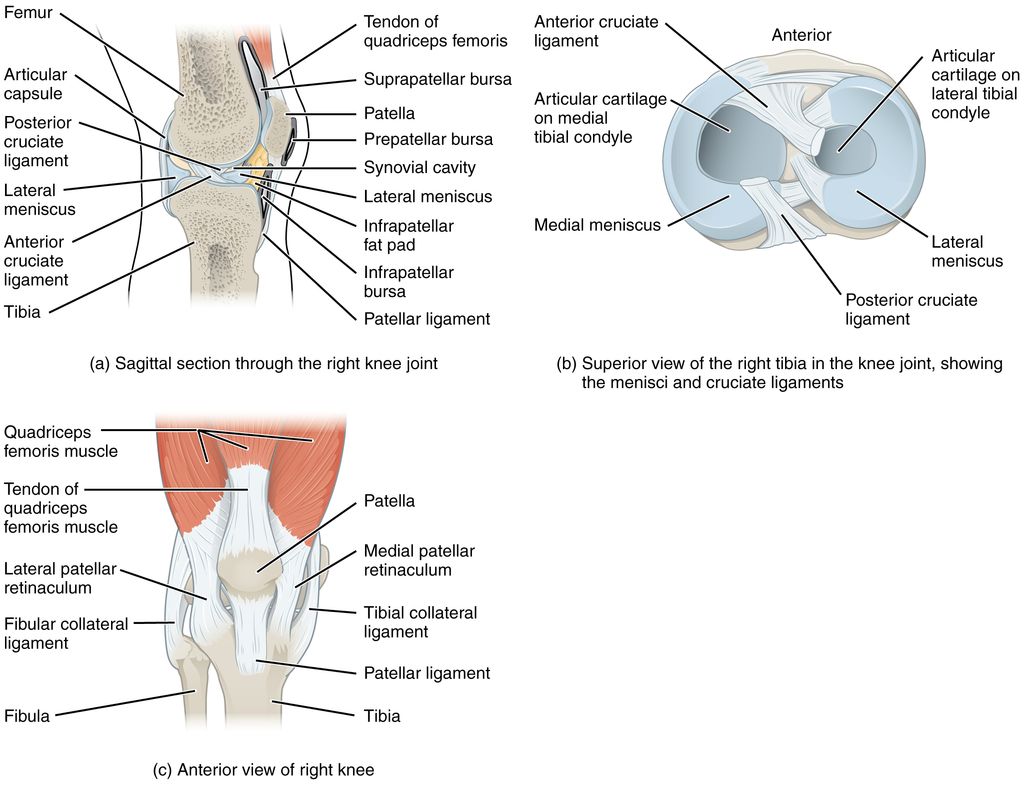
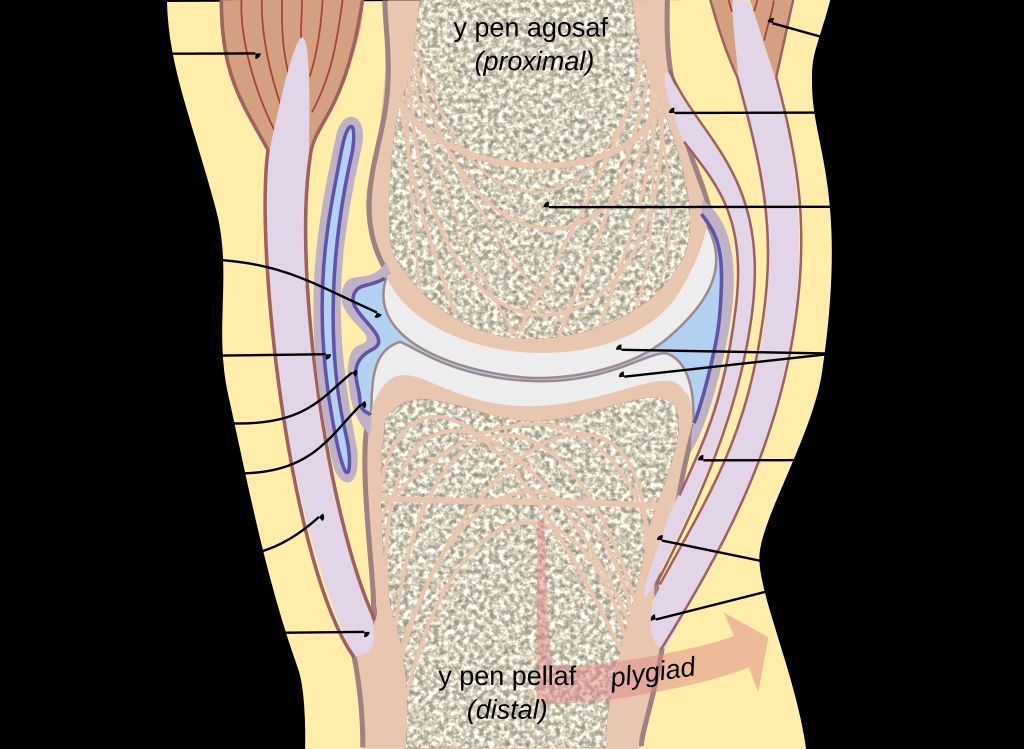
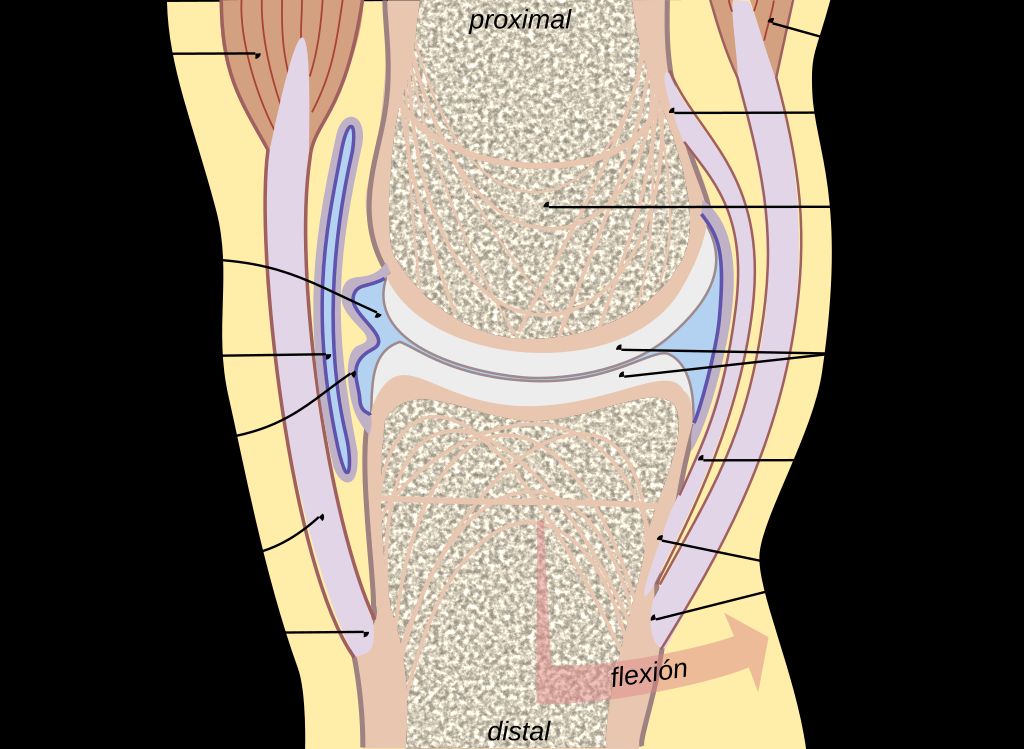
    When we explore the anatomy of the knee joint, we delve into a complex structure pivotal for movement. The knee joint is primarily composed of three bones: the femur, tibia, and patella. These bones are connected by ligaments that provide stability and tendons that attach muscles to the bones, allowing for movement.

    The knee joint’s stability is largely due to four key ligaments: the anterior cruciate ligament (ACL), posterior cruciate ligament (PCL), medial collateral ligament (MCL), and lateral collateral ligament (LCL). Each plays a vital role in maintaining knee alignment and preventing excessive movement that could lead to injury.

    Cartilage within the knee, including the menisci and articular cartilage, acts as a cushion and allows for smooth motion. However, when the knee is inverted, or the tibia is abnormally rotated inward, the stress distribution across these structures changes, which can lead to discomfort or injury over time.

    Tip: Regularly engaging in exercises that strengthen the muscles around the knee can help maintain proper alignment and prevent the development of inverted knees.

    Understanding the intricate workings of the knee joint is essential for recognizing the implications of knee inversion and the importance of seeking appropriate treatment to manage this condition.

    Causes of Knee Inversion

    In understanding the causes of knee inversion, it is essential to consider the structural aspects of the knee joint. The alignment of the bones, ligaments, and tendons plays a crucial role in maintaining stability and preventing excessive inward rotation of the knee. Misalignment of these structures can lead to increased stress on the joint and contribute to the development of inverted knees. Additionally, factors such as muscle weakness and imbalances can further exacerbate the risk of knee inversion. Understanding these structural and biomechanical aspects is fundamental in addressing and managing inverted knees effectively.

    Effects of Inverted Knees on Movement

    The structure of the knee joint is crucial in understanding the complexities of knee inversion. It involves the interaction of bones, ligaments, and tendons, with the patella playing a significant role in stabilizing the joint. Additionally, the alignment of the femur and tibia is a key factor in determining the degree of knee inversion. Understanding these structural components is essential for effective management of inverted knees.

    Furthermore, the causes of knee inversion can vary, including genetic predisposition, muscle imbalances, and improper biomechanics. These factors contribute to the misalignment of the knee joint, leading to increased stress on specific structures. Identifying the underlying cause is crucial for developing targeted treatment strategies.

    The effects of inverted knees on movement can be profound, impacting activities such as walking, running, and even standing. Individuals with inverted knees may experience instability and reduced range of motion, affecting their overall mobility and quality of life. It is important to address these movement limitations through targeted interventions and lifestyle modifications.

    Diagnosing Inverted Knees
    thumbnail

    Physical Examination

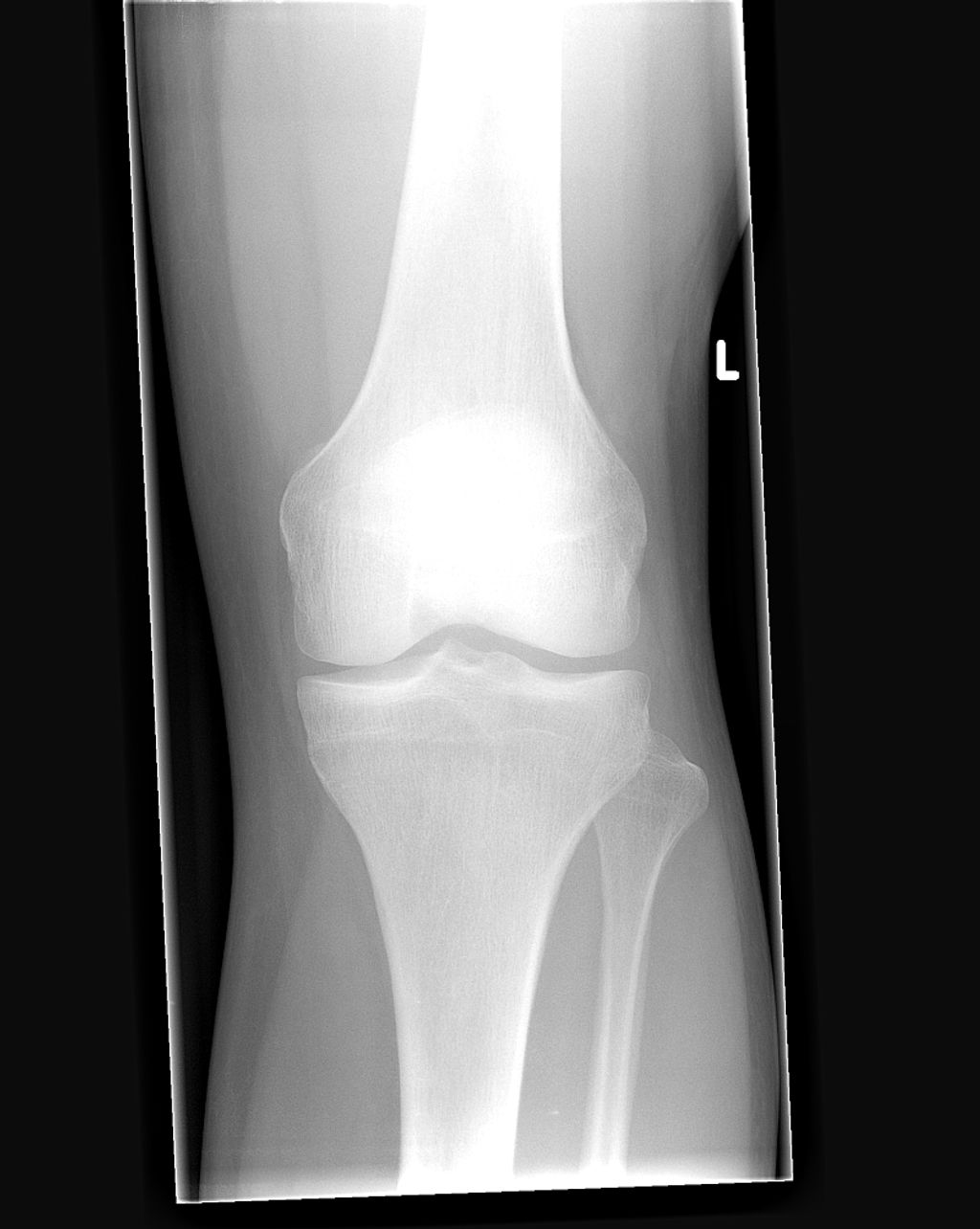
    Upon conducting a thorough physical examination, we carefully assess the alignment, range of motion, and stability of the knee joint. We pay close attention to any signs of discomfort, swelling, or abnormal movement patterns. Additionally, we may perform specialized tests to evaluate the strength and function of the muscles surrounding the knee. These assessments provide valuable insights into the extent of knee inversion and guide further diagnostic decisions. In some cases, imaging techniques, such as X-rays or MRI scans, are employed to visualize the internal structures of the knee and confirm the diagnosis.

    Imaging Techniques for Diagnosis

    When we suspect inverted knees, we often turn to imaging techniques to confirm the diagnosis. These methods provide us with a detailed view of the knee’s structure, allowing us to assess the extent of inversion and any associated conditions. The most common imaging techniques include X-rays, MRI (Magnetic Resonance Imaging), and CT (Computed Tomography) scans.

    • X-rays are typically the first step, offering a clear image of bone alignment and joint space.
    • MRI scans provide a more detailed image, showing soft tissues such as ligaments and cartilage.
    • CT scans combine X-rays from different angles to create cross-sectional images of the knee, which can be particularly useful in complex cases.

    Tip: It’s essential to choose the most appropriate imaging technique based on the individual’s symptoms and physical examination findings to ensure an accurate diagnosis.

    Treatment Options for Inverted Knees
    thumbnail

    Physical Therapy and Rehabilitation

    In our approach to managing inverted knees, we emphasize the role of physical therapy and rehabilitation. This non-invasive treatment plan is tailored to each individual’s needs, focusing on strengthening the muscles around the knee to improve stability and correct alignment.

    Physical therapists often recommend a series of exercises that target the quadriceps, hamstrings, and calf muscles. These exercises not only help in realigning the knee joint but also contribute to overall leg strength and balance. It’s crucial to follow the prescribed regimen diligently for the best outcomes.

    Consistency in performing therapeutic exercises is key to managing knee inversion effectively.

    We also incorporate proprioceptive training into the rehabilitation program. This involves exercises that enhance the body’s awareness of joint position, which is vital for maintaining knee stability during movement. Below is a list of common exercises included in a typical rehabilitation program:

    • Straight leg raises
    • Hamstring curls
    • Calf stretches
    • Step-ups
    • Balance exercises, such as single-leg stands

    Orthotic Devices and Bracing

    Orthotic devices and bracing play a crucial role in providing support and stability for individuals with inverted knees. Custom orthotic devices are designed to address specific alignment issues and provide comfort during daily activities. Bracing, on the other hand, offers external support to the knee joint, reducing the risk of injury during physical movements. It’s important to consult with a healthcare professional to determine the most suitable orthotic device or brace based on individual needs and lifestyle. Additionally, proper fitting and regular maintenance of these devices are essential for long-term effectiveness and comfort.

    Surgical Interventions

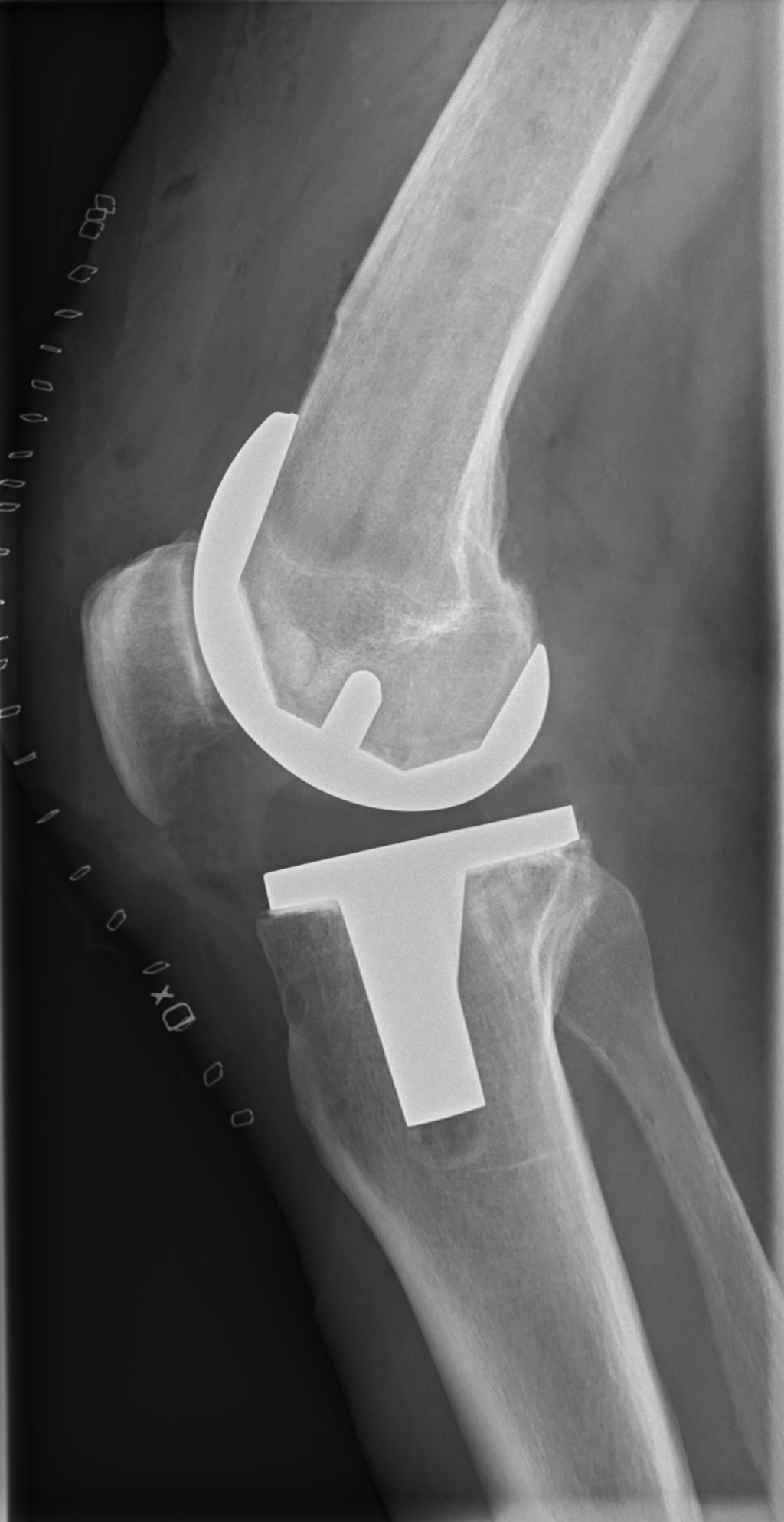
    In cases where physical therapy and orthotic devices are insufficient to correct inverted knees, we may consider surgical interventions. These procedures are typically reserved for severe deformities or when the condition leads to persistent pain and functional impairment. Surgical options vary depending on the underlying cause and severity of the knee inversion.

    The most common surgeries include realignment osteotomies, where the bone is cut and repositioned, and ligament reconstructions to stabilize the knee joint. It’s essential to understand that surgery is followed by a period of rehabilitation to ensure the best possible outcome.

    • Post-operative care is critical and includes: *
    • Pain management
    • Physical therapy
    • Gradual return to activities

    Remember, the goal of surgery is not only to correct the anatomical issue but also to restore function and alleviate discomfort. It’s a decision that should be made with careful consideration of all potential risks and benefits.

    Preventive Measures and Lifestyle Modifications
    thumbnail

    Exercises to Improve Knee Alignment

    We understand that managing inverted knees involves a proactive approach to improving knee alignment. One of the most effective strategies is engaging in a series of targeted exercises. These exercises are designed to strengthen the muscles around the knee, enhance joint stability, and promote proper alignment.

    • Quadriceps strengthening: Essential for supporting the front of the knee joint.
    • Hamstring curls: Improve the strength of the muscles at the back of the thigh.
    • Calf raises: Enhance the stability of the lower leg and support knee alignment.
    • Hip abductor and adductor exercises: Balance the muscles on the inner and outer thigh to assist in knee positioning.

    Consistency in performing these exercises is key to seeing improvements. It is advisable to start with lower intensity and gradually increase as your muscles adapt.

    It’s also important to incorporate exercises that focus on balance and proprioception, such as single-leg stands, to further support knee alignment. We recommend consulting with a physical therapist to tailor an exercise program that is specific to your needs and condition.

    Footwear and Foot Support

    When it comes to managing inverted knees, footwear and foot support play a crucial role in maintaining proper alignment and reducing stress on the knee joint. Our choice of footwear can either support or exacerbate knee inversion, so it’s important to select shoes that provide adequate arch support and stability. Additionally, using orthotic inserts can further enhance the alignment of the feet and ankles, which in turn positively impacts knee positioning. It’s advisable to consult with a podiatrist or orthopedic specialist to determine the most suitable footwear and support options for individual needs.


    Tip: When choosing footwear, prioritize comfort and support over style. Look for shoes with good arch support and cushioning to help maintain proper alignment and reduce the risk of knee inversion.

    Avoiding Activities that Aggravate Knee Inversion

    It is crucial to be mindful of our movements and activities to prevent exacerbating knee inversion. Engaging in high-impact sports or activities that involve sudden changes in direction can put unnecessary strain on the knees. Additionally, wearing improper footwear with inadequate support can further contribute to knee misalignment. Choosing supportive footwear and being mindful of the impact of certain activities on knee alignment is essential for managing knee inversion effectively.

    Conclusion

    In conclusion, understanding the complexities of inverted knees is crucial for effective management and treatment. By addressing the underlying causes and implementing targeted interventions, individuals with inverted knees can experience improved mobility and reduced discomfort. Further research and clinical studies are needed to enhance our understanding of this condition and develop more tailored approaches for management. Empowering individuals with knowledge about their condition is essential for promoting proactive self-care and optimizing long-term outcomes.

    Frequently Asked Questions

    What are the common symptoms of inverted knees?

    Common symptoms of inverted knees include knee pain, instability, and difficulty with activities that involve weight-bearing on the knees.

    Can inverted knees be corrected without surgery?

    In some cases, physical therapy, orthotic devices, and lifestyle modifications can help improve knee alignment and manage the symptoms of inverted knees without the need for surgery.

    Are there specific exercises that can help improve knee alignment?

    Yes, exercises such as leg strengthening, stretching, and balance training can help improve knee alignment and stability.

    How can footwear and foot support affect knee inversion?

    Proper footwear and foot support can help distribute weight evenly and provide stability, which can reduce the risk of knee inversion and improve overall knee alignment.

    What activities should be avoided to prevent aggravating knee inversion?

    Activities that involve excessive twisting, pivoting, or sudden changes in direction should be avoided to prevent aggravating knee inversion.

    What are the potential long-term effects of untreated inverted knees?

    Untreated inverted knees may lead to chronic knee pain, increased risk of knee injuries, and altered gait patterns, which can impact overall mobility and quality of life.


  • Rheumatoid Arthritis

    Rheumatoid Arthritis

    Rheumatoid Arthritis: Causes, Symptoms, and Treatment Options

    Rheumatoid arthritis is a chronic autoimmune disorder that affects millions of people worldwide. It is a type of arthritis that occurs when the immune system attacks the body’s own tissues, particularly the joints. This leads to inflammation and pain, which can be debilitating and affect the quality of life of those who suffer from the condition.

    image 100

    Understanding Rheumatoid Arthritis is important in order to manage the symptoms and improve the quality of life of those who suffer from it. It is important to recognize the symptoms early on, as early diagnosis and treatment can help prevent further joint damage and complications. There are a variety of treatment options available, including medications, physical therapy, and surgery, which can help manage the symptoms and improve joint function. In this article, we will explore the causes, symptoms, diagnosis, and treatment options for Rheumatoid Arthritis.

    Key Takeaways

    • Rheumatoid arthritis is a chronic autoimmune disorder that affects the joints and can be debilitating.
    • Early diagnosis and treatment can help prevent further joint damage and complications.
    • Treatment options include medications, physical therapy, and surgery.

    Understanding Rheumatoid Arthritis

    Rheumatoid arthritis (RA) is a chronic autoimmune disorder that affects the joints, causing pain, stiffness, and swelling. It is a systemic disease, which means it can affect other parts of the body as well, such as the eyes, skin, lungs, and blood vessels.

    The exact cause of RA is still unknown, but it is believed to be caused by a combination of genetic and environmental factors. In RA, the immune system mistakenly attacks the synovial membrane, which is the lining that surrounds the joints. This results in inflammation, which can cause damage to the joints over time.

    RA is a chronic disease, which means that it can last for a long time and may require ongoing treatment. However, with early diagnosis and appropriate treatment, it is possible to manage the symptoms of RA and prevent joint damage.

    The symptoms of RA can vary from person to person, but some common symptoms include joint pain, stiffness, and swelling, especially in the hands, feet, and wrists. Other symptoms may include fatigue, fever, and weight loss.

    There is no cure for RA, but there are several treatment options available to manage the symptoms and slow down the progression of the disease. These may include medications, such as nonsteroidal anti-inflammatory drugs (NSAIDs), disease-modifying antirheumatic drugs (DMARDs), and biologic agents. In addition, physical therapy and lifestyle changes, such as regular exercise and a healthy diet, may also be helpful in managing the symptoms of RA.

    In summary, RA is a chronic autoimmune disorder that affects the joints and other parts of the body. It is caused by a combination of genetic and environmental factors, and there is no cure for the disease. However, with early diagnosis and appropriate treatment, it is possible to manage the symptoms of RA and prevent joint damage.

    Symptoms of Rheumatoid Arthritis

    Rheumatoid arthritis (RA) is a chronic autoimmune disease that affects the joints and other parts of the body. The symptoms of RA can vary from person to person, but they generally include joint pain, swelling, and stiffness.

    One of the most common symptoms of RA is joint pain. This pain is often described as a deep ache or a burning sensation, and it can be felt in the joints of the hands, wrists, feet, and ankles. The pain is usually worse in the morning or after periods of inactivity, and it can be accompanied by joint stiffness that lasts for several hours.

    Swelling is another common symptom of RA. The joints affected by RA can become swollen and tender to the touch. This swelling can make it difficult to move the affected joint, and it may also cause the joint to feel warm to the touch.

    Fatigue is also a common symptom of RA. People with RA may feel tired and run down, even if they have had enough sleep. This fatigue can be caused by the inflammation associated with RA, as well as by the stress of dealing with a chronic illness.

    In some cases, people with RA may develop rheumatoid nodules. These are small, firm lumps that can form under the skin, usually around the elbows or fingers. While these nodules are not usually painful, they can be unsightly and may interfere with joint movement.

    Fever is another symptom that can occur in people with RA. This fever is usually low-grade, and it may be accompanied by other flu-like symptoms such as chills and muscle aches.

    Overall, the symptoms of RA can be quite debilitating, and they can have a significant impact on a person’s quality of life. If you are experiencing any of the symptoms associated with RA, it is important to speak with your healthcare provider as soon as possible.

    Causes and Risk Factors

    image 101

    Rheumatoid arthritis (RA) is a chronic inflammatory disease that affects the joints, causing pain, stiffness, and swelling. While the exact cause of RA is unknown, there are several factors that are believed to contribute to the development of the disease.

    Genetics

    One of the most significant risk factors for developing RA is genetics. Research has shown that certain genes may make a person more susceptible to the disease. For example, a specific gene called HLA-DRB1 has been linked to an increased risk of developing RA. However, having this gene does not necessarily mean that a person will develop the disease.

    Smoking

    Smoking is another significant risk factor for RA. Studies have shown that smokers are more likely to develop the disease than non-smokers. In addition, smoking can also make the symptoms of RA worse, making it more difficult to manage the disease.

    Sex

    RA is more common in women than men. In fact, women are two to three times more likely to develop the disease than men. The reason for this is not entirely clear, but hormones may play a role. Some researchers believe that estrogen may contribute to the development of RA.

    Other Risk Factors

    In addition to genetics, smoking, and sex, there are several other factors that may increase a person’s risk of developing RA. These include:

    • Age: RA can occur at any age, but it most commonly begins in middle age.
    • Family history: If a member of your family has RA, you may have an increased risk of the disease.
    • Obesity: Being overweight or obese can increase the risk of developing RA, as well as make the symptoms worse.
    • Environmental factors: Exposure to certain environmental factors, such as pollution or toxins, may increase the risk of developing RA.

    Overall, while the exact cause of RA is unknown, there are several factors that are believed to contribute to the development of the disease. By understanding these risk factors, we can take steps to reduce our risk of developing RA and manage the disease more effectively if we do develop it.

    Diagnosis Process

    image 102

    When it comes to diagnosing Rheumatoid arthritis (RA), there is no one definitive test or physical finding that can confirm the diagnosis. Instead, doctors use a combination of medical history, physical examination, and laboratory tests to diagnose RA.

    During the medical history, we will ask questions about the patient’s symptoms, family history, and medical history. We will also ask about any medications the patient is taking, as some medications can cause symptoms similar to RA.

    During the physical exam, we will check the patient’s joints for swelling, redness, and warmth. We will also check the patient’s reflexes and muscle strength. The physical exam can help us determine the severity of the patient’s symptoms and which joints are affected.

    Laboratory tests are also an important part of the diagnosis process. We may order a blood test to check for the presence of rheumatoid factor (RF) or anti-cyclic citrullinated peptide (anti-CCP) antibodies. These antibodies are often present in people with RA, but not always. A negative result does not rule out RA.

    Imaging tests, such as X-rays or ultrasound, can also be helpful in diagnosing RA. X-rays can show changes in the joints that are consistent with RA, such as joint erosion or narrowing of the joint space. Ultrasound can show inflammation in the joints and surrounding tissues.

    It is important to note that RA can be difficult to diagnose in the early stages because the disease develops over time, and only a few symptoms may be present. However, with a thorough medical history, physical exam, and laboratory tests, we can diagnose RA and begin treatment to manage symptoms and prevent further joint damage.

    Treatment Options

    image 103

    When it comes to treating rheumatoid arthritis, there are a variety of options available. The goal of treatment is to reduce inflammation, relieve pain, prevent joint damage, and improve overall function. Treatment plans are often tailored to each individual and may involve a combination of medications, therapies, and lifestyle changes.

    Medications

    There are several types of medications used to treat rheumatoid arthritis. Nonsteroidal anti-inflammatory drugs (NSAIDs) can help relieve pain and reduce inflammation. Over-the-counter NSAIDs include ibuprofen (Advil, Motrin IB, others) and naproxen sodium (Aleve). Stronger NSAIDs are available by prescription. Side effects may include stomach irritation, heart problems, and kidney damage.

    Disease-modifying antirheumatic drugs (DMARDs) slow the progression of rheumatoid arthritis and can prevent joint damage. Methotrexate (Rheumatrex, Trexall) is a commonly used DMARD. Other DMARDs include hydroxychloroquine (Plaquenil), sulfasalazine (Azulfidine), and leflunomide (Arava).

    Corticosteroids are powerful anti-inflammatory medications that can provide quick relief of symptoms. However, they can have serious side effects if used long-term. Janus kinase (JAK) inhibitors are a newer class of medications that block the action of certain enzymes involved in inflammation.

    Therapies

    Physical and occupational therapy can help improve joint function, reduce pain, and increase range of motion. Splints and braces may also be recommended to support and protect joints.

    Surgery may be necessary in severe cases of rheumatoid arthritis. Joint replacement surgery can help relieve pain and improve function in damaged joints. Synovectomy is a surgical procedure that involves removing the inflamed lining of a joint.

    Lifestyle Changes

    In addition to medications and therapies, making certain lifestyle changes can also help manage rheumatoid arthritis. Maintaining a healthy weight can reduce stress on joints. Regular exercise can help improve joint function and flexibility. Eating a healthy diet rich in fruits, vegetables, and whole grains can also help reduce inflammation.

    Overall, there are a variety of treatment options available for rheumatoid arthritis. Working closely with a healthcare provider to develop a personalized treatment plan can help manage symptoms and improve overall quality of life.

    Managing Rheumatoid Arthritis

    image 101

    As individuals with Rheumatoid Arthritis, we know how difficult it can be to manage the symptoms of this chronic condition. However, with proper management, we can improve our quality of life and reduce the impact of RA on our daily activities. Here are some tips for managing Rheumatoid Arthritis:

    Rest

    Rest is crucial for managing RA symptoms. It is important to listen to our body and take breaks when we feel fatigued. This can help reduce inflammation and pain in our joints. We should aim to get enough sleep each night and take naps during the day if needed.

    Exercise

    Exercise is also important for managing RA symptoms. Low-impact exercises such as walking, swimming, and cycling can help improve joint flexibility and reduce inflammation. We should aim to exercise regularly, but it is important to listen to our body and not overdo it. It is also important to speak with our doctor before starting any new exercise routine.

    Diet

    Maintaining a healthy diet can also help manage RA symptoms. We should aim to eat a well-balanced diet that includes plenty of fruits, vegetables, whole grains, and lean protein. Some foods may trigger inflammation, so it is important to identify and avoid these foods. We should also stay hydrated by drinking plenty of water.

    Medications

    There are several medications available that can help manage RA symptoms. Nonsteroidal anti-inflammatory drugs (NSAIDs) can help relieve pain and reduce inflammation. Disease-modifying antirheumatic drugs (DMARDs) can help slow the progression of RA. It is important to speak with our doctor about the best medication options for us.

    Support

    Living with RA can be challenging, and it is important to have a support system. We should reach out to family, friends, and support groups for help and encouragement. We may also benefit from counseling or therapy to help manage the emotional impact of RA.

    By following these tips, we can effectively manage our Rheumatoid Arthritis symptoms and improve our overall quality of life.

    02 Tables

    image 101

    We can use tables to organize information about Rheumatoid arthritis. Here is an example of a table that shows the diagnostic criteria for Rheumatoid arthritis:

    CriteriaDefinition
    Morning stiffnessStiffness in joints lasting at least 1 hour in the morning
    Arthritis of three or more joint areasSwelling or tenderness in at least three joint areas
    Arthritis of hand jointsSwelling or tenderness in the joints of the hand
    Symmetric arthritisSwelling or tenderness in the same joint areas on both sides of the body
    Rheumatoid nodulesFirm lumps under the skin
    Positive rheumatoid factorBlood test positive for rheumatoid factor
    Radiographic changesX-ray evidence of joint erosion or destruction

    Another useful table is the one that shows the severity scale of Rheumatoid arthritis. Here is an example of that table:

    SeverityDefinition
    MildFewer than 3 swollen joints, no systemic symptoms
    Moderate4-10 swollen joints, mild systemic symptoms
    SevereMore than 10 swollen joints, significant systemic symptoms

    It is important to note that these tables are just examples and should not be used as a diagnostic tool. Only a qualified healthcare professional can diagnose Rheumatoid arthritis.

    Effect on Joints and Other Body Parts

    Rheumatoid arthritis (RA) is a chronic inflammatory autoimmune disease that affects various parts of the body. It mainly affects joints, but it can also impact other body parts such as muscles, eyes, and organs.

    RA usually affects both sides of the body symmetrically. It primarily affects small joints, especially those in the hands and feet, but it can also affect larger joints such as the hips, knees, and shoulders.

    RA can cause pain, stiffness, swelling, and tenderness in the joints. In some cases, it can lead to joint deformities such as claw toe, bunions, and hammer toe. RA can also cause joint effusion, which is an abnormal accumulation of fluid inside the joint. This can lead to joint stiffness and difficulty moving or impaired range of motion.

    As RA progresses, it can spread to other joints, including the wrists, ankles, and elbows. It can also affect muscles, causing weakness and fatigue. In some cases, RA can cause osteopenia and stress fractures, making it difficult to walk stairs and up inclined surfaces.

    RA can also affect the eyes, causing dryness, redness, and inflammation. In rare cases, it can lead to scleritis, which is a serious condition that can cause blindness.

    In conclusion, RA can affect various parts of the body, including joints, muscles, eyes, and organs. It primarily affects small joints in the hands and feet but can also impact larger joints such as the hips and knees. RA can cause pain, stiffness, swelling, and tenderness in the joints, as well as joint deformities, joint effusion, and muscle weakness. It is important to seek medical attention if you experience any symptoms of RA.

    Complications and Progression

    Rheumatoid arthritis (RA) is a chronic autoimmune disease that can lead to various complications and progression of symptoms over time.

    One of the most common complications of RA is joint damage, which can result in deformity and loss of function. Joint inflammation, stiffness, and redness are also common symptoms of RA that can affect the quality of life of individuals with the condition.

    In addition to joint-related complications, RA can also lead to systemic inflammation, which can affect other organs and systems in the body. This inflammation can increase the risk of infection and other health issues.

    The severity of RA symptoms can vary from person to person, and some individuals may experience periods of remission where symptoms improve or disappear. However, flares of symptoms can also occur, which can be unpredictable and difficult to manage.

    Treatment for RA can help manage symptoms and slow the progression of joint damage. This can include medications, physical therapy, and lifestyle changes. It is important for individuals with RA to work closely with their healthcare team to develop a personalized treatment plan.

    Overall, RA is a complex condition that requires ongoing management and monitoring. While it can lead to various complications and progression of symptoms, treatment and self-care can help improve function and quality of life for individuals with the condition.

    The Role of Rheumatologists

    As rheumatoid arthritis is a complex autoimmune disorder that affects the joints and other parts of the body, it is essential to seek medical care from a specialist who has extensive knowledge and experience in treating this condition. This is where rheumatologists come in.

    Rheumatologists are medical doctors who specialize in diagnosing and treating musculoskeletal diseases and systemic autoimmune conditions like rheumatoid arthritis. They receive special training in this area, which allows them to provide the best possible care for patients with rheumatoid arthritis.

    The role of rheumatologists is to work with patients to develop an appropriate treatment plan based on their individual needs. They use a variety of diagnostic tools and techniques to determine the severity of the disease and its impact on the patient’s quality of life. This may include X-rays, blood tests, and physical examinations.

    Once a diagnosis has been made, rheumatologists work with patients to develop a treatment plan that may include medication, physical therapy, and lifestyle changes. They also provide ongoing care and support to help patients manage their symptoms and improve their overall health.

    In addition to treating rheumatoid arthritis, rheumatologists may also treat other autoimmune conditions that affect the musculoskeletal system, such as lupus and scleroderma. They may also work with other specialists, such as orthopedic surgeons and physical therapists, to provide comprehensive care for their patients.

    Overall, the role of rheumatologists is essential in the diagnosis and treatment of rheumatoid arthritis. If you are experiencing joint pain, stiffness, or other symptoms associated with this condition, it is important to seek medical care from a rheumatologist to receive the best possible care and support.

    Impact on Specific Populations

    Rheumatoid arthritis (RA) is a chronic inflammatory joint disease that affects people of all ages, genders, and ethnicities. However, certain populations may be more susceptible to developing RA or may experience different outcomes. In this section, we will discuss the impact of RA on specific populations.

    Women

    RA is more common in women than men, with women being three times more likely to develop the disease. Women also tend to develop RA at a younger age than men. The reasons for this gender disparity are not yet fully understood, but hormonal factors may play a role. Women with RA may also experience more severe symptoms and disability than men with RA.

    Men

    Although less common, men can also develop RA. Men with RA may experience a more aggressive disease course and are more likely to develop complications such as heart disease and lung problems. However, men with RA may also have better outcomes in terms of joint damage and disability than women with RA.

    Age

    RA can affect people of all ages, but it most commonly develops in middle age. Older adults with RA may have different treatment considerations due to age-related health concerns and the potential for drug interactions with other medications they may be taking. Children with RA, also known as juvenile idiopathic arthritis, may have different symptoms and treatment options than adults with RA.

    Ethnicity

    RA can affect people of all ethnicities, but some ethnic groups may be more likely to develop the disease or experience more severe symptoms. For example, Native Americans and Alaska Natives have a higher prevalence of RA than other ethnic groups in the United States. African Americans with RA may experience more severe joint damage and disability than other racial or ethnic groups.

    In conclusion, RA can impact people of all ages, genders, and ethnicities, but certain populations may be more susceptible to developing the disease or may experience different outcomes. It is important for healthcare providers to consider these factors when diagnosing and treating RA to ensure the best possible outcomes for all patients.

    Other Related Conditions

    In addition to rheumatoid arthritis (RA), there are other related conditions that individuals with RA may have. These conditions can be comorbidities, which means they occur at the same time as RA, or they can be conditions that mimic RA symptoms.

    Osteoarthritis (OA) is a common type of arthritis that can occur in addition to RA. OA is a degenerative joint disease that affects the cartilage in joints, causing pain, stiffness, and swelling. Unlike RA, which is an autoimmune disease, OA is caused by wear and tear on the joints over time. While RA can affect any joint in the body, OA most commonly affects the knees, hips, and hands.

    Individuals with RA may also have other autoimmune diseases, such as lupus or psoriatic arthritis. Lupus is a chronic autoimmune disease that can affect many parts of the body, including the skin, joints, and organs. Psoriatic arthritis is a type of arthritis that occurs in individuals with psoriasis, a skin condition that causes red, scaly patches on the skin.

    In addition to these conditions, individuals with RA may also be at an increased risk for developing other health problems, such as cardiovascular disease and osteoporosis. This is because chronic inflammation, which is a hallmark of RA, can damage blood vessels and bones over time.

    It is important for individuals with RA to work closely with their healthcare provider to manage their condition and any related health problems. This may involve a combination of medications, lifestyle changes, and other treatments to help reduce inflammation, manage pain, and improve overall health.

    Frequently Asked Questions

    What are the early signs of rheumatoid arthritis?

    The early signs of rheumatoid arthritis (RA) include tender, warm, and swollen joints, joint stiffness that is usually worse in the mornings and after inactivity, fatigue, fever, and loss of appetite. Early RA tends to affect smaller joints first, particularly the joints that attach fingers to hands and toes to feet. If you experience any of these symptoms, it is important to consult a doctor.

    What is the difference between rheumatoid arthritis and other types of arthritis?

    Rheumatoid arthritis is an autoimmune and inflammatory disease, which means that the immune system attacks healthy cells in the body by mistake, causing inflammation in the affected parts of the body. The most common form of arthritis in the United States is osteoarthritis, which is caused by wear and tear on the joints. Other common types of arthritis include gout and fibromyalgia.

    How is rheumatoid arthritis diagnosed?

    Rheumatoid arthritis is diagnosed through a combination of physical exams, medical history, blood tests, and imaging tests. Doctors will look for signs of joint inflammation, such as swelling, tenderness, and warmth, and may order blood tests to check for specific antibodies that are commonly associated with RA.

    What are the most effective medications for treating rheumatoid arthritis?

    There are several types of medications that can be used to treat rheumatoid arthritis, including nonsteroidal anti-inflammatory drugs (NSAIDs), corticosteroids, disease-modifying antirheumatic drugs (DMARDs), and biologic agents. The most effective medications will vary depending on the individual and the severity of their symptoms. It is important to work closely with a doctor to find the best treatment plan.

    What are some dietary recommendations for managing rheumatoid arthritis?

    While there is no specific diet that has been proven to cure rheumatoid arthritis, some dietary changes may help manage symptoms. A diet rich in anti-inflammatory foods, such as fruits, vegetables, whole grains, and omega-3 fatty acids, may help reduce inflammation and pain. It is also important to maintain a healthy weight, as excess weight can put additional stress on joints.

    What are some common struggles experienced by people with rheumatoid arthritis?

    Living with rheumatoid arthritis can be challenging, both physically and emotionally. Some common struggles include chronic pain, fatigue, difficulty performing daily tasks, and feelings of isolation and depression. It is important to seek support from loved ones and healthcare professionals to manage these challenges and maintain a good quality of life.