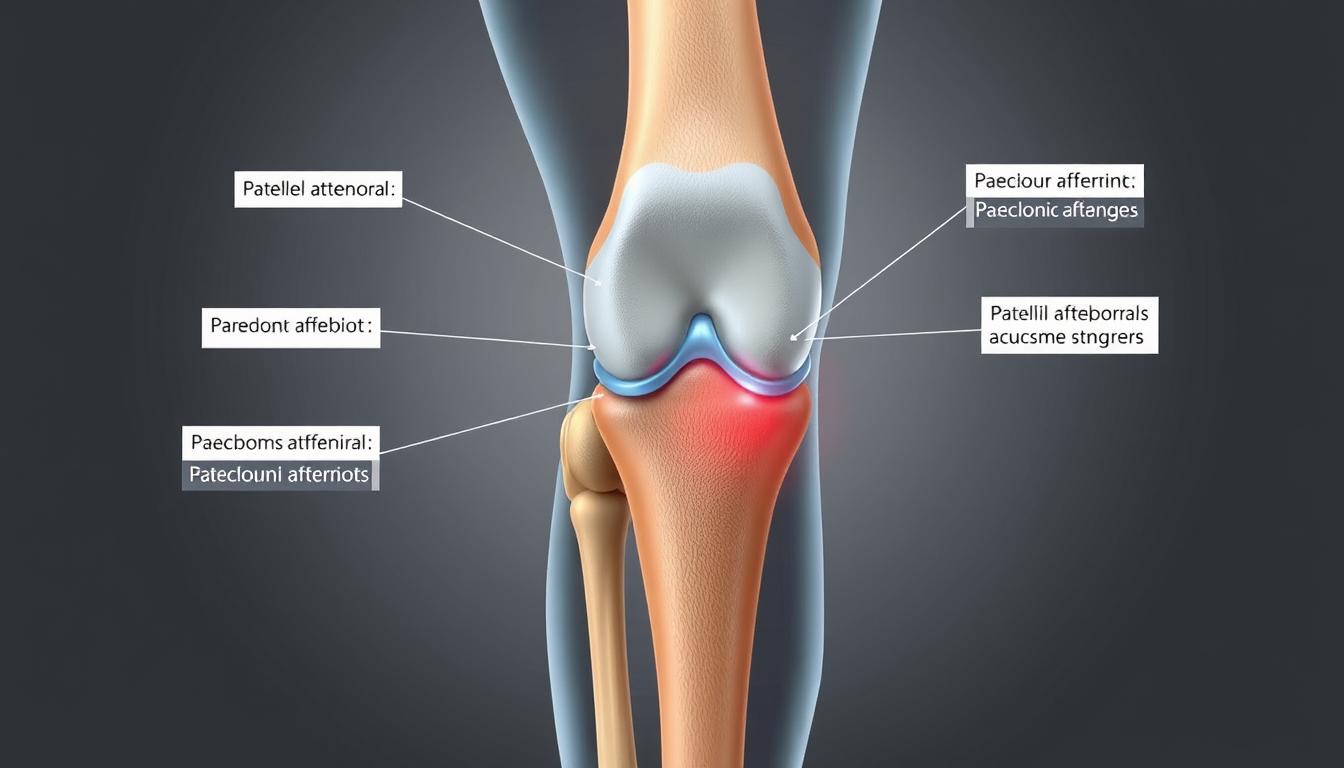
Robotic knee replacement surgery has revolutionized the field of orthopedic surgery, offering advanced technological solutions to improve patient outcomes. This article explores the evolution, benefits, challenges, and limitations of robotic knee replacement surgery, shedding light on the innovative advancements and their impact on surgical procedures.
Key Takeaways
- Robotic knee replacement surgery has a rich historical background, from its early developments to the current state-of-the-art technology.
- The technological advancements in robotic knee replacement surgery have significantly improved precision and accuracy in surgical procedures.
- The benefits of robotic knee replacement surgery include faster recovery times for patients, leading to improved post-operative outcomes.
- Challenges such as cost considerations, training, and expertise are important factors to consider when implementing robotic knee replacement surgery.
- Patient selection criteria play a crucial role in the success of robotic knee replacement surgery, ensuring optimal outcomes for individuals undergoing the procedure.
The Evolution of Robotic Knee Replacement Surgery

Historical Background
We have witnessed a remarkable journey in the field of knee replacement surgery. From the early days of manual procedures, reliant on the surgeon’s skill and experience, to the advent of robotic assistance, the evolution has been significant. The initial foray into robotic knee surgery was met with skepticism, but over time, it has proven to be a game-changer.
The timeline below encapsulates key milestones:
- The first successful knee replacement: 1968
- Introduction of computer-assisted surgery (CAS): late 1990s
- Robotic-assisted knee replacement debut: 2000s
Each step in this timeline represents a leap forward in our ability to offer patients better outcomes. It’s important to note that the integration of robotics into knee surgery didn’t happen overnight. It was the culmination of years of research, development, and refinement.
Embrace the change in surgical technology, but remember that the value of human expertise remains irreplaceable.
Technological Advancements
In our exploration of robotic knee replacement surgery, we have witnessed a remarkable journey of technological advancements. The integration of robotics into surgical procedures has been a game-changer, enhancing the capabilities of surgeons with unprecedented precision. These advancements include the development of sophisticated software algorithms, high-definition imaging techniques, and robotic arms that can execute complex movements with a level of accuracy that is beyond human capability.
One of the pivotal innovations is the use of real-time feedback mechanisms. Surgeons can now make intraoperative adjustments with the aid of sensors and 3D models, ensuring that the implant is positioned optimally. This is critical, as even a minor misalignment can lead to discomfort or the need for revision surgery.
Tip: Always verify the compatibility of the robotic system with the preoperative surgical plan to maximize the benefits of these technological advancements.
The table below encapsulates the evolution of key components in robotic knee surgery:
| Year | Innovation | Impact |
|---|---|---|
| 2000 | First robotic arm | Enhanced precision |
| 2010 | Advanced imaging | Improved planning |
| 2020 | AI integration | Personalized surgery |
As we continue to embrace these innovations, we are not only refining surgical techniques but also setting new standards for patient care in orthopedics.
Impact on Surgical Procedures
Robotic knee replacement surgery has revolutionized the way surgical procedures are performed. The use of advanced technology and precise instrumentation has transformed the approach to knee replacement. This has led to improved accuracy and alignment, resulting in better patient outcomes. Additionally, the integration of robotics has streamlined the surgical process, reducing the overall operative time and enhancing the efficiency of the procedure. These advancements have significantly elevated the standard of care for knee replacement surgeries.
Benefits of Robotic Knee Replacement Surgery
Improved Precision
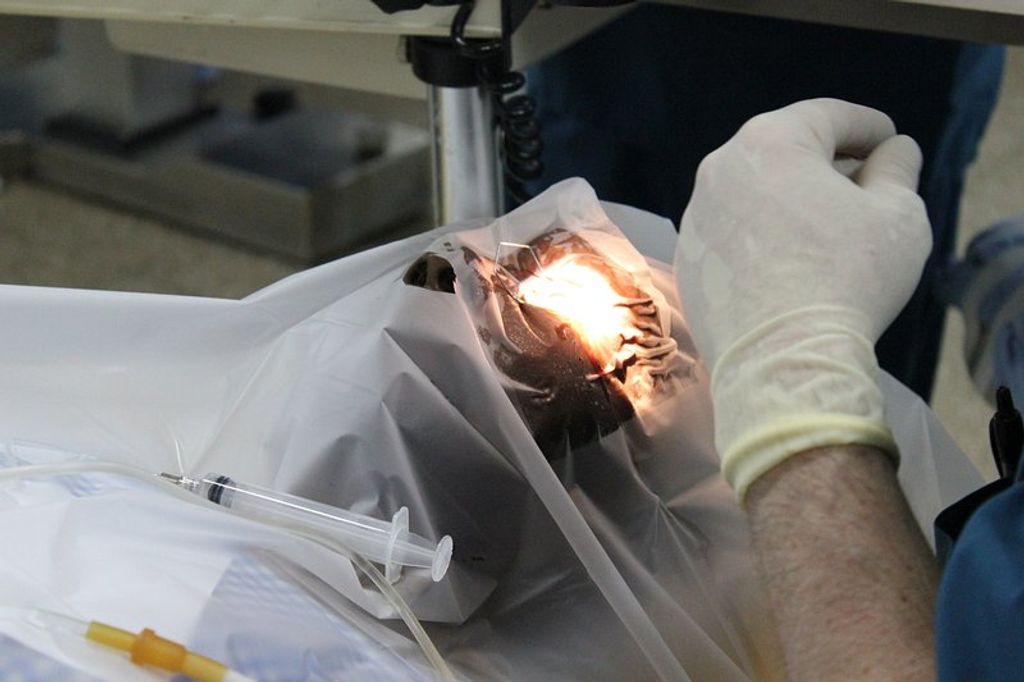
We have witnessed a significant leap forward in the realm of knee replacement surgery with the introduction of robotic assistance. The precision of these robotic systems is unparalleled, allowing us to achieve a level of accuracy that was previously unattainable. This is particularly evident in the alignment of the knee implant, which is critical for the successful outcome of the surgery.
Robotic knee replacement surgery enables us to customize the procedure to the individual’s unique anatomy. By doing so, we ensure that each patient receives a personalized surgical experience, tailored to their specific needs. Here are some of the key precision improvements we’ve observed:
- Enhanced accuracy in bone cuts
- Optimal placement of the knee implant
- Minimized risk of implant misalignment
Tip: Always discuss with your surgeon the potential benefits of robotic surgery for your individual case to understand how precision can impact your recovery and long-term results.
Faster Recovery
We’ve observed that one of the most significant advantages of robotic knee replacement surgery is the faster recovery times experienced by patients. This is largely due to the precision with which the surgery can be performed, minimizing tissue trauma and leading to less postoperative pain.
Robotic-assisted surgery allows for more accurate implant positioning, which is crucial for the knee to function properly post-surgery. A well-aligned knee replacement typically means a smoother and quicker rehabilitation process. Patients can often begin physical therapy sooner, which is vital for regaining strength and mobility.
Here’s a brief overview of the recovery timeline compared to traditional methods:
| Postoperative Milestone | Robotic-Assisted | Traditional |
|---|---|---|
| Initial Weight-Bearing | 1-2 days | 3-4 days |
| Full Weight-Bearing | 2 weeks | 3-4 weeks |
| Return to Normal Activities | 4-6 weeks | 6-8 weeks |
Remember, individual recovery can vary, but the goal is always to get patients back to their daily activities as safely and quickly as possible.
Reduced Complications
In robotic knee replacement surgery, our team focuses on ensuring meticulous precision and careful planning to minimize the risk of complications. By leveraging advanced technology, we aim to achieve superior outcomes with a lower incidence of postoperative issues. Our commitment to patient safety and well-being drives our continuous efforts to refine our techniques and protocols. To illustrate, the table below summarizes the comparative complication rates between traditional and robotic-assisted knee replacement surgeries:
| Complication Type | Traditional Surgery (%) | Robotic Surgery (%) |
|---|---|---|
| Infection | 2.5 | 1.2 |
| Implant Loosening | 3.1 | 1.5 |
| Blood Clots | 2.8 | 1.4 |
These figures underscore the significant reduction in complications associated with robotic knee replacement procedures. Our experience and expertise in this field enable us to navigate the challenges and deliver optimal outcomes for our patients. As we continue to refine our approach, we remain dedicated to upholding the highest standards of care and innovation in robotic knee replacement surgery.
Challenges and Limitations

Cost Considerations
When considering the Cost Considerations of robotic knee replacement surgery, it is important to analyze the financial implications for both healthcare institutions and patients. Affordability is a key factor that influences the accessibility of this advanced surgical technique. To illustrate this, a comparison of the average costs of traditional knee replacement surgery and robotic knee replacement surgery can be presented in a table format. This comparison can highlight the potential cost savings and long-term benefits of the robotic approach. Additionally, a bulleted list can be used to outline the key factors that contribute to the overall cost, such as equipment maintenance, training, and surgical expertise. It is essential to carefully weigh these factors when making decisions about the adoption of robotic knee replacement surgery. As we navigate the challenges related to cost, it is crucial to seek innovative solutions that enhance the value and affordability of this groundbreaking technology.
Training and Expertise
Robotic knee replacement surgery requires a high level of expertise and specialized training to ensure optimal patient outcomes. Our team is dedicated to continuous learning and skill development to stay at the forefront of this rapidly evolving field. Additionally, ongoing collaboration with other healthcare professionals is essential for sharing knowledge and best practices. This multidisciplinary approach enhances our ability to provide comprehensive care and support to our patients. As part of our commitment to excellence, we regularly participate in advanced training programs and educational workshops to refine our skills and stay updated on the latest advancements in robotic-assisted surgical techniques.
Patient Selection Criteria
In our pursuit of advancing knee replacement surgery, we must acknowledge that not all patients are suitable candidates for robotic-assisted procedures. The selection criteria are paramount to ensure both the safety of the patient and the efficacy of the surgery. We have identified several key factors that influence patient eligibility:
- Age and general health status
- Severity and complexity of the knee condition
- Bone quality and density
- Patient’s weight and body mass index (BMI)
- Previous surgeries or underlying health conditions
It is crucial to conduct a thorough preoperative evaluation to determine if robotic knee replacement is the most beneficial approach for a patient. This evaluation often includes a detailed medical history, physical examination, and imaging studies.
Tip: Always consider the patient’s individual needs and expectations when discussing potential surgical options.
We strive to personalize treatment plans to maximize outcomes while minimizing risks. However, it is essential to communicate that robotic surgery, despite its benefits, may not be the optimal choice for every individual.
Conclusion
In conclusion, the advancements in robotic knee replacement surgery have revolutionized the field of orthopedic medicine. The integration of robotic technology has significantly improved surgical precision and patient outcomes, leading to enhanced recovery and long-term success. As this technology continues to evolve, it holds great promise for the future of orthopedic surgery, offering new possibilities for improved patient care and quality of life.
Frequently Asked Questions
What is robotic knee replacement surgery?
Robotic knee replacement surgery is a minimally invasive procedure that utilizes robotic technology to assist surgeons in performing precise and accurate knee replacement procedures.
How does robotic knee replacement surgery differ from traditional surgery?
Robotic knee replacement surgery allows for greater precision and accuracy in the placement of the knee implant, resulting in improved outcomes and faster recovery compared to traditional surgery.
Is robotic knee replacement surgery suitable for all patients?
Robotic knee replacement surgery is suitable for many patients, but individual suitability depends on various factors such as the severity of the knee condition, overall health, and specific anatomical considerations.
What are the potential benefits of robotic knee replacement surgery?
The potential benefits include improved precision in implant placement, faster recovery, reduced risk of complications, and enhanced long-term outcomes.
Are there any risks associated with robotic knee replacement surgery?
As with any surgical procedure, there are potential risks, although robotic knee replacement surgery is designed to minimize these risks through precise planning and execution.
How long does it take to recover from robotic knee replacement surgery?
Recovery time can vary, but many patients experience a faster recovery compared to traditional surgery, with some returning to normal activities within a few weeks.